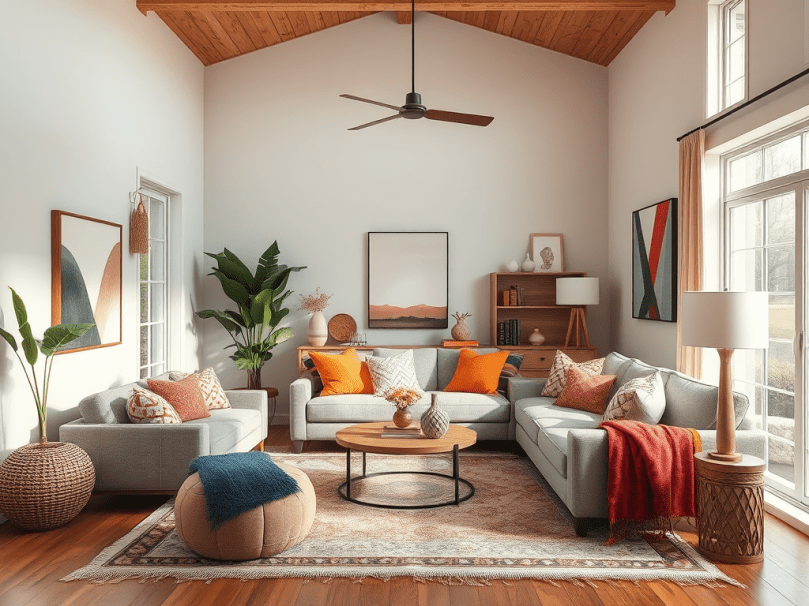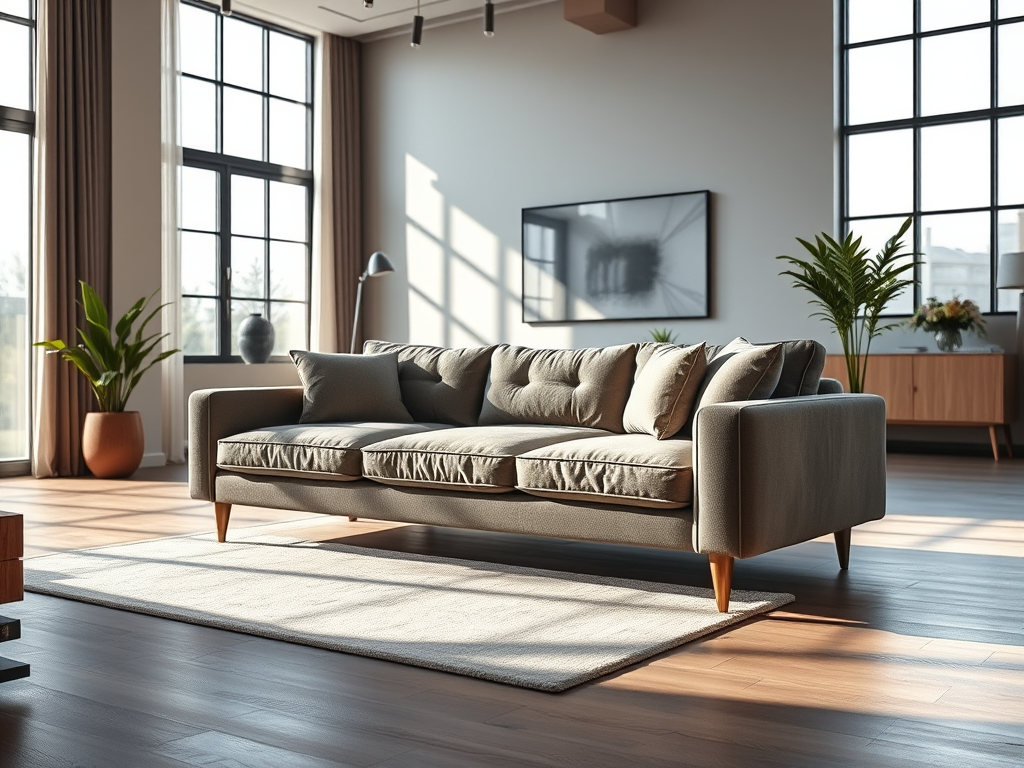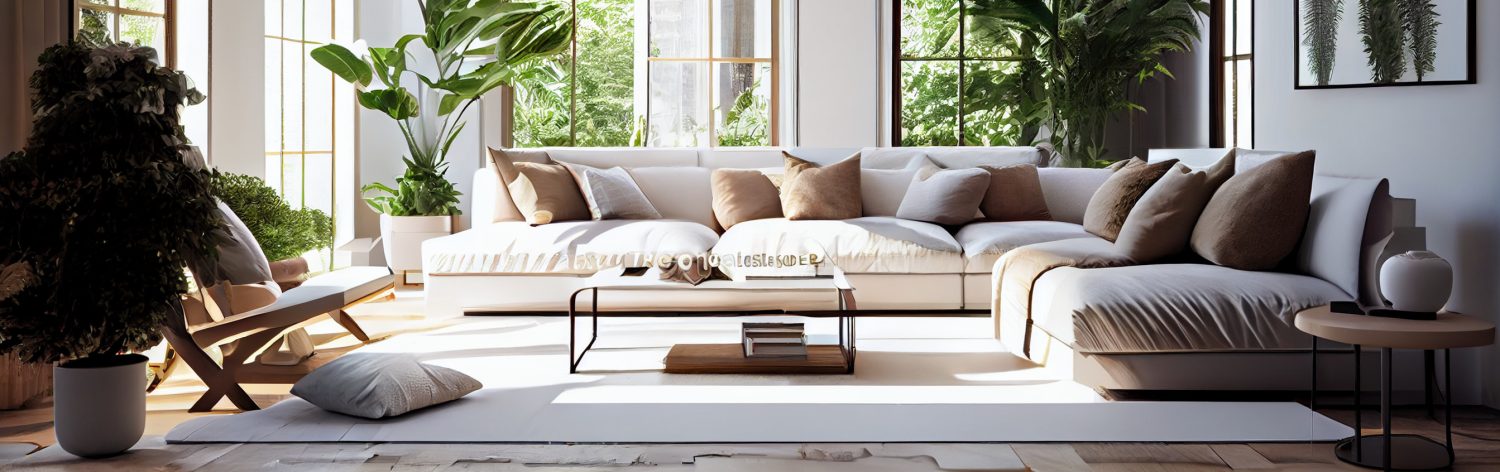

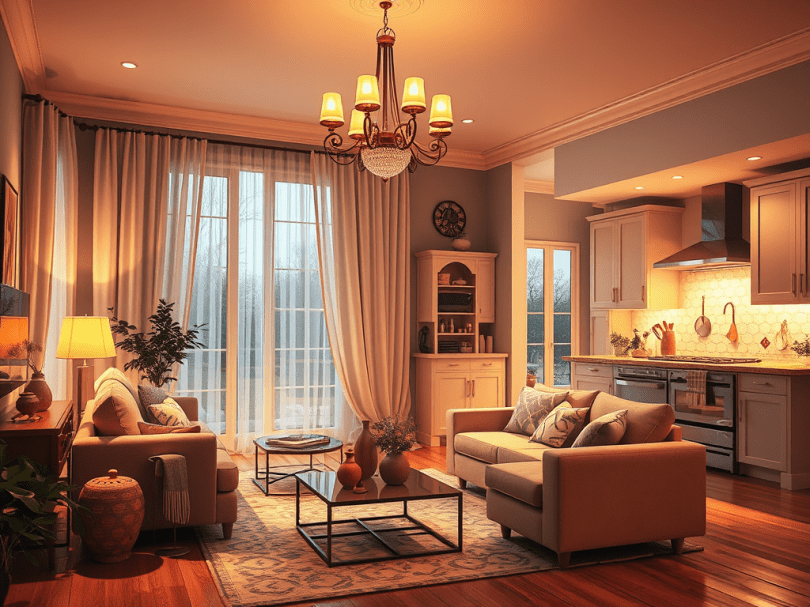
How to Improve the Lighting in Your Home: Creating the Perfect Glow for Every Occasion


Lighting is one of the most underrated design elements in the home. It doesn’t just make your space brighter—it sets the mood, enhances your décor, and makes everyday tasks easier. The right lighting can make your living room cozy, your kitchen functional, and your bedroom a relaxing retreat. If you’ve been thinking about upgrading your home’s lighting, here’s how to do it properly so you can enjoy the best illumination for every occasion.
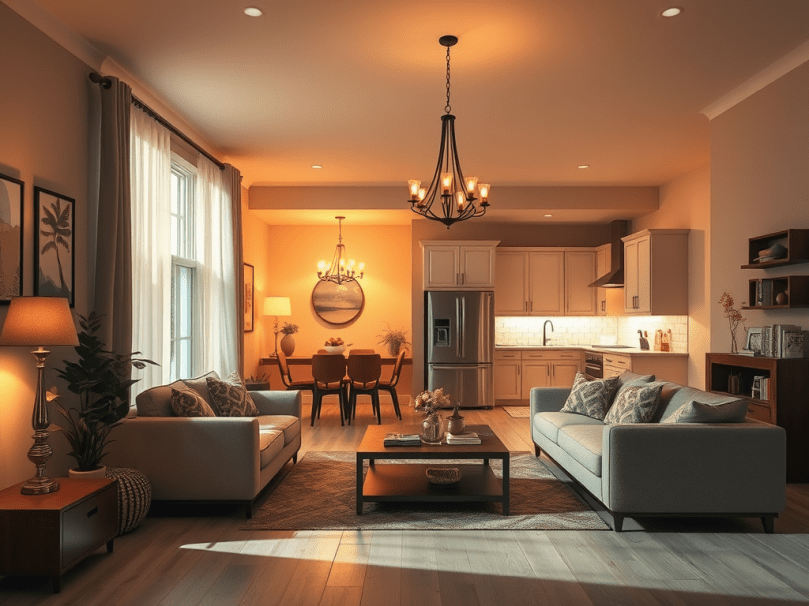

1. Start with a Lighting Plan

Every room in your home has a different purpose, so your lighting should reflect that. Before you begin upgrading fixtures, ask yourself:

  • What activities happen in this room? (Cooking, relaxing, working, entertaining?)
  • What’s the natural light like during the day?
  • Are there dark corners or areas that need extra brightness?

Creating a plan ensures you’re not just adding random lights but designing an intentional system.


2. Layer Your Lighting

One of the biggest mistakes people make is relying on a single overhead light. While convenient, it can leave your space feeling flat and uninviting. Instead, think of lighting in layers:

  • Ambient Lighting: General illumination like ceiling lights, chandeliers, or recessed lights.
  • Task Lighting: Focused light for specific activities—like under-cabinet lighting in the kitchen or a desk lamp in your office.
  • Accent Lighting: Decorative lighting to highlight artwork, bookshelves, or architectural details.
  • Mood Lighting: Dimmers, wall sconces, or even candles to create a cozy, inviting atmosphere.

By combining these layers, you’ll have flexibility to adjust your space depending on the time of day or occasion.


3. Upgrade Your Bulbs

Sometimes, improving your lighting doesn’t require replacing fixtures—it’s as simple as changing your bulbs.

  • LED bulbs are energy-efficient, last longer, and come in various brightness levels.
  • Color temperature matters: warm white (2700K–3000K) is great for bedrooms and living rooms, while cooler light (4000K–5000K) works best for kitchens and offices.
  • Smart bulbs let you adjust brightness and even change colors with your phone or voice commands—perfect for setting the mood instantly.

4. Install Dimmer Switches

If you want your lighting to work for every occasion, dimmers are a must. They allow you to shift from bright and functional (great for cleaning or working) to soft and relaxing (ideal for dinners or movie nights). Dimmers are an easy, affordable upgrade that makes a huge difference in how your rooms feel.


5. Make Use of Natural Light

Don’t forget about the sun—it’s the best (and free!) source of light you have. Maximize natural light by:

  • Using sheer curtains or blinds that let in daylight while maintaining privacy.
  • Hanging mirrors across from windows to bounce light around the room.
  • Keeping window areas uncluttered so sunlight can flow in freely.

6. Match Lighting to Your Home’s Style

Your fixtures should complement your décor just like furniture does. A modern pendant light can transform a kitchen island, while a chandelier adds elegance to a dining room. Choose lighting that not only functions well but also enhances your home’s aesthetic.


7. Consider Smart Lighting Systems

For ultimate convenience, smart lighting systems like Philips Hue, LIFX, or other app-controlled setups allow you to program schedules, set scenes, and control lighting remotely. Hosting a dinner party? One tap sets a warm, inviting glow. Movie night? Lights dim automatically. It’s both practical and stylish.

Final Thoughts

Good lighting is about more than visibility—it’s about creating the right atmosphere for every moment. By layering different types of lighting, choosing the right bulbs, and using dimmers or smart technology, you can make your home feel both functional and beautiful.

When you invest in proper lighting, you’re not just brightening your rooms—you’re transforming how you live in them.


Tip for Your Next Home Project: Start small. Upgrade the lighting in just one room and see how it changes the feel of your space—you’ll be inspired to keep going!


How to Prepare Your Home for Halloween (and Should You Decorate Early?)


1. When Should You Start Decorating?

It’s a topic that always divides fans of the season. Design experts typically advise against starting too early. Most say decorating before September 1 falls flat, and many hold off until after Labor Day to build anticipation as summer transitions into fall (The Spruce). A YouGov survey reflects this: 43% of respondents believe the ideal time to start is between October 1 and 15, while only 13% think decorating between Labor Day and September 30 is okay (The Spruce).

Yet, retailers are embracing the trend of early-season Halloween, dubbed “Summerween.” Michaels, for example, launched its Summerween collections as early as June, with full releases through midsummer and early August (Better Homes & Gardens). So if you’re excited to dive into spooky mode early, retail trends have your back!

From Reddit, Halloween decorating timelines vary widely:

  • “Usually mid-September, but we … ended up loving so much that we just kept the entire living room … all year.”
  • “September 1st or Labor Day Weekend.”
  • “Some decorations are up year-round. But … my husband won’t let me go full Halloween … until October 1st.” (Reddit)

Bottom line: Start when it feels right for you—whether you’re easing into fall or going full spooky early.


2. Halloween 2025 Trends & Themes to Watch

a. Summerween Vibes—Start Early and Stylish

Retailers like Michaels are pushing Halloween decor earlier than ever, with collections such as Dead Regency, Iridescent Moon, and Alice’s Adventure, blending gothic, cosmic, and fantastical themes in July and August launches (Better Homes & Gardens).

b. Over-the-Top Yard Decorations

Home Depot’s 2025 lineup features epic outdoor decor: the returning 12-foot Skelly (now with LCD LifeEyes™), a massive 15-foot Worricrow scarecrow, an 8-foot Wyvern dragon, skeleton pets, and classic horror figures from Universal’s catalog like Chucky and Bride of Frankenstein (The Spruce, Wikipedia).

c. Chic, Non-Tacky Inflatables

Looking to avoid the cheesy Halloween lawn staples? House Beautiful recommends stylish inflatables by Funboy—think snake-like worms and disco-lit ghosts—perfect for family-friendly curb appeal (House Beautiful).

d. Designer Pumpkins and Elegant Accents

If you’re into upscale seasonal décor, MacKenzie-Childs has launched a chic Halloween collection. Expect hand-painted resin pumpkins with their signature checkerboard patterns, plus whimsical tabletop items like candy-set salt and pepper shakers (Homes and Gardens).

e. Cute & Cuddly Plush Decor

Add adorable flair with Jellycat’s 2025 Halloween plush collection—featuring characters like “Ooky Jack O Lantern,” “Mysti Ghost,” “Broox Bat,” and “Skeleton Bob.” These plushies bring a soft, collectible charm to your seasonal decor (Country Living).


3. Tips for Preparing Your Home for Halloween

a. Choose a Theme & Declutter for Impact

Start by picking a theme—haunted estate, spooky botanical, vintage retro, or cozy chic. When staging indoor décor, remove regular items to spotlight seasonal pieces and avoid a cluttered look (Nell Hill’s).

b. Consider Color Harmony

Stick to around three main colors. Whether you go with classic orange and black, eerie purple and green, or refined black and silver, a cohesive palette keeps the design polished (Nell Hill’s).

c. Don’t Overlook Less Obvious Spaces

Bring Halloween charm into bathrooms, kitchens, and other often-forgotten areas. Streamline lighting cords discreetly—think painter’s tape behind furniture—for a cleaner look (Nell Hill’s).

d. Deck Out the Exterior Thoughtfully

Styling your porch? Combine classic fall elements—pumpkins, hay bales, corn stalks—with skeletons, spiders, and crows for a textured, layered display (The Everymom). A few giant spiders and a web can send a subtle yet spooky message (The Everymom).

e. Stay Cozy & Seasonal Outdoors

For a more autumnal approach, wrap your outdoor space in cozy textures—lanterns, textiles, muted pumpkins—and aim for a natural, inviting feel (Homes and Gardens).


4. A Sample Timeline

PeriodFocus
Late August / SummerweenEarly decorating with whimsical & fantasy themes from Michaels
September (if early)Bring in subtle fall touches, swap in autumn textiles
Late SeptemberAdd more Halloween-specific elements indoors and out
October 1–15Go full spooky: inflatables, animatronics, plush characters

Wrapping It Up

Preparing your home for Halloween is part art, part seasonal strategy. Whether you’re diving into spooky décor with early-season fervor or elegantly weaving in autumn touches, the most important rule is to do it with style—and on your timeline. 2025’s trends—from Summerween collections to epic animatronics and designer pumpkins—give you plenty of inspiration to make your space feel delightfully haunted and utterly yours.

The Ugly Comfy Chair: How to Love It Without Losing Your Style


Every home has that chair. You know the one—oversized, a little faded, a pattern that may have been trendy decades ago (if ever), and somehow… it’s your spouse’s favorite seat in the house. The “ugly comfy chair” isn’t just furniture; it’s tradition, nostalgia, and pure comfort rolled into one. But when you’re trying to create a cohesive home style, that chair can feel like the elephant in the room. So, what do you do when you can’t get rid of it, but you also can’t stand the sight of it?

The answer: compromise, creativity, and a little styling magic.


Why You Can’t Just Toss It

First, it’s important to acknowledge why the chair stays. For your spouse, it’s more than looks—it’s comfort, memories, and maybe even their favorite spot for winding down after a long day. By keeping the chair, you’re keeping peace, balance, and a piece of their story in your home. And let’s be honest—every relationship is a little give-and-take, even in décor.


Ways to Dress Up the Ugly Chair

1. Slipcovers: The Instant Fix

A slipcover is the quickest way to transform a chair’s look without taking away its comfort. Choose a neutral, textured fabric that blends with the rest of your décor, or go bold with a fun pattern if you want it to stand out as an intentional accent piece.

2. Layer with Throws and Blankets

Drape a chunky knit throw or a soft, patterned blanket over the back or arm of the chair. Not only does it soften the look, but it also hides some of the original fabric. Bonus: it makes the chair even cozier.

3. Pillows Are Your Friend

Accent pillows can distract from less-than-ideal upholstery. Choose pillows in colors that tie into your rug, curtains, or other furniture. A well-chosen pillow can make the chair feel like it belongs in the room rather than a leftover piece.

4. Positioning Matters

Sometimes the best trick is placement. Move the chair into a cozy corner with a small side table and lamp, turning it into a reading nook. By creating a defined “zone” for the chair, it feels intentional instead of intrusive.

5. Add a Rug Underneath

Ground the chair with a stylish rug. It helps create a visual boundary and draws the eye toward the setup as a design choice instead of a clash with your décor.

6. Play with Contrast

If your chair is bold (ugly, yes, but bold), lean into it! Sometimes treating it as a statement piece rather than hiding it makes it feel like an eccentric but lovable part of the design. Pair it with other fun accents so it looks less out of place.


Finding the Balance Between Style and Comfort

At the end of the day, the “ugly comfy chair” represents something every home has: personality. Your house isn’t a furniture showroom—it’s a lived-in space that blends the styles, needs, and comforts of everyone who lives there. By meeting in the middle, you can honor your spouse’s favorite chair while still keeping your home stylish and cohesive.

Who knows? With the right styling, you might just find yourself sneaking into that chair every now and then, too.


Finding Your Signature Style: How to Decorate Your Space With Confidence


When it comes to decorating your home, one of the biggest challenges isn’t always the budget or the space—it’s figuring out your style. Do you want to stick with a single, cohesive theme throughout your home, or would you rather mix and match different aesthetics to create something truly your own?

The truth is, there’s no one-size-fits-all approach. Your home should feel like a reflection of you. Let’s break down how to discover your signature style and decide whether you’re a “one-style” decorator or a “mix-and-match” enthusiast.


Step 1: Look to Your Everyday Life for Inspiration

Your style often shows up in what you’re naturally drawn to—your clothing, favorite colors, travel destinations, or even the cafés and shops you love spending time in. Start noticing patterns:

  • Do you gravitate toward clean lines and neutral tones? That might point toward minimalism.
  • Love rustic woods, cozy textures, and warm tones? You may lean toward farmhouse or rustic chic.
  • Drawn to vibrant patterns, eclectic art, and bold color? You could be a boho spirit.

Step 2: Collect Visuals

Pinterest boards, Instagram saves, or even snapping photos while shopping can help. When you look at your saved collection, you’ll often see repeating elements—even if you didn’t realize you had a preference.

Ask yourself:

  • Which pieces stand out most?
  • Do I prefer calm, simple looks or layered, detailed ones?
  • Am I inspired by modern, vintage, or a combination of both?

Step 3: Decide Between a Single Style or a Mix

Here’s where the fun begins.

Sticking to One Style

Choosing a single style creates harmony and cohesion. Your space will flow seamlessly, and every room will feel connected. This works especially well in smaller homes or apartments where consistency makes the space feel larger and more intentional.

Mixing and Matching

If you love multiple styles, why limit yourself? Mixing allows you to add personality and dimension. The key is balance:

  • Stick to a common color palette.
  • Choose one dominant style and use the other(s) as accents.
  • Blend textures thoughtfully so the space feels intentional, not chaotic.

For example, pairing modern furniture with rustic wood accents or mixing minimalist décor with boho textiles can create a unique signature look.


Step 4: Start Small and Evolve

Your signature style doesn’t have to be set in stone. Begin with a few pieces you truly love, then build around them. As you live in your space, your style will naturally evolve—it’s part of the journey.


Final Thoughts

Whether you commit to one style or embrace a mix, the most important thing is that your home feels like you. Your signature style isn’t about following rules—it’s about creating a space that makes you feel comfortable, inspired, and proud every time you walk through the door.

So ask yourself: Do I crave consistency, or do I thrive in creativity and variety? That answer will lead you straight to your signature style.


How to Find the Right Couch for Your Home


A couch is more than just a piece of furniture—it’s the heart of your living room. It’s where you curl up with a book, binge-watch your favorite shows, entertain guests, or even sneak in an afternoon nap. But with so many styles, fabrics, and sizes to choose from, finding the right couch can feel overwhelming. Don’t worry—I’ve put together a guide to help you choose the perfect one that fits your home, lifestyle, and budget.


1. Start with Your Space

Before falling in love with a sectional that could seat an entire football team, take a look at your space.

  • Measure the room (length, width, and height).
  • Consider the layout—do you want the couch against a wall, floating in the center, or paired with other seating?
  • Think about flow—make sure people can walk comfortably around it.

Pro tip: Tape out the dimensions of a potential couch on the floor so you can visualize how it will look.


2. Choose a Style That Fits Your Home

Your couch should match your home’s overall vibe.

  • Modern/Minimalist: Sleek lines, neutral colors, metal or wood legs.
  • Traditional: Rolled arms, tufted backs, warm fabrics.
  • Boho/Cozy: Plush cushions, layered textures, fun patterns.
  • Family-Friendly: Deep seating, durable fabric, lots of pillows.

Think of your couch as an anchor piece—it sets the tone for the rest of your living room decor.


3. Pick the Right Fabric

The right material depends on your lifestyle:

  • Performance fabric or leather if you have kids or pets (easy to clean, durable).
  • Linen or velvet if you want a touch of luxury (but they may require more maintenance).
  • Microfiber for an affordable, stain-resistant option.

Don’t be afraid to request fabric swatches before buying online—it’s worth making sure the color and texture work in your space.


4. Comfort Comes First

A beautiful couch won’t mean much if it’s uncomfortable.

  • Test the cushion depth and firmness—do you like sinking in or sitting upright?
  • Check the back support—especially if you’ll be sitting for long hours.
  • Pay attention to arm height if you love lounging or napping.

If you’re shopping online, read customer reviews to see how the comfort level holds up in real homes.


5. Think About Functionality

Ask yourself: how will you use your couch most?

  • Hosting? Go for a sectional or extra-deep seating.
  • Small space? A loveseat or sofa bed could be the perfect fit.
  • Need flexibility? Modular couches let you rearrange pieces as your needs change.

6. Set a Budget (and Stick to It)

Couches range from a few hundred to several thousand dollars. Decide what’s most important to you—style, comfort, durability—and spend accordingly. Sometimes it’s worth investing a little more for a piece that will last years.


Final Thoughts

Finding the right couch is about balancing style, comfort, and practicality. It should reflect your personality, fit your space, and support your lifestyle. Once you find the perfect one, your living room will feel complete—a place where memories are made and relaxation comes easy.