
Shades of Orange: Beyond Halloween Decor


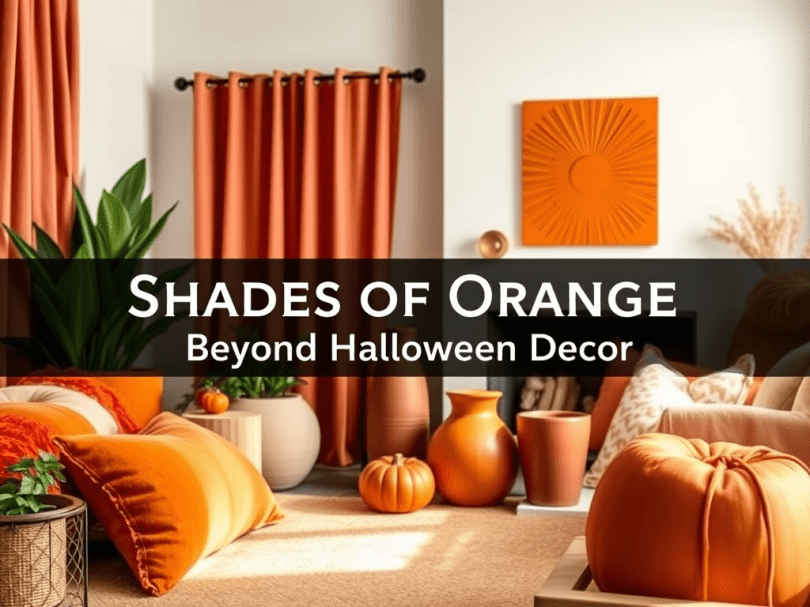
When most people think of orange, they immediately picture pumpkins, jack-o’-lanterns, and Halloween candy. It’s true—orange has become a staple seasonal color for fall. But is orange only for Halloween? Absolutely not! With its warmth, energy, and versatility, orange can bring life into your home at any time of the year.
The Psychology of Orange in Home Decor

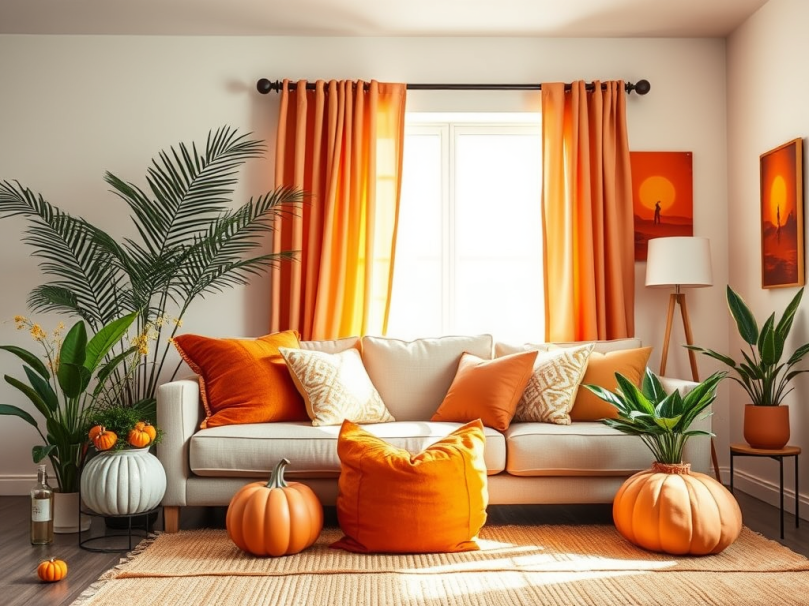
Orange is a blend of the fiery energy of red and the cheerful brightness of yellow. It’s known to spark creativity, uplift moods, and create a sense of warmth. Depending on the shade, orange can either make a bold statement or add a subtle pop of color.

  • Burnt Orange – Cozy, earthy, and perfect for autumn-inspired spaces.
  • Peach – Soft and refreshing, ideal for bedrooms and bathrooms.
  • Terracotta – Warm and grounding, great for kitchens and rustic themes.
  • Tangerine – Vibrant and lively, perfect for energizing living rooms or offices.

Orange Throughout the Seasons

  • Fall: Pair burnt orange with deep browns, olive greens, and gold for a classic seasonal look.
  • Winter: Use orange sparingly with neutrals like gray, cream, or navy to brighten a space without feeling too summery.
  • Spring: Mix peach or coral with pastel blues, soft greens, and whites for a light and airy feel.
  • Summer: Go bold with tangerine accents against crisp white, turquoise, or sunny yellow for a tropical vibe.

Beautiful Orange Home Pieces to Try

Looking for ways to bring orange into your space? These finds make it easy to experiment with the color without overwhelming your home:

  1. Burnt Orange Velvet Throw Pillow Covers – Available on Amazon and Etsy, velvet pillow covers are an easy seasonal swap for your sofa or bed.
  2. Terracotta Ceramic Planters – Check out West Elm or Target for chic planters that bring both texture and warm color to your greenery.
  3. Orange Accent Chair – Wayfair has stunning mid-century style chairs in burnt orange and tangerine tones that work as a bold focal point.
  4. Handwoven Orange & Cream Area Rug – Rugs USA and Ruggable both offer washable patterned rugs with soft orange hues, perfect for high-traffic spaces.
  5. Amber Glass Vases or Candle Holders – Affordable options at CB2 or IKEA add subtle orange warmth and look beautiful in candlelight.
  6. Peachy Linen Curtains – Try H&M Home or Pottery Barn for breezy peach-toned curtains that soften natural light in a living room or bedroom.
  7. Orange Kitchen Accessories – The Le Creuset Dutch Oven in Flame is iconic and doubles as both functional cookware and a decor statement in the kitchen.
  8. Tangerine Wall Art – Etsy is full of affordable digital prints featuring bold orange accents—great for an instant gallery wall refresh.

Is Orange Right for Your Home?

Orange isn’t just a Halloween color—it’s a year-round shade that can adapt to your style. Whether you love bold, vibrant interiors or subtle, earthy tones, there’s a shade of orange that can work for you. The key is balance. Pair orange with complementary or neutral tones so it enhances your home instead of overwhelming it.

Final Thought:
Orange is the color of creativity, warmth, and joy. So don’t save it for just October—let it shine in your home all year long.


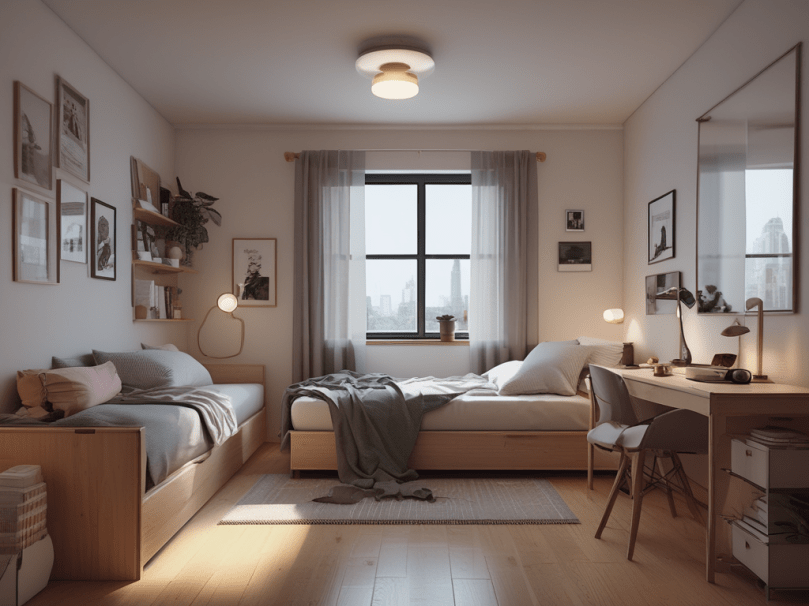
Decorating Your Dorm: Finding Your Style Without Offending Your Roommate


Moving into a dorm is an exciting step—your first taste of independence, a space that’s all your own… well, partly your own. Unlike decorating your childhood bedroom or your first apartment, you’re sharing this space with someone else who might not share your taste in decor. The challenge? Creating a dorm that reflects your style without stepping on your roommate’s toes.

Here’s how to strike the perfect balance:


1. Start With a Conversation

Before you unpack your posters, fairy lights, or throw pillows, take time to talk with your roommate. Ask about their preferences—colors they like, styles they dislike, and how much decorating they’d like to do. A little communication upfront can prevent awkward tension later.


2. Define Shared vs. Personal Space

In a dorm, your bed, desk, and wall space above them are usually “yours.” Stick to decorating your designated area to showcase your style. If you love bright, bold patterns and your roommate prefers a neutral vibe, your bedding, desk accessories, and wall art can reflect your personality without spilling into their side of the room.


3. Choose a Neutral Base, Then Add Pops of Personality

Large shared items—like rugs, curtains, or storage bins—should be neutral so they don’t clash with each other’s style. Think grays, whites, or muted tones. Then, add pops of your personality through smaller accents like throw blankets, lamps, and artwork that stay within your space.


4. Respect Noise, Light, and Scent Decor

Not all decor is visual. String lights are fun, but make sure they won’t keep your roommate up at night. Candles might smell lovely to you, but your roommate might not appreciate the scent (and most dorms don’t allow them anyway). Opt for LED candles or plug-in diffusers with subtle scents if you want ambiance.


5. Compromise on Shared Zones

If you want a mini-fridge, coffee station, or shared shelving, discuss how it will be styled. Maybe you’re into boho baskets, and your roommate prefers sleek organizers. Try blending styles: a neutral organizer accented with your decorative touch.


6. Keep It Flexible

Your style might evolve during the year, and so will your roommate’s comfort level. Be willing to adjust, move, or swap out items if they don’t mesh well in your shared space. A willingness to adapt shows respect—and keeps the peace.


7. Add Personality Through Non-Intrusive Items

Want to express yourself without overwhelming the room? Use items like:

  • A cozy blanket on your bed
  • Desk organizers in your favorite color
  • Wall art hung on your side
  • A small plant on your desk
    These touches keep your personality front and center without encroaching on your roommate’s space.

Final Thoughts

Decorating your dorm is about finding the balance between expressing yourself and respecting your roommate. By focusing on your personal space, choosing neutral shared items, and keeping communication open, you can create a dorm room that feels like home—without causing tension. After all, the best dorms aren’t just stylish; they’re harmonious.


Sprucing Up Your Windows: How to Spice Up Boring Window Treatments


Windows are often called the “eyes of the home,” but too often, they get overlooked when it comes to decorating. While walls get fresh paint and floors get stylish rugs, window treatments sometimes remain plain, basic, or simply outdated. The good news? A few creative tweaks can turn even the most boring windows into stylish focal points that elevate your entire space.

1. Layer Your Look

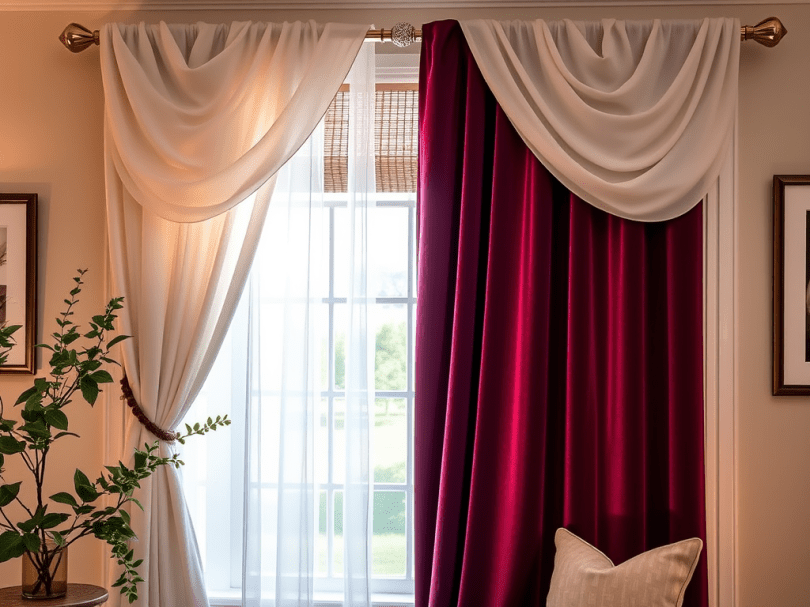
If your current curtains feel flat, try layering. Pair sheer curtains with heavier drapes or combine blinds with flowing fabric panels. This not only adds depth and dimension but also gives you more control over light and privacy. Think soft white sheers under bold velvet curtains for a sophisticated contrast.

2. Add a Pop of Pattern or Color

Neutral curtains are safe, but sometimes they blend right into the walls. To make your windows stand out, choose bold prints or unexpected colors. Florals, geometric designs, or even a deep jewel tone can instantly transform the room. If you’re hesitant, start with patterned tiebacks or a colorful valance.

3. Upgrade Hardware

Don’t underestimate the power of curtain rods, finials, and tiebacks. Sleek metallic rods, rustic wood finishes, or decorative finials can add personality. Even a simple black rod with modern end caps can make your window feel polished and intentional.

4. Go Natural with Textures

Want a cozy, organic vibe? Try woven shades, bamboo blinds, or linen drapes. Natural fibers bring warmth and texture to a room while still feeling timeless. Pair them with light, airy curtains for a breezy, layered effect.

5. Try Roman or Roller Shades

If traditional curtains aren’t your thing, swap them for Roman or roller shades. They’re sleek, functional, and come in endless fabric and pattern options. Bonus: they fit well in small spaces where long drapes might feel heavy.

6. Frame with Fairy Lights or Greenery

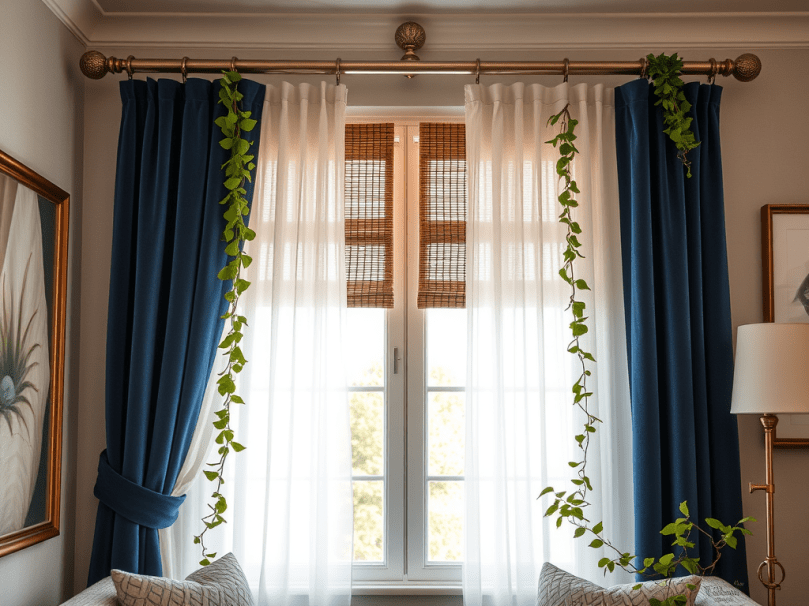
For a whimsical touch, frame your windows with twinkle lights or hang a strand of faux greenery across the top. Plants also work wonders—try small hanging planters on either side of the window or a trailing pothos on the sill.

7. Don’t Forget Tiebacks

A stylish tieback can completely change the mood of your curtains. Think beyond the basic rope—try leather straps, crystal hooks, or even DIY options like colorful scarves. It’s a small detail that makes a big impact.

8. Consider Seasonal Switch-Ups

Just like you swap out throw pillows or blankets, consider updating your curtains with the seasons. Lighter fabrics like cotton or sheer linen work well in spring and summer, while velvet or thick woven panels feel cozy in fall and winter.


Final Thoughts

Windows deserve just as much attention as your walls and floors. By layering, adding color, upgrading hardware, or experimenting with textures, you can easily spice up boring window treatments and turn them into a statement feature of your home. Small changes can have a big effect—sometimes all it takes is a fresh rod, a bold print, or a creative tieback to breathe new life into your space.


Painting Your Space: A DIY Guide to Painting Your Home or Apartment for the First Time


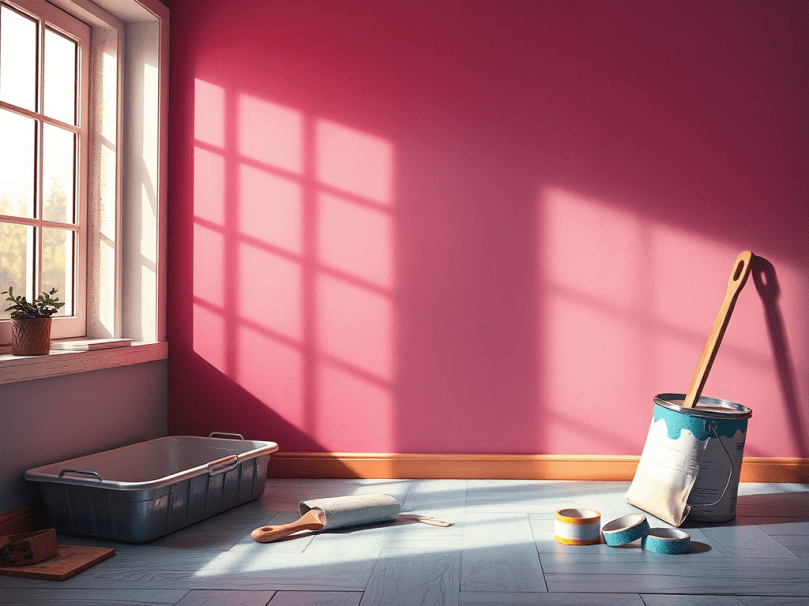
There’s something magical about a fresh coat of paint. It can instantly transform a room, shift the mood of your space, and make your home feel more like you. If you’re about to paint your home or apartment for the very first time, don’t worry—it’s easier than it looks when you’re armed with the right tools, tricks, and mindset. This DIY guide will walk you through how to paint like a pro, even if you’ve never picked up a paint roller before.


Step 1: Choose Your Paint and Finish

Before you grab a brush, you’ll need to decide on two things: color and finish.

  • Color: Think about how you want the space to feel. Light colors can make rooms feel bigger and more open, while dark tones bring coziness and depth. Neutrals (like soft grays, whites, and beige) are versatile, but don’t be afraid to add a pop of personality with a bold accent wall.
  • Finish:
    • Matte/Flat: Great for hiding imperfections but not easy to clean.
    • Eggshell/Satin: Perfect for most rooms—slight sheen and wipeable.
    • Semi-Gloss/Gloss: Durable and easy to clean—best for kitchens, bathrooms, and trim.

Step 2: Gather Your Supplies

You don’t need a professional kit, just some basics:

  • Paint (and primer, if needed)
  • Paint tray & liners
  • Paint roller with extension pole
  • Angled paint brush for edges
  • Painter’s tape
  • Drop cloths or old sheets
  • Sandpaper and spackle for patching holes
  • A damp cloth for quick cleanups

Step 3: Prep the Room (This Is Key!)

The secret to a great paint job is in the preparation.

  1. Clear the space. Move furniture to the center or out of the room.
  2. Protect surfaces. Use drop cloths to cover floors and furniture.
  3. Tape edges. Apply painter’s tape around trim, outlets, and edges for clean lines.
  4. Clean the walls. Wipe down with a damp cloth to remove dust and grime.
  5. Patch holes. Fill small nail holes or cracks with spackle, sand smooth once dry.

Step 4: Prime (If Needed)

Primer isn’t always necessary, but it helps in certain cases:

  • If you’re painting over a dark color with a lighter one.
  • If your walls are stained or uneven.
  • If you’re painting fresh drywall.

A good primer ensures your paint color looks true and lasts longer.


Step 5: Paint Like a Pro

Now comes the fun part!

  1. Cut in first. Use your angled brush to paint along the edges, corners, and around trim. This creates a frame for your roller work.
  2. Roll in sections. Load your roller, start in a “W” or “M” shape, and then fill in. This avoids streaks.
  3. Work in thin coats. Two thinner coats are better than one heavy coat—less dripping, smoother finish.
  4. Let it dry. Follow the paint can instructions for drying times before applying the second coat.

Step 6: Finishing Touches

  • Remove painter’s tape before the paint fully dries to avoid peeling.
  • Touch up any small mistakes with your brush.
  • Clean your brushes and rollers right away (warm water for latex paint, mineral spirits for oil-based).

Tips & Tricks to Make It Easier

  • Use quality tape. Cheap tape can bleed and ruin your crisp edges.
  • Don’t overload your brush. A little goes a long way.
  • Keep a damp rag handy. Spills and drips happen—wipe them immediately.
  • Play music or a podcast. Painting is more fun when you set the mood.
  • Take your time. Rushing leads to streaks, drips, and missed spots.

Final Thoughts

Painting your home or apartment for the first time doesn’t have to be overwhelming. With a little prep, patience, and creativity, you’ll end up with a space that reflects your style and feels brand new. Whether you’re brightening a living room, creating a cozy bedroom vibe, or adding a bold accent wall, painting is one of the simplest (and most affordable) DIY projects with the biggest payoff.

So, grab that roller and get started—your dream space is just a coat of paint away.


New Fall Home Décor Trends for This Fall


Fall is the season of cozy nights, warm colors, and inviting spaces—and this year’s home décor trends are all about comfort, natural elements, and creating a retreat from the crisp autumn air. If you’re looking to refresh your home for the season, here are the top décor trends and product picks you’ll want to embrace this fall.


1. Earthy, Grounded Color Palettes

Rich, earthy tones like terracotta, rust, clay, and olive green are dominating fall décor. These shades warm up any room and pair beautifully with neutrals.

Try This:


2. Layered Textures for Comfort

Texture is the star this fall—bouclé, velvet, wool, and chunky knits are trending in pillows, throws, and upholstery. Mixing and matching textures creates that cozy, layered look.

Try This:


3. Natural Elements and Rustic Accents

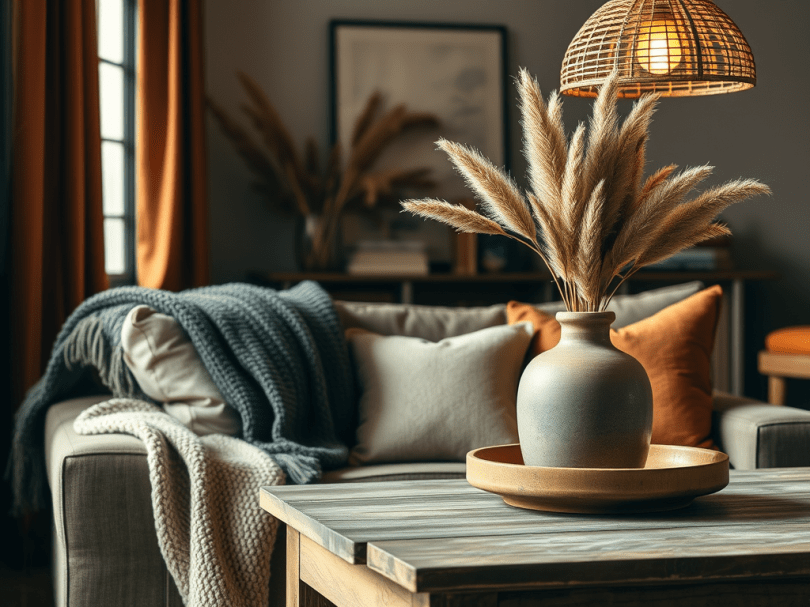
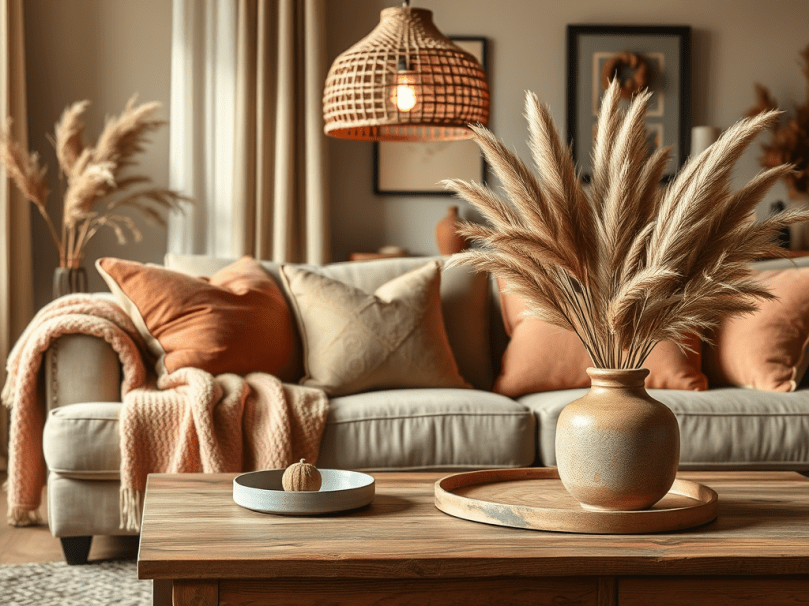
Wood, stone, and ceramic pieces are popular this season, paired with dried botanicals like pampas grass and eucalyptus. These natural accents create warmth without overwhelming your space.

Try This:


4. Statement Lighting with Warm Glow

The right lighting transforms a space. This fall, amber bulbs, oversized floor lamps, and textured lampshades are adding cozy sophistication.

Try This:


5. Plaid and Checks in Décor

Plaid is back in style but in chic, modern ways—think throw blankets, pillows, or a subtle wallpaper accent.

Try This:


6. Scent as a Décor Element

Fall décor isn’t complete without scents that set the mood. Candles and diffusers in sandalwood, amber, or cedar add an inviting, seasonal touch.

Try This:


7. Sustainable and Vintage Finds

Eco-friendly décor is in demand, with vintage furniture and thrifted pieces taking center stage. Mixing old and new adds charm and character to any home.

Try This:


Final Thoughts

This fall’s home décor trends are all about warmth, texture, and natural beauty. Whether it’s a plaid blanket, a rustic vase filled with pampas grass, or a candle glowing in amber light, these touches will make your home feel cozy and stylish for the season.

So, grab that warm throw, light a seasonal candle, and enjoy the cozy elegance of fall in your home.