
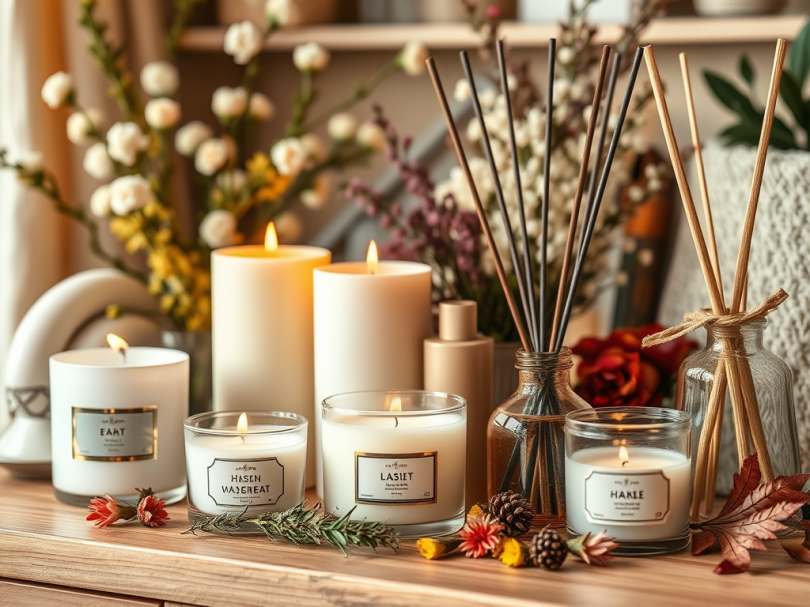
Scents in Your Home – The Invisible Element of Home Décor


When you think about home décor, your mind probably goes straight to colors, textures, lighting, and furniture. But there’s one design element that you can’t see—yet it shapes how your home feels just as much as any paint color or throw pillow: scent.

The right scent can set a mood, spark a memory, and make your home more inviting to guests (and yourself). The wrong scent… well, let’s just say it can send people running for the door.


Do You Use Scent to Create Ambiance?

Many of us already do, even without realizing it. Lighting a candle before company comes over, using linen spray before bed, or baking cookies when you want the house to feel cozy are all ways of using scent to create ambiance. Scent engages the emotional part of the brain, so it’s powerful for setting a tone:

  • Warm & Cozy: Cinnamon, vanilla, and amber. Perfect for fall and winter evenings.
  • Fresh & Airy: Citrus, lavender, and linen scents make a space feel clean and uplifting.
  • Romantic & Relaxing: Rose, sandalwood, and jasmine work well in bedrooms and spa-like bathrooms.

Can Scent Be a Part of Home Décor?

Absolutely. Just like a rug ties a room together visually, scent ties it together emotionally. It becomes part of your home’s signature “feel.” People might walk into your home and instantly recognize it—not from the way it looks, but from the way it smells.

Scented candles in decorative jars, reed diffusers in stylish bottles, and even essential oil diffusers with modern designs double as décor pieces. Potpourri bowls, dried herb bundles, and incense holders can also add visual charm while scenting your home.


Popular Home Scents & Their Histories

Some scents have been loved for centuries—and for good reason:

  • Lavender – Used in ancient Egypt for mummification and in medieval Europe for freshening laundry. Known for its calming properties.
  • Vanilla – Cultivated by the Totonac people of Mexico and treasured for its warm, comforting aroma. Still one of the most universally loved scents.
  • Rose – Prized since ancient Rome and Persia for perfumes and baths; symbolizes romance and elegance.
  • Sandalwood – Sacred in Indian rituals for centuries, known for its grounding, meditative qualities.
  • Citrus (Lemon, Orange, Bergamot) – Used in Renaissance Europe to freshen homes and ward off illness. Still associated with cleanliness and freshness.

Seasonal Scent Swaps

Changing your home’s scent with the seasons keeps things fresh and creates a subtle rhythm in your space. It’s like swapping throw pillows or blankets, but for the air you breathe.

  • Spring: Light florals (peony, lilac, jasmine) and fresh herbs (mint, basil) for a bright, garden-like feel.
  • Summer: Zesty citrus (grapefruit, lemon, bergamot) or ocean-inspired scents with notes of driftwood and sea salt.
  • Fall: Warm spices (cinnamon, clove, nutmeg), pumpkin, and woodsy notes like cedar and sandalwood.
  • Winter: Deep, cozy scents like pine, frankincense, vanilla, and amber; perfect for the holidays and cold nights.

You can make these swaps with candles, wax melts, or even DIY simmer pots. Keep your “off-season” scents stored in airtight containers to preserve their fragrance for the next year.


Where to Find Good Scents That Last

If you want scents that don’t fade after 20 minutes, you’ll need quality products and proper placement. Here are some options:

  • Luxury Candles – Brands like Diptyque, Jo Malone, and Nest are known for long-lasting fragrance and beautiful packaging.
  • Essential Oil Diffusers – Look for brands like Vitruvi or Young Living for high-quality oils that retain potency.
  • Reed Diffusers – Ideal for steady background scent; try brands like P.F. Candle Co. or Voluspa.
  • Room Sprays & Linen Mists – Great for quick refreshes; Le Labo and The White Company offer elegant options.
  • Natural Options – Fresh eucalyptus bundles in the shower, simmer pots with cinnamon and citrus on the stove, or dried lavender sachets in closets.

Pro Tip for Longevity:
Place diffusers and candles in areas with gentle air movement—near a doorway or air vent—to help distribute scent. Keep candles covered when not in use so they retain their aroma.


Final Thought:
Scents are more than just a pleasant extra—they’re an invisible layer of home décor that tells your story. Whether you want your home to feel like a calming retreat, a vibrant gathering place, or a cozy haven, the right scent can make it happen.
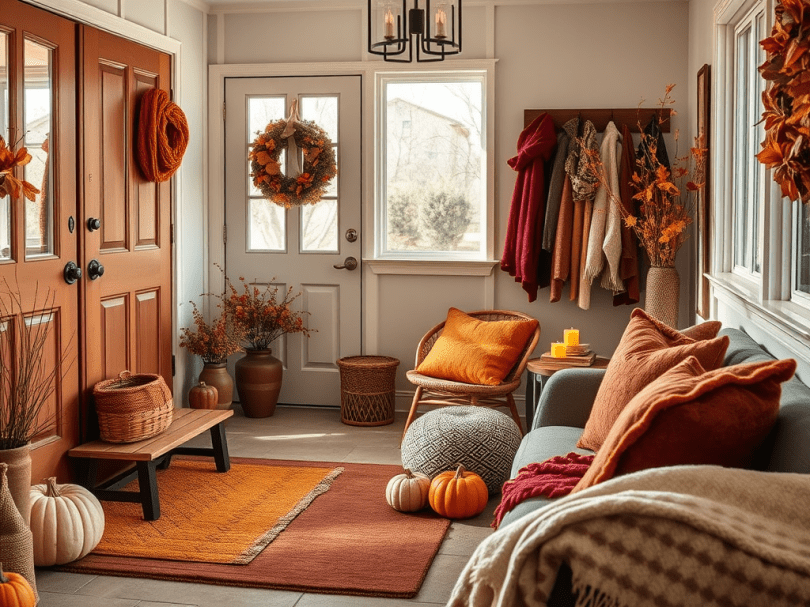

Preparing Your Home for Fall: A Complete Checklist


As the air turns crisp and the leaves begin to change, it’s time to prepare your home for the cozy, colorful season of fall. This is more than just swapping out your summer throw pillows—preparing your home for fall ensures you’ll be comfortable, warm, and ready to enjoy everything the season brings. From décor updates to essential maintenance, here’s your go-to guide for getting your home autumn-ready.


1. Swap Out Lightweight Linens for Cozy Layers

Summer’s breezy fabrics won’t cut it once cooler nights arrive. Replace lightweight sheets, throws, and curtains with heavier, warmer fabrics like flannel, wool, or knit. Add plush blankets to couches and beds for both comfort and style. This not only keeps you warm but also adds seasonal texture to your space.

Pro Tip: Choose fall-inspired colors—deep oranges, warm browns, olive greens, and rich burgundy—to create that cozy autumn feel.


2. Refresh Your Entryway

Your entryway is the first impression of your home—and in fall, it’s also a high-traffic area for boots, coats, and umbrellas. Make it functional and seasonal by:

  • Adding a sturdy doormat to catch dirt and leaves.
  • Incorporating a coat rack or wall hooks for jackets and scarves.
  • Placing a basket or tray for shoes and boots.
  • Adding a small fall wreath or autumn flowers for charm.

3. Update Your Decor

Fall decorating is all about warmth and nature-inspired touches:

  • Centerpieces: Use pumpkins, gourds, pinecones, and seasonal flowers.
  • Candles: Opt for scents like cinnamon, apple spice, or vanilla.
  • Pillows & Rugs: Layer soft, earthy-toned fabrics for an inviting look.
  • Wall Art: Swap summer prints for fall landscapes or cozy quotes.

4. Prepare for Colder Weather

Before the first frost hits, take care of home maintenance that will keep you warm and safe:

  • Check Your Heating System: Schedule a furnace inspection or change filters.
  • Seal Windows & Doors: Prevent drafts by adding weather stripping or using thermal curtains.
  • Inspect Your Fireplace: If you have a wood-burning fireplace, have the chimney cleaned.
  • Test Smoke & Carbon Monoxide Detectors: Especially important during heating season.

5. Bring the Outdoors In

Fall is one of the most visually stunning seasons—take advantage of it:

  • Fill vases with branches of colorful leaves.
  • Display seasonal fruits in a kitchen bowl.
  • Use natural materials like wood, rattan, and burlap in your decor.

6. Prepare the Kitchen for Comfort Food Season

Cooler weather calls for hearty soups, baked treats, and warm drinks:

  • Stock up on baking ingredients like cinnamon, nutmeg, and vanilla.
  • Keep mugs ready for hot chocolate, cider, or tea.
  • Have a slow cooker or Dutch oven accessible for seasonal recipes.

7. Tidy the Yard and Garden

Get your outdoor space ready for both beauty and practicality:

  • Rake fallen leaves regularly.
  • Protect outdoor furniture with covers or store it away.
  • Plant fall flowers like mums or pansies for seasonal color.
  • Clean gutters to prevent clogs from falling leaves.

8. Create a Fall Ambience

Fall isn’t just about visuals—it’s about atmosphere:

  • Play soft, relaxing music or nature sounds.
  • Use warm lighting instead of harsh overhead lights.
  • Light a fire or use candles to create a soft glow.

Final Thoughts

Preparing your home for fall is part practical, part magical. With a few adjustments, you can create a warm and inviting environment that celebrates the beauty of the season. Whether it’s layering blankets, baking pumpkin bread, or adding a cozy glow to your living room, these changes will make your home feel like a personal autumn retreat.


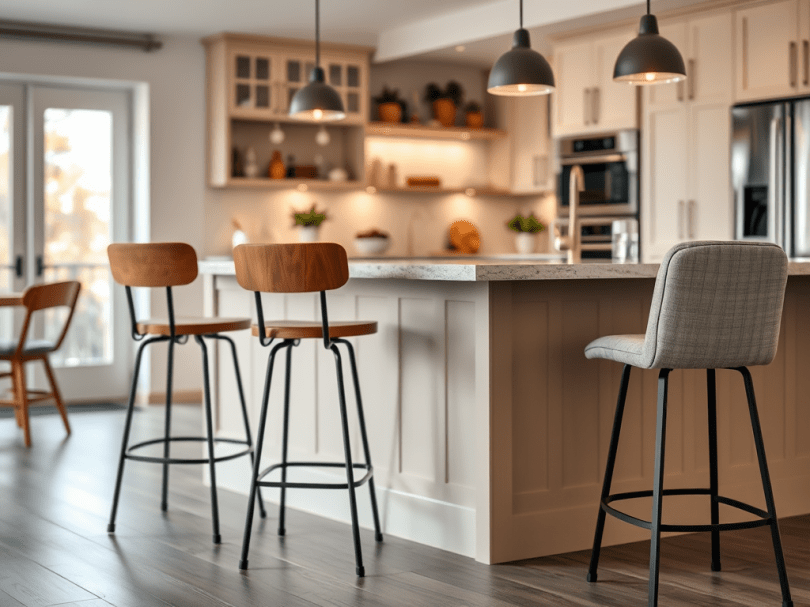
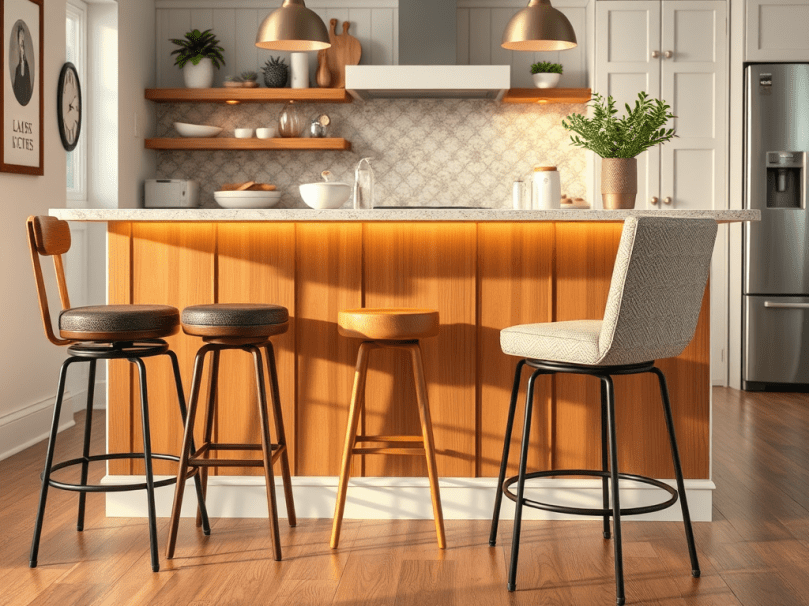
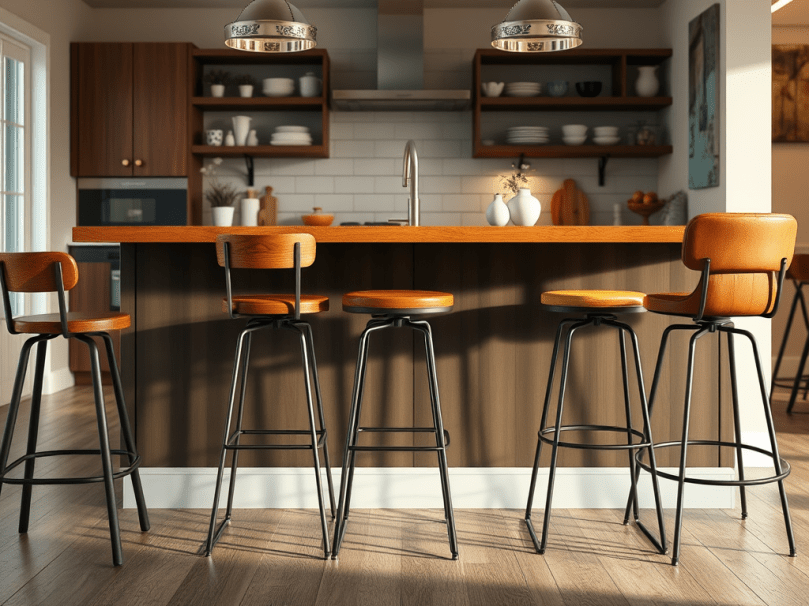
Bar Seating: Choosing the Perfect Stools for Your Breakfast Bar


Do you have a breakfast bar in your home? If so, what kind of chairs or stools do you use?
Bar seating isn’t just about having a place to sit—it’s about style, comfort, and making your kitchen or dining space feel inviting. Whether you use your breakfast bar for quick weekday breakfasts, casual dinners, or a spot for guests to sit while you cook, your seating choice matters.

How to Choose Stools for Your Breakfast Bar

The first step in finding the right stools is knowing your space:

  • Height matters – Standard counter height is about 36 inches, which pairs well with stools around 24–26 inches high. Bar height is around 42 inches, so you’ll need stools closer to 28–30 inches.
  • Back or backless? – Backless stools save space and can be tucked away, while stools with backs offer more comfort for longer sitting.
  • Swivel or stationary? – Swivel stools make it easy to get in and out without moving the stool, but stationary stools often look sleeker.
  • Material choice – Wood offers warmth, metal feels modern, and upholstered seats add comfort and color.

How Many Options Do You Have?

There’s no shortage of choices. From minimalist metal designs to plush velvet seats, the options are endless. You can find adjustable-height stools, ones with footrests, or even stools that double as statement pieces for your kitchen.

Where to Find the Best Options for You

  • Furniture stores – Great for seeing and testing in person.
  • Online retailers – Sites like Wayfair, Overstock, and Amazon have hundreds of styles (just read reviews and check measurements).
  • Local makers or thrift stores – Perfect if you want something unique or vintage.
  • Big-box retailers – Affordable, trendy options can often be found at Target, IKEA, or Walmart.

Do You Have to Choose All the Same Type of Stools?

Not at all! Matching stools create a clean, cohesive look, but mixing styles can add personality. For example, you might choose two upholstered stools and two wooden ones for a blend of textures, or use the same stool style in different colors for a playful touch. The key is to make sure they still work together visually—height, scale, and general design should be similar so it doesn’t feel chaotic.

Final Thought

Bar seating is more than just a practical choice—it’s a chance to express your style and make your kitchen or dining space truly yours. Whether you go for matching sets or an eclectic mix, choose stools that you’ll love sitting in every day.


Brighten Dark Spaces: Lighting Tips for Any Home


Not every home is blessed with bright, sun-filled rooms. Whether you live in a basement apartment, have an interior room without windows, or simply face the wrong direction for good daylight, you don’t have to settle for dark, gloomy spaces. With the right lighting tricks, you can create the illusion of natural light and bring a fresh, airy feel to your home.

Here’s how to fake that sunshine glow—no windows required.


1. Layer Your Lighting Like Nature Does

In nature, light comes from multiple sources: the sun, reflections, shadows, and even the sky itself. To replicate that, layer your lighting:

  • Ambient lighting – This is your main light source. Use ceiling fixtures, large pendants, or track lighting that evenly illuminates the room. Opt for diffused bulbs rather than harsh spotlights.
  • Task lighting – Add light where you need it most: desk lamps, under-cabinet lights, or vanity lighting for makeup application.
  • Accent lighting – Wall sconces, picture lights, or small table lamps create warmth and highlight focal points, just like the sun catching on certain spots in a room.

2. Choose Bulbs That Mimic Daylight

Not all lightbulbs are created equal. Look for bulbs labeled “daylight” or with a color temperature of around 5000K–6500K for a crisp, natural effect. For a softer morning or sunset look, try warm white bulbs (2700K–3000K) that still provide brightness without feeling clinical.


3. Use Reflective Surfaces to Bounce Light

The sun naturally reflects off walls, mirrors, and shiny objects—so you can mimic that effect.

  • Place mirrors opposite your main light source to amplify brightness.
  • Use glossy or satin paint finishes on walls to reflect more light.
  • Choose glass, metallic, or acrylic decor pieces to keep the room visually open and bright.

4. Opt for Light, Airy Colors

A deep navy room can feel cozy, but if you’re aiming for natural light vibes, stick with pale, reflective shades.

  • White, cream, pale gray, and soft beige make a space feel open.
  • Pastel blues, greens, and yellows mimic sky and sunshine tones.
  • Keep large furniture pieces in lighter shades so they don’t absorb light.

5. Consider “Faux Skylights” or Backlit Panels

Technology has come a long way—there are now LED light panels that look like real skylights. They’re especially effective in basements or windowless bathrooms. Backlit wall panels can also create a subtle, glowing effect similar to daylight filtering through a frosted window.


6. Go Big With Floor and Table Lamps

When you can’t have sunlight streaming in, the next best thing is a tall floor lamp or large table lamp with a wide, light-colored shade. These not only brighten the space but create a diffused light that feels more natural than a single overhead bulb.


7. Keep Windows (If You Have Them) Clear and Minimal

If your room does have a small window but not much sunlight, avoid blocking it. Skip heavy curtains and instead use sheer fabrics or adjustable blinds to maximize every bit of light you can get.


8. Add Nature-Inspired Decor

Even if the light is artificial, surrounding yourself with plants—real or high-quality faux—gives the brain a visual cue of being outdoors. Pair greenery with woven textures, wood tones, and soft fabrics to enhance the airy atmosphere.


9. Avoid Harsh Lighting Shadows

Nothing says “artificial” like a single spotlight casting sharp shadows. Use multiple small light sources to create even illumination. This keeps the space from looking flat or overly dramatic.


Final Thought:
Just because your home doesn’t have abundant natural light doesn’t mean it has to feel dark or cave-like. By using layered lighting, daylight-mimicking bulbs, reflective surfaces, and nature-inspired touches, you can create the warm, inviting glow of sunshine—any time of day, in any space.


Choosing the Right Bed Frame for Your Mattress: A Complete Guide


A bed frame does more than just hold your mattress — it supports your comfort, extends the life of your mattress, and plays a major role in the overall style of your bedroom. But if you’ve already chosen the perfect mattress and find yourself stuck on which frame to choose, don’t worry. We’ll walk through how to pick the right frame, explore different style options, and match them to the mattresses they suit best.

Step 1: Match the Frame to Your Mattress Size & Type

Before thinking about aesthetics, you’ll need to focus on compatibility.

  • Size matters: If your mattress is queen-size, your frame should be built for a queen — no exceptions. Even a small mismatch can cause poor support or mattress slippage.
  • Mattress type matters too:
    • Memory foam & latex: These require solid support, so choose a frame with either a solid platform base or slats spaced no more than 3 inches apart.
    • Hybrid mattresses: Typically heavier, hybrids do well on sturdy platform frames or adjustable bases.
    • Innerspring mattresses: These work well with most frames, especially those with box springs or slatted designs.

Step 2: Decide on the Functionality You Need

Ask yourself: Is storage important? Do you want a minimal look? Are you planning to move the bed often?

  • Need extra storage? Go for a storage bed frame with built-in drawers or lift-up under-bed compartments.
  • Want flexibility? A simple metal frame on wheels makes moving easier.
  • Prefer a minimal aesthetic? Platform beds or low-profile frames keep things sleek.

Step 3: Explore the Different Bed Frame Options

Here are the most common styles and why they might be right for you:

  1. Platform Bed
    • Best for: Memory foam, latex, hybrid mattresses
    • Why it works: Offers a sturdy, flat surface (slatted or solid) that doesn’t require a box spring. Perfect for a modern, minimal look.
  2. Panel Bed
    • Best for: Innerspring or hybrid mattresses (often with a box spring)
    • Why it works: Comes with both a headboard and footboard, offering a traditional, cozy style. Works well in classic or farmhouse interiors.
  3. Sleigh Bed
    • Best for: Innerspring or hybrid mattresses
    • Why it works: The curved headboard and footboard create a statement piece. Great if you want a more luxurious, traditional bedroom.
  4. Adjustable Base
    • Best for: Memory foam, latex, or hybrid mattresses
    • Why it works: Allows you to raise or lower the head and foot for comfort, reading, or health reasons (like easing acid reflux).
  5. Storage Bed (Ottoman or Drawer)
    • Best for: Small spaces, apartments
    • Why it works: Maximizes storage without sacrificing comfort. Ideal for keeping extra bedding or seasonal clothes out of sight.
  6. Metal Bed Frame
    • Best for: Any mattress type (with proper support)
    • Why it works: Lightweight, often more affordable, and works as a foundation for other styles if you want to add a headboard later.
  7. Canopy or Four-Poster Bed
    • Best for: Innerspring or hybrid mattresses
    • Why it works: Adds height and drama. Perfect for larger rooms or creating a romantic, luxurious atmosphere.

Step 4: Style Considerations

If you’re stuck on what style to choose:

  • Match your decor: Minimalist home? Go for a simple platform. Traditional or rustic? Choose a panel or sleigh bed.
  • Think about headboard height: Higher headboards make a statement but can overwhelm small rooms.
  • Consider materials: Wood for warmth, metal for modern industrial, upholstered for softness and luxury.

Step 5: Don’t Forget Practical Details

  • Check weight capacity: Heavier mattresses need stronger frames.
  • Measure your space: Some frames add bulk — be sure your room can handle it.
  • Assembly: If you’re not handy, choose a frame that’s easy to assemble or comes with professional setup.

Bottom line: Choosing the right bed frame isn’t just about looks — it’s about support, functionality, and matching your lifestyle. If you already have your mattress, start with the basics (size and support needs) and then choose a style that complements your space. The right frame will not only keep your mattress in top shape but also turn your bedroom into a place you truly love.