
Choosing the Right Bed Frame for Your Mattress: A Complete Guide


A bed frame does more than just hold your mattress — it supports your comfort, extends the life of your mattress, and plays a major role in the overall style of your bedroom. But if you’ve already chosen the perfect mattress and find yourself stuck on which frame to choose, don’t worry. We’ll walk through how to pick the right frame, explore different style options, and match them to the mattresses they suit best.

Step 1: Match the Frame to Your Mattress Size & Type

Before thinking about aesthetics, you’ll need to focus on compatibility.

  • Size matters: If your mattress is queen-size, your frame should be built for a queen — no exceptions. Even a small mismatch can cause poor support or mattress slippage.
  • Mattress type matters too:
    • Memory foam & latex: These require solid support, so choose a frame with either a solid platform base or slats spaced no more than 3 inches apart.
    • Hybrid mattresses: Typically heavier, hybrids do well on sturdy platform frames or adjustable bases.
    • Innerspring mattresses: These work well with most frames, especially those with box springs or slatted designs.

Step 2: Decide on the Functionality You Need

Ask yourself: Is storage important? Do you want a minimal look? Are you planning to move the bed often?

  • Need extra storage? Go for a storage bed frame with built-in drawers or lift-up under-bed compartments.
  • Want flexibility? A simple metal frame on wheels makes moving easier.
  • Prefer a minimal aesthetic? Platform beds or low-profile frames keep things sleek.

Step 3: Explore the Different Bed Frame Options

Here are the most common styles and why they might be right for you:

  1. Platform Bed
    • Best for: Memory foam, latex, hybrid mattresses
    • Why it works: Offers a sturdy, flat surface (slatted or solid) that doesn’t require a box spring. Perfect for a modern, minimal look.
  2. Panel Bed
    • Best for: Innerspring or hybrid mattresses (often with a box spring)
    • Why it works: Comes with both a headboard and footboard, offering a traditional, cozy style. Works well in classic or farmhouse interiors.
  3. Sleigh Bed
    • Best for: Innerspring or hybrid mattresses
    • Why it works: The curved headboard and footboard create a statement piece. Great if you want a more luxurious, traditional bedroom.
  4. Adjustable Base
    • Best for: Memory foam, latex, or hybrid mattresses
    • Why it works: Allows you to raise or lower the head and foot for comfort, reading, or health reasons (like easing acid reflux).
  5. Storage Bed (Ottoman or Drawer)
    • Best for: Small spaces, apartments
    • Why it works: Maximizes storage without sacrificing comfort. Ideal for keeping extra bedding or seasonal clothes out of sight.
  6. Metal Bed Frame
    • Best for: Any mattress type (with proper support)
    • Why it works: Lightweight, often more affordable, and works as a foundation for other styles if you want to add a headboard later.
  7. Canopy or Four-Poster Bed
    • Best for: Innerspring or hybrid mattresses
    • Why it works: Adds height and drama. Perfect for larger rooms or creating a romantic, luxurious atmosphere.

Step 4: Style Considerations

If you’re stuck on what style to choose:

  • Match your decor: Minimalist home? Go for a simple platform. Traditional or rustic? Choose a panel or sleigh bed.
  • Think about headboard height: Higher headboards make a statement but can overwhelm small rooms.
  • Consider materials: Wood for warmth, metal for modern industrial, upholstered for softness and luxury.

Step 5: Don’t Forget Practical Details

  • Check weight capacity: Heavier mattresses need stronger frames.
  • Measure your space: Some frames add bulk — be sure your room can handle it.
  • Assembly: If you’re not handy, choose a frame that’s easy to assemble or comes with professional setup.

Bottom line: Choosing the right bed frame isn’t just about looks — it’s about support, functionality, and matching your lifestyle. If you already have your mattress, start with the basics (size and support needs) and then choose a style that complements your space. The right frame will not only keep your mattress in top shape but also turn your bedroom into a place you truly love.
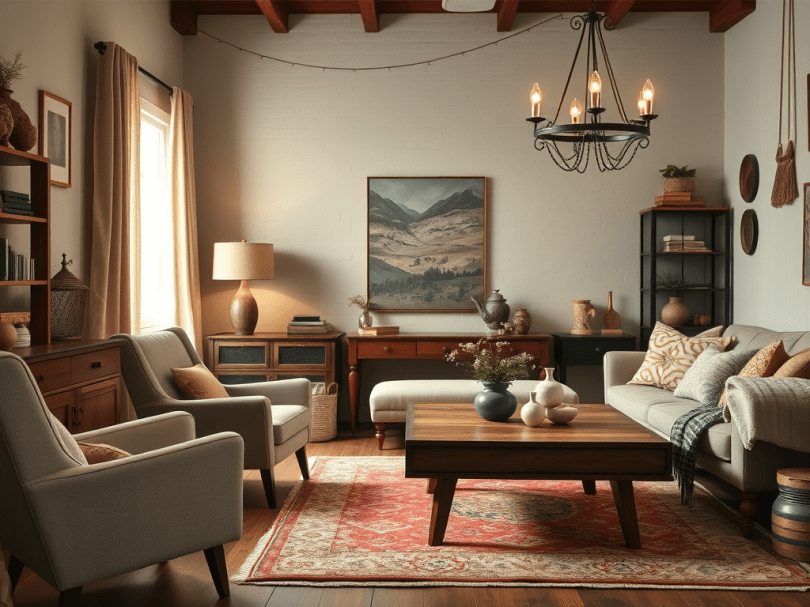

Vintage Style: How to Bring Timeless Charm into Your Home


There’s something magical about walking into a room that feels like it holds stories from decades past. That’s the essence of vintage style—a look that blends nostalgia, craftsmanship, and timeless beauty. Whether you’re drawn to mid-century modern lines, the elegance of the 1920s, or the cozy warmth of farmhouse antiques, vintage decor can turn your home into a space that feels personal, layered, and full of history.


What is Vintage Style?

Vintage style refers to incorporating furnishings, decor, and design elements from a specific era—generally pieces that are at least 20 years old but less than 100 (anything older is typically considered antique). Vintage doesn’t just mean “old”—it’s about quality, charm, and character. These items often have unique detailing, patina, and craftsmanship you can’t find in mass-produced furniture today.

Some common vintage-inspired styles include:

  • Mid-century modern (1940s–1960s): Sleek lines, tapered legs, and warm woods.
  • Retro 70s: Earth tones, geometric patterns, and statement lighting.
  • Hollywood Regency: Glamorous details, mirrored surfaces, and bold colors.
  • Vintage farmhouse: Distressed wood, iron details, and cozy textiles.

How to Create the Perfect Vintage Look in Your Home

You don’t need to live in a century-old home to embrace vintage style—just a thoughtful approach to mixing old and new.

  1. Start with a Focal Point
    Choose one standout vintage piece—a dresser, armchair, or chandelier—and build your room around it. Let it set the tone for the rest of your decor.
  2. Mix Eras for Interest
    Don’t be afraid to pair a 1950s sideboard with 1970s glassware. Combining different decades creates depth and keeps your space from feeling like a time capsule.
  3. Play with Textures and Finishes
    Layer distressed woods, brushed metals, velvet, linen, and glass to create that well-collected look.
  4. Balance with Modern Touches
    A few contemporary elements—such as updated lighting or fresh paint colors—keep vintage rooms feeling current rather than dated.
  5. Highlight Original Details
    If your home has original hardwood floors, moldings, or built-ins, let them shine. They’re the perfect backdrop for vintage style.

Turn What You Already Own into Vintage-Inspired Pieces

Vintage charm doesn’t always have to come from a store—you can give a modern item an aged, nostalgic twist with a little creativity.

  • Distressing Furniture: Sand down edges, apply a chalk paint finish, and lightly scuff for that “time-worn” look.
  • Swap Hardware: Replace standard knobs and pulls with ornate brass or ceramic ones.
  • Tea- or Coffee-Staining Fabrics: Great for creating a softer, antique tone on curtains, table runners, or pillow covers.
  • Add Decorative Moulding: Turn a plain mirror or dresser into a statement piece with carved trim or appliqués.
  • Vintage-Style Upholstery: Re-cover chairs with retro floral prints, bold stripes, or textured fabrics.
  • Repurpose Old Items: Turn a wooden ladder into a blanket rack or a crate into a side table.

A little DIY magic can transform your home without spending much—and you get the satisfaction of creating something unique.


Style Options to Explore

When decorating in a vintage style, you can lean fully into one era or mix influences for a more eclectic look.

  • All-Out Vintage: Everything in the room is from or inspired by the same period for a truly immersive experience.
  • Vintage Meets Modern: Combine one or two key vintage pieces with clean, minimal lines for a fresh twist.
  • Rustic Vintage: Emphasize worn, well-loved pieces and a cozy, lived-in feel.
  • Glam Vintage: Add crystal chandeliers, ornate mirrors, and rich fabrics for a luxurious nod to the past.

Where to Find Beautiful Vintage Pieces

Hunting for vintage decor is half the fun. Here are some places to start your treasure hunt:

  • Local Antique Shops & Flea Markets: Great for one-of-a-kind finds and supporting small businesses.
  • Estate Sales: Perfect for scoring larger furniture pieces with history.
  • Thrift Stores: Affordable, unpredictable, and always worth a browse.
  • Online Marketplaces: Websites like Etsy, Chairish, and eBay have curated vintage selections.
  • Facebook Marketplace: A goldmine for affordable local pickups.
  • Specialty Vintage Boutiques: Many offer restored pieces ready for your home.

Final Thought: Vintage style is all about creating a space that tells your story. Each piece you bring into your home has lived a life before yours, and together, they create an atmosphere that’s warm, inviting, and full of personality. Take your time, collect with intention, and don’t overlook the treasures you can make from what you already have—because the best vintage rooms aren’t built in a day, they’re built over a lifetime.


Discover 2025’s Most Exciting Home Decor Styles

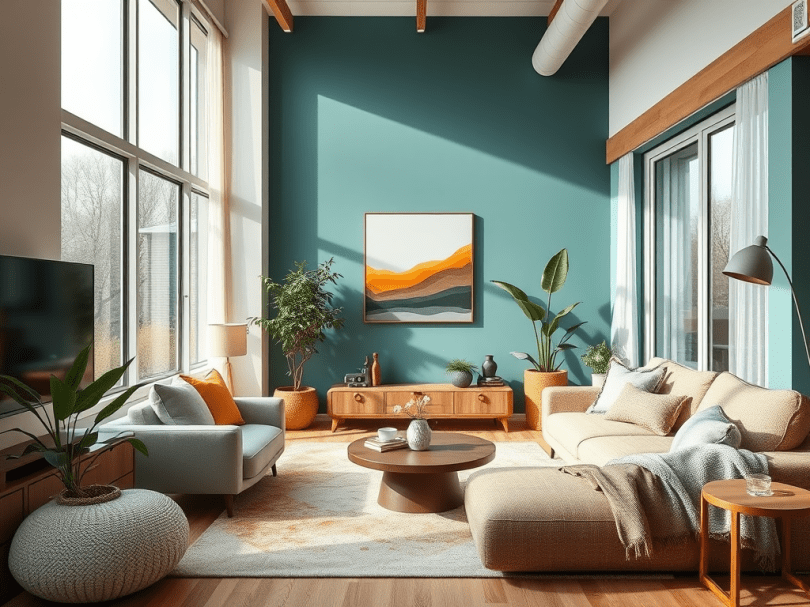
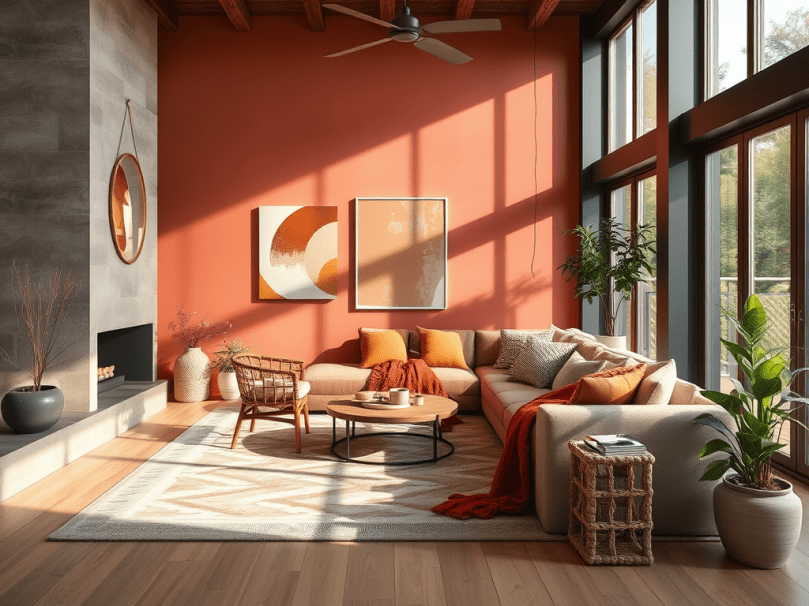
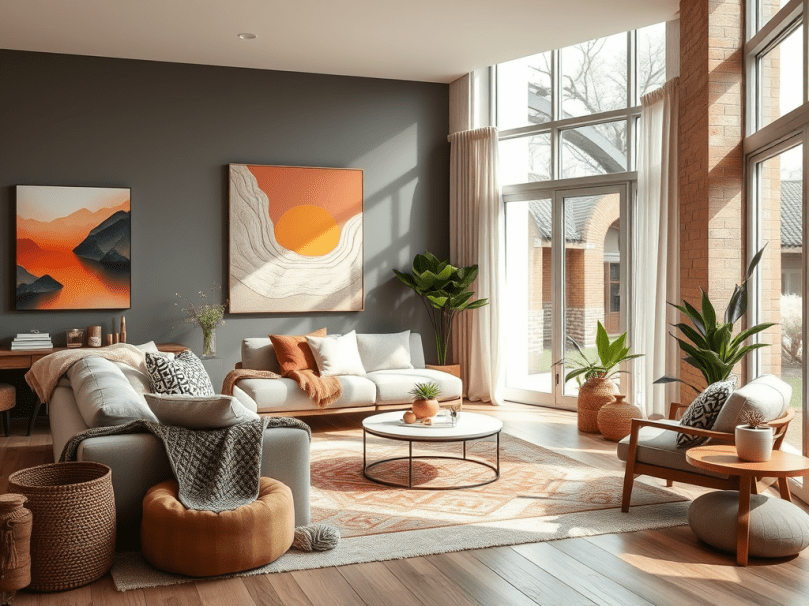
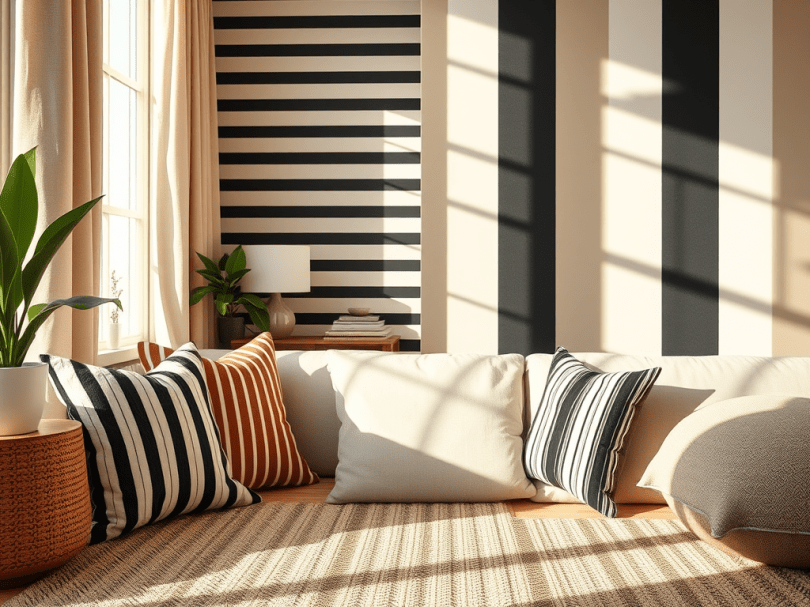
Here’s a visual snapshot of some of the most exciting home décor trends shaping 2025. Let’s dive into what’s trending, how to weave these looks into your space, what’s resurfacing, and what’s really standing out this year.


2025 Home Decor Trends — What’s In

1. Color & Pattern Drenching

Bold, monochromatic rooms are a big moment—“color-drenched” spaces using varying shades of one hue create drama and cohesion.(Decorilla) Pattern drenching goes even further—layering wallpapers, upholstery, and rugs in either matching or contrasting patterns for an immersive, cozy look.(Forbes, Stone Gable Blog)

2. Warm Neutrals & Natural Materials

Goodbye cool gray—2025 embraces rich, earthy tones like chocolate brown, terracotta, and warm beige for a more inviting feel.(CNN) Combine these with natural and sustainable elements—think wood, stone, ceramics, bamboo—to elevate your space with texture and purpose.(mysweetsavannah.com, Decorilla)

3. Cozy Minimalism & Japandi

The clean, functional aesthetic of Scandinavian minimalism lives on—now with a warm, cozy twist that adds softness through lighting and soft textiles (aka Japandi).(Decorilla)

4. Wellness & Sensorial Design

Wellness-focused spaces are increasingly central. Think spa-style bathrooms, meditation corners, or calm yoga nooks—complete with natural light and greenery.(Decorilla, CNN, ELLE Decor) Sensorial interiors elevate mood through textures, lighting, fragrance, and sound.(Decorilla)

5. Smart & Hidden Tech

Technology is being discreetly integrated into design—hidden speakers, smart charging furniture, voice-control lighting—that enhances functionality without interrupting aesthetics.(Decorilla, Mary & John Home Decor)

6. Retro-Nostalgia: Honey Oak & Chrome

Honey oak wood—warm, nostalgic, and once overlooked—is making a stylish return, especially when paired with modern design details.(House Beautiful) Likewise, chrome furniture—think sleek Art Deco meets 1970s—adds shine and light, especially effective when balanced with soft textures.(Ideal Home)

7. “Dopamine Decor”

A playfully joyful trend that embraces bold colors, quirky accents, and personality-driven spaces to spark emotional uplift—part of the maximalist movement evolving beyond cool minimalism.(Marie Claire UK)


How to Use These Trends

  • Start with a foundation: Add a statement rug or color drench a room—those act as a strong visual base.(Mary & John Home Decor, Decorilla)
  • Build in layers: Introduce warm neutrals or Textured finishes like limewash or plaster to add depth.(New Decor Trends, CNN)
  • Focus on comfort and well-being: Create a calming retreat with soft lighting, natural textures, and sensorial elements.(The Spruce, Decorilla, ELLE Decor)
  • Balance nostalgia: Accent with honey oak or chrome pieces—but keep them modern with clean lines or tactile pairings.(House Beautiful, Ideal Home)

Reoccurring Trends vs. 2025 Standouts

Recurring TrendsWhat’s New in 2025
Minimalism, natural materials, sustainable designWellness spaces, sensorality, and smart tech integration
Warm neutrals evolving from last year’s graysPattern & color drenching, dopamine decor, retro muscles like honey oak & chrome

While the push toward comfort, sustainability, and minimalism continues, 2025 brings heightened emotional expressiveness, technological seamlessness, and a rekindled affection for tactile, nostalgic charm.


Curious about how to style a specific room—like your living area or bedroom—using these trends? I’d love to help craft the perfect mood board for your space!

Stripes: Do You Love Them? Here’s How to Make Them Work in Your Home Without Overwhelming the Space


There’s something undeniably charming and bold about stripes. Whether you gravitate toward the crisp contrast of black and white or the subtle rhythm of tone-on-tone neutrals, stripes have a way of catching the eye without trying too hard. But let’s be honest—stripes can go from tasteful to too much in the blink of an eye. So how do you bring that timeless, tailored look into your home without overwhelming your space?

Let’s talk about it.

Why We Love Stripes

Stripes bring structure and personality. They can be playful or sophisticated, modern or traditional, and they work well in just about every room. You’ll often see them in coastal, Scandinavian, and even minimalist styles because they have the power to create movement without adding clutter.

I personally love stripes because they feel both fresh and classic. They can wake up a room with energy or quietly elevate it with elegance. They’re dependable but never boring.

How to Incorporate Stripes in a Balanced Way

Here are a few design-savvy ways to weave stripes into your home without making it feel too busy:

1. Start Small

If you’re unsure about committing to a large striped piece, start with accents:

  • Throw pillows with ticking or bold stripes
  • A striped area rug to anchor a neutral room
  • Striped kitchen towels or bathroom linens

These low-risk options allow you to experiment without dominating the space.

2. Use Stripes to Create Visual Interest

Stripes can help direct the eye and even change the perception of space:

  • Vertical stripes can make ceilings feel higher—great for small rooms or spaces that feel a little closed in.
  • Horizontal stripes can widen a space, perfect for narrow hallways or long, empty walls.

A single striped accent wall can be a total game-changer if the rest of the room is kept simple.

3. Stick to a Cohesive Color Palette

To keep stripes from becoming overwhelming, choose patterns that complement your existing color scheme. Neutral or tone-on-tone stripes can add dimension without visual chaos.

Try soft beige and white in a living room or muted blues in a bedroom for a calming effect. If you’re a bold personality, go for navy and white or black and cream for contrast without clutter.

4. Mix, But Don’t Clash

If you love mixing patterns, stripes can definitely play nice with others. The key is contrast in scale and unity in color. Think:

  • Thin stripes with oversized florals
  • Wide stripes with small geometrics
  • Soft colors across all patterns to keep harmony

5. Stripes on Unexpected Surfaces

Think beyond fabric:

  • Painted striped floors (especially in mudrooms or playrooms)
  • Striped wallpaper in powder rooms or closets
  • Painted stripes on planters or bookshelves for a fun DIY twist

These surprising uses can bring just the right amount of “wow” without shouting for attention.

Final Thoughts

Stripes can absolutely have a place in your home—whether you’re decorating a whole room or just adding a little flair. The trick is in the balance. A striped statement piece or a series of smaller accents can add rhythm and style without overpowering your personal aesthetic.

So, do you love stripes? If you’ve been hesitant to try them, this might be the sign you’ve been waiting for. Play around. Be bold. Or keep it subtle. Just remember: when it comes to stripes, a little goes a long way—but when used well, they go exactly where you want them to.


Want more decor inspiration like this?
Join the Discovering Life newsletter for weekly tips, and design ideas to help you create a home that truly feels like you.


Do You Have to Match Everything? A Real Talk on Matching Your Home Decor and Furniture


When you walk into a well-decorated home, there’s often a sense of cohesion—something that just feels right. The colors flow, the furniture fits, and the vibe is consistent. But does that mean everything matches? Not necessarily.

So let’s talk about it: How important is matching in home decor? Are there unwritten rules? And do you really need to be “matchy matchy” to have a beautiful home?

The Myth of Matching Everything

For years, home decor catalogs and furniture showrooms gave us the impression that matching is the key to good design. Matching bedroom sets. Matching curtain and pillow patterns. Matching frames on the wall.

But here’s the truth: Matching is safe—but it’s not always stylish.

While it can create a clean, uniform look, too much matching can make your space feel flat, impersonal, and overly staged—like a furniture showroom rather than a lived-in home.

So, How Important Is Matching?

Matching has its place. You want certain elements to relate to each other so your space feels intentional and put together. But it’s more about coordination than exact replication.

Think:

  • Complementary colors instead of identical shades.
  • Similar styles rather than identical pieces.
  • Repetition of materials or tones (like brass or warm woods) rather than exact matching lamps on both sides of the room.

A little balance goes a long way.

Unwritten Rules of Matching (And When to Break Them)

Here are a few unspoken “rules” many decorators live by—plus why it’s okay to break them:

  1. Don’t mix wood tones.
    Break it. Mixed woods can bring warmth and depth. Just balance light and dark tones and repeat each at least once to keep things cohesive.
  2. Your furniture must match the room’s color palette.
    Bend it. A pop of contrast (a bold accent chair or colorful art) can create interest and personality.
  3. Every metal finish must be the same.
    Mix it. Warm and cool metals can coexist beautifully when done intentionally. Think brushed nickel with matte black or brass with chrome.
  4. Your living room set should be a complete matching suite.
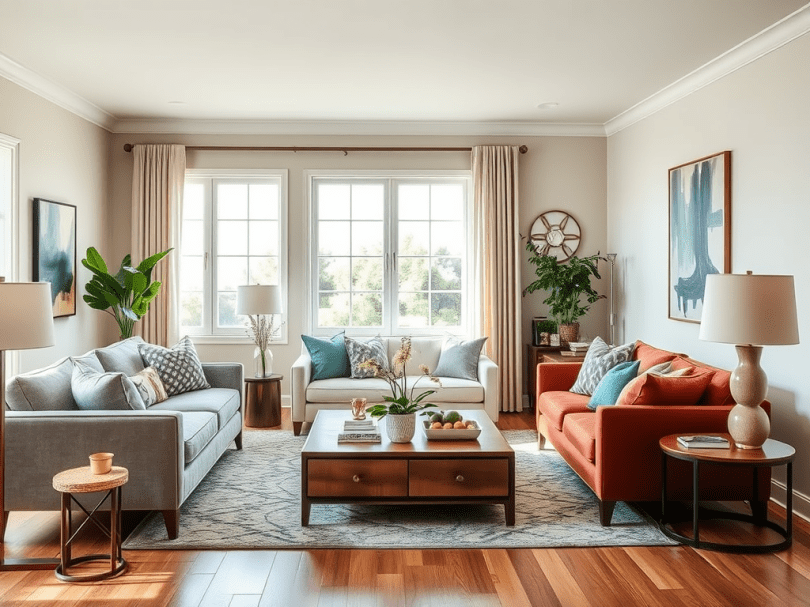
    Nope. Mixing sofas and chairs adds visual interest. Just ensure they speak the same design language (e.g., modern, mid-century, farmhouse).

Matchy-Matchy vs. Mixed and Meaningful

Some people love the clean symmetry of a matchy-matchy space. That’s okay! But for others, a more layered, collected look feels more personal and inviting.

Here’s the key: Your home should reflect you. If everything matches because you genuinely love that aesthetic, go for it. But if you’re trying to “match” because you think you have to, take a step back.

You might find that your space feels more authentic when you embrace a little imperfection—a slightly different wood finish here, a colorful throw pillow there, a mix of old and new.

Final Thoughts: Cohesive > Matching

Instead of aiming for matching, aim for cohesion—a space where the pieces work together, even if they aren’t twins. Let your personality shine through in the contrast, the mix, and the unexpected touches.

Remember: Your home isn’t a showroom. It’s a reflection of your life, your style, and your story.

So go ahead—mix that vintage chair with your modern table. Hang that colorful painting above your neutral sofa. As long as it feels right to you, it matches.