
What to Put on Your Walls When You’re Not a Fan of Traditional Wall Art


Wall décor isn’t one-size-fits-all. Here’s how to style your walls when framed prints and canvas art just aren’t your thing.


When it comes to decorating your home, the walls often end up last on the list—or worse, left blank. But wall space is valuable real estate for showing off your personality and adding warmth, depth, and style to any room. The challenge? Not everyone is into traditional wall art. Maybe abstract canvases aren’t your vibe, or gallery walls feel too busy or overdone.

Good news: There are plenty of creative ways to dress your walls that don’t involve standard prints or paintings. Here’s how to give your walls some love—without following the same old formula.


1. Hang Textiles for Texture and Warmth

Think beyond flat art. A woven wall hanging, macramé piece, or vintage textile can add texture and movement to your space. These work especially well in boho, eclectic, or minimalist homes where you want a touch of softness without clutter.

Bonus Tip: Use a vintage scarf or quilt as a statement piece. Drape it over a wooden dowel or hang it directly with decorative hooks.


2. Install Floating Shelves for Style + Storage

Shelves are one of the most flexible and functional wall decor choices. They let you rotate décor seasonally or whenever you need a change—without committing to one permanent look.

What to style on your shelves:

  • Small plants
  • Books with pretty covers
  • Sculptures or ceramics
  • Travel souvenirs
  • Framed personal photos

3. Use Mirrors as Art

A beautiful mirror doesn’t just serve a function—it reflects light, makes your space feel larger, and adds instant elegance. Choose a bold shape or unique frame to create a statement that rivals any piece of art.

Design idea: Try a collection of small mirrors in different shapes for a playful look.


4. Go Green with Wall Plants

If you love nature and a more organic feel, consider wall-mounted planters. They bring in color and life without overwhelming the room. From trailing ivy to low-maintenance pothos, there are plenty of options for even the blackest of thumbs.

Try this: A vertical wall garden in your kitchen or office for a calming effect.


5. Hang Baskets or Woven Trays

This is a great way to fill a blank wall, especially in living rooms, entryways, or above the bed. Woven baskets and trays add a natural, earthy vibe and are a great alternative if you’re not into glossy, framed pieces.

Cluster them in groups of three or more, or hang a single oversized one for impact.


6. Display Functional Pieces

Who says décor can’t be useful too? Items like decorative hooks, hanging hats, or even a stylish wall clock can be both functional and fashionable.

Other ideas to try:

  • A pegboard with baskets or small items
  • Hanging a guitar or other instrument
  • A stylish calendar or chalkboard

7. Create a DIY Wall Installation

Want something one-of-a-kind? Go hands-on and craft your own wall piece. Try:

  • A geometric wood design
  • Painted arches or murals
  • A curated mood board with clips and fabric

This is perfect for renters too—many DIY wall ideas are removable or easy to patch up later.


8. Lean Tall Pieces Against the Wall

Don’t forget: Not everything has to be hung. Large items like vintage doors, ladders, or floor mirrors can simply be leaned against a wall to make a statement.

It’s effortless and adds a bit of edge. Especially great in bedrooms or hallways.


Final Thoughts

If framed prints don’t speak to you, don’t force it. Your home should reflect your personality—not the pages of a catalog. There are endless ways to bring your walls to life, from texture and greenery to shelves and mirrors.

The key is finding what feels good to you. Whether it’s a hanging textile or a stack of floating bookshelves, there’s no wrong way to style your space—just your way.


Want help getting started? Download my Wall Styling Cheat Sheet—a free printable guide with layout tips, shopping ideas, and space-saving tricks.
Slipcovers: Outdated Trend or Stylish Solution?

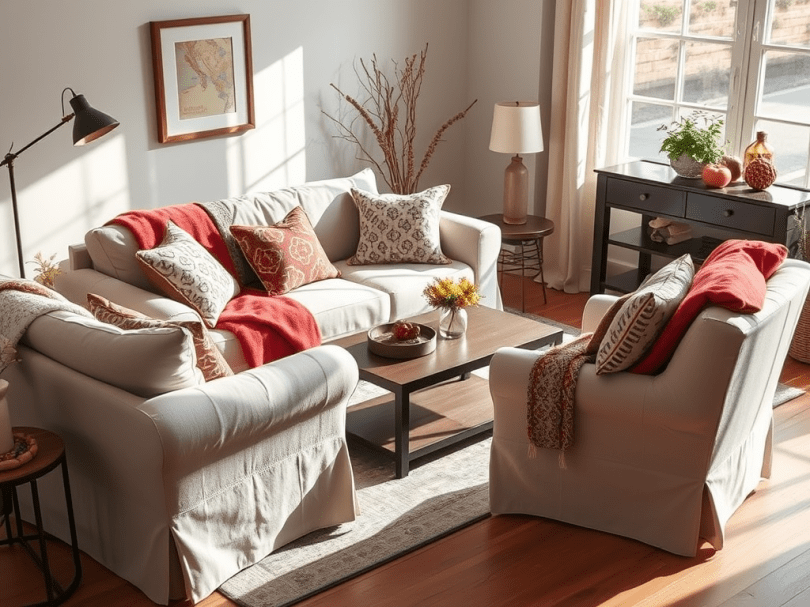
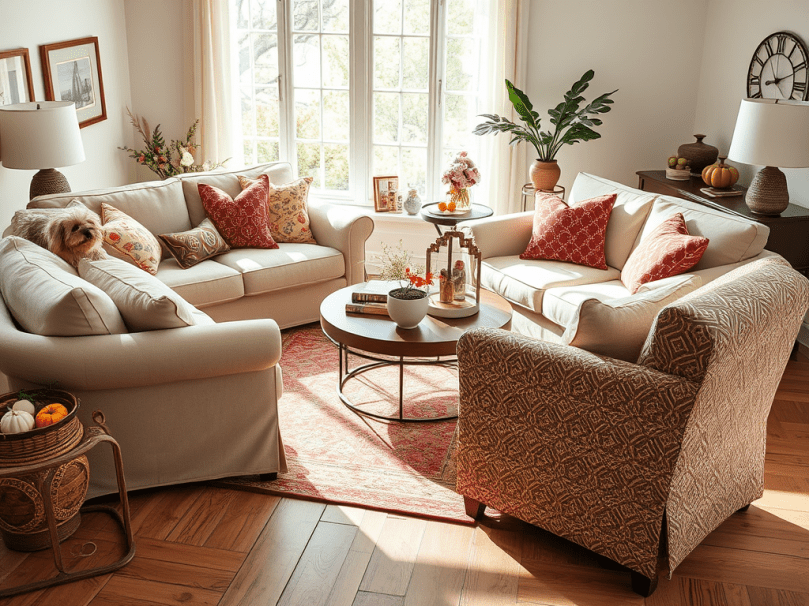
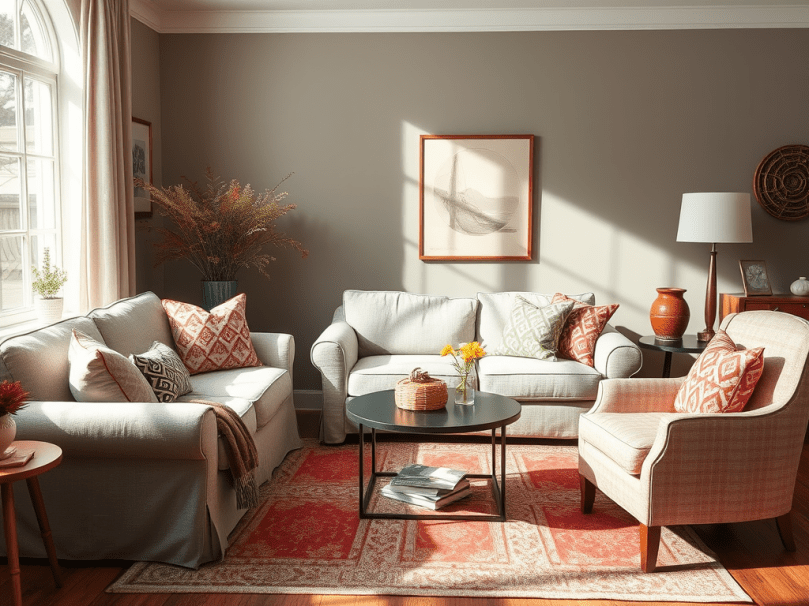
Do you cover your furniture? For many homeowners, slipcovers bring to mind the old-school plastic coverings that grandmothers used to protect their sofas from spills and wear. While those days may be gone, slipcovers themselves have not disappeared. In fact, they’ve evolved into a stylish, functional, and creative way to refresh your furniture and your entire space.

Are Slipcovers a Thing of the Past?

Not at all! Slipcovers have made a strong comeback in recent years. Designers have reimagined them with high-quality fabrics, tailored fits, and on-trend patterns that elevate, rather than hide, your furniture. Instead of the baggy, wrinkled versions of the past, today’s slipcovers are sleek, fitted, and can be customized to your exact style.

Are Slipcovers in Style?

Yes! Modern slipcovers are chic and can instantly transform the look of a room without the expense of buying new furniture. Neutral linen slipcovers give a relaxed, coastal vibe, while bold prints can make a statement in an otherwise simple space. The versatility they offer makes them a smart choice for anyone who loves to switch up their decor seasonally.

Can They Be Inventive and Versatile?

Absolutely. Slipcovers are no longer just for protecting your couch from kids and pets (although they’re great for that, too). They can be used to:

  • Change decor with the seasons – light fabrics for summer, cozy textures for winter.
  • Experiment with trends – try patterns or colors you wouldn’t commit to long-term.
  • Repurpose old furniture – give an outdated chair or sofa a fresh new life without reupholstering.
  • Mix and match styles – have multiple covers to swap out when you want a new look.

Why You Might Love Them

Slipcovers are practical for homes with kids, pets, or just a busy lifestyle. They’re easy to clean, often machine washable, and can extend the life of your furniture. Best of all, they allow you to be creative with your home design without breaking the bank.

So, do you cover your furniture? Maybe it’s time to consider it! Far from being a relic of the past, slipcovers are a modern design hack—versatile, stylish, and surprisingly inventive. Whether you’re protecting your furniture or just craving a decor refresh, they could be the perfect solution.

Here are some excellent slipcover recommendations across different types of furniture—sofas, loveseats, and armchairs—ranging from wallet-friendly choices to premium, design-forward options:


Mamma Mia Covers 3‑Seat Sofa Slipcover (Microfibra)

This top-tier slipcover is ideal for standard to L‑shaped sofas (64–85″ wide). Made with patented WavyProof™ and WavyTech™ bi‑elastic stretch fabric, it molds smoothly to your couch for a genuinely custom look—while still being machine washable. Perfect for households with kids, pets, or frequent spills (Mamma Mia Covers).

SureFit Cotton‑Duck Loveseat Slipcover

This budget-friendly option covers a loveseat comfortably and comes from a household name in slipcovers. Crafted from cotton‑duck fabric, it offers decent fit and easy maintenance at a very accessible price point (Mamma Mia Covers, Slipcover KAS™).

Mamma Mia Covers Armchair Slipcover (Microfibra)

Designed to fit most chair styles—from wingback to barrel—with the same high-performance bi-elastic stretch fabric as their sofa covers. Great for updating or protecting a favorite armchair with both style and ease of care (Mamma Mia Covers).


More Recommended Options by Furniture Type

1. Sofa Slipcovers

  • Mamma Mia Covers — Best overall in 2025 for its trendy appearance, clingy but flexible fit, and high durability. Excellent for modern décor refreshes without a full couch replacement (Mamma Mia Covers).
  • Easy‑Going Stretch Sofa Slipcover — A highly affordable, popular choice on Amazon that comes in nearly 40 colors, with foam tucks and elastic bottoms to help the cover stay in place. Often highly rated for pet-proofing small messes (€) (bhg.com).

2. Loveseat or Chair Covers

  • Subrtex or Chun Yi Covers — These affordable brands offer excellent elasticity, a flexible fit, and lots of colors. Great for renters or seasonal décor changes on loveseats and occasional chairs (Mamma Mia Covers).

3. Recliner-Specific Slipcovers

Fit can be tricky due to moving parts—look for stretchy, well-labeled multi-piece designs made with enough give to shift with the recliner. Some custom options are tailored specifically for moving sofas to prevent bunching or tearing (Reddit).

4. Custom Slipcovers for IKEA or Unique Models

Brands like Bemz and Comfort Works specialize in replacement covers for IKEA sofas (like Ektorp, Kivik, Lidhult), offering premium linen and cotton fabrics, styling flexibility, and strong quality control. Popular among IKEA users for their longevity and design lift (Reddit).


Selecting the Best Slipcover for Your Needs

CriteriaConsiderations
Fit & FabricBi-elastic & stretchy blends (e.g. Mamma Mia) offer the most tailored look and stay put better.
PurposePet-owners: choose quilted or waterproof materials like Orvis or waterproof versions of Easy‑Going or SureFit; Fashion/changing styles: go with Subrtex or Bemz’s patterns.
Furniture TypeStandard sofas and loveseats can use generic stretch slipcovers; recliners or unusual shapes may need special designs or custom orders with accurate measurements.
CareMachine washable is essential—most brands here offer that.
BudgetFrom under $50 (SureFit, Easy-Going) to several hundred dollars (Mamma Mia, Bemz), there’s something for every price point.

Final Thoughts

Slipcovers are very much in style in 2025. Designers are embracing loose, skirted covers and relaxed silhouettes to achieve a cozy, lived-in aesthetic—think Nancy Meyers vibes—without committing to new furniture (Mamma Mia Covers, Reddit, Homes and Gardens). Mix and match slipcovers with textured pillows and throws for an ever-changing, personalized living space.

Whether you’re refreshing old IKEA sofas, protecting furniture from pets and kids, or just eager to revamp your decor by season, modern slipcovers can be both inventive and practical. They bring flexibility, protection, and creativity into your home design—far from passé, they’re being reinvented for a stylish present.

Stepping Up Your Bedroom Décor: How to Take Your Room from Ordinary to Chic


Your bedroom is more than just a place to sleep—it’s your sanctuary, your retreat, and a reflection of your personal style. Yet, many bedrooms remain functional but uninspiring. If you’re ready to transform your space from ordinary to chic, it’s time to rethink the details that make the biggest impact. Here’s how to elevate your bedroom décor and create a space that feels sophisticated, cozy, and uniquely you.


My Budget-Friendly Bedroom Transformation

A few months ago, I realized my bedroom felt more like a storage space than a relaxing retreat. I wanted to create a space that felt chic without spending a fortune. Instead of buying everything new, I worked with what I had and made a few strategic purchases.

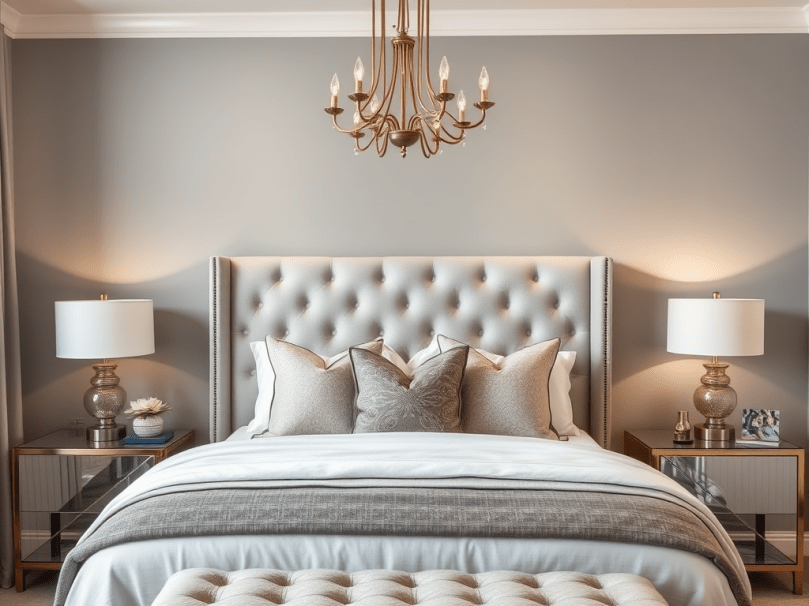
I started by decluttering and rearranging my furniture to create better flow. Then, I repainted my walls a soft, calming gray—a simple change that made the room feel instantly more modern. Instead of splurging on an entirely new bed, I added a tufted headboard I found online for under $100, which completely elevated the look.

For décor, I mixed in budget-friendly finds like throw pillows from a discount store, a faux fur blanket, and a large framed print I created myself using a free online design tool. I also replaced my old lamp with a sleek, gold-accented one I scored on sale. These small, cost-effective updates gave my room a high-end feel without draining my wallet.

The result? A cozy, chic space that feels like a retreat every time I walk in.


1. Start with a Stylish Color Palette

The foundation of a chic bedroom lies in its color scheme. Neutral tones such as whites, grays, and beiges create a timeless backdrop, while bold accents like emerald green, navy blue, or blush pink can add character. Consider painting an accent wall or incorporating textured wallpaper for depth and interest.

Pro Tip: Stick to 2–3 main colors with complementary hues to avoid overwhelming the room.


2. Upgrade Your Bedding

Your bed is the focal point of your room, so make it count. Invest in high-quality bedding with luxe textures like linen, velvet, or Egyptian cotton. Layer throw blankets and mix in decorative pillows with varying shapes, patterns, and fabrics to add dimension.

Pro Tip: A tufted headboard or upholstered bed frame instantly ups the chic factor—even budget-friendly options make a big impact.


3. Choose Elegant Lighting

Lighting sets the mood. Swap out basic overhead lights for a statement chandelier, pendant, or sleek modern fixture. Add bedside table lamps or wall sconces for layered lighting that’s both functional and stylish.

Pro Tip: Warm-toned bulbs create a cozy, inviting glow—perfect for a bedroom setting.


4. Incorporate Stylish Storage

Clutter can quickly make a room feel less polished. Opt for furniture that doubles as storage, like an ottoman at the foot of the bed or chic baskets tucked under a bench. Floating shelves or a sleek dresser can also keep your essentials organized without sacrificing style.


5. Add a Statement Piece

Every chic bedroom needs a showstopper. This could be a large piece of artwork above the bed, an eye-catching mirror, or a bold accent chair in the corner. The key is to choose one item that draws the eye without overpowering the rest of the décor.


6. Play with Textures and Layers

Mixing textures is a secret weapon in design. Combine soft fabrics, glossy finishes, natural wood, and metallic accents for a room that feels thoughtfully curated. A plush area rug underfoot can instantly add warmth and luxury.


7. Personalize with Décor

To keep your bedroom from feeling like a showroom, add personal touches. Display framed photos, a few favorite books, or unique décor items that tell your story. Incorporate greenery or fresh flowers to breathe life into the space.


8. Keep it Minimal Yet Inviting

Chic doesn’t mean cluttered with décor. Focus on quality over quantity. A minimal approach with carefully chosen pieces will make your bedroom feel both stylish and serene.


Final Thoughts

Transforming your bedroom from ordinary to chic doesn’t require a full renovation or a large budget. As I discovered, small updates—like fresh paint, better lighting, and layered textiles—can completely change the vibe of a space. With a little creativity and thoughtful choices, you can create a room that feels like a luxurious escape every time you step inside.

Ready to take your bedroom to the next level? Start small, add layers, and watch your room evolve into a sophisticated haven!


White in Home Decor: Boring or Chic?


When you think of white, what comes to mind? Some see it as plain, sterile, or lacking personality, while others see it as timeless, elegant, and endlessly versatile. The truth is, white can be both—boring or chic—depending on how you use it in your home.

Is White a Boring Base Color?

White gets a bad reputation because, when used incorrectly, it can make a space feel cold or lifeless. A room painted in plain white with no texture, variation, or complementary accents may feel unfinished. However, white is far from boring when you think of it as a backdrop that allows other design elements to shine.

A Cute Story: When White Took Over (in the Best Way)

A friend of mine once decided to redo her small dining room. She was hesitant about painting everything white, worried it would feel “too much like a blank page.” But after seeing a few inspiration photos, she took the plunge—painting the walls, trim, and even the ceiling a warm, creamy white.

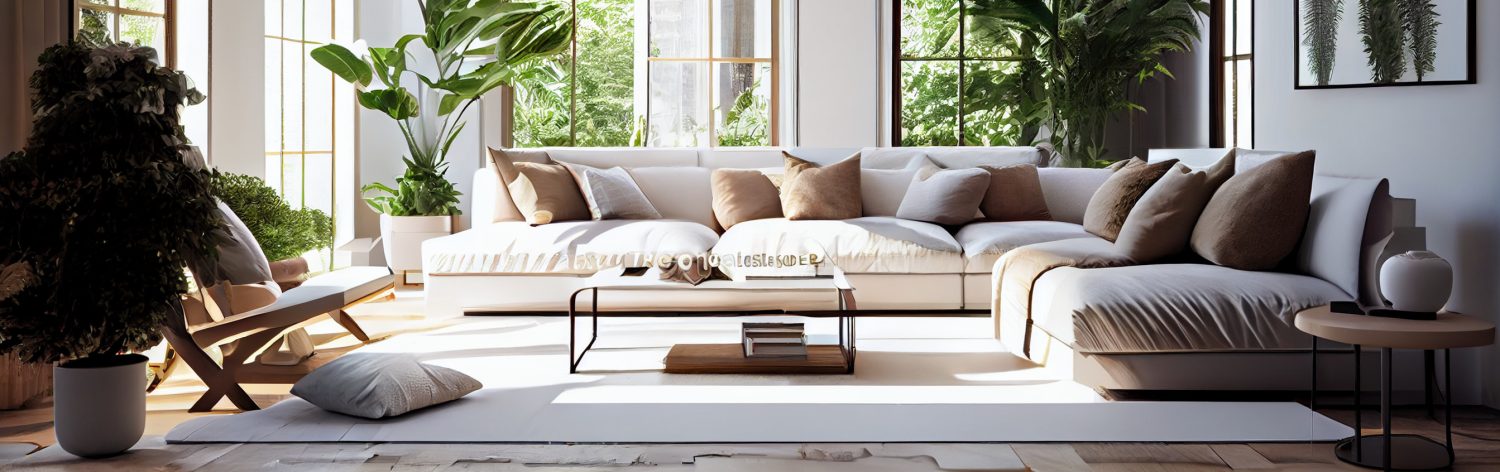
At first, the room felt almost too bright. But as she added a rustic wooden dining table, woven chairs, and a few green plants, something magical happened—the white didn’t fade into the background; it became the star. The room glowed with natural light, and every piece of decor looked intentional and elevated. Friends would walk in and say, “Wow, this feels like a cozy little cloud!”

What started as a fear of white overpowering the space turned into the room’s greatest asset. The white didn’t wash out the personality—it highlighted it.

Why White is Chic and Stylish

  • Timeless Appeal – White never goes out of style. Whether your home is modern, farmhouse, or boho, white adapts beautifully.
  • Bright and Airy – White reflects light, making small spaces feel bigger and rooms feel fresher.
  • Perfect Canvas – It allows you to switch out colors, patterns, and decor with ease—think of white walls as a gallery space for your personality.
  • Layering Possibilities – From cozy whites with cream undertones to crisp, bright whites, the range of shades makes it easy to create depth.

Different Shades of White and When to Use Them

Not all whites are created equal! Choosing the right shade makes all the difference in how your space feels.

  1. Warm White (Creamy & Cozy)
    • Example: Sherwin-Williams Alabaster, Benjamin Moore White Dove
    • Best for: Creating a welcoming, soft ambiance in living rooms, bedrooms, or cottages.
    • Pairs well with: Wood accents, beige tones, and warm metals like gold or brass.
  2. Cool White (Crisp & Modern)
    • Example: Behr Ultra Pure White, Benjamin Moore Chantilly Lace
    • Best for: Contemporary spaces, bathrooms, and kitchens where a clean, fresh look is desired.
    • Pairs well with: Sleek furniture, black accents, and pops of bold color.
  3. Soft White (Neutral & Versatile)
    • Example: Farrow & Ball Wimborne White
    • Best for: Homes with mixed decor styles, where you need a shade that works with both warm and cool tones.
    • Pairs well with: Almost anything—perfect for open-concept spaces.
  4. Antique or Off-White (Vintage & Elegant)
    • Example: Benjamin Moore Linen White
    • Best for: Traditional or rustic spaces where you want a hint of age and character.
    • Pairs well with: Antique furniture, muted colors, and vintage-inspired decor.
  5. Bright White (High-Impact & Reflective)
    • Example: Valspar Ultra White
    • Best for: Rooms with lots of natural light where you want maximum brightness.
    • Pairs well with: Modern interiors and spaces where you want bold art or statement furniture to stand out.

How to Use White in Your Home Without Being Boring

  1. Play with Textures
    Combine different materials—white linen curtains, plush throws, and soft rugs—to add warmth and interest.
  2. Mix Shades of White
    Layering various whites (warm, cool, off-white) prevents a flat look and adds sophistication.
  3. Add Natural Elements
    Wood, plants, and stone bring life to a white palette, giving your space a grounded and organic feel.
  4. Use Accent Colors
    Pair white with bold accents—navy, black, gold, or even pastels—to create striking contrasts or soft elegance.
  5. Highlight with Art and Decor
    White walls are perfect for showcasing colorful artwork, patterned cushions, or statement furniture.
  6. Incorporate Architectural Details
    Wainscoting, molding, or shiplap painted white gives dimension to an otherwise plain space.

Final Thoughts

White is far from boring when used thoughtfully. Instead, it becomes a versatile backdrop that lets you express your style. Just like in my friend’s dining room, sometimes letting white take center stage creates a space that feels calm, inviting, and effortlessly chic. And with so many shades to choose from, you’ll never have to worry about your home feeling “plain.”


Finding the Perfect Window Treatments for Your Home

Windows are more than just architectural features; they’re an opportunity to add personality, control light, and enhance privacy. The right window treatment can transform a room from simple to stunning. But with so many options, how do you choose the perfect one? Let’s dive into how to select the right window treatment, explore the types available, and even discuss how to experiment with seasonal changes and bold design choices.


How to Find the Right Treatment for Your Window

Choosing the right window treatment depends on three main factors: function, style, and budget.

  • Function – Ask yourself what you need the window treatment to do. Do you want to block out sunlight completely? Filter natural light? Add privacy? Each need will lead you to different solutions.
  • Style – Consider the room’s existing decor. Sleek roller shades fit a minimalist space, while flowing curtains enhance a more traditional or boho vibe.
  • Budget – Window treatments can range from affordable blinds to custom drapery. Knowing your budget will help narrow down your options without sacrificing design.

Types of Window Treatments

There are many types to choose from, each offering a unique look and function:

  1. Curtains and Drapes – Available in countless fabrics, patterns, and lengths. They’re great for adding softness and drama to a room.
  2. Blinds – Made from wood, faux wood, aluminum, or vinyl, blinds allow adjustable light control and privacy.
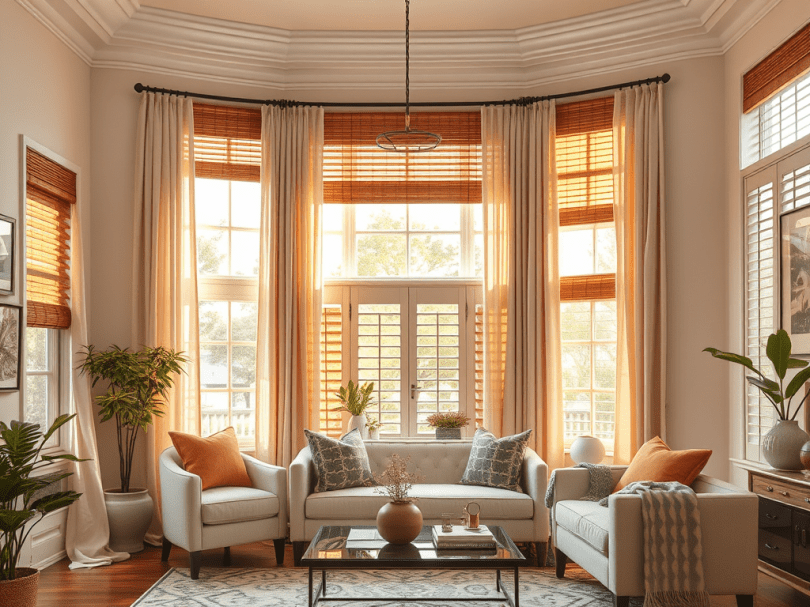
  3. Shades – Roman, roller, cellular, and bamboo shades each offer a different aesthetic and level of light filtering.
  4. Shutters – Plantation shutters add a timeless and elegant touch while offering excellent light control.
  5. Valances and Cornices – These decorative top treatments enhance the look of windows and can be paired with other coverings.
  6. Sheer Panels – Perfect for letting in light while maintaining a soft, airy feel.

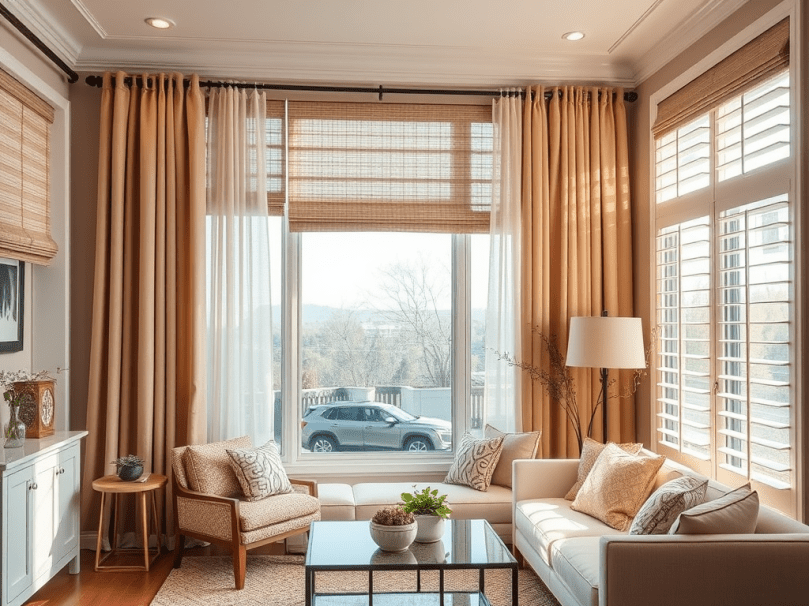
Mixing treatments—such as layering sheer curtains under blackout drapes—can also create a stylish and functional window display.


Is It OK to Change Treatments with the Seasons?

Absolutely! Switching window treatments with the seasons can keep your home feeling fresh and comfortable.

  • Spring/Summer – Opt for lighter fabrics like linen or cotton in airy, bright colors to let in natural light while keeping a cool vibe.
  • Fall/Winter – Heavier materials like velvet or thermal curtains add warmth and insulation, creating a cozy atmosphere.
    Seasonal swaps not only refresh your decor but can also improve energy efficiency.

How to Step Out of the Box with Window Treatments

If you’ve been sticking to safe choices, it might be time to experiment:

  • Play with patterns – Bold prints or unexpected color combos can make windows a focal point.
  • Try layering – Combine blinds with curtains or pair a sheer panel with a patterned drape for dimension.
  • Go asymmetrical – Not all treatments have to hang perfectly even; try a creative drape style.
  • Incorporate unique materials – Bamboo, woven wood, or even macramé panels can bring texture and a boho touch.
  • Add decorative hardware – Don’t forget curtain rods, finials, and tiebacks—they can be statement pieces, too.

Final Thoughts

Your window treatments should do more than just cover your windows; they should enhance your home’s overall feel. Whether you’re layering treatments for depth, swapping fabrics seasonally, or experimenting with patterns and textures, there are endless ways to make your windows stand out. Step out of your comfort zone, and you might just discover a whole new side of your home’s personality.

Ready to refresh your windows? Take a look at your space, play with ideas, and don’t be afraid to try something new. Your windows deserve just as much style as the rest of your home!