
Using the Color Purple in Your Home: How to Properly Use the Royal Color for Greatness

For centuries, purple has been associated with royalty, luxury, and mystery. From the robes of kings and queens to the vibrant blooms in a spring garden, this color has a natural ability to command attention while evoking a sense of calm sophistication. If you’re a lover of purple, incorporating it into your home can create spaces that feel both regal and inviting. The key lies in using it thoughtfully and balancing its bold personality with complementary tones.

1. Choosing the Right Shade of Purple

Purple isn’t one-size-fits-all—it ranges from soft lavender to deep plum.

  • Lavender & Lilac: Perfect for bedrooms and bathrooms, these lighter shades offer a calming, almost ethereal feel.
  • Violet & Amethyst: Vibrant and bold, these work beautifully as accents in living rooms or dining spaces.
  • Deep Plum & Eggplant: Rich and dramatic, ideal for creating cozy, sophisticated spaces like reading nooks or home offices.

2. Where to Use Purple in Your Home

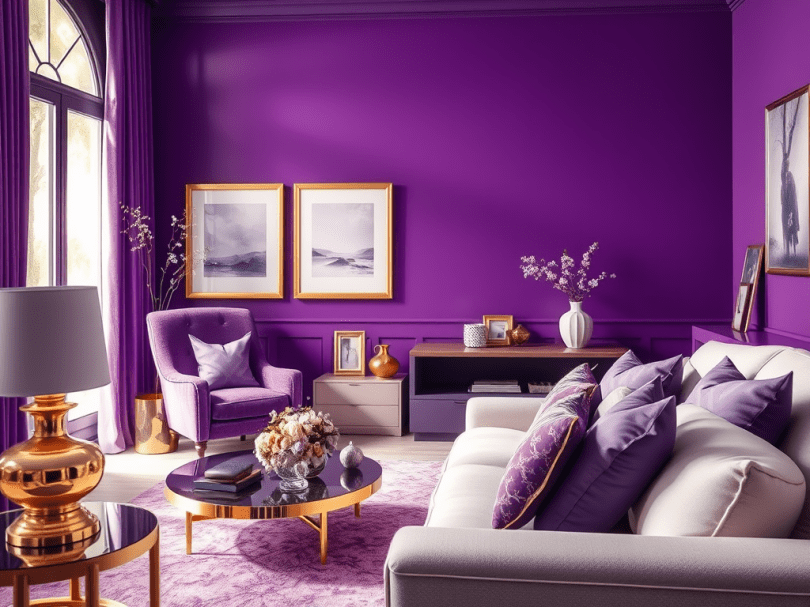
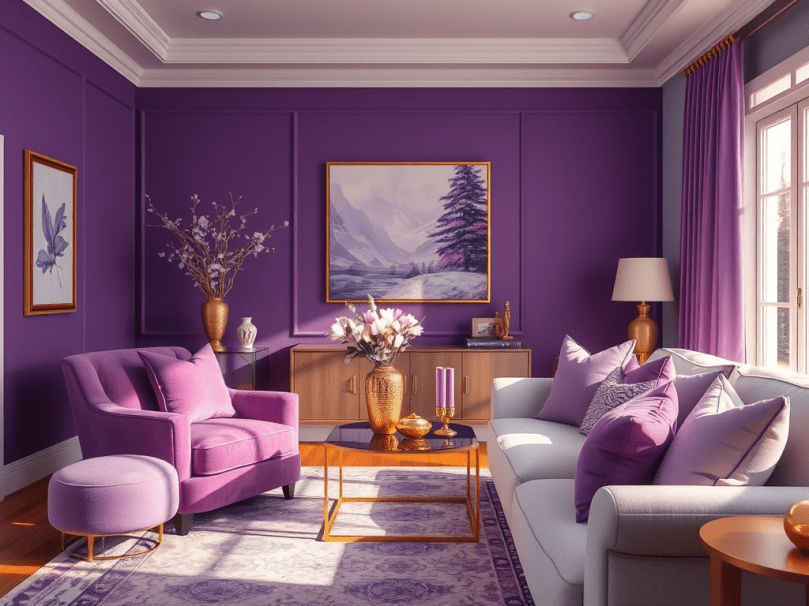
  • Walls: A statement wall in a deep purple can add drama without overwhelming the room. Pair it with neutral furniture to keep the space balanced.
  • Furniture: A purple sofa or armchair can be a bold centerpiece, especially when surrounded by lighter tones.
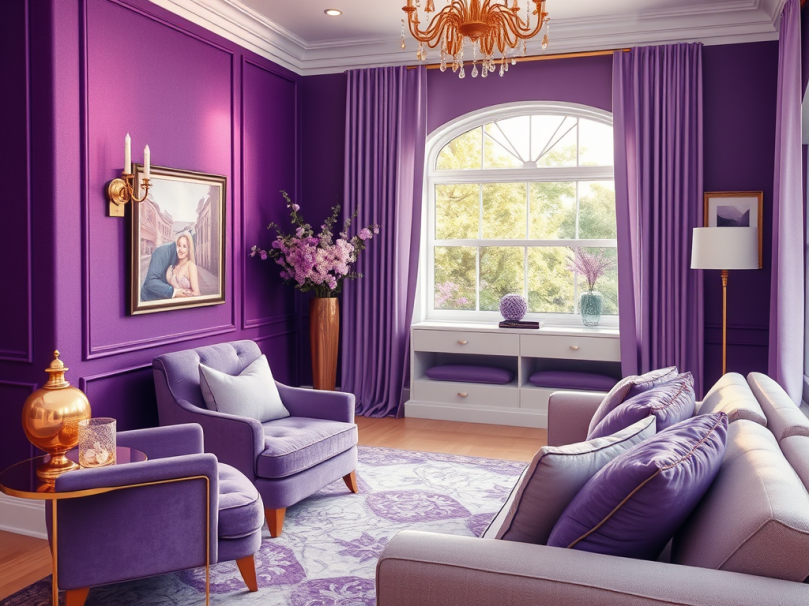
  • Accessories: Throw pillows, curtains, and rugs in varying shades of purple allow you to add personality without committing to a full makeover.
  • Art & Decor: Purple artwork, vases, or even candles can subtly bring in the royal color.

3. Pairing Purple with Other Colors

Purple pairs beautifully with many shades, but choosing the right combination is crucial.

  • Gold & Brass: Enhance the regal vibe by pairing purple with gold accents.
  • Gray & Silver: For a modern, chic look, combine purple with gray tones and metallics.
  • White & Cream: Soften bold purples with light neutrals to create a balanced, airy atmosphere.
  • Green: A natural pairing, especially with plants, to add vibrancy and freshness.

4. Using Purple to Set the Mood

  • For Relaxation: Soft lavenders in bedrooms create a tranquil retreat.
  • For Creativity: Vibrant purples in a workspace stimulate inspiration and imagination.
  • For Luxury: Deep purples in dining rooms or entryways instantly make a space feel elegant.

5. Final Tips for Purple Lovers

  • Don’t overdo it—too much purple can feel overwhelming.
  • Mix textures—velvet, silk, and matte finishes can elevate the color’s richness.
  • Use lighting—purple changes dramatically under different lighting, so test shades before committing.
Embrace Your Love for Purple

Whether you’re painting an accent wall, adding plush purple velvet cushions, or choosing a regal area rug, incorporating purple into your home can make your space feel extraordinary. It’s a color that speaks to creativity, confidence, and grandeur—perfect for those who want their home to reflect their bold personality.

For lovers of purple, the possibilities are endless—don’t be afraid to let your home wear its crown proudly.


How to Keep Your Home Cool in the Summer Without Making Your Bills Go Crazy

When the summer heat kicks in, it’s tempting to crank up the air conditioning and enjoy an indoor oasis. But with energy costs rising, you might be dreading the bill that comes with it. The good news? You can keep your home cool and comfortable without blowing your budget. Here are some smart, practical tips to help you beat the heat efficiently.


1. Use Your Windows Wisely

Windows can be your best friend or your worst enemy during the summer months.

  • Keep blinds and curtains closed during the day, especially on windows that get direct sunlight. Blackout curtains or thermal drapes can significantly reduce heat gain.
  • Open windows at night when temperatures drop to let in cool air. Create cross-ventilation by opening windows on opposite sides of the home.

2. Switch to Energy-Efficient Fans

Fans use far less energy than air conditioners.

  • Ceiling fans should rotate counterclockwise in summer to push cool air down.
  • Portable fans placed near open windows can help draw in cooler night air.
  • Try a whole-house fan if your climate allows—it can cool your home quickly by pulling hot air out.

3. Seal and Insulate

You might think insulation is only for winter, but it’s just as important in summer.

  • Seal gaps around windows, doors, and vents to prevent cool air from escaping.
  • Check your attic insulation—heat often builds up there and radiates into the living spaces.
  • Adding weatherstripping is an inexpensive way to boost your home’s efficiency.

4. Limit Heat-Producing Activities

Some household habits can unintentionally raise the indoor temperature.

  • Cook outdoors on the grill instead of using the oven or stove.
  • Avoid using the dryer during the day; line-dry clothes when possible.
  • Turn off electronics when not in use—devices generate more heat than you might realize.

5. Upgrade to Smart Cooling Solutions

If you do use an air conditioner, make it work smarter, not harder.

  • Invest in a programmable thermostat to set temperatures higher when you’re away and cooler when you’re home.
  • Consider energy-efficient AC units if yours is outdated. Look for Energy Star models.
  • Regular maintenance (like cleaning filters) ensures your cooling system runs efficiently.

6. Incorporate Natural Cooling Elements

Your home’s design and decor can also help keep temperatures in check.

  • Add shade trees or shrubs near sunny windows to block direct heat.
  • Use light-colored curtains and bedding to reflect heat rather than absorb it.
  • Consider installing reflective window film to reduce solar heat gain.

7. Hydrate Yourself and Your Home

Sometimes, it’s not just about cooling the air but also keeping yourself comfortable.

  • Stay hydrated with plenty of water.
  • Use light, breathable fabrics for bedding and clothing.
  • A simple cool mist humidifier can make the air feel more refreshing in dry climates.

Final Thoughts

You don’t have to choose between comfort and affordability this summer. By combining these simple strategies—managing sunlight, improving airflow, and being energy-conscious—you can keep your home cool while keeping your bills under control.

What’s your favorite trick for staying cool in the summer? Share it in the comments!


Looking for more home tips? Check out DiscoveringLifeLLC.com for inspiration on creating a comfortable, beautiful, and energy-efficient home!


Choosing the Style of Home That’s Right for You: How Do You Decide?


When it comes to making a house a home, your style is at the heart of everything. The design you choose reflects your personality, lifestyle, and the atmosphere you want to create. But with so many styles—modern, farmhouse, minimalist, boho, industrial, traditional—it can feel overwhelming to pick just one. So, how do you choose your home style?

1. Start with What Inspires You

Begin by gathering inspiration. Look at Pinterest boards, home décor magazines, Instagram accounts, or even friends’ homes that you love. Save images that make you feel happy and inspired, even if they don’t seem to match at first. Over time, you’ll notice a pattern in colors, textures, and layouts that appeal to you most.


🌟 Story Spotlight: How Sarah Found Her Style

When Sarah bought her first home, she was overwhelmed by choices. Every magazine screamed a different trend, and she didn’t know where to begin. Instead of rushing, she started a simple Pinterest board and pinned anything that caught her eye—cozy farmhouse kitchens, sleek modern lighting, and even a few boho rugs.

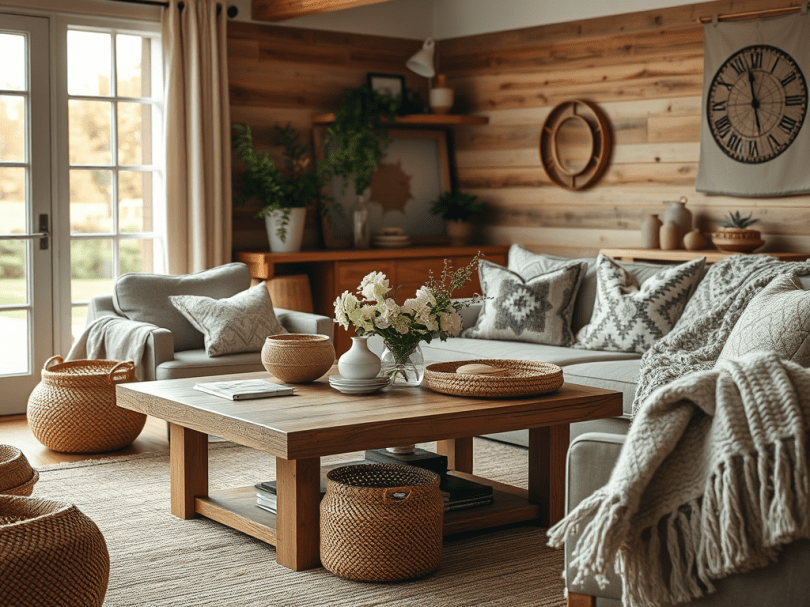
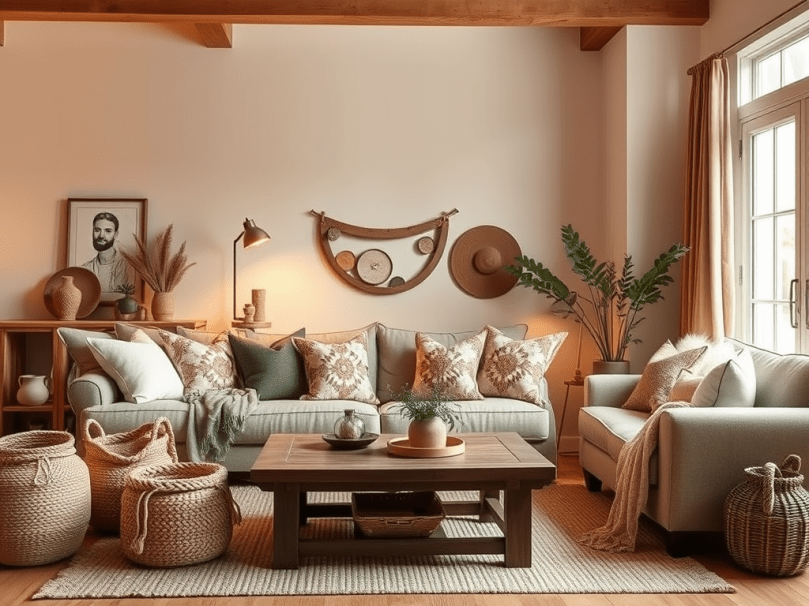
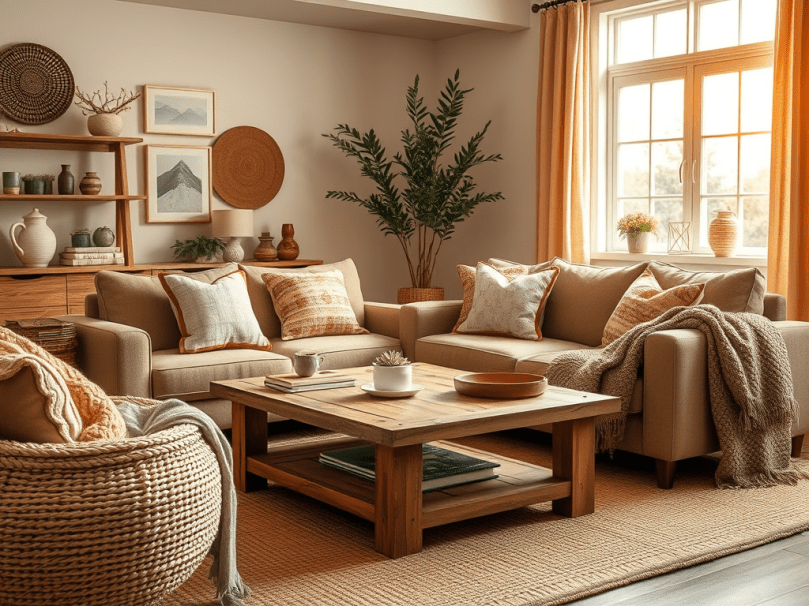
At first, it looked like a mess. But soon Sarah realized all her pins had one thing in common: warm tones, natural wood, and spaces that felt both cozy and uncluttered. This discovery led her to embrace a modern farmhouse style with a hint of boho. She started with neutral walls, added rustic shelves, and layered in textured throws and woven baskets. Little by little, her house began to reflect who she truly was—warm, welcoming, and effortlessly stylish.


2. Consider Your Lifestyle

Your home should not only look good but also fit your everyday life.

  • Do you have kids or pets? Opt for styles that prioritize comfort and durability, like farmhouse or transitional.
  • Do you love entertaining? An open-concept modern style may be best.
  • Prefer cozy and quiet? Cottage or traditional styles might feel more inviting.

3. Pay Attention to Your Current Space

Sometimes, your home’s architecture can guide your style choices. A craftsman house naturally complements warm, classic interiors, while a loft space may lean toward industrial or contemporary. You don’t have to match your home’s bones perfectly, but working with its features can make decorating easier and more cohesive.

4. Think About Color & Mood

Colors play a huge role in defining a home’s style:

  • Neutral palettes with natural textures lean toward modern, Scandinavian, or minimalist.
  • Warm earth tones with rustic finishes work for farmhouse or boho styles.
  • Rich, deep colors with ornate details suit traditional or vintage-inspired homes.

Ask yourself what mood you want to feel when you walk in—calm, cozy, energizing, elegant?

5. Mix, Don’t Match

Here’s a secret: you don’t have to stick to one strict style. Many of today’s most beautiful homes are a blend of influences. You can pair clean modern lines with boho textiles or add vintage accents to a contemporary space. The key is to find a common thread—like a color palette or a particular material—that ties it all together.

6. Start Small & Build

Choosing your style doesn’t have to be an overnight decision. Start with one room, or even one corner, and see what feels right. Over time, your style will naturally evolve, and you’ll become more confident about the choices you make.


Final Thoughts

Your home style is an expression of you—so make it personal, functional, and something you truly love. Whether you gravitate toward the clean lines of minimalism, the warmth of farmhouse charm, or an eclectic mix of both, the best style is one that makes you feel at home.


Choosing the Right Cabinet Color: Kitchen & Bathroom Edition


When it comes to updating your kitchen or bathroom, changing the cabinet color is one of the easiest ways to make a big impact. Cabinets set the tone for the entire room—they can make a space feel bright and airy, warm and cozy, or sleek and modern. But with so many colors to choose from, how do you know which one is right for you?

Which Colors Are In for Kitchen and Bathroom Cabinets?

2025 trends show that cabinet colors are moving beyond classic white. While white remains timeless, homeowners are embracing bolder and richer tones to bring personality into their spaces. Here are the colors currently making waves:

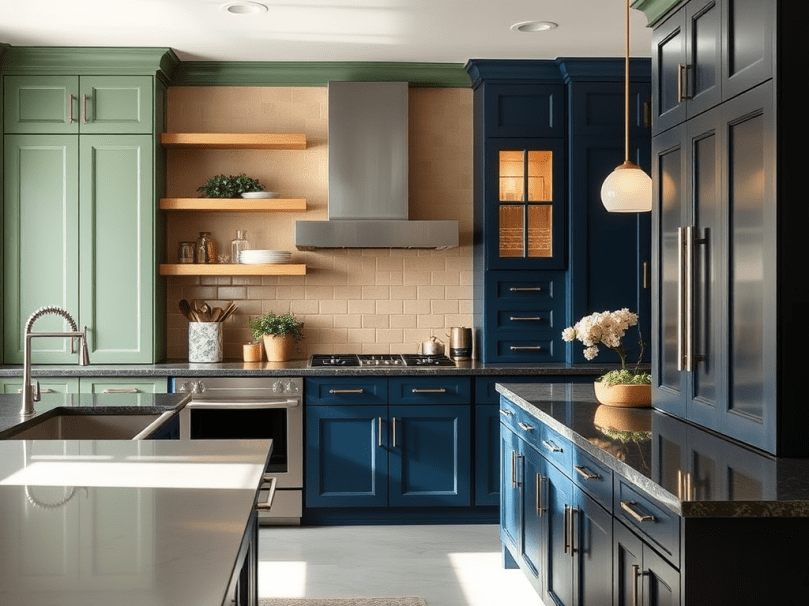
  • Sage Green & Olive – Soft greens are perfect for creating a calming, nature-inspired atmosphere. They pair beautifully with wood accents and brass hardware.
  • Navy & Deep Blue – Adds sophistication and works well with both traditional and modern styles. Gold or matte black hardware looks stunning against navy.
  • Warm Beige & Taupe – A great alternative to stark white, these warm neutrals keep a space cozy while remaining versatile.
  • Black – Dramatic and contemporary, black cabinets work well in kitchens with good natural light or bathrooms with contrasting light countertops.
  • Two-Tone Cabinets – Mixing colors (such as dark lower cabinets with light uppers) adds depth and interest to your design.

How to Choose the Right Color for Your Cabinets?

When selecting a color, consider the following factors:

  1. Room Size & Lighting
    • Light colors make a small room feel bigger and brighter.
    • Dark colors create a dramatic, cozy vibe but work best in spaces with ample light.
  2. Existing Finishes
    • Look at your countertops, backsplash, flooring, and wall colors. Your cabinet color should complement—not clash with—these elements.
  3. Overall Style
    • Modern kitchens often suit sleek blacks, grays, or high-contrast tones.
    • Farmhouse and rustic styles lean toward warm neutrals, soft greens, and off-whites.
    • Boho or eclectic spaces might play with bold hues or two-tone combinations.

Which Color Fits Your Personal Style?

Your cabinets should reflect your personality just as much as your home’s style:

  • Minimalist? Stick with white, light gray, or beige for a clean, uncluttered look.
  • Bold & Creative? Try navy, deep green, or even a muted teal for a pop of personality.
  • Classic & Timeless? White or cream will always stand the test of time.
  • Earthy & Natural? Choose warm taupe, olive green, or wood finishes to bring nature inside.

Final Thoughts

Choosing a cabinet color is about balancing trends with what makes you feel at home. Trends come and go, but the right color will make your kitchen or bathroom a place you love spending time in. Before committing, test paint samples in your space to see how the color looks in different lighting.


Want to explore how to pair cabinet colors with your home’s style? Stay tuned for my upcoming post on mixing and matching cabinet hardware to complete the look!


Finding the Perfect Home Gadgets You Didn’t Know You Needed

When it comes to making your home more functional, cozy, and even a little fun, it’s often the small gadgets that make the biggest difference. These aren’t just trendy items—they’re clever solutions to everyday problems that you didn’t even realize you had. From time-saving kitchen tools to smart devices that boost efficiency, these hidden gems can transform how you live in your space.


Where Can You Find These Gadgets?

Finding unique and useful home gadgets has never been easier. Here are some of the best places to look:

  • Online Marketplaces: Websites like Amazon, Wayfair, and Etsy offer everything from smart home tech to handmade, one-of-a-kind solutions.
  • Home Improvement Stores: Stores like Home Depot and Lowe’s often carry innovative products you won’t see elsewhere.
  • Specialty Retailers: Brands like IKEA and Bed Bath & Beyond specialize in space-saving and practical home items.
  • Crowdfunding Platforms: Websites like Kickstarter and Indiegogo are where the newest inventions often debut before they hit mainstream stores.

Home Gadgets You Didn’t Know You Needed

Here are a few items that are surprisingly handy and can instantly upgrade your home life:

1. Smart Plugs with Energy Monitoring

These plugs let you control appliances remotely and track energy usage. Perfect for cutting down on electricity bills and making your home smarter.
Why it’s useful: You can turn off forgotten devices while you’re away or schedule lights to turn on when you return home.

2. Automatic Pan Stirrer

This tiny kitchen gadget stirs your sauces and soups for you, freeing you up to multitask.
Why it’s useful: Say goodbye to standing over the stove for 30 minutes while your risotto cooks.

3. Under-Cabinet Motion Sensor Lights

These sleek lights turn on automatically when you walk into a dark kitchen or bathroom at night.
Why it’s useful: They provide just the right amount of light without disturbing your sleep with harsh overhead lighting.

4. Cordless Handheld Vacuum (Mini Size)

Perfect for crumbs, pet hair, and those small messes you don’t want to drag out the full vacuum for.
Why it’s useful: Quick cleanups become effortless, especially in tight spaces like cars or sofas.

5. Magnetic Cable Organizers

These small magnetic clips keep your phone charger, laptop cords, and other cables neatly in place.
Why it’s useful: No more digging behind furniture to find lost cords.

6. Smart Water Leak Detector

Place these near sinks, water heaters, or laundry machines to get alerts on your phone if there’s a leak.
Why it’s useful: They can save you from costly water damage by catching leaks early.


How Useful Are They, Really?

The best part about these gadgets is their ability to blend convenience with innovation. Many are small investments that solve annoying daily problems—saving time, money, and effort. While some may seem like luxury items, they often prove their worth by making life easier and more efficient.


Final Thoughts

Sometimes, it’s the little things that make the biggest impact in our homes. The next time you’re browsing online or walking through a store, keep an eye out for those clever gadgets you never knew you needed—they just might become your new favorite household helpers.


Want more home tips and clever finds?
Visit Discovering Life LLC for inspiration, product recommendations, and creative ways to make your home work smarter, not harder.

Bonus (product links)

Here are some delightful gadgets you didn’t know you needed—clever tools that solve everyday annoyances you didn’t even know you had—and where to find them:

Automatic Pan Stirrer

Hands‑free cooking helper

$19.90

TP‑Link Tapo P110 M Smart Plug

Compact Matter smart plug

$27.99

Emporia Smart Plug

Budget energy‑monitoring plug

$20.99

Moen Smart Leak Detector

Standalone smart water sensor

$54.19


1. Automatic Pan Stirrer

  • Automatic Pan Stirrer
    A battery-powered stirrer that gently rotates in your pot or pan—ideal for sauces, risottos, soups, and stews. It frees you from standing by the stove and helps prevent burning. Reviewers say it works surprisingly well, making it a practical multitasking kitchen assistant (Amazon).
  • Where to find it: Available from online stores like UncommonGoods and specialized kitchen gadget retailers.

2. Smart Plugs with Energy Monitoring

Smart plugs track and control power usage while offering scheduling and voice integration.

TP-Link Tapo P110 M Smart Plug

  • TP‑Link Tapo P110 M Smart Plug
    A Matter-certified, compact smart plug that supports Alexa, Google Assistant, and Apple Siri. Built‑in energy monitoring provides real-time and historical data, helping reduce waste—much like highlighted in a 2025 review praising its affordability and ease of use (Greenlite Lighting Corporation USA, The Sun, Kasa Smart).
  • Where to find it: Available via TP-Link, Amazon, and major electronics retailers.

Emporia Smart Plug

  • Emporia Smart Plug
    A budget-friendly Wi‑Fi plug offering voice control and detailed energy reports in the Emporia app. Frequently rated among the best energy-monitoring plugs by tech reviewers (TP-Link, Emporia Energy).
  • Where to find it: Sold through Emporia’s website, Amazon, and Home Depot.

3. Smart Water Leak Detectors

Catch leaks before they turn into expensive disasters with instant alerts.

Moen Smart Leak Detector

  • Moen Smart Leak Detector
    This standalone smart sensor detects moisture, high humidity, or drastic temperature shifts and alerts you via app, email, or phone. It’s often cited as a top pick in safety guides for being accurate and user-friendly (Emporia Energy, shop.moen.com).
  • Where to find it: Moen’s online store and retailers like Lowe’s.

SwitchBot Water Leak Detector (not in carousel but worth mention)

A budget smart sensor that connects directly to Wi‑Fi (no hub needed), sends instant smartphone alerts, and is rated for up to 2 years of battery life (shop.moen.com).


Why They’re Useful

  • Time and Energy Savings: The automatic stirrer gives you back time while ensuring your food doesn’t burn. Smart plugs help you control and schedule appliances, often trimming electricity bills and reducing vampire load.
  • Home Protection: Leak detectors catch issues before they escalate—saving potentially thousands in water damage repairs.
  • Convenience & Automation: Voice control, smartphone alerts, and compatibility with smart ecosystems like Alexa, Google, HomeKit, and Matter make these tools integrate seamlessly into daily life.

Stores Where You Can Find Them

GadgetWhere to Buy
Automatic Pan StirrerUncommonGoods, Amazon, niche kitchen gadget sites
TP-Link Tapo P110 M PlugTP-Link official, Amazon, electronics stores
Emporia Smart PlugEmporia website, Amazon, Home Depot
Moen Smart Leak DetectorMoen online, Lowe’s, selected home improvement stores
SwitchBot Water SensorSwitchBot online store, Amazon

Final Take

These gadgets deliver noticeable convenience and peace of mind without requiring a major investment. Whether you’re stirring meals hands‑free, monitoring electricity consumption, or stopping leaks before they start—each one quietly enhances everyday life.