
How to Decorate Your Dining Room: A Step-by-Step Guide to Creating a Space You Love

Your dining room is more than just a place to eat—it’s where you gather, celebrate, connect, and create lasting memories. Whether you’re starting with a blank slate or refreshing your current space, decorating your dining room can be a fun and rewarding project. But where do you begin? What do you really need to make it functional and beautiful? Let’s walk through the essential steps to decorating your dining room from the ground up.


Step 1: Define the Purpose of Your Dining Room

Before buying anything, think about how you’ll use the space. Will it be a formal dining area reserved for special occasions? A cozy family gathering spot? Or a multifunctional space that doubles as a workspace or homework zone?

Ask yourself:

  • How often will I use the dining room?
  • How many people do I need to seat?
  • Do I want a formal or casual feel?

This helps you set a tone, determine a layout, and prioritize your decor.


Step 2: Choose a Style and Color Palette

Once you know how you’ll use the room, it’s time to choose a style. Are you into modern minimalism? Farmhouse charm? Classic elegance? Boho eclectic?

From there, pick a color palette that matches your home and your personal taste. Neutral tones are always timeless, but don’t shy away from rich jewel tones, warm earth colors, or bold black-and-white contrasts if that’s your vibe.


Step 3: Start with the Dining Table

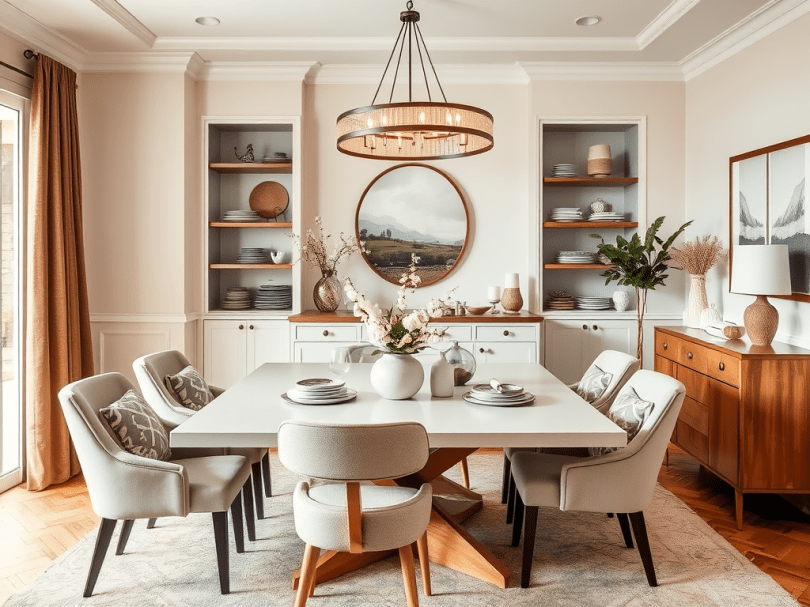
Your dining table is the centerpiece of the room—literally and visually. Choose a table that suits your needs and fits your space.

Tips for choosing the right table:

  • Measure first. You’ll want at least 36–48 inches between the table and walls or furniture for easy movement.
  • Pick the right shape. Rectangular tables are classic and space-efficient; round tables encourage conversation and are great for smaller spaces.
  • Consider extendable options if you entertain guests often.

Step 4: Add Comfortable Seating

Chairs should be both stylish and comfortable—no one wants to rush through a meal because their seat is awkward. Mix-and-match seating is on trend, but even traditional matching sets can be elevated with seat cushions or slipcovers.

Pro Tip: If space allows, consider adding a bench on one side of the table for a relaxed, modern look.


Step 5: Invest in Storage and Function

A sideboard, buffet, or storage cabinet can anchor your dining room and add functionality. Use it to store:

  • Dinnerware and serveware
  • Linens
  • Candles or seasonal decor

Open shelving or a china cabinet can also serve as display space for decorative items.


Step 6: Layer in Lighting

Lighting sets the mood in your dining room. A statement chandelier or pendant light above the table instantly elevates the room.

Add layers with:

  • Wall sconces
  • Table lamps on a sideboard
  • Candles for intimate dinners

Dimmer switches are also a great addition for controlling the ambiance.


Step 7: Add a Rug (Optional but Recommended)

A rug can ground your space and add warmth and texture. Be sure it’s large enough so that chairs remain on the rug when pulled out.

Material matters: Go for something durable and easy to clean—especially if you have kids or host often.


Step 8: Decorate the Walls

Blank walls can make your dining room feel unfinished. Consider:

  • A large mirror to reflect light
  • Art or gallery walls
  • Floating shelves with plants or ceramics
  • Statement wallpaper or an accent paint color

Step 9: Finish with Table Decor and Accessories

Small touches go a long way in bringing the room together.

Try these finishing pieces:

  • A simple centerpiece (vase with flowers, bowl with fruit, candles)
  • Cloth napkins and placemats
  • Seasonal decor (mini pumpkins, evergreens, or spring florals)

Keep your table styled, even when not in use—it keeps the room feeling lived-in and loved.


Must-Have Items for Every Dining Room

Here’s a checklist of essentials for a well-rounded dining space:
✅ Dining table
✅ Chairs or seating
✅ Overhead lighting
✅ Sideboard, buffet, or cabinet (for storage)
✅ Rug (if desired)
✅ Wall art or mirrors
✅ Tabletop decor (vase, candles, centerpiece)
✅ Dinnerware and linens


Final Thoughts

Decorating your dining room doesn’t have to be overwhelming. Start with a purpose, build around your dining table, and layer in function and personality. With the right mix of comfort, style, and storage, your dining room can become one of the most welcoming and beautiful spaces in your home.


Shower or Bathtub: Which One is Right for Your Bathroom?


Discover What Works Best for Your Space

When it comes to bathroom design, one of the biggest decisions homeowners face is whether to install a shower, a bathtub—or both. It might seem like a simple choice, but this decision can impact your home’s style, functionality, and even resale value. So, let’s dive into the pros and cons of showers vs. bathtubs and help you decide what’s best for your space and lifestyle.


The Shower: Sleek, Efficient, and Modern

Showers have become the go-to option for many homeowners, especially in homes where space is at a premium or the bathroom needs a modern, minimalist touch.

Pros of a Shower:

  • Saves Space: Great for small bathrooms or en-suites.
  • Quick and Convenient: Perfect for busy mornings.
  • Water Efficient: Uses less water than most traditional bathtubs.
  • Accessible: Walk-in showers with no threshold are ideal for aging in place or for anyone with mobility issues.
  • Modern Appeal: Frameless glass doors and rain showerheads add an elegant, spa-like feel.

Cons of a Shower:

  • No Soaking Option: If you love to soak, a shower might feel like it’s missing something.
  • Less Kid-Friendly: Bathing young children can be trickier in a shower.
  • Lower Resale Appeal (sometimes): Families often look for homes with at least one bathtub.

The Bathtub: Classic Comfort and Relaxation

Bathtubs offer a nostalgic, luxurious feel. Whether it’s a freestanding clawfoot tub or a deep soaking tub, bathtubs can create a relaxing escape within your home.

Pros of a Bathtub:

  • Ideal for Relaxation: A long soak in warm water is therapeutic for both body and mind.
  • Great for Kids: Easier for bathing toddlers and small children.
  • Higher Resale Value in Some Markets: Homes with at least one tub are often more appealing to families.
  • Variety of Styles: Freestanding, alcove, corner, whirlpool—lots of options for different aesthetics.

Cons of a Bathtub:

  • Takes Up More Space: Not always ideal for small bathrooms.
  • Uses More Water: Less eco-friendly than a quick shower.
  • Not as Accessible: Climbing in and out can be difficult for some people.
  • Slower Experience: Not the best choice if you’re always in a rush.

Shower or Bathtub: What’s Right for Your Home?

When deciding between a shower or a bathtub, ask yourself the following:

  • How much space do I have? If you’re limited on square footage, a shower may be more practical.
  • Who lives in the home? Families with young kids may prefer a tub, while singles or couples may lean toward a sleek shower.
  • How do I relax? If baths are your go-to for stress relief, a tub might be non-negotiable.
  • Am I planning to sell soon? Think about what will appeal to future buyers in your market.
  • What style do I love? Showers can feel high-end and modern; bathtubs bring charm and tradition.

The Best of Both Worlds?

If space and budget allow, having both a shower and a tub gives you flexibility and boosts your home’s value. A popular option is the shower-tub combo, which combines practicality and comfort, especially in smaller bathrooms. For luxury bathrooms, a separate walk-in shower and freestanding tub is the dream.


So, What Do You Prefer?

Are you or ? Let us know in the comments! And if you’re planning a bathroom renovation, take time to think about how your space works for you—not just what looks good in a magazine. After all, your bathroom should be a place of both function and peace.


How to Find the Best Bedroom Nightstand: To Match or Not to Match?


When it comes to designing your dream bedroom, the nightstand may not be the first piece you think of—but it’s one of the most functional and visually grounding pieces in the room. Whether you’re styling a cozy corner or upgrading your entire bedroom set, the right nightstand can be the subtle hero that ties everything together. But the question remains: should your nightstands match, or is it okay to mix it up?

Let’s explore how to find the best bedroom nightstand for your space and style—and how to make the perfect choice whether you love symmetry or prefer something more eclectic.


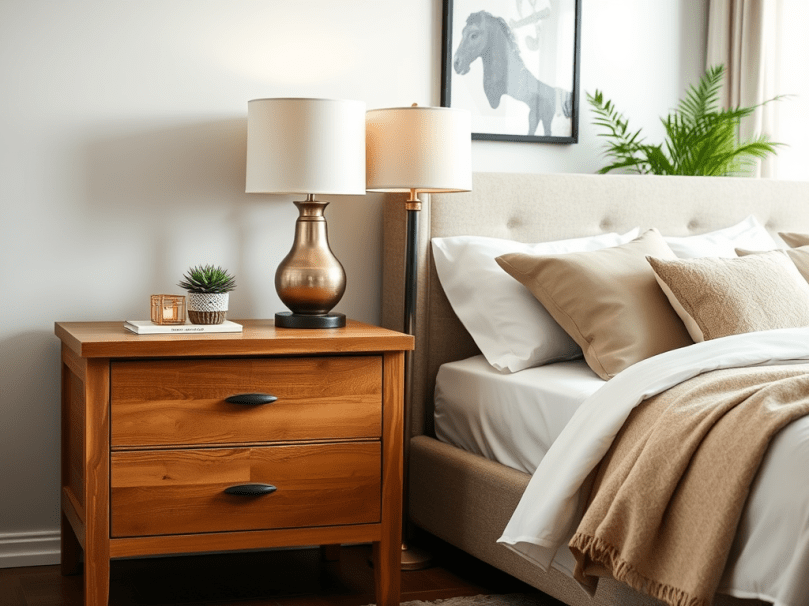
1. Decide What Function You Need First

Before diving into style, start with function. Ask yourself:

  • Do you need storage drawers for books, devices, or meds?
  • Do you prefer an open shelf for displaying decor?
  • Do you need a taller or shorter height to match your bed frame?
  • Will it need to support a lamp, charging station, or a carafe of water?

Once you know what your nightstand needs to do, it’s much easier to narrow down the options.


2. Should Your Nightstands Match?

The short answer? It depends on your vibe.
The longer answer…

Reasons to Match:

  • You crave visual balance and symmetry.
  • Your bedroom has a more traditional or modern formal design.
  • You already have a matching bed and dresser, and want a cohesive look.

Reasons to Mix It Up:

  • You love a more curated, collected-over-time feel.
  • Your room already features a mix of textures or colors.
  • You and your partner have different needs (storage vs. minimal surface space).

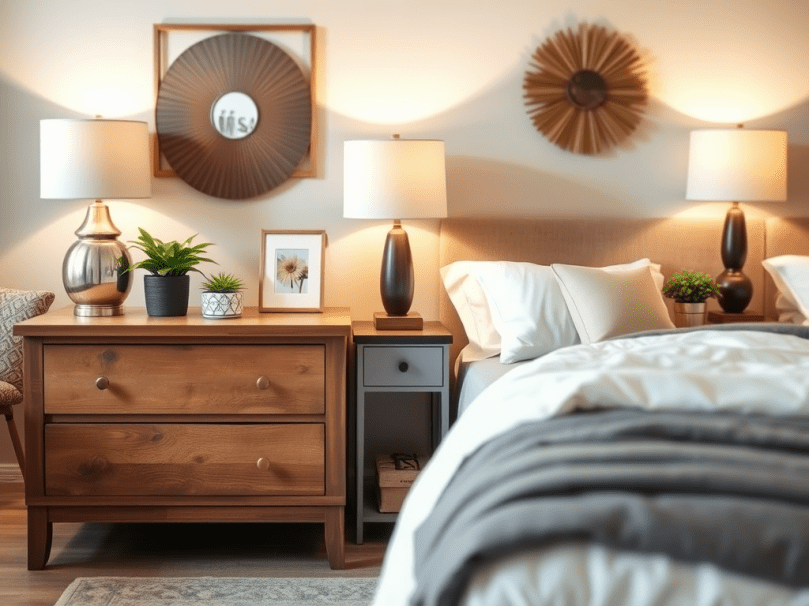
TIP: If you choose mismatched nightstands, tie them together with matching lamps, similar finishes, or coordinating decor to keep it intentional.


3. Nightstands by Style + Chic Product Picks

Here’s how to align your nightstand with your personal aesthetic—and where to find pieces that won’t break the bank:

Farmhouse or Rustic

Warm wood, charming details, and timeless function.

Product Picks:

  • Walker Edison Rustic Oak 2-Drawer Nightstand – $99 (Amazon)
    A classic with rustic vibes and hidden storage.
  • Better Homes & Gardens Modern Farmhouse Nightstand – $89 (Walmart)
    Open shelf + drawer combo with a soft oak finish.

Minimalist or Modern

Clean lines, hidden hardware, and simplicity.

Product Picks:

  • LACK Side Table (White) – $14.99 (IKEA)
    Incredibly budget-friendly and super minimalist.
  • Mainstays Modern 1-Drawer Nightstand with USB – $59 (Walmart)
    Sleek, modern, and includes built-in USB ports.

Boho or Eclectic

Playful shapes, mixed textures, and personal touches.

Product Picks:

  • Opalhouse Woven Rattan Accent Table – $85 (Target)
    A beautiful, airy design with a natural finish.
  • Novogratz Cache Metal Locker Nightstand – $69 (Amazon or Walmart)
    A colorful, playful take on eclectic style—available in teal, mustard, or pink.

Industrial or Masculine

Strong lines, darker finishes, and purposeful structure.

Product Picks:

  • VASAGLE Industrial Side Table with Drawer – $65 (Amazon)
    Wood and metal frame with a drawer and shelf.
  • Project 62 C Table in Black or Walnut – $79 (Target)
    Sleek and functional, perfect for tight spaces.

4. Don’t Forget Proportion + Scale

Make sure your nightstand height is within 2–3 inches of the top of your mattress (usually around 24–28 inches). The width and depth should balance your bed without overwhelming the room—especially in small spaces.


5. Accessorize With Style

Once your nightstand is in place, layer in cozy personality:

  • A soft-glow lamp (check for smart or touch lamps!)
  • A plant or bud vase
  • A decorative catchall tray
  • Your favorite reads or a journal
  • A photo or piece of artwork

Small details turn a practical piece into something beautiful.


Final Thoughts: Match It or Mix It—Make It Yours

Finding the best bedroom nightstand doesn’t mean sticking to a formula. Whether you buy a matching set, pair different pieces, or DIY something unique, the right choice is one that feels good to you.

So, what’s your style—symmetric and sleek or charmingly mismatched? Drop your faves or questions in the comments below!


From Mundane to Chic: How to Dress Up Your Bedroom on a Minimal Budget

Let’s face it—your bedroom should be your sanctuary, not the blandest room in your home. But what if your wallet isn’t exactly overflowing? Good news: transforming your bedroom from boring to beautiful doesn’t require a full-blown makeover or maxing out your credit card. With a few intentional changes and a dash of creativity, you can elevate your space and give it the style upgrade it deserves—without draining your bank account.

Here’s how to go from mundane to chic in your bedroom with minimal cash flow:


1. Start with a Statement Wall (Without the Paint)

Paint can be expensive and time-consuming, but that doesn’t mean your walls have to stay dull. Peel-and-stick wallpaper, oversized wall decals, or even a painted canvas DIY project can make a huge impact for little money. Choose patterns or prints that reflect your personality—whether that’s modern boho, classic glam, or cozy minimalist.

Tip: Removable wallpaper is renter-friendly and often costs under $40 per roll.


2. Reimagine Your Bedding

You don’t need a designer duvet to create a luxurious bed. Focus on textures and layering. Try a new throw blanket in a rich material like velvet or faux fur, or switch out your pillowcases for something bold or patterned. Mixing textures and colors can make your bed look custom-styled—even if it’s all from discount bins.

Budget hack: Look for clearance pillow covers or repurpose fabric to make your own.


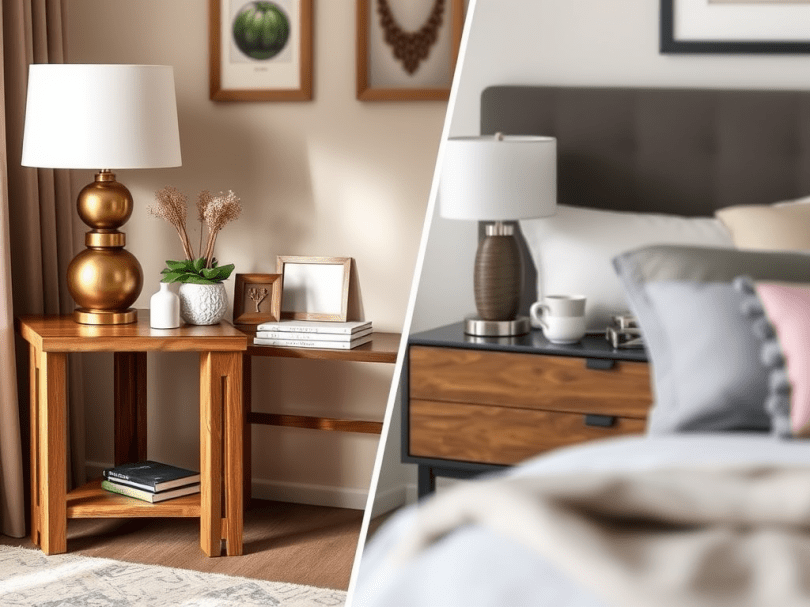
3. DIY Your Nightstand Style

Your nightstand is small, but it’s prime real estate for style. Declutter it and add just 2–3 carefully curated items: a lamp with a sculptural base, a tray to hold your favorite jewelry or books, and a candle or plant for a finishing touch.

Tip: Hit up your local thrift store for unique finds and give them a makeover with spray paint or contact paper.


4. Use Lighting to Set the Mood

The right lighting can turn your bedroom from harsh and sterile to warm and inviting. Add a string of fairy lights, swap out your old lamp shade for something trendier, or grab a touch-control bedside lamp with soft-glow features.

Budget option: Battery-operated puck lights under floating shelves or headboards create hotel-like ambiance—without the electrician.


5. Add Texture Underfoot

An area rug instantly grounds your space and adds softness and color. You don’t need a massive one—just something at the foot of the bed or alongside it. Opt for faux sheepskin, patterned runners, or layered rugs for extra chic vibes.

Money-saver tip: Check online marketplaces or discount stores for lightly used or discontinued stock.


6. Bring in Greenery (Real or Faux)

Plants instantly refresh a room and make it feel styled. If you’re not great with live plants, faux greenery has come a long way—and you can find small ones for under $10 at places like IKEA, Target, or even Dollar Tree.

DIY idea: Use mason jars or tin cans as planters and add chalkboard labels for a rustic-chic look.


7. Hang Art Without Breaking the Bank

Blank walls feel cold. Add personality by printing your own art, using downloadable printables, or framing pages from magazines or old books. Go for a gallery wall look or one large framed quote that speaks to you.

Where to find cheap art: Try Etsy for $5 downloadable prints, or make your own with free design tools like Canva.


8. Upgrade Your Hardware

You’d be surprised how much new knobs or drawer pulls can transform a dresser or nightstand. Go for brass, matte black, or acrylic finishes for an instantly modern look.

Quick fix: Most hardware updates can be done with just a screwdriver and cost less than $20 total.


Final Thoughts:

Chic doesn’t have to mean expensive. By making small but impactful changes, you can turn your bedroom into a dreamy, personalized escape without spending more than what’s in your weekly coffee budget. Focus on texture, lighting, color, and a few statement pieces, and your once-bland bedroom will suddenly feel like it belongs in a magazine.

So go ahead—give your bedroom the glow-up it deserves, even on a shoestring budget. Your space (and your peace of mind) will thank you.


Does the Type of Computer You Have Say Anything About Your Home Decor?


When you think about home decor, your mind might go straight to throw pillows, coffee tables, and wall art—but what about your computer? In today’s connected world, the home computer isn’t just a productivity tool or entertainment hub—it’s also a visible part of your home. Whether it’s perched on your living room desk or set up in a multipurpose dining nook, your computer can add to—or clash with—your home’s overall vibe. So, does the type of computer you have say something about your home decor? Absolutely.

Let’s dive into the growing trend of selecting stylish tech that fits seamlessly into your living space.


Tech Meets Style: Are People Choosing Computers That Match Their Home Decor?

Yes—and more than ever before. The rise of open-concept living and remote work has made our electronics more visible. That big, clunky tower and tangle of cords from 2005? Not the vibe for a clean, minimalist setup or a boho-chic home office.

Today, homeowners are prioritizing aesthetics in all areas, and tech is no exception. Sleek, modern computers and accessories are now part of the home design conversation. Designers and manufacturers have responded by offering machines in more colors, finishes, and compact forms.

Consumers are asking questions like:

  • Will this look good on my desk?
  • Does this color work with my palette?
  • Can I hide the wires easily?
  • Will this blend in or stand out too much?

How Home Decor and Computers Intersect

Your home reflects your lifestyle, and your tech should too. Here’s how different home styles often align with computer choices:

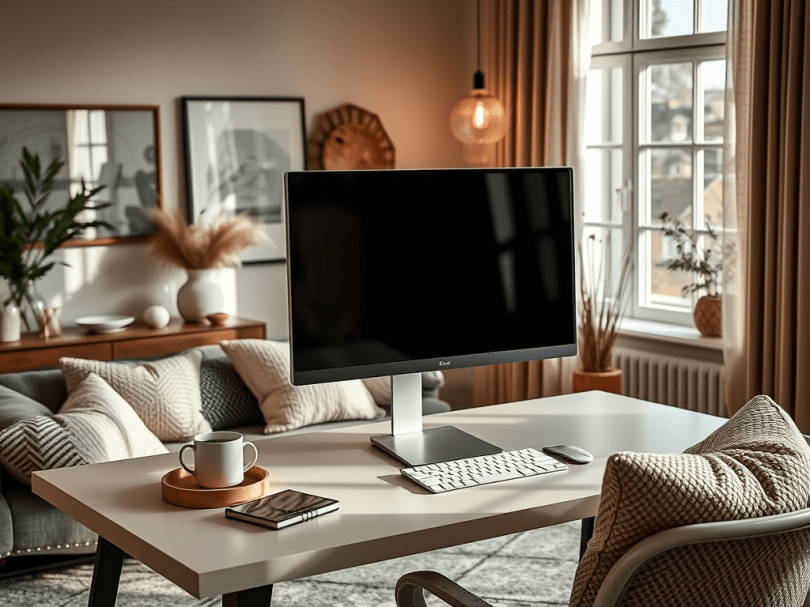
  • Minimalist Spaces: Think ultra-thin monitors, wireless keyboards, and all-in-one PCs like the iMac in silver or space gray. Clean lines and less clutter matter here.
  • Modern Industrial: Black or gunmetal-finished laptops, matte textures, and exposed tech elements like a mechanical keyboard can blend beautifully with industrial lighting and metal shelving.
  • Boho or Eclectic: Lighter colors, softer tones like cream or sage green, and accessories like a natural wood laptop stand or woven basket for tech storage help integrate your computer into the overall aesthetic.
  • Farmhouse: White or soft-colored laptops, wooden desk risers, and vintage-inspired tech accessories give functionality a cozy twist.
  • Luxury/High-End Decor: Polished setups with sleek monitors, high-res screens, and brushed-metal finishes fit into high-end interiors with ease.

How to Choose a Stylish Computer That Matches Your Home Style

Here are some tips to guide you in picking a computer that supports your productivity and looks great in your space:

1. Think About Color and Finish

If your room is light and bright, consider a white or silver device. For darker or more dramatic interiors, black or graphite tones can look stunning and intentional.

2. Match the Shape and Size to the Space

A giant monitor might overwhelm a delicate desk, while a compact laptop might get lost in a large workstation. Choose a form factor that complements your setup.

3. Coordinate with Accessories

A sleek computer paired with a chic mousepad, ergonomic chair, or matching wireless keyboard can elevate the whole look. These small touches help tie your tech into your room’s overall design.

4. Conceal or Embrace the Cords

Minimalist spaces benefit from wireless devices and cable organizers. But in a more relaxed or vintage room, stylish braided cables or wooden cord keepers can become decor pieces themselves.

5. Consider a Custom or Designer Stand

Elevate your monitor with a stand made of wood, acrylic, or metal that aligns with your room’s materials. It’s an easy way to make your tech look intentional.


Final Thoughts: Make Your Tech Part of the Decor, Not an Eyesore

In a world where our homes are becoming smarter and more interconnected, it makes sense to think of our computers not just as tools—but as part of the decor. Whether you’re designing a small home office, a multifunctional dining room workspace, or just want your laptop to blend in with your living room, style matters.

You don’t have to sacrifice beauty for functionality. With a little thought, your computer can be both a design statement and a powerhouse of productivity.


What’s Your Tech Style?

Do you choose your computer based on how it looks in your space? Have you styled your desk or office around your tech? Share your setup with us or tag @discoveringlifellc on social—we’d love to feature your stylish workspaces!