
How to Find the Right Coffee Table for Your Living Room: Functional or Stylish?


The coffee table might seem like a small detail in your living room, but this one piece can tie the entire space together. Whether you’re kicking back with your morning coffee or entertaining friends, the right coffee table balances function and style—and finding that balance is key to making your living room both beautiful and practical.


Imagine This…

You’ve just finished setting up your new living room. The sofa’s in place, the rug is down, and now it’s time for the final touch—the coffee table. You browse online and spot two that catch your eye:

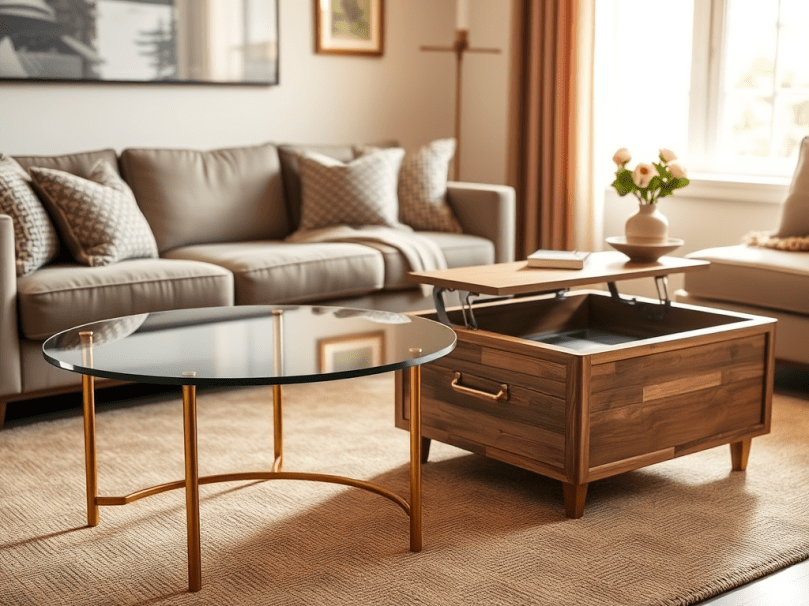
  • One is sleek, modern, and artsy. It’s a round glass-top table with brass legs—minimalist, gorgeous, and just the vibe you were going for.
  • The other? A rustic wood table with lift-top storage, a hidden drawer, and plenty of space underneath for books and blankets. Not as “wow” in photos, but undeniably practical.

So… which one would you choose?
Are you going for the stylish statement piece that fits your aesthetic—or the functional hero that supports your everyday lifestyle?


First Things First: What’s Your Priority?

Before diving into designs and finishes, ask yourself: Are you looking for a functional coffee table, a stylish one, or a blend of both?

Let’s break it down.


1. Functionality: When You Need More Than Just a Table

If your living room is the hub of activity, chances are you need your coffee table to do more than hold a decorative tray.

Look for:

  • Storage Options: Tables with drawers, shelves, or hidden compartments are perfect for stashing remotes, books, and throw blankets.
  • Lift-Top Tables: Great for small spaces or work-from-home setups, these provide extra surface height for eating or working.
  • Durability: If you’ve got kids, pets, or a lot of foot traffic, opt for sturdy materials like solid wood or metal with rounded corners.

2. Style: When You Want a Statement Piece

If your coffee table is more of a decor element than a workhorse, go bold with design and materials.

Consider:

  • Glass Tops: Sleek, modern, and perfect for smaller rooms since they don’t take up visual space.
  • Unique Shapes: Oval, round, or geometric tables can add flair and soften a room dominated by straight lines.
  • Material Mixes: Combining wood and metal, marble and brass, or rattan and glass can bring texture and interest to your space.

3. Finding the Balance: Function and Style

Yes, you can have both! Here’s how:

  • Choose multifunctional furniture in a style that suits your aesthetic. Think mid-century modern tables with built-in shelving or rustic farmhouse designs with practical drawers.
  • Layer with accessories: Even the most practical coffee table can be elevated with a beautiful tray, a stack of coffee table books, a plant, or a candle.
  • Match it to your lifestyle: If you host often, choose a table with enough surface space. If your room is more for relaxing, choose comfort over design extremes.

4. Coffee Table Sizing Guide

To avoid buying a table that’s too large or too small, follow these quick tips:

  • Height: The table should be about the same height as your sofa seat (or 1–2 inches lower).
  • Length: Aim for about two-thirds the length of your sofa.
  • Space: Leave at least 16–18 inches between the coffee table and your seating for easy movement.
Final Thoughts

Whether you’re all about storage or obsessed with style, the perfect coffee table exists—and it’s one that fits your lifestyle. Don’t be afraid to experiment with materials or mix styles. Remember, the best coffee table is one that brings function, beauty, and personality to your space.


Fridge Bliss: A Practical Guide to a Cleaner, Healthier Refrigerator 

Does your fridge feel like that well‑meaning friend who shows up unannounced, drops all their stuff everywhere, and disappears? You’re not alone. The good news is that with a one‑hour reset and a few affordable organizers, you can turn that chaos into calm—no Pinterest‑perfect rainbow required. 


Why Bother Organizing?

  • Save money & cut food waste. Visibility means you actually eat what you buy. Pro organizers note that “when you can see what’s in the fridge, you’ll be more likely to use it.” (Food Network)
  • Streamline weeknight cooking. A staged fridge shaves minutes off every meal prep session.
  • Keep everyone accountable. Clear zones (and selective labels) make it obvious where things belong, so you’re not the only one policing order. (The Home Edit)
  • Skip the aesthetic hamster wheel. “Aesthetic refrigerators” are officially on the way out for 2025—function over full‑time styling wins. (The Simplicity Habit)

Step‑by‑Step: The One‑Hour Fridge Reset

StepWhat to DoPro Tips & Tools
1. “The Edit.”Pull everything out. Toss expired items.The Home Edit calls this non‑negotiable. Have the trash, compost, and recycling bins handy. (The Home Edit)
2. Suds & Scrub.Wipe shelves and drawers with warm soapy water; dry completely.A microfiber cloth plus a dash of baking soda tackles lingering odors.
3. Map Your Zones.Think like your fridge manufacturer: • Top/Middle Shelves: Ready‑to‑eat leftovers & drinks • Lower Shelf: Raw meat on a quarter‑sheet pan to catch drips • Crispers: High‑humidity drawer for leafy greens, low‑humidity for fruitStainless quarter‑sheet pans slide in perfectly and make clean‑up painless. (Food Network)
4. Contain by Category.Transfer items into clear, BPA‑free bins. Group by use, not color.Budget pick: Dollar Tree’s $1.50 clear bin — surprisingly sturdy. (Homes and Gardens)
5. Add a Turntable.Place a slim Lazy Susan on the middle shelf or door for sauces & jars.The 360° acrylic turntable fits most fridges and spins smoothly. (Food Network)
6. Stack Smart.Use stackable produce bins or divided berry boxes to reclaim vertical space.Brightroom Divided Berry Bin keeps delicate fruit from crushing. (Food Network)
7. Create a “Leftovers Lane.”Dedicate one clear bin or an entire shelf to last night’s dinner.Slide older items forward when you restock—the classic FIFO rule.
8. Label (lightly).Broad categories (“Veggies,” “Snacks”) beat hyper‑specific labels that lock you in.Dry‑erase food labels let you tweak on the fly. (Food Network)
9. Weekly 10‑Minute Refresh.Before grocery day, do a mini audit: toss, wipe, re‑group, restock.Keep a small caddy of cleaning wipes and labels tucked in the door for quick access.
10. Celebrate & Maintain.Snap a photo and set a calendar reminder for your next refresh.Consistency beats a one‑time “Instagram fridge” makeover.

The Must‑Have Product Shortlist 

ProductWhy It’s Great
Shatter‑Free Clear Storage Bin (Dollar Tree, $1.50)Ultra‑budget catch‑all for yogurts, snack packs, or grab‑and‑go fruit. (Homes and Gardens)
ClearSpace Plastic Storage BinsKardashian‑approved, modular “Tetris blocks” that fit any shelf layout. (People.com)
360° Acrylic Lazy Susan TurntableEnds condiment hide‑and‑seek; choose rectangular or round to suit your space. (Food Network)
Brightroom Divided Berry Bin with LidBuilt‑in colander keeps berries fresh and ditch‑the‑carton ready. (Food Network)
MesRosa Rolling Egg Holder (18‑count)Sloped design auto‑feeds the next egg forward—no cracked cartons. (Food Network)
Coanto Spring‑Loaded Drink DispenserCreates a DIY vending machine for cans or bottles—excellent for teens. (Food Network)
Jokari Erasable Food LabelsDry‑erase stickers that survive cold, condensation, and hand‑washing. (Food Network)
Quarter‑Sheet Pans (Nordic Ware)Slide under raw meat; catches drips and pulls out like a drawer. (Food Network)

Tip: Skip over‑decanting every single item. It’s time‑consuming and can hide expiry dates—exactly the “looks cute, works poorly” trend experts say we’re leaving behind. (The Simplicity Habit)


Final Thoughts

A functional fridge doesn’t need to look like a color‑blocked art project. Focus on clear visibility, sensible zones, and organizers that match your cooking habits. Start with a single shelf tonight—by next week you’ll wonder how you ever lived without a “leftovers lane” or that $1.50 miracle bin.

Happy organizing, and may every midnight snack be easy to find!

Are Regular Beds a Thing of the Past? The Rise of Adjustable Beds and What You Need to Know


If you’ve been furniture shopping lately, you’ve probably noticed a growing trend: adjustable beds. Once seen primarily in hospital settings or senior living facilities, these innovative bed bases have found their way into stylish bedrooms, luxury master suites, and even budget-conscious homes. But the big question remains — are regular beds a thing of the past?

Let’s dive into what makes adjustable beds so appealing, who they’re best for, and how you can find the right one for your space — whether you’re decorating on a dime or going all out.


Why Adjustable Beds Are Gaining Popularity

Adjustable bed bases offer customizable comfort. With a touch of a remote or an app on your phone, you can raise your head, lift your feet, or both. This flexibility has made them popular not just with older adults, but with:

  • Gamers and binge-watchers looking for a more ergonomic way to enjoy screen time
  • People with chronic pain or medical issues like acid reflux or sleep apnea
  • Couples with different sleep preferences
  • Anyone seeking more luxury and function in their sleeping setup

Are Regular Beds a Thing of the Past?

Not entirely — traditional beds still offer great design variety, simplicity, and lower price points. Many people still prefer the look and feel of a classic bed frame paired with a box spring or platform base.

However, as more people prioritize comfort, flexibility, and better sleep quality, adjustable bases are quickly becoming a modern favorite.


Is an Adjustable Bed for Everyone?

Not necessarily, but almost anyone can benefit from one:

  • For seniors or those with mobility issues, adjustable beds can make getting in and out of bed easier.
  • If you like reading or watching TV in bed, elevating your head and feet can reduce neck strain and swelling.
  • Light snorers or people with acid reflux often find symptom relief from a slightly elevated head position.

That said, adjustable beds may not be ideal if:

  • You’re on a super tight budget
  • You have a very specific design style in mind (some traditional bed frames don’t accommodate adjustable bases)
  • You prefer a super-firm sleep setup without movement

How to Find the Best Adjustable Bed for Your Space

Here are some key considerations:

  1. Check Mattress Compatibility: Most memory foam, latex, and hybrid mattresses work with adjustable bases. Innerspring mattresses usually don’t flex as well.
  2. Measure Your Bed Frame: If you want to keep your existing bed frame, make sure it’s slatless or adjustable-base-friendly.
  3. Think About Features: Do you want USB ports? Under-bed lighting? Massage options? Split functionality for couples?
  4. Check Clearance and Storage: Some bases sit low to the ground and may not leave room for under-bed storage.

Are There Affordable Options?

Yes! Adjustable beds used to be luxury-only items, but now there are plenty of budget-friendly bases that still offer quality and comfort. Some come without all the bells and whistles but offer the core features most people need.


Affordable Adjustable Bed Recommendations

1. Lucid L300 Adjustable Bed Base – Under $500 (Queen)

  • Head and foot incline
  • Wireless remote with memory position
  • USB ports on both sides
  • Works with most mattresses
  • Easy to assemble

2. Classic Brands Comfort Upholstered Adjustable Bed Base – Around $450 (Queen)

  • Adjustable head and foot positions
  • Remote with programmable memory
  • Zero-gravity position option
  • Simple design that works with most bed frames

High-End Adjustable Bed Recommendations

1. Tempur-Ergo® Smart Base with SleepTracker – Around $1,600+ (Queen)

  • Built-in sleep tracking and snore response
  • Head and foot massage zones
  • Smart home compatibility
  • Tempur-Pedic quality and durability

2. Saatva Adjustable Base Plus – Around $1,400–$1,700 (Queen)

  • Zero-gravity, anti-snore, and flat presets
  • Wall-hugging design
  • Quiet, high-performance motor
  • Optional massage feature
  • Compatible with most bed frames

Final Thoughts: Should You Make the Switch?

If you’re ready to invest in your sleep and comfort, adjustable beds are absolutely worth considering. They’re no longer just for medical use or luxury homes. Whether you want a no-fuss, affordable model or a high-tech smart base, there’s something out there for your style, budget, and lifestyle.

But if you’re happy with your classic frame and mattress, there’s no urgent need to switch. Adjustable beds are a modern upgrade, not a mandatory change. That said, once you try one… you might never go back.


Looking for more furniture advice or bedroom upgrades? Visit www.discoveringlifellc.com for budget-friendly ideas, product reviews, and style inspiration.


Finding the Right Dog Bed: Comfort for Your Pup, Style for Your Home


When you’re designing your home, every detail matters—from the throw pillows on your couch to the rug under your coffee table. So why should your dog’s bed be any different? Choosing the right dog bed isn’t just about size and comfort—it’s about blending functionality with your overall aesthetic. The good news? With so many chic, affordable options available, you no longer have to settle for clunky or unsightly pet furniture.

Let’s explore how to find the perfect dog bed that suits both your furry friend and your personal style.


First Things First: What Does Your Dog Need?

Before you think about color, texture, or placement, consider your dog’s needs:

  • Size: Measure your dog from nose to tail while sleeping. Add a few inches to ensure they have room to stretch.
  • Age & Health: Older dogs might need orthopedic or memory foam beds. Puppies might benefit from chew-resistant materials.
  • Sleeping Style: Does your dog sprawl out? Curl up? Lean against something? Their sleeping style will help determine the right shape.

Types of Dog Beds & Which One Is Right for You

There are several types of dog beds—each with its own benefits (and design style). Here are the most common:

  1. Bolster Beds
    • Best For: Dogs who like to lean or curl up.
    • Style Tip: These often resemble mini sofas and come in luxurious fabrics like velvet or linen.
  2. Pillow/Mat Beds
    • Best For: Dogs who sprawl out.
    • Style Tip: These can be tucked into corners or under furniture for a low-profile look.
  3. Orthopedic Beds
    • Best For: Senior dogs or breeds with joint issues.
    • Style Tip: Look for versions with faux leather or structured covers to blend with modern decor.
  4. Donut/Cuddler Beds
    • Best For: Small dogs or those who crave security.
    • Style Tip: These are often plush and cozy—perfect in boho or Scandinavian-style homes.
  5. Elevated Beds
    • Best For: Warm climates or outdoor use.
    • Style Tip: Choose wooden or metal frames that match your home’s architectural details.
  6. Covered/Nesting Beds
    • Best For: Anxious or shy dogs.
    • Style Tip: Great for tucking into corners or under side tables—almost like a dog-sized reading nook.

Matching Your Dog Bed to Your Home Style

Now for the fun part: finding a bed that blends with your home’s aesthetic. Here’s how to align the look:

  • Modern Homes: Go for sleek lines, neutral palettes, and minimalist frames.
  • Boho or Eclectic: Think woven textures, macrame detailing, or bold patterns.
  • Farmhouse Style: Choose beds with wood accents, canvas fabrics, or vintage prints.
  • Scandi-Inspired Spaces: Keep it light with whites, grays, and soft, round silhouettes.
  • Industrial Vibes: Look for leather cushions or elevated frames with metal legs.

Tip: Treat the dog bed like you would an ottoman or accent chair—it should feel like part of the room, not an afterthought.


Chic Yet Affordable Dog Bed Options

You don’t have to spend a fortune to get a beautiful, high-quality dog bed. Here are some favorite picks:

  1. Frisco Elevated Dog Bed – ~$30
    Sleek, functional, and great for airflow. Available at Chewy.
  2. Majestic Pet Villa Collection Bolster Bed – ~$60
    Comes in elegant patterns and subtle colors. A cozy choice with chic appeal.
  3. Tuft & Needle Dog Bed – ~$100
    Stylish, supportive, and designed with the same care as their human beds.
  4. IKEA LURVIG Pet Bed – ~$35
    Minimalist and affordable, perfect for modern or Scandinavian-inspired homes.
  5. Snoozer Cozy Cave Bed – ~$80
    Unique, covered design for burrowers. Comes in various fabrics and colors.

Where to Shop for Stylish Dog Beds

  • Online Retailers: Chewy, Amazon, and Wayfair offer budget-friendly beds with stylish designs.
  • Boutique Pet Shops: Etsy and independent pet stores often carry one-of-a-kind designs.
  • Home Decor Retailers: West Elm, Pottery Barn, and Crate & Barrel now offer pet furniture that matches their collections.
  • DIY Option: Customize your own using a low-profile ottoman or vintage crate with a cushion that fits your style.

Final Thoughts: Let Style & Comfort Coexist

Finding the right dog bed isn’t just about function—it’s about letting your pup rest comfortably in a space that feels as thoughtful and designed as the rest of your home. With the variety of shapes, fabrics, and price points available today, you can have the best of both worlds: comfort for your pet and beauty for your space.

So go ahead, ditch the dingy dog mat, and treat your fur baby to a bed that truly belongs in your home.


How to Re-Cushion Your Couch Without Losing Your Style


Upgrade Your Comfort While Keeping the Look You Love

Your couch is the heart of your living space—a place for lounging, binge-watching, late-night chats, and the occasional accidental nap. But over time, even the best sofas start to sag. Instead of tossing it to the curb or shelling out thousands for a new one, consider a refresh: re-cushioning your couch. It’s a simple, cost-effective way to extend your sofa’s life and improve your comfort—without giving up your favorite style.

Why Re-Cushion Instead of Replace?

Re-cushioning is perfect if:

  • Your couch frame is still in great shape.
  • You love your sofa’s design and fabric.
  • You want more comfort without buying new furniture.

It’s an eco-conscious choice too, reducing waste and letting you invest only in what’s needed: the cushions.


Step 1: Evaluate Your Current Cushions

Before replacing, ask:

  • Are the cushions sagging or losing shape?
  • Do you feel the frame underneath?
  • Are the seat cushions too soft or too firm?

If the fabric is fine and the comfort is the issue, then re-cushioning is the right move.


Step 2: Measure Carefully

Take exact measurements of your existing cushions (length, width, and depth). Don’t forget:

  • Seat cushions: Measure from seam to seam.
  • Back cushions: Consider how much support you want. A thicker cushion can make your couch look more plush.

Pro tip: Write everything down and snap photos of your current setup to compare later.


Step 3: Choose the Right Cushion Fill

This is where the comfort magic happens. Here are your top options:

  • High-Density Foam: Great support and long-lasting structure.
  • Memory Foam: Ideal for cozy comfort but can be pricier.
  • Foam + Down Wrap: Luxurious, soft feel with a firm center.
  • Poly Fiberfill: Budget-friendly and softer, though less durable.

If you’re unsure, try sitting on display cushions at a local upholstery shop or home improvement store.


Step 4: Keep Your Current Style (Yes, You Can!)

One of the biggest concerns homeowners have is: Will it still look like my couch?

The answer: Absolutely—if you stick to your current cushion shape and fabric.

To maintain your style:

  • Match your new inserts to the original cushion size and shape (box, T-cushion, bench).
  • Keep your existing covers if they’re in good condition.
  • Or, have new cushion inserts cut to fit your old covers exactly.

Want to go one step further? Add a new layer of batting around the insert to smooth out edges and plump the cushion, without altering the fit.


Step 5: Find a Reliable Supplier or Upholstery Shop

You can buy replacement foam online or through local upholstery shops. Recommended places to start:

  • Foam Factory
  • Joann Fabrics (custom foam cutting)
  • Local upholstery services that also replace inserts

Let them know your sofa’s use: daily lounging, formal sitting, etc. They’ll recommend the best density and thickness for your needs.


Bonus: Add Extra Comfort & Support

Even if you’re not ready to completely re-cushion, try these upgrades:

  • Slip a support board under your seat cushions.
  • Add a cushion topper (like a mattress topper but for your couch).
  • Use decorative pillows with down inserts for a soft, sink-in feel.

Final Thoughts

Re-cushioning your couch is one of the smartest DIY investments you can make for your home. It’s a budget-friendly way to breathe new life into your favorite piece without compromising on style.

Your sofa doesn’t have to be new to feel new. With the right cushion choices, you’ll enjoy your same beloved look—only now with the comfort you’ve been missing.


Where to Find Replacement Couch Cushions

Once you know your measurements and preferred cushion type, it’s time to shop! Here are some great places to find high-quality replacement cushions and inserts for your couch:

Online Retailers

  1. The Foam Factory – Offers custom-cut foam in different densities and types (high-density, memory foam, dryfast for outdoor use).
  2. Amazon – Search for “high-density foam cushion inserts” or “sofa replacement cushions.” Many listings offer standard sizes or customizable options.
  3. Joann Fabrics – Their stores and website offer upholstery foam and cutting services. Great for DIYers who want to wrap their own inserts.
  4. DIY Upholstery Supply – Sells upholstery-grade foam and batting, plus helpful guides for DIY re-cushioning.
  5. CushionSource.com – Custom cushions for indoor and outdoor furniture. You can choose size, fill, and even fabric if you want new covers too.

Local Upholstery Shops

  • Many upholstery services will not only re-cover your cushions but also cut and replace the inserts.
  • This is a great option if you want help matching the exact feel and shape.
  • Bonus: they often let you test different foam types before committing.

Furniture Stores or Mattress Shops

  • Some brick-and-mortar furniture retailers (like La-Z-Boy or local shops) offer replacement cushion services.
  • Mattress stores sometimes carry foam in bulk or offer cutting services.

Eco-Friendly Options

  • Check Facebook Marketplace or Habitat for Humanity ReStores for secondhand cushion inserts you can repurpose.
  • Some foam companies also offer eco-friendly or recycled foam options.

Pro Tip:

Before buying, double-check the return policy—especially for custom orders—and ask about whether the foam is certiPUR-US® certified, which ensures it’s made without harmful chemicals.