
From Boring to Chic: Exciting Ways to Dress Up Your Windows (with Stylish Product Picks!)


When decorating your home, windows are often treated as an afterthought. A pair of plain curtains, a quick install, and boom—you move on. But the truth is, your windows hold massive style potential. The right window treatments can transform an entire room, making it feel more polished, cozy, or bold—depending on your personal style.

If your windows are feeling a little… well, boring, it’s time to give them a makeover. Below are 10 exciting ways to dress up your windows, plus curated product picks to help take them from plain to picture-perfect.


1. Layer Your Window Treatments Like a Pro

Layering is a classic design trick that adds depth and drama to your windows. Try pairing sheer curtains with blackout drapes, or layer Roman shades underneath flowing panels.

Why it works: It creates visual interest and gives you control over both privacy and natural light.

Product Picks:


2. Embrace Pattern and Color

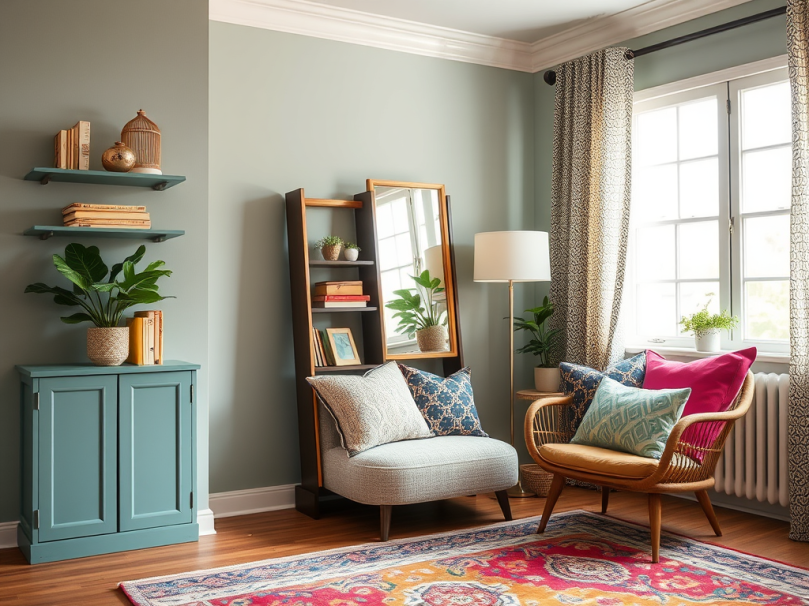
Neutral tones are safe, but patterned or colorful curtains bring energy and life into a room. Choose geometric, floral, striped, or artistic prints depending on your decor vibe.

Why it works: Curtains become a statement piece instead of fading into the background.

Product Picks:


3. Hang Floor-to-Ceiling Curtains

Mount your curtains high and wide—closer to the ceiling and extending past the window’s sides—to create the illusion of taller ceilings and wider walls.

Why it works: It’s an easy, designer-approved trick to visually enlarge the room.

Product Picks:


4. Use Decorative Hardware

Your curtain rod doesn’t have to be boring. Switch to acrylic, gold, matte black, or even wood for a unique finishing touch.

Why it works: Details matter—and curtain hardware is an easy upgrade.

Product Picks:


5. Add Tiebacks or Holdbacks

Elevate your drapery by cinching it with statement tiebacks. This not only shapes the light flow in your space but also gives your windows a tailored look.

Why it works: Tiebacks bring form and function together.

Product Picks:


6. Add Valances or Cornices

Valances and cornices offer structure and style—especially when you want to hide rods or shade mechanisms.

Why it works: They create a more traditional or tailored aesthetic, depending on the material.

Product Picks:


7. Go Natural with Woven Wood or Bamboo Shades

Want to warm up a room and add some earthy texture? Woven wood or bamboo shades are subtle but rich in character.

Why it works: These natural materials balance both minimal and organic styles.

Product Picks:


8. DIY a Designer Look with Trim

Want high-end style on a DIY budget? Add trims like pom-poms, velvet ribbon, or Greek key borders to your plain curtains.

Why it works: Small details go a long way and let you customize basic panels.

Product Picks:


9. Go Smart with Motorized Treatments

Bring your window game into the 21st century. Motorized or smart blinds and shades are convenient, sleek, and high-tech.

Why it works: It’s modern luxury—and perfect for hard-to-reach windows.

Product Picks:


10. Try Window Film or Decorative Clings

For a non-fabric approach, try privacy film or removable stained-glass decals. It’s artsy and unexpected.

Why it works: Great for bathrooms, entryways, or rentals where you can’t install rods.

Product Picks:


Final Tips to Make Your Window Treatments Pop

  • Steam or iron your curtains before hanging for a crisp, clean look.
  • Match hardware finishes to your lighting or cabinet hardware for cohesion.
  • Don’t skimp on fullness—panels should be 2–3x the width of the window for a rich drape.
  • Have fun mixing styles—you can layer boho bamboo with tailored linens or glam drapes with minimalist rods.

Let Your Windows Steal the Show

No more boring windows! Whether you go bold with color, add natural woven texture, or install high-tech shades, there’s a chic solution that fits your style and budget. Your windows deserve to be dressed with the same love and attention you give the rest of your home.


How to Choose the Right Dining Room Table for Your Space


Choosing the right dining room table is about more than just picking a piece that looks nice. It’s a balance of size, shape, style, and function — all tailored to your space and lifestyle. Whether you’re furnishing a brand-new home or updating your current dining area, the right table can transform the way your space looks and feels.

1. Consider Your Space First

Start with measurements. Before you fall in love with a table, know exactly how much space you have to work with. A good rule of thumb: allow at least 36 inches of clearance around the table so guests can move comfortably.

Ask yourself:

  • Is your dining room enclosed or open-concept?
  • Do you use your dining space every day or only for special occasions?
  • Do you need extra room for guests during the holidays?

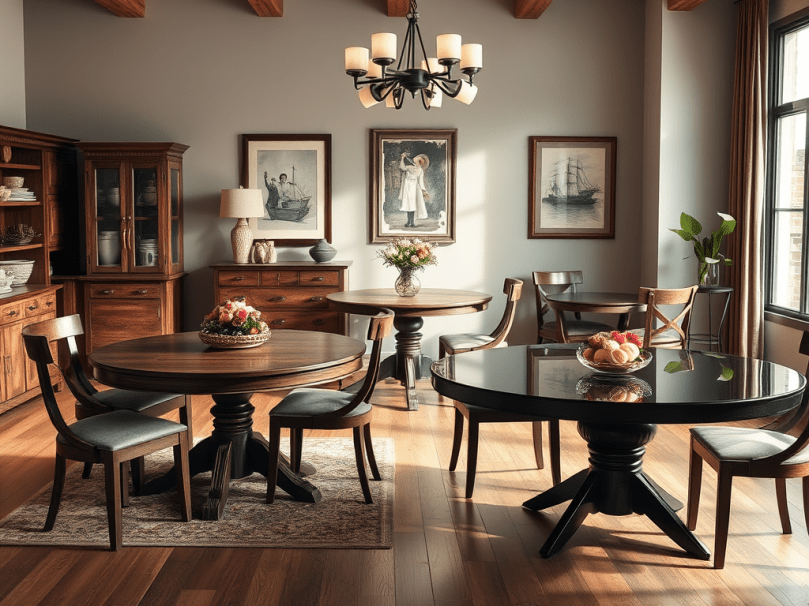
Smaller spaces benefit from round or square tables, which create a cozy vibe without wasting floor area. Larger rooms allow for rectangular or oval tables that seat more people and visually anchor the space.


2. Choosing the Right Shape

The shape of your table should work with both the size and layout of your room.

  • Round tables work well in small, square rooms and encourage conversation by keeping everyone at an equal distance.
  • Square tables are great for compact spaces and can double as a multipurpose area (think work-from-home or crafts).
  • Rectangular tables are ideal for long, narrow rooms and are the most common option for families or those who entertain often.
  • Oval tables soften the look of a rectangular room while offering similar functionality.

3. Picking the Right Size

Use this simple guide as a starting point:

Table SizeSeats
36-48″ round2-4 people
48-60″ round4-6 people
36×60″ rectangle4-6 people
36×72″ rectangle6-8 people
42×96″ rectangle8-10 people

Tip: If space is tight but you need flexibility, consider an extendable dining table.


4. Choosing the Right Color and Finish

Your dining table doesn’t have to match your kitchen cabinets or other furniture, but it should complement your overall design style. Here’s how to make it work:

  • Light woods (like oak, birch, or maple) create an airy, minimalist look and help small spaces feel more open.
  • Dark finishes (like espresso or walnut) add richness and drama, perfect for traditional or modern luxe spaces.
  • Painted or distressed finishes add a farmhouse or coastal feel — especially in white, gray, or navy.
  • Glass or marble tops can modernize your dining area and make it feel more sophisticated.

Neutral tones offer longevity, while bolder colors (like a deep green or matte black) can serve as a stylish statement if the rest of your space is more muted.


5. Where to Shop for the Perfect Dining Table

Whether you’re shopping in person or online, there are options for every style and budget.

Online favorites:

  • Wayfair – A wide variety of styles with user reviews.
  • Article – Sleek, mid-century modern options with clean lines.
  • West Elm – Trend-forward pieces in modern and organic styles.
  • Amazon – Affordable and fast, especially for small spaces or starter homes.
  • Etsy – Great for handmade or reclaimed wood tables.

In-store options:

  • IKEA – Affordable and functional, ideal for small apartments.
  • Crate & Barrel / CB2 – Stylish and durable, often with matching chairs.
  • Local furniture stores or vintage shops – Unique finds and the ability to see pieces in person before buying.

Final Thoughts: Find What Feels Like Home

Your dining room table is more than just a place to eat — it’s where conversations happen, homework gets done, and holidays are celebrated. Choose a table that reflects your lifestyle, fits your space, and feels like home.


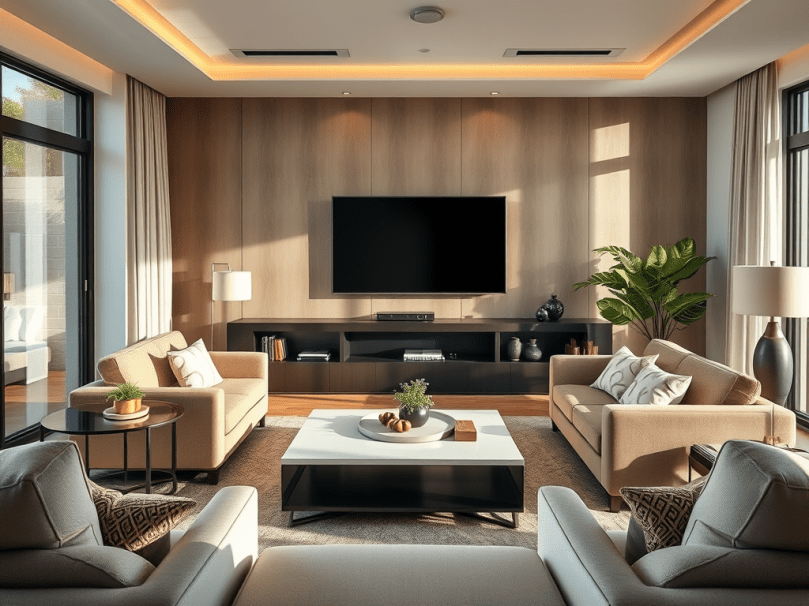
Surround Sound at Home: How to Seamlessly Blend Audio into Your Home Design


Breathe life into your space with immersive sound—without sacrificing style.

If you’ve ever been captivated by the rich sound in a movie theater or felt the subtle audio layers in your favorite music track, you know the power of surround sound. But bringing that experience into your own home can feel intimidating—especially when trying to maintain a beautiful and cohesive design.

The good news? Modern surround sound systems are more stylish, compact, and wireless than ever before. With a little planning, you can incorporate top-tier audio into your home decor without the bulky black boxes and tangled wires of the past.


Why Add Surround Sound to Your Home?

Surround sound enhances every aspect of your entertainment—movies, music, games, and even podcasts. It can:

  • Create a cinematic experience in your living room
  • Add depth and ambiance to music and background sounds
  • Boost your home’s resale value, especially if you design it right

How to Incorporate Surround Sound Into Your Home Design

Here’s how to make your sound system a seamless part of your space—not a visual eyesore:

1. Plan with Purpose

Start by deciding where you want the sound to be immersive. Common rooms include:

  • Living rooms
  • Media rooms
  • Open-concept family/dining areas

Use your room’s layout to determine speaker placement and where wiring (if any) can be concealed.

2. Go Wireless

Opt for wireless systems or soundbars with satellite speakers to reduce clutter and installation time. Many systems now use Bluetooth or Wi-Fi, so you don’t have to run wires through walls or floors.

3. Match the Aesthetic

Choose speakers in finishes that complement your space (matte white, wood-grain, or compact black). Mount wall speakers near ceiling corners or tuck bookshelf speakers into styled decor arrangements.

4. Use Furniture to Hide Equipment

Console tables, TV stands with cable management, and storage ottomans can help hide subwoofers and receivers without affecting performance.

5. Consider In-Ceiling or In-Wall Speakers

If you’re designing or renovating, install in-wall or in-ceiling speakers for a clean, built-in look. These are especially great for minimalist or modern homes.


Popular Surround Sound Options (and Cost)

Here are some surround sound systems that are well-reviewed for design, quality, and ease of installation:

1. Sonos Surround Sound Set

  • Includes: Arc Soundbar, Subwoofer, and two Era 100 speakers
  • Cost: Around $1,800–$2,200
  • Best for: Wireless setups and smart home integration (works with Alexa & Google Assistant)
  • Where to Buy: Sonos.com, Best Buy, Amazon

2. Bose Smart Surround Sound System

  • Includes: Bose Soundbar 900, Bass Module, and Surround Speakers
  • Cost: $1,600–$2,000
  • Best for: Sleek design, exceptional sound quality, and compact footprint
  • Where to Buy: Bose.com, Amazon, Crutchfield

3. Vizio 5.1 Home Theater Sound Bar System

  • Includes: Soundbar, wireless subwoofer, and two satellite speakers
  • Cost: $250–$350
  • Best for: Budget-friendly setups without compromising quality
  • Where to Buy: Walmart, Target, Amazon

4. Klipsch Reference Theater Pack

  • Includes: 5 surround speakers and a wireless subwoofer
  • Cost: Around $400–$600
  • Best for: Traditional home theater enthusiasts with an eye for soundstage balance
  • Where to Buy: Best Buy, Crutchfield, Amazon

Design Tips for Each Room

  • Living Room: Use wall-mounted or corner-placed speakers to maintain flow without clutter.
  • Media Room: Go for a full 5.1 or 7.1 setup with in-wall or mounted speakers and an AV receiver.
  • Open Concept Spaces: Choose a smart soundbar and a few portable wireless speakers to control zones.

Final Thoughts

Surround sound isn’t just about louder audio—it’s about creating a feeling of presence. Whether you’re renovating or just upgrading your living room, you don’t need to compromise aesthetics for acoustics.

With so many sleek and modern sound options available, it’s easier than ever to make immersive sound part of your home’s personality.


Let the sound surround you—and your style.


To Have Wall Clocks or Not: Are They Still Necessary in the Digital Age?


In a world where smartphones are always within arm’s reach, and smart appliances speak the time as we cook or clean, it’s easy to question whether wall clocks still have a place in our homes.

But here’s the thing—wall clocks aren’t just about telling time anymore.

Let’s take a look at both sides of the debate—to have wall clocks or not?—and why you might want to rethink your relationship with this timeless decor piece.


The Practical Argument: Are Wall Clocks Still Useful?

Yes, they absolutely are—especially when:

  • You want instant access to the time without reaching for a device.
  • You’re trying to teach kids to read analog clocks.
  • You’re dealing with unreliable digital devices or simply prefer something simple and reliable.

There’s a certain ease in being able to glance across the room and know the time without a single tap or voice command.


The Digital Age Pushback: Why You Might Skip It

But there’s a fair case for skipping wall clocks, too:

  • Time is everywhere—on phones, TVs, laptops, ovens, and microwaves.
  • Some styles can feel outdated or clash with a modern minimalist aesthetic.
  • They take up wall space that might otherwise be used for art, shelving, or left intentionally blank.

And for some, that’s all the reason needed.


A Personal Story: The Unexpected Joy of a Wall Clock

When I moved into my first apartment, the kitchen felt incomplete. It had all the essentials—countertop, appliances, shelving—but something about the space felt too quiet, too still.

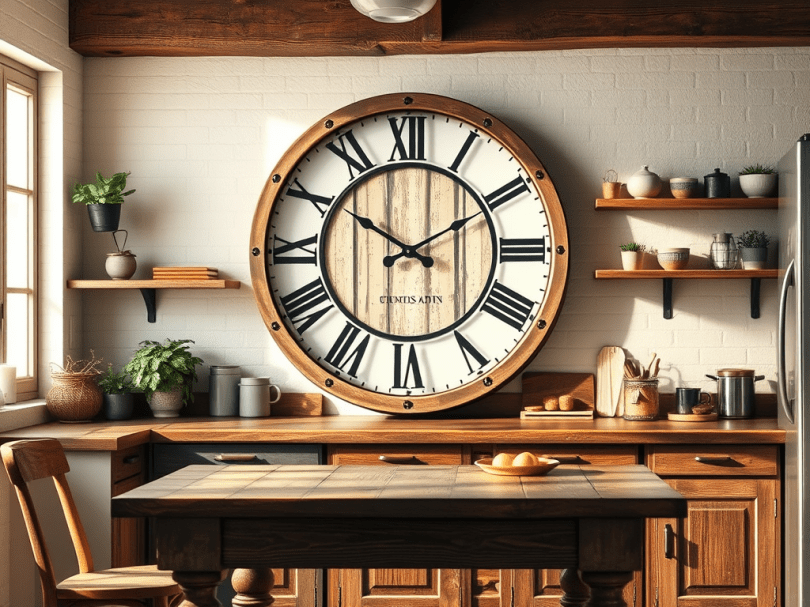
On a whim, I bought a large vintage-style wall clock with bold Roman numerals and a weathered wood frame. I didn’t think much of it—just something to fill the wall.

But that clock became a quiet companion. Its rhythmic ticking brought a sense of calm in the evenings. When I had guests over, they’d comment on it before anything else. And when I’d be sipping tea or rushing out the door, that quick glance toward the clock felt like a gentle anchor.

It wasn’t just about knowing the time. It was about adding soul to the room.


The Design Factor: Style Over Time

Wall clocks today go far beyond telling time. They can be bold art pieces, subtle accents, or even centerpieces in a room.

Here’s how they work with your space:

  • They ground your decor. A clock above a fireplace, console table, or dining hutch adds balance and presence.
  • They tell a story. A retro clock in a mid-century home or a farmhouse piece in a cozy kitchen can set the tone for your whole room.
  • They show personality. Whether you prefer vintage, glam, modern, or quirky, there’s a clock that reflects you.

Types of Wall Clocks to Consider

Whether you’re just starting out or redecorating a space, here are some options to explore:

Classic Analog Wall Clocks

  • Great for traditional, vintage, or rustic styles
  • Often features Roman numerals or ornate hands
  • Works well in entryways, dining rooms, and offices

Modern Minimalist Clocks

  • Clean lines, monochrome palettes, and sleek design
  • Perfect for Scandinavian or contemporary homes
  • Ideal for living rooms, bedrooms, and home offices

Oversized Statement Clocks

  • Bold and dramatic; makes a room feel curated
  • Excellent for open-concept spaces or high ceilings
  • Can replace artwork in a large room

Silent (Non-Ticking) Clocks

  • Great for bedrooms or quiet spaces
  • No ticking sound—just visual functionality
  • Available in both modern and classic designs

Wall Clocks with Added Function

  • Clocks with temperature, date, or even calendar dials
  • Some include storage, hooks, or shelving
  • Great for kitchens or entryways where multitasking matters

So, Do You Need a Wall Clock?

No, not technically.
But the better question is—do you want the warmth, charm, and character it brings?

If you’re looking to blend function and design, a wall clock might be the perfect finishing touch. And if your style is minimalist, that’s perfectly okay too. There’s no rule that says every home must have one.


Final Thoughts: Wall Clocks in a Digital World

In the digital age, wall clocks have shifted from “essential tools” to intentional design choices. They’re not about keeping us on time—they’re about keeping us connected to time in a quieter, more thoughtful way.

So, to have a wall clock or not?
The answer isn’t about necessity—it’s about joy, design, and what feels right for your space.


Do you have a wall clock you love? Or are you still on the fence? Share your thoughts with me in the comments or tag your favorite clock photo with @discoveringlifellc on Instagram!


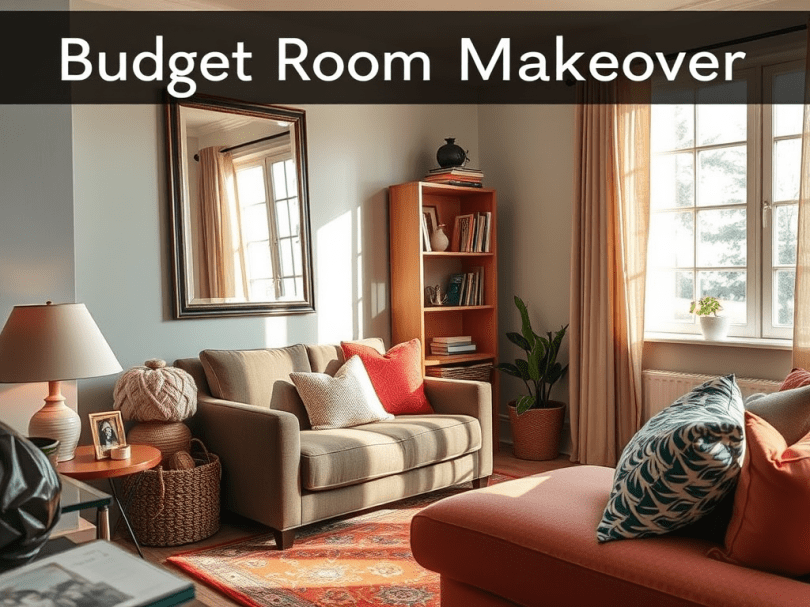
Budget Room Makeover: Under $300 Transformations That Wow


Do you dream of a stylish, fresh space without spending thousands? Believe it or not, you can transform a room for under $300—and the results can be jaw-dropping. Whether you’re sprucing up your living room, bedroom, or home office, small changes add up to a big visual impact when done with intention.

In this post, we’ll walk you through real-world ideas, clever tips, and budget-friendly purchases to help you give any room a beautiful refresh—without breaking the bank.


1. Start with a Plan (and a Mood Board)

Before spending a single dollar, create a vision. Look for inspiration on Pinterest, Instagram, or interior design blogs. Decide on your color palette, style (minimalist, boho, farmhouse, modern), and what needs to stay versus what needs a change.

Pro Tip: Free tools like Canva or Pinterest boards can help you organize your ideas and stick to a cohesive style.


2. Paint = Instant Transformation ($30–$60)

A fresh coat of paint might be the single most transformative change you can make for under $100. Whether it’s an accent wall or the whole room, a new color can make everything feel brand new.

  • One gallon of quality paint costs around $30–$50.
  • Choose bold for a statement or neutral to open up a space.

Bonus: Try removable wallpaper if you rent or don’t want to commit. You can find rolls for under $40.


3. Shop Smart for Statement Pieces ($50–$100)

You don’t need a full furniture overhaul. Sometimes, a new statement piece makes all the difference.

Ideas under $100:

  • A new headboard (look for upholstered, wood, or even DIY options)
  • A coffee table or side table
  • An oversized mirror to reflect light and make the room feel bigger
  • A chic bookshelf (ladder shelves are trendy and affordable)

4. Lighting that Elevates ($20–$60)

Good lighting is essential for setting the mood. Ditch the outdated floor lamp and swap in something more modern.

Budget-friendly lighting upgrades:

  • Plug-in wall sconces (no electrician required)
  • Table lamps with personality
  • String lights or LED strips for cozy vibes

Target, IKEA, and Amazon offer great finds between $20–$40.


5. Soft Furnishings = Cozy Magic ($30–$70)

Textiles bring color, comfort, and personality to a space. Even on a small budget, you can layer in major impact.

Affordable upgrades:

  • New throw pillows or covers ($10–$20 each)
  • A cozy, colorful area rug (5×7 rugs under $70 are out there!)
  • Fresh curtains or sheer panels for a lighter look
  • A new bedspread or throw blanket

6. Accessorize Intentionally ($10–$50)

Small details pull your makeover together. Think:

  • Framed wall art or printable quotes (you can DIY or buy digital prints for $5–$10)
  • Decorative trays, candles, and faux plants
  • Stylish storage baskets

DIY Alert: Thrift store finds + spray paint = custom decor for pennies.


Sample $300 Room Makeover Budget:

ItemEstimated Cost
Paint$40
Area Rug$60
New Curtains$30
Throw Pillows & Blanket$50
Wall Art/Accessories$30
Table Lamp$30
Decorative Storage Basket$20
Total$260

Add a $40 cushion for thrift finds, DIY supplies, or unexpected steals!


Real Talk: What Makes the Biggest Impact?

  • Decluttering first. You might already have what you need.
  • Strategic swaps. Replace the dated item that bothers you most.
  • Cohesion. Stick to one theme or style for a polished finish.

Final Thoughts

You don’t need a designer or a huge budget to fall in love with your space again. With under $300, you can pull off a room makeover that truly wows. Focus on what matters most—color, texture, lighting, and layout—and the transformation will speak for itself.