
Minimalist Style: What It Is, Why People Love It, and Whether It’s More Than a Trend


Minimalist style is everywhere—from Instagram feeds and design magazines to modern apartments and cozy homes that feel calm the moment you walk in. But what exactly is minimalist style, and why does it resonate with so many people? Is it just another design trend, or is it a deeper lifestyle choice that’s here to stay?
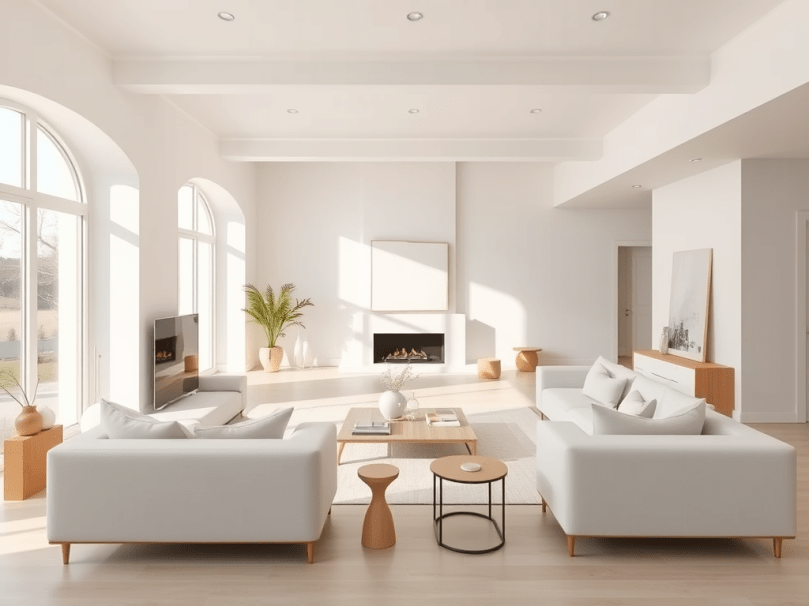
Let’s break it down.


What Is Minimalist Style?

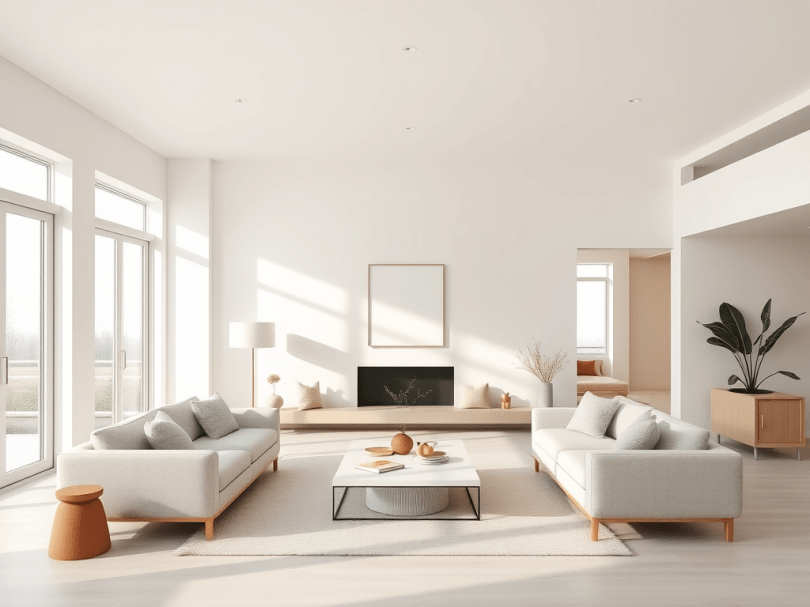
At its core, minimalist style is about intentional simplicity. It focuses on keeping only what is useful, meaningful, or beautiful—and removing everything else that creates visual or mental clutter.

In home décor, minimalist style often includes:

  • Clean lines and simple furniture silhouettes
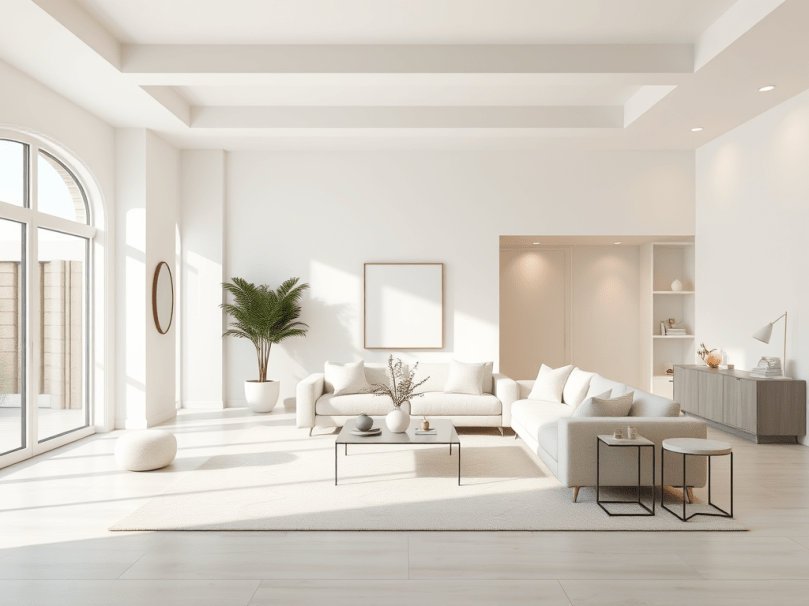
  • Neutral or soft color palettes (think whites, beiges, grays, and muted earth tones)
  • Open spaces with room to breathe
  • Functional furniture with little to no excess ornamentation
  • Thoughtfully chosen décor instead of lots of accessories

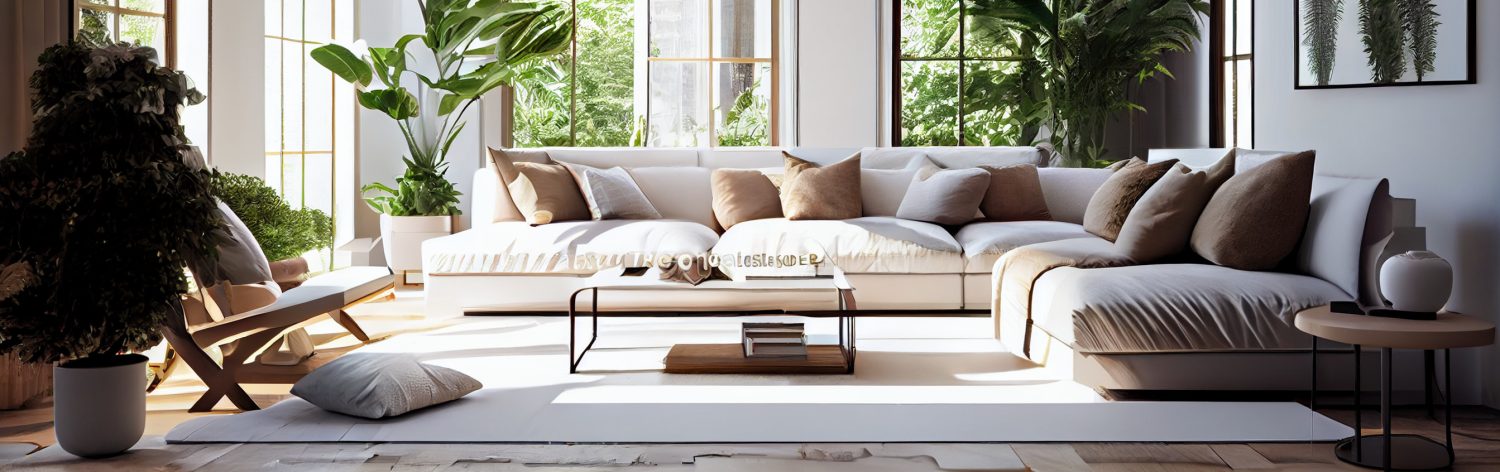
But minimalism isn’t about living in an empty, cold space. It’s about clarity, not deprivation. A minimalist home can still feel warm, inviting, and personal—it’s just more intentional.


Why Do People Love Minimalist Style?

There’s a reason minimalist homes feel so calming. In a world that’s constantly loud, busy, and overstimulating, minimalism offers a sense of peace.

Here’s why so many people are drawn to it:

1. It Feels Calming

Less visual clutter often means less mental clutter. Minimalist spaces feel restful and easier to relax in, which is especially appealing after long, hectic days.

2. It Makes Homes Feel More Organized

When everything has a purpose and a place, homes feel easier to maintain. Many people find minimalism helps them stay more organized without constant effort.

3. It Emphasizes Quality Over Quantity

Minimalist style encourages investing in fewer, better-quality pieces instead of filling a space with items that don’t truly matter.

4. It Allows the Space to Shine

Architectural details, natural light, and layout become the focus instead of being hidden behind excessive décor.


Is Minimalist Style Just a Trend?

This is where things get interesting.

While minimalist design aesthetics go in and out of fashion, the idea behind minimalism is not new—and it’s not going anywhere. Minimalism has roots in Japanese design, Scandinavian interiors, and modernist architecture, all of which prioritize function, balance, and simplicity.

So while the look may evolve, the philosophy stays relevant.

Minimalism isn’t just about how a space looks—it’s about how it feels and how it supports your lifestyle.


Do People Choose to Be Minimalist on Purpose?

Yes—very often, minimalism is a conscious choice.

Many people turn to minimalism because:

  • They feel overwhelmed by clutter
  • They want a home that’s easier to clean and maintain
  • They’re craving more peace and less distraction
  • They want to be more intentional with their spending
  • They’re downsizing or simplifying their lifestyle

For some, minimalism starts as a design choice and slowly becomes a mindset. For others, it’s a response to burnout, stress, or feeling overstimulated by “too much stuff.”


Why Is Minimalist Style So Popular Right Now?

Minimalist style has grown in popularity because it aligns perfectly with modern life.

1. Busy Lifestyles

People are busier than ever, and minimalism offers a sense of control and simplicity at home.

2. Smaller Living Spaces

With more people living in apartments, condos, or smaller homes, minimalist design makes spaces feel larger and more functional.

3. Social Media Influence

Clean, uncluttered spaces photograph beautifully, making minimalist homes especially popular on Pinterest and Instagram.

4. Mindful Living Movement

Minimalism ties closely to mindfulness, sustainability, and intentional living—values that many people are embracing more deeply.


Minimalism Isn’t One-Size-Fits-All

One of the biggest misconceptions about minimalist style is that it looks the same in every home. In reality, minimalism can be:

  • Warm and cozy
  • Modern and sleek
  • Soft and natural
  • Personal and meaningful

You don’t have to get rid of everything or live with white walls and empty shelves. You can adopt minimalist principles while still honoring your personality and lifestyle.

Final Thoughts: A Trend or a Real Idea?

Minimalist style may trend in different ways over time, but the reason people love it runs much deeper than aesthetics.

It’s about intentional living, peace of mind, and creating a home that supports you instead of overwhelming you.

And that’s not just a trend—that’s a lasting idea.
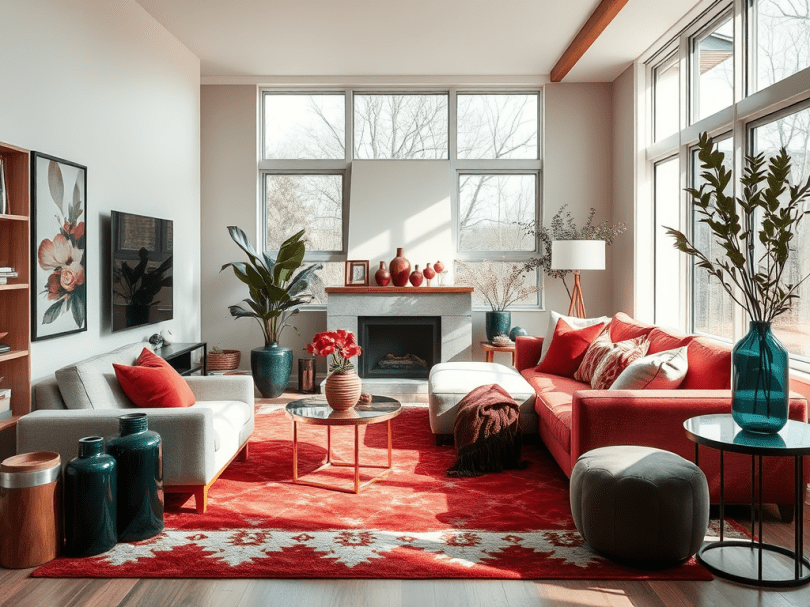

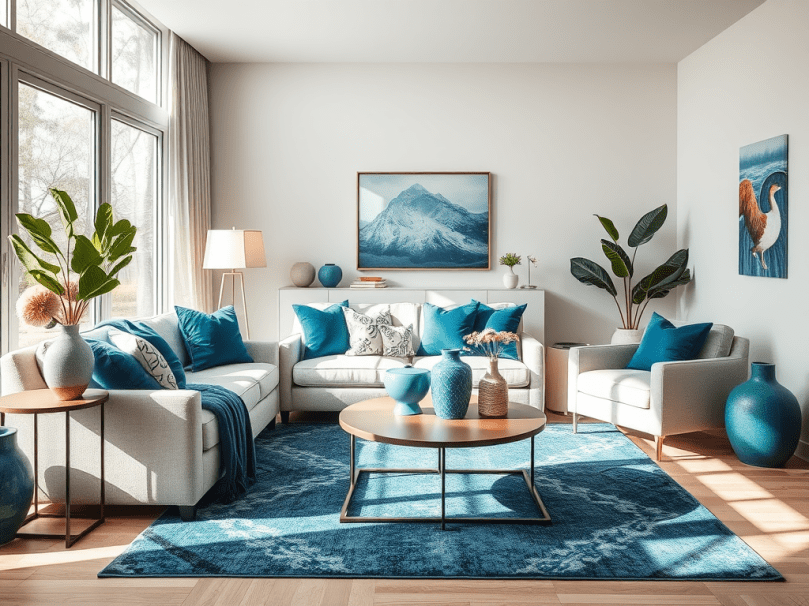
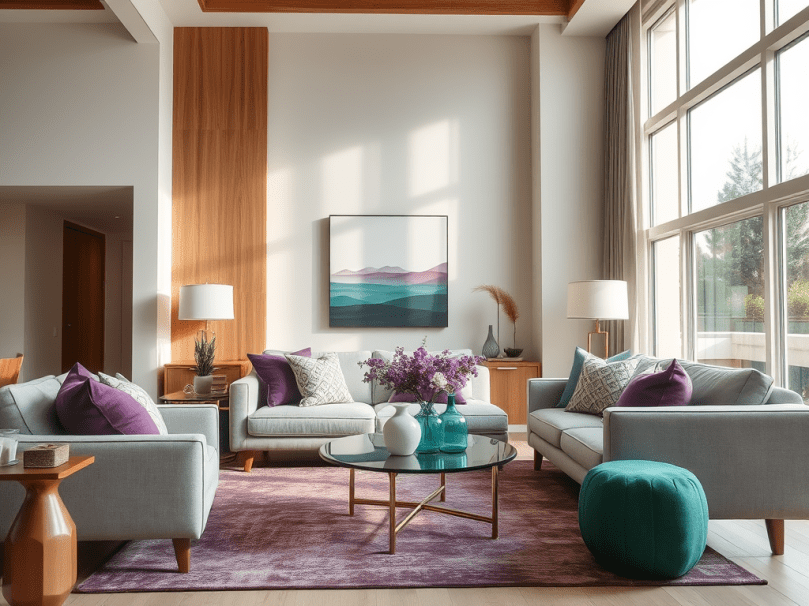
How to Style Your Home Using Your Favorite Color (Without It Feeling Overwhelming)


Your favorite color says a lot about you. It’s personal, emotional, and often tied to memories or moods that make you feel at home. But when it comes to decorating, many people hesitate to fully embrace their favorite color—especially if it doesn’t seem “trendy” or neutral enough.

The good news? You don’t have to choose between personal style and popular home décor trends. With the right approach, your favorite color can become a timeless design element that feels intentional, stylish, and very you.

Why Your Favorite Color Belongs in Your Home

Trends come and go, but your home should always feel like a reflection of who you are. Incorporating your favorite color helps:

  • Create a sense of comfort and familiarity
  • Set the mood of each space
  • Make your home feel curated rather than copied

The key is learning how to use color strategically—so it enhances your space instead of overpowering it.

Start With the “How Much” Question

Before choosing where to use color, decide how much of it feels right for you.

  • Accent lover: If you prefer subtle color, start small—throw pillows, vases, wall art, or decorative trays.
  • Balanced approach: Use your favorite color in a mix of accents and larger pieces like an area rug, upholstered chair, or bedding.
  • Bold at heart: If color energizes you, consider a statement wall, painted furniture, or cabinetry in your favorite shade.

There’s no wrong choice—only what feels natural for your lifestyle and comfort level.

Use Trends as a Guide, Not a Rulebook

Popular home décor trends can actually help your favorite color feel more current and elevated.

For example:

  • Earthy tones pair beautifully with trending natural materials like wood, stone, and linen.
  • Soft pastels align with minimalist and Scandinavian-inspired interiors.
  • Deep jewel tones complement moody, modern, and vintage-inspired spaces.
  • Warm neutrals with a hint of color fit perfectly into today’s cozy, lived-in aesthetic.

Instead of changing your color preference to match trends, look for trend elements that support it—textures, finishes, and silhouettes do a lot of the heavy lifting.

Layer Your Color for a Designer Look

One of the easiest ways to make color feel intentional is by layering it in different shades and textures.

Try:

  • Mixing light and dark variations of the same color
  • Combining matte and glossy finishes
  • Using soft textiles (curtains, throws, rugs) alongside structured pieces (frames, furniture, lighting)

This approach adds depth and keeps your space from feeling flat or overly matched.

Balance Color With Neutrals

Neutrals are your best friend when decorating with color. They give the eye a place to rest and allow your favorite shade to shine.

Think:

  • White, cream, beige, or greige walls
  • Natural wood tones
  • Black or brass accents

When your base is neutral, your favorite color feels like a feature—not a distraction.

Let Color Follow the Function of the Room

Different rooms call for different energy levels, and color plays a big role in that.

  • Living room: Use your favorite color in inviting ways—pillows, artwork, or accent furniture.
  • Bedroom: Softer shades or muted versions of your color promote rest and relaxation.
  • Kitchen & dining: Pops of color through bar stools, dishware, or small appliances keep things playful but polished.
  • Bathroom: Towels, shower curtains, and accessories are an easy way to experiment without commitment.

This keeps your home cohesive while still allowing personality to shine in every space.

Make It Personal, Not Perfect

The most stylish homes aren’t the ones that follow every trend—they’re the ones that feel authentic. Your favorite color doesn’t need to be everywhere, and it doesn’t need to look like a magazine spread.

It just needs to make you feel at home.

When you blend personal color choices with thoughtful design and trend-aware styling, you create a space that feels both current and timeless—one that grows with you instead of chasing the next big thing.


Daybeds: What They Are, Why People Love Them, and How to Style One in Your Home


Daybeds are one of the most versatile furniture pieces you can add to your home. Whether you’re working with a small space, designing a guest room, or looking for furniture that serves more than one purpose, a daybed offers comfort, style, and functionality all in one.

In this guide, we’ll cover what a daybed is, why daybeds are so popular, where to put one, how to style it, and the different types of daybeds—plus recommended daybeds worth considering.


What Is a Daybed?

A daybed is a multifunctional piece of furniture that works as both a bed and a seating area. Most daybeds use a twin-size mattress and feature a back and side rails, giving them a sofa-like appearance during the day and a comfortable sleeping surface at night.

Unlike sleeper sofas, daybeds don’t require folding mechanisms, making them easier to maintain and style.


Why Do People Love Daybeds?

Daybeds have become increasingly popular in modern homes—and for good reason.

1. Ideal for Small Spaces

Daybeds are perfect for apartments, condos, and multipurpose rooms. They provide seating and sleeping without taking up as much space as a traditional bed and sofa combination.

2. Multifunctional Design

One of the biggest benefits of a daybed is versatility. It can function as:

  • A couch during the day
  • A guest bed at night
  • A reading or lounging spot

3. Stylish and On-Trend

From modern metal frames to upholstered designs, daybeds fit effortlessly into farmhouse, minimalist, boho, and contemporary interiors.

4. Guest-Friendly Without a Dedicated Guest Room

If you don’t have a spare bedroom, a daybed allows you to host overnight guests comfortably without sacrificing daily functionality.


Where to Put a Daybed in Your Home

One of the best things about daybeds is how flexible they are.

Guest Bedroom

A daybed makes the room feel open and inviting while still offering a comfortable sleeping option.

Home Office

Add a daybed to your office for a cozy seating area that doubles as a guest bed—perfect for work-from-home households.

Living Room or Family Room

In smaller living spaces, a daybed can replace a sofa or act as extra seating.

Kid’s or Teen’s Room

Daybeds are especially popular in children’s rooms because they work well for sleepovers and daytime lounging.

Sunroom or Bonus Room

A daybed instantly turns a sunroom or den into a relaxing retreat.


How to Dress Up a Daybed

Styling is key to making a daybed look intentional rather than temporary.

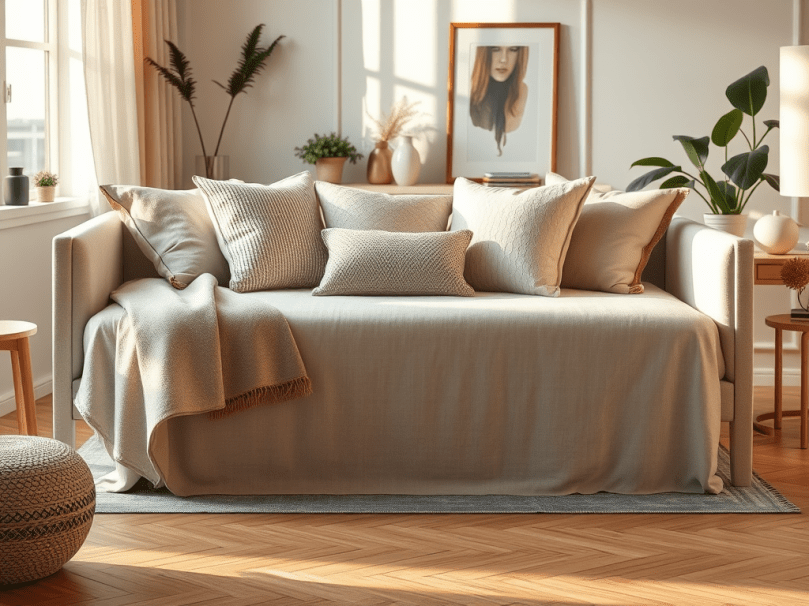
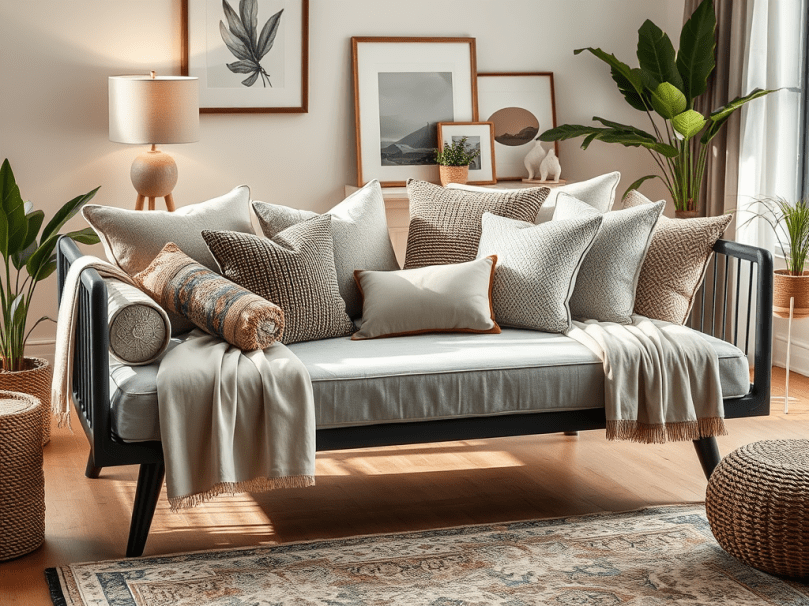
Layer Pillows Like a Sofa

Use a mix of:

  • Euro pillows along the back
  • Standard pillows
  • Decorative accent pillows or bolsters

Choose the Right Bedding

Opt for quilts, coverlets, or tailored daybed covers instead of bulky comforters for a polished look.

Add Texture

Throws, knit blankets, or linen pillowcases help create a cozy, lived-in feel.

Anchor the Space

Place a side table, lamp, or wall art near the daybed so it feels like a permanent part of the room’s design.


Different Types of Daybeds

Understanding the different styles helps you choose the best option for your home.

Standard Daybed

Features a back and two arms. This is the most common and versatile style.

Trundle Daybed

Includes a pull-out trundle mattress underneath—ideal for guests, kids’ rooms, or shared spaces.

Storage Daybed

Built-in drawers underneath provide hidden storage for blankets, pillows, or seasonal items.

Upholstered Daybed

Offers a softer, more luxurious look and works well in living rooms or offices.

Metal or Wood Daybed

Metal frames feel airy and classic, while wood frames add warmth and structure.


Recommended Daybeds to Consider

Here are a few highly rated daybed styles that work well in different homes and décor styles. These are great options for affiliate linking.

1. DHP Manila Metal Daybed with Trundle

Best for: Small spaces & guest rooms

  • Classic metal design
  • Includes a pull-out trundle
  • Affordable and widely available

2. Zinus Suzanne Bamboo and Metal Daybed

Best for: Modern and minimalist homes

  • Clean lines with wood and metal accents
  • Sturdy platform support (no box spring needed)

3. Novogratz Her Majesty Upholstered Daybed

Best for: Living rooms or offices

  • Velvet upholstery
  • Elegant, sofa-like appearance
  • Makes a strong design statement

4. Max & Lily Twin Storage Daybed

Best for: Kids’ rooms and organization

  • Built-in drawers
  • Solid wood construction
  • Great for maximizing storage

5. West Elm Mid-Century Daybed

Best for: Mid-century and high-end interiors

  • Sleek silhouette
  • High-quality craftsmanship
  • Ideal for design-focused spaces

Are Daybeds Worth It?

If you’re looking for furniture that balances style, comfort, and function, a daybed is absolutely worth considering. It’s one of the easiest ways to make your home more flexible without overcrowding your space.

Whether you’re decorating a guest room, upgrading a home office, or maximizing a small living area, a daybed offers a solution that looks just as good as it performs.


Mirrors: The Most Magical Home Accessory You Didn’t Know You Needed


Are you that person who loves mirrors? The one who would hang them in every room if you could? If so — you’re not alone. Mirrors are one of the most impactful decor pieces in any home. They add light, depth, personality, and visual interest like few other elements can. But how do you find the right mirror for each space? Let’s explore how to choose mirrors that both elevate your home and fit your style and budget.


Why Mirrors Deserve a Spot in Every Room

Mirrors are more than just something to check your hair before you head out the door. In home design, they:

✨ Bounce light around a room, making small spaces feel bigger
✨ Add architectural interest when used as a decorative feature
✨ Reflect your decor and personality back into the space
✨ Create balance and symmetry in your design

Whether you like sleek modern styles, romantic vintage looks, or global-inspired curves and textures — there’s a mirror for every vibe.


How to Choose the Right Mirror for Each Room

1. Entryway / Foyer

This is your home’s first impression. Choose a mirror that wows.
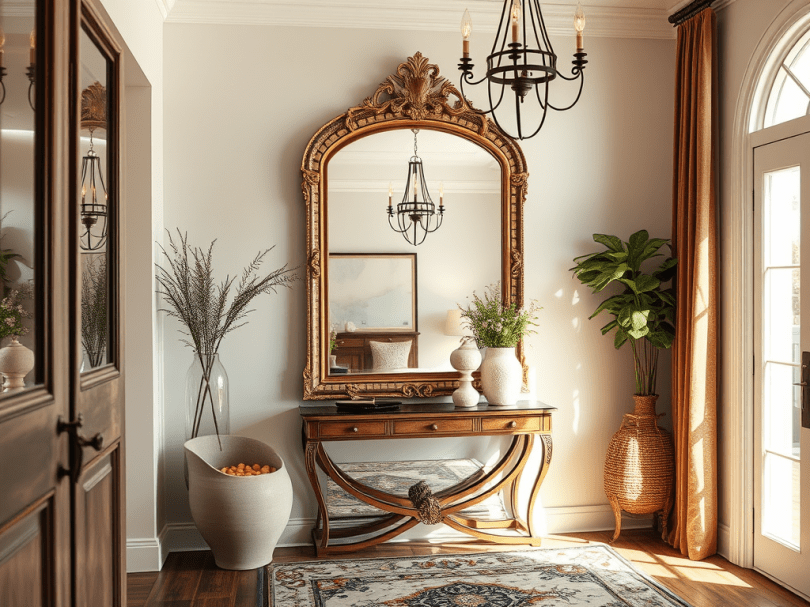
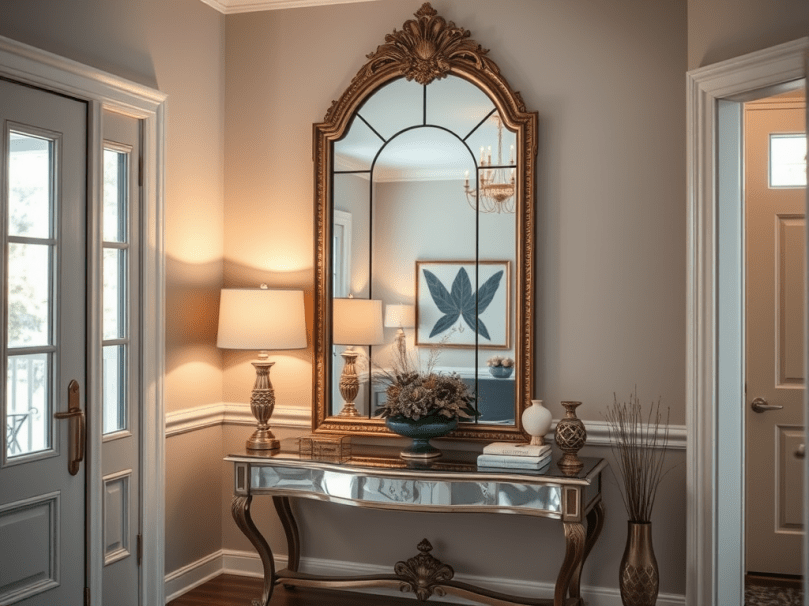
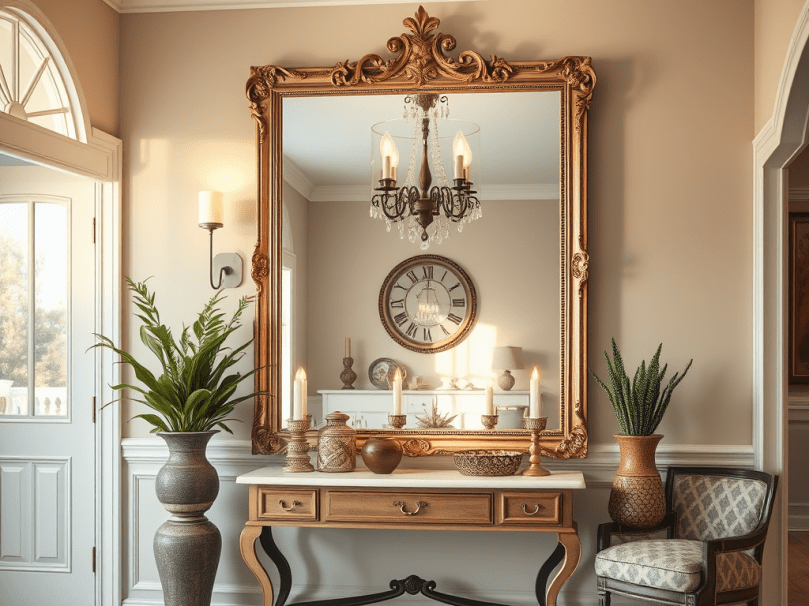
Tip: Go big — an oversized statement mirror or a pair flanking a console instantly elevates the space.

Ideal shapes: Round, sunburst, arched, or tall rectangle
Placement: Eye level — about 4–6 inches above your console


2. Living Room

Here you can get creative! Mirrors can act like wall art or architectural pieces.

Styling ideas:

  • Above the mantel
  • Gallery wall of small mirrors
  • Leaning oversized mirror behind a sofa

Pro tip: For rooms with beautiful views, place mirrors opposite windows — double the natural light!


3. Bedroom

Mirrors in bedrooms marry function and style.

Best fits:

  • Full-length mirrors for dressing areas
  • Accent mirrors above dressers
  • Decorative mirrors on walls with simple frames

Choose finishes that match your bedroom hardware for cohesiveness.


4. Bathroom

Mirrors are essential here, but that doesn’t mean they have to be basic.

Trendy picks:

  • Round vessel mirrors
  • Framed ceramic or wood accents
  • Matte black or brushed gold styles

Just be sure the size fits your vanity width — leave about 2–4 inches on either side.


5. Dining Room

A mirror in the dining room adds dimension and light — especially great if you have a wall that feels empty and flat.

Styling tip:
Pair mirrors with sconces for cozy, ambient light reflections.


Shapes & Styles — What Fits Your Space?

Here’s a quick cheat sheet:

Round Mirrors – soft, modern, great above vanities or consoles
Square / Rectangular Mirrors – structured, classic, perfect for symmetry
Sunburst Mirrors – bold, mid-century flair
Geometric or Arched – artistic and stylish
Woven or Natural Frames – warm, boho-inspired, great for textured walls


Beautiful Yet Affordable Mirror Picks (Where to Look)

If you don’t know where to look, start with these places:

Home Goods & HomeSense – budget-friendly and constantly rotating styles

Target – surprisingly chic mirrors at wallet-happy prices

Wayfair / Overstock – tons of options in every shape, size, and finish

IKEA – simple and modern

Thrift Stores & Flea Markets – perfect for unique vintage pieces you can repaint!

You don’t need a designer budget to make a statement with mirrors. Even a simple, well-placed piece can transform a room!


Tips for Picking the Perfect Mirror (Quick Guide)

✔ Match mirrors to the scale of your space — small rooms call for big mirrors
Groupings of three look more intentional than random clusters
✔ Think about function first (e.g., grooming vs. decorative)
✔ Don’t be afraid of mixing metals — it adds depth
✔ Lean mirrors on walls or furniture in casual spaces for instant style


Final Thoughts

If you love mirrors, embrace it! These versatile pieces are more than just reflective surfaces — they are design magic. Whether you want something modern, ornate, budget-friendly, or heirloom-worthy, there’s a mirror waiting to elevate your space.

Start with the room you use most and let your style shine back at you — literally!


How to Find the Right Dresser — Beautiful & Budget-Friendly


When you’re decorating a bedroom, a dresser isn’t just a storage piece — it’s a major design element. The right dresser can anchor your space, add personality, and make daily routines easier. But style shouldn’t be expensive. With so many options out there, you can absolutely find a beautiful, high-quality dresser on a budget — if you know where to look and what to look for.

Here’s your simple guide to choosing the perfect dresser — without spending a fortune.


Step 1: Know Your Space

Before you start shopping:

Measure your room
Write down the width, height, and depth where the dresser will live — and don’t forget clearance for opening drawers and walking space.

Match the scale
A tiny dresser in a big room can look lost; a massive one in a small room can make the space feel crowded.

Decide what you need
Do you want more drawers for folded clothes? A wide top for decor? A combo dresser + mirror? Knowing your priorities helps narrow your search.


Step 2: Choose a Style That Fits Your Home

Dressers come in many looks, so think about the vibe of your space:

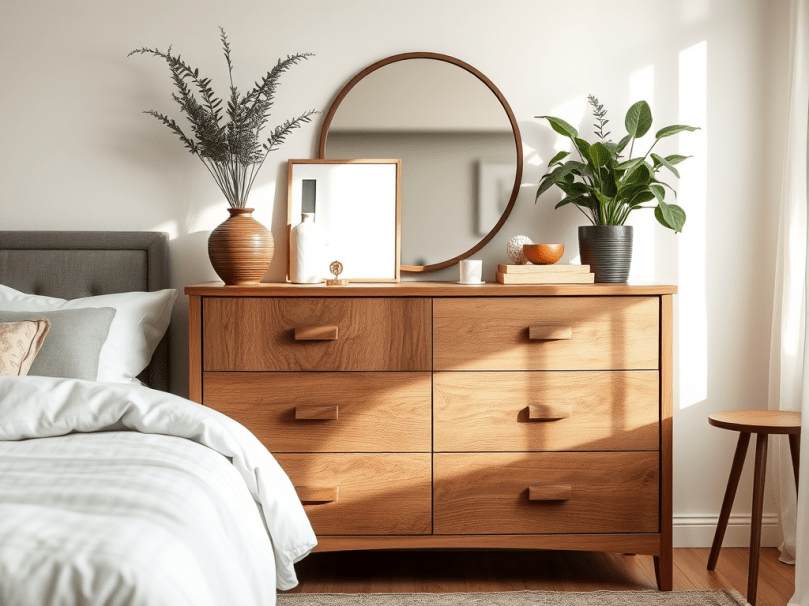
  • Modern Minimal — straight lines, clean hardware
  • Farmhouse / Rustic — distressed wood, matte finishes
  • Mid-Century Modern — tapered legs, warm wood tones
  • Traditional — carved details, classic silhouette

Pick a style that feels cohesive with your bedroom, so the dresser feels intentional — not just an afterthought.


Step 3: Set a Realistic Budget

Quality dressers range widely in price. On a budget, look for options like:

💲 Under $250 — great starter pieces or small dressers
💲💲 $250–$500 — solid budget options with better materials
💲💲💲 $500–$800 — larger or higher-quality finishes

Knowing your range before you shop prevents decision fatigue — and keeps impulse buys in check.


Step 4: Where to Shop on a Budget

Here are some smart places to find budget-friendly dressers:

Online Retailers

Sites like Wayfair, Amazon, Walmart, Target, and Overstock have tons of affordable furniture styles — often with filters for price, size, and style.

Big Box Furniture Stores

IKEA, Home Depot, and Lowe’s offer sleek, simple pieces that won’t drain your wallet.

Thrift & Resale

Don’t sleep on second-hand stores, Facebook Marketplace, or local thrift shops! Many timeless dressers can be refreshed with paint and new hardware.

DIY Refresh

Even a plain dresser can become a showstopper with a little paint, stain, and fun knobs. It’s one of the best ways to get designer looks for less.


What to Look For — Quality on a Budget

Even inexpensive dressers should feel sturdy. Here’s how to spot better quality:

✔️ Solid wood or engineered wood with thick panels
✔️ Smooth-gliding drawers (metal or quality wood runners)
✔️ Reinforced corners or brackets
✔️ Sturdy base or legs (even if simple)
❌ Avoid super-thin particle board that chips easily

Also — don’t forget hardware (knobs, pulls) — changing those can transform a basic piece into something custom-looking.


Budget-Friendly Dresser Picks

Here are some great affordable options to consider (prices approximate — check current listings online):

Classic & Versatile

1. 6-Drawer Wood Dresser (Under $350)
A timeless silhouette that works in most bedrooms. Neutral finish makes it easy to style.

Simple Modern

2. Mid-Century Modern 5-Drawer Dresser (Under $400)
Clean lines + tapered legs bring subtle character without spending big.

Farmhouse Style

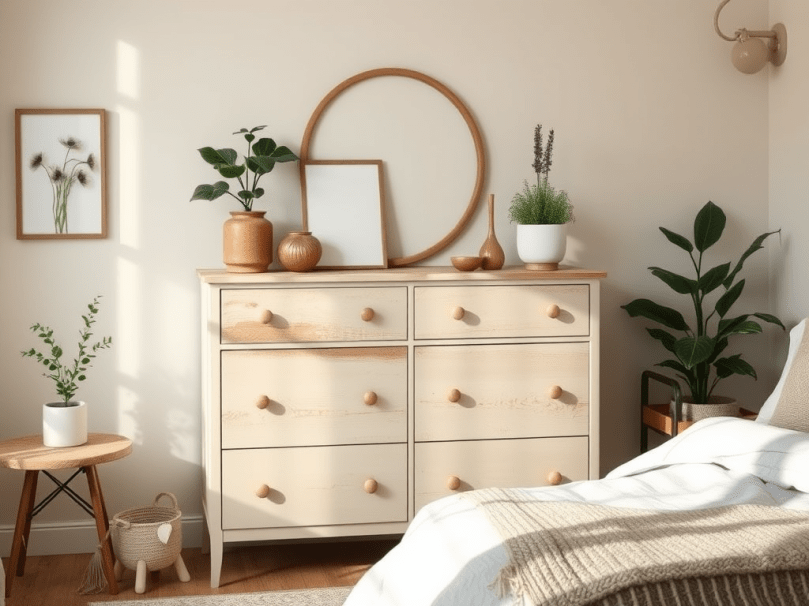
3. Rustic White 6-Drawer Dresser (Under $450)
Bright finish opens up the space and pairs well with both modern and cottage looks.

Compact & Functional

4. Small 4-Drawer Dresser for Tight Spaces (Under $250)
Perfect for guest rooms, kids’ spaces, or apartments where every inch counts.


Styling Tips Without Spending More

Make your budget dresser look custom:

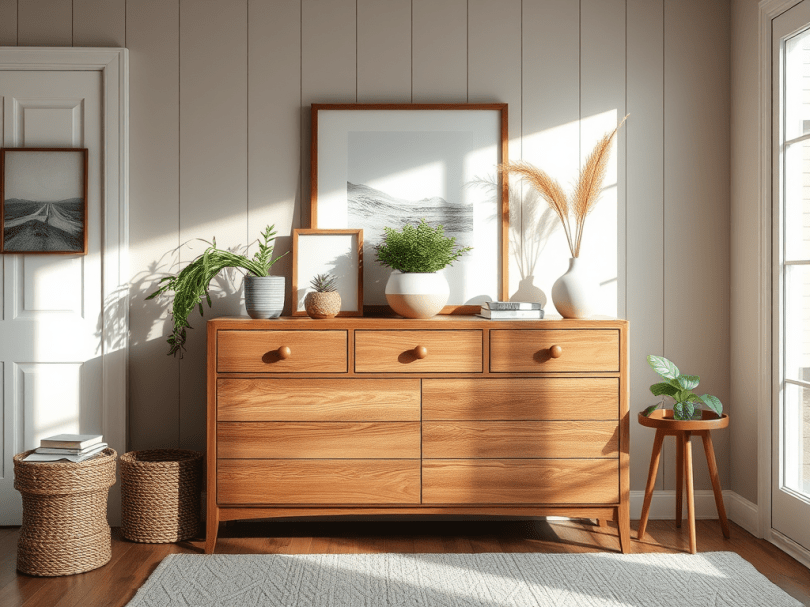
Add a mirror or art above it — elevates the whole vignette
Display greenery or decorative trays
Stack books or candles for layered height
Coordinate hardware with room accents (black, brass, matte white)

Even affordable furniture looks richer when styled with intention.

Here are actual budget-friendly dressers you can buy online right now — perfect for affordable bedroom storage without sacrificing style. Most of these are under about $350–$400 and work well in small spaces, guest rooms, or apartments:

Ashley Cambeck Dresser

$319.99

Ashley Furniture Stelsie 4‑Drawer Chest

$199.99

Mainstays Ardent 4‑Drawer Dresser

$148.00

Better Homes & Gardens Juliet 4‑Drawer Dresser

$166.00

Ashley Furniture Piperton 6‑Drawer Dresser

$410.00

IKEA STORKLinta 3‑Drawer Dresser

$149.99

Enhomee White 10‑Drawer Dresser

$159.99

Ashley Furniture SOCalle Six‑Drawer Dresser

$349.99

Everyday Budget Picks (Best Value for Price)

Larger Storage Options

Compact & Affordable Small Dressers


Shopping Tips for Budget Dressers

1. Check styles that blend easily: Neutral finishes (white, oak, gray) make styling easier and help budget pieces look more elevated. (HGTV)

2. Don’t overlook simple silhouettes: Clean lines and minimal hardware make even affordable dressers look more modern and expensive. (HGTV)

3. Upgrade small details: Swapping drawer pulls or knobs can instantly enhance your dresser’s look for under $20.


Final Thoughts

Finding a beautiful dresser on a budget doesn’t mean sacrificing quality or style. With a clear plan and smart shopping, you can score a piece that’s both functional and gorgeous — perfect for everyday life and your dream bedroom aesthetic.

Ready to start decorating?
Let me help you find pieces that feel custom, look expensive, but don’t cost a fortune.