
How to Choose the Right Oven for Your Home: What You Need to Know


Choosing the right oven is about more than just picking the one that fits in your kitchen. Whether you’re an avid home chef, a busy parent, or someone who simply wants a stylish and reliable appliance, the oven you choose can make a big difference in your daily life. So how do you know which oven is best for you?

Here’s a helpful guide to get you started—with some trusted recommendations to match different lifestyles and cooking needs.


1. Consider Your Cooking Style

The best oven for you depends on how you cook. Ask yourself:

  • Do you bake often? (You’ll want even heat distribution.)
  • Do you cook large meals or entertain? (You may need a double oven.)
  • Are you short on time? (Look into convection or smart ovens.)
  • Do you reheat more than you cook? (A microwave-oven combo might be ideal.)

2. Know the Different Types of Ovens

➤ Conventional Ovens
Standard heat from top and bottom elements. Great for everyday cooking.

➤ Convection Ovens
Circulate air with a fan to cook food more evenly and quickly. Ideal for bakers or anyone who wants crispier, more even results.

➤ Wall Ovens
Built into the wall for a sleek look and more kitchen space. Perfect for modern kitchens and ergonomic use.

➤ Range Ovens (Freestanding)
Combine cooktop and oven in one. Great if you’re tight on space.

➤ Double Ovens
Two compartments for cooking multiple dishes at different temps. Perfect for large families or those who love hosting.

➤ Smart Ovens
Wi-Fi connected, voice-activated, and programmable through your phone. Great for tech-savvy cooks or multitaskers.


3. Fuel Type: Gas or Electric?

  • Gas Ovens offer quick, responsive heat and are preferred by many chefs.
  • Electric Ovens tend to be better for baking because of consistent heat.

Not sure which is better? If your home already has a gas line, a gas oven could be an easy choice. If not, an electric oven is easier to install and often cheaper upfront.


Top Oven Recommendations & Why We Love Them

1. GE Profile Smart Built-In Convection Wall Oven

Why it’s great:

  • Wi-Fi enabled and works with Alexa and Google Assistant.
  • Built-in air fryer function.
  • True European convection for even baking.
  • Sleek, modern design.

Best for: Smart home lovers, modern kitchens, multitaskers.


2. KitchenAid 30-Inch Double Electric Wall Oven

Why it’s great:

  • Even-Heat™ True Convection for perfect roasts and baked goods.
  • SatinGlide™ roll-out racks for easy access.
  • Large capacity—great for big meals and multiple dishes.

Best for: Serious bakers, large families, and entertainers.


3. LG Smart Slide-In Gas Range with ProBake Convection®

Why it’s great:

  • Combines cooktop and oven with a sleek, modern design.
  • ProBake Convection® for professional-quality results.
  • SmartThinQ® tech for remote monitoring and control.

Best for: Small kitchens, multitaskers, home chefs.


4. Breville Smart Oven Air Fryer Pro (Countertop)

Why it’s great:

  • Compact, countertop size.
  • Multiple functions: toast, bake, air fry, roast, slow cook, and dehydrate.
  • Great for small spaces, dorms, or as a secondary oven.

Best for: Apartment dwellers, single users, or those needing an extra oven.


4. Other Features to Consider

  • Self-cleaning options save time and effort.
  • Steam cooking functions keep food moist and flavorful.
  • Touchscreen controls add convenience and style.
  • Air frying modes combine health and taste in one.

5. Budget & Longevity

A good oven is an investment. Consider how much use you’ll get from it and whether it’s worth spending a little more for added features or better energy efficiency.


Final Thoughts: Choose What Works for YOU

The best oven isn’t necessarily the most expensive one or the one with the most features—it’s the one that fits your cooking habits, space, and lifestyle. Whether you’re baking bread, roasting a turkey, or heating leftovers, your oven should make your life easier and more delicious.

Happy cooking!


Bold & Beautiful: How to Use Burgundy and Other Darker Colors to Accentuate Any Room in Your Home


Darker colors like burgundy, navy, charcoal, and forest green have a reputation for being bold—and sometimes intimidating. But when used thoughtfully, these shades can transform your home into a rich, cozy, and sophisticated sanctuary. Burgundy in particular, with its deep red tones and luxurious feel, can add both drama and warmth to any space.

If you’ve been avoiding darker hues because you’re worried about making a room feel too small or moody, it’s time to reconsider. Here’s how to confidently incorporate burgundy and other deep shades to elevate your home’s style.


1. Use Burgundy as a Statement Wall Color

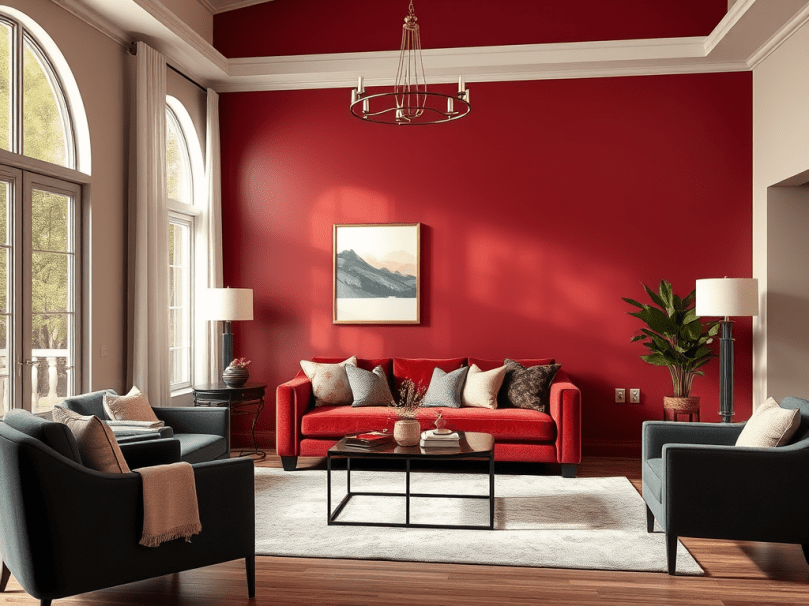
Burgundy makes a stunning choice for an accent wall. Whether in a living room, bedroom, or even a powder room, one wall in this bold shade can create a sense of depth and elegance. Pair it with lighter neutrals like cream, soft gray, or warm beige on the other walls to keep the room from feeling enclosed.

Tip: Choose matte or satin finishes for a cozy look, or go with a high-gloss burgundy paint for a glamorous touch in a more formal space.


2. Incorporate Dark Furniture or Upholstery

Deep-toned furniture—like a velvet burgundy sofa or charcoal armchairs—brings richness and personality to your room without overwhelming it. If you’re not ready to commit to a large piece, try smaller items like a burgundy ottoman, navy accent chairs, or a dark green cabinet.

Styling Tip: Break up the darkness with light or metallic accessories—think gold picture frames, brass lamps, or cream throw pillows.


3. Layer with Textiles

Dark-colored textiles are a low-risk way to dip your toes into using bolder shades. Burgundy curtains, deep blue bedding, or forest green throw blankets can instantly change the mood of a space.

Pro Tip: Mix textures to keep things interesting—velvet, linen, faux fur, and chunky knits all add depth and dimension.


4. Play with Patterns

Darker colors in patterns—like floral wallpaper with burgundy roses or a navy and gold geometric rug—can add visual interest without dominating the room. Patterns help soften the boldness of dark hues while still letting them shine.


5. Balance with Light and Natural Elements

Dark colors shine brightest when contrasted. Offset the richness of burgundy or navy with lighter woods, white ceilings, and plenty of natural light. Adding houseplants, rattan accents, or light wood furniture helps keep the room feeling grounded and fresh.


6. Use Burgundy in Transitional Spaces

Entryways, hallways, and stairwells are perfect spots for darker colors. Since they’re spaces you pass through rather than linger in, you can afford to go bold without worry.

Style Tip: A burgundy-painted stair riser or deep-colored hallway ceiling can add unexpected charm and drama.


7. Accent with Art and Decor

If you’re still color-shy, keep your base neutral and introduce burgundy and other dark tones through art, decorative bowls, candle holders, and frames. This gives you flexibility to refresh the space seasonally without a major overhaul.


Final Thoughts: Dark Is the New Neutral

Burgundy and other deep colors don’t have to feel heavy. When balanced with light, texture, and the right complementary tones, they can act as a stylish neutral—bringing warmth, coziness, and timeless elegance to your home.

Ready to go bold? Start with small touches and build your confidence. Before you know it, you’ll be embracing the depth and drama that darker colors bring.


10 Cheap and Subtle Ways to Upgrade Your Home


You don’t need a complete renovation—or a giant budget—to make your home feel fresh and inviting. Sometimes, the smallest updates make the biggest impact. Whether you’re working with a tight budget, renting, or just want quick upgrades that don’t involve construction dust, these subtle yet powerful ideas can transform your space without breaking the bank.

Here are 10 cheap and subtle ways to upgrade your home:


1. Swap Out Hardware

Changing cabinet knobs, drawer pulls, and doorknobs is one of the fastest and easiest upgrades you can make. Brushed brass, matte black, or sleek nickel finishes can instantly modernize your kitchen, bathroom, or furniture.

Tip: Check discount bins at hardware stores or shop online for multi-packs at budget-friendly prices.


2. Add Peel-and-Stick Wallpaper

Peel-and-stick wallpaper can be a game-changer. Use it to create an accent wall, line the back of a bookshelf, or update a small nook. It’s renter-friendly, affordable, and comes in endless patterns and textures.


3. Change Your Light Switch Covers

Switch plates are often overlooked, but swapping them out for decorative ones can subtly elevate a room. Choose finishes that complement your space—wood, ceramic, or metal options can add just the right detail.


4. Install LED Strip Lights

Under-cabinet lighting in the kitchen or LED strips behind your TV or bed can add a cozy, modern ambiance. These are affordable, easy to install, and make your home feel more high-end at night.


5. Refresh with New Throw Pillows

Swap your old throw pillows for new covers that match the season or your current mood. It’s one of the easiest ways to bring in color, texture, or pattern—no sewing required.

Style Hack: Try pillow covers with zippers so you can reuse the inserts and rotate styles affordably.


6. Hang Curtains Higher

Instead of mounting curtain rods directly above your windows, place them closer to the ceiling. This makes the room appear taller and more spacious—an elegant upgrade with just a tape measure and a drill.


7. Update Your Shower Curtain

A fresh shower curtain can instantly uplift your bathroom. Go for one with texture or a subtle print that complements your decor. Don’t forget a clean, new liner for added freshness.


8. Add a Mirror

Mirrors make rooms feel bigger and brighter by reflecting light. Pick up a stylish mirror from a thrift store or discount shop and hang it across from a window to double the natural light.


9. Use Decorative Trays

Corral your coffee table essentials, kitchen spices, or bathroom products on a tray to make things look instantly organized and intentional. Choose one with a metallic, wooden, or marble-like finish for a hint of glam.


10. Incorporate Greenery

Houseplants or even faux greenery can bring a space to life. A small potted plant in the kitchen or a hanging plant in the living room adds freshness and warmth, no matter your decor style.

No Green Thumb? Try snake plants, pothos, or low-maintenance faux options.


Bonus Story: A Weekend Makeover for a Friend’s Home – Under $300

Last fall, I surprised a close friend with a weekend home upgrade. Her living room had great bones but felt a bit tired—hand-me-down furniture, mismatched decor, and no real personality. With just a few hundred dollars and a lot of love, we gave her space a cozy, cohesive refresh.

Here’s what we did (all for under $300):

  • Swapped out throw pillows and added a cozy blanket – $50
  • Added peel-and-stick wallpaper to one wall behind the sofa – $35
  • Hung sheer curtain panels higher and wider than the window – $40
  • Found a large mirror at a local thrift store – $25
  • Added a $20 tray and candles to the coffee table
  • Installed under-shelf LED lights – $30
  • Bought three small potted plants – $25
  • Replaced mismatched switch covers and cabinet knobs – $45

The result? Her space felt brighter, more intentional, and hers. She couldn’t believe the transformation happened over a weekend—and neither could her guests!

It’s proof that thoughtful, subtle upgrades can completely shift the feel of a space without the need for major renovations or a big bank account.


Final Thoughts
Home upgrades don’t need to be expensive or dramatic. These simple, budget-friendly changes prove that the little details matter. With a few hours, a small budget, and a bit of creativity, you can make your space feel more like you—stylish, welcoming, and effortlessly upgraded.


How to Find the Best Bathroom Cleaning Supplies (And Where to Store Them!)


Your bathroom is one of the most used—and most germ-prone—spaces in your home. That means keeping it clean isn’t just about aesthetics; it’s about hygiene and comfort. But let’s be real: finding the right bathroom cleaning products can be overwhelming with all the sprays, scrubs, and gadgets out there. In this post, we’ll walk you through how to find the best products to clean your bathroom efficiently, share some top recommendations, and give you practical ideas for storing them neatly and safely.


What to Look for in Bathroom Cleaning Supplies

Before you fill your cart, keep these things in mind:

  1. Multi-purpose vs. Specialized: Some cleaners work well across surfaces, while others are designed for specific tasks (like removing limescale or mildew).
  2. Non-toxic ingredients: Especially if you have children or pets, opt for products that are effective but don’t come with a strong chemical punch.
  3. Scent: A pleasant scent can make your cleaning session more enjoyable—just make sure it’s not overpowering or synthetic if you’re sensitive.
  4. Ease of use: Products with built-in sprays, ergonomic handles, or refill options can make cleaning less of a chore.

Recommended Bathroom Cleaning Products

Here are some top-rated options you’ll love using:

1. Lysol Power Bathroom Cleaner

Great for: Soap scum, mold, and mildew
Why we love it: It works quickly and has a fresh scent. Plus, it’s a disinfectant, so it kills 99.9% of bacteria.

2. Scrub Daddy Sponges

Great for: Scrubbing tubs, tiles, and sinks
Why we love it: These cute smiley sponges change texture with water temperature and are scratch-free.

3. Method Antibacterial Bathroom Cleaner

Great for: Natural cleaning that still gets the job done
Why we love it: Plant-based and smells amazing. It’s a go-to for eco-conscious homes.

4. Clorox ToiletWand Disposable Toilet Cleaning System

Great for: A quick and hygienic toilet clean
Why we love it: No more handling dirty brushes. Just click on a disposable head and toss it after use.

5. Bar Keepers Friend Cleanser & Polish

Great for: Hard water stains and tough grime
Why we love it: It brings back the shine on metal fixtures and porcelain.

6. Drill Brush Power Scrubber Kit

Great for: Deep cleaning tile grout and tub edges
Why we love it: It turns your drill into a powerful scrubber—no elbow grease required!


How to Store Bathroom Cleaning Supplies

You don’t want your bathroom to look like a utility closet. Here are some ideas to keep your supplies out of sight but within easy reach:

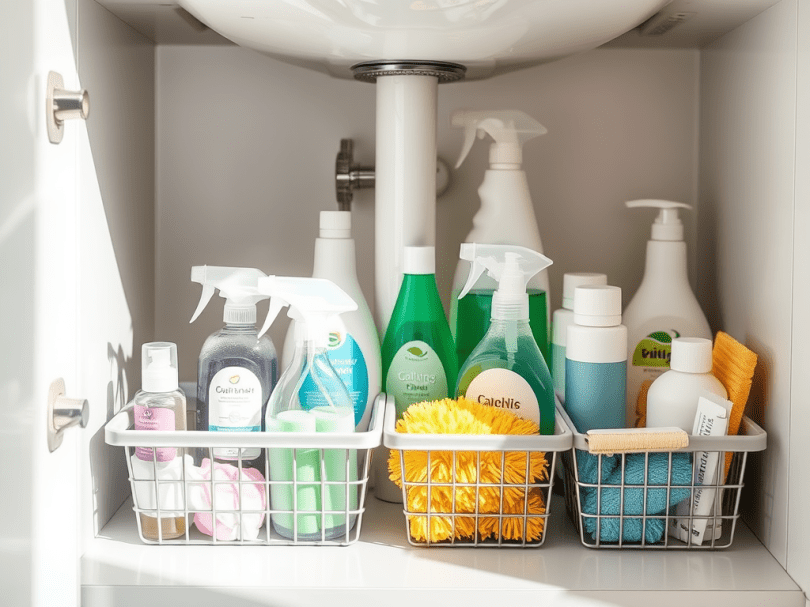
Under-Sink Storage Bin

Use labeled caddies or bins to group your products by type. Choose stackable or pull-out bins for added convenience.

Over-the-Toilet Shelving

Use baskets or containers to store extra cleaning wipes, toilet bowl cleaner, and paper towels in an organized way.

Wall-Mounted Storage

Install a small shelf or rack behind the door to hold sprays and brushes. Consider adhesive hooks for hanging tools.

Utility Cart

If you clean multiple bathrooms, a rolling cart can house all your supplies. Just wheel it from room to room.

Cleaning Caddy

Keep all your go-to items in a portable caddy you can grab when it’s time for a quick bathroom refresh.


Final Thoughts

Cleaning your bathroom doesn’t have to feel like a battle. The right tools, products, and storage solutions can make it quicker and easier. Invest in quality supplies, organize them in a way that works for your space, and establish a regular cleaning schedule. Your bathroom (and everyone who uses it!) will thank you.

How to Incorporate Your Kids into Your Outdoor Space (Without Sacrificing Style)


When designing an outdoor space, many of us dream of serene seating areas, string lights twinkling overhead, and perfectly curated planters. But if you’re a parent, there’s another reality to consider—how do you blend your children’s outdoor toys, swing sets, sandboxes, or playhouses into the design without your backyard feeling like a preschool playground?

Good news: you can create a stylish and family-friendly outdoor area. It just takes a little creativity, balance, and a few thoughtful choices. Here’s how to make your kids feel at home in your backyard and still stay true to your aesthetic.


1. Choose Natural Materials

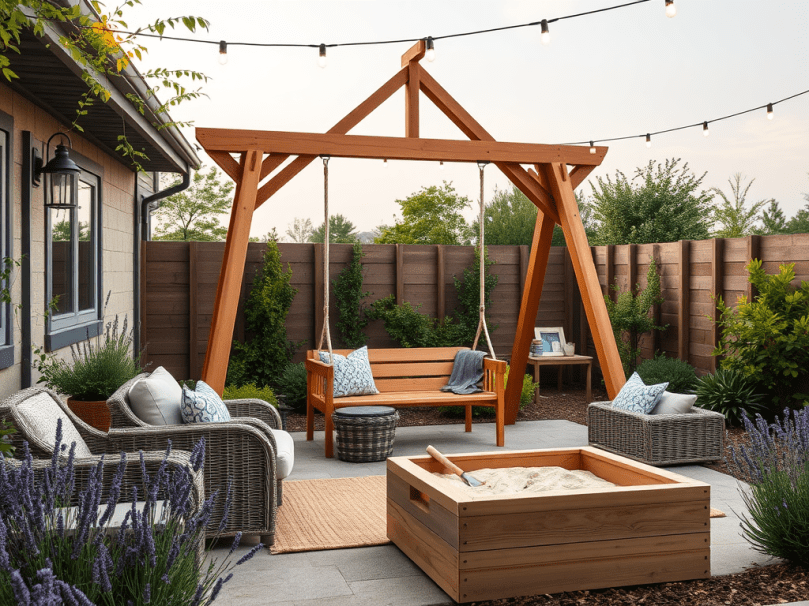
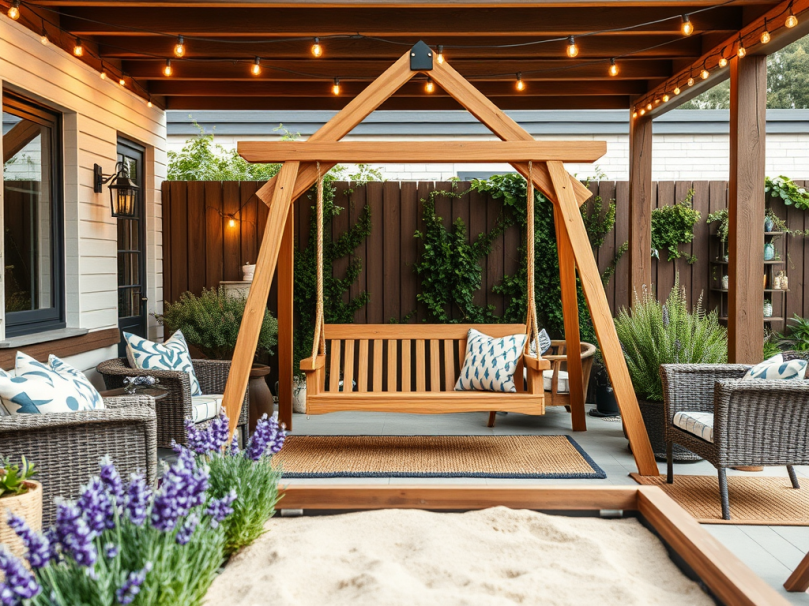
Plastic playsets in primary colors can clash with a cohesive outdoor look. Instead, opt for swingsets, climbing structures, or sandboxes made from natural wood or muted tones. Cedar or pine structures blend beautifully with most backyard designs, especially if your space leans rustic, farmhouse, boho, or Scandinavian.

Example:
A cedar A-frame swing with rope swings and a wooden ladder can easily complement a patio with wicker furniture and jute rugs. Add a soft tan or sage-green canopy to the top for both shade and style.


2. Paint to Match Your Palette

Many wooden playhouses or sandboxes come unfinished. This gives you a great opportunity to paint or stain them in colors that align with your outdoor theme.

Example:
If your patio is done in whites, blacks, and neutrals, paint the playhouse a soft charcoal or creamy white. Add gold hardware or a mini black lantern for a stylish touch that matches your home’s exterior.


3. Add Landscaping Around the Play Area

A little landscaping goes a long way in helping kid zones feel more integrated into the space. Border their area with low-maintenance shrubs, decorative grasses, or even large planters. This defines the area while keeping it visually connected to the rest of the yard.

Example:
Use wooden raised beds to frame a sandbox. Plant lavender or rosemary around it—bonus: they smell great and deter bugs!


4. Incorporate Storage with Style

Toys have a way of taking over. Keep things tidy with outdoor storage solutions that double as décor.

Example:
Use a rattan outdoor bench with hidden storage to stash balls, water toys, or chalk. Or tuck a painted wooden toy chest near the playhouse that matches the furniture on your deck.


5. Designate Zones

Create “rooms” in your backyard just like you would indoors. This helps kids understand where their space is and helps adults maintain a sense of order and design.

Example:
One corner of your yard can hold a playhouse and sandbox. Another can have a cozy reading area with a teepee or tent for quiet time. Use outdoor rugs or pea gravel to separate areas visually.


6. Make Play Décor a Feature

Instead of hiding your kids’ things, make them part of the statement. Choose whimsical, well-designed play pieces that become outdoor focal points.

Example:
A white wooden teepee with twinkling fairy lights is a magical addition to a boho-inspired yard. Add a few soft outdoor pillows and it becomes a cozy hideaway for your kids and a photo-worthy corner.


7. Choose Timeless Over Trendy

When buying swingsets or large toys, think long-term. Go for classic styles that age well and can be updated as your child grows.

Example:
A modular wooden play structure that starts with a slide and swing can later be turned into a fort, reading nook, or climbing wall with a few simple additions.


Final Thoughts

Your outdoor space should feel like an extension of your home—and everyone who lives in it. By choosing play pieces that complement your design, integrating natural materials, and styling around the toys, you can create an environment that delights your children and reflects your personal taste.

After all, home is where life happens—and that includes digging, swinging, and making backyard memories.