
How to Incorporate Your Kids into Your Outdoor Space (Without Sacrificing Style)


When designing an outdoor space, many of us dream of serene seating areas, string lights twinkling overhead, and perfectly curated planters. But if you’re a parent, there’s another reality to consider—how do you blend your children’s outdoor toys, swing sets, sandboxes, or playhouses into the design without your backyard feeling like a preschool playground?
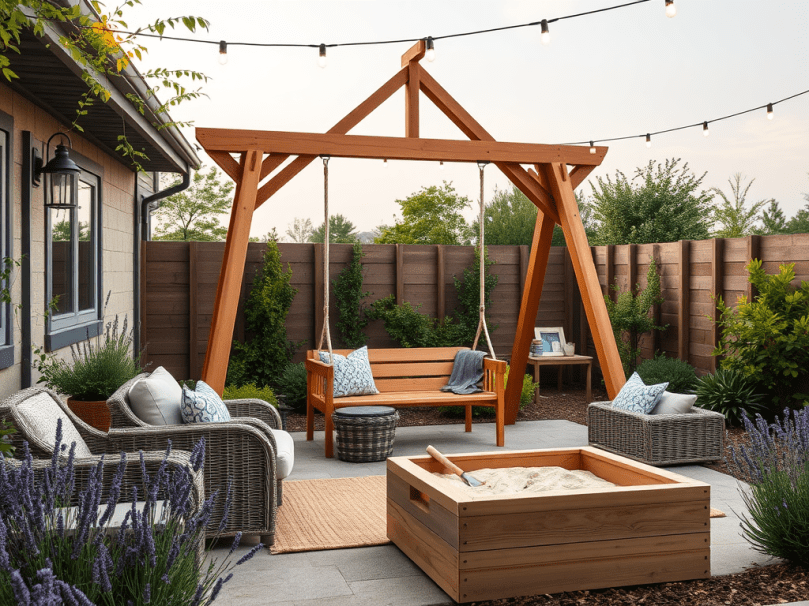
Good news: you can create a stylish and family-friendly outdoor area. It just takes a little creativity, balance, and a few thoughtful choices. Here’s how to make your kids feel at home in your backyard and still stay true to your aesthetic.


1. Choose Natural Materials

Plastic playsets in primary colors can clash with a cohesive outdoor look. Instead, opt for swingsets, climbing structures, or sandboxes made from natural wood or muted tones. Cedar or pine structures blend beautifully with most backyard designs, especially if your space leans rustic, farmhouse, boho, or Scandinavian.

Example:
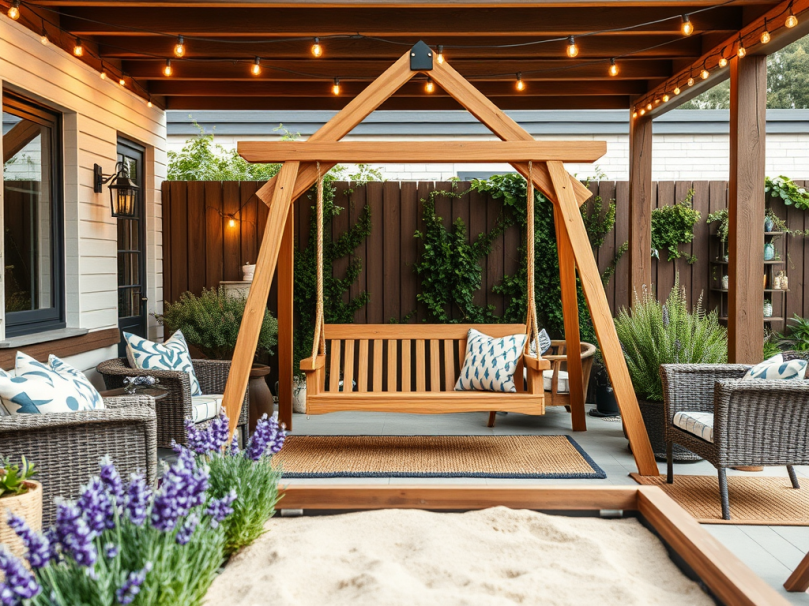
A cedar A-frame swing with rope swings and a wooden ladder can easily complement a patio with wicker furniture and jute rugs. Add a soft tan or sage-green canopy to the top for both shade and style.


2. Paint to Match Your Palette

Many wooden playhouses or sandboxes come unfinished. This gives you a great opportunity to paint or stain them in colors that align with your outdoor theme.

Example:
If your patio is done in whites, blacks, and neutrals, paint the playhouse a soft charcoal or creamy white. Add gold hardware or a mini black lantern for a stylish touch that matches your home’s exterior.


3. Add Landscaping Around the Play Area

A little landscaping goes a long way in helping kid zones feel more integrated into the space. Border their area with low-maintenance shrubs, decorative grasses, or even large planters. This defines the area while keeping it visually connected to the rest of the yard.

Example:
Use wooden raised beds to frame a sandbox. Plant lavender or rosemary around it—bonus: they smell great and deter bugs!


4. Incorporate Storage with Style

Toys have a way of taking over. Keep things tidy with outdoor storage solutions that double as décor.

Example:
Use a rattan outdoor bench with hidden storage to stash balls, water toys, or chalk. Or tuck a painted wooden toy chest near the playhouse that matches the furniture on your deck.


5. Designate Zones

Create “rooms” in your backyard just like you would indoors. This helps kids understand where their space is and helps adults maintain a sense of order and design.

Example:
One corner of your yard can hold a playhouse and sandbox. Another can have a cozy reading area with a teepee or tent for quiet time. Use outdoor rugs or pea gravel to separate areas visually.


6. Make Play Décor a Feature

Instead of hiding your kids’ things, make them part of the statement. Choose whimsical, well-designed play pieces that become outdoor focal points.

Example:
A white wooden teepee with twinkling fairy lights is a magical addition to a boho-inspired yard. Add a few soft outdoor pillows and it becomes a cozy hideaway for your kids and a photo-worthy corner.


7. Choose Timeless Over Trendy

When buying swingsets or large toys, think long-term. Go for classic styles that age well and can be updated as your child grows.

Example:
A modular wooden play structure that starts with a slide and swing can later be turned into a fort, reading nook, or climbing wall with a few simple additions.

Final Thoughts

Your outdoor space should feel like an extension of your home—and everyone who lives in it. By choosing play pieces that complement your design, integrating natural materials, and styling around the toys, you can create an environment that delights your children and reflects your personal taste.

After all, home is where life happens—and that includes digging, swinging, and making backyard memories.


Home Decor Trends of the Past: What’s Out, What’s Back, and How to Blend it All Beautifully


Trends in home decor have a funny way of circling back around. What once felt tired or outdated can suddenly become fresh again, while some styles we loved just a few years ago now feel a bit overdone. As we embrace a new era of interior design, let’s take a look back at some popular trends that have faded, some that are making a surprising comeback, and how you can creatively mix old and new for a home that feels uniquely yours.


Trends That Had Their Moment — and Are Now Out

1. Tuscan Kitchens
Think heavy wood cabinetry, brown granite countertops, and iron detailing. In the early 2000s, the Tuscan kitchen screamed luxury and warmth. Today, it can feel overly ornate and dark in a world leaning toward light and airy.

2. Wall Decals with Quotes
We’ve all seen them — “Live, Laugh, Love” decals that adorned walls everywhere. While the sentiment remains sweet, the aesthetic feels a bit too on-the-nose for modern tastes. Now, people are opting for framed art or unique typography instead.

3. Matching Furniture Sets
Once a staple in living rooms and bedrooms, the matchy-matchy look has given way to a more curated, eclectic feel. Instead of identical end tables and dressers, today’s homes blend styles, eras, and textures for a personalized look.

4. Overuse of Grey
Grey had a serious moment in the 2010s. While it’s still a good neutral, an all-grey room now risks feeling sterile or cold. Warmer neutrals and earthy tones are starting to take its place.


Trends Making a Comeback

1. Rattan and Wicker Accents
Once popular in sunrooms and patios of the ’70s, rattan and wicker are making a serious style return — now in sleek, modern silhouettes or vintage-inspired pieces that bring texture and warmth to interiors.

2. Bold Patterns and Wallpaper
Goodbye, minimalist everything. Wallpaper — especially with bold florals or geometric patterns — is back, giving walls character and depth. Even vintage-inspired designs feel new when used in small spaces like powder rooms or reading nooks.

3. Mid-Century Modern (Still Holding Strong)
Though it has never fully gone away, mid-century modern design continues to enjoy a resurgence. Clean lines, tapered legs, and functional forms feel timeless, especially when blended with more contemporary decor.

4. Brass Fixtures and Hardware
After years of chrome and brushed nickel, warm metals like brass are trending again. But this time, it’s less shiny and more refined — think aged or satin finishes that add warmth and charm.


Mixing Old and New: How to Make it Work

The real magic happens when you blend eras and styles intentionally. Here’s how to make the past and present coexist beautifully in your home:

1. Use the 80/20 Rule
Decorate 80% of the room with modern pieces and 20% with vintage or retro-inspired accents. A mid-century chair in a contemporary room or a retro lamp on a minimalist desk creates contrast and interest.

2. Mix Textures, Not Just Eras
Combine sleek finishes with tactile elements — a modern leather sofa paired with a shag rug or a marble table topped with a vintage woven basket. This contrast softens spaces and creates layers.

3. Keep Color Cohesion
Even if you’re mixing decades, maintain a cohesive color palette to tie everything together. A bold, vintage wallpaper can still work with contemporary furnishings if the color story is harmonious.

4. Curate, Don’t Clutter
Don’t try to represent every era in one room. Pick one or two standout pieces from a past trend that you love and let them shine alongside your more modern finds.

5. Tell a Story
The most inviting spaces reflect the people who live in them. Blend heirloom items with newer pieces you’ve chosen yourself. That contrast — and the story behind it — is what brings soul to your space.


Final Thoughts

Decorating your home is more than following trends — it’s about creating an environment that feels right for you. The beauty of today’s design world is that it welcomes the old and the new, the sentimental and the sleek. Whether you’re repurposing grandma’s sideboard or installing a smart light system, there’s room for it all.

So go ahead — mix that retro record cabinet with your minimalist bookshelf. Pair a velvet armchair with your modern floor lamp. Let the past inspire you, and let the present shape how you live.

What trend are you bringing back in your home? Share with me in the comments below!


Home Gaming Chic: How to Incorporate Your Spouse’s Video Game System into Your Home Design

Blending Styles and Consoles

When couples move in together, merging two lives also means merging two very different design aesthetics—and that can be tricky. Especially when one half of the couple loves a modern, curated, clutter-free space… and the other has a beloved video game console (or three) complete with glowing LED lights, oversized controllers, and a collection of games that aren’t exactly color-coded or hidden in woven baskets.

If this sounds familiar, don’t worry—you’re not alone. The key isn’t to banish the gaming system to a corner or begrudgingly “deal with it.” It’s about discovering how to make home gaming chic—where form meets function, and both personalities get to shine.


A Story of Two Styles: Meet Jake and Monica

When Jake and Monica moved into their first home together, it didn’t take long for their clashing decor styles to show. Monica adored a neutral-toned, minimalistic boho look—think earth tones, pampas grass, and linen drapes. Jake, on the other hand, had a setup that screamed gamer: RGB lights, a surround sound system, and a collector’s edition Master Chief helmet proudly on display.

Monica hated how Jake’s gaming gear disrupted her vision of a serene and balanced living room. Jake didn’t want to shove everything into a dark basement just because it didn’t “match.” Tensions rose every time the subject of decorating came up, and for a while, they avoided the topic altogether.

Then came the compromise—and the solution that changed everything.


How They Figured It Out

Jake and Monica decided to treat the video game system as part of the home—not something to hide, but something to integrate. Here’s what they did:

  1. Created a Dedicated Gaming Nook
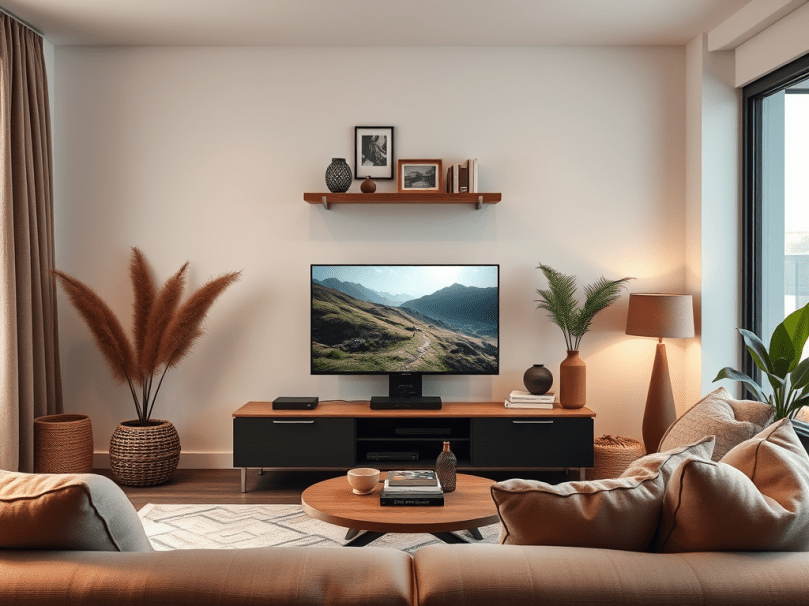
    Instead of letting the console and accessories float around the living room, they carved out a gaming zone within their shared space. A sleek, modern TV console with hidden storage housed the games, controllers, and cables. They even mounted the console behind the TV using a low-profile bracket to keep things tidy.
  2. Matched the Aesthetic with Smart Accessories
    Jake swapped out his neon green controller charging dock for a matte black one. Monica found a floating shelf in reclaimed wood that matched their coffee table to display Jake’s favorite (and surprisingly stylish) collector’s items. Together, they chose a framed print of a retro game world that blended into their decor theme while giving a nod to Jake’s passion.
  3. Mood Lighting for All
    Monica agreed to keep some of Jake’s LED lights—but they toned them down to a soft warm glow, which actually enhanced their cozy evening vibes. They installed smart bulbs they could change the color of depending on the mood—game night got a cool blue, while movie night got a golden hue.
  4. Set Boundaries for Visual Harmony
    No, not rules—just shared design boundaries. Controllers had to go in a basket when not in use. No posters taped to walls. And Monica promised not to replace Jake’s speakers with decorative vases.

Design Tips for a Home That Levels Up (Together)

Whether you’re like Jake and Monica or you just want to make the gaming system a natural part of your space, here are a few design-forward ideas:

  • Upgrade the Storage: Think media cabinets with doors, baskets, or bins that match your room’s aesthetic. No more plastic crates or wire racks.
  • Mount and Hide Cables: Wall-mounted TVs and cable management kits are your best friend. No one wants to see tangled cords.
  • Choose Stylish Seating: Gaming chairs don’t have to look like race car seats. Look for ergonomic chairs in neutral fabrics or sleek black leather to fit your style.
  • Use Art to Blend Worlds: Framed gaming artwork, pixel-style wall art, or minimalist posters can bridge the gap between personal passion and elevated design.
  • Think Function + Form: Choose pieces that serve a purpose but also look good. A low-profile media console can double as a design statement. A bar cart can secretly hold controllers and cords.

Final Thoughts: Game On, Together

Incorporating a video game system into your home design isn’t about giving up style—it’s about finding ways to support each other’s interests while creating a space that feels unified and lived-in. Jake and Monica didn’t lose their individuality—they built something better, together.

When you approach your home with a mindset of collaboration rather than compromise, even the most unexpected elements—like a glowing gaming PC or an entire stack of Nintendo Switch cartridges—can find a stylish home.

After all, love is the ultimate co-op mode.


Are Air Fryers Really Worth It? How to Choose the Right One Without Overspending


Air fryers are everywhere these days—on social media, in home kitchens, and on almost every must-have appliance list. But are they actually worth the hype? Can they really transform your cooking experience while saving you time, money, and effort? Let’s break down the truth behind the trend and how to find a model that works for you—without blowing your budget.


My First Air Fryer Moment: A Crunchy Surprise

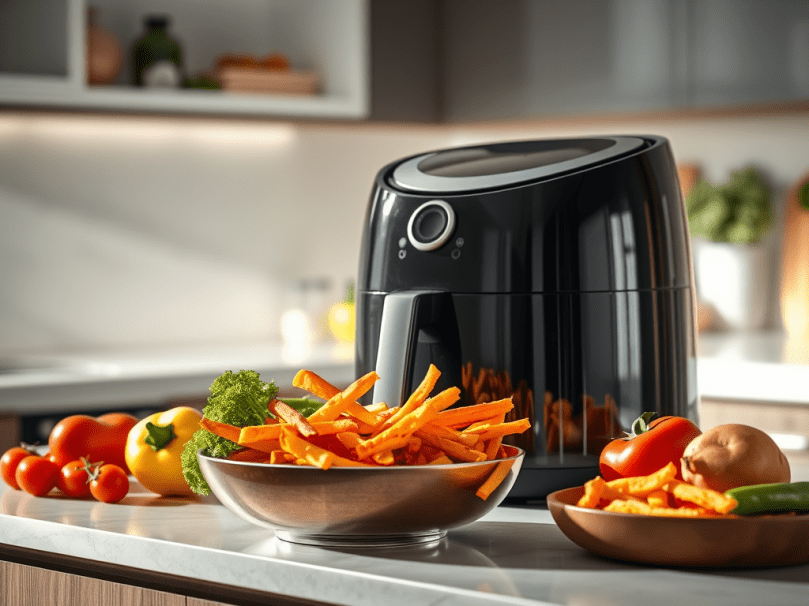
When I first bought an air fryer, I honestly wasn’t sure I’d use it. It felt like one of those gadgets you get all excited about, then let collect dust next to the waffle maker. But on a cozy Friday night, I decided to test it out with some frozen sweet potato fries. I threw them in, set the timer, and walked away—half expecting soggy sadness or uneven cooking.

What came out? Pure magic. They were crispy on the outside, soft on the inside, and golden like they had just come from a restaurant. I stood there in my kitchen, eating fries straight out of the basket with a silly grin on my face, thinking, “Wait… was that it? That was so easy!

That little kitchen victory was the moment I realized: this thing earns its counter space.


Do Air Fryers Live Up to the Hype?

The short answer: Yes—for most people.

Air fryers aren’t just a trend—they’re a genuine kitchen helper. Think of them as a mini convection oven that circulates hot air to cook food evenly and quickly, often with little or no oil. For busy families, small-space dwellers, or anyone looking to make weeknight meals easier and healthier, air fryers really do earn their spot on the countertop.

Top Benefits of an Air Fryer:

  • Healthier Cooking: Use significantly less oil than traditional frying.
  • Faster Meals: Cook frozen foods, meats, and veggies in a fraction of the time.
  • Energy Efficient: Uses less electricity than a full-size oven.
  • Versatile: Air fry, roast, reheat, dehydrate, and even bake—depending on the model.

What to Look for in a Great Air Fryer

Not all air fryers are created equal. Here’s how to find one that’s high-performing and budget-friendly:

✔️ Size & Capacity

  • Small (2–4 qt) – Ideal for singles or couples.
  • Medium (5–6 qt) – Great for small families.
  • Large (7+ qt) – Best for families of 4+ or anyone who meal preps.

Customer Note: “We bought a 6-quart model for our family of four and it fits everything from fries to a whole chicken. Now it’s in use almost daily!” — Jamie M., verified Amazon buyer

✔️ Ease of Use

Look for digital displays, preset functions (fries, chicken, veggies), and easy cleaning (nonstick, dishwasher-safe baskets).

✔️ Cooking Features

Some air fryers also offer:

  • Dual baskets – Cook two items at once.
  • Rotisserie option – For roasting meats.
  • Dehydrator – For homemade snacks like apple chips.

✔️ Price Range

  • Budget-friendly: $40–$70
  • Mid-range: $80–$130
  • High-end: $150+

Top Air Fryer Recommendations

Here are a few customer-loved picks that offer solid performance without overspending:


1. Ninja AF101 4-Quart Air Fryer

Best for Small Families | Around $89

  • Fast and even cooking
  • Super easy cleanup
  • Great for beginners

“Love this thing! I haven’t used my oven in weeks. Reheats leftovers better than a microwave!” — Verified Target Review


2. COSORI Pro II 5.8-Quart Air Fryer

Top Pick for Versatility | Around $119

  • 12 preset cooking functions
  • Sleek touchscreen design
  • Large enough for 5-6 servings

“I’ve made salmon, steak, and even cookies in this thing. It’s a game changer.” — Kelly R., Amazon Review


3. Instant Vortex Plus 6-Quart with ClearCook Window

Best for Monitoring While Cooking | Around $129

  • Viewing window to watch food cook
  • EvenCrisp™ technology for perfect crunch
  • Easy-to-navigate controls

“I like seeing what’s happening without opening it every few minutes. This is my second Instant brand appliance and I’m in love.” — Liam P., Walmart Review


4. CHEFMAN Compact 2-Quart Air Fryer

Best Budget Option | Around $49

  • Small and space-saving
  • Simple dial temperature and timer
  • Great for students or solo cooks

“Perfect size for one person and fits on my tiny apartment counter.” — Emma K., Best Buy Review

Where to Buy These Air Fryers

1. Ninja AF101 4-Quart Air Fryer

  • Amazon – Often has deals and bundles
  • Target – Carries in-store and online
  • Walmart – Competitive pricing, sometimes with rollback offers
  • Best Buy – Great for price-matching and same-day pickup

Tip for readers: Search for it as “Ninja AF101 Air Fryer” and watch for flash sales around holidays or weekends.


2. COSORI Pro II 5.8-Quart Air Fryer

  • Amazon – COSORI’s flagship retailer with the most model options
  • Walmart – Carries newer models online
  • Home Depot – Occasionally offers kitchen appliance bundles

Pro tip: Look for the Pro II version with presets—some listings are for earlier models with fewer features.


3. Instant Vortex Plus 6-Quart with ClearCook Window

  • Amazon – Offers frequent discounts and Lightning Deals
  • Target – Sells this under the Instant™ brand with in-store availability
  • Instant Home (manufacturer website) – Sometimes offers exclusive color options

Bonus: This model is often bundled with accessories like racks and liners around holidays.


4. CHEFMAN Compact 2-Quart Air Fryer

  • Best Buy – Known for this compact model at entry-level pricing
  • Amazon – Great for reading tons of reviews and comparing sizes
  • Walmart – Frequently offers this model on rollback

Perfect for: Dorms, first apartments, and countertop minimalists.


Helpful Shopping Tips:

  • Use price comparison tools like Google Shopping or Honey.
  • Check return policies, especially if buying online.
  • Look for models with warranties—many come with 1-year protection.

Tips for Getting the Most Out of Your Air Fryer

  • Preheat (just like an oven) for better texture.
  • Don’t overcrowd the basket—circulation is key!
  • Shake or flip halfway for even cooking.
  • Line with parchment for easier cleanup (or use a silicone basket liner).

Final Thoughts: Worth It? Absolutely.

If you love quick meals, less oil, and a little countertop magic, an air fryer is one of the most useful modern appliances you can buy. Whether you’re a meal-prepping pro or a beginner cook, there’s an air fryer out there to match your lifestyle and budget. With so many highly rated and affordable models, it’s easier than ever to find one that makes weeknight dinners faster, healthier, and tastier.


Change Your Living Room Style Without Breaking the Bank


Discover how small changes can make a big difference in your living room—without spending a fortune.


Your living room is where life happens—where you host friends, cuddle with loved ones, binge-watch shows, and take a breath after a long day. So when it starts feeling dull or outdated, it’s time for a refresh. But here’s the good news: you don’t have to spend thousands to create a space you love. With a few smart, budget-friendly ideas, you can upgrade your living room style and make it feel brand new.

Here’s how to transform your living room without breaking the bank:


1. Start with a Declutter + Reorganize

Sometimes, all it takes to change the energy of a room is to clear out the extras. Remove what you no longer love or use. Rearranging your furniture can also instantly refresh the layout—try moving the couch to a new wall or swapping chairs around. Free changes = instant impact.


2. Add a New Rug or Swap the Old One

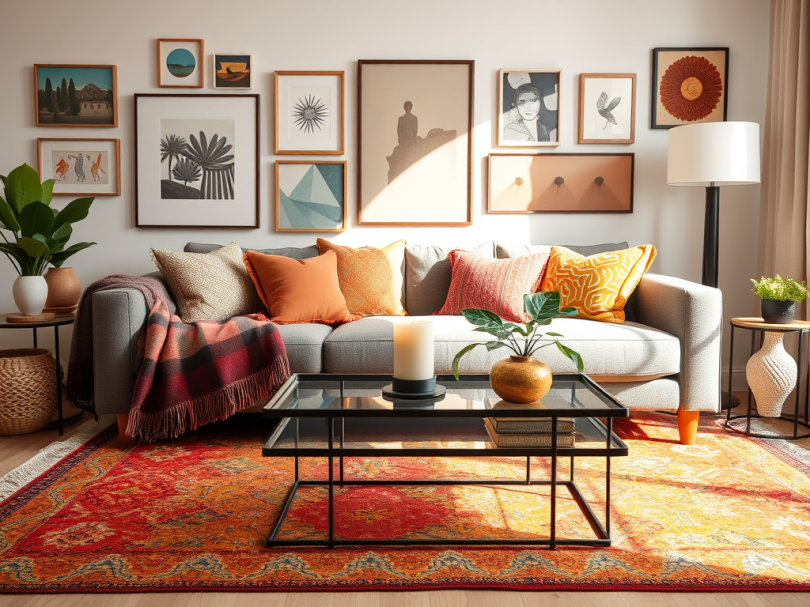
A stylish area rug can set the tone for your entire room. Go for a bold pattern to make a statement or a neutral texture to keep things calm. Look for sales, outlet stores, or even gently used options on online marketplaces to stay within budget.


3. Change the Throw Pillows

One of the easiest style updates: new pillow covers. Whether you want boho, modern, farmhouse, or minimalist, there’s a pillow cover out there that fits your vibe. Mix colors, textures, and patterns to add interest. Bonus tip: Stick to pillow covers instead of whole pillows to save money and storage space.


4. Introduce Wall Art or Rearrange What You Have

Gallery walls, framed quotes, peel-and-stick wallpaper panels, or even DIY canvas art can all give your living room fresh personality. Can’t invest right now? Try moving pieces from other rooms or print free artwork from online libraries and frame them in thrifted frames.


5. Incorporate Thrifted or Repurposed Decor

Your local thrift store or online resale groups can be a goldmine for decorative items. Think vases, candleholders, mirrors, baskets, or lamps. A little spray paint or creativity can give secondhand items a whole new life in your living room.


6. Swap Out Curtains or Add Light Layers

Window treatments can change the feel of a room. Sheer panels add softness and light, while bold curtains can ground the room and add color. Stick to ready-made panels or even try no-sew hacks using fabric and curtain clips.


7. Style Your Coffee Table

This small surface has big style potential. A tray with a candle, a book, and a plant or decorative object can pull your entire look together. Shop your home first—you might already own everything you need!


8. Add Greenery

Plants add life, color, and texture to any room. If you don’t have a green thumb, faux plants have come a long way and can still bring the same cozy vibe. Try a small snake plant, a few succulents, or even a hanging plant near the window.


9. Use Lighting to Set the Mood

Swapping out your lampshade or adding a budget-friendly floor lamp can change your room’s ambiance. Add soft LED bulbs, warm-toned string lights, or a plug-in wall sconce for a cozy glow.


10. Add a Statement Piece

If you can invest in one item, make it count. Maybe it’s a new accent chair, a stylish media console, or a bold wall mirror. One standout piece can anchor the space and elevate everything around it.


Final Thoughts:

Redesigning your living room isn’t about following trends—it’s about creating a space that reflects who you are right now. Whether you’re shifting from traditional to modern, cozy farmhouse to clean minimalism, or just adding your personality into a rental space, you don’t need a big budget to make big changes.

Discover what feels like home to you—and build from there, one piece at a time.