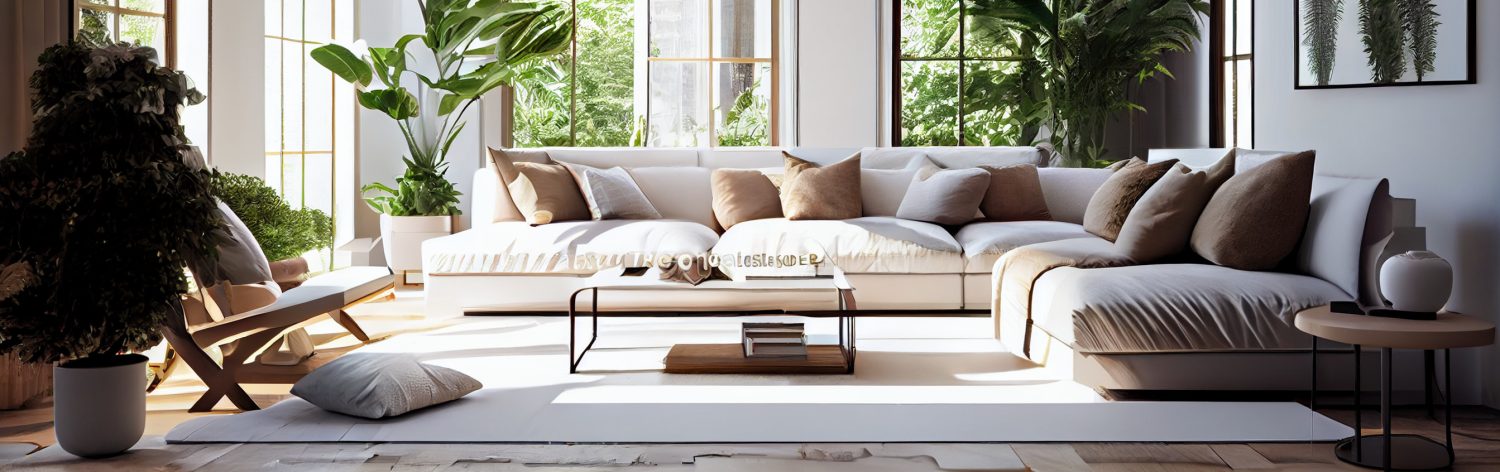

Spring/Summer Cleaning: What It Looks Like and How to Start Strong


As the days grow longer and the sun shines brighter, many of us feel the urge to refresh our spaces. Spring and summer cleaning isn’t just about wiping windows or folding towels—it’s about creating a breezy, inviting home that reflects the energy of the season. So how do you tackle this seasonal refresh, and what makes spring/summer cleaning different from your usual routine?

Let’s break it down.


Why Spring and Summer Cleaning Feels Different

Unlike the fall or winter, when we’re nesting and cozying up indoors, spring and summer cleaning is all about renewal and lightness. You’re shedding layers—both literally and figuratively. This is the time to let go of the heavy, dark, or dusty and make room for light, air, and ease.

Here’s what sets this season apart:

  • Natural Light Helps You See More: Suddenly that dust in the corner or smudge on the mirror is more visible.
  • Time to Swap Out Seasonal Items: Heavy blankets, thick curtains, and winter clothes need to be stored. In their place: breezy bedding, sheer window coverings, and swimsuits.
  • More Outdoor Living: Patios, porches, and entryways become part of the home again—and need a good scrub too!

Where Do You Start?

Spring/summer cleaning can feel overwhelming, so it’s important to have a game plan. Here’s how to dive in:

1. Start with the Entryway

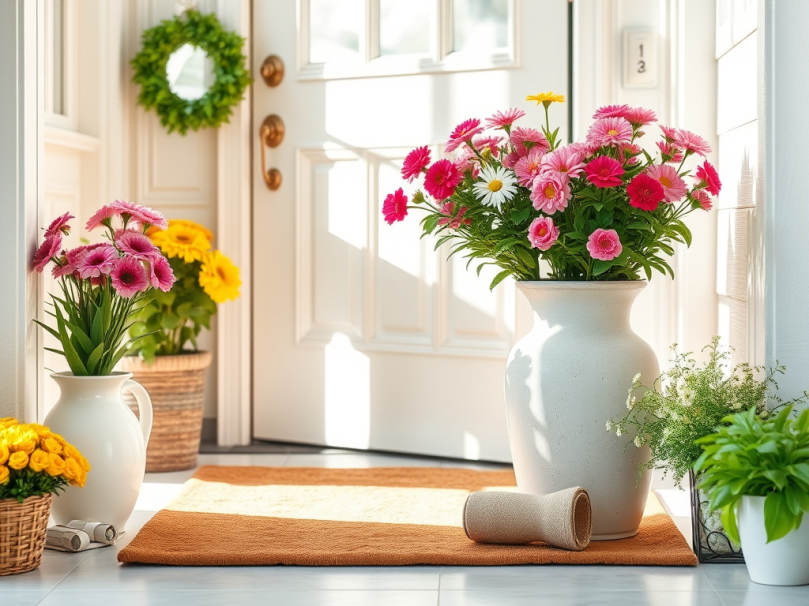
This is your home’s first impression. Sweep off the porch, clean your welcome mat, wipe down the door, and organize shoes or gear. Add a fresh pot of flowers or a new door wreath to welcome the season.

2. Tackle Room by Room

Go room by room, focusing on:

  • Decluttering surfaces
  • Dusting baseboards, blinds, and fans
  • Deep cleaning carpets or switching to summer-friendly rugs
  • Washing windows for that crystal-clear view

3. Don’t Forget the Outdoors

Your outdoor furniture, grill, and garden shed need love too. Use a hose, all-purpose cleaner, and elbow grease to refresh chairs and tables. Store cushions inside or in waterproof bins when not in use.

4. Switch Out Seasonal Decor

Replace moody winter tones with light, cheerful hues. Think citrus colors, florals, or coastal elements. Swap thick throws for lightweight ones and tuck away anything that feels too heavy.


Tips & Tricks to Stay Organized

Want to make this process smoother? Here are a few tried-and-true tips:

  • Create a Cleaning Playlist: Music makes the task feel less like work.
  • Use a Checklist: Keep track of what you’ve done room by room (download my free checklist at www.discoveringlifellc.com!)
  • Declutter First, Then Clean: You can’t clean clutter. Toss, donate, or store before dusting and scrubbing.
  • Use Clear Bins for Storage: Whether it’s under-the-bed bins for winter sweaters or labeled garage storage, clear containers help you see what you have.
  • Try the 20-Minute Method: Set a timer for 20 minutes per space and do what you can. This keeps you from burning out.

Bonus Projects for a Seasonal Glow-Up

Once the basics are done, consider:

  • Deep cleaning your fridge (hello, summer produce!)
  • Refreshing linens with a splash of lemon-scented detergent
  • Organizing your pantry for warm-weather cooking and entertaining
  • Adding houseplants for a fresh, green vibe
Final Thought

Spring and summer cleaning is about more than cleanliness—it’s about setting the tone for the season ahead. It’s your chance to hit reset and enjoy a home that feels bright, fresh, and functional. Whether you’re doing a full refresh or simply updating a few areas, embrace the process and celebrate the small wins.

Because nothing says summer like opening the windows, lighting a citrus candle, and basking in a space that feels completely your own.

Summer Home Decor Trends 2025: What’s in and How to Add It to Your Home

Summer is the perfect time to refresh your home and bring in a lighter, more vibrant feel. In 2025, the top home decor trends are all about natural materials, relaxed vibes, and playful pops of color. Whether you’re planning a total home makeover or just want to switch things up for the season, here’s what’s trending—and how to bring these summer looks into your space.


1. Natural Textures and Organic Materials

What’s Trending:
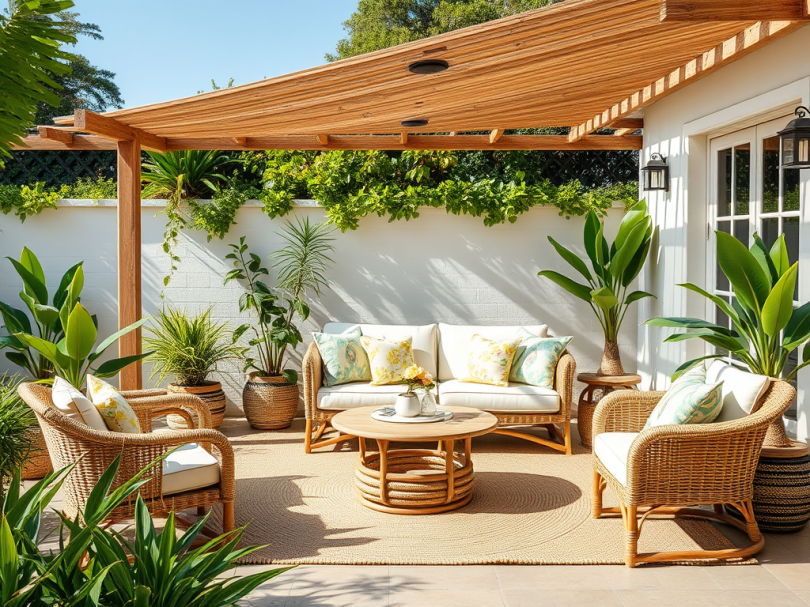
Think rattan, cane, bamboo, jute, linen, and raw wood. These earthy elements add warmth, airiness, and a subtle bohemian feel to your home.

How to Add It:

  • Swap out heavy curtains for linen or cotton sheers.
  • Add jute or woven rugs to your entryway or living room.
  • Introduce rattan furniture like accent chairs or a statement headboard.
  • Decorate with wood-framed mirrors, bamboo trays, or woven baskets.

2. Sunny, Optimistic Colors

What’s Trending:
Yellows, coral, sage green, soft blues, and sunset shades are bringing the joy this season. These colors evoke warm weather, open skies, and breezy afternoons.

How to Add It:

  • Throw pillows and light blankets in summery hues.
  • Paint an accent wall in a cheerful pastel or sunset-inspired tone.
  • Choose colored glassware or table linens in vibrant shades for your summer table.
  • Mix and match fun colors in your outdoor decor or porch furniture.

3. Indoor-Outdoor Living

What’s Trending:
Seamlessly blending indoor and outdoor spaces is huge this year. Think of your patio, balcony, or even your backyard as an extension of your living room.

How to Add It:

  • Use similar color palettes indoors and outdoors.
  • Add indoor plants near windows and patio doors to blur the line between inside and out.
  • Create cozy lounge areas outside with weatherproof pillows, rugs, and lighting.
  • Consider foldable or sliding glass doors to open up your space.

4. Floral Prints and Botanical Patterns

What’s Trending:
Florals aren’t just for spring. This summer, they’re making a big splash in everything from upholstery to wall art.

How to Add It:

  • Replace throw pillow covers with floral prints.
  • Hang botanical wall art or floral canvas pieces.
  • Try a botanical-printed shower curtain or bedspread.
  • Add fresh flowers or greenery for a literal pop of summer.

5. Laid-Back, Vacation-Inspired Vibes

What’s Trending:
Summer 2025 is all about relaxed and effortless living. Think Mediterranean charm, coastal minimalism, and desert retreat aesthetics.

How to Add It:

  • Use neutral tones with terracotta, sand, or ocean blue accents.
  • Decorate with seashells, driftwood, and pottery.
  • Layer light blankets, hammocks, or poufs in cozy corners.
  • Display souvenirs or travel-themed decor in a thoughtful, styled way.

6. Sustainable, Eco-Friendly Decor

What’s Trending:
Conscious design continues to rise. Recycled materials, vintage finds, and upcycled furniture are not only stylish—they’re meaningful.

How to Add It:

  • Shop thrift stores or Facebook Marketplace for vintage furniture.
  • Choose decor made from recycled or sustainable materials.
  • DIY your own decor using repurposed items—think mason jar lanterns or pallet wood shelves.
  • Support small businesses that offer eco-conscious home products.

Final Thoughts

Summer is all about feeling fresh, open, and inspired. These 2025 summer home decor trends can help you bring a bit of sunshine inside, whether you’re making small seasonal swaps or embarking on a bigger refresh. Focus on light textures, joyful color, and a connection to nature, and your home will feel like a summer escape in no time.


How to Choose the Right TV for Your Style and Budget: A Guide to Finding Your Perfect Fit


In today’s digital world, the television is more than just a screen—it’s a portal to our favorite movies, family nights, weekend sports, and the soothing background noise that makes a house feel like home. Whether you’re streaming the latest drama series, hosting a game day, or displaying a stunning screensaver as part of your decor, the TV often becomes the focal point of the living room—and for good reason.

But with so many options on the market, choosing the right TV for your style and budget can feel overwhelming. From screen size and smart features to how well it blends with your décor, there are a few key things to consider. Here’s how to make the best decision for your space—and a few top-rated TV picks to help you get started.


Why the Television Still Matters

Even in an age of smartphones and tablets, the TV remains a gathering spot. It’s where we:

  • Host movie nights with friends and family
  • Tune into the big game
  • Wind down with our favorite comfort show
  • Share time together, even in silence

A well-placed television adds comfort and connection to a home. It can bring people together, and when styled correctly, it also adds aesthetic value to the room.


Step 1: Consider Your Space and Style

Start with the room where the TV will live. Ask yourself:

  • Is this a main living area or a bedroom?
  • Do I want the TV to blend in or stand out?
  • Will it be wall-mounted or on a console?

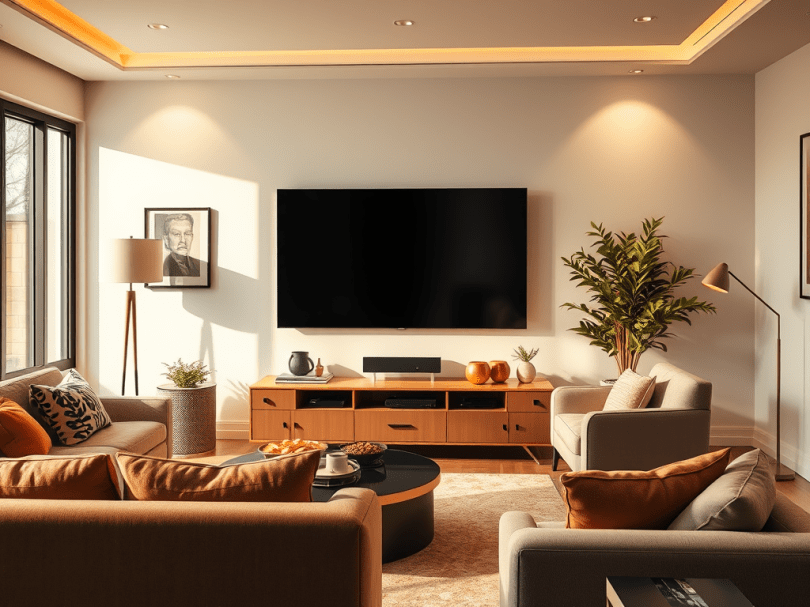
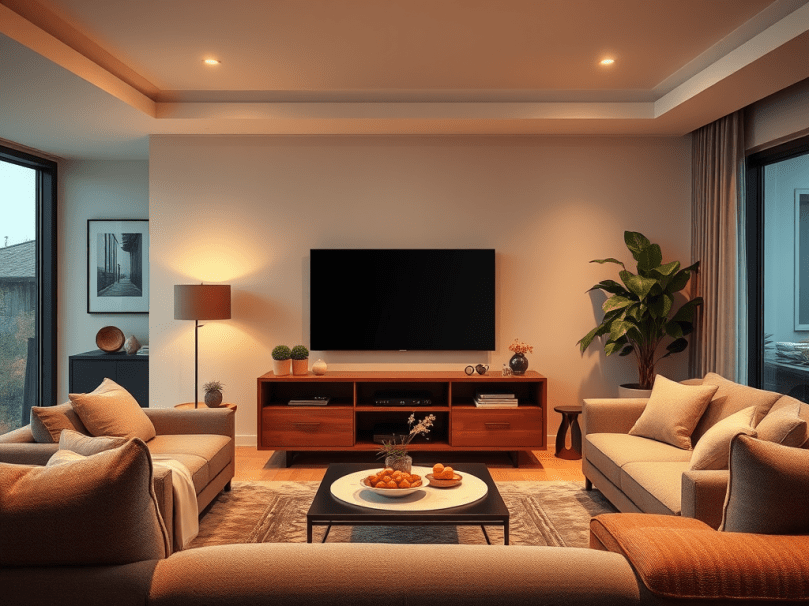
Style Tip: If your style leans minimalist or Scandinavian, opt for a sleek, frame-style TV like the Samsung The Frame QLED. It doubles as digital wall art when not in use. For more traditional or rustic interiors, consider a console setup with a matte-black or wood-framed model.


Step 2: Pick the Right Size

TV size is about more than square footage. It’s about viewing comfort and proportion. A screen that’s too large can overwhelm the room; too small and you’ll squint during movie night.

General rule of thumb: Measure the distance from your seating to the screen (in inches), and divide it by 2. That gives you the ideal screen size in inches.

  • Small rooms (bedrooms, kitchens): 32″ to 43″
  • Medium rooms (apartments, dens): 50″ to 65″
  • Large rooms (open-concept living spaces): 65″ to 85″

Customer Insight: One homeowner shared, “We thought 55” would be too big for our condo, but it fits perfectly—and it’s great for date nights and sports!”


Step 3: Choose the Best Features for Your Needs

Here’s a quick breakdown of today’s must-have TV features:

  • 4K or 8K Resolution: Ultra HD is now standard. 8K is a splurge but future-proof.
  • Smart Capabilities: Access Netflix, Hulu, Disney+, and more without needing a separate device.
  • HDR (High Dynamic Range): Better contrast, color depth, and lifelike visuals.
  • Voice Control: Compatible with Alexa, Google, or built-in assistants.
  • Game Mode: Reduced lag for gamers in the family.

Budget-Friendly Picks

You don’t have to break the bank to get a great television.

Top Budget TVs (Under $500):

TCL 50-Inch Class 4-Series 4K UHD Smart Roku TV
Rating: 4.6/5 – “Easy setup, great picture, and the Roku interface is so user-friendly!”
➤ Ideal for apartment dwellers or secondary rooms.

Hisense U6 Series ULED 4K Smart TV (55”)
Features: Dolby Vision, Alexa compatibility, vivid color performance.
➤ A solid pick for families who want movie night magic without the price tag.


Mid-Range Best Buy (Under $1,000):

LG 65-Inch Class QNED80 Series 4K Smart TV
Quantum Dot meets NanoCell = incredible clarity and vibrant colors.
“It’s bright, colorful, and works beautifully in our open living room. Worth every penny!”


Premium Splurge Option:

Samsung 65-Inch The Frame QLED 4K Smart TV
Transforms into art when off. Perfect for design-focused homes.
➤ Choose from a variety of frame colors to match your decor. Customer review: “This is the only TV I’ve ever loved for its looks. It blends seamlessly into our gallery wall.”


Design Tip: Make It Blend In

If you don’t want your TV to dominate the space visually:

  • Surround it with framed art for a gallery wall effect
  • Use a beautiful media console to ground the setup
  • Choose a Frame TV or hide it behind sliding barn doors or a mirror-fronted cabinet

Final Thoughts: Your TV, Your Story

The right TV reflects your lifestyle, interests, and aesthetic. Whether it’s the center of your family’s entertainment or a quiet corner for relaxing solo evenings, a TV can add warmth, style, and connection to your space. And with options for every budget and home style, there’s truly something for everyone.

Pro Tip: Always read recent customer reviews before purchasing. Look for feedback on setup ease, image quality, and long-term performance.


Let your next TV do more than play shows—let it become a seamless part of your life and home.


DIY Home Shelves: How to Create Your Own Bedroom Shelving at Minimal Cost


Stylish storage without breaking the bank.

Need a smart way to organize your bedroom and add some personality to your walls? DIY home shelves are the answer! With a few tools, creativity, and a little resourcefulness, you can build your own shelves that are both chic and budget-friendly.

Here’s how to create your own custom bedroom shelves—without spending a lot of money.


Step 1: Plan Your Shelf Design

Before buying anything, take a moment to map it out:

  • Measure your wall space.
  • Think about what you’ll store: books, plants, frames, decor?
  • Decide on the type: floating, corner, or bracket-style shelves.

Pro Tip: Browse Pinterest or Instagram for shelf styling ideas, and keep your measurements handy.


Step 2: Where to Find Budget-Friendly Supplies

You don’t need to spend a fortune at fancy hardware stores. Check out these low-cost sources for materials:

Cheap Wood Options:

  • Home Depot / Lowe’s: Check the cull lumber section for discounted wood.
  • Habitat for Humanity ReStores: Great for reclaimed wood, brackets, and paint.
  • Facebook Marketplace / Craigslist: People often give away scrap wood or old shelves.
  • Dollar Tree / Dollar General: Occasionally stock small wall brackets or basic shelf kits.

Affordable Hardware:

  • Amazon: Search for multi-packs of metal brackets or floating shelf kits.
  • IKEA: Has stylish brackets and shelf planks at low prices.
  • Walmart: Offers low-cost wall anchors, screws, and tools.

Paint, Stain & Extras:

  • Use leftover paint from other projects.
  • Sample-size paint cans (usually under $5) go a long way.
  • Try contact paper or peel-and-stick wallpaper to line the top of the shelf for extra flair.

Step 3: Prep Your Materials

  • Sand rough wood for a polished finish.
  • Apply a coat of paint, wood stain, or clear sealant to elevate the look.
  • Let it dry completely before installing.

Chic Tip: Choose finishes that fit your bedroom’s vibe—black or matte gold brackets for a modern touch, or light oak stain for a Scandinavian feel.


Step 4: Install Like a Pro

  • Use a level and pencil to mark your lines.
  • Find studs for heavy loads or use drywall anchors for lighter items.
  • Mount brackets securely, then attach your shelf planks.

Corner shelves? Great for saving space and creating interest.
Floating shelves? Perfect for a clean, modern look.


Step 5: Make It Chic and Practical

Shelves should be beautiful—but also useful. Here’s how to make them both:

Styling Ideas:

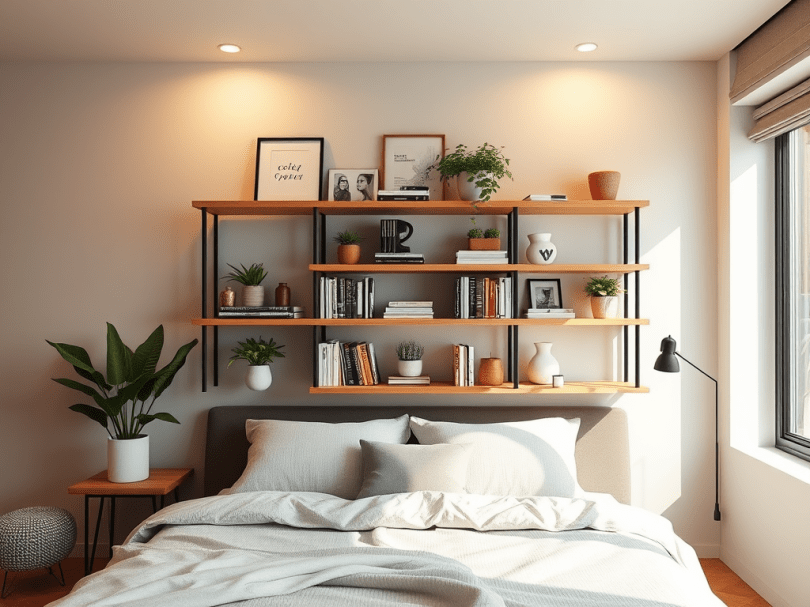
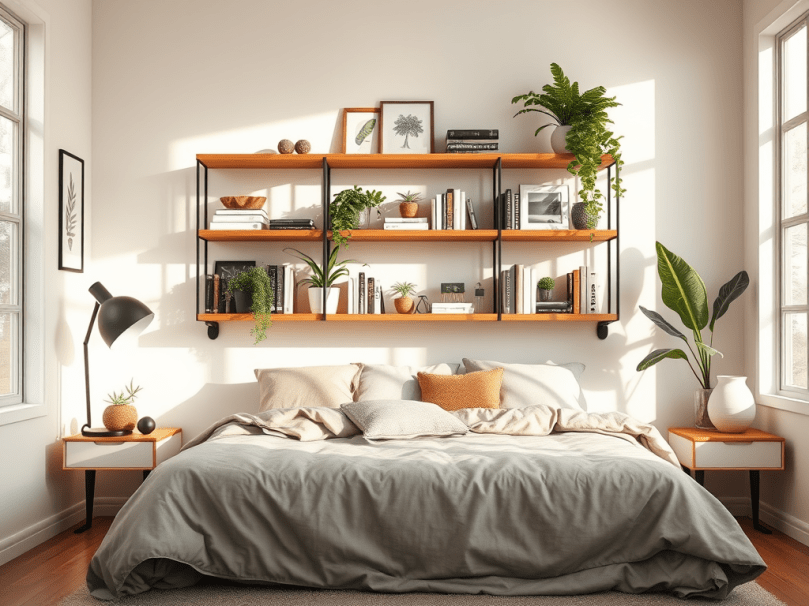
  • Mix heights and textures: Stack books, place a small potted plant, add framed art or candles.
  • Use baskets or bins to hide clutter (great for socks, cables, or bedside essentials).
  • Stick to a color palette to make your display feel intentional and cohesive.

Practicality Tips:

  • Put everyday items on the lower shelves for easy access.
  • Use deeper shelves (8–10 inches) if you’re storing bulkier items.
  • Add hooks beneath the shelves for hanging necklaces, bags, or headphones.

Final Thoughts

Creating your own bedroom shelves doesn’t have to be expensive or complicated. With a little creativity and smart sourcing, you can build stunning shelves that keep your space organized—and show off your style.


Do Your Home Accessories Match? Let’s Talk Style, Cohesion, and the “Unmatched” Trend


When you walk into your kitchen or bathroom, do your eyes settle on matching towels, appliances, and coordinated accessories? Or do you find joy in a mix of patterns, textures, and finishes that don’t quite match—but somehow still work together?

Let’s dive into the world of home accessories and explore this timeless question: Should everything match, or is mixing it up the new must-have style?


Are You a Matchy-Matchy Person?

Some of us find comfort in cohesion. There’s something undeniably satisfying about crisp white towels lined up perfectly in a bathroom with chrome accents, or a kitchen where every appliance gleams in the same sleek stainless steel.

This type of design approach—let’s call it intentional harmony—has a calming effect. It creates visual balance, order, and an overall sense of put-togetherness. Matching accessories can be a safe choice, especially if you’re decorating a home with resale value in mind or simply love that clean, uniform aesthetic.

If you’re a matchy-matchy person, own it! Your home likely feels peaceful, polished, and thoughtfully curated.


Or Do You Love to Mix and Match?

On the flip side, more homeowners and renters today are embracing the “collected” look—where nothing matches, but everything feels right. Think blush towels with brass hardware, a vintage green toaster next to a modern black air fryer, or a living room with pillows in clashing (but somehow complimentary) patterns.

This style is less about rigid rules and more about personality. Mixing and matching gives your home a lived-in, layered, and uniquely you vibe. It’s where creativity shines, and every item tells a story.

Plus, mixing textures, metals, and colors can create visual interest and bring a space to life in a way that strict matching sometimes can’t.


So… Which One Is Better?

Here’s the truth: Neither is right or wrong.

Home decor is deeply personal. Some people find peace in everything matching, while others thrive in the freedom of mix-and-match chaos. Trends come and go (right now, mismatched kitchen chairs and eclectic gallery walls are in), but your style should reflect what makes you feel at home.

It’s totally okay to:

  • Have a rainbow of mismatched mugs in your cabinet.
  • Mix black and gold hardware in your kitchen or bathroom.
  • Coordinate some elements while letting others go rogue.
  • Reuse and repurpose items even if they don’t match your current theme.

Tips for Creating a Balanced Look (Matched or Not)

  • Stick to a loose color palette. Even if you’re mixing styles or textures, using colors from the same family can help tie everything together.
  • Balance bold and neutral. Let one or two elements be the stars (like patterned towels or colorful kitchen gadgets) and keep others simple.
  • Use repetition sparingly. If your appliances are mismatched, you can create a rhythm with matching canisters or bar stools to ground the look.
  • Layer in personality. Whether you match or don’t, your home should reflect who you are. Add in accessories that mean something to you.

Final Thoughts

At the end of the day, matching or mismatching your home accessories comes down to how you want your space to feel. There’s no rulebook. Whether you lean into clean coordination or express yourself through a mismatched medley, the goal is the same: create a home that feels like you.

So tell me—are you a “matchy-matchy” type or a “mix-and-match” maven? Share your thoughts in the comments below!