
Decorating Your Space for the Holidays: Honoring Tradition and Creating Joy

A Heartfelt Tribute to Memorial Day

Before we dive into wreaths, centerpieces, and string lights, let’s take a quiet moment to reflect. Today is Memorial Day—a day of honor, gratitude, and remembrance. It’s more than a long weekend or the unofficial start of summer. It’s a time to pause and give thanks for the brave men and women who gave their lives in service to our country. We remember them not just with words, but with symbols—flags gently waving in the breeze, red poppies in our lapels, and gatherings where stories are shared and sacrifices are honored. Today, we celebrate their courage, and in doing so, we are reminded of how powerful a simple act of remembrance can be.


Do You Decorate for the Holidays? Here’s Why It Matters

As seasons change and holidays approach, many of us reach for the boxes tucked away in closets—filled with garlands, themed kitchen towels, and festive knickknacks. Whether you go all out with window clings and outdoor displays or keep it subtle with a candle and seasonal flowers, holiday decorating is more than just beautifying your space. It’s about intention, tradition, and emotional connection.

Decorating your home for a holiday, whether it’s Memorial Day, Thanksgiving, Christmas, or even Valentine’s Day, is a way to mark time—visually and emotionally. It reminds us that every season brings something worth celebrating.


Why Do We Decorate?

  1. To Create a Sense of Occasion:
    Life moves fast. Decorating gives us a reason to pause and say, “This moment matters.” It’s a visual cue that something special is happening.
  2. To Honor Tradition:
    From patriotic bunting on the 4th of July to twinkling lights during December, decor carries the legacy of family and cultural traditions. It can connect us to generations before us and keep those memories alive.
  3. To Spark Joy and Togetherness:
    Whether it’s carving pumpkins together or hanging ornaments, holiday decorating brings people together. It transforms your home into a gathering place filled with warmth, laughter, and memories in the making.

Are Some Holidays More Important to Decorate For?

There’s no one-size-fits-all answer here. Some people decorate for nearly every holiday, while others stick to just a few. It often depends on:

  • Your family’s traditions
  • Cultural or religious significance
  • Time and energy available
  • Personal joy

For example, Christmas and Thanksgiving often inspire large-scale decorating because they revolve around gatherings and shared meals. On the other hand, Memorial Day and Independence Day might feature more understated decor—like flags, patriotic table settings, or a themed wreath on the door—focused more on reflection and pride.

It’s also okay if your decorating style shifts year to year. What’s important is how it makes you feel. If lighting a seasonal candle and putting a flag on your porch brings you peace or joy, that’s enough.


Small Ways to Decorate for Memorial Day

  • Display an American flag outside your home
  • Set your table with red, white, and blue linens
  • Add a patriotic wreath to your front door
  • Light a remembrance candle or create a small tribute area for loved ones who served
  • Use flowers like red poppies, white roses, or blue hydrangeas in your arrangements

These small touches help set the tone for a meaningful day.


Final Thoughts

Decorating your space for the holidays—whether grand or minimal—is a beautiful way to connect with the moment, your loved ones, and the history behind the celebration. Today, as we honor the heroes of Memorial Day, we’re reminded that some decorations speak louder than others: a folded flag, a fresh bouquet at a grave, a family gathered in gratitude.

So, do you decorate for the holidays? If so, why? If not, what would make you start? No matter how you celebrate, remember—it’s not about perfection. It’s about presence.


Happy Memorial Day. May your home be filled with gratitude, warmth, and love today and always.
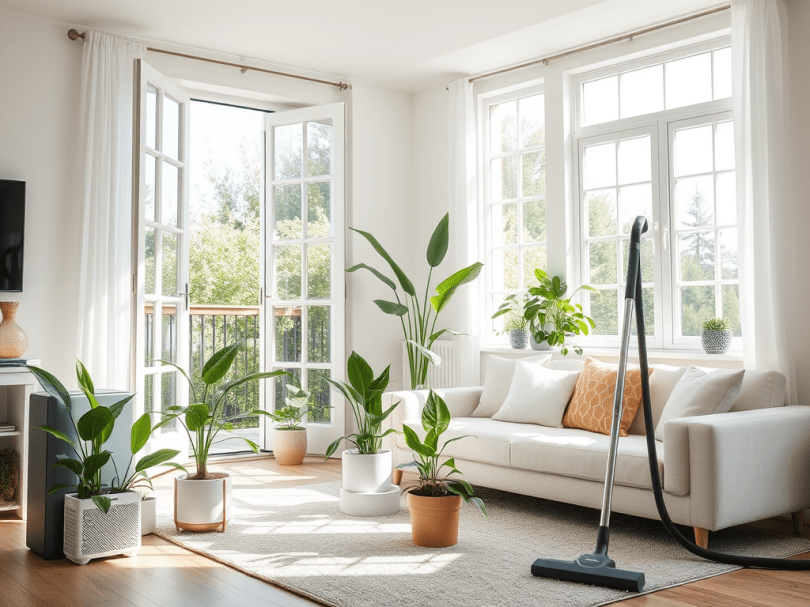

Breathe Easier: How to Clean the Air in Your Home and Find the Best Products to Help

Have you ever walked into your home and noticed it feels stuffy or heavy? That might be more than just a closed window — it could be poor indoor air quality. From dust and dander to chemicals and mold spores, the air inside our homes can sometimes be more polluted than the air outside. The good news? You can take control of the air you breathe. Here’s how to clean the air in your home and choose the best products to help you do it.


1. Start with Simple Daily Habits

Before investing in products, start with good habits that naturally improve air quality:

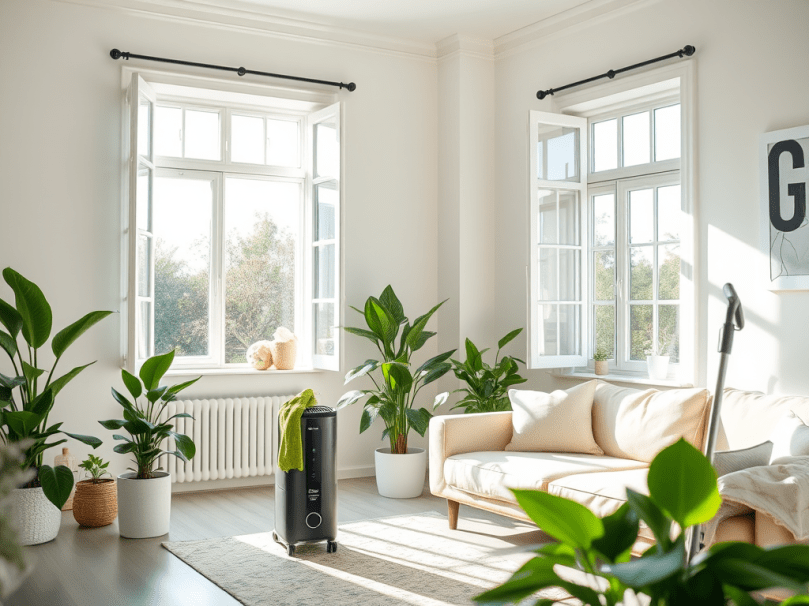
  • Open the windows: Even just 10–15 minutes of fresh air daily can make a difference.
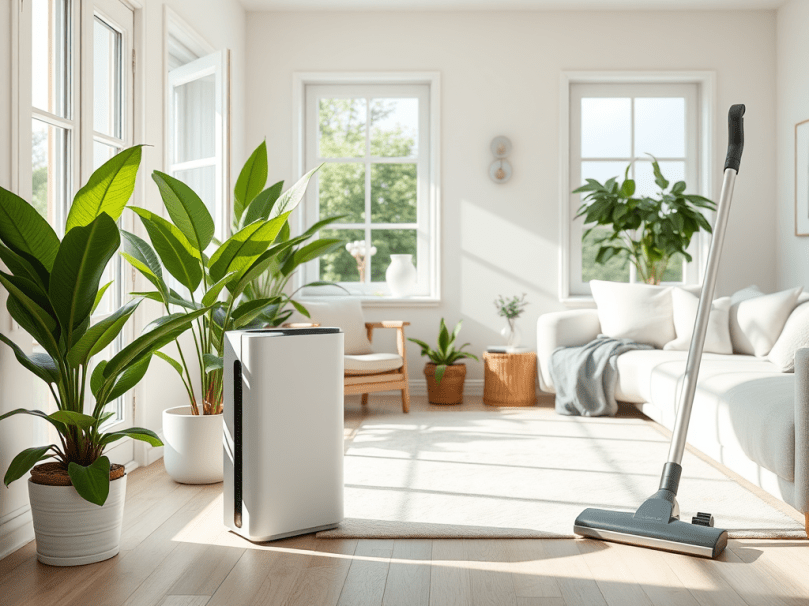
  • Vacuum regularly: Especially if you have pets or carpet. Use a vacuum with a HEPA filter.
  • Remove shoes at the door: This limits dirt, pollen, and outdoor pollutants from entering your space.
  • Avoid synthetic air fresheners: Opt for essential oil diffusers or simmering herbs and citrus on the stove.

2. Identify What’s Polluting Your Air

Different households have different air quality issues. Ask yourself:

  • Do you have pets?
  • Do you use a fireplace?
  • Do you cook often with gas?
  • Does anyone smoke indoors?
  • Do you live in a high-pollen or industrial area?

Your answers will help guide what products you need most.


3. Top Products That Help Clean Indoor Air

Air Purifiers

A good air purifier can trap allergens, pet dander, smoke, and even some bacteria and viruses. Look for:

  • True HEPA Filters – Not just “HEPA-type”
  • Activated Carbon Filters – These absorb odors and chemicals
  • Smart Features – Auto mode, air quality sensors, and app control for easy monitoring

Top Picks:

  • Levoit Core 300 / Core 400S – Affordable and effective with HEPA + carbon
  • Coway Airmega – Stylish, powerful, and quiet
  • Dyson Purifier Cool – Combines air purifying and fan functions

Houseplants

While they’re not miracle workers, some houseplants can contribute to better air:

  • Snake Plant
  • Spider Plant
  • Peace Lily
  • English Ivy

Tip: Houseplants work best in combination with other air-cleansing methods, not alone.


Humidifiers (or Dehumidifiers)

  • A humidifier adds moisture to dry air, which can help with respiratory comfort.
  • A dehumidifier reduces moisture that can lead to mold and mildew in damp climates.

Make sure to clean these regularly — otherwise, they can do more harm than good.


Non-Toxic Cleaning Products

Switching to natural or non-toxic cleaning products can cut down on airborne chemicals. Look for:

  • Fragrance-free or essential oil-based scents
  • Brands like Seventh Generation, Method, Branch Basics, and Blueland
  • DIY vinegar, lemon, and baking soda combinations

4. Test Your Indoor Air Quality

If you want hard data, get an indoor air quality monitor. These devices measure levels of pollutants like:

  • PM2.5 (fine particles)
  • VOCs (volatile organic compounds)
  • CO2
  • Humidity and temperature

Good choices include:

  • Awair Element
  • Airthings View Plus
  • Amazon Smart Air Quality Monitor

5. Bonus Tips for Specific Areas of Your Home

  • Bedrooms: Keep windows cracked, wash bedding weekly, and use hypoallergenic pillow and mattress covers.
  • Bathrooms: Run the fan during and after showers to reduce moisture buildup.
  • Kitchens: Use a range hood fan when cooking, especially if using gas.

Final Thoughts

Clean air at home is one of the most important (and often overlooked) aspects of a healthy lifestyle. With a mix of smart habits and reliable products, you can transform your home into a place where every breath feels refreshing.

Start small — even one air purifier or ditching that synthetic spray can have a big impact. Your lungs (and your family) will thank you!


DIY Furniture Makeover: Refurbish Your Wooden Chest


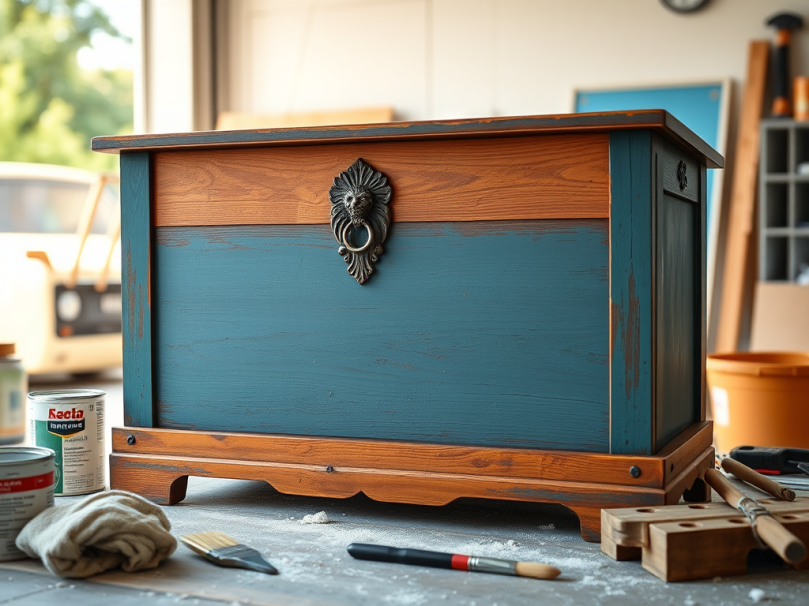
There’s something incredibly satisfying about taking an old, forgotten chest and turning it into a statement piece full of charm and character. Whether you scored a vintage find at a flea market or have a family heirloom collecting dust, giving an old chest a fresh new look is a DIY project worth tackling.

In this guide, I’ll walk you through the step-by-step process of stripping and refurbishing a wooden chest—from prep to polish. With a little time and elbow grease, you can transform something old into something stunning.


Supplies You’ll Need:

  • Drop cloth or old sheet (to protect your workspace)
  • Screwdriver (for removing hardware)
  • Paint stripper or sanding tools (depending on method)
  • Scraper or putty knife
  • Steel wool or sanding blocks (various grits)
  • Wood filler (if needed)
  • Wood stain or paint
  • Polyurethane or finishing wax
  • Clean rags or lint-free cloths
  • Rubber gloves & safety goggles
  • Respirator mask (especially for stripping chemicals)
  • Painter’s tape (optional)

Step-by-Step Refurbishing Guide:

Step 1: Clean and Prep the Chest

Start by wiping down the chest with a damp cloth to remove dust, cobwebs, or grime. If it’s particularly dirty, a solution of warm water and mild dish soap can help. Let it dry completely.

Pro Tip: Place the chest on a drop cloth in a well-ventilated area (preferably outdoors or in a garage with the door open).


Step 2: Remove Hardware

Use a screwdriver to take off all hinges, handles, and any decorative hardware. Save them if you plan to reuse them, or replace them later for a modern update.


Step 3: Strip the Old Finish

If the chest has layers of paint or thick varnish, use a chemical stripper to remove it. Apply the stripper with a brush, let it sit according to the instructions, and then gently scrape off the finish with a putty knife.

Alternatively, if you prefer a chemical-free method, sand the chest down using coarse grit sandpaper (80-grit), followed by a medium (120-grit), and then a fine (220-grit) for a smooth finish.

Safety Reminder: Wear gloves, goggles, and a mask while using chemicals or sanding.


Step 4: Repair Any Damage

Inspect the chest for dents, scratches, or cracks. Use wood filler to patch up imperfections and let it dry. Once dry, sand the area lightly to blend it with the surface.


Step 5: Sand and Smooth

Give the entire chest one final sanding with fine-grit sandpaper (220-grit) to ensure a smooth surface ready for stain or paint. Wipe away any dust with a tack cloth or damp rag.


Step 6: Stain or Paint

Choose your finish! For a natural wood look, apply a wood stain using a rag, wiping with the grain. Let it penetrate for a few minutes, then wipe off excess. Apply multiple coats if needed.

If painting, use a high-quality furniture paint and apply with a brush or roller in thin, even coats. Let each coat dry before applying the next.


Step 7: Protect Your Finish

Once the stain or paint is dry, seal your work. Use a clear polyurethane for a durable, protective layer (available in matte, satin, or gloss), or use furniture wax for a softer, vintage look.

Apply evenly with a brush or cloth and let it cure completely according to the product instructions.


Step 8: Reattach Hardware

Once the finish has dried and cured, reinstall the original or new hardware. This step really ties everything together and gives your chest its finished personality.


Bonus Tips:

  • Add a soft fabric lining inside for a polished interior.
  • Stencil a design or paint a pattern for extra flair.
  • Consider replacing the hardware with modern or antique knobs for contrast.

Final Reveal

Stand back and admire your work—you’ve just transformed an old chest into a beautiful, functional piece full of new life! Whether it becomes a coffee table, blanket storage, or a decorative accent in your entryway, your refurbished chest is now a conversation starter with a story.


Decorating a Small Space Living Area: Affordable and Beautiful Furniture Tips


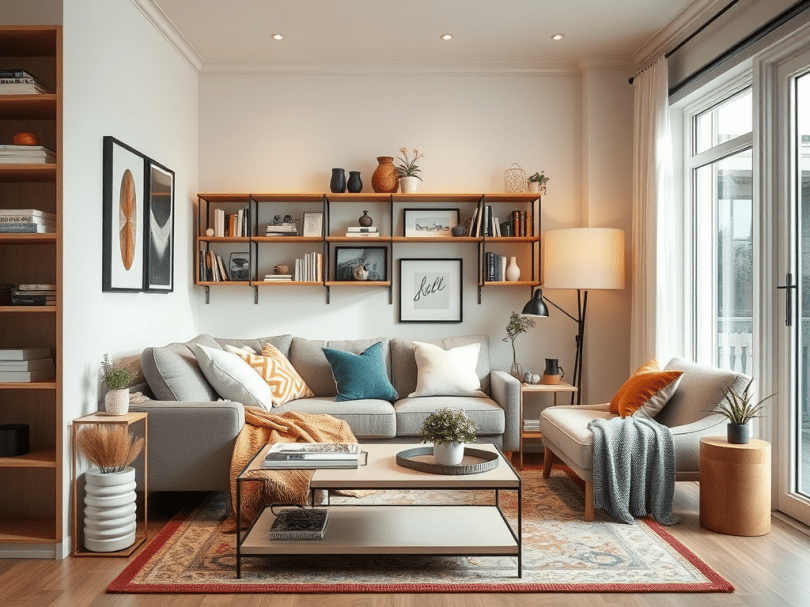
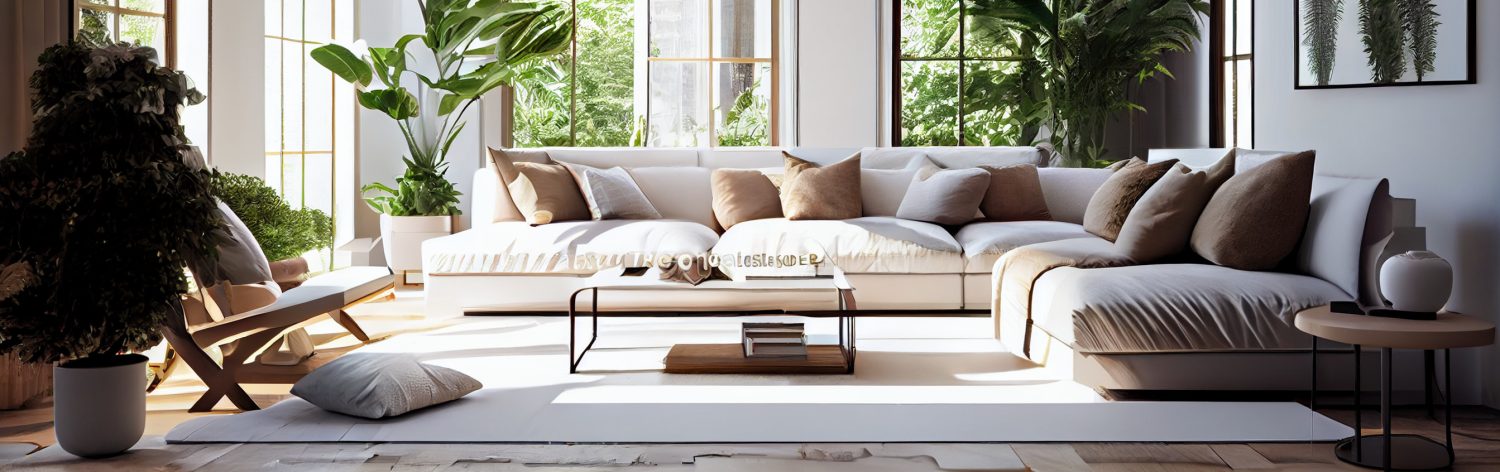
Living in a small space doesn’t mean sacrificing style. Whether you’re furnishing a cozy apartment, a studio, or just a tiny corner of your home, it is possible to create a space that’s functional, inviting, and full of personality—without breaking the bank. The key lies in finding affordable furniture that’s both beautiful and space-smart.

In this post, we’ll explore how to decorate a small space living area on a budget, where to shop for affordable yet reliable furniture, and clever tips to help your space feel larger and more stylish.


1. Start with a Clear Vision and Measure Your Space

Before you shop, get a clear sense of your style and function needs. Are you looking for modern minimalism? A touch of boho charm? Or something farmhouse cozy?

Then, measure—everything. Knowing your wall dimensions, floor space, and how much room you actually have to work with prevents costly returns and ensures you make the most of your layout.


2. Go for Multi-Functional Pieces

In a small space, furniture that can do double duty is gold. Look for:

  • Storage ottomans that hold blankets or magazines
  • Sofa beds or futons for hosting guests
  • Lift-top coffee tables for dining and working
  • Wall-mounted desks that fold up when not in use

These pieces reduce clutter and maximize utility—key to making a small space work hard and look good.


3. Think Vertically

When floor space is limited, look up. Use vertical storage like:

  • Tall bookshelves
  • Wall-mounted shelves or pegboards
  • Over-the-door organizers

This draws the eye upward and frees up precious floor space, making the room feel more open.


4. Stick to a Light, Neutral Palette

Light colors reflect natural light and visually expand a room. Try:

  • Neutral-colored furniture (gray, beige, off-white)
  • Pops of color with accent pillows or throws
  • Light, airy curtains instead of heavy drapes

This combination keeps your space feeling fresh and open while giving you freedom to play with small, colorful accessories.


5. Where to Find Affordable, Stylish Furniture

You don’t have to spend thousands to make your small space shine. Here are some top places to find affordable and reliable furniture for small-space living:

1. IKEA

Famous for stylish, modular furniture that’s great for tight spaces. You’ll find sofa beds, compact dining sets, and clever storage solutions at reasonable prices.

2. Wayfair

A huge online selection with tons of small-space options. They often run sales, and customer reviews help you gauge quality before you buy.

3. Amazon

From convertible couches to space-saving shelves, Amazon’s “small space furniture” section is a hidden gem—especially with Prime shipping.

4. Walmart

Walmart’s home section has seriously stepped up. Their Better Homes & Gardens line includes chic and budget-friendly small-space furniture.

5. Target

The Threshold and Project 62 lines are stylish and affordable, with pieces designed for compact living areas.

6. Facebook Marketplace & Thrift Stores

Don’t overlook gently-used pieces! With a little patience (and maybe a DIY touch), you can find stunning vintage or secondhand furniture that fits your space and your wallet.


6. Decorate with Intention

Don’t overcrowd. Choose just a few key accent pieces—like an area rug, a couple of wall prints, or a decorative mirror (which also makes the room feel bigger). Keep surfaces clean, and avoid overloading shelves or tabletops.


Final Thoughts

Decorating a small space is a fun challenge—and it forces you to get creative. With the right mix of functionality, style, and budget smarts, your small living area can become your favorite place to relax, entertain, or work.

Remember: It’s not about the size of the space—it’s about how you use it. And with so many beautiful, affordable furniture options available, you can design a home you love, no matter the square footage.


How to Choose the Right Breakfast Bar Seating for Your Space


Make Every Morning Stylish and Comfortable

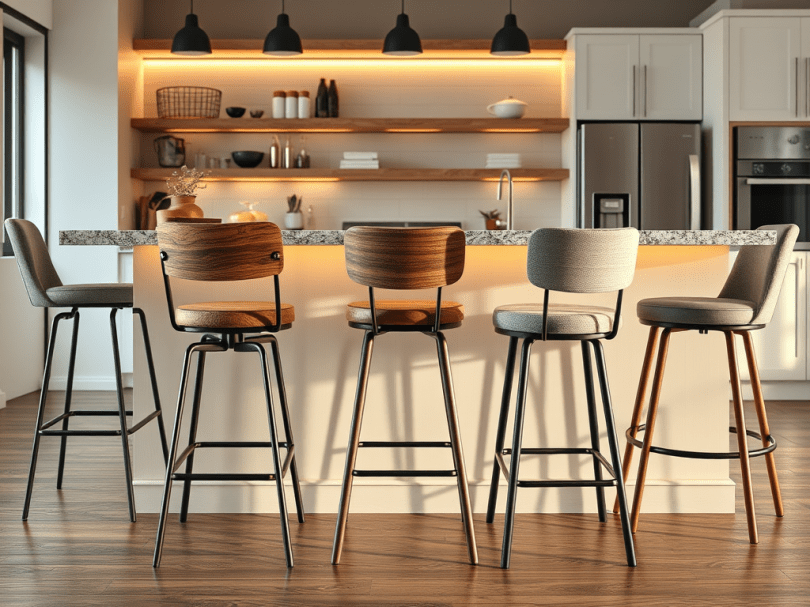
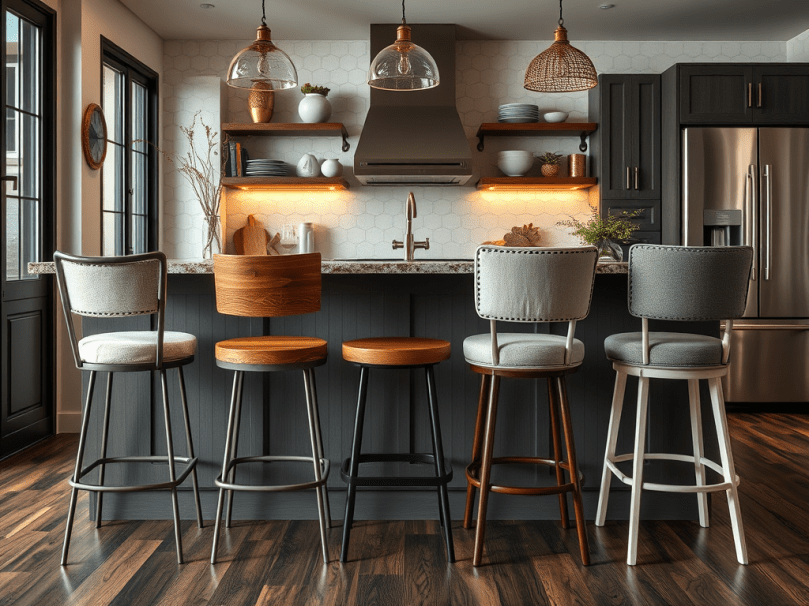
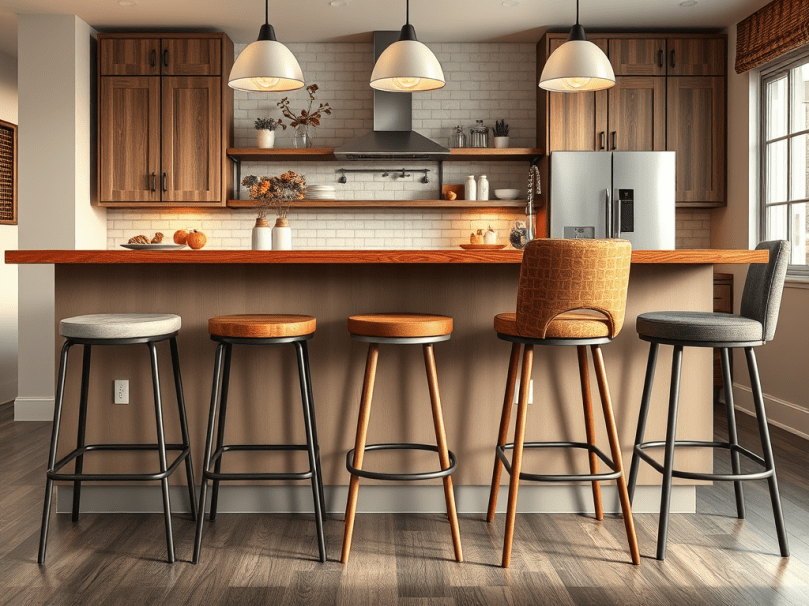
Whether you’re sipping your first cup of coffee, enjoying a weekend brunch, or helping with homework at the kitchen island, breakfast bar seating plays a bigger role than you might think. The right bar stools can completely transform your kitchen’s function and feel—turning it into a cozy hangout or a sleek design statement.

But with so many styles, heights, and materials out there, how do you find the right breakfast bar seating for your space?

Let’s break it down.


1. Know Your Counter Height

Before falling in love with a stool style, measure your counter. Most kitchen islands or breakfast bars fall into two categories:

  • Counter Height (34–36 inches high): Pair with stools that are 24–26 inches high.
  • Bar Height (40–42 inches high): Pair with stools that are 28–30 inches high.

Buying the wrong height can make sitting awkward or uncomfortable, so always measure before you shop.


2. Choose the Right Number of Stools

A general rule of thumb is to leave 24–30 inches of space between the centers of each stool. This ensures everyone has enough elbow room.

Quick guide:

  • 4–5 foot bar: 2 stools
  • 6–7 foot bar: 3 stools
  • 8+ foot bar: 4+ stools

Always consider how often you’ll be using the space and for what—casual meals, entertaining, or as a workspace?


3. Consider Style and Material

Breakfast bar seating should complement the style of your kitchen or dining space. Here are a few popular options:

  • Modern: Sleek metal or acrylic with minimalist lines
  • Rustic/Farmhouse: Wood with distressed finishes or cross-back designs
  • Industrial: Metal and reclaimed wood combinations
  • Transitional: Upholstered seats with wooden or metal legs for a soft, homey feel

Don’t forget about color—natural wood tones blend easily, while bold colors like black, navy, or even blush pink can make a statement.


4. Decide on Back or No Back

  • Backless stools: Great for small spaces—they tuck under the bar when not in use.
  • Stools with backs: Offer more comfort, especially for long meals or work sessions.

If your breakfast bar doubles as a workspace or gathering area, stools with backs (and even armrests) can make a big difference in comfort.


5. Swivel or Stationary?

Swivel stools make it easier to get in and out—especially helpful for families with kids or for entertaining guests. Just keep in mind that swivel seats often require a bit more space between stools.


6. Think About Footrests and Padding

Even the most stylish stool can fall flat without comfort. Look for:

  • Built-in footrests to support posture
  • Cushioned or upholstered seats for longer sitting sessions

Bonus: Some stools come with removable cushions or washable covers, which are perfect for homes with kids or pets.


7. Don’t Forget Durability

If your breakfast bar is part of a high-traffic area, look for materials that can handle spills, scuffs, and frequent use:

  • Metal: Wipes clean and resists scratches
  • Wood: Durable with timeless appeal (but may require more care)
  • Faux leather or performance fabric: Easy to clean and stylish

Final Thought: Make It Yours

Breakfast bar seating isn’t just functional—it’s also a way to express your personality. Don’t be afraid to mix and match, especially if you love an eclectic look. You might go for uniform stools in a bold color or combine different styles in the same finish for a curated vibe.


BONUS

Here are some top-rated breakfast bar stools to suit various styles and needs. Each selection includes a brief description and a direct link for easy shopping.


Top Breakfast Bar Stool Recommendations

1. Modern & Minimalist

2. Industrial Charm

3. Comfort & Swivel

4. Budget-Friendly Options

5. Natural & Textured


Discovering Life LLC
Helping you find comfort, style, and joy in every corner of your home.