
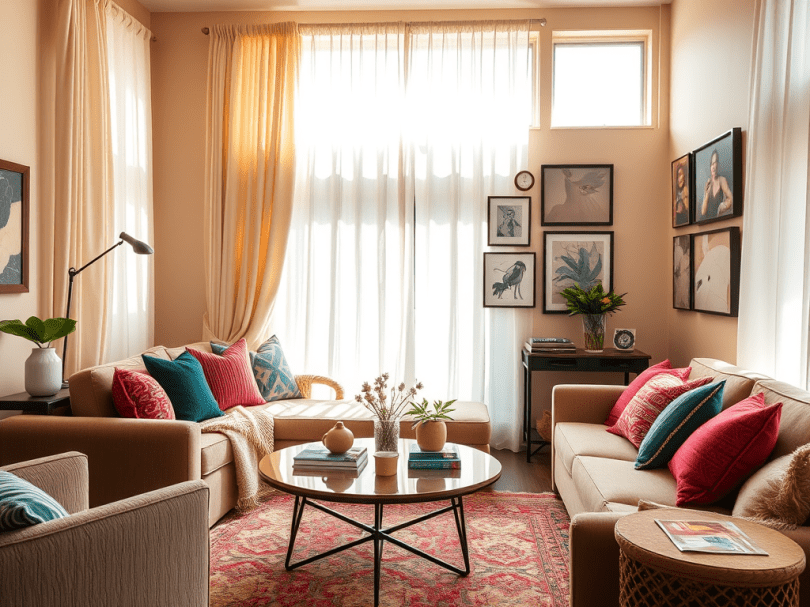
Loving Your Home: Personal Style Over Trends


Trust your style. It’s home for a reason.


When it comes to decorating your home, there’s no shortage of opinions. Experts say this, magazines say that, and Pinterest? Well, it’s a sea of trends that change by the hour. But here’s a truth we don’t hear enough: loving yourself means trusting your own voice—especially in your own home.
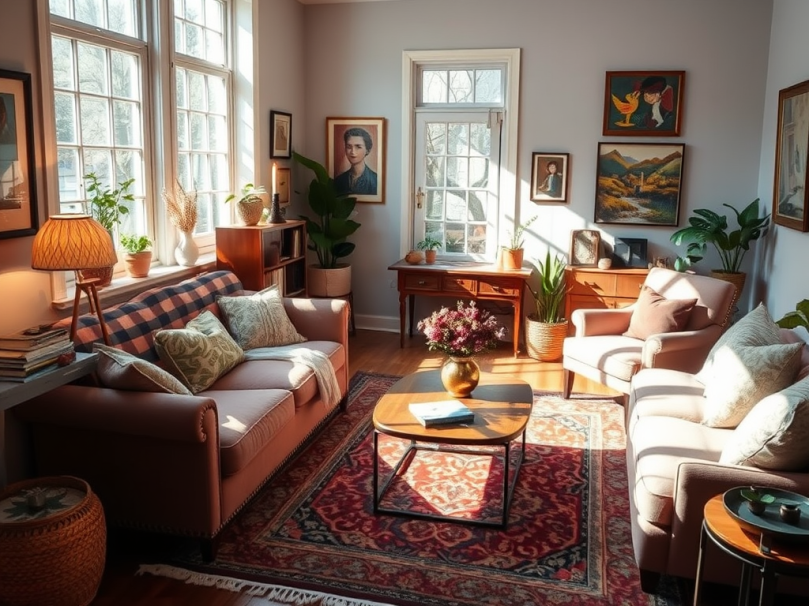
Your home is more than square footage and wall color. It’s your haven. Your safe space. Your story. And no expert, no trend forecast, and no social media post can tell your story quite like you can.

Why Loving Yourself Means Trusting Your Style

Loving yourself isn’t just about affirmations and bubble baths (although those help). It’s about honoring your preferences—without needing approval. That means if you love bold wallpaper and it makes you smile every time you walk past it, then that’s the right choice. If you find peace in neutral tones and simplicity, own it.

When you value your opinion over others, you give yourself permission to follow what feels good, not what looks good to everyone else.

Experts Are Guides—Not the Rule

Interior designers and stylists offer fantastic inspiration. But here’s the secret: even the experts draw from someone’s personal style. They help shape beautiful spaces, but you’re the one who lives there every day. So if an expert says white walls are the trend but you feel drawn to forest green, guess what? That’s your style whispering. Listen to it.

How to Be OK With Choosing Your Style

  • Recognize that trends come and go—your comfort lasts longer.
    Trends are fun to explore, but they shouldn’t override your comfort. What feels like “you” today may evolve, but it will always feel better than forcing a trend you don’t connect with.
  • Start small, grow confident.
    Not sure how to go all-in with your own style yet? Start with a single room or corner. Pick a rug, paint color, or throw pillow you love—no questions asked. You’ll start to build confidence in your own taste.
  • Celebrate what makes your home different.
    The gallery wall you curated, the quirky lamp you thrifted, or the neon sign that makes your friends say “that’s so you”—that’s what makes your home beautiful. Differences are not design flaws; they’re personality.
  • Stop seeking permission.
    It’s easy to get caught up in “Does this look right?” or “What will people think?” But the only question that really matters is: Do I love it? If yes, then you’ve already succeeded.
  • Create a space that gives you peace.
    When you walk through your front door, you should feel at ease. If that means mismatched furniture, bold art, or a wall of family photos that designers might call “too much,” then it’s just right.
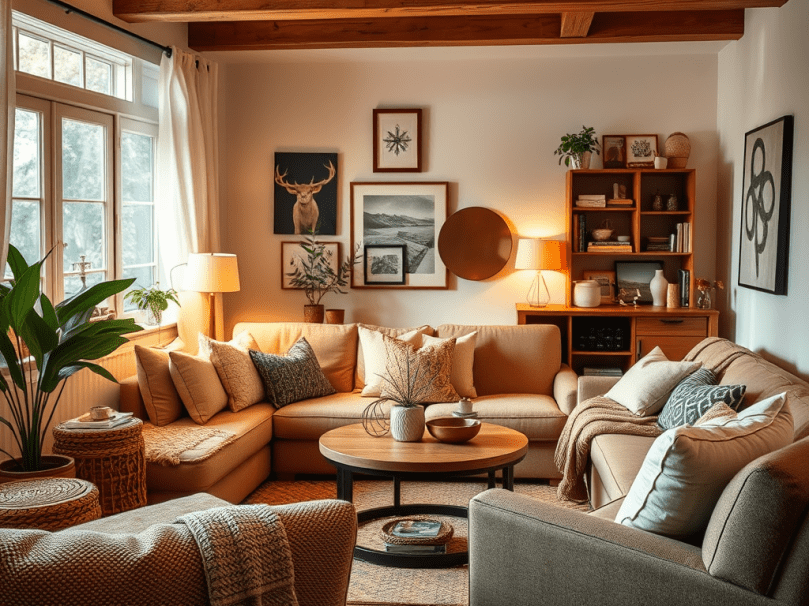
Final Thoughts: Love Yourself Loudly—Even in Your Decor

Loving yourself is about making space for who you truly are, and that includes your physical space. Your home doesn’t have to look like a showroom. It has to feel like you. When you choose your own style over someone else’s ideal, you’re not breaking the rules—you’re living in alignment.

So hang the art you love. Paint the wall that color. Buy the vintage chair that doesn’t “match” anything else.

You don’t need expert approval.

You already have the most important voice of all—yours.


How to Update Your Kitchen on a Very Small Budget


Big Style Changes with Small Spending

If your kitchen needs a refresh but your wallet says “maybe later,” don’t worry—there are plenty of ways to upgrade your kitchen on a tight budget. You don’t have to tear down walls or invest in custom cabinetry to give your space a fresh, new feel. With a few budget-friendly tools and a bit of creativity, you can transform your kitchen without overspending.

Here’s how to update your kitchen without breaking the bank, plus affordable product suggestions and where to find them.


1. Change Your Cabinet Hardware ($15–$40)

Why it works: Swapping out dated knobs and handles can instantly modernize your cabinets. It’s an easy DIY that makes a big visual difference.

Product suggestion:

  • Amazon Basics Cabinet Knobs and Pulls Set – ~$25 for a 20-pack
  • Available at: Amazon.com

Tips: Choose matte black for a modern look, brushed brass for warmth, or sleek chrome for a classic feel. Use a screwdriver or drill for quick installation.


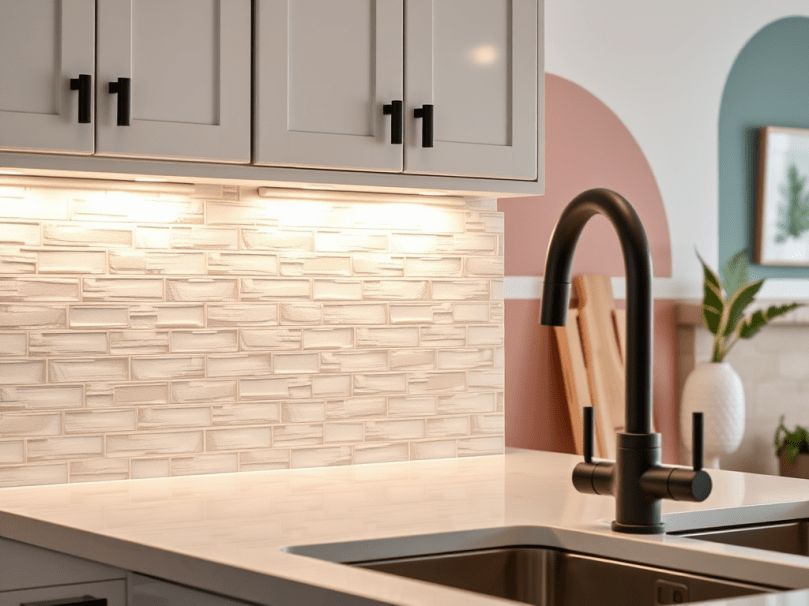
2. Peel-and-Stick Backsplash ($25–$50)

Why it works: A backsplash can change the entire tone of your kitchen, adding texture, color, and depth.

Product suggestion:

  • Art3d Peel and Stick Subway Tile – ~$35 per 10-sheet pack (covers ~8 sq. ft.)
  • Available at: Amazon, Home Depot

Tips: Stick to neutral or white tiles for a timeless look, or go bold with navy or metallics for a dramatic pop. Great for renters, too!


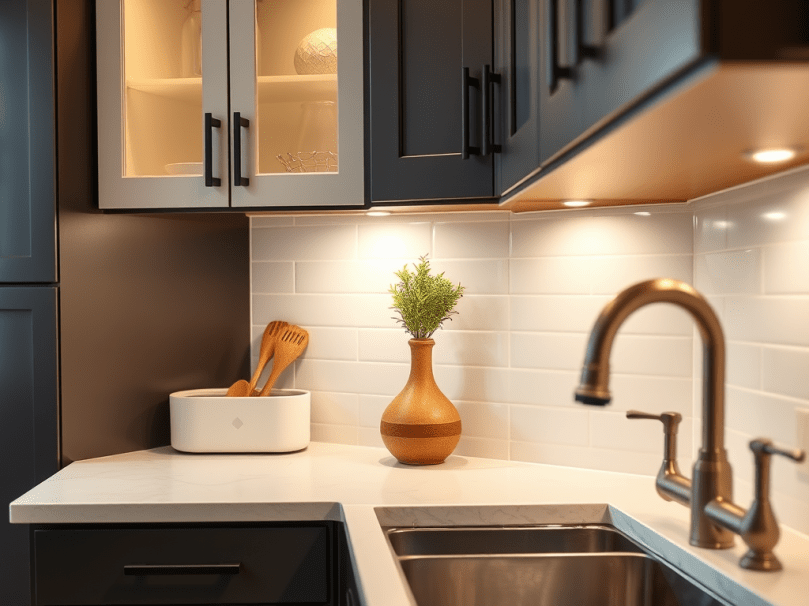
3. Add Under-Cabinet Lighting ($15–$30)

Why it works: Lighting can make a kitchen feel more modern and luxurious. Under-cabinet lights also add functionality.

Product suggestion:

  • Brilliant Evolution Wireless LED Puck Lights – ~$18 for a 6-pack with remote
  • Available at: Walmart, Amazon

Tips: Battery-operated options are easy to install. Use command strips or screws depending on how permanent you want the lights to be.


4. Paint Your Cabinets or Walls ($20–$50)

Why it works: A fresh coat of paint is one of the most cost-effective ways to transform a space. Even just painting your lower cabinets can give your kitchen a custom look.

Product suggestion:

  • Behr Cabinet & Trim Enamel Paint – ~$35 per gallon
  • Available at: Home Depot
  • Rust-Oleum Chalked Paint – ~$20 for a quart
  • Available at: Lowe’s

Tips: Clean surfaces thoroughly before painting. If you’re not painting cabinets, consider painting one accent wall for a bold, budget-friendly update.


5. Replace or Paint Your Faucet ($30–$60)

Why it works: Your faucet is a functional centerpiece. A new one can instantly elevate your sink area.

Product suggestion:

  • WEWE Single Handle Pull-out Kitchen Faucet – ~$55
  • Available at: Amazon
  • Rust-Oleum Spray Paint for Metal (for refinishing) – ~$8
  • Available at: Walmart, Home Depot

Tips: If buying a new faucet is out of budget, spray paint your existing one in matte black or oil-rubbed bronze for a dramatic update.


6. Use Contact Paper for Countertops ($15–$30)

Why it works: Faux marble or granite contact paper gives your countertops a luxury look for a fraction of the cost.

Product suggestion:

  • DC Fix Marble White Contact Paper – ~$15 for a large roll
  • Available at: Amazon, Walmart

Tips: Clean your counters well before applying. Use a squeegee to avoid bubbles. It’s waterproof and removable—perfect for a temporary or rental-friendly solution.


7. Add a Rug or Mat ($10–$25)

Why it works: A colorful or patterned runner adds warmth and can hide old or unattractive floors.

Product suggestion:

  • Ottomanson Kitchen Runner Rug – ~$20
  • Available at: Wayfair, Amazon

Tips: Choose a washable, non-slip rug for high-traffic areas. Try placing one in front of your sink or stove for extra comfort.


8. Organize and Display Open Shelving ($0–$20)

Why it works: Removing a cabinet door and organizing your shelves with matching jars or baskets can create a Pinterest-worthy look.

Product suggestion:

  • Clear Glass Canister Set with Bamboo Lids – ~$18
  • Available at: Target, Amazon

Tips: Use matching containers for a uniform look. Display colorful spices, dry goods, or mugs for personality.


Bonus Tip: Thrift or Facebook Marketplace for Decor

Look for second-hand finds like:

  • Framed prints for kitchen walls
  • Cute storage baskets
  • Mini plant pots or faux greenery
  • Vintage bar stools or side tables

Tip: Search by zip code and set alerts for items you want—great deals pop up often!


Final Thoughts

Updating your kitchen doesn’t have to cost thousands. With smart shopping and a few DIYs, you can turn your kitchen into a refreshed, functional, and stylish space—no renovation required. Start small, focus on key upgrades like lighting, hardware, and paint, and watch your kitchen transform.

Save this post or share it with someone planning a kitchen refresh!


Can You Mix Brands in Your Home Electronics? Let’s Talk About It


When it comes to filling your home with the best electronics, the choices can feel endless—and overwhelming. TVs, sound systems, kitchen appliances, smart home hubs, tablets, and more—it’s a lot to consider. One of the most common questions people ask when setting up their space is: “Should I stick to one brand for all my home electronics?”

If you’re a die-hard Samsung fan, for example, you might love their TVs, smartphones, or smart fridges. But maybe you’ve found that another brand—say, LG or Sony—does a better job with audio or smart home devices. So, is it okay to mix brands? Let’s explore that.


Mixing Electronics Brands: Yes, It’s Totally Fine

First things first: you absolutely can mix brands in your home electronics setup. In fact, it’s not only common—it’s often the smartest way to get the best performance across different categories.

While brands like Samsung, Apple, LG, and Sony all offer extensive product lines, no single brand dominates every category. You might love your Samsung TV, but prefer the deeper sound of a Sonos soundbar. Or maybe your kitchen feels complete with a Whirlpool fridge, but your laundry room thrives with GE appliances.


Why People Mix Brands at Home

1. Performance & Specialization
Some brands just do certain things better. For instance, Apple is widely praised for its ecosystem and user experience, but if you’re a gamer, an Xbox or PlayStation might be a better choice than Apple TV. Similarly, Samsung’s TVs are often considered best-in-class for vibrant colors and smart features, but Bose or Sony might have the edge in speaker performance.

2. Budget Considerations
Let’s be real—sticking to one brand for everything can get expensive. Mixing and matching gives you the flexibility to compare price points and features. You might find a great deal on a TCL TV that performs just as well as the Samsung model you were eyeing, or a KitchenAid mixer that’s worth every penny while you save on other appliances.

3. Aesthetic Flexibility
Different brands now offer sleek, modern designs that blend easily into your home. Mixing brands doesn’t mean your space has to look disjointed. In fact, with the right styling, your electronics and appliances can look cohesive even if the logos don’t match.

4. Functionality Across Platforms
Thanks to the rise of smart assistants like Alexa and Google Home, most modern devices are built to work across brands. As long as your devices are compatible with a common smart home ecosystem, they can still “talk” to each other—whether they’re from Samsung, Ring, Nest, or Philips Hue.


Are You Loyal to One Brand…But Still Open?

It’s okay to be brand-loyal and still make room for other names. Maybe you love the reliability and interface of Samsung products, but you’ve discovered that your Dyson vacuum outperforms your old Samsung stick vac. Or you’re a Google Pixel fan but love the Apple iPad for drawing and creative apps. That balance is what makes your home setup uniquely yours.


Final Thoughts: Go for What Works for You

At the end of the day, your home electronics should reflect your lifestyle—not a brand loyalty checklist. Function, performance, and value should take the lead. And guess what? Most homes are already full of mixed brands, whether we realize it or not.

So go ahead—pair your LG OLED TV with a Bose soundbar. Connect your iPhone to your Amazon Echo. Load your Samsung fridge with groceries ordered on your Dell laptop. The best home is one that works seamlessly for you—not just for the sake of branding.


What’s Your Electronics Style?
Are you someone who prefers to stay in one ecosystem, or do you mix it up based on what works best? Let me know in the comments or share your favorite brand pairings below!


How to Decorate Your Patio for Summer: Turn Your Outdoor Space Into a Functional & Beautiful Retreat


When summer arrives, there’s nothing better than enjoying warm mornings with coffee in hand or spending evenings under the stars right in your own backyard. Your patio can easily become your favorite “room” of the house—if it’s set up with both function and style in mind. Whether you have a large deck, a small balcony, or a cozy courtyard, there are countless ways to decorate your patio for summer that make it beautiful, welcoming, and practical.

1. Start with Comfortable Seating

Seating is the foundation of any great patio space. Think beyond plastic chairs—opt for comfortable outdoor sectionals, cushioned loveseats, hanging egg chairs, or even hammocks if your space allows. Look for weather-resistant materials like rattan, aluminum, teak, or powder-coated steel paired with cushions covered in fade-resistant fabric.

Tip: Use outdoor throw pillows to add pops of color or patterns that reflect the summer season.

2. Add Functional Surfaces

You’ll want surfaces to place drinks, books, snacks, or games. A simple outdoor coffee table, side tables, or even a weatherproof storage ottoman can be incredibly useful. If you’re into outdoor dining, a bistro table or full dining set makes your patio dinner-ready.

3. Incorporate Shade Solutions

As much as we love the sun, you’ll need some shade to stay cool. Consider a large umbrella, retractable awning, shade sail, or even a pergola draped with outdoor curtains or climbing plants. Shade not only adds comfort but also makes your space feel more enclosed and inviting.

4. Light it Up

When the sun sets, you can keep the ambiance going with the right lighting. String lights are a classic and affordable choice that adds instant charm. Solar-powered lanterns, LED candles, or even a statement outdoor chandelier under a pergola can elevate the mood.

Pro Tip: Use multiple light sources at different levels (string lights above, lanterns on tables, ground-level lighting) to create dimension and warmth.

5. Layer with Rugs

Yes, outdoor rugs are a thing—and they make a huge difference. A weather-resistant rug defines your space, adds color and texture, and ties your furniture pieces together. It also makes walking barefoot on the patio feel more inviting.

6. Go Green

Plants are a must for any outdoor space. Add potted herbs, hanging baskets, or large planters with vibrant flowers and greenery. You can create privacy and a lush look with tall plants like bamboo, grasses, or even small trees in containers.

7. Keep It Organized

Storage is key to keeping your patio functional. Look for multi-use pieces like benches with storage underneath or deck boxes to store pillows, throws, and garden tools. Keep clutter at bay so your space stays relaxing and ready to use.

8. Bring the Indoors Out

Don’t be afraid to decorate your patio like you would a living room. Use art made for outdoor spaces, decorative trays, cozy throws, and stylish accessories that reflect your personality and complement your indoor style.

9. Create Activity Zones

Have room for more? Create dedicated zones like:

  • A dining area for alfresco meals
  • A lounge corner for reading or relaxing
  • A fire pit area for cozy night gatherings
  • A kids’ nook with a play tent or sandbox

10. Consider a Focal Point

Every good design benefits from a focal point. On a patio, this could be a statement plant, a fire pit, a water feature, or even a bold piece of wall art. It gives the eye somewhere to land and makes the space feel more intentional.


Patio Decorating Essentials Checklist:

  • Outdoor seating with cushions
  • Weatherproof tables (coffee, side, or dining)
  • Shade (umbrella, pergola, or awning)
  • Outdoor lighting (string lights, lanterns)
  • Outdoor rug
  • Planters with flowers or herbs
  • Storage solution
  • Accessories (pillows, trays, throws)
  • Decor (art, water feature, fire pit)

Final Thoughts:
Decorating your patio for summer doesn’t require a full makeover—just a few thoughtful touches can transform it into the ultimate outdoor retreat. Think in layers: comfort, shade, lighting, and personality. Whether you’re lounging solo or hosting a backyard barbecue, a well-designed patio will make your summer shine.


Is It Conventional to Use Your Dining Room as a Multifunctional Space? Here’s How to Do It Beautifully


In many modern homes, space is a luxury. With open-concept layouts and smaller square footage becoming the norm, the traditional purpose of rooms is evolving—especially the dining room. Once reserved strictly for formal dinners and holiday gatherings, the dining room is being reimagined.

But is it conventional to use your dining room for more than dining? Absolutely. And if you’re not doing it yet, you might be missing out on valuable potential.

Why It Makes Sense to Rethink the Dining Room

In today’s busy households, every inch of space needs to pull its weight. With families working from home, kids needing homework stations, and creative hobbies or side hustles on the rise, multifunctionality isn’t just a trend—it’s a smart way to live.

Gone are the days when the dining room sat empty 90% of the time. Now, it’s all about creating a space that feels elegant enough for dinner yet practical enough for everyday life.

6 Smart Ways to Make Your Dining Room Multifunctional

1. Create a Dining Room-Office Hybrid
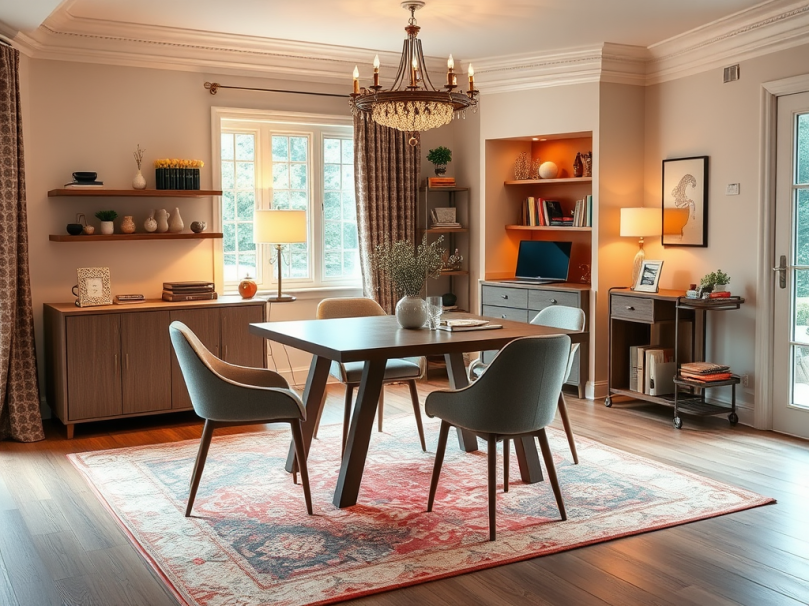
Add a sleek storage cabinet or console to hide away office supplies when not in use. Choose a dining table that doubles as a spacious desk, and use stylish organizers that blend into your decor. Bonus: You’ll never have to “clear the dining table” to take a Zoom call again.

2. Use Built-In or Modular Storage
Built-in shelves or modular bookcases can instantly transform your dining space into a mini library or display area. Use woven baskets, lidded bins, or labeled boxes to keep things organized. It’s functionality disguised as decor.

3. Add a Bar Cart or Coffee Station
If you have extra wall space, a bar cart or coffee station adds charm and utility. It turns your dining room into a morning coffee nook or evening entertainment zone—without taking up much room.

4. Make It a Homework or Craft Zone
Family dinners and creative sessions can coexist! Keep placemats or a protective tablecloth handy, and stash craft supplies in nearby drawers. Just like that, your dining room becomes a kid-friendly creativity station.

5. Choose Flexible Furniture
Go for extendable dining tables, foldable chairs, or benches with hidden storage. This gives you the flexibility to expand or minimize your setup depending on your needs for the day—dinner party or design project.

6. Use Lighting and Rugs to Zone the Space
Layer your lighting with a chandelier above the dining table and a floor lamp in the reading or working corner. A large area rug can define the dining zone, while another smaller one can set apart a reading nook or workspace. This visual separation helps the room feel intentional and organized.

Tips for Keeping It Stylish

  • Color Cohesion: Stick to a consistent color palette to make the room feel unified, no matter how it’s used.
  • Hide Clutter: Storage furniture with doors or curtains can help hide non-dining items when guests come over.
  • Keep It Flexible: Avoid overly permanent installations. The goal is adaptability!

Final Thoughts

So, is it conventional to use your dining room in multifunctional ways? Today, it’s not only conventional—it’s smart, stylish, and in some cases, essential. With a little creativity and thoughtful design, your dining room can be both the heart of family meals and the hub of daily life.