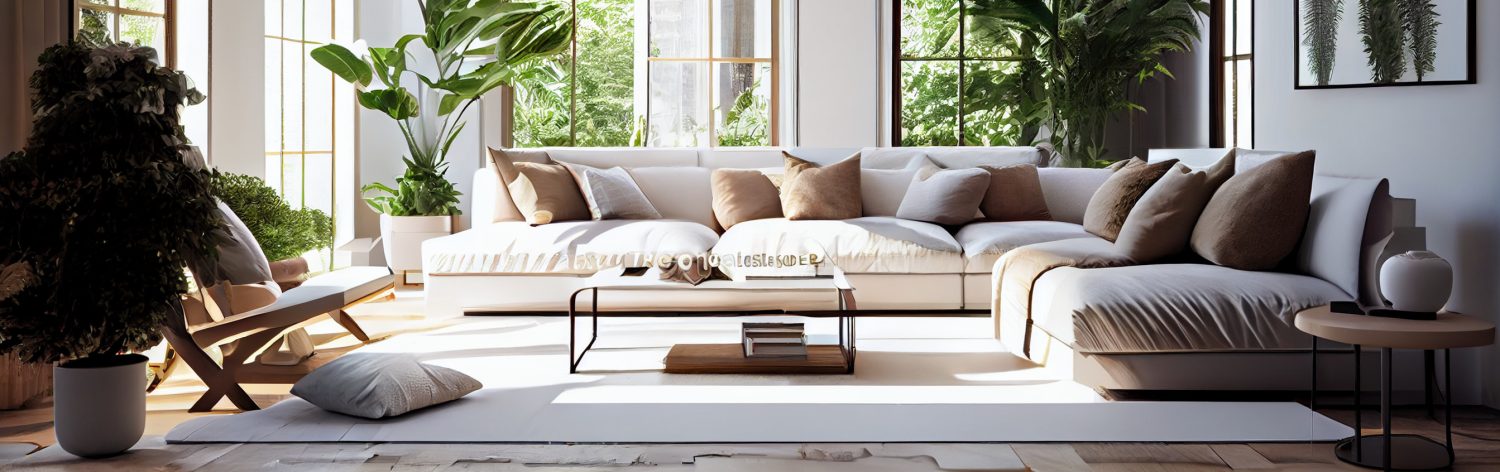

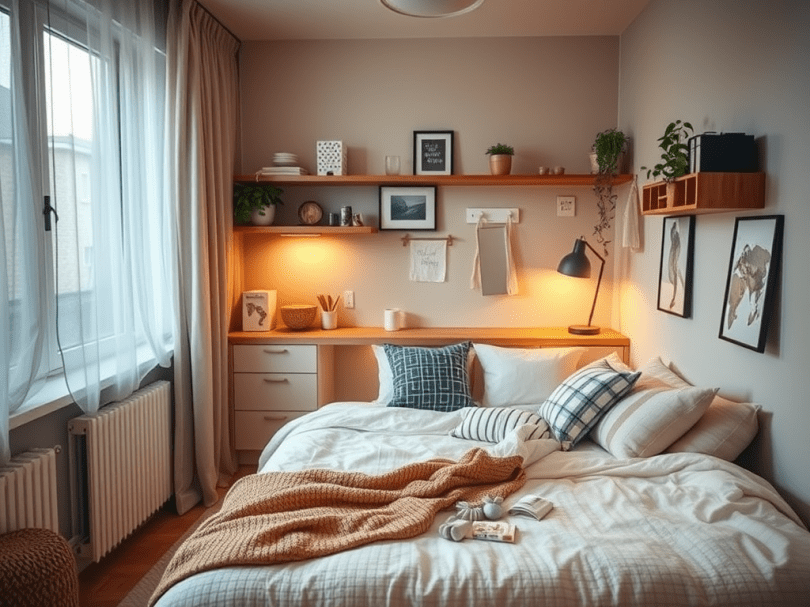
Moving On Your Own for the First Time: A Guide to Finding, Furnishing & Loving Your First Solo Space


Introduction:
There’s something thrilling about turning the key to your very own place for the first time. Whether it’s a cozy studio apartment or a charming one-bedroom, moving on your own is a major milestone. But with that independence comes responsibility—and lots of decisions. If you’re preparing to take this big leap, let’s walk through how to make the process easier, smarter, and a little more stylish too.
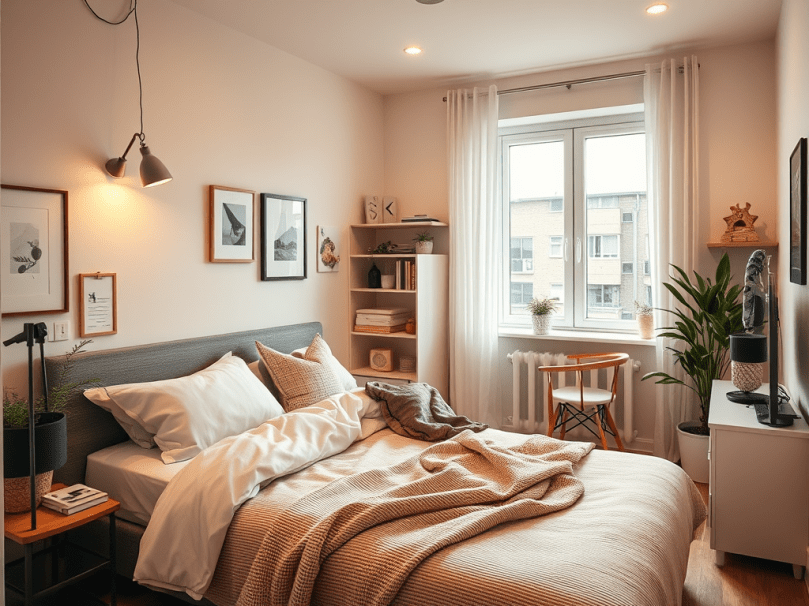

1. Finding the Right First Home or Apartment

Before you decorate or shop, the first step is finding the right place to call home. Here’s what to consider:

  • Budget First: Rule of thumb—your rent should be no more than 30% of your monthly income. Don’t forget to budget for utilities, internet, renters insurance, and a security deposit.
  • Location, Location: Is it close to work, school, or public transit? Are there grocery stores, gyms, or coffee shops nearby?
  • Safety & Reviews: Tour in daylight, check online reviews, and ask about security features (gated access, cameras, etc.).
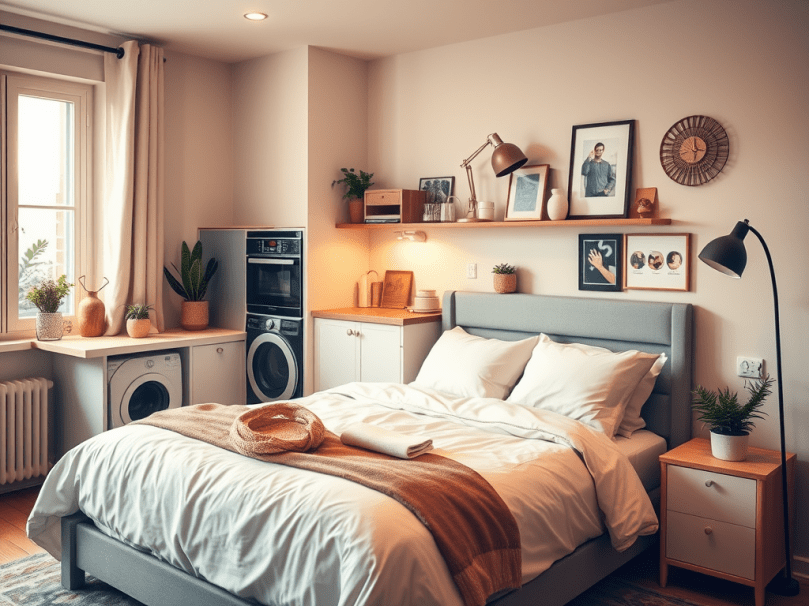
  • Amenities That Matter: Do you need laundry in-unit, pet-friendly rules, parking, or a dishwasher? Prioritize your must-haves.

Tip: Use apartment search apps like Zillow, Apartments.com, and Facebook Marketplace—but always tour in person or video chat to avoid scams.


2. Preparing for the Move

Getting ready for the move means more than just packing boxes.

  • Declutter First: Only bring what you love or need. Donate or sell what won’t fit your new lifestyle or space.
  • Make a Checklist: Include utilities setup, change of address, movers/truck rental, and moving day essentials.
  • Pack Smart: Label everything clearly and pack a “first night” box with your toothbrush, sheets, phone charger, and snacks.

Trick: Use colored tape or stickers for boxes by room to simplify unpacking.


3. What to Buy First (and What Can Wait)

Don’t feel like you need to furnish your whole place on Day One. Focus on the essentials:

Must-Have Basics:

  • Bed & mattress (sleep matters!)
  • Kitchenware (basic pots, pans, utensils, plates)
  • Shower curtain, towels, and bath mat
  • Trash cans & cleaning supplies
  • Couch or comfy chair (if budget allows)

Nice-to-Haves Later:

  • Coffee table or TV stand
  • Decor, lamps, and rugs
  • Wall art & mirrors
  • Dining set or bar stools

Where to Shop on a Budget:

  • IKEA for affordable furniture
  • Target for stylish essentials
  • Wayfair and Amazon for deals
  • Facebook Marketplace or OfferUp for second-hand treasures
  • TJ Maxx and HomeGoods for decor steals

4. Decorating Your Space With Personality

Your first solo place should reflect you—not just what’s trendy. Here’s how to infuse personality on a budget:

  • Pick a Style Vibe: Boho? Minimalist? Cozy neutral? Figure out your personal style and shop intentionally.
  • Start with One Room: Focus on your living room or bedroom, and build from there.
  • Use Wall Art & Textiles: Add throw pillows, curtains, and framed prints to warm things up.
  • Mix Old & New: Combine your old furniture with a few new key pieces for balance.
  • Green It Up: A couple of plants (real or faux) instantly bring life to any room.

Advice: Don’t rush to “finish” your space. Let it evolve with you.


5. Living Solo: Life in Your First Space

Finally, don’t forget to emotionally prepare for the transition. Living alone can be empowering—but also quiet and sometimes overwhelming.

  • Establish Routines: Set a cleaning schedule, meal plan, and morning habits that make your home feel grounded.
  • Stay Connected: Invite friends over, call family, or explore your neighborhood to feel less isolated.
  • Make It Feel Like Home: Play your favorite music, light a candle, cook a meal. The more memories you make, the more your space becomes yours.
Final Thoughts: You’ve Got This

Moving on your own for the first time is a major life chapter—full of excitement, discovery, and a whole lot of learning. Don’t worry if it’s not all picture-perfect. What matters is that it’s your space, your journey, and your chance to build a home that reflects your unique path.

So take a deep breath, grab your checklist, and step boldly into this next adventure. Your new space is waiting—and it’s going to be amazing.

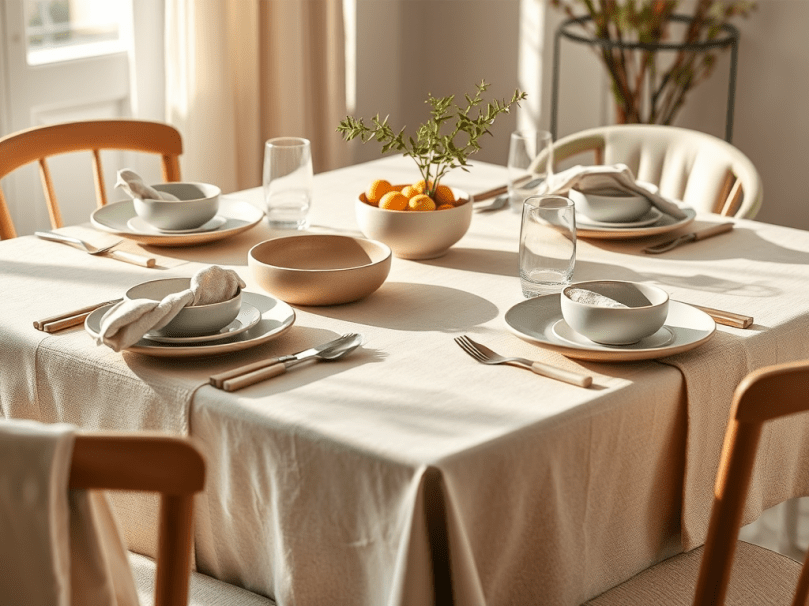
Is Setting the Table an Everyday Thing? How to Dress Your Table Casually for Daily Use


Setting the table isn’t just for holidays and special dinners anymore. In fact, creating a casually styled, everyday-ready table is one of the simplest ways to bring a sense of order, comfort, and beauty into your home. Whether you’re eating solo, feeding a busy family, or working from your kitchen table, a dressed table can make your daily routine feel more intentional—and even more enjoyable.

So, is setting your table an everyday thing? It absolutely can be! But it doesn’t have to mean fine china and polished silverware. With a few simple touches, your table can look inviting and stay functional every day of the week.


Why Set the Table Daily?

Think of it as part of your home’s rhythm—just like making your bed or lighting a candle in the evening. A clean and styled table can:

  • Create a visual anchor for your dining area
  • Encourage sit-down meals and conversation
  • Reduce clutter and discourage it from becoming a drop zone
  • Add a personal, cozy element to your kitchen or dining room

It’s not about perfection. It’s about creating a little beauty in the everyday.


How to Dress Your Table in a Casual Way for Daily Use

You don’t need layers of chargers and crystal glasses to make your table shine. A casual setup should be easy to maintain and quick to reset after each use. Here’s how to keep it simple and stylish:

1. Use a Neutral Base

Start with a table runner, placemats, or a washable tablecloth in a neutral tone. Linen or cotton options work well and are easy to clean. These add texture and set a cozy foundation.

2. Keep It Minimal

Stick to everyday dishes, flatware, and glasses. A set of stoneware plates, basic cutlery, and short tumblers can look beautifully styled when presented with care.

3. Add a Centerpiece (That You Can Leave Out)

Try a low-maintenance centerpiece like a small plant, a bowl of fruit, a simple tray with a candle, or even a stack of cookbooks. Keep it compact enough that it doesn’t interfere with meals.

4. Incorporate Soft Textiles

Cloth napkins in a solid color or subtle pattern add a soft, elevated touch to everyday meals. Keep a small basket of them nearby for easy swaps between washes.

5. Mix in Personality

Add something that reflects your style—like rustic salt and pepper shakers, hand-thrown pottery, or vintage glassware. Small details like these make your table feel personal and warm.


What Should Always Be on Your Table?

While your setup can rotate with seasons or moods, there are a few basics that help keep your table ready to go:

  • A centerpiece (plant, flowers, tray, or candle)
  • Napkins or napkin holder
  • Salt and pepper set or seasoning staples
  • Coasters or placemats
  • A table runner or cloth for easy cleanup

Bonus: Keep a small basket or drawer near the table with extra essentials like extra napkins, wet wipes, or kids’ silverware to make resets a breeze.


Final Thoughts

Setting your table daily doesn’t need to be a chore—it can be a mindful, joyful practice. By creating a casual yet cohesive setup, you’re turning your everyday meals into moments of comfort and connection. Whether you’re starting your morning with coffee or sitting down for a weeknight dinner, a thoughtfully dressed table makes it feel just a little more special.


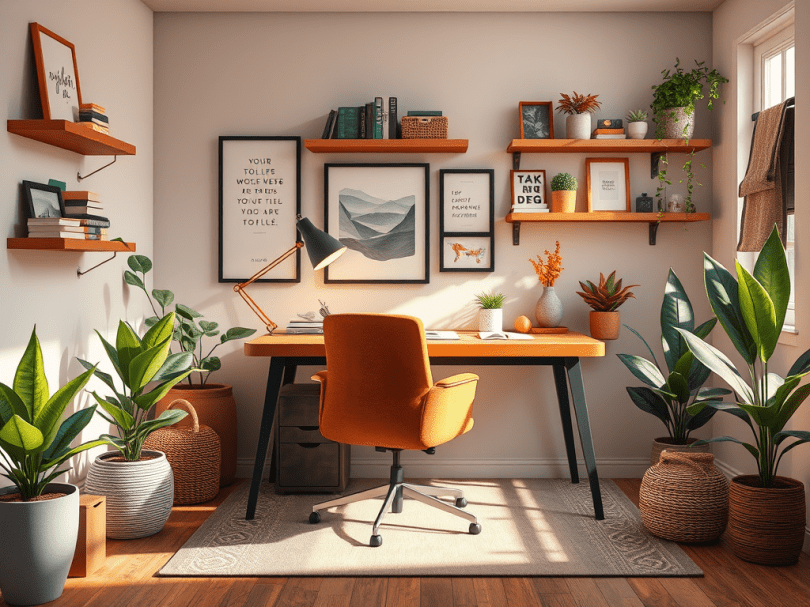
How to Style Your Home Office for Function and Inspiration


Working from home is no longer a luxury—it’s a lifestyle. Whether you’re running your own business, clocking in remotely, or managing your side hustle, a well-designed home office can make all the difference. It’s not just about function; it’s about creating a space that motivates, energizes, and feels uniquely yours.

Here’s how to style your home office so it’s not only productive but also a place you love to spend time in.


1. Start with the Right Desk and Chair

Your desk is the centerpiece of your home office. Choose one that fits your workflow. Do you need space for dual monitors? Do you prefer drawers for extra storage or a minimalist surface?

Pair it with an ergonomic chair that supports long hours of work without compromising on style. Look for upholstered office chairs in colors or textures that blend with your home’s overall aesthetic.

My Experience: When I styled my first home office, I made the mistake of choosing a desk based solely on looks. It was beautiful—white with gold accents—but had no storage and barely enough space for my laptop and planner. I quickly realized that style and function had to go hand in hand. I swapped it for a sleek wooden desk with two drawers, and it completely changed how I worked.


2. Use Color to Set the Tone

Color has a psychological impact. Soft neutrals can calm your mind, while bold hues like navy, emerald, or even burnt orange can spark creativity.

You don’t need to repaint the walls—introduce color with accessories, art, or even a feature wall with peel-and-stick wallpaper.


3. Incorporate Storage That Works

Clutter is the enemy of productivity. Style your space with functional and attractive storage solutions. Floating shelves, bookcases, filing cabinets with modern finishes, or woven baskets can keep things organized while adding personality.

Think vertically if you’re short on space. A tall bookshelf or wall-mounted storage system can double as decor.

My Tip: I added a rattan storage basket under my desk for cords and supplies. It keeps things hidden but easy to grab when needed.


4. Personalize with Art and Decor

Bring your personality into the space with wall art, motivational prints, plants, or meaningful objects. A stylish corkboard or wire grid panel can hold inspiring quotes, to-do lists, or family photos.

Adding greenery with potted plants or a small indoor tree adds life and improves air quality.

What I Did: I framed a quote that says “Progress, not perfection” and hung it above my monitor. It reminds me to keep moving forward, even on tough days.


5. Focus on Lighting

Good lighting is essential, especially if your home office doesn’t get much natural light. Invest in a stylish desk lamp and consider layering light with a floor lamp or wall sconce.

Choose warm, white bulbs to avoid a harsh or sterile vibe. Natural light is a bonus, so position your desk near a window if possible.


6. Define the Space

If your home office shares a room with another area—like your living room or bedroom—define it with a rug or divider. This helps your brain shift into “work mode” and can make the space feel more intentional.

Choose a rug that complements your color scheme and adds texture or softness underfoot.

In My Space: My office corner sits in the corner of my dining room. I placed a low bookshelf behind the desk and added a cream and black area rug beneath my chair to define the space.


7. Keep Tech Stylish and Tidy

Your computer, printer, and cords don’t have to disrupt your vibe. Choose accessories in colors that match your office decor, and use cord management tools or cable boxes to keep wires hidden.

Invest in a charging station or tech organizer to reduce clutter.


8. Add a Touch of Comfort

A cozy throw blanket on your chair, a scented candle on your shelf, or a soft footrest under your desk can make your home office feel like a true extension of your home—comfortable yet professional.


Final Thoughts

Your home office should reflect your personality and support your goals. When you style it with intention—balancing function and inspiration—you create a space where you want to be productive. Start with the essentials, layer in style, and don’t forget to add a few personal touches.


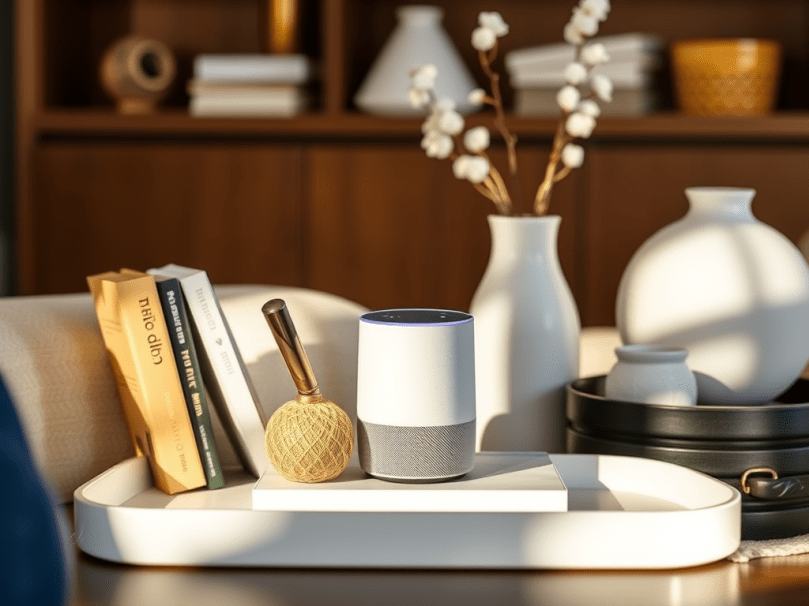
How to Style Your Space Around a Smart Speaker or Hub


Smart speakers and hubs like the Amazon Echo, Google Nest Hub, or Apple HomePod have become essential parts of our homes—but let’s be honest, they’re not always the most stylish pieces of tech. The good news? You can style your space around your smart speaker or hub without sacrificing design. In fact, with a little creativity, these smart devices can become part of your home’s aesthetic.

Here’s how to make it work:


1. Choose a Spot with Purpose

Start by selecting a spot that makes sense functionally—somewhere the speaker can hear you clearly and interact with your smart devices. Ideal locations include:

  • Kitchen counters (for recipes, timers, and music)
  • Living room consoles (for routines and ambiance)
  • Bedroom nightstands (for alarms, sleep sounds, and routines)

But don’t just plop it anywhere. Choose a space where it feels intentional.


2. Blend It Into a Vignette

Treat your smart speaker like you would any other decor item. Place it in a styled vignette with items like:

  • A stack of small books
  • A ceramic vase or potted plant
  • A decorative tray to ground the group

This makes the device look like part of the design, not just a tech gadget hanging out on your shelf.


3. Work With Its Color and Shape

Smart devices often come in neutral tones like black, white, or gray. Use that to your advantage:

  • Pair a black device with darker woods or matte black hardware
  • Coordinate a white or light gray speaker with minimalist or Scandinavian-style decor
  • Echo the round shape with circular mirrors, coasters, or bowls nearby

It’s about complementing, not hiding.


4. Incorporate Tech-Friendly Furniture

If you want your smart hub to blend in even more, consider furniture made to handle tech:

  • Media consoles with built-in cord management
  • Side tables with charging stations or wireless pads
  • Floating shelves that keep cables out of sight

Smart devices don’t have to mean messy cords or cluttered surfaces.


5. Create a Command Zone

If you’re using a smart hub as the brains of your smart home, create a small “command center” that looks intentional and chic:

  • Mount it on the wall near the entryway
  • Add a decorative cork board, mail organizer, or calendar nearby
  • Pair it with a small plant or framed art for balance

This works especially well if you use the hub for checking the weather, managing routines, or communicating with other rooms.


6. Don’t Overcrowd It

Smart speakers need a little breathing room to function properly—especially for microphones and touchscreens. Avoid cluttering too close around it. Instead, give it 4–6 inches of open space around the top and sides.

Think minimal, not messy.


7. Make It Match the Mood

Some hubs and smart speakers offer customizable display options or colored lights. Use this feature to match the vibe of your room:

  • Soft glows for a cozy living room
  • Bright, clean visuals for a sleek kitchen
  • Warm night-mode hues for a bedroom

It’s a small touch, but it can really enhance the look and feel of your space.


Final Thoughts

Your smart speaker doesn’t have to be an eyesore. With a few intentional styling choices, you can make it part of your home’s personality. Whether you tuck it into a cozy corner or feature it proudly on a console, the key is to treat it like a decor item—not just a tech tool.

So go ahead—embrace the smart life and your sense of style.


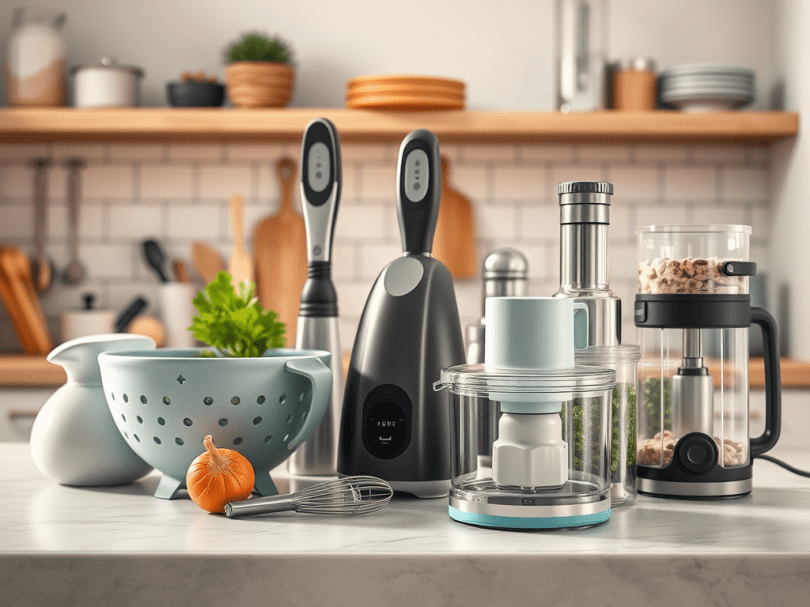
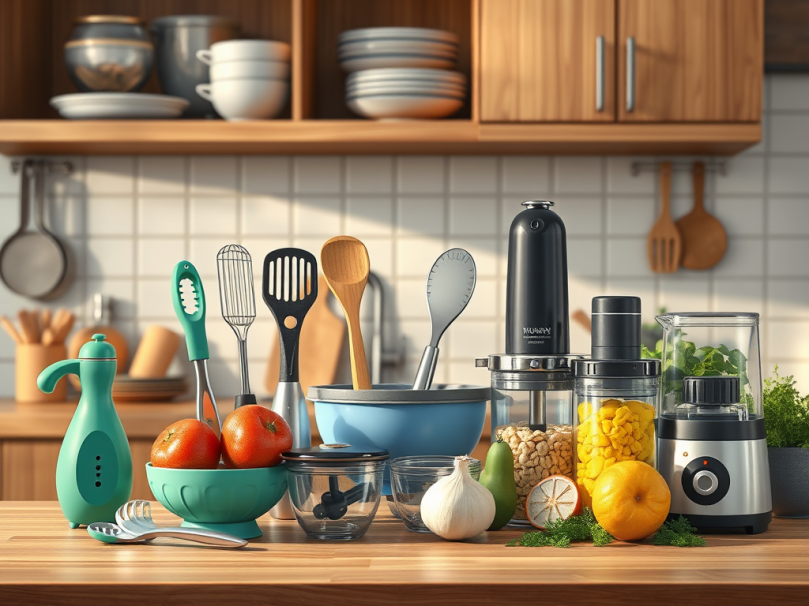
10 Affordable Kitchen Gadgets That Actually Work – and Where to Find Them


Let’s face it—some kitchen gadgets look cool online but end up collecting dust in the back of a drawer. That’s why we’re cutting through the hype and sharing 10 affordable kitchen gadgets that not only sound useful, but actually are. Whether you’re meal prepping, cooking for a family, or just want to make your life easier, these gadgets are worth every penny—and we’ll show you exactly where to get them.


1. Snap N Strain Clip-On Silicone Colander

Why it works: Clips directly to your pot or pan so you can strain pasta, veggies, or boiled potatoes without using a separate colander. It’s dishwasher-safe and fits most round pots.

Price: Around $10
Find it at: Amazon, Walmart


2. Stainless Steel Garlic Rocker

Why it works: Instead of smashing with a knife or using a clunky press, this handheld garlic rocker crushes cloves with minimal effort and easy cleanup.

Price: Around $8
Find it at: Amazon, Target


3. Mini Electric Food Chopper

Why it works: This rechargeable mini chopper saves tons of prep time—perfect for garlic, onions, or small veggie portions without dragging out the big food processor.

Price: Around $15–$20
Find it at: Amazon, Shein Home


4. Multifunctional Vegetable Slicer & Spiralizer

Why it works: Chop, slice, julienne, and spiralize with one compact tool. It’s a favorite for salad lovers and veggie-based meal prep.

Price: Around $20
Find it at: Walmart, Bed Bath & Beyond


5. Butter Cutter Dispenser

Why it works: This quirky but genius tool slices perfectly sized pats of butter without mess or waste. It’s ideal for baking and toast lovers.

Price: Around $10
Find it at: Amazon, AliExpress


6. Adjustable Measuring Spoon

Why it works: Instead of juggling five spoons, this all-in-one gadget slides to your chosen measurement for dry or liquid ingredients.

Price: Around $6
Find it at: Target, Dollar Tree+


7. Silicone Stretch Lids (Set of 6)

Why it works: Replaces plastic wrap with eco-friendly stretchable lids that fit bowls, cups, or even cut fruit. Airtight and reusable.

Price: Around $9–$12
Find it at: Amazon, HomeGoods


8. Automatic Pan Stirrer with Timer

Why it works: Cooking sauces or custards? This hands-free stirrer automatically stirs while you multitask elsewhere in the kitchen.

Price: Around $25
Find it at: Uncommon Goods, Amazon


9. Taco Stand Holders (Set of 4)

Why it works: Keeps your tacos upright for easy filling—and less mess. Bonus: oven-safe and dishwasher-friendly.

Price: Around $10–$15
Find it at: Walmart, Amazon


10. Oil Spray Bottle (for Olive or Cooking Oil)

Why it works: Say goodbye to store-bought aerosol sprays. This refillable sprayer gives you a fine mist of oil for air frying, baking, or pan cooking.

Price: Around $12
Find it at: Amazon, TJ Maxx


Final Thoughts

You don’t have to spend a fortune to outfit your kitchen with useful tools. These budget-friendly gadgets actually deliver, making your everyday cooking faster, easier, and a little more fun. Whether you’re meal-prepping for the week or just trying to avoid extra dishes, each item on this list has been tested and loved by home cooks just like you.

Bonus Tip: Most of these gadgets also make perfect gifts for new homeowners, college students, or anyone trying to level up their cooking game without breaking the bank.