
Gray is one of the most versatile and timeless colors in interior design. From cool steel tones to warm greiges, gray can serve as a foundation or an accent, bringing balance, sophistication, and calm to any space. But how many shades of gray are there? And how can you make the most of them in your home?
Let’s explore the world of gray—how to use it, what colors go best with it, and clever design tricks to make gray anything but boring.
How Many Shades of Gray Are There?
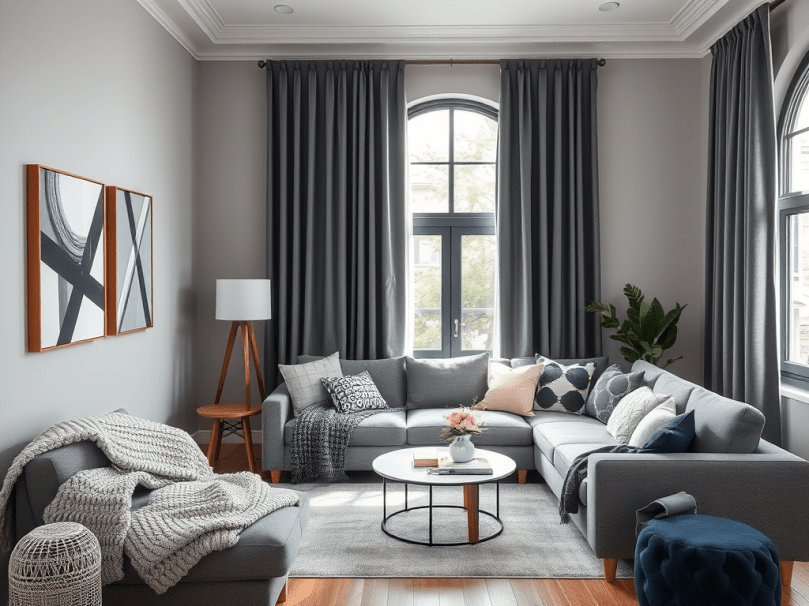
While it might seem like there are just a few grays, the truth is that there are hundreds of shades, each with its own undertone and mood. Paint companies like Benjamin Moore, Sherwin-Williams, and Behr offer dozens of unique grays, ranging from:
- Cool Grays – With blue or green undertones, these feel crisp and clean.
- Warm Grays – Also called “greige” (gray + beige), these have hints of brown or taupe for a cozy vibe.
- True Grays – Perfectly balanced without strong warm or cool tones.
- Charcoal Grays – Deep, dramatic, and moody.
- Pale Grays – Light and airy, ideal for small or dark rooms.
Why Gray Works in Any Space
Gray is a neutral, meaning it can ground a room without overwhelming it. It also allows other colors, patterns, and textures to shine. Whether you’re decorating a minimalist modern home or a farmhouse-inspired space, gray adapts and enhances.
Colors That Compliment Gray—and Why They Work
- White – Creates a fresh, crisp look. Great for trim, furniture, or layering with different shades of gray.
- Blush Pink – Adds warmth and softness to cool grays.
- Navy Blue – Deep and rich, navy pairs well with light grays for a timeless contrast.
- Mustard Yellow – Brings energy and a pop of color to charcoal or true gray backdrops.
- Forest Green – Works beautifully with gray for a grounded, natural vibe.
- Black – For a monochromatic and dramatic design statement.
These pairings work because gray acts as a chameleon, either cooling or warming up depending on what it’s paired with. It allows bolder hues to stand out and softer ones to blend seamlessly.
Tips and Tricks for Decorating with Gray
- Layer Your Grays
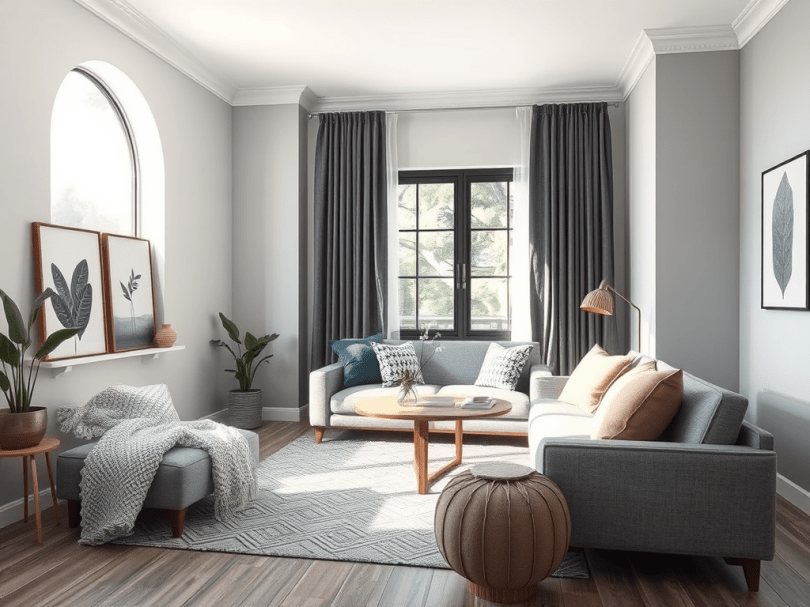
Mix different shades of gray in one room—light gray walls, a medium gray sofa, and dark gray curtains—to create depth and interest. - Use Texture to Add Warmth
Gray can feel cold if overused. Add texture with knits, wovens, wood, or metallic accents to keep the space inviting. - Gray as a Canvas
Use gray walls or furniture as a neutral canvas to rotate seasonal accents like pillows, throws, or wall art. - Go Bold in Small Spaces
Charcoal gray or slate can create a cozy, dramatic vibe in powder rooms, bedrooms, or even a hallway. - Balance with Natural Light
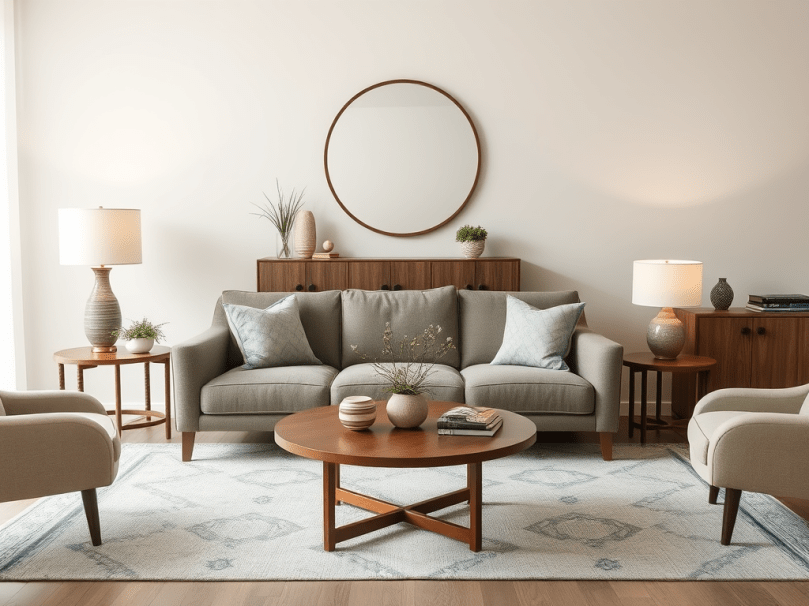
Cooler grays work well in sun-drenched rooms, while warmer grays are ideal for spaces with less natural light. - Pair Gray with Wood Tones
Gray and natural wood are a match made in design heaven. Whether it’s reclaimed barn wood, oak, or walnut, the earthy tones soften gray’s coolness.
Room-by-Room Gray Inspiration
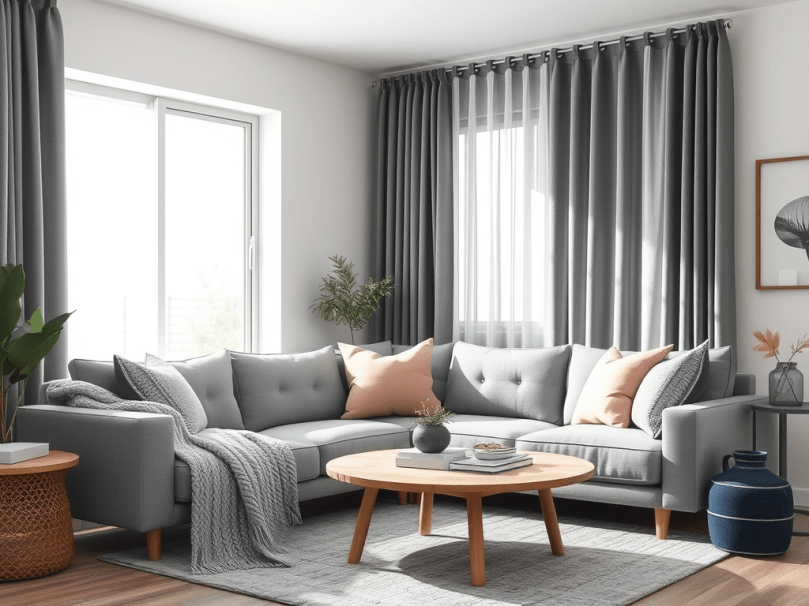
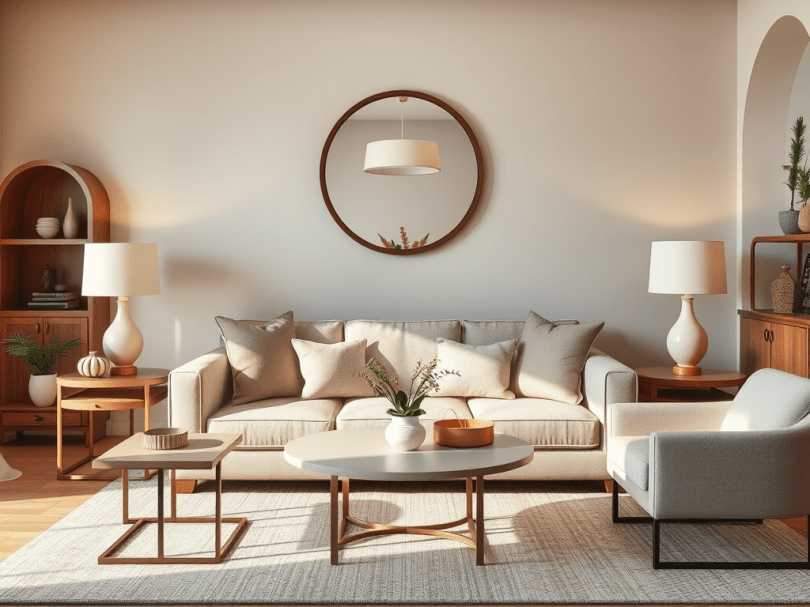
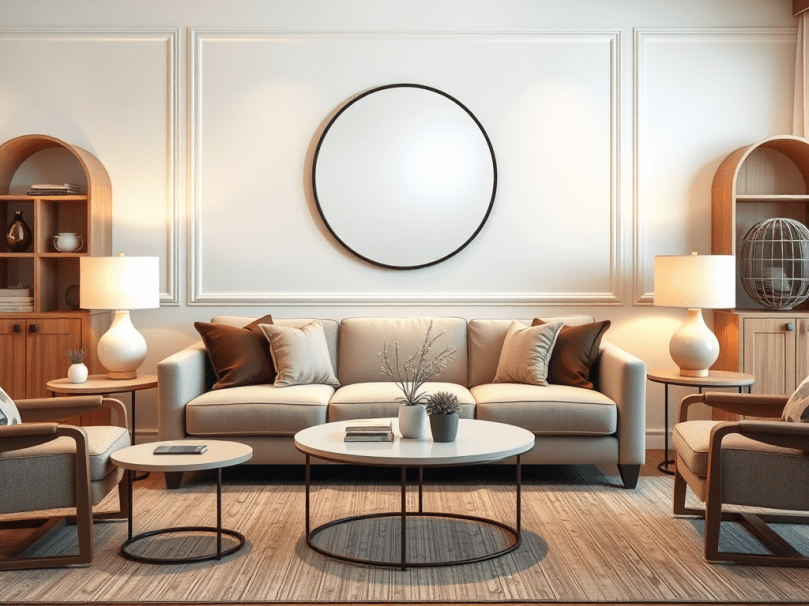
- Living Room: A pale gray sectional with mustard and navy accents.
- Bedroom: Greige walls with soft pink bedding and gold hardware.
- Bathroom: Charcoal gray tiles with white fixtures and wood shelves.
- Kitchen: Gray cabinets with white countertops and brass hardware.
- Office: Mid-tone gray walls with black furniture and green plants for a sleek, focused feel.
Final Thoughts
Gray isn’t just one color—it’s a whole palette. Whether you love soft, airy tones or bold, moody statements, there’s a shade of gray that fits your style. With the right combinations and a few design tricks, gray can be anything but dull.
Let it be the neutral backbone of your home or the bold statement piece—it all depends on how you use it.







 Discoveringlifellc