
Cool Kitchen Gadgets That Are Totally Worth It (and Look Great on the Counter)


When it comes to kitchen gadgets, we all want that perfect combo: useful enough to actually use daily and stylish enough to leave out on the counter without messing up the vibe. If you’re anything like me, your kitchen isn’t just a place for cooking—it’s a mood. And every item in it should match that mood!

Whether you’re a home chef, a takeout queen, or somewhere in between, these cool kitchen gadgets are totally worth it—and they just so happen to look amazing, too.


1. A Sleek Touchscreen Toaster

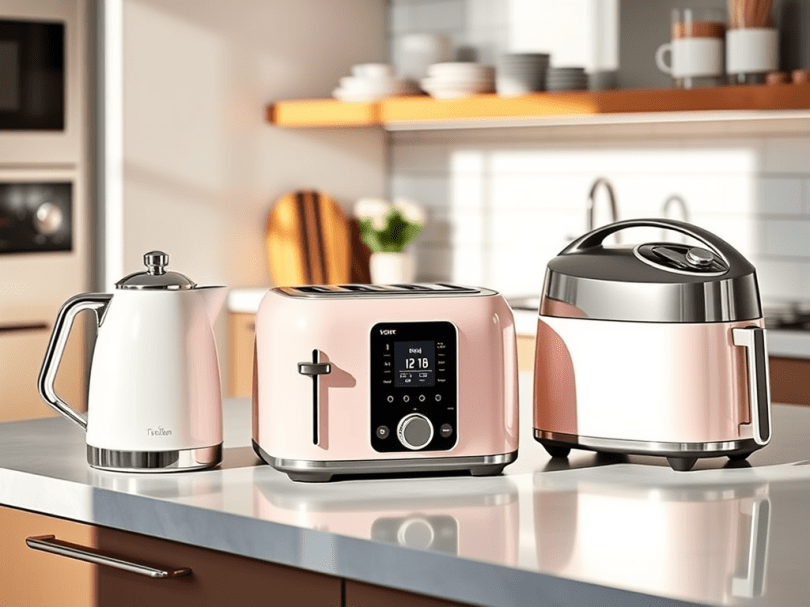
Yes, you read that right. Smart toasters are real—and the latest ones come with touchscreen interfaces, customizable browning settings, and a sleek design that gives retro vibes with modern flair. Think of it as the iPhone of toasters.

Style Tip: Choose one in matte black, stainless steel, or soft white to match nearly any kitchen theme.


2. Modern Electric Kettle with Temperature Control

Whether you’re into tea, pour-over coffee, or instant oatmeal mornings, an electric kettle is a must. The ones with gooseneck spouts, LED displays, and temperature presets not only brew like a dream—they also sit pretty on the counter.

Bonus: Some even come in beautiful pastel tones or copper finishes that double as decor.


3. Compact Air Fryer That Doesn’t Scream ‘Appliance’

Air fryers are here to stay, and now you can find them in countertop-friendly sizes with a minimalist design. Brands like COSORI and Instant have come out with options that match neutral decor and don’t take up the whole counter.

Why It’s Worth It: Fast, crispy meals—without sacrificing your kitchen aesthetic.


4. Mini Food Processor That Actually Looks Cute

Big food processors can be intimidating. Enter: the 3-cup mini processor. It’s perfect for small-batch salsa, pesto, or chopping veggies in a flash. And now? They come in soft shades like sage green, blush pink, or icy blue.

Style Tip: Stack it next to your cutting board with a tiny herb plant for that “kitchen goals” look.


5. Chic Digital Scale for Everyday Cooking

A digital kitchen scale might not sound exciting, but hear me out—it’s super useful for baking, portioning, and even prepping meals ahead. And today’s options are slim, sleek, and easy to tuck beside your utensil crock.

Look for: Tempered glass tops, touch controls, and neutral tones like gray or rose gold.


6. Countertop Nugget Ice Maker

If you love that soft, crunchy “Sonic ice,” this one’s for you. Nugget ice makers have become all the rage, and brands like GE have made compact models that are cute enough to leave out all the time.

Perfect for: Iced coffee lovers, mocktail mixers, and anyone who wants to impress guests.


7. Stylish Pasta Maker or Stand Mixer

Even if you don’t make pasta or dough every day, a stand mixer can be the centerpiece of your counter—especially if it’s in a gorgeous hue. KitchenAid is the classic, but there are other brands offering fun colors and finishes.

Go bold: Try butter yellow, pistachio, or deep red for a pop of personality.


Final Thoughts: Let Function Meet Fabulous

Your kitchen doesn’t have to be boring to be functional. Every item you bring into the space should make your life easier and make your kitchen feel like you. These gadgets earn their spot on the counter by delivering performance and style—because in this house, we don’t compromise.

Wall Clocks: Functional Timekeepers or Just Pretty Wall Decor?


In a world where we check the time on everything from our smartphones to smartwatches and even our microwaves, the humble wall clock seems like a relic of the past—or is it? Many homes still feature wall clocks prominently, and they continue to pop up in stylish home decor spreads. But this raises the question: are wall clocks still functional tools in today’s tech-driven world, or are they simply beautiful wall decor pieces used to complete a room?

Let’s explore both the practicality and the aesthetic appeal of wall clocks—and help you decide whether you need one in your home.


The Functional Side of Wall Clocks

Despite the rise of digital devices, wall clocks haven’t lost their functionality entirely. In fact, they can be incredibly practical, especially in specific areas of the home.

Here’s why wall clocks still work as time-telling tools:

  • Easy Visibility: Unlike a phone you need to pick up or a watch you need to twist your wrist to see, wall clocks provide time at a glance, especially useful in spaces like kitchens, offices, or classrooms.
  • Power Outage Friendly: Battery-operated wall clocks keep ticking even when the power goes out, unlike microwave or stove clocks that reset.
  • Time Management Support: A large, visible clock in a workspace or playroom can help keep people (including kids!) on schedule without needing a distracting device.
  • Tech-Free Time Checking: Glancing at a clock means you won’t accidentally open TikTok or Instagram when you just meant to see what time it is.

The Decorative Appeal of Wall Clocks

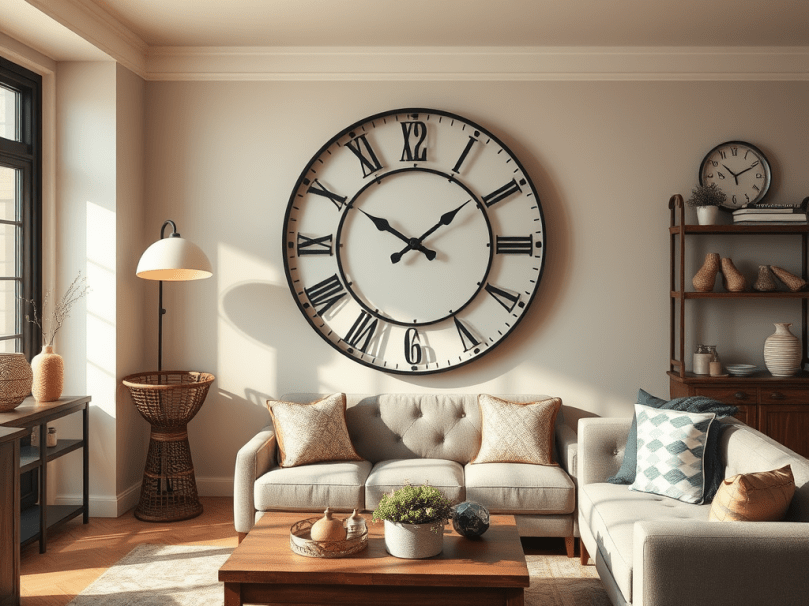
Wall clocks have also become a statement piece in many homes. With countless styles—vintage, industrial, minimalist, modern farmhouse, and more—they offer a creative way to add personality and polish to your walls.

Here’s why wall clocks shine as decorative items:

  • Design Element: A well-placed clock can anchor a gallery wall or fill in an awkward empty space. It brings balance and texture without needing a ton of art or accessories.
  • Conversation Starter: Oversized wall clocks or those with unique features often draw attention and spark compliments.
  • Theme Enhancer: Whether it’s a rustic wooden clock in a cozy cottage kitchen or a sleek metal design in a modern office, a clock can complement and reinforce the style of the room.
  • Vintage Vibe: In an age where digital reigns supreme, an analog wall clock can bring a touch of nostalgia and old-school charm.

Pros of Having a Wall Clock

  • Practical and easy way to check time
  • Complements various interior design styles
  • No need for tech or screen use
  • Can add visual interest to large or bare walls
  • Comes in a wide range of sizes and designs

Cons of Having a Wall Clock

  • May become purely decorative if rarely used
  • Requires batteries or occasional time adjustments
  • Some ticking models can be noisy in quiet spaces
  • Can feel redundant if you rely heavily on digital devices
  • Needs wall space—can be tricky to place in small rooms

So, Are Wall Clocks Worth It?

In short—yes! Whether you use them primarily to tell time or simply admire their design, wall clocks can still serve a purpose in the modern home. The key is choosing a style that fits your lifestyle and aesthetic.

If you love clean, clutter-free surfaces but still want to keep track of time, a wall clock is a sleek and subtle solution. If you’re more interested in dressing up your wall, treat the clock as a piece of art that just so happens to tick.

Your home, your rules—function and fashion can live on the same wall.


Create a Vibrant Bathroom: Tips for Color Usage

Yes, You Can Use Color in Your Bathroom—Here’s How to Make It Work for Your Style

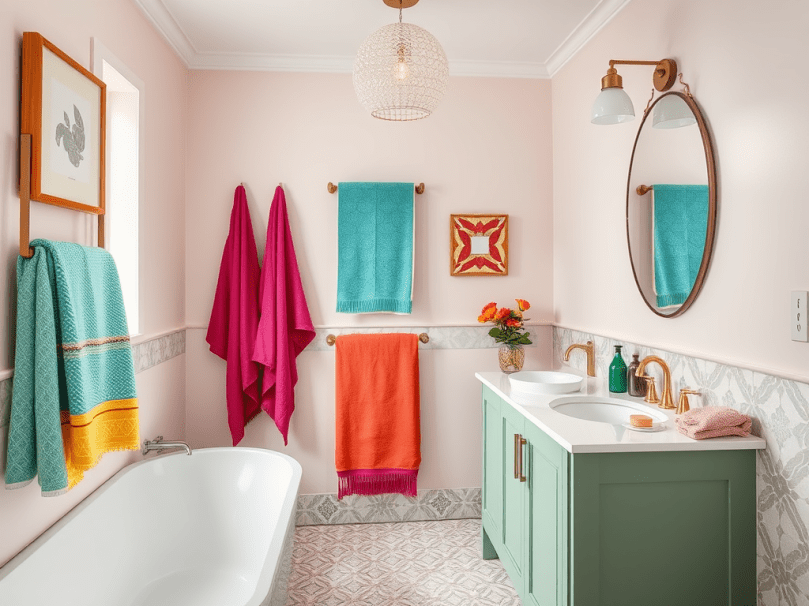
When it comes to bathroom decor, neutral tones have long been the go-to. Think crisp white, calming beige, soft gray… safe, classic, clean. But what if you’re craving something a little bolder? A little more you? The good news is, color absolutely belongs in the bathroom—and when used thoughtfully, it can transform your space into a vibrant, stylish retreat that reflects your unique personality.

Let’s talk about how to make color work for you, and why stepping outside the neutral zone might be exactly what your bathroom needs.


Why We Tend to Avoid Color in the Bathroom

It’s not surprising that many people play it safe with bathroom color palettes. Bathrooms are often smaller, and there’s a long-standing belief that too much color can make the space feel busy or cluttered. Plus, since bathrooms are considered “wet” zones, we sometimes hesitate to treat them like the rest of our living spaces.

But avoiding color altogether can make your bathroom feel sterile or uninspired. You deserve a space that energizes you in the morning and helps you unwind at night—and color can help create that vibe.


Yes, You Can Use Color—Here’s How

Here’s the thing: using color doesn’t mean you have to go all-in with bright orange walls or neon tiles (unless you want to!). There are tons of subtle and creative ways to add color to your bathroom without overwhelming the space. Try one—or a few—of these ideas:

1. Colorful Towels and Accessories

Start small with towels, rugs, shower curtains, and soap dispensers in your favorite colors. These accents are easy to change seasonally or whenever you’re ready for a new look.

2. Painted Walls or Ceilings

If you’re ready to take a bigger step, try painting one wall in a rich jewel tone like emerald green or deep navy. Feeling bold? Try a moody black ceiling for dramatic contrast!

3. Statement Tiles

Accent tiles in a fun pattern or bold color can bring personality to a backsplash, shower niche, or floor. Think geometric prints, colorful mosaics, or even hand-painted designs.

4. Bold Vanities or Cabinets

Swap out your standard white vanity for something that pops—like sage green, dusty blue, or matte black. It can become a stunning focal point in an otherwise simple space.

5. Art and Wall Decor

Who says bathrooms can’t have art? Hang framed prints, canvas paintings, or even colorful wall decals to give the room life and interest.


Let Your Personality Shine

Your bathroom is a part of your home, and it should reflect you just as much as your living room or bedroom does. Whether your style is playful and eclectic, calm and coastal, or modern and sleek, using color helps bring your vision to life.

Don’t be afraid to experiment. Color doesn’t have to be permanent—and it doesn’t have to be perfect. Try different combinations and see what feels right. The goal is to create a space that makes you feel good every time you walk in.


Final Thoughts: Neutrals Are Nice—But Color Is Inviting

There’s nothing wrong with a classic white-and-gray bathroom—but if you’re craving something more personal, go ahead and add that pop of color. Mix in your favorite shades. Layer in textures. Make it a space you love to spend time in, not just one you rush through in the morning.

So yes—it’s more than okay to use color in your bathroom. In fact, it might just be the refresh your home (and your mood) needs.

Finding Purpose in Extra Space: Creative Ways to Use That Unused Corner of Your Home

Have you ever looked around your home and thought, “What am I supposed to do with that weird little corner?” Maybe it’s the space under the stairs, a wide hallway, or an awkward nook that doesn’t quite fit a piece of furniture. You’re not alone! We all have those extra spaces in our homes that feel like a puzzle. But the good news? With a little creativity, even the smallest or oddest corners can serve a purpose—and bring you joy.

Let’s talk about how to find, rethink, and transform those unused spaces in your home. And I’ll even share a little story about how one unexpected nook in my house turned into my favorite mini office space!


Start by Identifying Your Hidden Spaces

Before you can put an extra space to use, you need to notice it. Walk through your home like you’re seeing it for the first time. Ask yourself:

  • Is there a corner that just collects clutter?
  • Is the space beneath my staircase empty?
  • Could a window alcove be turned into something more functional?
  • Is there a section of a larger room that feels unutilized?

Sometimes, the most magical spaces are the ones hiding in plain sight.


Tips & Tricks for Making the Most of Extra Space

1. Create a Mini Office Nook

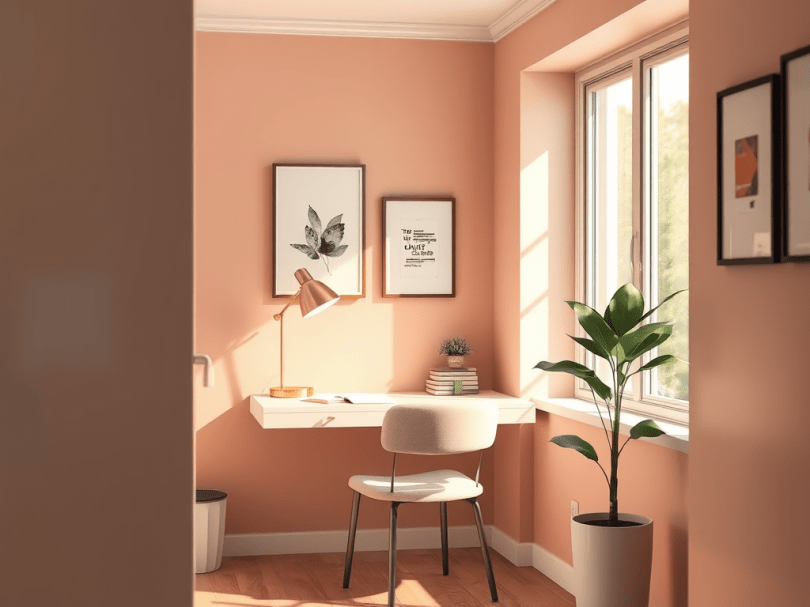
If you work from home—or just want a space to manage your schedule, answer emails, or plan your week—a small desk setup can go a long way. Use a floating desk or a slim writing table, add a comfy chair, and finish it off with a corkboard or some art.

Taneesha’s Mini Office Story
One of my favorite transformations in my own home came from a funny little corner between the kitchen and living room. It was too small for a piece of furniture, and it awkwardly collected random mail and odds-and-ends.

One weekend, I decided enough was enough. I painted the wall a soft blush tone, added a floating desk, a cute gold lamp, and a faux plant. Suddenly, I had a beautiful mini office nook where I could write, plan, and sip my tea in peace. It’s now one of my favorite places in the house. It proves that even the smallest spots can have big impact!

2. Design a Reading Retreat

Got a cozy corner near a window? Add a comfy chair, a small bookshelf, and a throw blanket. Voila! You have your own reading sanctuary.

3. Add Vertical Storage

That skinny wall space between the bathroom and hallway? Install floating shelves or a tall cabinet. It’s perfect for towels, books, or displaying your favorite decor items.

4. Turn an Entryway into a Command Center

Use that extra hallway or entry nook to create a mini command center. Add hooks for bags, a chalkboard for reminders, and a small bench with storage underneath.

5. Make a Play Zone or Craft Corner

If you have kids, dedicate a little nook to crafts or play. Use bins, labels, and a low table to make it both fun and organized.


Bonus Ideas:

  • Convert a wide stair landing into a meditation spot with cushions and candles.
  • Use space behind a door for hanging organizers or vertical shelves.
  • Add a beverage or coffee station in a kitchen corner that doesn’t get much love.

Your Home Is Full of Potential

The key to using extra space in your home is looking at it not as a “leftover,” but as an opportunity. Even the smallest or strangest space can become the heart of your home if you give it a little love and attention.

So take a walk around your home this weekend, get inspired, and start dreaming. Your perfect little office, reading nook, or coffee corner might be hiding in plain sight.

Have you transformed an awkward space in your home? I’d love to hear your story in the comments below or tag me on Instagram @DiscoveringLifeLLC to share your before-and-after pics!

Finding the Staple Piece in Your Home: What It Is and How to Identify Yours


Every well-decorated home has that one item—the piece that makes the room feel whole. The one that quietly sets the tone, catches the eye, or brings comfort. That, my friend, is your staple piece. But what exactly does that mean, and how do you know what yours is?

Let’s dive in.


What Is a Staple Piece?

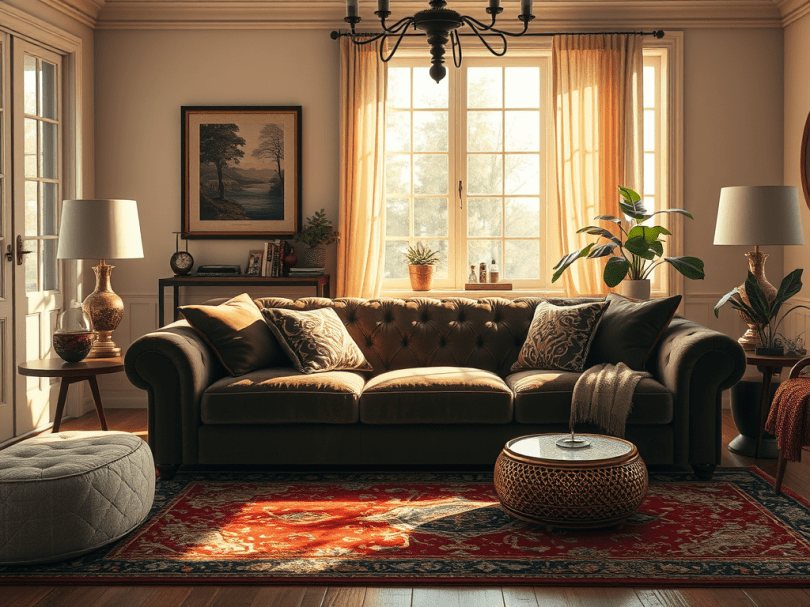
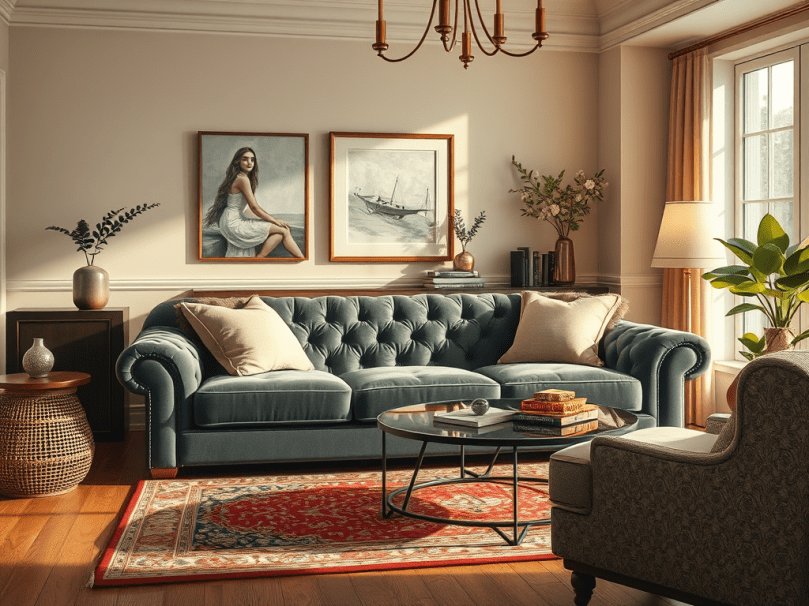
A staple piece is the cornerstone of your space. It’s the item that holds the room together—either visually, functionally, or emotionally. Think of it like the lead actor in a play. Other pieces support and enhance it, but the show revolves around that main presence.

It could be anything:

  • A plush velvet sofa in the living room
  • A dramatic chandelier in the dining area
  • A vintage rug in the bedroom
  • A hand-me-down bookshelf that tells a story
  • A stunning piece of wall art that sparks conversation

It doesn’t have to be the biggest or most expensive item. It’s the piece that feels the most you—the one you couldn’t imagine the space without.


How Do You Determine Your Staple Piece?

Finding your home’s staple piece isn’t about following a trend—it’s about discovering what grounds the space and expresses your style. Here’s how to identify yours:

1. Notice What You Designed Around

When you set up the room, what did you base your choices on? Was it a neutral couch you built the palette around? A statement mirror that inspired your layout? That’s likely your staple.

2. Ask Yourself: What Would I Replace Last?

What’s the one thing you’d never let go of, no matter how many times you redecorate? That “must-have” piece is often the heart of your design.

3. Look for What Draws Attention

If guests constantly comment on a particular item, or your eyes go to it first when you enter the room, that’s a sign. Staple pieces often anchor the aesthetic without needing to try.

4. Find the Functional Anchor

In some cases, the staple is what you use the most. A cozy reading chair. A kitchen island. A coffee table that doubles as a storage hub. It’s practical—but still stylish and meaningful.

5. Consider Sentimental Value

Sometimes, emotion makes a piece stand out. A framed family photo, an heirloom cabinet, or a travel souvenir that reminds you of adventure—these items often become the soul of a space.


Why Your Staple Piece Matters

Identifying your staple piece can guide your decorating decisions. It helps with:

  • Color coordination: Pulling tones from it for your accessories
  • Style consistency: Matching your decor to its vibe
  • Focal point creation: Using it to center attention and flow

When in doubt during a room refresh, return to your staple—it’s your compass.


Final Thoughts

You don’t always choose your staple piece—it often chooses you. It’s the item that feels like home, even when everything else changes. Once you recognize it, everything else in the room starts to make more sense.

Take a look around. What’s your home’s staple piece?