
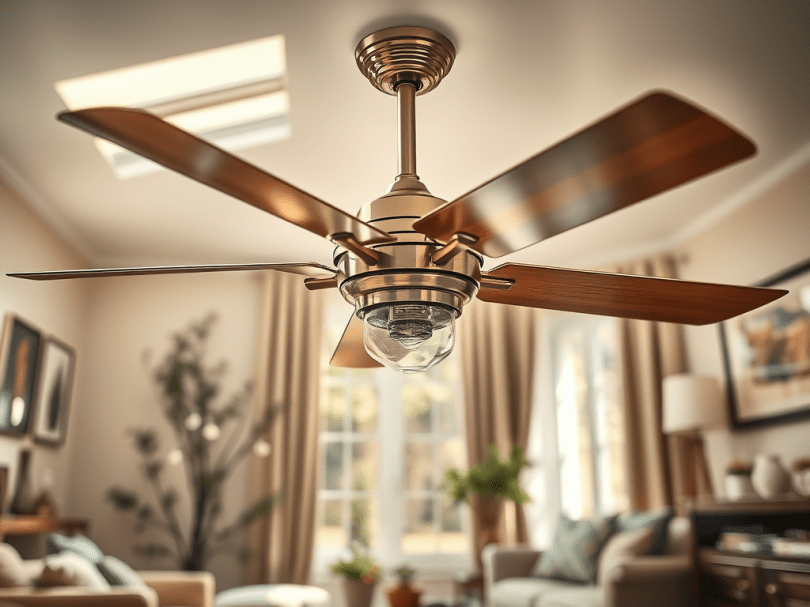
Spring Breeze: How to Choose the Right Ceiling Fan for Every Room in Your Home


As spring settles in, we find ourselves navigating those tricky in-between temperatures. One minute it’s chilly enough for a blanket, and the next, you’re cracking a window or flipping on a fan. That’s where ceiling fans come in — the unsung heroes of transitional weather. They keep the air flowing, offer energy-efficient cooling, and can even add a decorative touch to your space.

But how do you choose the right ceiling fan for each room in your home? Whether you’re upgrading your current fan or installing one for the first time, here’s your spring guide to picking the perfect ceiling fan, plus some stylish product suggestions to help you stay cool in style.


1. Living Room: Make a Statement

The living room often acts as the heart of the home, so your ceiling fan should do more than just circulate air — it should complement your decor and serve as a stylish focal point.

What to look for:

  • Blade span of 52″ or more for medium to large rooms
  • Light kit included or compatible
  • Quiet motor (DC motors are great)
  • Remote control or smart capability

Top Pick: Hunter Fan Company – Channing 52” LED Ceiling Fan
A modern fan with LED lighting, whisper-quiet motor, and five reversible blades for customizable style.


2. Bedroom: Quiet Comfort for Restful Nights

In the bedroom, airflow matters — but so does silence. You’ll want a fan that runs quietly and supports peaceful sleep, while also offering gentle airflow on warmer nights.

What to look for:

  • Whisper-quiet motor
  • Dimmable light options
  • Remote control for convenience
  • Blade span between 44” and 52” for most bedrooms

Top Pick: Minka-Aire – Concept II 52” Flush Mount Fan
This sleek, low-profile ceiling fan is perfect for bedrooms with lower ceilings. It’s quiet, modern, and includes a dimmable LED light.


3. Kitchen: Style Meets Utility

Kitchens tend to get warm fast, especially when you’re cooking. A ceiling fan in the kitchen should be compact, efficient, and easy to clean.

What to look for:

  • Smaller blade span (36″ to 44″)
  • Flush mount design for lower ceilings
  • Easy-to-clean blades
  • Simple design that won’t clash with kitchen decor

Top Pick: Harbor Breeze – Mazon 44” Brushed Nickel Fan
This compact fan has modern appeal, fits perfectly in kitchens, and includes an LED light with remote.


4. Home Office: Cool, Calm, and Productive

Working from home means your home office needs to stay comfortable all day long. You’ll want a fan that’s stylish yet subtle and allows for good lighting.

What to look for:

  • Mid-size fan (42”-48”)
  • Bright but not harsh lighting
  • Quiet operation for Zoom calls and focus

Top Pick: Honeywell – Carnegie 52” Industrial Ceiling Fan
A fan with a rustic-industrial edge, ideal for modern workspaces. It includes Edison bulbs for a warm glow and reversible blades for year-round use.


5. Bathroom or Laundry Room: Small Space, Big Impact

These areas require moisture-resistant fans to handle the humidity. Make sure to pick a fan rated for damp or wet locations.

What to look for:

  • UL-rated for damp or wet locations
  • Small blade span (up to 42”)
  • Easy to install and maintain

Top Pick: Hunter Fan Company – Sea Wind 48” Damp Rated Ceiling Fan
Perfect for bathrooms or laundry areas with plenty of airflow and a clean, coastal look.


6. Outdoor Spaces: Patios, Porches, and Sunrooms

Extend spring comfort outdoors! Covered patios and porches benefit greatly from ceiling fans — just be sure to select one made for exterior use.

What to look for:

  • UL wet-rated fans
  • Weather-resistant blades
  • Rust-proof hardware

Top Pick: Honeywell – Belmar 52” Outdoor Ceiling Fan
Durable, weatherproof, and perfect for keeping your outdoor hangout breezy and bug-free.


Ceiling Fan Tips for Spring

  • Reverse the blade direction! In spring/summer, fans should spin counter-clockwise to push air down and create a cooling breeze.
  • Clean your fan blades before you start using them regularly — dust build-up can cause wobbling and reduce airflow.
  • Look for energy-efficient models with ENERGY STAR ratings to save on your utility bills.
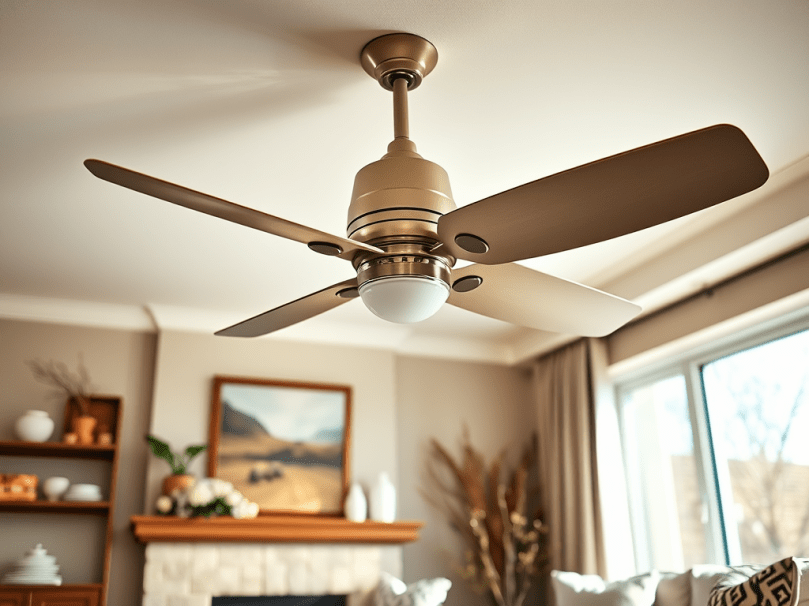
Breezy Style Meets Smart Function

Ceiling fans are a smart and stylish way to transition into the warmer months without jumping into full-blown air conditioning. Whether you’re cooling a bedroom, working in your home office, or enjoying a cup of coffee on the porch, there’s a fan out there that fits your needs and style perfectly.

Ready to upgrade your fan game this spring? Check out some of the top-rated options above and let the spring breezes roll in — no sweat.


How to Find the Perfect Wall Decor to Fit Your Personal Style


When it comes to home decor, nothing brings a space to life quite like wall art. It sets the tone, tells your story, and turns blank walls into conversation starters. But with so many options—from abstract paintings to metal sculptures and framed quotes—it can be overwhelming figuring out what works best for you. So how do you choose wall decor that truly reflects your personal style?

Let’s break it down and make it simple (and fun!).


1. Start With Your Style Personality

Before you start shopping, ask yourself: What’s my style vibe?

Are you more:

  • Modern minimalist – clean lines, black-and-white, and simplicity?
  • Boho chic – earthy textures, patterns, and eclectic finds?
  • Traditional or classic – timeless pieces with a formal touch?
  • Farmhouse cozy – rustic wood signs, natural elements, and charm?
  • Art Deco glam – bold geometry, gold accents, and vintage elegance?

Understanding your style helps narrow your choices and ensures your decor feels cohesive, not chaotic.


2. Match the Mood of the Room

Each room in your home has a unique function and feeling. Your wall art should support that mood.

  • Living room: This is your gathering space, so go for bold statement pieces or a stylish gallery wall.
  • Bedroom: Choose calming, serene artwork—think soft colors, abstract landscapes, or peaceful photography.
  • Kitchen: Playful typography, vintage food ads, or rustic chalkboard art can add personality without overwhelming the space.
  • Bathroom: Less is more. Go with spa-like prints, botanical sketches, or minimalist designs.

3. Think in Layers: Size, Scale, and Layout

  • Large walls call for larger pieces or an arrangement like a gallery wall.
  • Small nooks benefit from vertical prints or a trio of small framed art.
  • Use painter’s tape to test layouts before committing. You can even cut out paper in the size of your artwork and tape it to the wall to visualize spacing.

Pro tip: Hang art so the center is about 57–60 inches from the floor. That’s eye level for most people and feels natural.


4. Mix Mediums for Depth and Texture

Wall decor isn’t limited to framed prints. Add dimension with:

  • Woven baskets
  • Macramé wall hangings
  • Mirrors
  • Floating shelves with curated items
  • Tapestries
  • Wall planters

This mix-and-match approach brings personality and texture, making your space feel more “you.”


5. Make It Meaningful

Sometimes the best wall decor isn’t what’s trendy—it’s what’s you.

  • Display your favorite quotes or affirmations.
  • Frame postcards from travels.
  • Showcase your own photography or kids’ artwork.
  • Use shadow boxes for keepsakes or memorabilia.

When your wall decor holds personal meaning, your space becomes more than just stylish—it becomes home.


6. Don’t Rush It—Let Your Walls Grow With You

You don’t have to fill every wall at once. A curated home takes time. Start with one or two pieces you love and build from there. It’s better to have a few things you adore than a bunch of “just okay” fillers.

As your taste evolves, you can swap things out or layer in new pieces that reflect your current style and story.


Final Thoughts

The right wall decor can transform a blank space into something breathtaking and deeply personal. By staying true to your style, matching the mood of your room, and curating pieces over time, you’ll create walls that don’t just look good—they feel good.

So, what’s going on your walls next?


How to Choose the Right Dining Room Chairs to Match Your Table: A Personal Journey


At first, I thought, No big deal—I’ll just grab a few chairs that sort of match and call it a day. But once that table arrived in my dining room, I realized this was no time for a “sort of” solution. The table set the tone for the whole space, and the chairs needed to be just as perfect.

The Chair Hunt Begins

So began my surprisingly emotional journey to find the right dining chairs. Here’s what I learned along the way, and how you can find the perfect chairs to match your dining room table, without losing your mind (or your style).


1. Consider the Table Style and Finish

My table had a warm, natural wood finish and a farmhouse feel, so I knew I wanted chairs that wouldn’t clash. If your table is sleek and modern, upholstered or metal chairs could be the way to go. If it’s more traditional, classic wooden chairs with curved backs might be ideal.

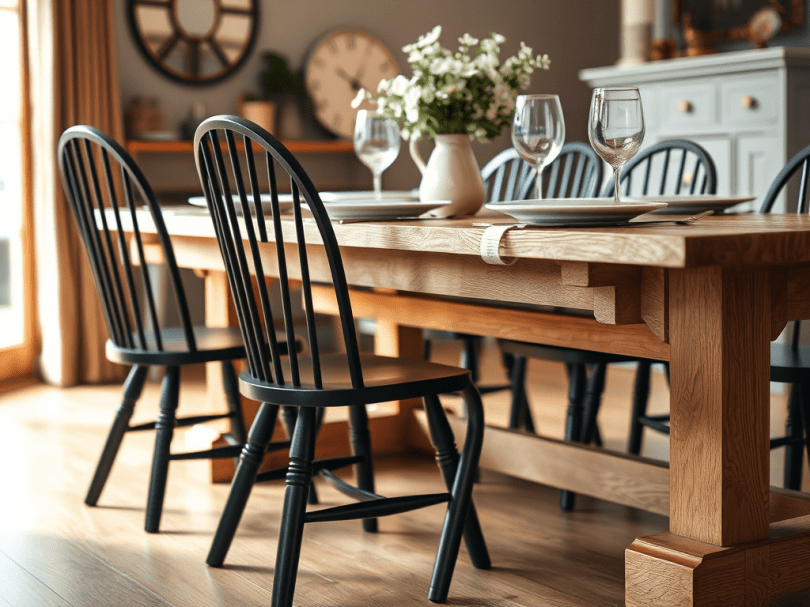
Tip: You don’t have to be matchy-matchy. Mixing styles can be beautiful—as long as the materials or colors complement each other. For example, I ended up choosing black spindle-back chairs with a matte finish. The contrast with the oak was subtle but made the whole setup feel fresh and intentional.


2. Check the Seat Height

Don’t assume all dining chairs will fit under your table. Measure your table height and make sure the seat height of the chairs allows for comfortable legroom—ideally 10–12 inches between the seat and the tabletop. I almost bought a set of gorgeous velvet chairs that turned out to be more “lounge” than “dine.” Lesson learned!


3. Comfort Matters—Always

Functionality can’t be overlooked. If you host dinners or work from your dining table like I do, the chairs need to be comfortable. I recommend testing them in-store if possible or checking reviews if ordering online. I sat in so many chairs before finding the ones that offered support and style.


4. Think About How Many You Need

How many people usually sit at your table? Do you need space for guests? My table seats six comfortably, but I only had space for four chairs most of the time. I chose four statement chairs and bought two folding, upholstered chairs that could be stored and pulled out when needed. It’s a great space-saving trick!


5. Blend or Pop?

Decide if you want the chairs to blend in or make a statement. Since my table was such a strong focal point, I wanted chairs that complemented without overpowering. But I’ve seen some stunning rooms where the chairs were the bold element—like teal velvet or sculptural black metal.


Final Thoughts: It’s About Your Style

In the end, choosing dining room chairs is like choosing shoes for a great outfit. They can dress it up, tone it down, or add personality. My dining area now feels cohesive, warm, and inviting—every time I sit down for a meal, I’m reminded of how worth it the search was.

So take your time. Trust your gut. Mix and match if you want. It’s your dining room, and the perfect chairs are out there, just waiting to join the table you love.


How to Decorate a Child’s Bathroom to Keep It Functional and Fun


Designing a child’s bathroom doesn’t have to be all rubber duckies and cartoon stickers (unless that’s what your little one loves!). The key is striking a balance between functionality and fun—creating a space that encourages independence, is easy to maintain, and still makes your child smile every time they walk in.


Here’s how to decorate a child’s bathroom that’s both practical and playfully charming.


1. Start with a Kid-Friendly Color Palette

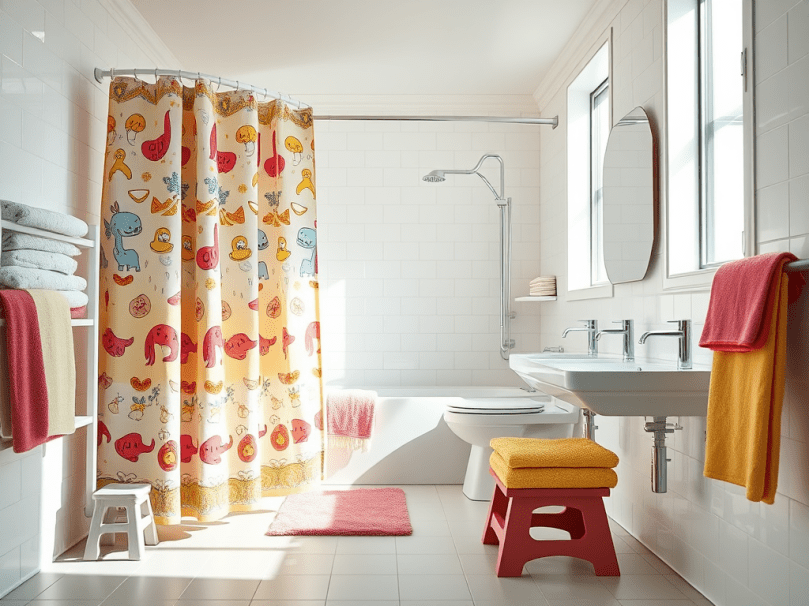
Bright, cheerful colors go a long way in making a bathroom feel inviting. Think sunny yellows, soft aqua blues, or even a pop of orange or green. If you want to keep walls neutral for long-term flexibility, add color with accessories like towels, rugs, and art.

Tip: Let your child help pick a color or a fun theme—under the sea, jungle animals, or rainbows are always hits!


2. Incorporate Fun (and Replaceable) Decor

Since kids’ tastes change quickly, it’s smart to keep the more expensive fixtures timeless and add character through decor:

  • Themed shower curtains
  • Character hand towels
  • Wall decals or framed prints
  • Toothbrush holders in fun shapes

These items are easy to swap out as your child grows or changes interests.


3. Make Everything Accessible

Help your little one develop independence by adjusting the bathroom to their height:

  • Use a non-slip step stool so they can reach the sink safely.
  • Install low hooks or a towel bar so they can hang up their own towel.
  • Choose a faucet extender or child-friendly faucet handle if needed.

4. Storage That Works for Both of You

Storage should be functional but fun. Think colorful bins, baskets, or even labeled drawers for items like:

  • Bath toys
  • Hairbrushes and clips
  • Toothpaste and soap
  • Clean towels

Bonus Tip: Choose waterproof labels or tags so everything stays organized even in a splashy environment!


5. Keep Safety in Mind

Bathrooms can be slippery and potentially dangerous for little ones. Make safety a top priority:

  • Use non-slip mats inside and outside the tub.
  • Keep sharp or harmful items (like razors or medications) in locked drawers or high cabinets.
  • Install a soft-close toilet seat and make sure the tub faucet is covered with a soft guard.

6. Add a Touch of Magic

Small touches can make your child’s bathroom feel like their own special place:

  • Glow-in-the-dark stars on the ceiling
  • A waterproof speaker for fun bath-time tunes
  • A mirror shaped like a favorite animal or character
  • A timer or fun sand hourglass to encourage brushing for 2 full minutes

Final Thoughts

Decorating a child’s bathroom is a great opportunity to combine form with function. You don’t need a complete overhaul—just a few smart adjustments and a sprinkle of creativity will make all the difference.

With the right elements in place, your child will have a space that encourages responsibility, builds routines, and still feels like fun—not a chore.


Organizing Your Walk-In Closet: Tips, Tools, and Storage Ideas That Actually Work


Your walk-in closet should feel like your personal boutique—not a chaotic jungle of shoes, scarves, and forgotten sweaters. Whether you’re working with a spacious walk-in or a modest one, the secret to a functional, beautiful closet lies in how well you organize it. Let’s dive into how you can transform your closet into an organized, stylish space that makes getting dressed a pleasure.


Why Organizing Your Walk-In Closet Matters

A well-organized closet doesn’t just save time; it saves stress. You’ll no longer waste your mornings digging through clutter. Plus, when your clothes and accessories are displayed in an orderly fashion, you’re more likely to wear what you own (and stop buying duplicates!).


Start With a Clean Slate

Before you organize, you must declutter.

Here’s how:

  1. Empty everything out – Yes, everything.
  2. Sort into piles: keep, donate, sell, and toss.
  3. Be honest with yourself—if it doesn’t fit, flatter, or spark joy, let it go.

Pro Tip: If you haven’t worn something in over a year, chances are, you won’t.


Smart Storage Tips & Tools

Here’s where the real transformation happens. Let’s break it down:

1. Use Uniform Hangers

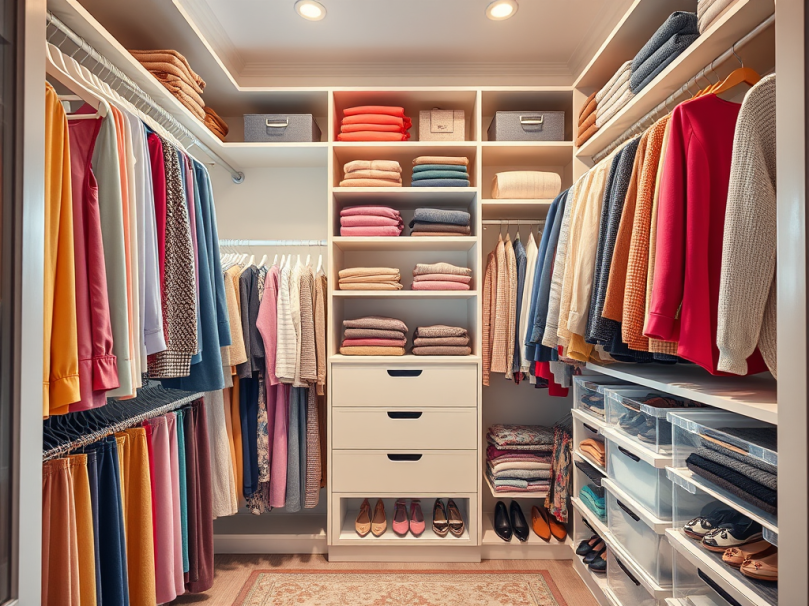
Matching hangers make your closet look streamlined and help garments hang evenly. Opt for slim, non-slip velvet hangers to save space and keep clothes in place.

2. Invest in Clear Bins and Boxes

Transparent containers make it easy to see your accessories or seasonal items. Stackable bins are perfect for top shelves, while labeled baskets can corral scarves, belts, or handbags.

3. Add Drawer Dividers

Drawer dividers are perfect for organizing socks, undergarments, or jewelry. It’s all about giving every item a home.

4. Install Double Hanging Rods

Double up your hanging space by installing a second rod underneath your tops. Use the top rod for blouses and jackets and the bottom for skirts and pants.

5. Try a Shoe Organizer Wall or Rack

Use vertical space for shoes. Over-the-door organizers, clear shoe boxes, or tiered shelves make it easier to see and grab your favorite pair.


Techniques for Maximum Efficiency

  • Group like with like: Keep all jeans together, all work tops in one section, etc.
  • Color-code: Not only does this look good, but it also makes it easier to find what you need fast.
  • Use seasonal rotation: Store out-of-season clothes in bins on the top shelf or under your bed.
  • Label everything: Whether it’s baskets, boxes, or drawers, labels keep everyone (even your partner!) in the know.

Storage Recommendations That Work Wonders

  • IKEA PAX System: Customizable and budget-friendly with drawers, shoe racks, and pull-out trays.
  • The Container Store Elfa Closet System: Modular and chic—great for any closet size.
  • Amazon Basics Clear Storage Bins: Stackable, transparent, and affordable.
  • mDesign Fabric Bins: Great for top shelves and come in many sizes and colors.
  • Simple Houseware Hanging Closet Organizer: Ideal for folded sweaters, bags, or even purses.

A Final Touch: Personalize Your Closet

Add a mirror, some lighting, or a rug to elevate the vibe. A lavender sachet or cedar blocks will keep it smelling fresh and help preserve your clothing too.


Your Closet, Your Style

An organized walk-in closet reflects your personal style and makes daily life smoother. Start small, use the right tools, and don’t be afraid to get creative. Whether you’re working with a designer system or a DIY setup, your closet can be as beautiful as it is functional.


Ready to tackle your closet? Share your transformation with us on Instagram by tagging @DiscoveringLifeLLC and show off your before-and-after!