
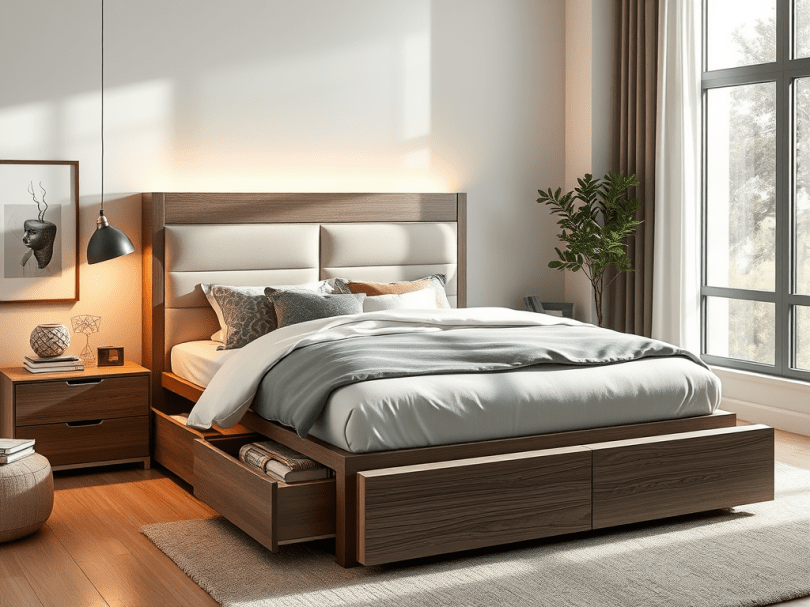
Storage Beds vs. Regular Beds: Which One is Right for You?

When it comes to choosing the perfect bed, functionality is just as important as comfort. Storage beds have gained popularity for their space-saving features, but how do they compare to traditional beds? Let’s explore the differences, perks, and whether a storage bed is the right choice for you.

What Is a Storage Bed?

A storage bed is designed with built-in compartments—either drawers, lift-up platforms, or shelves—allowing you to utilize the space under your bed for extra storage. This type of bed is especially beneficial for smaller rooms, apartments, or anyone looking to maximize their space.

My Storage Bed Story

I never realized how much I needed a storage bed until I found myself drowning in blankets, books, and random clutter that somehow had no home. My small apartment didn’t have the luxury of a walk-in closet or massive dressers, and my under-bed space quickly became a black hole of lost socks and forgotten items. One day, after tripping over yet another pile of winter clothes, I decided it was time for a change.

Enter the storage bed—my ultimate lifesaver. Not only did it give my room a sleek, organized feel, but it also became the perfect hideaway for extra linens, seasonal clothing, and even my growing collection of home decor books. Now, every time I pull out a neatly tucked-away drawer, I feel like I’ve unlocked a secret weapon for organization. If you’ve ever struggled with limited space, trust me, a storage bed might just be your new best friend!

Storage Beds vs. Regular Beds

FeatureStorage BedsRegular Beds
Storage CapacityProvides built-in storageNo built-in storage, requires additional furniture
Space EfficiencyIdeal for small spacesMay require additional storage solutions
Aesthetic AppealSleek, modern, and multifunctionalClassic, versatile, but may need under-bed storage bins
AccessibilityEasy access to storage via drawers or lift-up mechanismsNo additional storage, must rely on external solutions
CostGenerally more expensive due to added functionalityUsually more affordable

Perks of Having a Storage Bed

  1. Maximizes Space: Perfect for small apartments, kids’ rooms, or guest rooms where space is limited.
  2. Reduces Clutter: Helps keep the room organized by offering hidden storage for linens, clothes, or miscellaneous items.
  3. Multifunctionality: Some storage beds come with headboards featuring shelves, built-in nightstands, or even charging ports.
  4. No Need for Additional Storage Furniture: Eliminates the need for dressers or bulky storage boxes, freeing up more floor space.
  5. Aesthetically Pleasing: Creates a cleaner, more streamlined look in a bedroom compared to visible under-bed storage bins.

Storage Bed Recommendations

If you’re considering switching to a storage bed, here are a few options to explore:

  • ZINUS Curtis Upholstered Platform Bed with Storage Drawers – A sleek, upholstered bed with ample drawer space.
  • Novogratz Kelly Bed with Storage – A stylish, modern option with built-in drawers for easy storage access.
  • DHP Dakota Upholstered Platform Bed with Storage – Ideal for contemporary spaces, featuring elegant tufted upholstery and deep drawers.
  • IKEA MALM Storage Bed – A minimalist, space-efficient design with a lift-up mechanism for maximum storage.

Advice on Choosing the Right Storage Bed

  1. Consider Your Storage Needs: If you have limited closet space, a bed with deep drawers might be the best fit.
  2. Think About Accessibility: If you plan to store frequently used items, opt for a bed with easy-to-slide drawers rather than a lift-up mechanism.
  3. Measure Your Space: Ensure there’s enough clearance to open drawers if you’re placing the bed near walls or furniture.
  4. Match Your Bedroom Aesthetic: Storage beds come in various styles—wooden, upholstered, or metal—so choose one that complements your decor.
  5. Check the Quality: A well-built storage bed with sturdy mechanisms will last longer and provide better functionality.

Final Thoughts

A storage bed can be a game-changer for anyone looking to optimize their bedroom space while maintaining an organized and stylish setup. While regular beds may offer more flexibility in terms of design and affordability, storage beds bring undeniable functionality, especially for those dealing with limited space.

Would you make the switch to a storage bed? Let us know your thoughts!
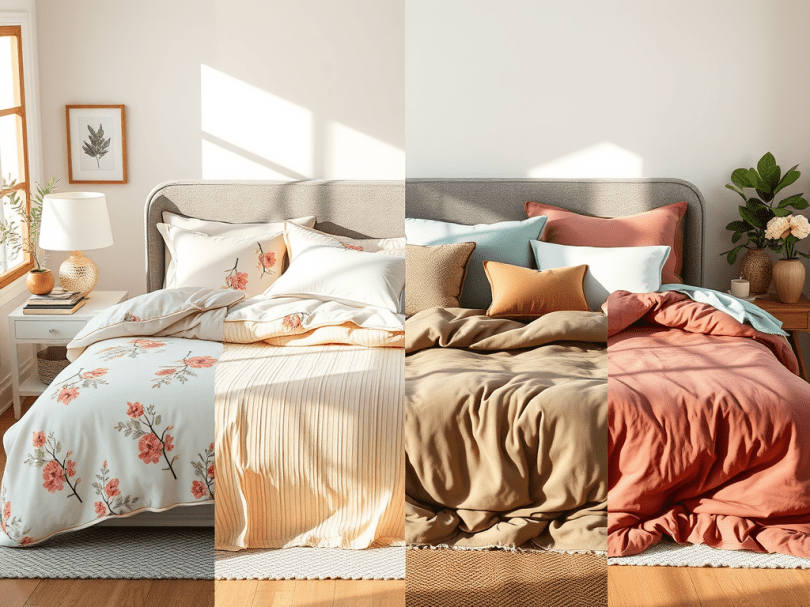
Finding the Right Comforter for Every Season: Style, Comfort, and Recommendations

A good night’s sleep starts with the right bedding, and choosing a comforter that fits the season can make all the difference. Not only should your comforter keep you cozy or cool depending on the time of year, but it should also enhance the look of your bedroom. In this guide, we’ll help you find the perfect seasonal comforter that balances style and practicality, along with recommendations for every season.

Choosing a Seasonal Comforter

When selecting a comforter, consider the following factors to ensure you have the best option for each season:

  • Material: Different materials offer varying levels of warmth and breathability. Cotton, linen, and bamboo are great for warm months, while wool, down, and flannel provide extra insulation for colder seasons.
  • Fill Power & Weight: The higher the fill power (for down comforters) or GSM (grams per square meter) for synthetic materials, the warmer the comforter.
  • Breathability: Look for moisture-wicking properties in summer comforters to keep you cool, while winter options should trap heat efficiently.
  • Style & Versatility: Opt for neutral or reversible designs to transition between seasons effortlessly, or consider layering with decorative throws.

Best Comforters for Each Season

Spring: Light & Refreshing

Spring is a season of renewal, so opt for a breathable, lightweight comforter in fresh pastel shades or floral patterns. Materials like cotton, bamboo, or a down-alternative offer just the right amount of warmth as temperatures begin to rise.

Recommended Comforters:

  • Brooklinen Lightweight Down Comforter – A soft and airy option that prevents overheating.
  • Utopia Bedding Quilted Comforter – Affordable and hypoallergenic with a soft microfiber fill.

Summer: Cool & Breathable

During the warmer months, a cooling comforter made from moisture-wicking materials like bamboo or eucalyptus can prevent overheating. Go for a minimalist, crisp white or bright summer-inspired print for a fresh look.

Recommended Comforters:

  • Buffy Breeze Comforter – Made from eucalyptus, it’s designed to stay cool all night.
  • Cozy Earth Bamboo Comforter – Lightweight and highly breathable for hot sleepers.

Fall: Cozy & Transitional

As temperatures drop, a medium-weight comforter in warm earth tones can create a cozy atmosphere. Look for down-alternative or wool-filled options that provide warmth without being too heavy.

Recommended Comforters:

  • Parachute Down Alternative Comforter – A great year-round option that works well in fall.
  • Linenspa All-Season Quilted Comforter – Budget-friendly and available in various colors.

Winter: Warm & Plush

Cold winter nights call for a thick, insulating comforter. Down or flannel-filled comforters in deep, rich hues can add warmth and elegance to your bedroom decor.

Recommended Comforters:

  • L.L. Bean Baffle-Box Down Comforter – Provides maximum warmth without excess weight.
  • Eddie Bauer Flannel Comforter – Soft, plush, and designed for winter coziness.

Final Tips for Choosing the Right Comforter

  • Consider layering: Using a duvet cover and an extra throw blanket allows for flexibility in changing temperatures.
  • Think about maintenance: Some comforters require dry cleaning, while others are machine washable.
  • Opt for hypoallergenic options: If you have allergies, choose comforters with synthetic fills or hypoallergenic down alternatives.

A well-chosen comforter not only keeps you comfortable throughout the seasons but also enhances your bedroom’s aesthetic. By selecting the right material, weight, and design, you can ensure a perfect balance between style and functionality all year long!

Seasonal Outdoor Lighting: How to Keep Your Home Bright Without a Holiday Vibe

Outdoor lighting isn’t just for the holiday season. While twinkling string lights and glowing reindeer bring a festive feel to the winter months, the right lighting can enhance your outdoor space year-round without making your home look like it’s perpetually stuck in December. The key lies in choosing versatile, stylish lighting that complements your home’s aesthetic and adapts to different seasons.

Choosing the Right Outdoor Lighting for Year-Round Use

If you want to enjoy outdoor lighting without making your home look overly festive, consider these lighting options:

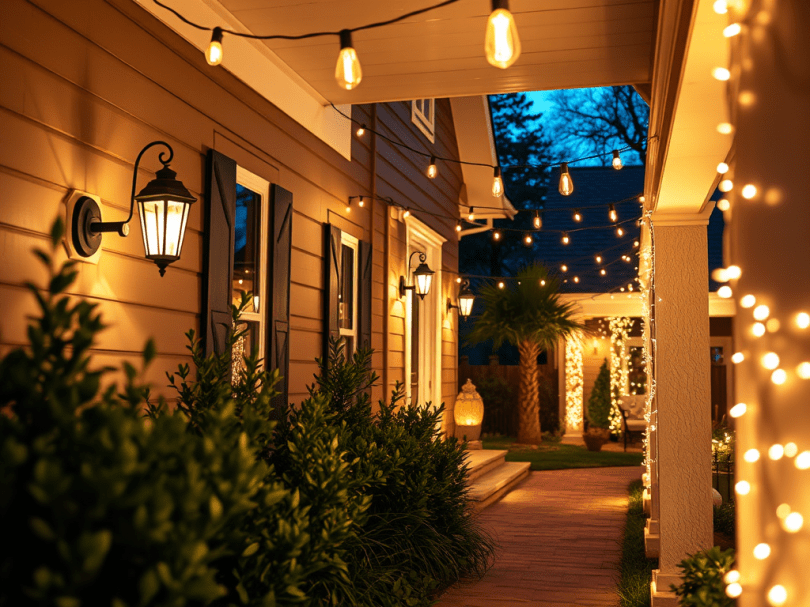
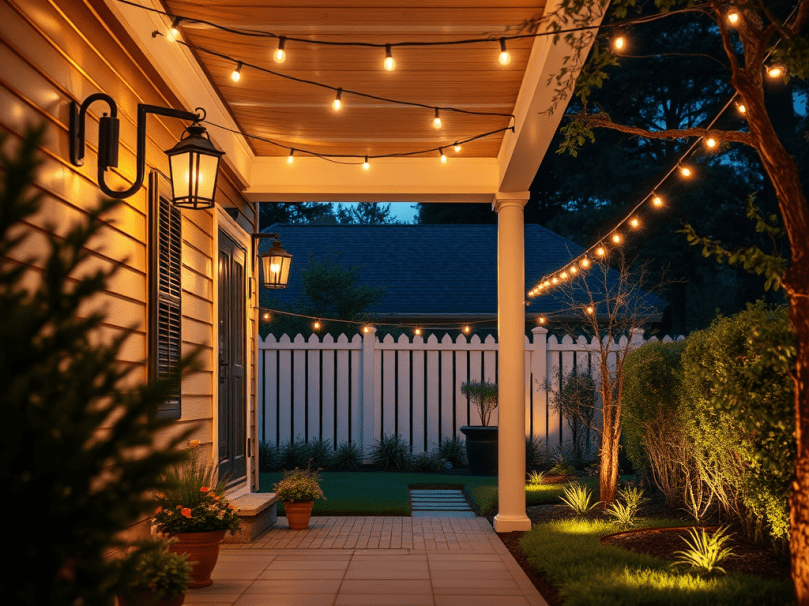
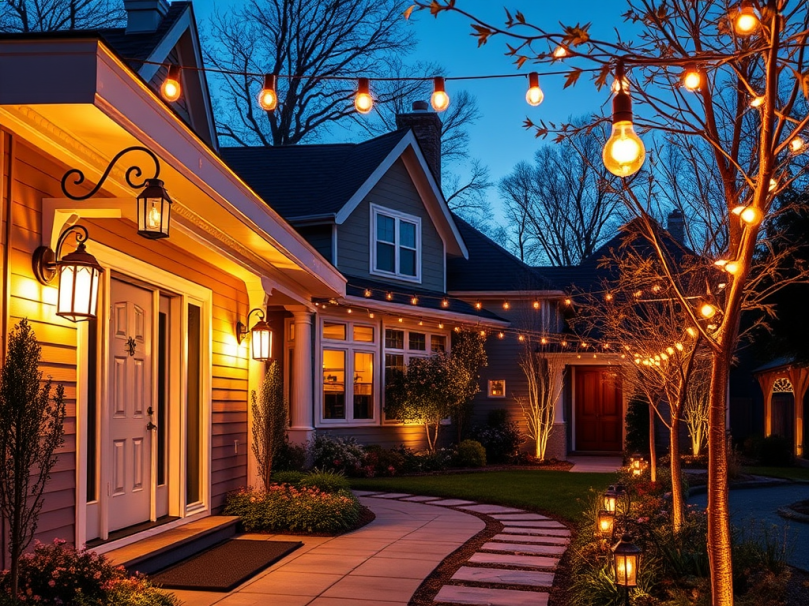
  • Warm White LED Lights – Unlike bright multicolored holiday lights, soft white LEDs offer a subtle glow that adds warmth and ambiance to your outdoor space.
  • Lanterns and Sconces – Installing stylish wall-mounted lanterns or sconces near entryways, patios, and garages provides a timeless and elegant look.
  • String Lights with a Classic Touch – Opt for Edison-style bulbs or globe string lights to create a cozy atmosphere without screaming “holiday cheer.”
  • Pathway and Landscape Lighting – Low-voltage lights along walkways, gardens, and driveways improve both safety and aesthetics without seasonal associations.
  • Smart Lighting Systems – Using color-changing smart bulbs allows you to adjust hues for different seasons, keeping things fresh and non-holiday specific.

How to Properly Use Outdoor Lighting

Outdoor lighting should enhance your home’s exterior rather than overwhelm it. Here are some key tips to achieve a balanced and stylish look:

  1. Layer Your Lighting – Combine different types of lights, such as pathway lights, overhead string lights, and accent lighting to create depth and dimension.
  2. Use Timers and Dimmers – Avoid having lights on all night by using timers or smart systems to control brightness and duration.
  3. Focus on Key Areas – Light up pathways, entryways, porches, patios, and landscaping rather than covering your entire exterior with lights.
  4. Adjust for the Seasons – Swap out seasonal elements like lantern decor or choose different light colors to transition smoothly from winter to summer.
  5. Highlight Architectural Features – Use uplighting or spotlights to showcase unique details of your home without making it look overly festive.

Recommended Outdoor Lighting Options & Customer Favorites

If you’re looking for tried-and-true lighting options, here are some top-rated choices that customers love:

  • Brightech Ambience Pro Outdoor String Lights – These Edison-style LED string lights are a customer favorite due to their durability, energy efficiency, and warm glow, perfect for patios and backyards.
  • Govee Smart Outdoor String Lights – With smart controls and customizable color options, these lights allow users to adjust the ambiance for any occasion, making them a favorite for those who love versatility.
  • URPOWER Solar Pathway Lights – These solar-powered lights are widely praised for their ease of installation and cost-effectiveness, illuminating walkways without increasing electricity bills.
  • LITOM Solar Landscape Spotlights – Homeowners appreciate these for their brightness, weather resistance, and ability to highlight key landscaping features effortlessly.
  • LONEDRUID Outdoor Wall Lanterns – These classic-style lanterns receive high marks for their vintage aesthetic, sturdy construction, and ability to enhance entryways and patios with a warm, inviting glow.

Customers favor these options because they balance style, function, and efficiency. Many prefer LED and solar-powered options to save on energy costs while still achieving a well-lit outdoor space. Smart lighting is another rising trend, allowing users to change colors, brightness, and schedules with ease.

Transitioning Your Outdoor Lighting with the Seasons

To keep your lighting fresh and stylish throughout the year, consider making small seasonal adjustments:

  • Spring: Incorporate soft, warm lighting to complement blooming flowers and outdoor gatherings.
  • Summer: Use string lights on patios and pergolas to create an inviting space for barbecues and late-night conversations.
  • Fall: Add lanterns with warm-toned bulbs to match the cozy, rustic feel of autumn decor.
  • Winter: Enhance your space with soft white or cool-toned lights to brighten darker days without being overly holiday-focused.

Final Thoughts

Outdoor lighting isn’t just about decoration—it’s about creating ambiance, improving safety, and making your home more inviting. By carefully selecting the right lighting options and using them strategically, you can enjoy a well-lit outdoor space all year round without it feeling like you never took down your holiday decorations. With a little planning, your home’s exterior can be beautifully illuminated in every season!

How and When to Prepare Your Lawn for Spring: A Complete Guide


As the cold grip of winter fades, your lawn is ready for a fresh start. Spring is the perfect time to breathe life back into your yard, ensuring healthy grass, colorful flowers, and an inviting outdoor space for the warmer months. But when should you start, and what should you do to get the best results? Here’s your guide to preparing your lawn for spring.


When to Start Preparing Your Lawn for Spring

Begin when daytime temperatures consistently stay above 50°F (10°C) and the ground is no longer frozen. For most areas, this is late March to mid-April. Watch your local forecast and ground conditions.


Steps to Prepare Your Lawn for Spring (with Recommended Products)

1. Clean Up Winter Debris

Clear fallen branches, leaves, and debris to prevent mold and allow sunlight to reach the grass.
Fiskars Leaf Rake – Lightweight, durable, and perfect for spring cleanup.

2. Test Your Soil

Know what your lawn needs before fertilizing or planting. Check pH and nutrient levels.
Luster Leaf Rapitest Soil Test Kit – Easy-to-use with results for pH, nitrogen, phosphorus, and potassium.

3. Aerate the Lawn (Optional but Beneficial)

Improves root growth and allows better water absorption.
Agri-Fab 45-0299 48-Inch Tow Plug Aerator – Great for larger yards.
Yard Butler Lawn Coring Aerator (Manual) – Budget-friendly for small areas.

4. Fertilize Wisely

Use a slow-release fertilizer designed for spring growth.
Scotts Turf Builder Lawn Food – Feeds and strengthens grass, safe for most grass types.


When and How to Plant Flowers for Spring Color (with Suggestions)

When to Plant:

  • Cool-season flowers like pansies, snapdragons, and violas can go in early spring.
  • Warm-season favorites like petunias, marigolds, and impatiens should wait until after the last frost—typically late April or May.

Top Flower Picks:

Cool-Season:
Pansy Mix Live Plants – Bright colors, perfect for containers or beds.
Warm-Season:
Burpee Marigold Seeds – Easy to grow with bright, bold blooms.
Petunia Wave Series Live Plants – Spreading blooms ideal for ground cover or hanging baskets.

Planting Tip:

Prepare beds with quality soil and compost.
Miracle-Gro Garden Soil for Flowers – Enriched soil for vibrant blooms.


How to Properly Treat Grass in Spring (with Must-Have Products)

1. Overseeding (If Needed):

Fills in bare patches and thickens the lawn.
Scotts Turf Builder Grass Seed Sun & Shade Mix – Great for mixed light conditions.

2. Weed Control:

Prevent crabgrass and other weeds before they sprout.

Scotts Halts Crabgrass & Grassy Weed Preventer – Apply early spring for season-long control.

3. Mowing Tips:

Keep blades sharp for a clean cut.
Greenworks 20-Inch Electric Lawn Mower – Eco-friendly and easy to handle.

Oregon Lawn Mower Blade Sharpener Kit – Keep blades razor-sharp.


Extra Spring Lawn Care Tools & Tips

Watering Tip: Water deeply in the morning.
Product Recommendation: Flexzilla Garden Hose – Durable, lightweight, and kink-free.

Thatch Control: If your lawn has heavy thatch, remove it.
Recommended Tool: Greenworks Dethatcher 14-Inch 10 Amp – Great for removing thatch buildup.

Lawn Edging: Create crisp edges around beds and walkways.
Fiskars Steel Edger – Sturdy and effective for clean lines.


Final Thoughts: A Little Prep Goes a Long Way

With a little attention and the right tools, your spring lawn prep will pay off with lush green grass, healthy flowers, and a yard you’ll love spending time in. Get started early, and enjoy the beauty of your outdoor space all season long!


Shop the Lawn & Garden Favorites from This Post:

ProductLink
Fiskars Leaf RakeView on Amazon
Luster Leaf Rapitest Soil Test KitView on Amazon
Agri-Fab Tow Plug AeratorView on Amazon
Scotts Turf Builder Lawn FoodView on Amazon
Burpee Marigold SeedsView on Amazon
Miracle-Gro Garden Soil for FlowersView on Amazon
Scotts Grass Seed Sun & ShadeView on Amazon
Scotts Halts Crabgrass PreventerView on Amazon
Greenworks Electric Lawn MowerView on Amazon
Flexzilla Garden HoseView on Amazon

What’s on Your Spring Lawn Care To-Do List?

Are you adding flowers, laying new seed, or focusing on weed control this year? Share your spring plans in the comments!


How to Choose the Perfect Nightstands for Your Bedroom


When it comes to bedroom furniture, the bed is always the star of the show—but nightstands quietly play a vital supporting role. They serve as the go-to spot for your nighttime essentials: a lamp, your phone, a book, or a glass of water. But how do you choose the right nightstands for your bedroom? Should they match? What materials hold up best? And which brands are worth the investment?

Let’s dive into everything you need to know before buying your next set (or single) nightstand.


Should Your Nightstands Match?

This is one of the most common questions when designing a bedroom. The short answer? It depends on your style and your space.

Matching Nightstands: Perfect for a clean, symmetrical look. Matching nightstands work well in traditional, minimalist, or modern bedroom designs. They create balance and make the room feel polished.

Mismatched Nightstands: Great if you want to add character and dimension to your space. Mixing nightstands allows you to play with different textures, colors, and materials. It’s an excellent choice for boho, eclectic, or farmhouse-inspired bedrooms.

Pro Tip: If you choose mismatched nightstands, keep a common thread—like height, color palette, or hardware—to maintain visual harmony.


What Are the Different Types of Nightstands?

Nightstands aren’t one-size-fits-all. Here are the most popular types to consider:

  1. Classic Nightstands:
    • A small table or cabinet next to the bed with one or two drawers.
    • Offers storage and surface space.
    • Works in most traditional or modern bedrooms.
  2. Bedside Tables:
    • Usually open without drawers or doors.
    • Perfect for minimalist or contemporary spaces.
  3. Floating Nightstands:
    • Wall-mounted, great for small spaces or a modern look.
    • Keeps the floor clear, making the room feel larger.
  4. Chests or Small Dressers:
    • Double as storage for clothing or bedding.
    • Ideal for larger bedrooms needing more function.
  5. Shelving Units:
    • Offers multiple open shelves instead of drawers.
    • Best for displaying books, plants, or decorative items.

What Materials Are Best for Nightstands?

Nightstands come in a variety of materials, each offering its unique benefits and style:

  • Solid Wood: Classic, durable, and versatile. Oak, walnut, pine, and acacia are popular choices. They add warmth and natural beauty to any bedroom.
  • Metal: Great for industrial or modern designs. Metal nightstands are sturdy and often have a sleek, minimalist appeal.
  • Glass: Provides a sophisticated, airy look. Best suited for contemporary or glam spaces.
  • Rattan/Wicker: Perfect for boho or coastal-style bedrooms. Adds texture and a natural element.
  • Engineered Wood/MDF: A more budget-friendly option that offers various finishes and styles but might not be as durable as solid wood.

Tip: Think about your lifestyle—if you need durability and longevity, solid wood is always a safe bet.


Best Nightstand Brands to Consider

When shopping for quality nightstands, here are a few trusted brands known for their craftsmanship and design:

  • West Elm: Mid-century modern, clean lines, and eco-friendly materials.
  • Pottery Barn: Classic designs with solid wood and excellent craftsmanship.
  • IKEA: Affordable and versatile—great for budget-conscious buyers or renters.
  • Article: Modern and minimalist styles with solid wood options.
  • CB2: Sleek, contemporary designs with unique materials like marble or metal.
  • Wayfair: Offers a huge range of styles and price points, perfect for finding exactly what you need.
  • Target (Threshold & Studio McGee collections): Stylish, budget-friendly nightstands ideal for trendy but affordable decor.

Final Thoughts: What to Consider Before Buying

Size & Scale: Make sure the nightstand is the right height compared to your bed—ideally, it should be level with or slightly below your mattress.

Storage Needs: Do you need drawers for hidden storage or prefer an open design for easy access?

Style Consistency: Match your nightstands to the overall vibe of your bedroom while allowing room for creativity if you love a more eclectic look.

Budget: You don’t have to splurge, but invest in pieces that will last if nightstands will see heavy daily use.


In the End…

Nightstands are more than just functional—they’re a chance to elevate your bedroom’s design. Whether you choose matching or mismatched pieces, solid wood or sleek metal, a floating shelf or a classic drawer set, the right nightstand will tie your space together beautifully.

Have fun with it—your nightstand is one of the last things you see before you sleep and the first when you wake up. Choose one (or two!) that make you smile.


💬 What’s your nightstand style—classic and matching or bold and mixed? Share your thoughts below!


Let me know if you want product links or specific brand recommendations added!