
How to Make Your Home Fun and Comfortable


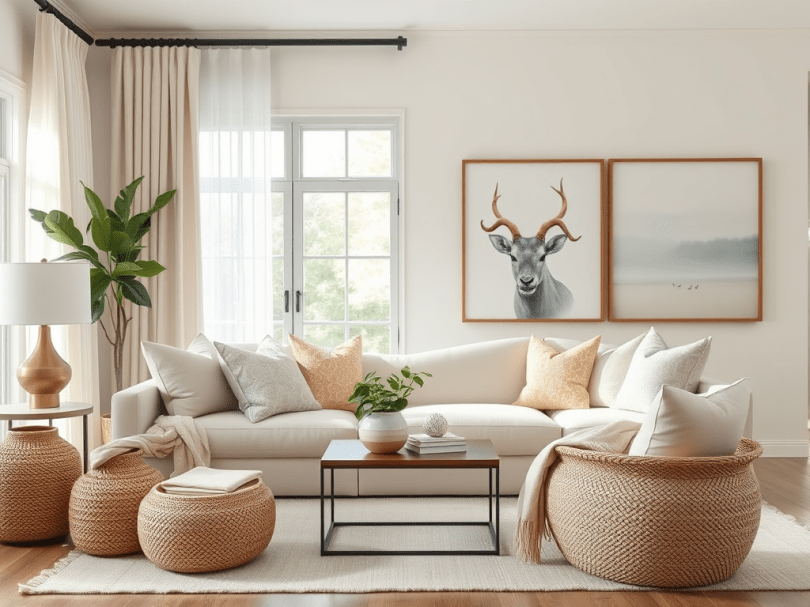
Your home should be more than just a place to sleep at night—it should be a space that makes you smile, helps you relax, and reflects who you are right now. Comfort makes a home livable, but fun is what makes it lovable. The good news? You don’t have to choose one over the other.
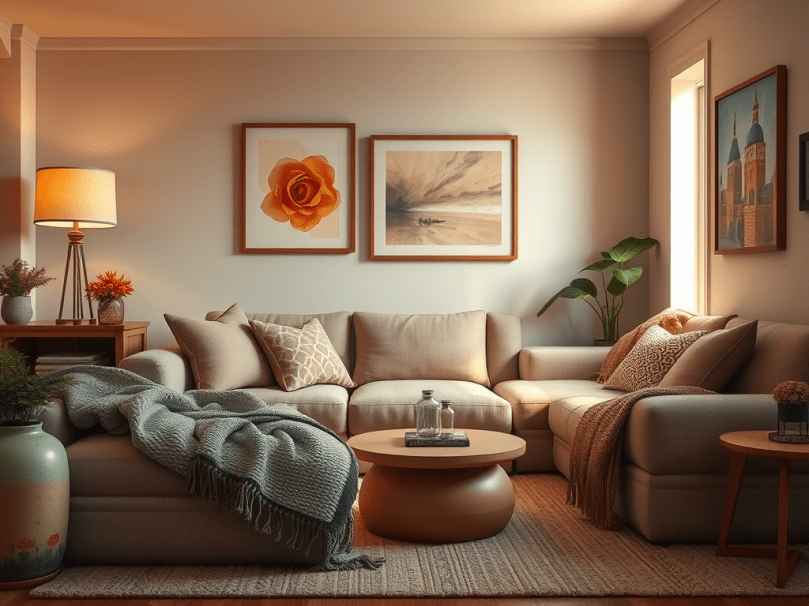
Creating a home that feels both cozy and joyful is about intention, not perfection. Here’s how to love the space you’re in—and have fun while doing it.

Start With Comfort as Your Foundation

Before adding playful elements, make sure your home actually feels good to live in.

Comfort looks different for everyone, but it usually starts with:

  • Furniture that fits your body and your lifestyle
  • Soft textures like throws, rugs, and pillows
  • Lighting that’s warm and inviting—not harsh or overwhelming
  • A layout that allows you to move easily and relax

When your space supports your daily routines, everything else becomes more enjoyable. Comfort gives you permission to slow down and truly enjoy your home.


Add Personality in Small, Fun Ways

Fun doesn’t have to mean loud or over-the-top. Sometimes it’s the little things that bring the most joy.

Try adding:

  • A bold accent pillow or patterned rug
  • Artwork or wall decor that makes you laugh or feel inspired
  • A quirky lamp, vase, or decorative object
  • A pop of color in an unexpected place

These small touches allow you to experiment without committing to a full makeover—and they’re easy to change as your style evolves.


Let Your Home Tell Your Story

The most lovable homes reflect the people who live in them.

Think about:

  • Photos that capture memories you cherish
  • Travel souvenirs or handmade items
  • Books, records, or collections you actually use and enjoy

When your home tells your story, it feels personal—not staged. That personal connection is what turns a house into a place you genuinely love being in.


Mix Practical With Playful

Your home can be functional and fun at the same time.

Look for pieces that do double duty:

  • Decorative storage baskets
  • Stylish trays that organize clutter
  • Ottomans with hidden storage
  • Shelving that displays decor while staying useful

When practical items are also visually appealing, everyday tasks feel lighter and more enjoyable.


Create Spaces That Support Joy

Ask yourself how you want to feel in each area of your home.

Maybe that looks like:

  • A cozy reading corner with a comfy chair and good lighting
  • A coffee or tea station that feels like a mini ritual
  • A game night drawer or shelf
  • A calm bedroom designed for rest and comfort

Designing around experiences—not just appearances—makes your home feel alive and intentional.


Don’t Be Afraid to Change Things Up

Loving your home doesn’t mean keeping it the same forever.

Rearranging furniture, swapping out decor seasonally, or trying a new color palette can instantly refresh your space without spending much money. Change keeps your home exciting and reminds you that it’s allowed to grow with you.

Your home isn’t static—and neither are you.


Give Yourself Permission to Have Fun

There are no strict rules when it comes to decorating your home. If you love it, it belongs.

Forget trends that don’t feel like you. Embrace colors, textures, and styles that make you happy. Comfort comes from ease, and fun comes from freedom.

When you stop decorating for approval and start decorating for joy, your home naturally becomes a place you love being in.


Final Thoughts: Loving the Space You’re In

You don’t need a bigger home, a bigger budget, or a perfect design plan to love where you live. You just need intention, creativity, and a willingness to make your space work for you.

A fun and comfortable home isn’t about getting it right—it’s about making it yours.

And when your home feels good, life feels just a little bit lighter.

How to Choose the Perfect Cabinet: Stylish, Functional, and Affordable


When it comes to making your home feel finished and organized, choosing the right cabinet can be a game-changer. Cabinets do more than just “hold stuff” — they anchor a room, add style, and help keep everyday life flowing smoothly. But finding one that’s both beautiful and practical — without breaking the bank — can feel overwhelming.

Let’s break it down:


Why Cabinets Matter

Cabinets play a major role in every room. Whether it’s the kitchen, living room, bathroom, entryway, or bedroom, they:

Serve a Functional Purpose

  • Storage: Hide clutter and keep items organized
  • Organization: Make it easier to find what you need
  • Surface Space: Provide a place to display decor or essentials
  • Division of Space: Fill empty walls while creating balance

Add Style & Personality

Unlike plain shelves or storage bins, a well-chosen cabinet:

  • Reflects your design style
  • Adds architectural interest
  • Complements your existing furniture and finishes

Step-by-Step Guide to Choosing Your Cabinet

1. Start With Purpose

Ask yourself:

  • What will be stored here?
    • Dishes? Linens? Games? Office supplies? Bathroom products?
  • How often will it be accessed?
    • Daily use vs occasional items
  • Should it be closed or open storage?
    • Closed cabinets conceal clutter
    • Open shelving feels more decorative but requires neatness

Tip: If your goal is organization first, choose cabinets with doors and deep shelves. If your goal is style first, open sections or glass doors add visual appeal.


2. Know Your Space

Before you shop:

  • Measure the wall and height
  • Note any outlets, windows, or doorways
  • Consider traffic flow (don’t block pathways)

Getting the right proportions is crucial to avoid cabinets that are too big, too small, or awkwardly placed.


3. Style vs Function: Find the Perfect Balance

Modern Minimalist

  • Clean lines, neutral colors
  • Easy-to-access cabinets
  • Great for living rooms, entryways

Functionality: Simple hardware, flat fronts, hidden storage

Craftsman or Rustic

  • Wood finishes, natural textures
  • Sturdy construction

Functionality: Deep shelves, drawers that hold bulky items

Transitional & Classic

  • Elegance with practical design
  • Complement a range of styles

Functionality: Adjustable shelves, versatile storage

Pro Tip: Choose cabinet finishes that coordinate with your existing furniture or wall colors to make the piece look intentional and cohesive.


4. Affordable Options & Where to Find Them

Finding stylish cabinets doesn’t have to cost a fortune! Here are places to look:

Big-Box Stores

Stores like Home Depot, Lowe’s, and Target offer:

  • Budget-friendly ready-to-assemble (RTA) cabinets
  • Modular pieces that can be stacked or customized
  • Variety of sizes and finishes

Great for kitchen remodels, laundry rooms, or bathrooms.

Online Retailers

  • Wayfair
  • Amazon
  • Overstock

These often have flash sales, coupons, and free shipping.

Second-Hand & Thrift

Don’t overlook:

  • Facebook Marketplace
  • Craigslist
  • Local thrift stores
  • Estate sales

You can often find solid wood cabinets at a fraction of the price — and then refinish them to make them your own.

DIY & Upcycled Options

If you like projects:

  • Refinish an old dresser with fresh paint and new hardware
  • Add legs to a console to create a modern cabinet
  • Repurpose kitchen cabinets for bathrooms or mudrooms

This is one of the most affordable routes and adds unique character.


5. Functionality Features to Look For

When choosing a cabinet, think about features that enhance everyday use:

Adjustable Shelves

Perfect for changing storage needs — tall items one week, small baskets the next.

Soft-Close Drawers

Prevents slamming and keeps daily use quiet and smooth.

Deep Drawers

Ideal for bulky items like linens or pots and pans.

Hooks & Racks

Great in entryway cabinets to hold bags or scarves.

Modular Units

Pieces that stack or connect allow flexibility and future upgrades.


6. Tips for Stretching Your Budget

✅ Shop seasonal sales (e.g., Black Friday)
✅ Compare prices across sites before buying
✅ Use coupons and store rewards
✅ Consider unfinished cabinets and paint them yourself
✅ Buy used and give a modern update


In Summary

A great cabinet should be:
Functional — holds what you need
Stylish — matches your home’s design
Affordable — fits your budget
Purposeful — designed for how you live

Whether you’re dressing up your living room, organizing the kitchen, or adding storage to your bathroom, the right cabinet makes life easier and your space more beautiful.


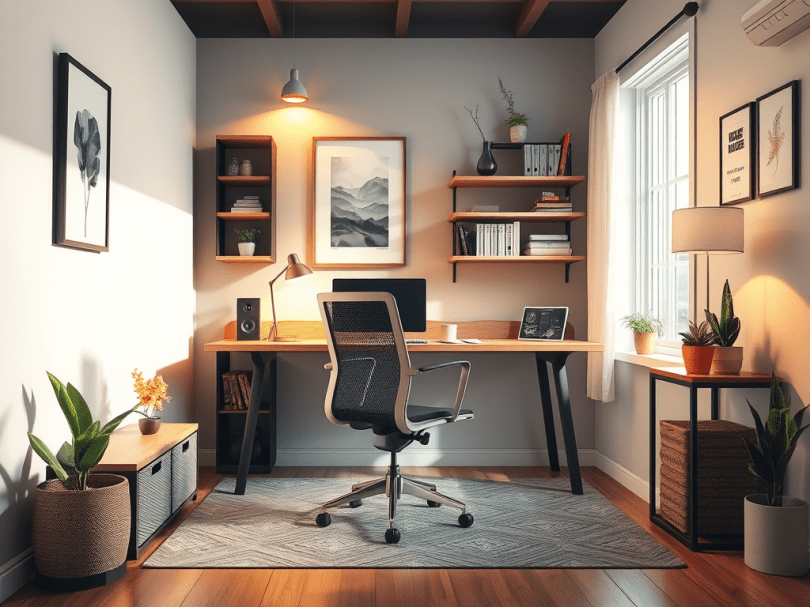
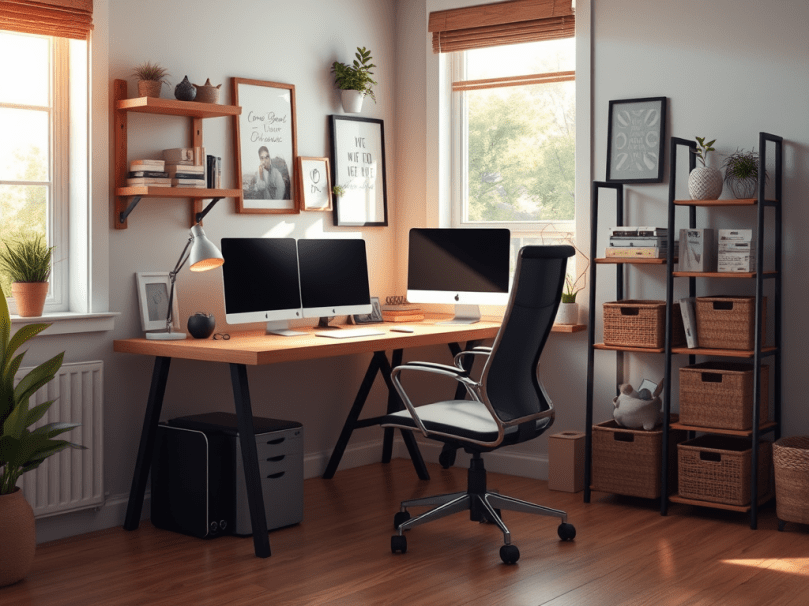
How to Update Your Home Office: How to Make Your Home Office Functional and Stylish


Working from home has become more than a trend—it’s a lifestyle. Whether you’re running a business, managing household tasks, or balancing a hybrid work schedule, your home office should support productivity without sacrificing style. The good news? You don’t need a full renovation to transform your space. With a few intentional updates, you can create a home office that works hard and looks great.

1. Start With How You Actually Use the Space

Before buying anything new, take a moment to evaluate your daily routine.

Ask yourself:

  • Do I need more desk space or better storage?
  • Am I on video calls often?
  • Do I work long hours and need ergonomic support?
  • Is this space shared with another purpose (guest room, dining area, living room)?

Understanding how you use your home office helps you make smart, functional upgrades instead of decorative ones that don’t serve you.


2. Choose the Right Desk for Function and Flow

Your desk is the foundation of your home office.

Functional tips:

  • Choose a desk that fits the room—oversized desks can overwhelm small spaces.
  • Look for built-in drawers or shelves if storage is limited.
  • Floating or wall-mounted desks work well in compact homes or apartments.

Style tips:

  • Wood desks add warmth and texture.
  • White or light-colored desks keep the space feeling open and airy.
  • Metal or glass desks lean modern and minimalist.

A desk should support your workflow while blending seamlessly with your home’s overall decor.


3. Invest in a Comfortable, Stylish Chair

Comfort is non-negotiable, but that doesn’t mean your chair has to look like it belongs in a corporate office.

Look for:

  • Adjustable height and lumbar support
  • Cushioned seating for long work sessions
  • A design that complements your decor style

There are many chairs today that balance ergonomics and aesthetics, making them perfect for visible home offices.


4. Maximize Storage Without Adding Clutter

A functional office is an organized one.

Smart storage ideas:

  • Vertical shelving to free up floor space
  • Decorative baskets or bins for paperwork and supplies
  • Filing cabinets that double as accent furniture
  • Drawer organizers to keep small items tidy

The goal is to keep everything you need within reach—without letting clutter take over the room.


5. Improve Lighting for Productivity and Mood

Lighting can make or break a home office.

Layer your lighting:

  • Natural light whenever possible—place your desk near a window
  • Task lighting like desk lamps for focused work
  • Ambient lighting such as floor lamps or wall sconces for warmth

Choose warm-neutral bulbs to reduce eye strain while keeping the space inviting.


6. Add Personality With Decor That Inspires You

Your home office should feel motivating, not sterile.

Style-enhancing ideas:

  • Wall art or framed quotes that reflect your goals
  • A small gallery wall or statement piece behind your desk
  • Plants to add life and improve air quality
  • Decorative trays or bookends for a polished look

Decor doesn’t just make the space pretty—it makes it yours.


7. Keep Technology Organized and Minimal

Visible cords and bulky tech can disrupt an otherwise stylish office.

Try:

  • Cord management boxes or clips
  • Wireless keyboards, mice, and chargers
  • Monitor risers that double as storage
  • Cable trays mounted under the desk

A clean tech setup keeps your office looking intentional and professional.


8. Make It Work With the Rest of Your Home

If your home office is part of a shared space, cohesion matters.

  • Match finishes and colors to nearby furniture
  • Use rugs or room dividers to visually define the workspace
  • Choose decor that complements—not competes with—the rest of the room

This ensures your office feels like a natural extension of your home rather than an afterthought.


Final Thoughts

Updating your home office is about finding the balance between functionality and style. When your space supports how you work and reflects your personal taste, productivity comes more naturally—and work feels a little less like work.

Small changes can make a big difference. Start with what matters most to you, build intentionally, and create a home office you’re excited to sit down in every day.

Your workspace should work for you—beautifully.

The New Look in Window Shades: 2025 Trends That Are Taking Over Homes


Window coverings aren’t just about blocking light anymore — they’re a core design element in stylish, functional homes. In 2025, big shifts are happening: sustainability, smart tech, layered looks, and expressive styles are all taking center stage. (Best Custom Curtains)

Why Window Treatments Matter Now More Than Ever

Today’s window treatments blend form and function — they enhance privacy and light control but also anchor a room’s vibe, elevate aesthetics, and can even improve energy efficiency. Minimalist designs coexist with bold patterns, and smart tech paired with natural materials creates spaces that feel cozy and modern. (Budget Blinds)


Window Covering Types: What’s Out There

Here’s a breakdown of the most popular categories your readers will want to know:

1. Shades

Shades are fabric-based and provide a clean, elegant look.

  • Cellular (Honeycomb) Shades — Excellent insulation and energy efficiency; light filtering or blackout options. (Shutters and Blinds by Design)
  • Roman Shades — Soft folds add texture and warmth. (Curtarra)
  • Roller/Solar Shades — Sleek and minimalist, great for UV control without blocking views. (Best Custom Curtains)
  • Dual / Zebra Shades — Alternate sheer and opaque stripes for flexible light and privacy control. (A-Blinds Experts Inc.)

2. Blinds
Adjustable slats provide precise light and privacy control.

  • Faux Wood Blinds — Stylish and durable, moisture-resistant.
  • Aluminum or Vinyl Blinds — Sleek, modern, budget-friendly options.

3. Curtains & Drapes

Soft, fabric panels that can be layered over shades or blinds for depth and texture.

4. Shutters

Rigid and architectural, shutters offer timeless sophistication and strong light control.

5. Smart & Motorized Systems

Automated shades and blinds that work with voice assistants or apps are now mainstream, not luxury. (Today’s Window Fashions)


Stylish Window Trends for 2025

Understanding the look will help your readers decide what’s right for their space.

Eco-Friendly, Natural Materials

Natural materials like bamboo, woven wood, rattan, and organic fabrics are trending — perfect for homes with an earth-connected vibe. (Made in the Shade Hilton Head)

Smart & Motorized Convenience

Motorized window coverings are becoming standard in modern homes. They offer schedule automation, voice control, and increased convenience — especially for tall or hard-to-reach windows. (Best Custom Curtains)

Layered & Textural Looks

Gone are the days of one flat covering. Designers love layering shades with sheer curtains or drapes to add visual richness and flexible light control. (Budget Blinds)

Bold Patterns & Colors

While neutrals are still classic, jewel tones and graphic patterns are on the rise — giving spaces distinctive personality. (The Blind Rus)

Minimalist and Luxe

Clean lines and refined materials continue as a core trend — especially with solar roller shades or tailored Roman designs. (Made in the Shade Black Hills)


Product Recommendations for Every Style

Here are window coverings your readers will love — from functional everyday picks to stylish statement pieces:

Top‑Rated Cellular Shades

$25.91

Classic Faux Wood Blinds

$44.98

Dual Zebra Shades

$42.99

Premium Solar Roller Shades

$37.09

Affordable Cellular Shade

$34.98

Elegant Roman Shade

$54.99

Bamboo Woven Shades

$41.99

Color‑Block Linen Curtains

$127.20

Best for Versatility & Everyday Use

Minimal & Modern

Soft & Stylish


What People Are Saying

Popular Opinions in 2025

  • Homeowners love motorized and cordless options for convenience and safety. (Reddit)
  • Many agree that natural light and sleek designs make spaces feel larger and more inviting. (Reddit)
  • Eco-friendly materials and rich colors are aesthetic favorites — especially in living and entertaining spaces. (The Blind Rus)

Final Thoughts

From smart automated blinds to natural woven shades, 2025 is all about functional beauty and expressive design in window treatments. Whether your readers want to create a cozy retreat, a bold centerpiece, or a minimalist space bathed in light — there’s a window covering trend and product to match.

How to Create an Expensive-Looking Home on a Budget


Finding High-End Style Without the High-End Price Tag

Creating a home that looks polished, stylish, and expensive doesn’t require a luxury budget. In fact, some of the most beautiful homes are thoughtfully designed using affordable finds, smart styling, and intentional choices. The secret isn’t how much you spend—it’s what you spend it on and how you style it.

If you love the look of high-end interiors but need to stay budget-conscious, this guide will show you exactly how to achieve expensive style without overspending.


1. Focus on the Look, Not the Label

High-end homes aren’t filled with brand names—they’re filled with cohesive design choices. Instead of shopping by brand, shop by:

  • Shape
  • Texture
  • Material
  • Color palette

A $40 lamp with a sculptural base and linen shade can look far more expensive than a $300 lamp that doesn’t fit your space. When shopping, ask yourself:

Does this piece look intentional and timeless?


2. Choose Neutral Colors with Depth

Neutral doesn’t mean boring—it means elevated. Expensive interiors often rely on:

  • Warm whites
  • Creams
  • Soft beiges
  • Greige
  • Muted earth tones

Layering similar tones adds richness without clutter. Even budget furniture looks more upscale when surrounded by a cohesive, neutral palette.

Budget Tip: Use paint strategically. A fresh coat of paint on walls, furniture, or cabinets instantly upgrades a space for very little money.


3. Upgrade Small Details for Big Impact

It’s often the small things that make a home look high-end:

  • Swap builder-grade hardware for matte black, brass, or brushed nickel
  • Replace outlet covers with sleek, modern versions
  • Add curtain rods with decorative finials
  • Use matching hangers in closets

These tiny upgrades are inexpensive but make your home feel intentional and finished.


4. Mix Textures to Create Luxury

Luxury spaces feel layered and inviting. You can achieve this affordably by mixing textures:

  • Linen or faux linen curtains
  • Knit or boucle throw pillows
  • Faux leather accents
  • Woven baskets
  • Ceramic or stone-look decor

Texture adds depth, which makes even inexpensive items feel designer-inspired.


5. Go Big on Art (Without the Big Price)

Oversized art instantly elevates a space—but it doesn’t have to be expensive.

  • Download digital prints and frame them
  • Use large-scale abstract canvases
  • Create a gallery wall with cohesive frames
  • Frame fabric, wallpaper samples, or personal photography

Pro Tip: Matching frames make budget art look curated and custom.


6. Shop Secondhand Like a Designer

Thrift stores, estate sales, and online marketplaces are goldmines for expensive-looking pieces:

  • Solid wood furniture
  • Mirrors with ornate or oversized frames
  • Vintage decor
  • Lamps and accent tables

You don’t need many statement pieces—just one or two well-chosen items can anchor a room and make everything else look more expensive.


7. Use Lighting to Set the Mood

Lighting is one of the most overlooked design elements—and one of the most important.

  • Layer lighting (table lamps, floor lamps, overhead)
  • Choose warm bulbs instead of harsh white
  • Use fabric or frosted shades for softness

A $50 lamp with warm lighting can completely transform the feel of a room.


8. Style with Intention, Not Excess

Minimalism doesn’t mean empty—it means purposeful.

  • Group decor in odd numbers
  • Leave negative space
  • Avoid overcrowding shelves
  • Rotate decor seasonally instead of buying more

Less clutter = more luxury.


9. Invest Where It Matters, Save Where You Can

You don’t need to splurge on everything. Choose one or two areas to invest in:

  • A sofa
  • A mattress
  • Dining chairs

Then balance the space with budget-friendly accessories. This creates a high-low mix that feels thoughtful and designer-approved.


10. Confidence Is the Final Touch

An expensive-looking home isn’t about perfection—it’s about confidence in your choices. When your home reflects your style, feels cohesive, and functions for your life, it will always feel elevated—no matter the budget.


Final Thought

Luxury is a feeling, not a price tag. With smart shopping, intentional styling, and a little creativity, you can create a home that looks high-end, feels welcoming, and stays within your budget.

Your home should tell your story—beautifully and affordably.