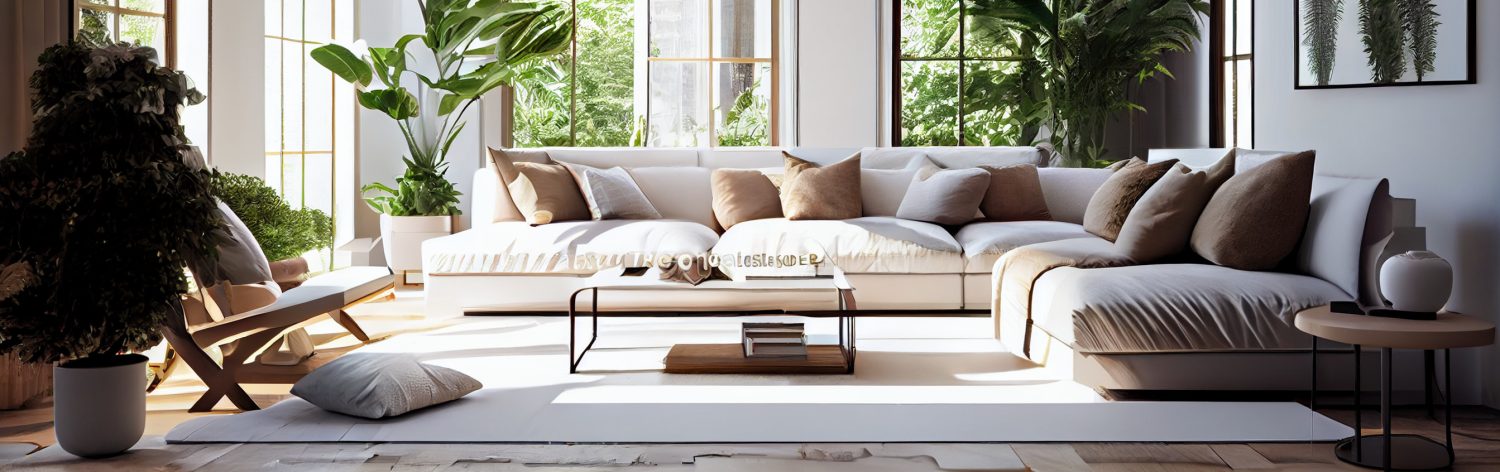

Small Space Outdoor Furniture: Stylish Ideas, Decorating Tips, and Product Recommendations


When the weather warms up, there’s nothing better than enjoying your morning coffee or a relaxing evening outside. But what if you’re working with a small patio, balcony, or deck? Don’t worry—outdoor living is still possible, and even the tiniest spaces can become your personal oasis with the right furniture and decorating ideas.

Why Choosing the Right Outdoor Furniture Matters in Small Spaces

Outdoor furniture designed for small spaces prioritizes functionality, comfort, and style without overwhelming your area. Every piece should serve a purpose—bonus points if it’s multifunctional or easy to store.

Small space outdoor furniture allows you to maximize your square footage, whether you’re creating a cozy nook for two or a solo relaxation spot. It’s about choosing items that fit your lifestyle and your space.


Top Small-Space Outdoor Furniture Ideas & Product Picks

1. Bistro Sets – Perfect for Morning Coffee or Evening Wine

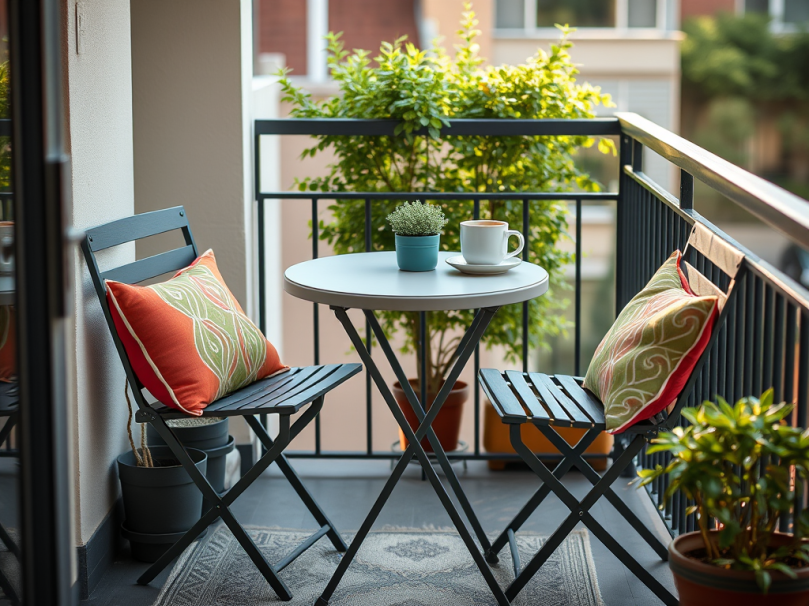
Compact and charming, bistro sets are ideal for small balconies or patios. Typically made for two, they provide seating without taking over your space.

Product Recommendation:
Grand Patio Premium Steel Bistro Set – Weather-resistant, foldable chairs, and a tempered glass table—easy to store and available in fun colors like teal, red, and navy.

Tip: Choose a foldable bistro set so you can store it away when you need extra space.


2. Outdoor Folding Chairs & Tables – Space-Saving and Practical

Folding furniture gives you flexibility. Pull it out when needed and store it when it’s not. Perfect for apartments or shared spaces.

Product Recommendation:
Best Choice Products 3-Piece Outdoor Folding Table & Chairs Set – A natural acacia wood finish adds warmth, and the foldable design keeps your space clutter-free.

Tip: Add colorful cushions or outdoor pillows to soften the wood and bring in your personal style.


3. Bench with Storage – Seating and Storage in One

A bench is a smart way to combine seating with storage. Use it to store outdoor cushions, gardening tools, or kids’ toys while adding extra seating space.

Product Recommendation:
Keter Eden 70 Gallon Storage Bench – Weather-resistant, lockable, and perfect for small decks or porches.

Tip: Add an outdoor throw or blanket on top to make it cozy and inviting.


4. Hanging Chairs or Hammock Chairs – A Touch of Relaxation

If you have vertical space, a hanging chair or hammock chair gives you a comfy spot to unwind without taking up too much floor space.

Product Recommendation:
Y-Stop Hammock Chair Hanging Rope Swing – Stylish and compact, ideal for covered porches or balcony corners.

Tip: Place a small side table nearby for drinks or books.


5. Stackable or Nesting Tables – Function Without Bulk

Nesting tables or stackable stools work great as end tables, extra seating, or plant stands. Pull them out when needed and tuck them away afterward.

Product Recommendation:
Walker Edison Nesting Outdoor Side Tables – Durable and lightweight, these tables are stylish enough for indoor use too.

Tip: Use them to hold potted plants during the day and serve drinks in the evening.


Small Space Outdoor Decorating Tips

Choose a Color Palette: Light colors, pastels, or earthy tones can open up the space. Pops of color through pillows or planters make it lively without overwhelming the area.

Use Vertical Space: Hanging planters, wall gardens, or lanterns free up floor space while adding charm and greenery.

Outdoor Rugs: A small weather-resistant rug helps define your space and adds texture and warmth.

Fairy Lights or Lanterns: String lights or solar lanterns create a cozy, intimate vibe for night-time relaxing.

Incorporate Plants: Even if space is limited, small planters or railing boxes bring life and a sense of calm to your outdoor area.

Final Thoughts

Small outdoor spaces deserve just as much attention and care as large patios or backyards. With the right furniture pieces and smart decorating, your balcony or patio can become your favorite hangout spot.

Whether it’s a charming bistro set or a cozy hammock chair, investing in small-space outdoor furniture helps you make the most of the sunny days and starry nights.

Ready to create your outdoor retreat? Start with one or two key pieces and build your space with intention—and a little creativity!
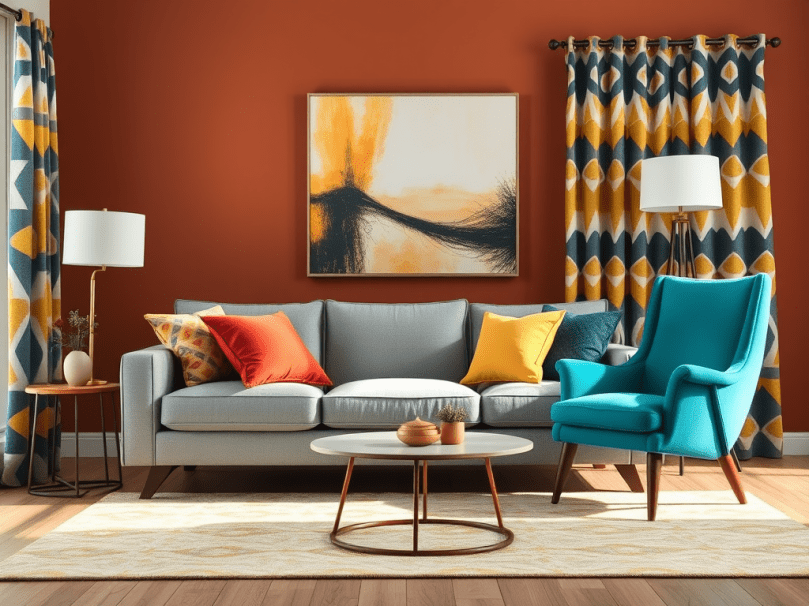
How to Use Multiple Colors in One Room and Still Keep It Stylish & Cohesive


Introduction:
When decorating a room, one of the biggest concerns is whether using multiple colors will make the space feel chaotic. The good news? When done right, layering colors can elevate your space, add personality, and still feel cohesive. It’s all about balance, thoughtful placement, and keeping your color palette in check.

Here’s how to mix two or more colors in a room—and some stylish product picks to help you get started.


1. Start with a Base Color

Choose a base color that grounds the room—neutrals like soft whites, beiges, or grays work perfectly. This will allow your added colors to pop without overwhelming the space.

Product Recommendation:
Rivet Cove Mid-Century Modern Sofa (Stone Gray) – Available on Amazon
Perfect neutral base for your living room that works well with pops of color in cushions or wall art.


2. Use the 60-30-10 Color Rule

Remember this classic rule:

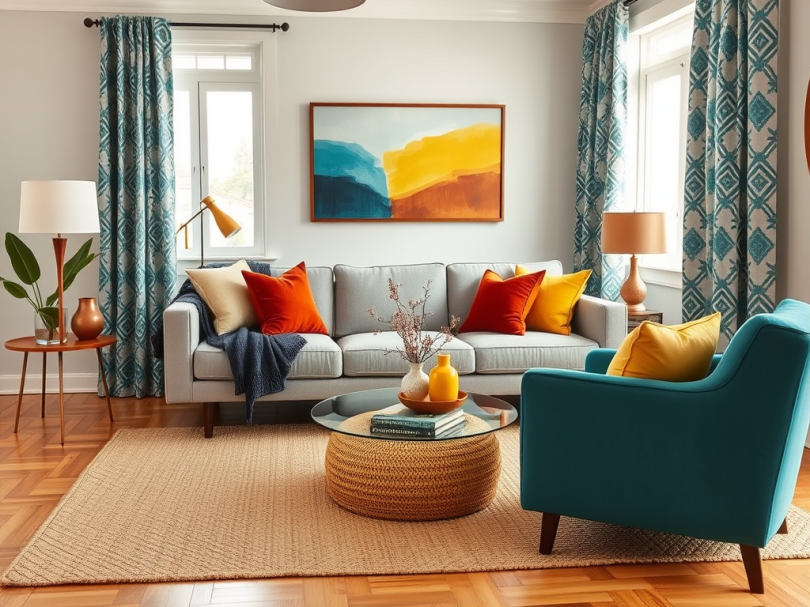
  • 60% dominant color – walls, rugs, large furniture
  • 30% secondary color – curtains, chairs, smaller furniture
  • 10% accent color – pillows, art, vases

Product Recommendations:
Dominant: NuLOOM Rigo Hand Woven Jute Rug (Natural)
Secondary: Christopher Knight Home Velvet Accent Chair (Teal)
Accent: Abstract Throw Pillows in Rust and Mustard Yellow (Amazon Set of 2)


3. Find a Common Thread

Tie colors together with shared undertones or through patterns.

Product Recommendations:
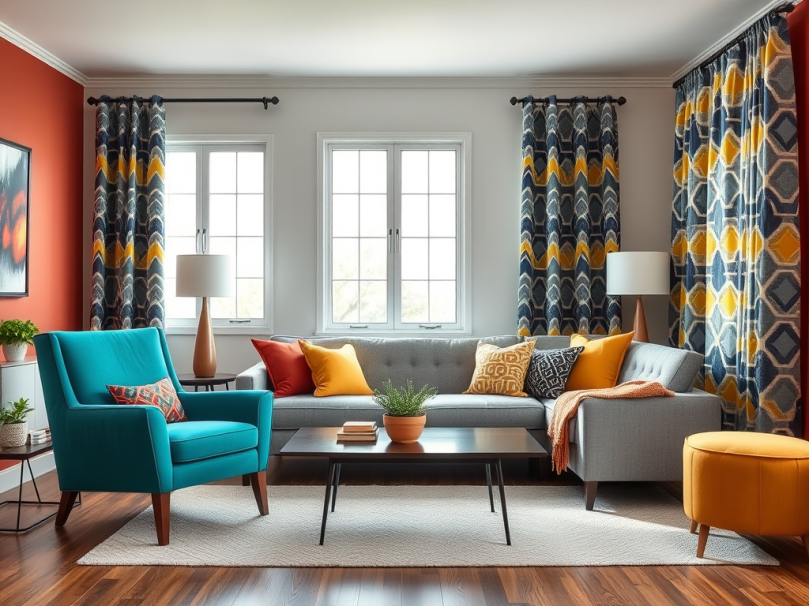
Rivet Modern Geometric Print Curtains (Navy/Yellow/Gray)
These patterned curtains mix blue, yellow, and gray tones—perfect for pulling your color palette together without feeling forced.


4. Try Color Blocking or Accent Walls

Color blocking can anchor a space without overpowering it. Paint one wall a bold color or introduce a colorful furniture piece.

Product Recommendations:
BEHR Paint in “Canyon Dusk” – A warm terracotta hue that’s perfect for an accent wall.
Or:
Modway Render Mid-Century Modern TV Stand in Walnut and White – Adds both wood tones and a touch of white for balance.


5. Get Inspired by Nature’s Color Combinations

Nature offers perfect color palettes—think greens and browns, blues and sandy tones.

Product Recommendation:
Madison Park Natural Landscape Framed Wall Art – Combines sky blue, earthy browns, and green tones, making it easy to build your color scheme around.


6. Layer with Patterns and Textures

Adding textures and patterns breaks up color blocks and softens the look.

Product Recommendations:
Bedsure Chunky Knit Blanket (Cream or Olive Green) – Adds texture without adding more color intensity.
Stone & Beam Modern Farmhouse Plaid Throw Pillows – Easy way to introduce multiple colors subtly.


7. Use Lighting to Enhance Colors

Good lighting enhances colors and prevents the room from feeling heavy.

Product Recommendations:
Brightech Sky LED Torchiere Floor Lamp (Warm Light) – Provides soft light that enhances warm tones.
Or:
Seaside Village Dimmable Vintage Table Lamp with a Fabric Shade – Great for accenting cooler tones.


Example Color Combinations that Work Well Together

PalettePrimary ColorSecondary ColorAccent Color
Coastal CalmSoft GraySeafoam GreenNavy Blue
Earthy BohoWarm BeigeTerracottaOlive Green
Modern GlamCreamEmerald GreenGold
Vibrant EnergyWhiteTealMustard Yellow

Final Thoughts:

The secret to using multiple colors in one room is balance and intention. Let one color lead, the second support, and the third create pops of interest. Patterns, textures, and thoughtful placement ensure the colors don’t compete, but instead, work together to tell a stylish, cohesive story.

💬 Pro Tip: Use color swatches or apps like Sherwin-Williams ColorSnap or Benjamin Moore Color Portfolio to play around with color pairings before committing.


Ready to add color to your space?

Here are some shoppable picks to get started:


What color combinations do you love? Drop your ideas in the comments!

Incorporating Your Pets, Children, and Spouse into Your Home Decor: A Family-Friendly Approach

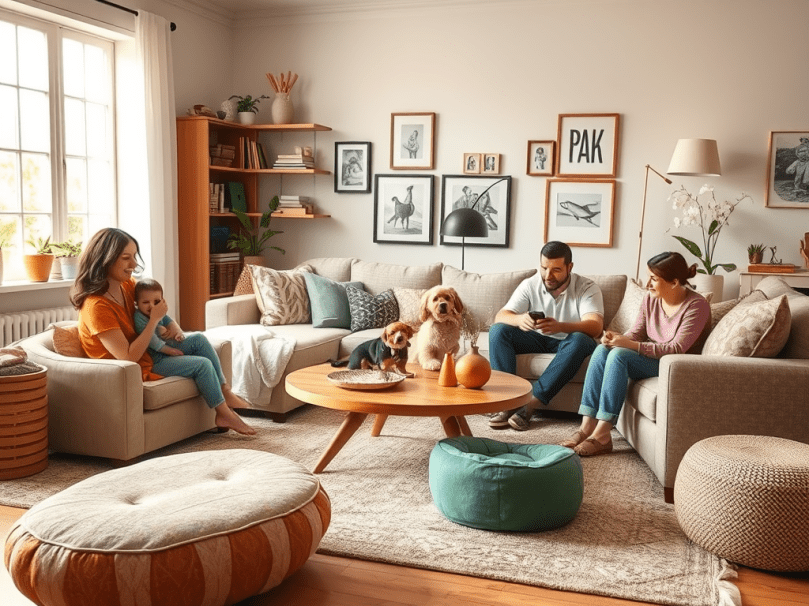
Decorating your home is a personal journey, but when you have a family, including pets, children, or a spouse, it can be a little more complicated. Each person has their own preferences, needs, and personalities, which may not always align with the vision you have for your space. However, finding a balance that incorporates everyone into your home decor can create a space that feels truly like home—a place where every family member, human or animal, feels comfortable and valued.

Here’s how to incorporate your pets, children, and spouse into your home decor, ensuring that everyone’s needs are met while still maintaining a cohesive and beautiful aesthetic.

1. Create Designated Spaces for Pets

Pets are a big part of the family, and they deserve to be considered in your decor plans. Instead of relegating your pets to the back corner or trying to hide their belongings, incorporate their needs into the design.

  • Pet-Friendly Furniture: Choose furniture that’s easy to clean and durable enough to withstand the wear and tear of pet claws and shedding. Consider slipcovers for sofas or chairs that can be easily removed and washed.
  • Pet Beds and Stations: Select stylish pet beds or crates that blend seamlessly with your living room or bedroom design. You can even customize a space for them, such as a cozy nook under the stairs or an open crate that doubles as a side table.
  • Pet Storage: Keep pet toys, treats, and accessories organized with storage baskets that match your decor. This will help you avoid clutter and keep your home looking neat.

2. Consider Children’s Needs and Interests

Children’s rooms are often the heart of a family home, and making them feel part of the family’s decor is essential. But even in shared spaces, it’s important to create areas where kids feel seen and heard.

  • Personalize Their Space: Whether it’s their bedroom or playroom, let your child have input on their room’s decor. Choose colors, patterns, and designs that resonate with their personality while keeping the space functional. Consider adding art they’ve created or favorite books to make the space feel truly theirs.
  • Create Multifunctional Spaces: In family rooms or shared areas, choose furniture that works for both kids and adults. A sofa with durable fabric and a coffee table that can double as a game or homework station are both practical and stylish.
  • Safety First: Kids can be energetic, so ensure your furniture is safe. Use rounded-edge tables, secure heavy furniture to the wall, and opt for soft rugs to cushion any accidental falls.

3. Involve Your Spouse in the Process

Your spouse’s preferences play a key role in your home decor choices. Whether you have complementary tastes or prefer different styles, finding a common ground is essential to creating a space you both enjoy.

  • Blend Personal Styles: If you and your spouse have different tastes, find a middle ground by combining elements from both styles. You could merge modern and rustic designs, or use neutral tones with pops of color to represent each person’s preferences.
  • Compromise on Color and Design Choices: Discuss and compromise on the color scheme and design details for shared spaces. Consider using a neutral backdrop with accented accessories to reflect both of your personalities.
  • Design Functional Spaces: Make sure that spaces like the living room, home office, or kitchen work for both of you. Think about practical elements like organization, seating arrangements, and storage needs to make the home functional for both partners.

4. Consider Family-Friendly Layouts

When designing your home, think about flow and layout that encourages togetherness while still allowing for personal space. A home that accommodates everyone’s needs will feel inviting and harmonious.

  • Open Layouts: If possible, create an open-concept design in spaces like the kitchen and living room. This allows everyone to interact while still having enough room for personal activities.
  • Private Areas: Make sure there are areas where individuals (including pets) can retreat for some quiet time. Designate a reading nook for your spouse or a small art station for your child, and make sure your pet has a comfy spot where they can rest.

5. Incorporate Items That Represent Everyone

From artwork to accessories, choose decor that speaks to all family members. You can display meaningful family photos, create a gallery wall with everyone’s artwork, or use family mementos as part of the decor.

  • Custom Artwork: Have custom art pieces made that incorporate each member of the family, whether it’s a hand-painted portrait or a stylized print that includes the names of everyone, even pets.
  • Decor That Reflects Interests: Show off everyone’s passions—whether it’s your spouse’s love of music, your child’s favorite cartoon character, or your pet’s adorable photos—through decor that captures what makes each of you unique.

6. Keep Practicality in Mind

When designing for a family, especially one with young children or pets, practicality is key. It’s important to choose furniture and decor that can withstand daily life and offer both function and style.

  • Durable Fabrics and Materials: Opt for fabrics that are stain-resistant, easy to clean, and can handle the demands of family life. Leather, microfiber, and performance fabrics are good options for furniture that needs to hold up over time.
  • Storage Solutions: Keep clutter at bay with clever storage solutions like baskets, bins, or multi-functional furniture. This keeps spaces organized while making sure everyone’s needs are met.

Conclusion

Decorating your home is about creating a space that reflects your family’s personalities and needs. By considering everyone in the family, from your pets to your children and spouse, you can craft a cohesive design that makes everyone feel at home. It’s all about blending practicality with personal style, and when done right, your home will be a place where everyone—whether human or animal—can thrive.

Should You Mount Your TV in a Rented Apartment or Home? Creative Ideas for a Mounted Look Without the Risk

When living in an apartment or a rented home, you might face restrictions when it comes to making permanent changes to the space. One of the most common debates among renters is whether to mount their TV. Mounting your TV can create a sleek, modern look, but is it worth the risk if it means drilling holes in the wall or potentially violating your lease agreement? The good news is that you don’t have to give up on that mounted TV aesthetic. Here are some creative alternatives for achieving the look you want, without the worry of permanent damage or hefty repair costs.

Why Mounting Your TV is Tempting

Mounting a TV is a popular choice for many homeowners because it saves space and creates a clean, streamlined look. It can make a room feel larger, and with a wall-mounted TV, you can avoid bulky furniture or TV stands that take up valuable floor space. Plus, the setup can give your living room a more sophisticated, high-end vibe.

But, if you’re renting, you might hesitate to mount your TV for a few reasons:

  • Potential damage to the walls: Drilling holes could result in wall damage that may not be easily repaired.
  • Lease restrictions: Some landlords or property managers prohibit drilling or making permanent changes to the walls.
  • Depreciating value: While a mounted TV looks great, it might not be as valuable to future tenants who may prefer a different setup.

So, how can you still achieve that mounted look while keeping your security deposit safe?

Creative Alternatives for a Mounted TV Look

  1. Freestanding TV Stands with Mounting Features

If you love the look of a wall-mounted TV but don’t want to drill into the wall, a freestanding TV stand with built-in mounting features could be the perfect solution. These stands provide the illusion of a mounted TV while offering the flexibility to move it around if needed. Many of these stands come with sleek, modern designs and can hold the TV at the perfect height for comfortable viewing.

Look for options with a cable management system that hides cords and wires for an even cleaner, more minimalist look.

  1. TV Console with Floating Design

A floating TV console is another great way to achieve a mounted look without any wall damage. These consoles sit just below your TV, giving the appearance of floating furniture. They typically have enough storage for media players, game consoles, and decor, so you’ll still have a clutter-free setup. The floating effect can make your room feel more open and airy, and the sleek design complements a modern living room.

  1. Use a TV Stand with Adjustable Height

For renters who want flexibility, an adjustable TV stand can be a game-changer. These stands allow you to raise and lower your TV to your desired viewing height, mimicking the height of a mounted TV. With adjustable options, you also have the freedom to change the angle of your screen for a better viewing experience. This is a functional and stylish option that won’t require drilling into your walls.

  1. TV Wall Frame or Frame Kits

If the look of a mounted TV is a must but you still don’t want to drill into the walls, consider investing in a TV wall frame or frame kit. These kits provide the illusion of a wall-mounted TV by encasing your TV in a frame that matches the style of your room. Some kits even include brackets that attach to the TV stand, making it look as though your TV is floating without any permanent attachment.

  1. Standing TV Mounts

A standing TV mount is a freestanding unit that functions similarly to a wall mount but without the need to drill. It’s a metal frame that holds the TV upright, allowing it to be positioned anywhere in the room. These mounts can be moved from place to place and usually come with cable management systems to help keep everything looking tidy. Standing mounts can also give you the flexibility to change the layout of your room without worrying about fixing holes in the wall.

  1. Mounting on a Temporary Wallpaper or Faux Wall Panel

If you’re set on the idea of wall mounting but don’t want to risk drilling into your actual walls, you can try using a temporary wallpaper or faux wall panel designed for TV mounting. These products are essentially removable panels that can be installed and removed without leaving behind any damage. They can support the weight of a TV and can be customized to fit your aesthetic, offering a stylish and versatile solution.

  1. Wall-Mounted Shelf

If you’re willing to get a little creative, a wall-mounted shelf can act as a makeshift TV mount. The shelf can hold a soundbar, decor, or a few potted plants while serving as a platform for your TV. This option doesn’t require drilling directly into the wall but can still create a floating effect. You can secure the shelf using command strips or adhesive mounts that are safe for walls.

Final Thoughts

When you’re renting an apartment or home, mounting your TV might seem out of reach, but it doesn’t have to be. With these creative solutions, you can still achieve a sleek and modern look while avoiding any risks that come with permanent wall alterations. Whether you go with a freestanding mount or a floating TV console, there’s a solution for every renter who wants to elevate their living room setup.

Have you mounted your TV in your rental space? Or do you prefer one of these alternatives? Share your thoughts and experiences in the comments below!

How to Make Your Entryway a Functional and Stylish Space

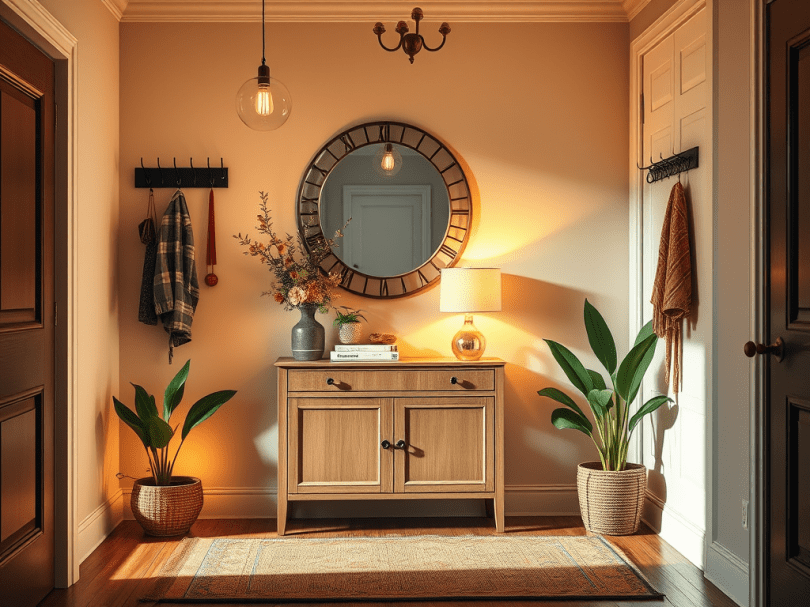
Your entryway is the first thing people see when they enter your home, yet it’s often overlooked in terms of design and functionality. A well-organized and thoughtfully decorated entryway not only sets the tone for the rest of your home but also serves as a key area for organization and convenience. Here’s how you can transform your entryway into a functional and stylish space.

1. Consider the Space You Have

The size and layout of your entryway will determine what types of furniture and accessories you can include. Whether you have a small hallway or a large foyer, it’s important to plan accordingly. For smaller spaces, focus on multi-functional furniture, such as a console table with storage or a wall-mounted coat rack. For larger entryways, consider adding a bench or a statement piece like a decorative mirror or large plant.

2. Invest in Practical Storage Solutions

An entryway is often where coats, shoes, bags, and keys end up, so it’s essential to have storage solutions that can handle the clutter. Here are some options:

  • Hooks and coat racks: A coat rack or hooks on the wall is perfect for hanging coats, scarves, and hats.
  • Storage baskets: Decorative baskets or bins can hide shoes, gloves, and other small items.
  • Shoe rack: If shoes are a problem, a sleek shoe rack or a storage bench can keep things organized and easily accessible.
  • Console table with drawers: A console table with built-in drawers is a great place to store keys, mail, or other small essentials.

3. Create a Welcoming Atmosphere with Lighting

Good lighting is essential in any entryway. It’s a space that needs to be well-lit both for functionality and ambiance. Consider these lighting options:

  • Pendant lights: A stylish pendant light can provide bright overhead lighting and add a decorative element.
  • Table lamps: If you have a console table, a table lamp can add warmth and a personal touch.
  • Wall sconces: Wall-mounted sconces are a great choice for smaller spaces and can add a sophisticated look.

4. Incorporate Personal Style

While the entryway should be functional, it can also be a reflection of your personal style. Whether you prefer a modern, rustic, or eclectic look, there are endless possibilities to add your personality:

  • Art and mirrors: Hang a piece of art or a mirror above the console table to create a focal point. Mirrors are particularly useful in small entryways as they make the space feel larger.
  • Rugs: Add a stylish rug or runner to bring color, texture, and warmth to your entryway. Just be sure to choose a rug that can withstand dirt and moisture.
  • Plants: A few potted plants can liven up the space and give it a fresh, welcoming feel.

5. Pay Attention to the Flooring

The flooring in your entryway takes a lot of foot traffic, so choose materials that are both durable and easy to clean. Consider using tile, wood, or laminate that can handle moisture and dirt. A durable, washable rug or mat near the door will help protect the floor and catch dirt before it enters the house.

6. Add Functional Details

Little touches can make a big difference in how functional your entryway is:

  • A catch-all tray: Keep a small tray on your console table for keys, wallets, or sunglasses.
  • Umbrella stand: If you live in a rainy climate, an umbrella stand near the door is a thoughtful and functional addition.
  • Clock: A wall clock not only helps keep you on schedule but also adds a stylish element to the space.

7. Consider Seasonal Adjustments

Your entryway is an area you can easily update with the seasons. For example, swap out a light, breezy rug for a cozier one in the fall or add festive decor during the holidays. Seasonal changes can keep the entryway feeling fresh and inviting all year round.

Final Thoughts

Your entryway doesn’t have to be a large, grand space to make a big impact. With the right storage solutions, stylish accents, and personal touches, your entryway can be both functional and a reflection of your home’s aesthetic. A thoughtfully designed entryway will not only welcome guests but also help you stay organized and make a positive first impression every time you walk in the door.