
How to Find the Right Floor Lamp for Your Space

Floor lamps are an essential yet often overlooked piece of home decor. They not only provide necessary lighting but also enhance the aesthetics of a room. Whether you’re looking for ambient lighting, task lighting, or a statement piece, choosing the right floor lamp can transform your space. Here’s how to find the perfect floor lamp for your home, along with top recommendations and customer insights.

Types of Floor Lamps

Before selecting a floor lamp, it’s important to understand the different types available:

  1. Arc Floor Lamps – These lamps have a long, curved arm extending over a seating area, making them perfect for reading nooks and living rooms.
  2. Tripod Floor Lamps – Featuring three legs for support, these lamps add a modern, stylish touch and are often used in contemporary spaces.
  3. Torchiere Floor Lamps – Designed to direct light upward, these lamps provide ambient lighting and work well in corners or small rooms.
  4. Task Floor Lamps – Adjustable and designed for focused lighting, these lamps are great for reading or working.
  5. Column or Tower Floor Lamps – Acting as both a light source and a decor piece, these lamps often feature built-in shelving or unique designs.
  6. Swing Arm Floor Lamps – These lamps have a movable arm, making them ideal for adjusting the direction of light as needed.
  7. Club Floor Lamps – Simple and traditional, these lamps have a single stand with a shade and work well in most settings.

How to Choose the Right Floor Lamp for Your Space

When selecting a floor lamp, consider the following factors:

1. Purpose of the Lamp

  • If you need a lamp for reading or working, go for a task floor lamp with adjustable arms.
  • For general lighting, a torchiere floor lamp is an excellent choice.
  • If you want to make a statement, opt for an arc or tripod floor lamp.

2. Size and Proportion

  • Consider the height of the lamp in relation to your furniture. A lamp that’s too short or too tall may not provide the right amount of light.
  • Ensure the lamp base fits comfortably in the available space without overwhelming the room.

3. Style and Aesthetics

  • Match the lamp with your existing decor style. For example:
    • Modern & Minimalist: Sleek metal or black matte designs.
    • Bohemian & Eclectic: Wooden or woven lamp shades.
    • Traditional & Classic: Elegant brass or ornate designs.
  • Consider the color temperature of the bulb—warm white for a cozy atmosphere, bright white for a work-focused space.

4. Energy Efficiency & Smart Features

  • Look for LED-compatible lamps to save on energy costs.
  • Some modern floor lamps come with smart features like dimmable settings and remote control.

Top Recommended Floor Lamps

Here are some of the best floor lamps based on customer reviews:

  1. Brightech Sky LED Torchiere Floor Lamp – A sleek, modern lamp with dimmable LED lighting.
  2. Adesso Trinity Arc Floor Lamp – A stylish arc lamp with three adjustable lights.
  3. IKEA NOT Floor Uplight Lamp – An affordable and simple torchiere lamp for general lighting.
  4. LEPOWER Wood Tripod Floor Lamp – A trendy and warm addition to contemporary spaces.
  5. Globe Electric Holden Floor Lamp – A minimalist yet elegant choice with exposed bulbs for a vintage look.

Advice from a Customer’s Perspective

Having bought multiple floor lamps over the years, here are a few key takeaways from personal experience and customer feedback:

  • Test the brightness before committing. Some lamps may look great but don’t provide enough light for the intended purpose.
  • Check the stability of the base. If you have pets or kids, choose a lamp with a sturdy base to prevent tipping over.
  • Consider the bulb type and replacement ease. Some lamps use specialty bulbs that can be hard to find or expensive.
  • Think about placement before buying. Measure the space to ensure your lamp will fit well and won’t interfere with furniture.

Final Thoughts

A well-chosen floor lamp can elevate the look and functionality of any room. By understanding the different types, considering your space needs, and selecting a high-quality, stylish option, you can find the perfect floor lamp to enhance your home. Whether you need soft ambient lighting or a bold statement piece, the right floor lamp is out there for you!

How to Create a Big Picture Window Look Without Having One

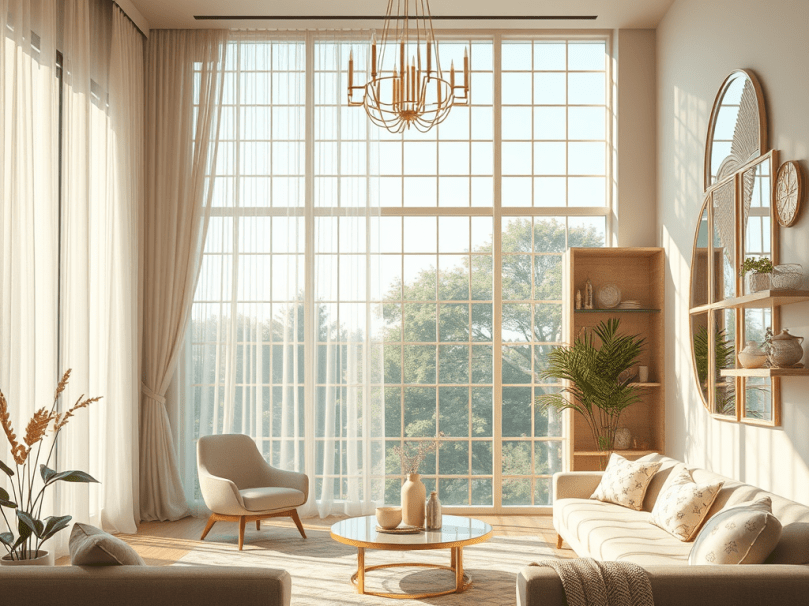
A big picture window can make a room feel open, airy, and filled with natural light. But what if your home doesn’t have one? Don’t worry! You can still achieve the grand, expansive feel of a picture window with a few clever design tricks. Here’s how you can create the illusion of a big picture window even if your home lacks one.

1. Use Floor-to-Ceiling Curtains

One of the easiest ways to mimic the look of a large picture window is to use curtains that extend from ceiling to floor, even if your actual window is much smaller. Choose lightweight, sheer curtains to allow as much light as possible, or opt for bold, dramatic drapes to create a grand effect. Hanging curtains wider than the window can also make it appear much larger.

2. Incorporate Large Mirrors

A well-placed mirror can reflect light and scenery, giving the illusion of a larger, brighter space. Consider placing a large mirror opposite an existing window to reflect the outdoor view, or use a set of tall, framed mirrors to create the illusion of a window.

3. Install Window-Style Wall Decor

There are plenty of wall decor pieces designed to mimic the look of windows. Look for windowpane-style mirrors or decorative frames that resemble window grids. These pieces can create an architectural feel similar to that of a picture window.

4. Try a Faux Window Mural or Decal

A realistic wall mural featuring an outdoor view can trick the eye into thinking there’s a real window in place. Choose a scenic landscape or cityscape to give your space a picturesque backdrop. Window decals that simulate the look of a real window frame with outdoor scenery can also work well.

5. Opt for Open Shelving with Glass Panels

If your wall space allows, consider adding open shelving with glass panels or clear storage units. These can give an airy, open feel, similar to the way a picture window would by breaking up a solid wall.

6. Enhance Natural Light with Lighter Paint Colors

Lighter colors on the walls, ceiling, and even furniture can help reflect light, making your space feel brighter and more open. Soft whites, pastels, and neutral tones can enhance the illusion of a larger window and increase the room’s overall brightness.

7. Install Glass Doors

If possible, replace solid doors with glass-paneled ones, such as French doors or sliding glass doors. These can let in more light and create an open, airy effect similar to that of a picture window.

8. Use Smart Lighting to Imitate Natural Light

If your goal is to brighten a space without natural light, consider installing LED lighting that mimics daylight. Smart lighting systems allow you to adjust the warmth and intensity to create a sunlit effect, making the room feel more open.

9. Arrange Furniture to Maximize Openness

Keep furniture away from windows and walls to maintain a sense of openness. Position seating areas to face the “faux window” (mirror, mural, or decor) to enhance the illusion of an outdoor view.

10. Frame a Scenic View with Trim or Molding

If you have a small window, enhance its presence by adding decorative trim or molding around it. This can make it appear larger and give the impression of a grander view.

Final Thoughts

Even if your home lacks a big picture window, you can still achieve the same expansive and light-filled effect with a few strategic design choices. Whether you use mirrors, curtains, murals, or smart lighting, these tricks can transform your space and give you that open, airy look you love.

Would you try any of these tips? Let me know in the comments how you’d create the illusion of a picture window in your home!

The Best Color Combinations for Your Home: Where and How to Use Them

Choosing the right color combinations for your home can be an exciting yet challenging task. The colors you select set the mood, influence emotions, and enhance the overall aesthetic of your space. Whether you prefer bold contrasts or soothing neutrals, understanding how to use color effectively can transform your home into a beautifully coordinated haven. Let’s explore some of the best color combinations and where to use them.

Timeless Neutral Combinations

  1. Beige & White – This classic pairing creates an airy, open atmosphere, perfect for living rooms and bedrooms. Beige provides warmth, while white adds brightness and a clean feel.
  2. Gray & Taupe – A sophisticated and modern combination, gray and taupe work beautifully in home offices, dining rooms, and kitchens to create an elegant and calming ambiance.
  3. Black & White – A striking contrast, black and white is ideal for contemporary spaces, especially in kitchens, bathrooms, and entryways, where it adds a touch of drama and sophistication.

Warm and Cozy Combinations

  1. Terracotta & Cream – This earthy duo brings warmth and comfort, making it an excellent choice for living rooms and dining areas.
  2. Mustard Yellow & Navy Blue – A rich, vibrant combination that exudes warmth and energy. It works well in accent walls, upholstery, and statement pieces in living rooms or bedrooms.
  3. Deep Red & Charcoal – A bold and intimate choice, great for dining rooms or a cozy home library.

Cool and Refreshing Combinations

  1. Seafoam Green & White – A refreshing, beachy look that’s perfect for bathrooms and bedrooms.
  2. Sky Blue & Soft Gray – A peaceful and sophisticated combination that enhances the tranquility of bedrooms and home offices.
  3. Lavender & Silver – A delicate and dreamy pairing, ideal for a feminine and chic touch in bedrooms or dressing rooms.

Bold and Modern Combinations

  1. Teal & Gold – A luxurious mix that adds depth and glamor, perfect for living rooms and stylish home offices.
  2. Emerald Green & Blush Pink – A trendy yet timeless combination that works well in bedrooms and cozy sitting areas.
  3. Orange & Navy Blue – A lively and energetic contrast that can brighten up entertainment spaces and accent walls.

Where and How to Use Colors in Your Home

  • Living Room: Neutral combinations like beige and white or bold contrasts like navy blue and mustard yellow work well. Add color through furniture, throw pillows, and artwork.
  • Kitchen: Black and white for a modern feel, or seafoam green and white for a fresh look. Consider colorful backsplash tiles for added personality.
  • Bedroom: Soft, calming hues like sky blue and gray or lavender and silver create a relaxing environment.
  • Bathroom: Cool tones like teal and white or seafoam green add a spa-like feel.
  • Home Office: Sophisticated colors like gray and taupe or deep red and charcoal help create focus and productivity.
  • Dining Room: Warm colors like terracotta and cream or deep red and charcoal make the space feel inviting and cozy.

Final Thoughts

The right color combinations can enhance the look and feel of your home. Whether you love neutrals, warm hues, cool tones, or bold statements, strategically placing these colors in the right spaces will help you create a well-balanced and aesthetically pleasing home. Experiment with different shades, mix textures, and let your creativity shine through your home’s color palette!

Finding the Best Throw Pillows: Should You Use Pillow Covers or Buy New Pillows for Each Season?

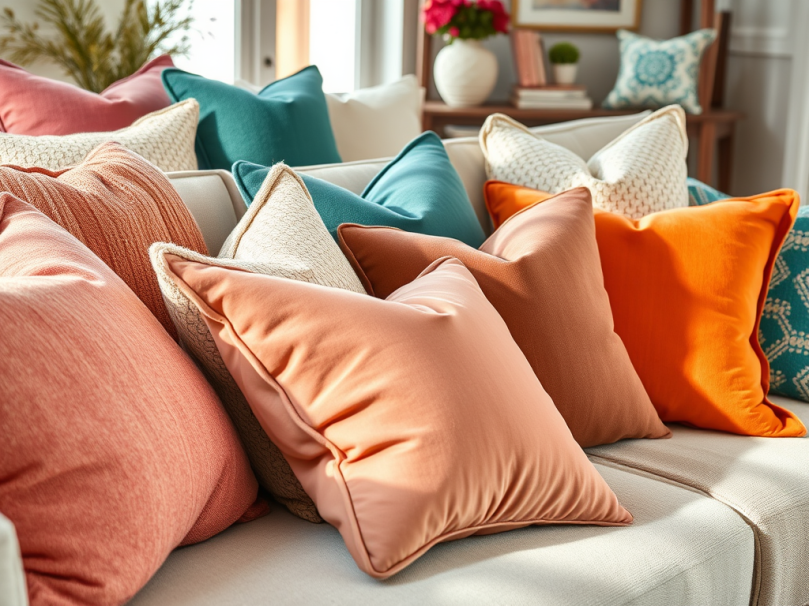
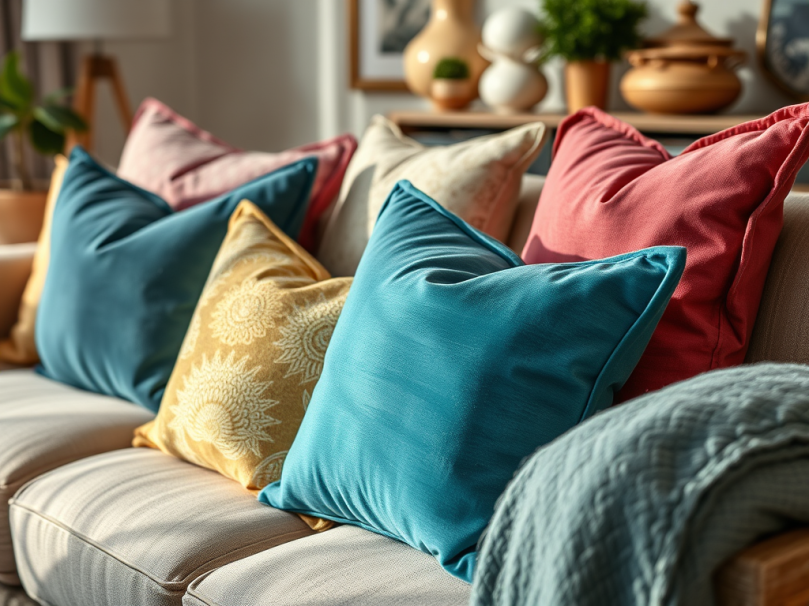
Throw pillows are a simple yet effective way to refresh your home decor, add comfort, and showcase your personal style. However, when it comes to updating them, should you buy new pillows each season, or is it better to use pillow covers? Let’s explore the best approach to finding and maintaining the perfect throw pillows.

Pillow Covers vs. New Pillows: Which is Better?

Pillow Covers: A Versatile and Cost-Effective Option

Pillow covers are an excellent way to switch up your decor without the hassle of storing bulky pillows. Here’s why they might be the right choice for you:

  • Easy to Swap – Changing out a pillow cover is as simple as unzipping one and replacing it with another, making seasonal updates quick and effortless.
  • Space-Saving – Instead of needing storage for multiple pillows, you only need space for neatly folded covers.
  • Budget-Friendly – Pillow covers are often more affordable than buying entirely new pillows, especially if you like to switch styles frequently.
  • Eco-Friendly – Reducing waste by reusing pillow inserts helps cut down on unnecessary consumption.

Buying New Pillows: A Plush, Fresh Option

While pillow covers offer convenience, there are times when buying new pillows may be the better choice:

  • Worn-Out Inserts – If your pillow inserts have lost their shape or become uncomfortable, it may be time for a fresh set.
  • Allergy Concerns – Over time, pillows collect dust and allergens, and replacing them can help maintain a clean, healthy environment.
  • New Textures and Fillings – If you want to experiment with different levels of softness, firmness, or materials, getting new pillows may be worth considering.

Should You Change Your Pillows or Covers Seasonally?

Updating your throw pillows seasonally is a great way to keep your decor looking fresh and aligned with the time of year. Light, breezy fabrics like linen or cotton work well in summer, while cozy textures like velvet or faux fur add warmth in winter. However, frequent changes depend on personal preference and lifestyle.

If you enjoy decorating for the seasons and holidays, swapping out covers is an easy and practical way to refresh your space without excessive spending. On the other hand, if you prefer a consistent aesthetic, investing in high-quality pillows that work year-round can be a great option.

Final Thoughts

When it comes to finding the best throw pillows, pillow covers offer the most versatility and convenience, while new pillows may be necessary for comfort and longevity. Whether you switch things up every season or keep your pillows consistent throughout the year, the key is to choose styles, textures, and colors that complement your space and make your home feel inviting.

Do you prefer using pillow covers, or do you enjoy getting brand-new pillows each season? Share your thoughts in the comments below!

Maximizing Bedroom Storage: Clever Solutions for Small Spaces

Struggling with limited storage in your bedroom? Whether you’re working with a tiny room, a shared space, or a bedroom with minimal built-in storage, there are plenty of creative ways to maximize your space. Here are some smart tips, tricks, and advice to help you get more storage in a room that lacks traditional storage options.

1. Utilize Under-Bed Storage

One of the most underutilized spaces in a bedroom is under the bed. Instead of letting it collect dust, use it to store seasonal clothing, extra bedding, shoes, or other rarely used items. Here’s how:

  • Invest in rolling storage bins or under-bed drawers for easy access.
  • Use vacuum-sealed bags for clothing and linens to save space.
  • Consider a bed frame with built-in storage drawers.

2. Opt for Multi-Functional Furniture

When space is limited, furniture that serves multiple purposes can be a game-changer. Look for:

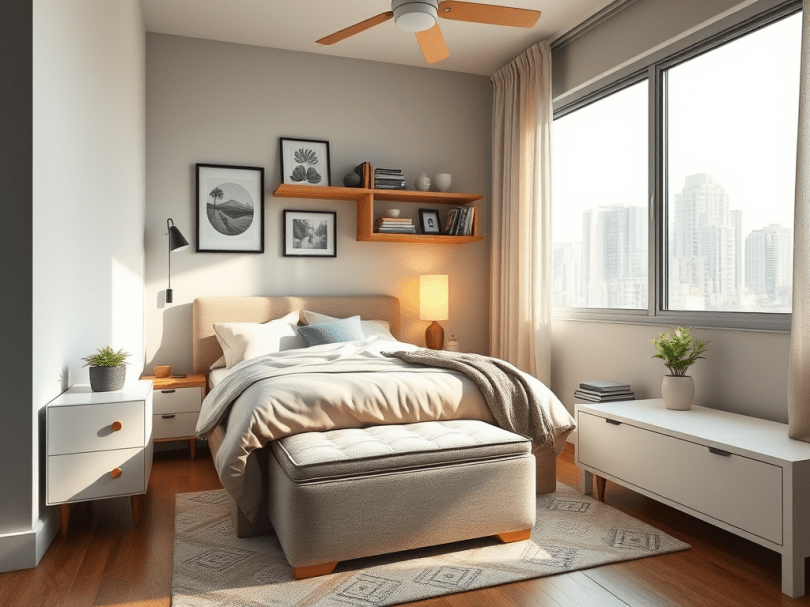
  • A storage ottoman at the foot of the bed for blankets, pillows, or extra clothing.
  • A bed with built-in shelves or a bookcase headboard.
  • A bench with hidden storage that doubles as seating.

3. Make Use of Vertical Space

If you’re running out of floor space, go up! Walls can provide plenty of additional storage:

  • Install floating shelves above the bed or along empty walls.
  • Use tall bookshelves for storage and decor.
  • Hang hooks or pegboards for bags, jewelry, or accessories.

4. Maximize Closet Space

Even a small closet can be optimized for more storage. Try these hacks:

  • Add hanging organizers or shelf dividers.
  • Use slim, velvet hangers to save space and prevent clothing from slipping.
  • Install a second clothing rod to double hanging space.
  • Store out-of-season clothing in labeled bins or vacuum-sealed bags on higher shelves.

5. Use the Back of Doors

Don’t overlook the back of your bedroom and closet doors:

  • Over-the-door shoe organizers can store not just shoes, but also small accessories, toiletries, or folded clothing.
  • Hooks and racks can hold bags, scarves, or belts.
  • A hanging mirror with built-in storage can keep jewelry and small items neatly tucked away.

6. Consider Under-Utilized Areas

There are hidden storage opportunities throughout your bedroom:

  • Use storage baskets under nightstands or at the bottom of a closet.
  • Install a shelf above your bedroom door for books or decorative storage bins.
  • Hang curtain rods with S-hooks to hold bags, hats, or scarves.

7. Declutter Regularly

Storage issues often stem from having too much stuff. Make it a habit to:

  • Purge clothing and items you no longer use.
  • Rotate seasonal items to keep your space clutter-free.
  • Stick to the “one in, one out” rule when adding new items to your room.

Final Thoughts

Even in a small bedroom with limited storage options, there are countless ways to make the most of your space. By thinking creatively, using multi-functional furniture, and maximizing every inch of space, you can create a clutter-free and organized bedroom that feels spacious and inviting. Which of these storage ideas will you try first?