
Finding the Best Vacuum for Your Money: A Practical Guide

When it comes to keeping your home clean, a reliable vacuum cleaner is a must-have. However, with so many options available, finding one that is both effective and space-efficient can be overwhelming. Whether you live in a small apartment or a spacious home, choosing the right vacuum requires careful consideration. Here’s how to make the best choice for your budget and space.

Key Factors to Consider When Choosing a Vacuum

1. Type of Vacuum Cleaner

Before making a purchase, determine the type of vacuum that suits your needs:

  • Upright Vacuums – Best for deep cleaning carpets and large areas but can be bulky.
  • Canister Vacuums – More versatile with strong suction, ideal for hardwood floors and multi-surface cleaning.
  • Stick Vacuums – Lightweight and space-saving, great for quick cleanups and small homes.
  • Robot Vacuums – Hands-free cleaning that works well in uncluttered spaces.
  • Handheld Vacuums – Small and portable, perfect for cars, furniture, and spot cleaning.

2. Suction Power & Performance

Look for a vacuum with strong suction power that can effectively pick up dirt, dust, and pet hair. Some models offer adjustable suction settings, which are useful if you have different types of flooring in your home. High-efficiency particulate air (HEPA) filters are a plus for reducing allergens.

3. Size & Storage Considerations

If you have limited storage space, opt for a compact or cordless vacuum that can be easily tucked away in a closet or under furniture. Stick vacuums with wall mounts are a great space-saving option.

4. Bagged vs. Bagless

  • Bagged Vacuums – Capture dust more effectively and are ideal for allergy sufferers, but require replacement bags.
  • Bagless Vacuums – More cost-effective as they don’t require bags, but may need frequent filter cleaning.

5. Battery Life (For Cordless Models)

If you’re considering a cordless vacuum, ensure it has a long battery life to cover your cleaning needs. Look for models that offer at least 30-45 minutes of runtime per charge.

6. Price & Budget

A high price doesn’t always mean better performance. Many mid-range vacuums offer great features at a fraction of the cost of premium brands. Researching customer reviews and comparing specifications will help you find the best value for your money.

Top Recommendations by Budget & Space Needs

  • Best Budget Option: Bissell CleanView Swivel Pet – Affordable and effective for homes with pets.
  • Best Compact Option: Dyson V8 Cordless – Lightweight and powerful, perfect for small spaces.
  • Best Robot Vacuum: iRobot Roomba 694 – Hands-free and efficient, great for daily maintenance.
  • Best High-End Option: Shark Navigator Lift-Away – Versatile, powerful, and easy to store.

Final Thoughts

Finding the best vacuum for your money doesn’t have to be difficult. By considering your home’s size, flooring type, and storage space, you can invest in a vacuum that fits your lifestyle. Whether you choose a compact stick vacuum or a powerful upright model, the key is balancing efficiency, affordability, and convenience. Happy cleaning!
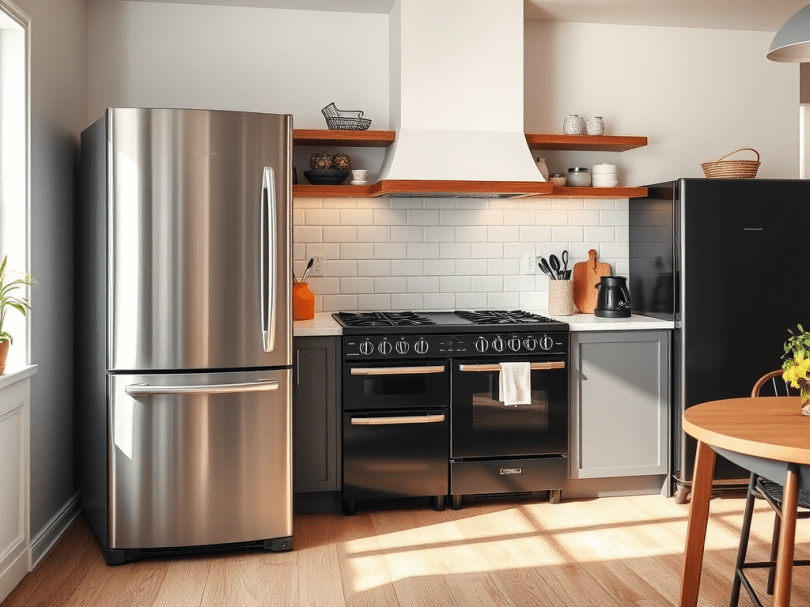
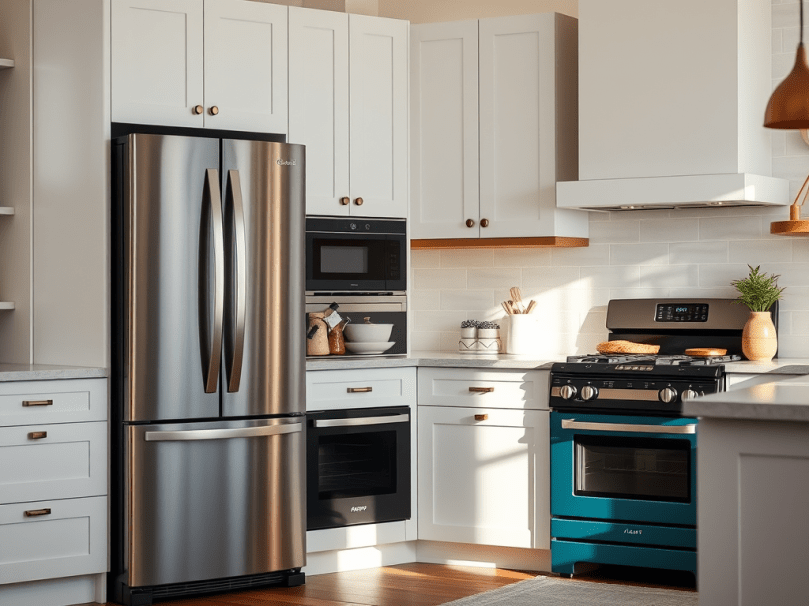
Do Kitchen Appliances Need to Match for a Cohesive Look?

When designing or updating a kitchen, one of the most common questions homeowners ask is whether kitchen appliances need to match. The traditional approach leans toward matching appliances for a seamless, polished look. However, modern design trends are challenging this idea, showing that a mix-and-match approach can also create an elegant and stylish kitchen.

The Case for Matching Appliances

Matching kitchen appliances have long been the standard because they provide a sense of uniformity and cohesion. Here’s why some homeowners prefer matching appliances:

  1. Consistent Aesthetic – Appliances with the same brand, finish, and style create a streamlined look that feels intentional.
  2. Resale Value – A coordinated kitchen can appeal to potential buyers and add perceived value to your home.
  3. Easy Coordination – When appliances match, you don’t have to worry about different colors or finishes clashing with your cabinetry or countertops.
  4. Brand Cohesion – Some appliance brands offer specific design features or finishes that look best when paired together.

The Beauty of Mismatched Appliances

While matching appliances have their appeal, many homeowners are embracing the idea of mixing styles to create a unique and personalized kitchen. Here’s how mismatched appliances can still achieve an elegant look:

  1. Balanced Contrast – A stainless steel fridge with a matte black oven can create a sophisticated contrast that adds character to your kitchen.
  2. Blended Design Elements – By incorporating appliances with similar design elements (such as sleek handles or modern finishes), you can achieve a cohesive look without everything being identical.
  3. Statement Pieces – A bold-colored range or a vintage-style fridge can serve as a focal point, making the mix of appliances feel intentional rather than accidental.
  4. Transitional Style – If you’re gradually upgrading appliances over time, mixing styles can help you create a kitchen that evolves without looking incomplete.

Tips for Mixing Appliances Without Clashing

If you’re considering mismatched appliances, here are a few tips to keep your kitchen looking stylish and cohesive:

  • Stick to a Color Palette – Choose complementary colors or finishes, such as stainless steel and black or white and brushed gold.
  • Unify with Hardware – Matching cabinet handles and fixtures with your appliances can help tie the look together.
  • Balance the Layout – Spread out different finishes so that they don’t feel clustered in one area.
  • Use Panel-Ready Appliances – Custom panels on appliances can help them blend with cabinetry, reducing the impact of mismatched finishes.

Conclusion

While matching appliances can provide a seamless and polished kitchen aesthetic, a carefully curated mix of appliances can be just as elegant and visually appealing. It all comes down to thoughtful design choices, balance, and intentionality. Whether you choose to match your appliances or embrace contrast, the key is creating a kitchen that reflects your personal style while maintaining a cohesive look. So, don’t be afraid to mix things up – your kitchen’s charm lies in the details!

How to Find the Best Patio Furniture for Any Size Space

Spring is right around the corner, and with it comes the perfect opportunity to refresh your outdoor space. As the days grow longer and the weather warms up, your patio can become a sanctuary for morning coffee, evening gatherings, and weekend relaxation. Whether you have a small balcony or a spacious backyard, finding the right patio furniture can transform your space into a comfortable and stylish retreat. Here’s how to choose the best patio furniture for your needs, along with product recommendations to help you make the perfect choice.

Consider Your Space and Needs

Before you start shopping, take a moment to assess your patio space and how you plan to use it.

  • Small patios or balconies: Opt for space-saving furniture like foldable chairs, compact bistro sets, or multi-functional pieces that can double as storage.
  • Medium-sized patios: Consider sectionals or modular seating arrangements that offer flexibility and can accommodate guests.
  • Large patios or decks: If space isn’t an issue, invest in full outdoor dining sets, lounge chairs, and additional features like fire pits or outdoor sectionals for ultimate relaxation.

Key Features to Look For

When selecting patio furniture, keep the following factors in mind:

  • Material: Opt for weather-resistant materials like aluminum, teak, resin wicker, or high-quality plastic to ensure durability.
  • Comfort: Choose cushioned seating with weatherproof fabric to maximize relaxation.
  • Storage: If you live in an area with harsh weather conditions, consider foldable or stackable furniture for easy storage.
  • Functionality: Look for multi-purpose pieces, like ottomans that double as storage or tables with built-in coolers.

Top Patio Furniture Picks

Here are some great patio furniture options tailored to different space sizes:

For Small Patios & Balconies:

  • Best Choice Products 3-Piece Bistro Set – A stylish and compact set perfect for small spaces.
  • Keter Rio 3-Piece Patio Set – Lightweight yet durable with a modern design.
  • Yaheetech Folding Patio Chairs – Space-saving and easy to store when not in use.

For Medium-Sized Patios:

  • Devoko 5-Piece Patio Furniture Set – Modular rattan seating that can be arranged in different layouts.
  • Christopher Knight Home Acacia Wood Outdoor Bench – Adds a rustic touch and can be paired with other furniture.
  • PHI VILLA Swivel Rocker Patio Chairs – Comfortable and stylish chairs ideal for relaxation.

For Large Patios & Decks:

  • Hanover Strathmere 6-Piece Outdoor Lounge Set – A luxurious sectional with deep seating and weather-resistant cushions.
  • POLYWOOD Nautical 37” Dining Set – Perfect for outdoor dining with a durable, eco-friendly design.
  • Sunnydaze Steel Chiminea Fire Pit – Adds warmth and ambiance for cozy evenings outside.

Additional Tips for a Beautiful Patio

  • Add an Outdoor Rug: A weatherproof rug can help define your space and add a cozy touch.
  • Incorporate Lighting: String lights, lanterns, or solar-powered lamps enhance ambiance for evening gatherings.
  • Use Weather Covers: Protect your investment with furniture covers to extend its lifespan.
  • Add Greenery: Potted plants and hanging planters bring freshness and a natural element to your patio.

Final Thoughts

As spring approaches, now is the perfect time to revamp your outdoor space. No matter the size of your patio, the right furniture can create an inviting and functional retreat. By considering space, material, and functionality, you can find furniture that suits your style and needs. Explore options that fit your space and enjoy making the most of your outdoor sanctuary!

Spring Cleaning: Should You Clean Your Home for Spring?

Spring is the perfect time to refresh and rejuvenate your home. After months of winter hibernation, dust, clutter, and stale air can accumulate, making your space feel less inviting. But is spring cleaning really necessary? The short answer is yes! Not only does it help maintain a healthy and organized home, but it also brings a sense of renewal and productivity. If you’ve never done a thorough spring cleaning before, don’t worry! Here are some tips and tricks to make the process easier and more effective.


Why Spring Cleaning Matters

  1. Improves Air Quality – Dust, allergens, and mold can build up over winter. A deep clean helps remove these irritants, making the air in your home fresher and healthier.
  2. Boosts Mood and Productivity – A clean and organized space can reduce stress and increase motivation, helping you feel more in control of your environment.
  3. Prepares Your Home for Warmer Months – Decluttering and cleaning make it easier to transition into spring and summer with lighter, fresher surroundings.
  4. Prevents Long-Term Damage – Regular deep cleaning helps preserve furniture, carpets, and appliances, preventing costly repairs or replacements.

Spring Cleaning Tips and Tricks

  1. Create a Plan
    Before diving in, make a checklist of areas that need attention. Break tasks into manageable sections—room by room or category (e.g., dusting, decluttering, organizing).
  2. Declutter First
    Before cleaning, go through each room and remove items you no longer need. Donate, recycle, or toss anything that no longer serves a purpose.
  3. Start from Top to Bottom
    Dust ceiling fans, shelves, and light fixtures first. Then, work your way down to surfaces, furniture, and floors. This prevents dust from resettling on areas you’ve already cleaned.
  4. Use Natural Cleaners
    Vinegar, baking soda, and lemon juice make excellent natural cleaners that are non-toxic and eco-friendly. They can be used to clean surfaces, remove stains, and freshen up your home.
  5. Don’t Forget Hidden Areas
    Clean areas that are often overlooked, such as baseboards, vents, under furniture, and behind appliances. These spots tend to collect a lot of dust and dirt over time.
  6. Refresh Fabrics
    Wash curtains, rugs, bedding, and upholstery to remove dust and allergens. Consider rotating seasonal items, like swapping out heavy winter blankets for lighter spring options.
  7. Organize Closets and Storage
    Rotate your wardrobe by putting away winter clothes and bringing out spring and summer wear. Use storage bins, baskets, and labels to keep things tidy.
  8. Deep Clean the Kitchen and Bathroom
    Scrub sinks, tubs, and tiles. Clean out expired pantry items and wipe down cabinets. Don’t forget to disinfect frequently touched surfaces like doorknobs, light switches, and countertops.
  9. Maintain Your Home’s Exterior
    If you have a yard or patio, spring is a great time to clean outdoor furniture, sweep patios, and check for any needed repairs.
  10. Make It Fun
    Turn on music, involve family members, and set small rewards for completing tasks to make the process more enjoyable.

Advice for First-Time Spring Cleaners

  • Start Small – Don’t overwhelm yourself. Tackle one area at a time and set realistic goals.
  • Use the Right Tools – Invest in good cleaning supplies like microfiber cloths, a vacuum with attachments, and multi-purpose cleaners.
  • Stay Consistent – Maintain cleanliness by setting a routine for tidying up so that next year’s spring cleaning is easier.
  • Don’t Strive for Perfection – Focus on progress over perfection. Even a little bit of cleaning makes a difference.

Spring cleaning doesn’t have to be overwhelming! With the right approach, it can be a refreshing and rewarding experience. So, open your windows, let in the fresh air, and give your home the seasonal reset it deserves!

Finding the Perfect Dining Room Chairs to Complement Your Table

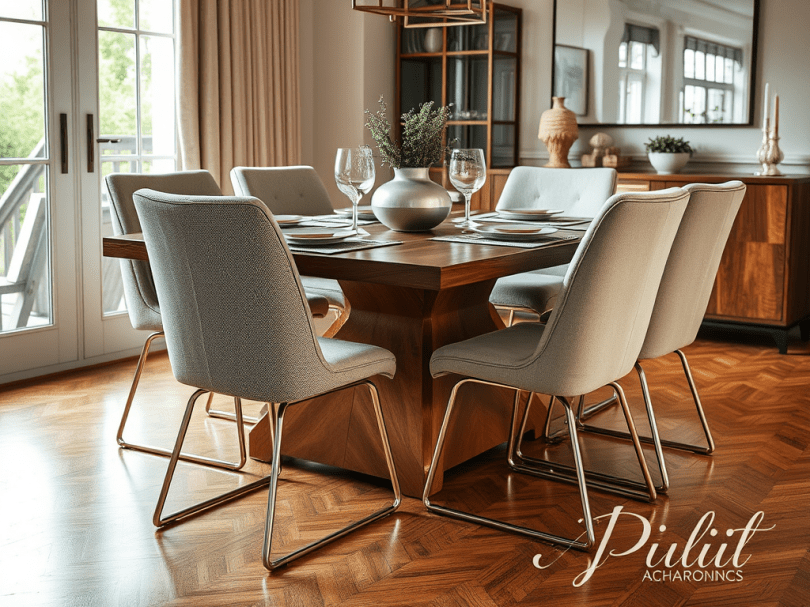
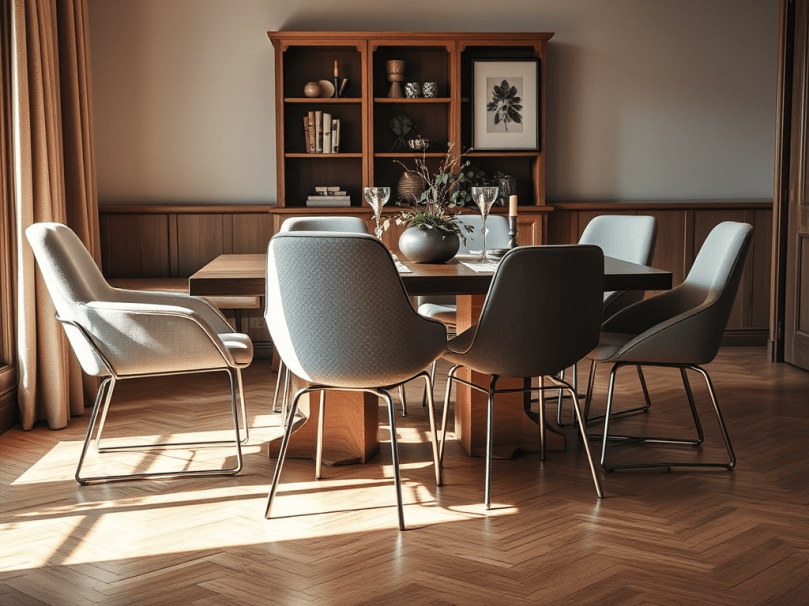
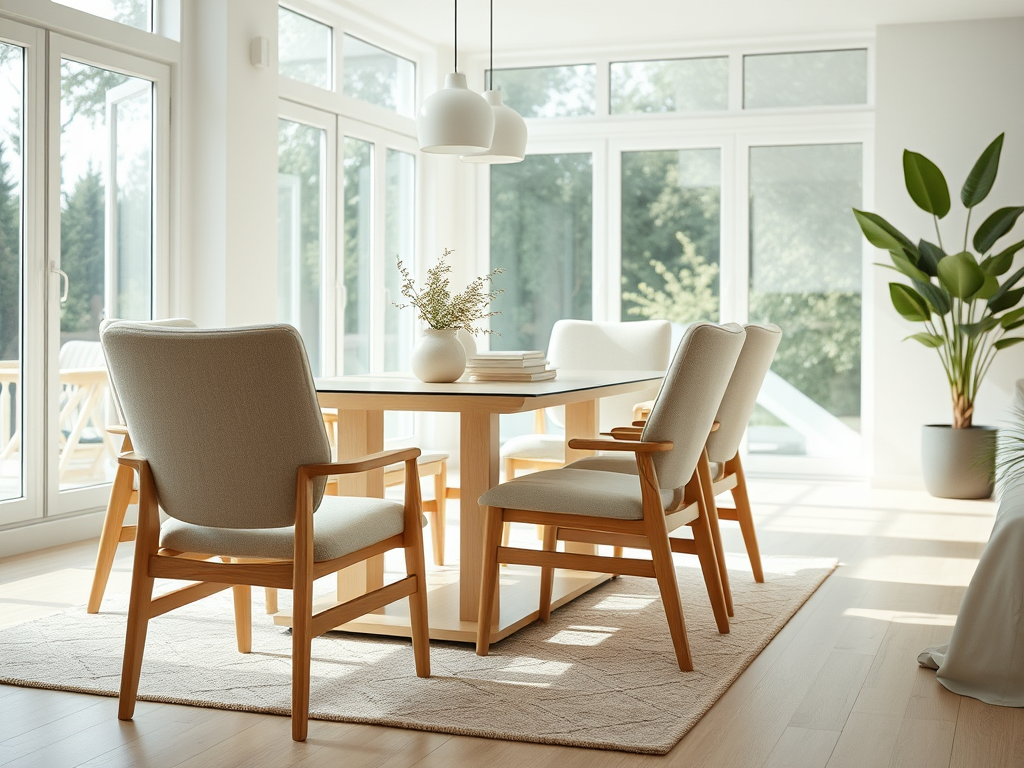
So, you’ve found the dining table of your dreams, but the chairs that came with it just aren’t your style. Maybe they’re uncomfortable, don’t match your vision, or just don’t fit the space. Whatever the reason, swapping out dining chairs is a fantastic way to personalize your dining area and enhance both comfort and aesthetics. But how do you choose the right ones? Here are some key factors to consider:

1. Consider Style and Aesthetic

Your dining chairs should complement your table without being an exact match. Here are a few ways to mix and match while maintaining cohesion:

  • Contrast Materials: If your table is a solid wood piece, consider upholstered or metal chairs for a dynamic contrast.
  • Stay Within a Theme: If you love farmhouse style, opt for rustic wooden chairs. If your table is modern, sleek chairs with clean lines may work best.
  • Play with Color: Neutral chairs can tone down a bold table, while colorful or patterned chairs can add personality to a simple table.

2. Comfort Matters

Looks aren’t everything! Comfort is key for a dining chair, especially if you host dinner parties or have long meals. Consider:

  • Upholstered vs. Non-Upholstered: Upholstered chairs provide extra comfort but may require more maintenance.
  • Seat Depth and Height: Ensure the chairs fit well under your table and allow comfortable legroom.
  • Back Support: Higher backs offer more support, while lower backs can create a more casual look.

3. Mix and Match for a Custom Look

Don’t be afraid to mix different chairs for a curated, designer look. Some ideas:

  • Pair Different End Chairs: Use statement chairs at the head of the table and simpler ones for the sides.
  • Combine Materials: Wood, metal, and fabric chairs can work together if they share a common color or style.
  • Bench Seating: A long bench on one side can add variety and seating flexibility.

4. Proportion and Scale

Make sure your chairs are the right size for your table and room:

  • Width and Spacing: Leave at least 24 inches of space per chair so guests have enough elbow room.
  • Chair Height: The average seat height should be 18 inches, which pairs well with a standard 30-inch table.
  • Balance with Table Size: If you have a large, sturdy table, lightweight chairs may look out of place. Similarly, bulky chairs can overpower a delicate table.

5. Durability and Maintenance

Your chairs should be able to withstand daily use. Consider:

  • Material Choice: Wood and metal are durable options, while fabric and leather require extra care.
  • Easy-to-Clean Fabrics: If you have kids or pets, look for stain-resistant upholstery or wipeable surfaces.
  • Construction Quality: Solid wood or metal frames tend to last longer than particle board or plastic options.

6. Budget-Friendly Alternatives

If buying a full set of new chairs isn’t in your budget, consider:

  • Reupholstering Existing Chairs: A fresh fabric cover can completely transform a chair.
  • Painting or Staining Wooden Chairs: A coat of paint can make mismatched chairs feel cohesive.
  • Thrift Stores and Secondhand Finds: You can often find unique, high-quality chairs at a fraction of the price.

Final Thoughts

Dining chairs play a major role in both function and design. By focusing on style, comfort, proportion, and durability, you can create a dining space that truly reflects your taste. Whether you go for a coordinated look or an eclectic mix, choosing the right chairs will ensure your dining area feels inviting and stylish. So, start exploring and find the perfect chairs to complement your dream table!