
Choosing the Right Sound System in a Digital Age: Is It Still Necessary?

In today’s world, where smart devices dominate our homes, is a dedicated sound system still a necessity? With smartphones, smart speakers, and streaming services making it easier than ever to access music and audio content, many homeowners wonder whether investing in a sound system is worth it. The answer depends on how you experience sound and the level of quality you seek in your home audio setup.
Why Consider a Sound System?

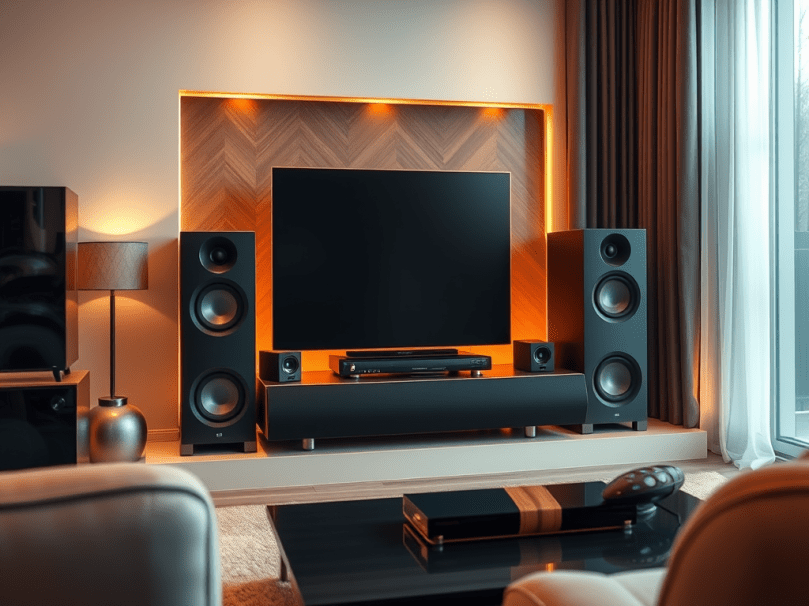
While smart speakers and wireless earbuds offer convenience, they often lack the depth, clarity, and immersive experience that a dedicated sound system provides. A high-quality sound system enhances movies, music, and gaming, bringing a richer experience that standalone smart devices may struggle to match.

Here are a few reasons why a sound system is still relevant:

  • Superior Audio Quality: Dedicated sound systems provide clearer highs, richer mids, and deeper bass than most smart speakers.
  • Immersive Experience: Whether you’re watching movies, gaming, or listening to music, a good sound system creates a fuller, room-filling audio experience.
  • Customization & Control: Sound systems allow for adjustments in treble, bass, and surround sound settings, offering a more personalized experience.
  • Longevity & Investment: Unlike many smart devices that may need frequent updates, a good sound system can last for years with minimal upgrades.

Types of Sound Systems to Consider

If you’ve decided that a sound system is the right choice for you, the next step is choosing the right type. There are several options available, each catering to different needs and preferences:

1. Home Theater Systems

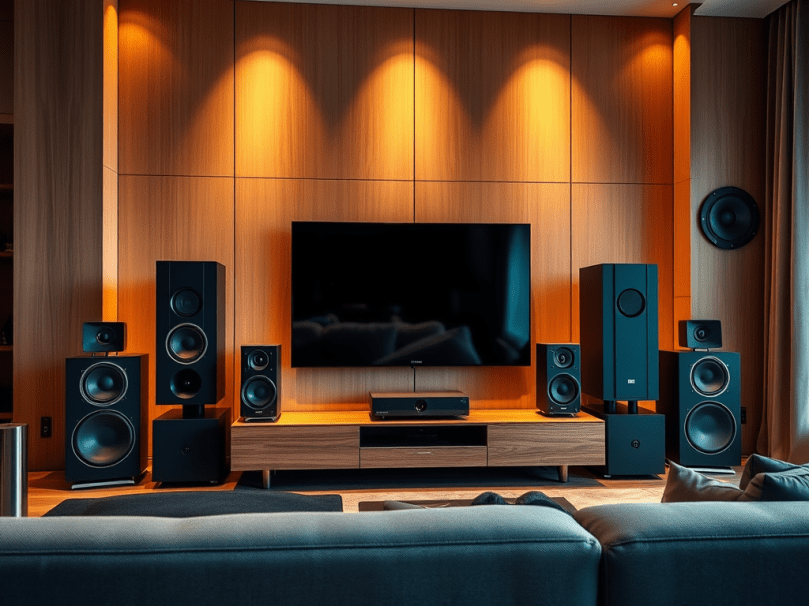
Perfect for movie enthusiasts, home theater systems provide an immersive cinematic experience. They typically include a receiver, multiple speakers (including surround sound), and a subwoofer for deep bass.

  • Best for: Movie lovers and those who want an authentic theater experience at home.
  • Recommended brands: Sonos, Bose, Yamaha, Denon.

2. Soundbars

If you want to enhance your TV’s audio without dealing with multiple speakers, a soundbar is a great option. It’s a sleek, space-saving device that offers better sound quality than built-in TV speakers.

  • Best for: Small to medium-sized rooms, minimalists, and casual listeners.
  • Recommended brands: Sonos, Samsung, Bose, Vizio.

3. Wireless & Smart Speaker Systems

These systems, such as Sonos or Bose Smart Sound Systems, connect via Wi-Fi or Bluetooth, offering easy integration with smart home setups. Many support voice assistants like Alexa and Google Assistant.

  • Best for: Multi-room audio setups and smart home integration.
  • Recommended brands: Sonos, Bose, Apple HomePod, Amazon Echo Studio.

4. Hi-Fi Stereo Systems

For true audiophiles, Hi-Fi (high fidelity) systems provide the purest sound quality. These setups often include amplifiers, high-end speakers, and turntables for vinyl lovers.

  • Best for: Music enthusiasts who prioritize high-quality audio.
  • Recommended brands: Klipsch, Marantz, Bowers & Wilkins, Denon.

Factors to Consider When Choosing a Sound System

Before making a purchase, keep the following factors in mind:

  1. Room Size & Layout – Larger spaces may benefit from a full home theater system, while smaller rooms may only need a soundbar or wireless speakers.
  2. Purpose & Usage – Are you buying for movies, music, gaming, or all of the above? Different setups cater to different needs.
  3. Budget – Sound systems range from affordable soundbars to high-end Hi-Fi setups. Set a budget that aligns with your needs.
  4. Connectivity Options – Ensure compatibility with your devices (Bluetooth, Wi-Fi, HDMI, optical inputs, etc.).
  5. Expandability – Some systems allow for future upgrades, like adding more speakers for a surround sound experience.
Final Thoughts: Are Sound Systems Still Necessary?

While smart devices offer convenience, they can’t fully replace the immersive, high-quality experience of a dedicated sound system. If you value deep, rich sound for movies, music, or gaming, investing in a quality system is a decision you won’t regret. Choose a setup that matches your space, budget, and lifestyle, and enjoy an audio experience that smart devices alone just can’t deliver.
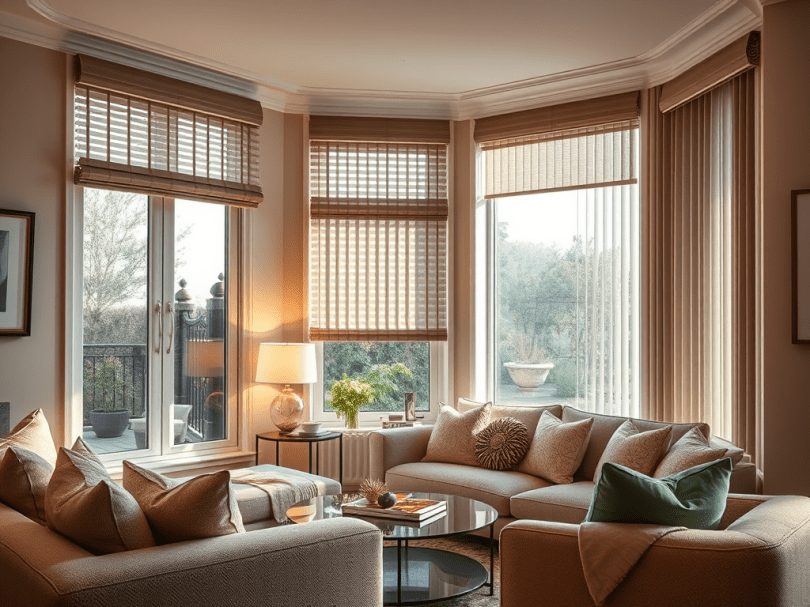

How to Choose the Right Blinds for Your Home

Blinds are more than just window coverings; they play a vital role in privacy, light control, and home aesthetics. Choosing the right blinds can enhance your decor while offering functional benefits like insulation and energy efficiency. With so many options available, it’s essential to understand the different types of blinds and what makes modern designs the future of window treatments.

Types of Blinds

Blinds come in various styles, materials, and functionalities. Here’s a breakdown of the most popular types:

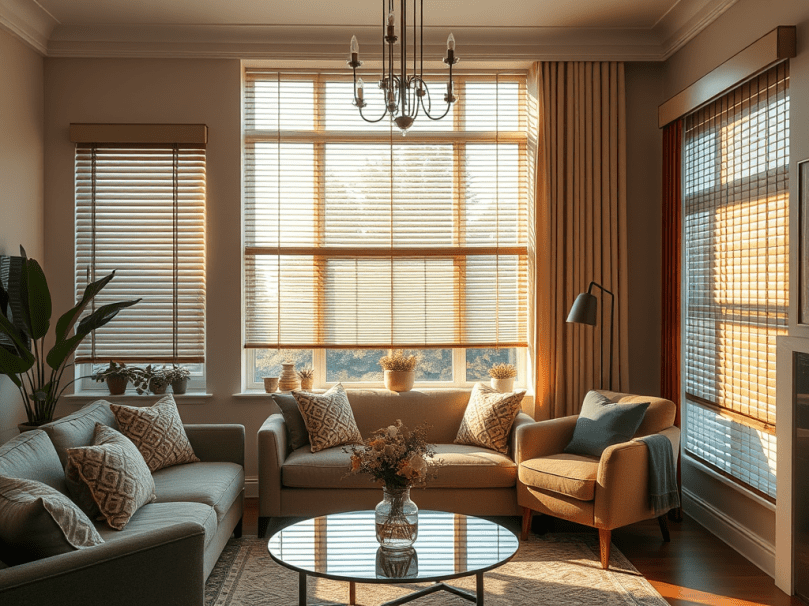
  1. Venetian Blinds – Classic horizontal slats, usually made of wood, aluminum, or faux wood. They provide excellent light control and a timeless aesthetic.
  2. Vertical Blinds – Ideal for large windows and sliding doors, vertical blinds consist of vertical slats that can be rotated for light control and drawn to the side for full window exposure.
  3. Roller Blinds – A sleek and simple design, roller blinds use a fabric panel that rolls up or down to adjust light levels. They come in various colors and materials, including blackout and sheer options.
  4. Roman Blinds – Made of fabric that folds neatly into pleats when raised, Roman blinds offer a luxurious and soft appearance that complements elegant decor styles.
  5. Pleated Blinds – Featuring a concertina-style fabric that folds up when lifted, pleated blinds provide a modern touch and are perfect for filtering light while maintaining privacy.
  6. Cellular (Honeycomb) Blinds – These energy-efficient blinds have a unique honeycomb structure that traps air, helping to insulate rooms and reduce energy costs.
    • Recommended Product: SBARTAR Cellular Shades – A great option for energy-conscious homeowners looking for a stylish yet functional blind.
  7. Panel Track Blinds – A contemporary alternative to vertical blinds, panel track blinds slide along a track and work well for wide windows or patio doors.
  8. Smart Blinds – Motorized blinds that can be controlled via remote, smartphone apps, or even voice assistants like Alexa and Google Home.
    • Recommended Product: Yoolax Motorized Smart Blinds – A high-tech option for those looking to integrate their blinds with smart home automation.

How to Choose the Right Blinds

When selecting blinds for your home, consider the following factors:

  • Light Control & Privacy – If you need complete darkness, opt for blackout roller or cellular blinds. For adjustable light filtering, Venetian or vertical blinds are ideal.
  • Room Functionality – Kitchens and bathrooms require moisture-resistant materials like faux wood or aluminum blinds. Bedrooms may benefit from blackout options, while living areas can use stylish Roman or pleated blinds.
  • Aesthetic & Style – Choose colors and materials that complement your decor. Wooden Venetian blinds add warmth, while sleek roller blinds fit modern interiors.
  • Energy Efficiency – Cellular blinds offer insulation, reducing heat loss in winter and keeping rooms cool in summer.
  • Ease of Use – Motorized or smart blinds provide convenience, especially for hard-to-reach windows.

Why Modern Blinds Are the Future

With the rise of smart home technology, blinds are becoming more innovative and convenient. Motorized and smart blinds allow homeowners to control light and privacy with the push of a button or a voice command. Additionally, energy-efficient designs like cellular blinds help reduce utility bills by improving insulation.

Furthermore, new materials and designs make blinds more durable, sustainable, and stylish. Many brands now offer eco-friendly options made from recycled or sustainable materials.

Final Thoughts

Blinds are an essential part of home decor and functionality. Whether you prefer classic Venetian blinds or cutting-edge smart blinds, the right choice will enhance your home’s aesthetics and efficiency. As technology continues to advance, expect even more innovative and energy-saving window treatments in the future.

What type of blinds do you prefer? Let us know in the comments!

Which Type of Flooring Is Best for Your Home? A Breakdown of Pros and Cons

Choosing the right flooring for your home is an important decision that affects both aesthetics and functionality. With so many options available, including hardwood, vinyl, carpet, tile, and laminate, it can be overwhelming to determine which is best suited for your space. Let’s explore the pros and cons of each flooring type to help you make an informed choice.

1. Hardwood Flooring

Pros:

  • Timeless and elegant appearance
  • Increases home value
  • Durable and long-lasting with proper care
  • Can be refinished multiple times

Cons:

  • Expensive upfront cost
  • Susceptible to water damage
  • Requires regular maintenance, including refinishing over time
  • Can be noisy and hard underfoot

Best for: Living rooms, dining rooms, and bedrooms where warmth and aesthetics are a priority.

2. Vinyl Flooring

Pros:

  • Affordable and cost-effective
  • Water-resistant and ideal for moisture-prone areas
  • Easy to clean and maintain
  • Available in a wide range of styles, including wood and stone look-alikes

Cons:

  • May not add significant value to a home
  • Can fade over time with prolonged exposure to sunlight
  • Less durable than hardwood and tile

Best for: Kitchens, bathrooms, basements, and high-traffic areas.

3. Carpet Flooring

Pros:

  • Soft, warm, and comfortable underfoot
  • Provides excellent sound insulation
  • Affordable and available in various styles and colors
  • Ideal for children’s rooms and bedrooms for added coziness

Cons:

  • Prone to stains and difficult to clean
  • Can trap allergens, dust, and pet dander
  • May wear out faster in high-traffic areas
  • Requires frequent vacuuming and deep cleaning

Best for: Bedrooms, family rooms, and areas where comfort is a priority.

4. Tile Flooring (Ceramic or Porcelain)

Pros:

  • Highly durable and long-lasting
  • Water-resistant, making it ideal for bathrooms and kitchens
  • Available in a wide variety of designs and colors
  • Easy to clean and maintain

Cons:

  • Can feel cold and hard underfoot
  • Expensive installation cost
  • Grout lines may require regular maintenance

Best for: Bathrooms, kitchens, entryways, and areas prone to moisture.

5. Laminate Flooring

Pros:

  • Affordable alternative to hardwood
  • Scratch-resistant and durable
  • Easy to install with a click-and-lock system
  • Low maintenance and easy to clean

Cons:

  • Cannot be refinished if damaged
  • Susceptible to water damage
  • Can feel less authentic than real wood or tile

Best for: Living rooms, hallways, and budget-conscious homeowners seeking a wood-like appearance.

Which Flooring Type Is Best for You?

The best flooring for your home depends on several factors, including budget, lifestyle, and the specific room’s function. If you want timeless elegance, hardwood is a great investment. For moisture-prone areas, tile or vinyl is a practical choice. If comfort is your priority, carpet is a cozy option. For affordability and durability, laminate can be a great alternative.

Ultimately, the best flooring for your home is one that meets your needs while complementing your overall decor. Consider how each type of flooring fits your lifestyle, and choose the one that best suits your home’s functionality and style.

How to Keep Your Home Warm in the Winter Without Raising Costs

As temperatures drop, keeping your home warm without skyrocketing energy bills becomes a challenge. Fortunately, there are several cost-effective ways to maintain a cozy indoor atmosphere without relying heavily on expensive heating systems. Here are some practical strategies to keep your home warm this winter without breaking the bank.

1. Maximize Natural Heat

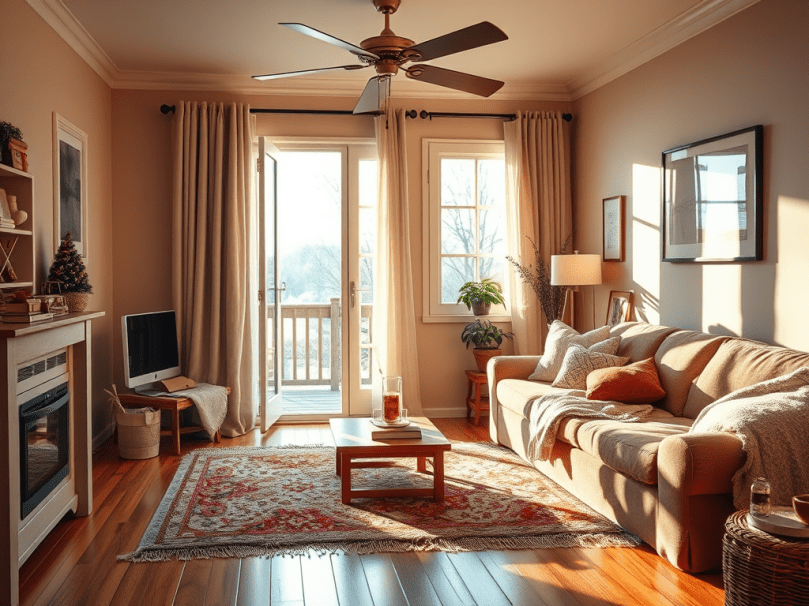
Take advantage of natural sunlight by opening curtains and blinds during the day to allow warmth inside. South-facing windows provide the most sunlight, so make sure to keep them uncovered. Once the sun sets, close your curtains to trap the heat inside and prevent drafts.

2. Seal Drafts and Insulate

Cold air can sneak in through small gaps around windows, doors, and even electrical outlets. Use weather stripping, draft stoppers, or caulking to seal these leaks. Additionally, check your attic insulation—heat rises, and proper insulation can prevent it from escaping, keeping your home warmer longer.

3. Use Rugs and Carpets

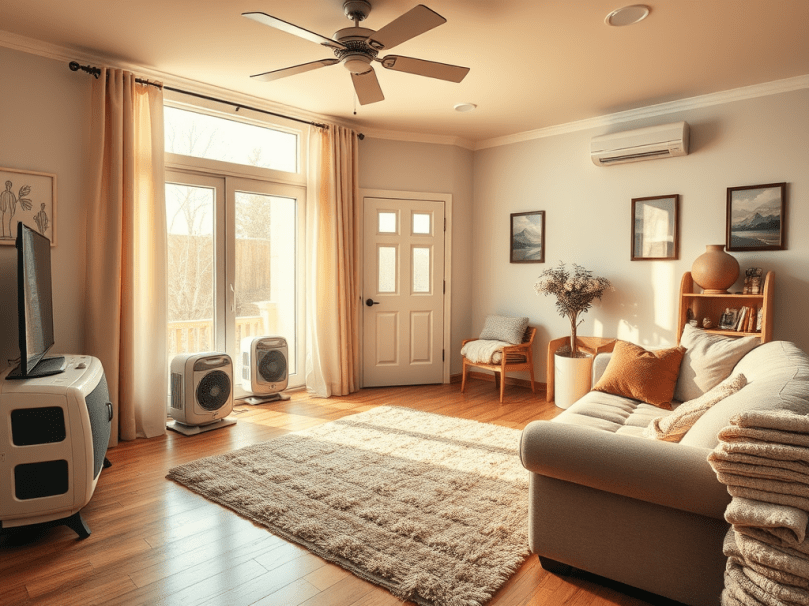
Hardwood and tile floors can make your home feel colder. Adding rugs or carpets not only enhances your decor but also helps retain heat by acting as an extra layer of insulation.

4. Reverse Ceiling Fans

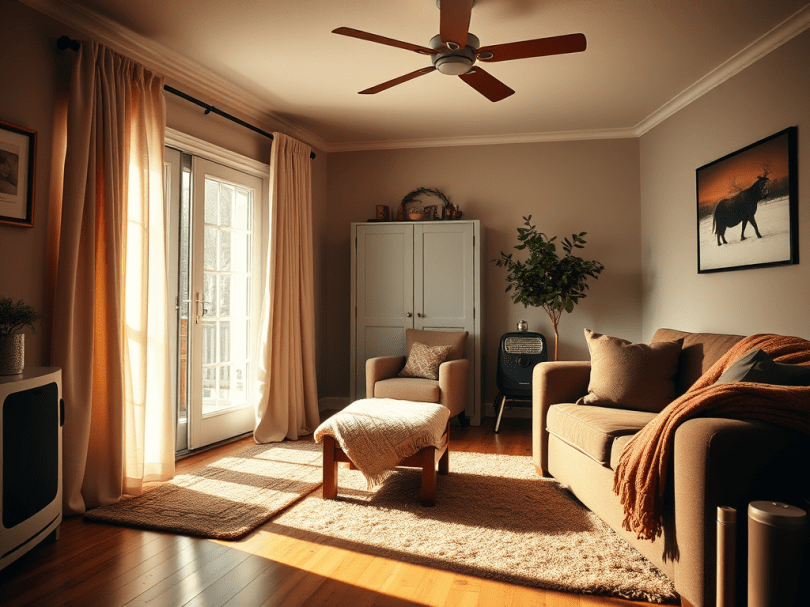
Most ceiling fans have a reverse setting that circulates warm air trapped near the ceiling back down into the room. Running your fan at a low speed in a clockwise direction can make a noticeable difference in your home’s warmth.

5. Layer Up with Blankets and Warm Clothing

Rather than cranking up the thermostat, dress in warm layers, use thermal socks, and keep cozy blankets handy. Fleece and wool materials provide excellent insulation without extra heating costs.

6. Use Space Heaters Wisely

If you only need to heat a small area, space heaters can be a great alternative to heating your entire home. However, choose energy-efficient models, and be mindful of safety guidelines to prevent fire hazards.

7. Cook and Bake More

Using your oven naturally adds warmth to your home. Cooking hearty winter meals and baking treats not only keeps you cozy but also helps heat your kitchen space. Once you’re done, leave the oven door open (if safe) to let the residual heat spread.

8. Utilize Thermal Curtains

Thermal or insulated curtains can significantly reduce heat loss through windows. They work especially well at night when temperatures drop, helping to maintain a comfortable indoor climate.

9. Close Off Unused Rooms

If you have rooms that aren’t frequently used, keep the doors closed to prevent warm air from escaping into those areas. This helps concentrate the heat where you need it most.

10. Invest in a Smart Thermostat

A programmable or smart thermostat can help you regulate heating more efficiently. Set it to lower temperatures while you’re away or sleeping and program it to warm up your home just before you wake up or return.

By implementing these simple strategies, you can keep your home warm and comfortable throughout the winter without seeing a significant increase in your energy bills. Small changes can lead to big savings while ensuring you stay cozy all season long!

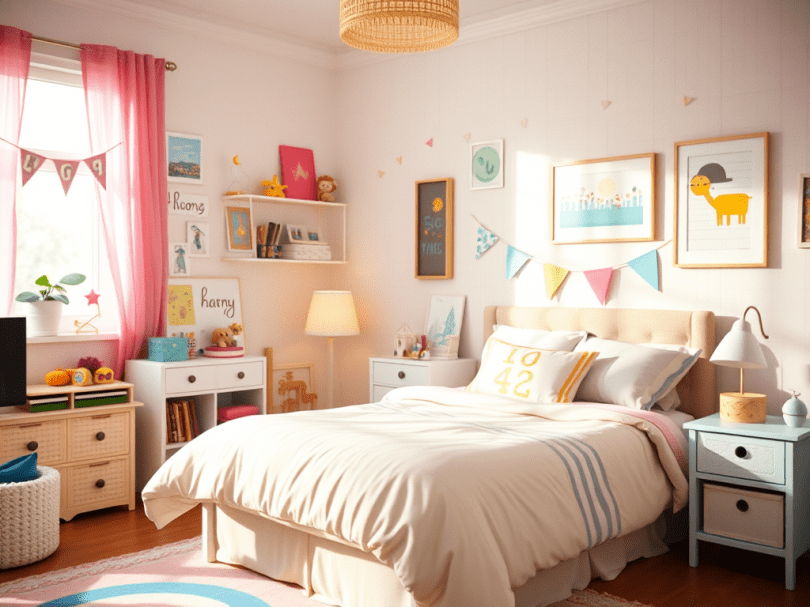
How to Let Your Children Choose Their Own Decor Style for Their Room


Decorating a child’s bedroom is an exciting opportunity to let them express their personality and creativity. While it’s tempting to design a picture-perfect space, it’s important to involve your child in the process. Giving them a say in their decor helps build confidence and makes them feel more at home in their space. Here’s how to guide their choices while keeping the room functional and stylish.

1. Give Them a Framework

Instead of giving kids unlimited choices, provide a few structured options. Ask questions like:

  • “Would you like a space theme, a nature theme, or a pastel color scheme?”
  • “Do you prefer a bright and colorful room or a calm and cozy space?”

Product Recommendation: If your child loves nature, consider a Peel and Stick Tree Wall Decal to create an enchanted forest vibe. If they prefer something more futuristic, Glow-in-the-Dark Star Stickers can transform their ceiling into a galaxy.

2. Create a Mood Board Together

Before making big purchases, browse Pinterest or online stores together. Let them pick images of furniture, bedding, and accessories that inspire them. This ensures they feel involved while also keeping the overall design cohesive.

Product Recommendation: Websites like Wayfair Kids, Target, and Amazon have great inspiration for themed bedding sets, wall decals, and decor accessories.

3. Make It a DIY Project

Kids love hands-on projects! Let them help paint an accent wall, create their own wall art, or even design a DIY name sign for their room.

DIY Idea: Buy a blank canvas set and let your child paint their own masterpiece to hang above their bed. For a more interactive option, install a chalkboard wall where they can doodle and write fun messages.

4. Compromise on Big Items

While kids might dream of a bright red bed frame or a giant superhero mural, it’s best to choose neutral furniture that can grow with them. Let them personalize the space with changeable elements like bedding, rugs, and wall art.

Product Recommendation:

  • IKEA KURA Reversible Bed – A great option that allows kids to switch between a loft-style and traditional bed setup.
  • Convertible Desk & Chair Set – Perfect for growing kids and can be used for both studying and playtime.

5. Encourage Their Creativity

Let your child personalize their space with easy-to-change accessories like wall stickers, light-up signs, and themed rugs.

Product Recommendation:

  • Personalized LED Name Signs – These are a fun way to add a custom touch to the room.
  • Themed Storage Bins – Available in styles like dinosaurs, unicorns, and superheroes, these keep toys organized while adding personality.

6. Set a Budget

Give your child a set amount to spend on decor items and let them pick within that budget. This not only makes them feel responsible but also teaches them about smart shopping.

Budget-Friendly Tip: Check out stores like Walmart, HomeGoods, and TJ Maxx for affordable kids’ decor items.

7. Keep It Functional

A well-designed kids’ room should be both fun and functional. Opt for multi-purpose furniture that helps with organization.

Product Recommendation:

  • Storage Beds with Drawers – A great way to save space and keep clutter at bay.
  • Floating Bookshelves – Perfect for displaying books and toys without taking up too much space.

8. Make It a Space They Love

Ultimately, a child’s room should reflect their interests and make them feel happy. Whether it’s a jungle-themed retreat, a princess-inspired wonderland, or a cool minimalist vibe, allowing kids to have a say in their room’s decor helps them feel at home.


Final Thoughts

By giving your child some control over their room decor—within set guidelines—you’ll create a space they love while maintaining functionality. Whether they want a mermaid paradise, a race car adventure, or a cozy neutral space, there are plenty of stylish and budget-friendly options available.

Would you let your child design their own room? Share your thoughts in the comments below!