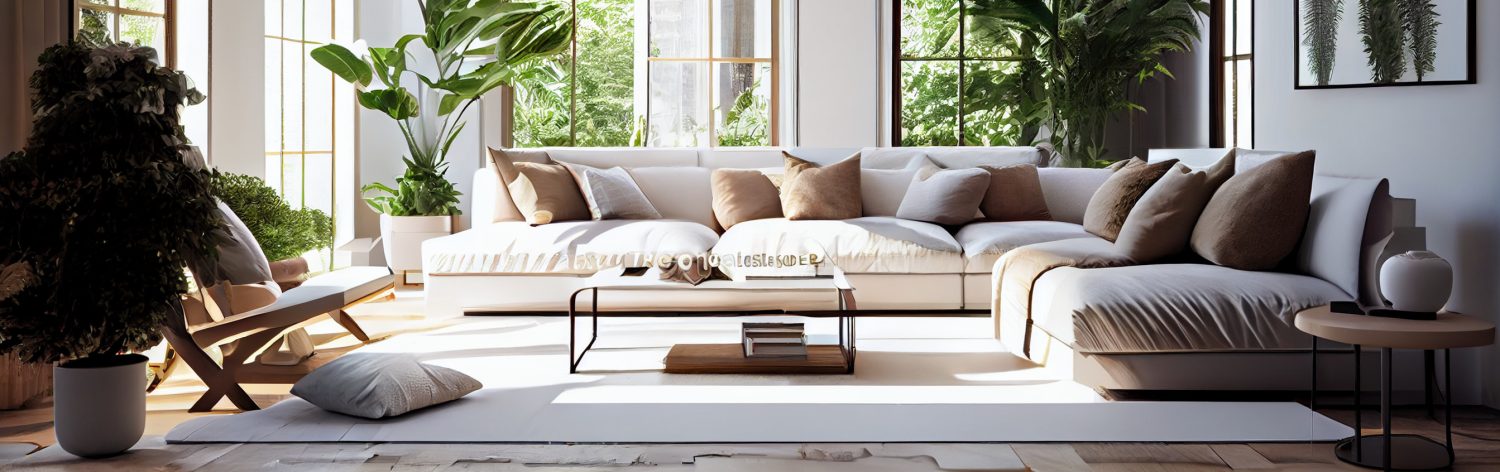


For years, the design world has been obsessed with small spaces. Tiny homes, apartment-friendly furniture, and “make it fit” layouts dominate social media and home décor trends. But what if your home doesn’t fit that narrative? What if you have wide-open rooms, high ceilings, long hallways, or expansive living areas that feel empty rather than cozy?
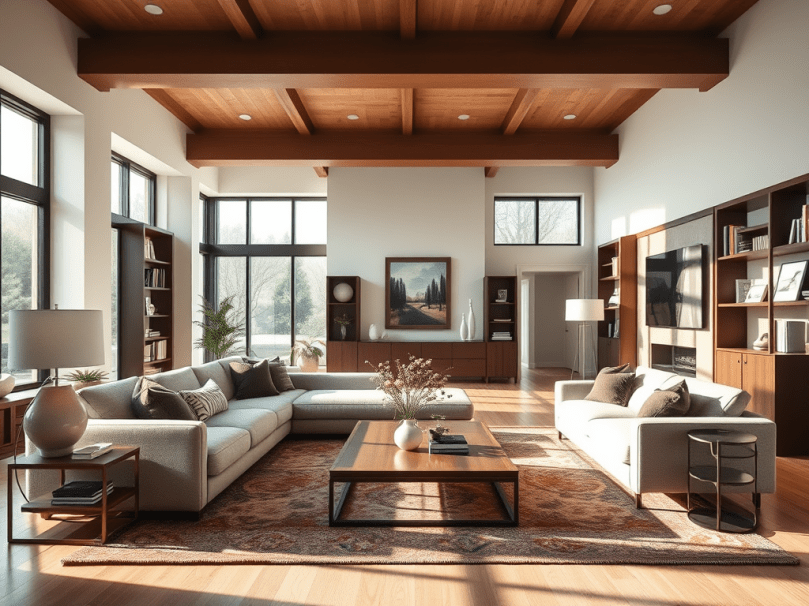
Owning a larger home isn’t something to downplay—it’s something to embrace. Large spaces give you freedom, flexibility, and the opportunity to create a home that feels intentional, elevated, and truly lived in. The key is choosing the right furniture for larger spaces and resisting the urge to decorate as if you’re downsizing.
Let’s talk about how to go against the small-space trend and confidently design for a larger home.
Why Large Spaces Deserve a Different Design Approach
One of the biggest mistakes people make in larger homes is decorating with furniture meant for smaller rooms. This often leads to spaces that feel unfinished, awkward, or echoey rather than warm and welcoming.
Large rooms require:
- Furniture with visual weight
- Thoughtful layouts that define zones
- Pieces that fill space without cluttering it
Instead of trying to shrink your space mentally, the goal is to scale up thoughtfully.
Go Against the Trend: Bigger Isn’t a Bad Word
Minimalism and small-space living have their place—but they’re not one-size-fits-all. If your home has room to breathe, let it.
Here’s how to confidently push back against the small-space mindset:
1. Choose Fewer, Larger Pieces
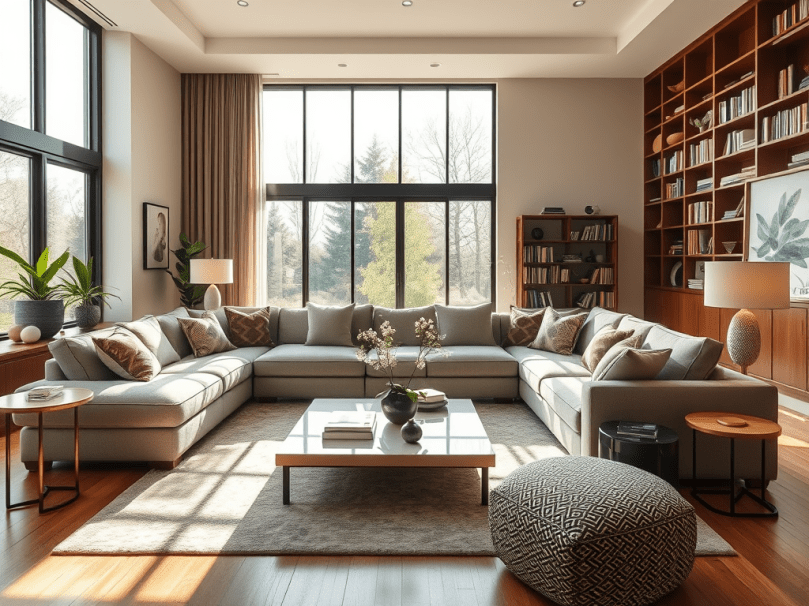
Rather than filling a room with multiple small items, opt for fewer, more substantial pieces. A large sectional sofa, oversized dining table, or wide console instantly grounds a space and makes it feel intentional.
2. Let Furniture Fill the Room
Empty floor space doesn’t automatically equal good design. In larger rooms, furniture should occupy space confidently, not hover awkwardly along the walls.
3. Embrace Visual Presence
Large furniture pieces create balance. They help match the scale of high ceilings, long walls, and open layouts—something small furniture simply can’t do.
How to Find the Right Furniture for a Larger Home
1. Prioritize Scale and Proportion
When shopping, always consider the dimensions of your room before falling in love with a piece. In larger homes, furniture should feel proportional, not lost.
Look for:
- Deep sofas (40″+ depth)
- Extra-long dining tables
- Wide coffee tables
- Tall bookcases and cabinets
If a piece looks “too big” in the store, it may be just right at home.
2. Create Zones Instead of One Massive Layout
Large spaces benefit from being broken into purposeful areas.
For example:
- A living room can include a main seating area, a reading nook, and a conversation space
- A large bedroom can feature a sleeping zone, seating area, and vanity corner
- Open-concept spaces can use rugs and furniture placement to define rooms
Furniture becomes the architecture of your space.
3. Don’t Be Afraid of Oversized Furniture
Oversized furniture isn’t just comfortable—it’s practical in large homes.
Think:
- Sectional sofas instead of loveseats
- King-size beds with substantial headboards
- Oversized accent chairs
- Long, sturdy dining benches
These pieces anchor rooms and prevent that “half-furnished” feeling.
4. Choose Statement Pieces That Hold Their Own
In larger homes, furniture needs personality.
Look for:
- Bold silhouettes
- Rich textures (wood, leather, boucle, stone)
- Strong lines or curved shapes
- Furniture that doubles as a focal point
A large space allows statement furniture to shine without overwhelming the room.
5. Layer Furniture for Depth and Warmth
One of the biggest challenges with large spaces is making them feel cozy. Layering helps.
Try combining:
- A large area rug with a coffee table and sectional
- Accent chairs paired with side tables and lamps
- Storage furniture mixed with decorative pieces
This creates depth, warmth, and visual interest.
Large Space Furniture Mistakes to Avoid
Even with good intentions, large homes come with unique challenges. Avoid these common mistakes:
- Pushing all furniture against the walls
- Using rugs that are too small
- Overusing tiny accent furniture
- Leaving rooms under-furnished out of fear
Empty space should feel intentional, not forgotten.
Designing a Large Home That Feels Like Home
Larger homes offer a rare opportunity: the ability to design without constant compromise. You don’t need folding furniture, ultra-compact storage, or scaled-down décor. You get to focus on comfort, flow, and style.
Instead of asking, “How do I make this fit?”
Ask, “How do I want to live in this space?”
When you choose furniture designed for larger spaces, your home feels grounded, welcoming, and reflective of your lifestyle—not a trend.
Final Thoughts
Trends come and go, but your home should support you. If you’re fortunate enough to have a larger space, embrace it fully. Invest in furniture that matches the scale of your home, defines your rooms, and allows your personality to shine.
Because bigger spaces don’t need to feel empty—they just need the right furniture to bring them to life.




 Discoveringlifellc