

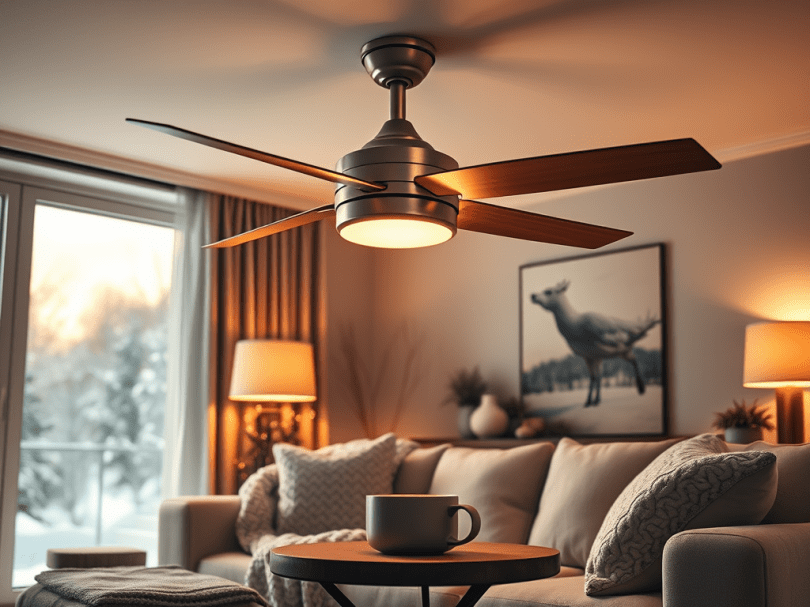
When we think about ceiling fans, they often evoke images of warm summer days and the soothing breeze they provide. However, many homeowners don’t realize that ceiling fans can be just as useful in winter as they are in summer. In fact, using a ceiling fan strategically during the colder months can help keep your home warm, reduce energy costs, and make your heating system more efficient. Here’s how to maximize the winter functionality of your ceiling fan and explore its multiple uses.
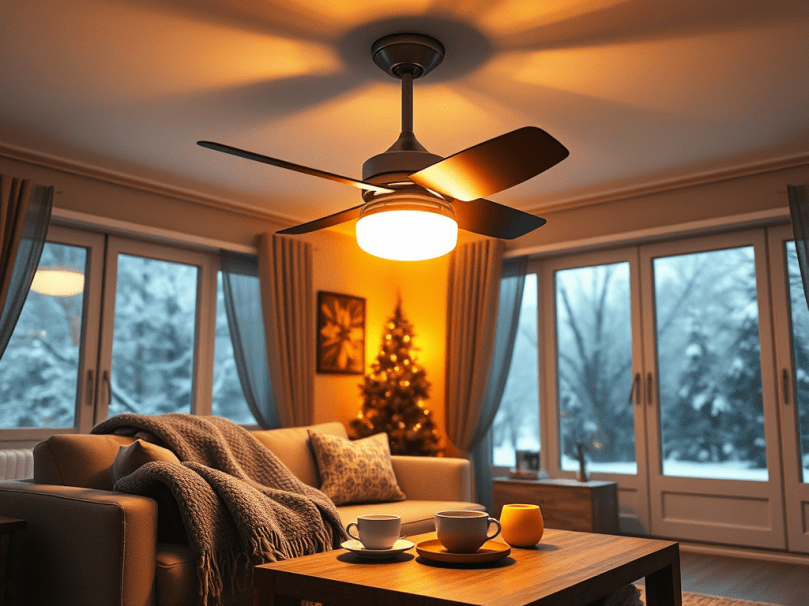
Reverse the Direction of Your Ceiling Fan
Most modern ceiling fans have a reversible motor, allowing the blades to spin in both clockwise and counterclockwise directions. In the summer, fans typically rotate counterclockwise to create a cooling breeze. In the winter, you should switch the fan to rotate clockwise. This function is usually controlled by a small switch on the fan’s motor housing or via a remote control if your fan has one.
When the fan rotates clockwise at a low speed, it gently pulls cool air upward. This displaces the warm air that naturally rises to the ceiling, redistributing it downward and throughout the room. The result? A more evenly heated space that feels cozier without cranking up your thermostat.
Benefits of Using a Ceiling Fan in Winter
1. Improved Energy Efficiency
By circulating warm air, a ceiling fan helps your heating system work more efficiently. You may be able to lower your thermostat by a degree or two, which can lead to noticeable savings on your energy bill.
2. Enhanced Comfort
Using a ceiling fan ensures that warm air doesn’t get trapped near the ceiling, creating a more consistent temperature throughout the room. This can be especially helpful in rooms with high ceilings.
3. Reduced Strain on Your HVAC System
When your heating system doesn’t have to work as hard to maintain a consistent temperature, it experiences less wear and tear, potentially extending its lifespan.
Additional Functions of a Ceiling Fan
A ceiling fan is more than just a device for cooling or redistributing warm air. Here are some additional ways it can enhance your home:
1. Ambient Lighting
Many ceiling fans come with integrated light fixtures, offering both illumination and airflow in a single device. This dual functionality makes them an excellent choice for rooms where space is at a premium.
2. Aesthetic Appeal
Ceiling fans are available in a wide range of styles, from modern minimalist designs to rustic and traditional options. They can serve as a decorative focal point, enhancing the overall look of your room.
3. Improved Air Quality
Ceiling fans help keep air circulating, preventing the room from becoming stuffy. This can be particularly beneficial in winter when windows are typically closed, and fresh air is limited.
Tips for Optimal Winter Use
- Keep the Speed Low: In winter, the fan should run at a low speed to avoid creating a draft. The goal is gentle air circulation rather than a strong breeze.
- Pair with Curtains and Blinds: To maximize heat retention, use heavy curtains or insulated blinds in combination with your fan’s winter setting.
- Use in Key Areas: Ceiling fans are especially effective in rooms where you spend the most time, such as living rooms and bedrooms. Prioritize these spaces for winter use.
Final Thoughts
A ceiling fan is a versatile and cost-effective tool that serves multiple purposes beyond cooling. When used correctly, it can contribute to a warmer, more energy-efficient home in the winter. Don’t let your ceiling fan sit idle during the colder months; flip that switch, and let it work year-round to enhance your comfort and save you money.
By understanding the full potential of your ceiling fan, you’ll not only improve your home’s functionality but also make the most of a smart investment in your living space.






 Discoveringlifellc