
Cozy Up This Winter with the Dreo Smart Wall Heater: Your Ultimate Guide to Efficient Home Heating

As the colder months approach, finding the right way to heat your home is essential. If you’re like many homeowners, you want a heater that’s efficient, user-friendly, and safe for indoor use. This is where the Dreo Smart Wall Heater shines, offering a range of features that will make keeping your space warm both effortless and enjoyable. Let’s explore why this heater is a must-have for winter and how it can help you create a cozy and comfortable living environment.

This blog includes affiliate links we may earn paid commissions if you choose to make a purchase after clicking a link, at no additional cost to you.

1. Key Features of the Dreo Smart Wall Heater

The Dreo Smart Wall Heater stands out for its combination of advanced features designed for modern living:

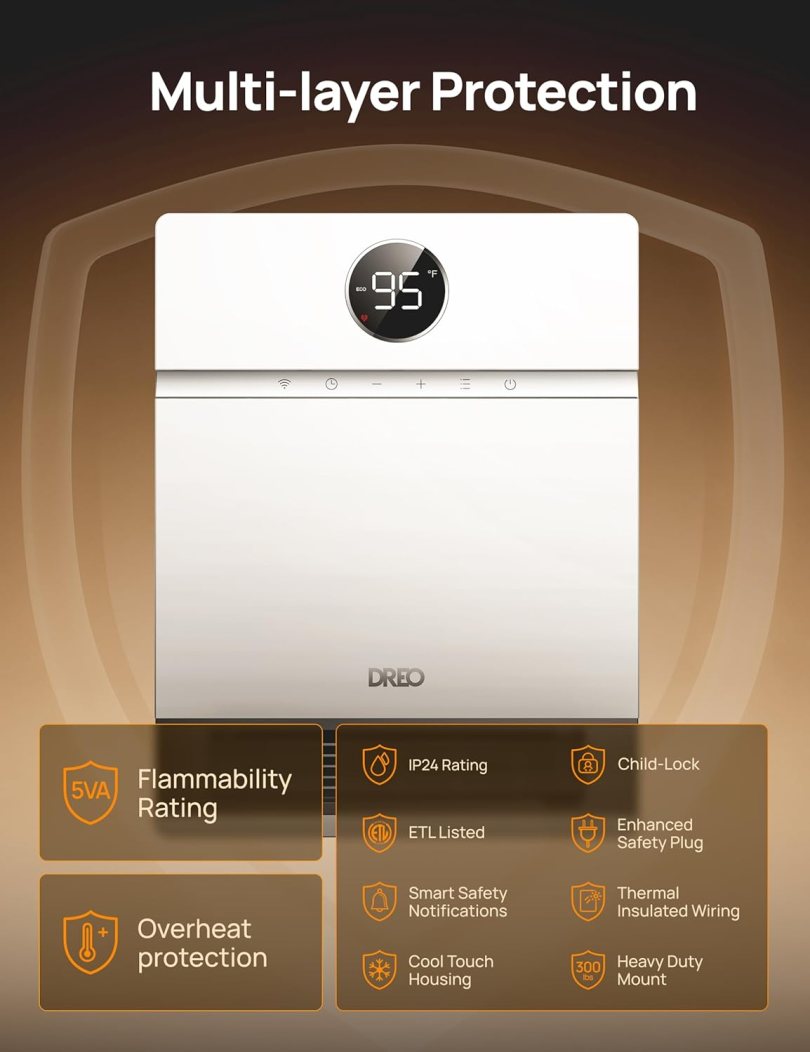
  • IP24 Water Resistance: The heater’s IP24 rating ensures that it is protected against water splashes, making it safe for use even in humid environments like bathrooms.
  • PTC Ceramic Heating: The Positive Temperature Coefficient (PTC) heating element provides fast and efficient heat while ensuring safety. PTC heaters are known for their energy-saving properties, automatically regulating heat output and reducing power consumption when optimal warmth is reached.
  • 30° Oscillation: Unlike traditional heaters that blow heat in one direction, the Dreo heater oscillates up to 30 degrees. This ensures better heat distribution, making it ideal for larger spaces or areas where multiple people need warmth.
  • Adjustable Thermostat: The adjustable thermostat allows you to set your desired temperature, ensuring that your room remains consistently comfortable without unnecessary energy consumption.
  • Remote Control and Alexa Compatibility: You can easily control the Dreo heater from the comfort of your couch using the remote control or by syncing it with Amazon Alexa for voice-activated commands.

2. Effortless Control with Alexa Integration

One of the best features of the Dreo Smart Wall Heater is its integration with Alexa, making it a breeze to manage. You can set your heater to turn on or off with just a voice command, adjust the temperature while cooking, or even schedule when the heater powers on before you get home—all without lifting a finger. This smart feature is particularly useful if you have a busy lifestyle or love automating your home’s systems for maximum convenience.

3. Safety First

Safety is always a top priority when it comes to heating solutions. The Dreo Smart Wall Heater incorporates various safety features to give you peace of mind:

  • Overheat Protection: Automatically shuts off the heater if it gets too hot, preventing accidents.
  • Tip-over Protection: Built-in sensors will turn the heater off if it accidentally tips over, making it a great option for homes with pets or small children.
  • Flame-Retardant Materials: The heater is made from high-quality, flame-retardant materials, ensuring durability and safety.

4. Energy-Efficient Heating

One of the main benefits of the Dreo Smart Wall Heater is its energy efficiency. With skyrocketing utility bills during winter, it’s crucial to choose a heater that doesn’t drain your electricity. The adjustable thermostat, coupled with the PTC heating technology, ensures that you only use the power you need to maintain your desired temperature. This means more warmth and less waste, all while keeping your home energy-efficient.

5. Perfect for Any Room

Whether you need extra warmth in the living room, bedroom, or even bathroom, the Dreo Smart Wall Heater is versatile enough to fit anywhere. Its sleek, modern design can blend seamlessly with your home decor, and the compact size ensures it won’t take up much space. The 30° oscillation makes sure that heat is distributed evenly, even in larger rooms.

6. Simple Installation

Installing the Dreo Smart Wall Heater is straightforward. It can either be mounted on the wall or placed on the floor, depending on your preference. For those looking to maximize floor space, the wall-mounting option is ideal. Installation instructions are easy to follow, and you’ll have your heater up and running in no time.

7. Why the Dreo Smart Wall Heater is Worth the Investment

Winter heating can be challenging, but with the right tools, you can maintain a comfortable and warm environment without overspending on energy bills. The Dreo Smart Wall Heater offers smart features, safety, and efficiency all in one. Whether you’re looking to heat a single room or supplement your home’s main heating system, this heater is a smart, budget-friendly choice that provides long-lasting warmth.

Final Thoughts

As winter creeps closer, make sure your home is prepared for the chill. The Dreo Smart Wall Heater is an excellent investment that combines efficiency, modern technology, and safety. With Alexa compatibility, IP24 water resistance, and smart heating, you’ll wonder how you ever lived without it. Stay warm and cozy all season long with this top-tier heating solution.


By incorporating this heater into your home heating strategy, you’ll enjoy a cozy, warm space without the stress of high energy bills or complicated controls. Keep your winter comfort simple and smart with the Dreo Smart Wall Heater! Check out the product on Amazon at: https://amzn.to/4eDAGKg.
Essential Steps to Kitchen Design Success

Designing your kitchen can be one of the most rewarding DIY projects in your home. It’s where functionality meets creativity, allowing you to create a space that not only serves its purpose but also reflects your unique style. Whether you’re aiming for a sleek, modern vibe or a cozy, farmhouse feel, here’s how to design your kitchen to perfectly suit your personal aesthetic.

This blog includes affiliate links we may earn paid commissions if you choose to make a purchase after clicking a link, at no additional cost to you.

1. Define Your Style

Before diving into the nitty-gritty of kitchen design, the first step is identifying your personal style. Are you drawn to clean lines and minimalist finishes, or do you prefer warmth and rustic elements? Here are a few popular styles to consider:

  • Modern: Think clean lines, minimalism, and high-gloss finishes. Stainless steel appliances and monochromatic color schemes work well in modern kitchens.
  • Farmhouse: A mix of rustic charm and modern touches, this style often includes natural materials like wood, shiplap walls, and open shelving.
  • Industrial: Exposed brick, metal accents, and raw wood are key elements in an industrial kitchen. It’s a great choice if you love a more urban, edgy look.
  • Coastal: Bright whites, soft blues, and light wood tones evoke a breezy, beachy vibe that’s perfect for kitchens filled with natural light.

2. Choose Your Color Palette

Your color palette will set the tone for the entire kitchen. If you want to make the space feel bright and open, lighter colors like white, cream, or pale gray are excellent options. For a bold and modern look, dark hues like navy, charcoal, or even black can create a dramatic statement.

Consider how the colors will complement other parts of your home. You can also add pops of color through kitchen accessories, cabinets, or a colorful backsplash.

3. Maximize Functionality with Layout

A stylish kitchen isn’t just about appearances – it needs to function efficiently too. The classic “work triangle” (the distance between the sink, stove, and refrigerator) is still a key principle in kitchen design. No matter your style, make sure that your kitchen layout supports easy movement and accessibility.

When you’re DIYing your kitchen layout, consider:

  • Storage: Cabinets, drawers, and open shelving should be strategically placed for easy access to pots, pans, and utensils.
  • Counter Space: Ensure there’s enough space for meal prep, especially around the stove and sink.
  • Traffic Flow: Make sure there’s enough room for people to move around comfortably, particularly if you entertain guests while cooking.

4. Focus on Materials

Materials play a huge role in determining the feel of your kitchen. Here’s a breakdown of how different materials can contribute to your style:

  • Countertops: For a modern look, go for quartz or polished concrete. If you’re into rustic or farmhouse, butcher block or granite might be better choices.
  • Cabinetry: Painted cabinets are great for achieving a coastal or cottage feel, while sleek, flat-panel cabinets are ideal for modern and industrial kitchens.
  • Backsplash: Subway tiles are timeless and versatile, fitting into most styles, but you can also experiment with patterned tiles or marble for a more customized look.

5. Incorporate Personal Touches

The beauty of DIY kitchen design is that you can incorporate your personality into every element. Add personal touches like:

  • Custom shelving: Install open shelves to showcase your favorite dishes, cookbooks, or potted herbs.
  • Unique hardware: Choose cabinet handles and drawer pulls that add flair. Brass, matte black, or copper can make a big impact.
  • Artwork and decor: Hang a gallery wall with food-inspired art, vintage posters, or framed family recipes. Even small details like vintage jars or personalized cutting boards can make the kitchen feel like yours.

6. Lighting Matters

Good lighting is essential in the kitchen, both for functional and aesthetic reasons. Layer your lighting for a well-lit space:

  • Task lighting: Bright, focused lights for countertops and cooking areas.
  • Ambient lighting: Recessed lighting or a central fixture can provide overall illumination.
  • Accent lighting: Pendant lights or under-cabinet lighting can highlight key features and add atmosphere.

7. Upgrade Appliances to Match Your Style

Your appliances can make or break the style you’re going for. In a sleek, modern kitchen, stainless steel or matte black appliances work beautifully. For a retro-inspired space, consider colorful or vintage-style appliances. If you prefer the farmhouse look, opt for appliances that blend into your cabinetry or go for a classic range that has a timeless appeal.

8. Go Green with Eco-Friendly Choices

Finally, consider how you can make your kitchen more eco-friendly. Install energy-efficient appliances, use sustainable materials like bamboo or reclaimed wood, and choose low-VOC paints to ensure your kitchen is not only stylish but also good for the planet.

My Recommendations

  • Bme Hevea Solid Wood Butcher Block Countertop, Unfinished Butcher Block Table Top for DIY Washer Dryer/Island/Kitchen Countertop, 10ft L x 25″ W, 1.5in Thick https://amzn.to/3Y863Wr
  • HOSTACK Buffet Cabinet with Drawers, 55″ Large Sideboard Buffet Storage Cabinet with Shelves and Doors, Modern Farmhouse Coffee Bar Cabinet Wood Buffet Table for Kitchen, Dining Room, White/Rustic https://amzn.to/3Yxi0qd
  • Tribesigns 55″ Kitchen Island with Storage, Farmhouse 5-Tier Stationary Island Table with 5 Shelves, Wood Coffee Bar Table Storage Cabinet with Large Countertop for Kitchen, Dining Room https://amzn.to/4dGqcsd
  • ATOPOSE Luxury Vinyl Floor Tiles, Peel and Stick Floor Tile 36 Wood Look Planks-White Wash Maple-54 Sq. Ft, Easy to Clean and Self-Adhesive Living Room Floor, Kitchen Floor, Rental House Floor https://amzn.to/3Ymz3Lr

Final Thoughts

Designing your kitchen to fit your personal style is a fun, creative process that allows you to express yourself while creating a space you’ll love to cook, eat, and entertain in. Whether you’re going for a complete renovation or just a few DIY updates, these tips will help guide you in bringing your vision to life. So roll up your sleeves, grab your toolkit, and get ready to transform your kitchen into a personalized masterpiece!


What style are you dreaming of for your new kitchen? Let me know in the comments below!

Is Pink Too Much for Your Home? How to Incorporate It Without Overpowering Your Space

When it comes to home decor, color can evoke strong emotions, and pink is no exception. It’s a shade often associated with femininity, sweetness, or even boldness, but many wonder: is pink too much for your home? And is it only for girls? Let’s break down these misconceptions and explore how you can incorporate this lovely hue without overwhelming your space.

This blog includes affiliate links we may earn paid commissions if you choose to make a purchase after clicking a link, at no additional cost to you.

Breaking the Stereotype: Pink Isn’t Just for Girls

For a long time, pink has been labeled as a “girly” color, but modern design trends show that it’s so much more than that. Pink can be sophisticated, chic, and versatile. From soft blush tones to deep magenta, it adds warmth and character to any space. Whether you’re designing a living room, bedroom, or even a kitchen, pink can fit right in if used thoughtfully.

How to Incorporate Pink Without Overpowering Your Space

The key to decorating with pink is balance. While too much of any bold color can dominate a room, using it strategically can make a space feel stylish and welcoming. Here’s how to add pink to your home without it becoming overwhelming:

1. Use Pink as an Accent Color

One of the easiest ways to incorporate pink is through accents. Think pillows, rugs, or curtains in blush or rose tones. Pair these with neutral colors like white, gray, or beige to create a balanced, harmonious space. The neutral backdrop helps the pink stand out without feeling too bold.

2. Incorporate Pink Through Art or Statement Pieces

A statement piece, like a pink chair or artwork, can add a touch of elegance to your home. For example, a large pink wall art in a living room can create a focal point without making the entire room feel like it’s drowning in color. This is perfect for those who want a splash of pink without making it the dominant shade.

3. Opt for Muted Shades

If you’re worried about pink being too bold, consider softer shades like blush, pastel, or dusty pink. These muted tones blend seamlessly into spaces without being overpowering. For example, a light pink sofa paired with white walls and natural wood furniture can give a room a serene, modern look.

4. Pair Pink with Bold Contrasts

If you love a dramatic look, pair pink with contrasting colors like navy blue, emerald green, or black. This combination adds sophistication and creates a contemporary vibe. Think of pink velvet cushions on a dark green sofa—elegant and unexpected.

5. Experiment with Pink in Small Spaces

Bathrooms, entryways, or even home offices are great places to experiment with pink. These smaller spaces are ideal for testing out bold colors without committing to a large room. Try pink wallpaper, tiles, or even painted cabinets for a pop of fun that doesn’t feel overwhelming.

My Recommendations

  • Homepop Home Decor | Upholstered Round Velvet Tufted Foot Rest Ottoman | Ottoman with Storage for Living Room & Bedroom | Decorative Home Furniture, Pink Blush Small https://amzn.to/4dJr3IO
  • AWQM Upholstered Storage Ottoman, Luxury 37.4 Inch Storage Bench with Button Tufted and Safety Hinge, Flip Top Footrest Bench for Bedroom, Living Room and Entryway, Pink https://amzn.to/404NkxG
  • Small Velvet Loveseat Sofa with Gold Metal Legs,55-inch Modern Sofa Couch with 2 Side Pockets, Couch with Tufted Backrest for Living Room Bedroom Office (Pink) https://amzn.to/402yE1T
  • DAGONHIL Dusty Pink Accent Chair for Living Room | Velvet | Living Room, Bedroom, Makeup Room | Metal | Gold https://amzn.to/3BRHGog
  • Andecor Soft Fluffy Bedroom Rugs, 4 x 6 Feet Indoor Shaggy Plush Area Rug for Boys Girls Kids Baby College Dorm Living Room Home Decor Floor Carpet, Pink https://amzn.to/4h2r51i

Is Pink Too Much for Your Home?

In short, pink is not too much for your home—it’s all about how you use it. By balancing it with other colors, choosing the right shade, and using it in moderation, pink can add depth, warmth, and personality to any space. And remember, pink isn’t just for girls! It’s a versatile color that can be playful, elegant, or even edgy, depending on how you style it.

So go ahead and embrace the power of pink. Whether you want a subtle hint or a bold splash, this color has the potential to transform your home into a space that feels fresh, inviting, and uniquely yours.

Decorating Your Home for Christmas: How Early is Too Early?

The magical time of year when twinkling lights adorn homes, and the scent of pine fills the air, is something many of us look forward to with childlike excitement. But the age-old question remains: how early is too early to start decorating for Christmas? For some, October is prime pumpkin season, while others are ready to swap orange and black for festive reds and greens as soon as the last Halloween candy is handed out. So, is there a right time to deck the halls, or is it all about personal preference?

This blog includes affiliate links we may earn paid commissions if you choose to make a purchase after clicking a link, at no additional cost to you.

The Joy of an Early Start

There’s something undeniably enchanting about walking down the street in early October, only to spot a house that’s already glowing with Christmas lights. It’s as if that one house is signaling, “It’s coming!” I remember the first time I saw twinkling lights so early in the season. It was the beginning of October, and I was driving home from work. The leaves had just begun to fall, and yet, there it was—a fully decorated home, complete with a Christmas tree visible through the front window.

At first, I chuckled, thinking, “It’s too early for that!” But as I passed by, I couldn’t help but feel a wave of nostalgia and warmth. The world outside may still have been celebrating fall, but inside that home, the spirit of Christmas had already taken hold. And, truth be told, it made me smile. Every day after that, I found myself eagerly driving down that same street, excited to see the Christmas lights gleaming in the darkening evening.

How Early is Too Early?

While many might say that putting up decorations before Thanksgiving (or even Halloween!) is jumping the gun, the real answer lies in how Christmas makes you feel. For some, the holiday season is a much-needed dose of joy, and the earlier they can capture that feeling, the better.

If you’re someone who loves the holiday season and wants to stretch it out for as long as possible, there’s nothing wrong with an early start. In fact, studies have shown that people who decorate early for Christmas tend to be happier, perhaps because they’re allowing themselves to indulge in something that brings them joy.

That being said, if you’re sharing a space or live in a neighborhood with strict HOA guidelines, you might want to be mindful of others’ preferences. A good rule of thumb? Inside decorations can go up whenever you’re ready, but outdoor displays might be best saved for after Halloween, or even early November.

Finding the Balance

Decorating early doesn’t have to mean skipping out on the beauty of fall. If you’re tempted to get started in October, consider incorporating autumnal elements into your holiday decor. Think garlands of pine mixed with pumpkins, or fall-scented candles alongside Christmas lights. This way, you’re not rushing the season but instead blending the best of both worlds.

For those who hold back until the more traditional time (post-Thanksgiving), that’s great too. The most important thing is that your home feels like a reflection of your joy and excitement for the season, whenever you choose to start.

Why We Love Christmas So Much

Maybe it’s the memories of waking up on Christmas morning as a child, or the thrill of giving and receiving gifts. Or perhaps it’s simply the beauty of lights in the dark winter months. Whatever the reason, Christmas has a way of capturing our hearts. For some of us, holding onto that magic for a little longer each year is exactly what we need.

So, how early is too early? In my book, it’s never too early to bring a little extra joy and magic into your home. Whether you’re someone who starts in October or waits until December, decorating for Christmas is all about embracing the happiness and warmth that the season brings.

My multi-seasonal recommendations

  • Outdoor String Lights Waterproof, 100FT LED Patio Lights with 53 Shatterproof G40 Globe Bulb(3 Spare), Connectable Dimmable Outside Hanging Lights for Backyard Porch Balcony Gazebo (2x50FT) https://amzn.to/4fiOzh9
  • XMCOSY+ Solar Lights Outdoor 20 LM LED with 2-Tone Bronze Tone & Wood Tone, Solar Garden Lights with Glass Metal, IP65 Waterproof Solar Powered for Yard Landscape Driveway Walkway (2Pack, Warm White) https://amzn.to/487OVVd
  • Custom Metal Signs | Metal Name Sign | Metal Wall Art | Last Name Sign | Family Name Sign | Personalized Wedding Gift | Outdoor Metal Art | Housewarming Gift https://amzn.to/3Y5crxL

Conclusion

Decorating your home for Christmas is a deeply personal experience. Some of us love diving into the festivities as soon as we can, while others savor the wait. The beauty of it is, there’s no wrong way to celebrate the season. As long as your home reflects your holiday spirit, it’s always the right time to deck the halls.

So, if you feel like hanging those twinkling lights in early October, go for it! After all, you never know who might be driving by, seeing your decorations, and smiling in delight, just like I did.

Stylish Dining Chairs: Comfort Meets Design

The dining room is the heart of your home—a place where meals are shared, stories are told, and memories are created. To create a space that is not only functional but also inviting, it’s important to choose the right dining room chairs. Whether you’re looking for a classic, modern, or eclectic style, the right chairs can make all the difference. Here’s a guide to help you choose the best dining room chairs for your space.

This blog includes affiliate links we may earn paid commissions if you choose to make a purchase after clicking a link, at no additional cost to you.

1. Determine Your Style

The first step in choosing dining room chairs is identifying the style of your dining space. Your chairs should complement your table and the overall aesthetic of your dining room. Here are a few popular styles to consider:

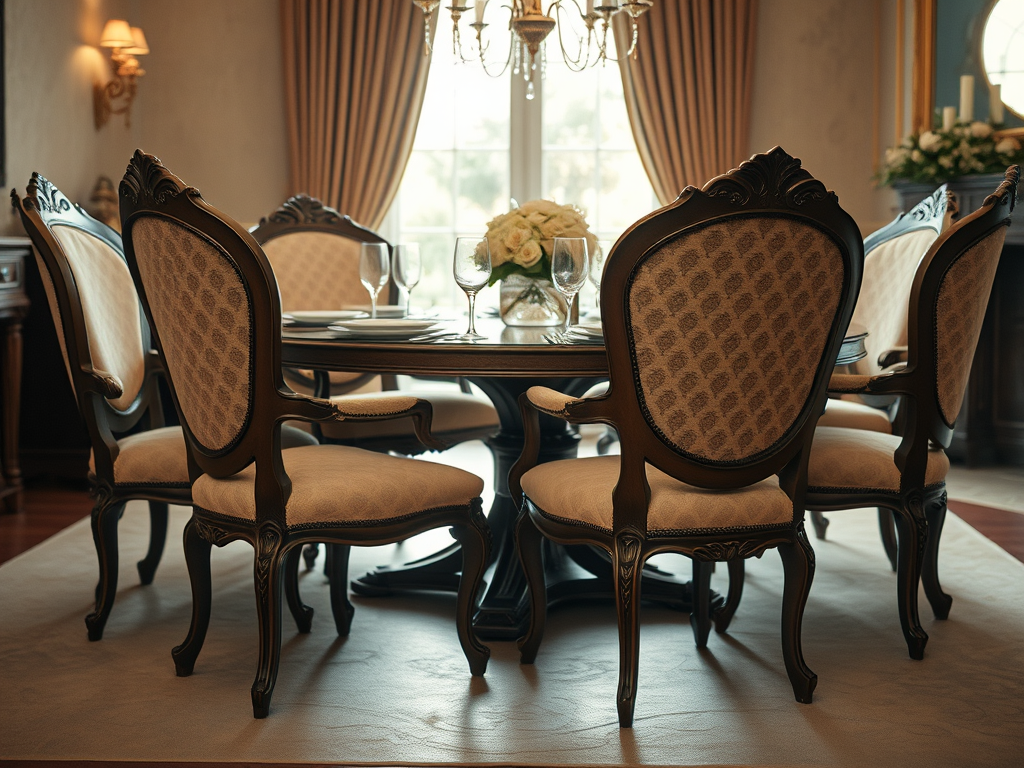
  • Traditional: Look for chairs with ornate details, rich wood finishes, and plush upholstery for a classic feel. These chairs work well in formal dining rooms and can add an air of elegance to your space.
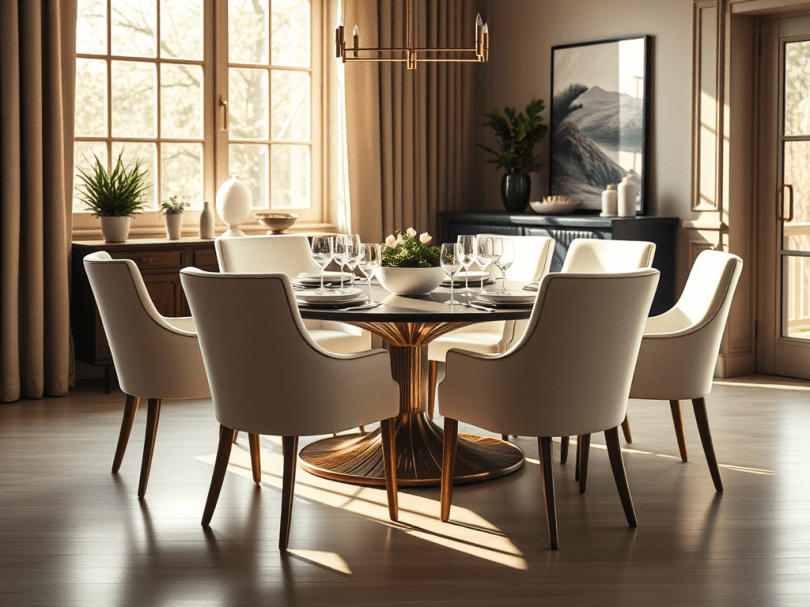
  • Modern: Clean lines, minimalistic shapes, and materials like metal and molded plastic characterize modern chairs. They work great in contemporary dining rooms and pair well with glass or sleek wooden tables.
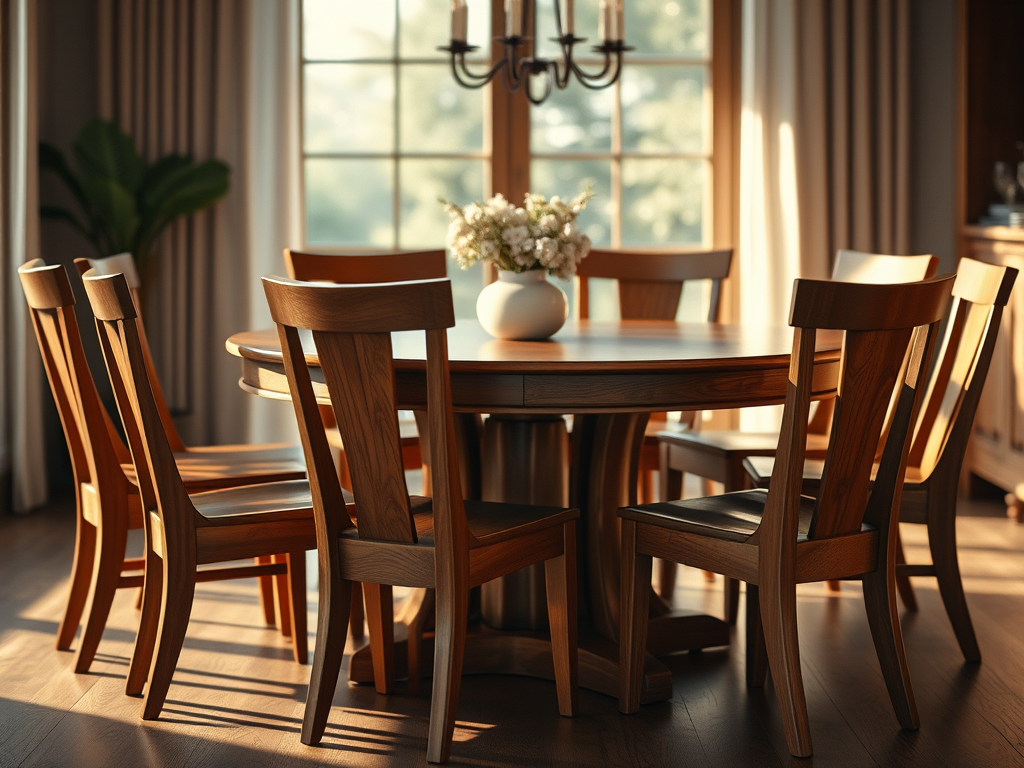
  • Rustic/Farmhouse: If you prefer a cozy, lived-in look, consider farmhouse-style chairs. These chairs are often made from distressed wood and can include features like cross backs or upholstered seats to enhance comfort.
  • Eclectic: For a more creative, personalized touch, consider mixing different styles and colors of chairs. This approach works well in bohemian or transitional spaces, giving your dining area a unique character.

2. Comfort is Key

Your dining chairs should be as comfortable as they are stylish, especially if you enjoy lingering at the table for long meals or hosting guests. Here are some factors to consider for comfort:

  • Seat Height: The ideal seat height is about 18 inches from the ground, allowing enough legroom between the chair and the dining table. Make sure there’s a gap of about 10-12 inches between the seat and the tabletop.
  • Seat Width and Depth: The seat should be wide enough to accommodate different body types comfortably. A width of 18-20 inches and a depth of 16-18 inches is usually sufficient.
  • Upholstery and Padding: Upholstered seats can add extra comfort, especially for long dinners. Choose materials like velvet, linen, or faux leather for a luxurious touch. Make sure the padding is firm enough to provide support without feeling too rigid.

3. Materials Matter

The material of your dining chairs will impact both their appearance and durability. Here are some options:

  • Wood: Wooden chairs are a classic choice that brings warmth to your dining space. Consider solid wood for durability or veneers for a more affordable option. Look for protective finishes to ensure the chairs are easy to clean.
  • Metal: Metal chairs can give a modern or industrial look to your dining room. They’re often lightweight and easy to move but make sure they’re sturdy and well-constructed to prevent wobbling.
  • Upholstered: Upholstered dining chairs provide comfort and style, but they may require more maintenance. Opt for stain-resistant fabrics if you have kids or frequently host guests.
  • Rattan or Wicker: For a relaxed, casual vibe, consider rattan or wicker chairs. These materials are great for adding texture to your dining area, especially if you’re aiming for a coastal or bohemian look.

4. Consider the Size of Your Space

Your dining room’s size will influence the type of chairs you choose. If you have a smaller space, look for chairs with a slim profile that won’t overpower the room. Clear acrylic or open-back chairs can make the room feel more spacious.

For larger dining areas, consider chairs with more visual weight, such as fully upholstered armchairs or chairs with intricate detailing. These types of chairs can make a statement and create a more intimate atmosphere around a large table.

5. Mix and Match or Uniform?

Another decision to make is whether to have all matching chairs or to mix things up. Here are some ideas:

  • Matching Set: A matching set of chairs gives your dining room a cohesive, symmetrical look. This works well for formal dining rooms or if you want to highlight other elements in the room, like a statement chandelier.
  • Mix and Match: Mixing different styles, materials, or colors of chairs can add a playful and eclectic feel to your dining area. To keep things cohesive, consider having a unifying element, such as using the same color palette or chair height.

6. Don’t Forget About Maintenance

Dining room chairs can be subjected to spills, especially if you have kids or frequently entertain. When choosing chairs, consider how easy they are to clean:

  • Wood and Metal: Both are relatively easy to wipe down and maintain. However, metal chairs may require special cleaners to avoid tarnishing.
  • Upholstered Chairs: Look for chairs with removable seat covers or stain-resistant fabric. Alternatively, consider using slipcovers that can be taken off and washed as needed.

7. Test Before You Buy

If possible, it’s always a good idea to test dining chairs before purchasing them. Sit in the chair to see if it feels comfortable and supportive. Check for stability and ensure the chair doesn’t wobble. If you’re buying online, read customer reviews for insights on comfort, quality, and ease of assembly.

Product Recommendations

Here are a few recommended dining chair options for different styles:

  • For a Modern Look: The Eames Molded Plastic Chairs is a classic choice with clean lines, perfect for modern dining rooms. It’s lightweight, easy to clean, and available in a variety of colors. https://amzn.to/4eUXNji
  • For a Farmhouse Feel: The Cross Back Wooden Dining Chairs is ideal for a rustic or farmhouse setting. The distressed wood finish adds warmth and charm to your dining area. https://amzn.to/3YgQaOx
  • For Comfort and Luxury: The Velvet Upholstered Dining Chairs with tufted detailing provides both comfort and a touch of luxury, perfect for those long family dinners. https://amzn.to/3XUcMDc
  • For Space-Saving: If space is an issue, the Acrylic Ghost Chairs is a great choice. It’s visually lightweight, which helps to create the illusion of more space while adding a chic, modern touch. https://amzn.to/3U2j96r

Conclusion

Choosing the best dining room chairs can transform your dining space from merely functional to fabulously stylish. By focusing on your personal style, comfort, materials, space, and maintenance, you can find the perfect chairs that make every meal a special occasion. Whether you opt for a uniform set or decide to mix and match, the right dining chairs will help create a welcoming environment where everyone wants to gather.