
Does the Type of Computer You Have Say Anything About Your Home Decor?


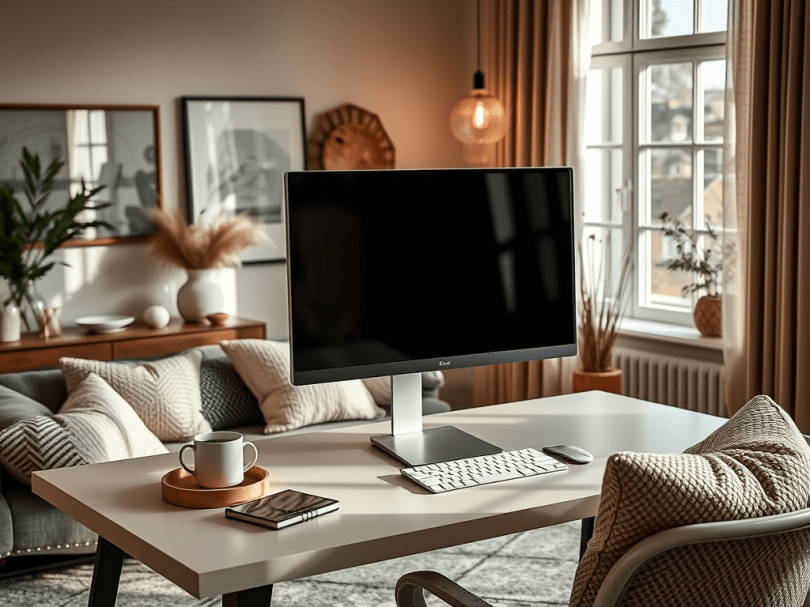
When you think about home decor, your mind might go straight to throw pillows, coffee tables, and wall art—but what about your computer? In today’s connected world, the home computer isn’t just a productivity tool or entertainment hub—it’s also a visible part of your home. Whether it’s perched on your living room desk or set up in a multipurpose dining nook, your computer can add to—or clash with—your home’s overall vibe. So, does the type of computer you have say something about your home decor? Absolutely.

Let’s dive into the growing trend of selecting stylish tech that fits seamlessly into your living space.


Tech Meets Style: Are People Choosing Computers That Match Their Home Decor?

Yes—and more than ever before. The rise of open-concept living and remote work has made our electronics more visible. That big, clunky tower and tangle of cords from 2005? Not the vibe for a clean, minimalist setup or a boho-chic home office.

Today, homeowners are prioritizing aesthetics in all areas, and tech is no exception. Sleek, modern computers and accessories are now part of the home design conversation. Designers and manufacturers have responded by offering machines in more colors, finishes, and compact forms.

Consumers are asking questions like:

  • Will this look good on my desk?
  • Does this color work with my palette?
  • Can I hide the wires easily?
  • Will this blend in or stand out too much?

How Home Decor and Computers Intersect

Your home reflects your lifestyle, and your tech should too. Here’s how different home styles often align with computer choices:

  • Minimalist Spaces: Think ultra-thin monitors, wireless keyboards, and all-in-one PCs like the iMac in silver or space gray. Clean lines and less clutter matter here.
  • Modern Industrial: Black or gunmetal-finished laptops, matte textures, and exposed tech elements like a mechanical keyboard can blend beautifully with industrial lighting and metal shelving.
  • Boho or Eclectic: Lighter colors, softer tones like cream or sage green, and accessories like a natural wood laptop stand or woven basket for tech storage help integrate your computer into the overall aesthetic.
  • Farmhouse: White or soft-colored laptops, wooden desk risers, and vintage-inspired tech accessories give functionality a cozy twist.
  • Luxury/High-End Decor: Polished setups with sleek monitors, high-res screens, and brushed-metal finishes fit into high-end interiors with ease.

How to Choose a Stylish Computer That Matches Your Home Style

Here are some tips to guide you in picking a computer that supports your productivity and looks great in your space:

1. Think About Color and Finish

If your room is light and bright, consider a white or silver device. For darker or more dramatic interiors, black or graphite tones can look stunning and intentional.

2. Match the Shape and Size to the Space

A giant monitor might overwhelm a delicate desk, while a compact laptop might get lost in a large workstation. Choose a form factor that complements your setup.

3. Coordinate with Accessories

A sleek computer paired with a chic mousepad, ergonomic chair, or matching wireless keyboard can elevate the whole look. These small touches help tie your tech into your room’s overall design.

4. Conceal or Embrace the Cords

Minimalist spaces benefit from wireless devices and cable organizers. But in a more relaxed or vintage room, stylish braided cables or wooden cord keepers can become decor pieces themselves.

5. Consider a Custom or Designer Stand

Elevate your monitor with a stand made of wood, acrylic, or metal that aligns with your room’s materials. It’s an easy way to make your tech look intentional.


Final Thoughts: Make Your Tech Part of the Decor, Not an Eyesore

In a world where our homes are becoming smarter and more interconnected, it makes sense to think of our computers not just as tools—but as part of the decor. Whether you’re designing a small home office, a multifunctional dining room workspace, or just want your laptop to blend in with your living room, style matters.

You don’t have to sacrifice beauty for functionality. With a little thought, your computer can be both a design statement and a powerhouse of productivity.


What’s Your Tech Style?

Do you choose your computer based on how it looks in your space? Have you styled your desk or office around your tech? Share your setup with us or tag @discoveringlifellc on social—we’d love to feature your stylish workspaces!


How to Find the Right Coffee Table for Your Living Room: Functional or Stylish?


The coffee table might seem like a small detail in your living room, but this one piece can tie the entire space together. Whether you’re kicking back with your morning coffee or entertaining friends, the right coffee table balances function and style—and finding that balance is key to making your living room both beautiful and practical.


Imagine This…

You’ve just finished setting up your new living room. The sofa’s in place, the rug is down, and now it’s time for the final touch—the coffee table. You browse online and spot two that catch your eye:

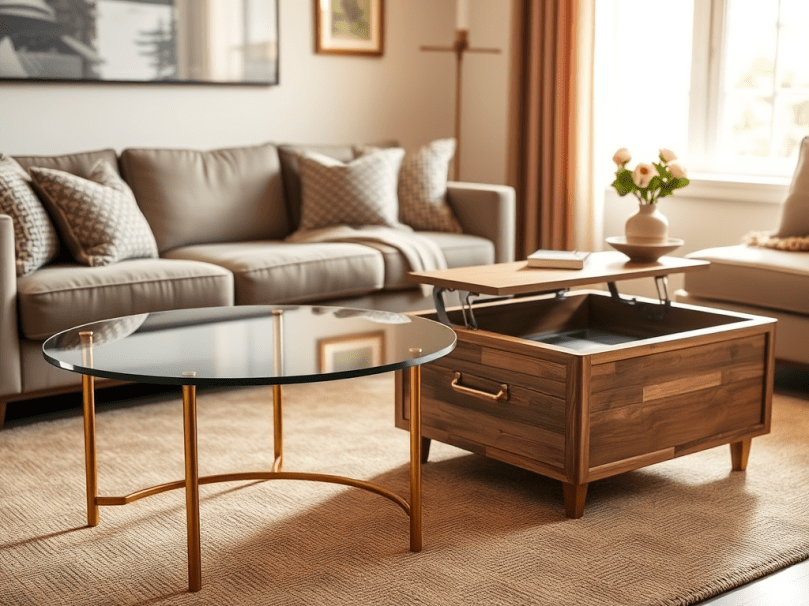
  • One is sleek, modern, and artsy. It’s a round glass-top table with brass legs—minimalist, gorgeous, and just the vibe you were going for.
  • The other? A rustic wood table with lift-top storage, a hidden drawer, and plenty of space underneath for books and blankets. Not as “wow” in photos, but undeniably practical.

So… which one would you choose?
Are you going for the stylish statement piece that fits your aesthetic—or the functional hero that supports your everyday lifestyle?


First Things First: What’s Your Priority?

Before diving into designs and finishes, ask yourself: Are you looking for a functional coffee table, a stylish one, or a blend of both?

Let’s break it down.


1. Functionality: When You Need More Than Just a Table

If your living room is the hub of activity, chances are you need your coffee table to do more than hold a decorative tray.

Look for:

  • Storage Options: Tables with drawers, shelves, or hidden compartments are perfect for stashing remotes, books, and throw blankets.
  • Lift-Top Tables: Great for small spaces or work-from-home setups, these provide extra surface height for eating or working.
  • Durability: If you’ve got kids, pets, or a lot of foot traffic, opt for sturdy materials like solid wood or metal with rounded corners.

2. Style: When You Want a Statement Piece

If your coffee table is more of a decor element than a workhorse, go bold with design and materials.

Consider:

  • Glass Tops: Sleek, modern, and perfect for smaller rooms since they don’t take up visual space.
  • Unique Shapes: Oval, round, or geometric tables can add flair and soften a room dominated by straight lines.
  • Material Mixes: Combining wood and metal, marble and brass, or rattan and glass can bring texture and interest to your space.

3. Finding the Balance: Function and Style

Yes, you can have both! Here’s how:

  • Choose multifunctional furniture in a style that suits your aesthetic. Think mid-century modern tables with built-in shelving or rustic farmhouse designs with practical drawers.
  • Layer with accessories: Even the most practical coffee table can be elevated with a beautiful tray, a stack of coffee table books, a plant, or a candle.
  • Match it to your lifestyle: If you host often, choose a table with enough surface space. If your room is more for relaxing, choose comfort over design extremes.

4. Coffee Table Sizing Guide

To avoid buying a table that’s too large or too small, follow these quick tips:

  • Height: The table should be about the same height as your sofa seat (or 1–2 inches lower).
  • Length: Aim for about two-thirds the length of your sofa.
  • Space: Leave at least 16–18 inches between the coffee table and your seating for easy movement.

Final Thoughts

Whether you’re all about storage or obsessed with style, the perfect coffee table exists—and it’s one that fits your lifestyle. Don’t be afraid to experiment with materials or mix styles. Remember, the best coffee table is one that brings function, beauty, and personality to your space.


Feeling Blue in the Best Way: How to Decorate with Blue Without Overpowering Your Space


Do you love the color blue? You’re not alone! Blue is one of the most beloved colors in home decor—and for good reason. It’s calming, classic, and surprisingly versatile. Whether you’re dreaming of a serene spa-like bathroom, a cozy navy reading nook, or just want to sprinkle in some subtle sky blue touches, this color has something for everyone.

But if you’re wondering how to incorporate blue into your home without it taking over or clashing with your existing style, you’re in the right place. Let’s explore the many shades of blue and which colors pair beautifully with them to create balance, depth, and harmony in your home.


A Little Blue Love Story

Let me tell you a quick story.

Growing up, I had a favorite blue blanket. It was soft, worn in all the right places, and had tiny stars stitched across it—faded from too many washes but still perfect. No matter how many new throws came into the house, that blue one? It always found its way to the couch.

Years later, I moved into my first apartment and found myself drawn to a navy velvet pillow in a little home boutique. I didn’t realize it then, but the moment I brought that pillow home, something clicked. Blue wasn’t just a color. It was comfort. It was home. It was mine.

Since then, blue has made its way into every space I’ve lived in. Whether it’s a powder blue vase, a teal kitchen towel, or a deep ocean blue wall in my office, that color still wraps me in the same warmth as that old childhood blanket.


Popular Shades of Blue and Their Perfect Pairings

Blue isn’t just blue. It ranges from soft and subtle to bold and dramatic. Here’s a list of shades to consider and what they pair well with:

1. Sky Blue

Light, airy, and sweet—perfect for ceilings, nurseries, or bathrooms.

Pairs best with:

  • White (for a fresh, clean vibe)
  • Soft yellows (for a sunny feel)
  • Light grays or tans (for a relaxed, coastal style)

2. Navy Blue

Deep and moody—great for accent walls, cabinets, or upholstered furniture.

Pairs best with:

  • Crisp white (for a timeless nautical look)
  • Brass or gold accents (for a rich, luxurious feel)
  • Blush pink or coral (for a trendy, unexpected contrast)

3. Teal

A mix of blue and green—bold, energetic, and modern.

Pairs best with:

  • Warm wood tones (for balance and grounding)
  • Mustard yellow or burnt orange (for a retro flair)
  • Creamy neutrals (to soften the vibrancy)

4. Powder Blue

Subtle and peaceful—ideal for bedrooms, offices, or vintage-inspired spaces.

Pairs best with:

  • Ivory or white
  • Pale rose or lavender
  • Light wood finishes

5. Cobalt Blue

Vibrant and bold—perfect as a statement color in kitchens or bathrooms.

Pairs best with:

  • White and black (for high contrast and drama)
  • Lemon yellow (for a pop of playfulness)
  • Metallics like chrome or silver

6. Steel Blue

Muted with a gray undertone—great for a modern or masculine touch.

Pairs best with:

  • Charcoal gray or black
  • Olive green
  • Warm leather or natural textures

Tips to Use Blue Without Overpowering Your Space

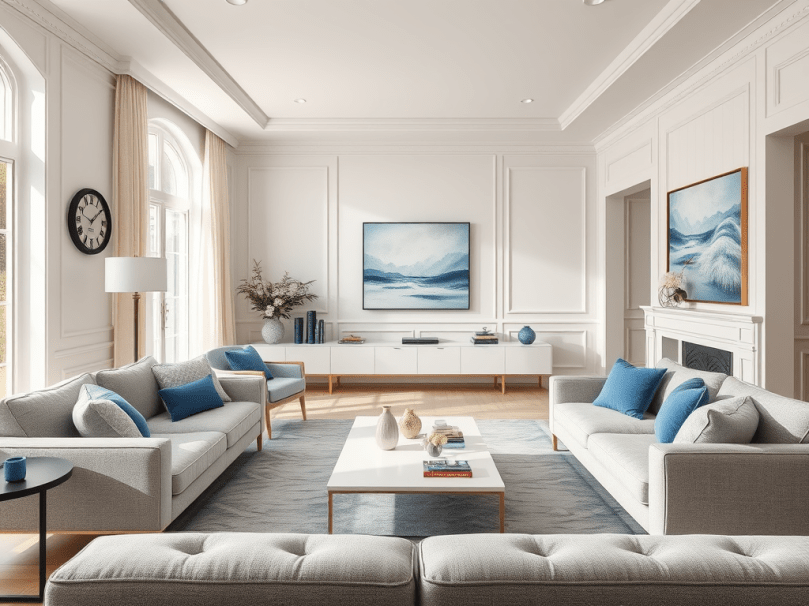
  • Use blue as an accent color: Add blue throw pillows, artwork, or a rug to test the waters before committing to a big blue piece.
  • Balance it with neutrals: White, beige, and gray help keep the space feeling open and not too dark or heavy.
  • Layer different shades: Mixing light and dark blues can add dimension without being overwhelming. Think a navy chair with a sky-blue blanket or multiple blue-toned wall prints.
  • Bring in natural elements: Wood, greenery, and woven textures can soften and balance the coolness of blue tones.

Final Thoughts: Blue Your Way

Blue is more than just a color—it’s a feeling. It’s comfort. It’s peace. It’s depth and expression. Whether you’re choosing a bold navy velvet couch or just want to sprinkle in a few ocean-toned accents, you can bring the magic of blue into your home in a way that feels intentional and personal.

So, are you a navy night owl or a sky-blue dreamer? Let me know your favorite shade in the comments—or share a sweet blue memory from your home.


How to Choose the Right Accent Chairs for Your Space

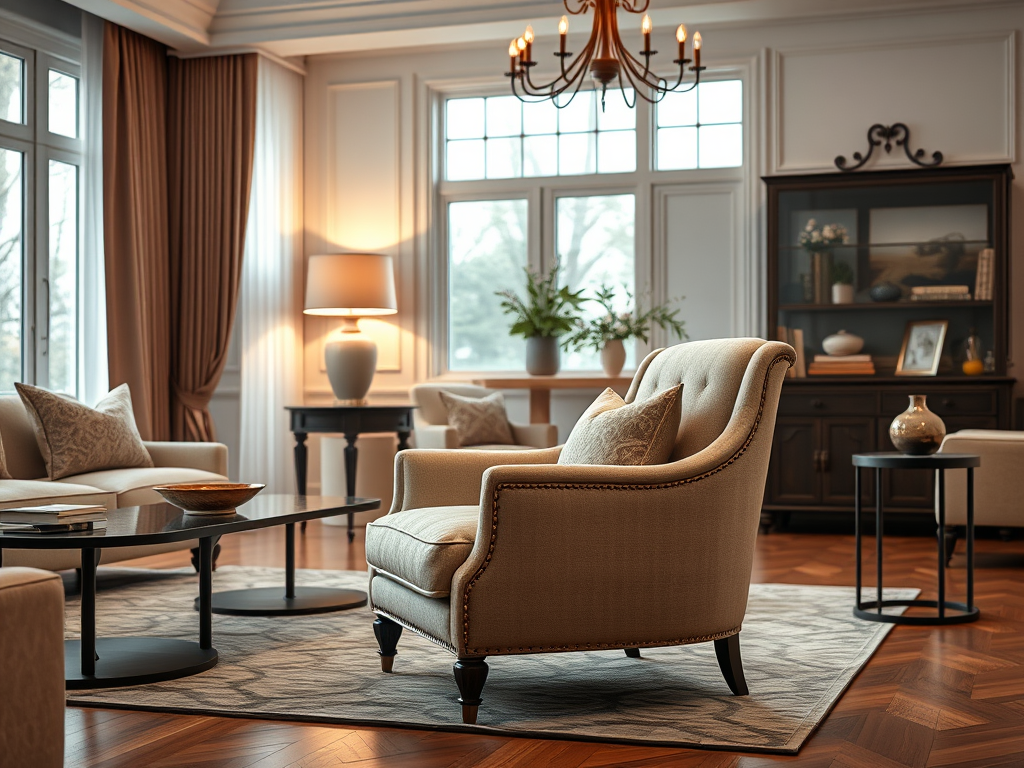
Accent chairs aren’t just for sitting—they’re style statements, conversation starters, and sometimes even the unexpected pop of color that brings your entire room together. But choosing the right one can be tricky. Will it clash with your couch? Will it be comfortable? Does it even serve a purpose beyond looking pretty? Let’s dive into how to pick the perfect accent chair for your space, with some personal experiences and product recommendations along the way.

1. Define Its Purpose

Before you get swept away by a stunning velvet chair in a bold mustard yellow, ask yourself: What is this chair’s job? Is it meant to provide extra seating in your living room? A comfy reading nook addition? Or is it just there to make your space look more refined? Identifying the purpose will help narrow your options.

Personal Experience: I once bought a sleek, mid-century modern chair that looked absolutely gorgeous—but it was so stiff that no one wanted to sit in it. Lesson learned: Beauty without function is a waste of space.

2. Consider Your Existing Decor

Your accent chair should enhance your current decor, not fight it. If you have a modern, minimalist space, a chunky, overstuffed armchair might look out of place. Likewise, if you have a classic farmhouse aesthetic, a chrome-accented chair could feel jarring.

Product Recommendation:

  • Rivet Jamie Upholstered Mid-Century Accent Chair (Amazon) – Sleek and stylish, this chair blends well with most modern and mid-century styles.

3. Pick the Right Material

Fabric choice makes all the difference. Velvet and leather feel luxurious but can be high-maintenance. Cotton and linen are classic and breathable, while faux leather and performance fabrics work well for homes with kids and pets.

Personal Experience: I once made the mistake of buying a white linen accent chair, thinking it would look elegant. It did—until my dog jumped on it with muddy paws. If you have pets or kids, consider darker fabrics or stain-resistant options.

Product Recommendation:

  • Stone & Beam Lauren Oversized Armchair (Amazon) – Durable, comfortable, and available in multiple pet-friendly fabrics.

4. Size and Scale Matter

An oversized chair in a small room can feel suffocating, while a tiny chair in a spacious living room might look awkward. Measure your space and consider how the chair fits in with the rest of your furniture.

Quick Tip:

If you’re unsure about size, use painter’s tape to outline the chair’s dimensions on the floor before purchasing.

5. Go Bold or Keep It Neutral?

Accent chairs can either blend in with your existing palette or be the statement piece of your room. If you have a neutral-colored couch, a bold jewel-toned or patterned chair can add personality. On the flip side, if your space already has a lot going on, a neutral chair can bring balance.

Product Recommendation:

  • Christopher Knight Home Evelyn Tufted Velvet Chair (Wayfair) – A stunning, jewel-toned velvet chair perfect for adding a touch of luxury.

6. Comfort Over Everything

Looks are important, but if a chair isn’t comfortable, you’ll regret the purchase. Consider factors like seat depth, cushion firmness, and back support.

Personal Experience: I once bought a chair that looked like something out of an interior design magazine but felt like sitting on a rock. It ended up being nothing more than a decorative piece I never used.

Product Recommendation:

  • Oskar Swivel Lounge Chair (West Elm) – Stylish yet ultra-comfortable, perfect for cozying up with a book.

Final Thoughts

Accent chairs are an opportunity to express your style while serving a practical purpose. When choosing one, consider its function, material, size, and how it complements your existing decor. Whether you go bold with color or stick to classic neutrals, the right accent chair can elevate your space effortlessly.

Have a favorite accent chair? Share your experiences in the comments!

How Much Black is Too Much in Home Decor?

Black has long been a favorite color in home decor for its sophistication, versatility, and ability to make a bold statement. From sleek furniture pieces to dramatic accent walls, black can elevate your home’s aesthetic when used thoughtfully. But how much black is too much? Let’s explore the art of incorporating black into your home without overwhelming the space.

The Case for Black in Home Decor

Black is a timeless color that can:

  • Add Depth and Contrast: Black creates striking contrasts when paired with lighter hues, making rooms feel more dynamic.
  • Exude Elegance: A touch of black adds a sense of luxury and sophistication to any space.
  • Ground the Space: Black elements anchor a room and provide balance.

Striking the Right Balance

While black can work wonders, using it excessively can make your space feel smaller, darker, or even uninviting. Here are some guidelines to strike the perfect balance:

1. Start Small

If you’re new to black decor, begin with accents like pillows, picture frames, or vases. This allows you to test the waters without committing to large-scale changes.

2. Pair Black with Light Colors

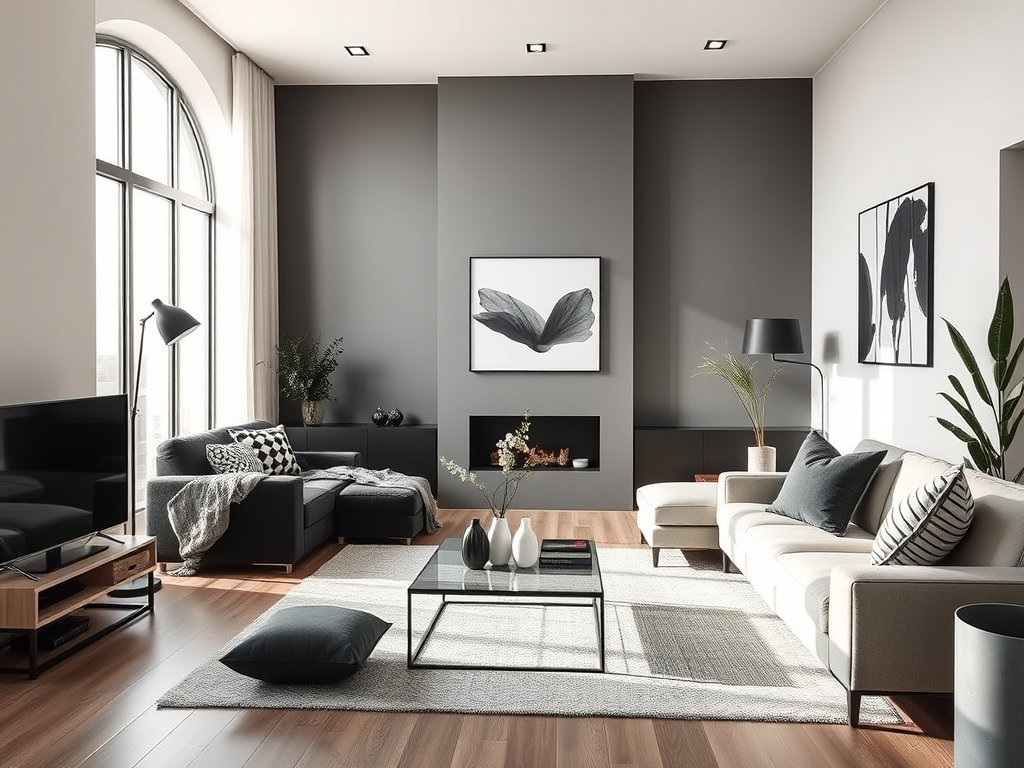
Balance the boldness of black with lighter or neutral tones. White, beige, and soft grays work particularly well to keep the space feeling open and airy.

3. Use Black as an Accent

Limit black to one or two standout pieces per room. For example:

  • A black coffee table in the living room
  • Black pendant lights in the kitchen
  • A black-framed mirror in the bathroom

4. Consider the Room’s Size

In smaller spaces, too much black can feel claustrophobic. Focus on smaller accents or opt for black patterns on a lighter base.

5. Add Texture

Incorporate black through a variety of textures to add depth and interest. Think velvet cushions, matte black fixtures, or glossy lacquered furniture.

6. Play with Patterns

Patterns featuring black can be less intense than solid black surfaces. Consider rugs, wallpaper, or upholstery with black details to introduce the color subtly.

Examples of Black Decor Items

Here are some product recommendations for incorporating black into your decor without overwhelming the space:

  • Matte Black Table Lamp: A sleek black lamp with a modern silhouette can add style to your bedside or desk without dominating the room.
  • Black Picture Frames: Display your favorite memories in black frames to create a chic gallery wall.
  • Velvet Black Throw Pillows: These add a luxurious touch to your sofa or bed while maintaining a cozy feel.
  • Black Ceramic Vases: Perfect for showcasing flowers or greenery on a dining table or console.
  • Geometric Black Area Rug: A rug with a black pattern can anchor the room while keeping it visually interesting.
  • Black Pendant Lighting: Industrial-style pendant lights in matte black are great for kitchens or dining areas.
  • Black Accent Chair: A single black chair in a corner or as part of your seating arrangement can act as a statement piece.

When Black Becomes Too Much

Signs you’ve gone overboard with black include:

  • Overwhelming Darkness: The room feels smaller or overly shadowed.
  • Monotony: The space lacks contrast or visual interest.
  • Mood Shifts: Black’s association with seriousness can make the atmosphere overly somber.

To remedy this, incorporate lighter accents, mirrors to reflect light, or greenery to soften the look.

Conclusion

Black is a powerful tool in home decor that, when used strategically, can transform your space into one of elegance and charm. The key is moderation and balance. By combining black with complementary colors, textures, and patterns, you can create a space that feels both bold and inviting.

How have you incorporated black into your home? Share your tips and experiences in the comments below!