
To Rug or Not to Rug: Is It Trendy to Have a Rug in Your Bedroom?


When it comes to bedroom decor, one question always stirs up a bit of debate: Do you really need a rug in your bedroom? Some say it’s a must-have for warmth and style, while others prefer the simplicity of bare floors. So, let’s get into it—is it trendy to have a rug in the bedroom in 2025? And if so, how do you choose the right one?

The Trend Factor: Are Bedroom Rugs In or Out?

Spoiler alert: Rugs are still very in.

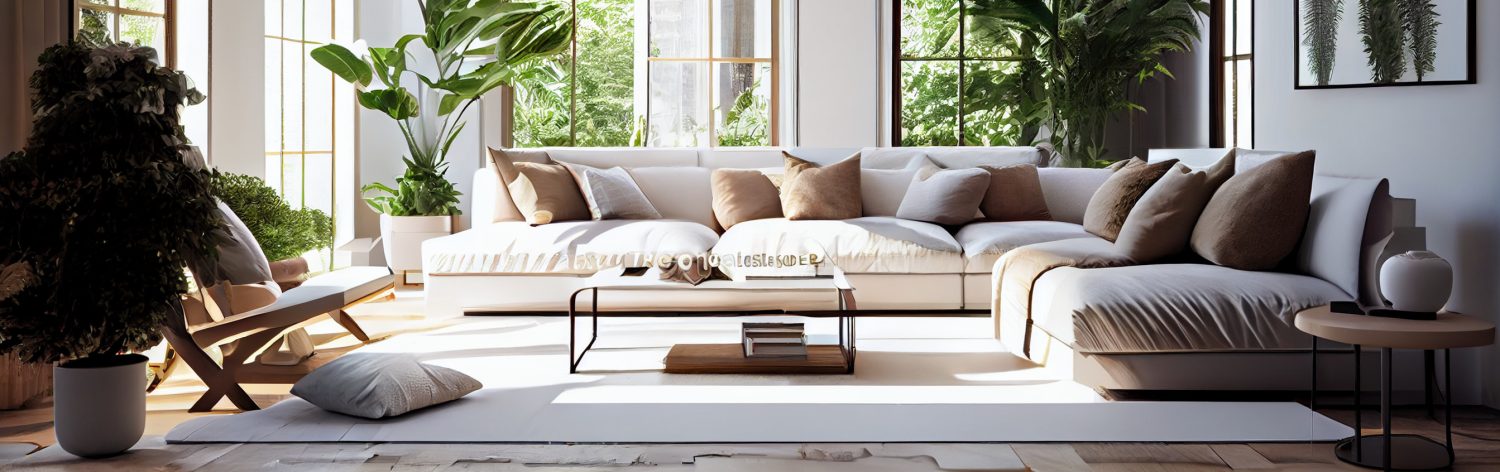
In fact, rugs are more popular than ever, especially as more people invest in turning their bedrooms into cozy, personalized sanctuaries. The bedroom isn’t just for sleep anymore—it’s often where you wind down with a book, sip morning coffee, or scroll in peace before the day starts. A well-placed rug adds that extra layer of texture and comfort that modern bedroom designs crave.

What Type of Rug Works Best in a Bedroom?

Not all rugs are created equal. Here are a few trendy styles that are getting love right now:

  • Low-Pile Area Rugs: Perfect for modern, minimalist, or Scandinavian-style bedrooms. They’re easy to clean and don’t overpower the space.
  • Shag or Plush Rugs: Think soft, luxurious, and cozy. These are ideal for placing under or beside the bed to give your feet a treat in the morning.
  • Layered Rugs: A fun, boho-inspired trend where you layer smaller textured rugs over larger neutral ones.
  • Vintage or Distressed Rugs: These add a touch of character and charm and pair beautifully with farmhouse or eclectic decor.

How to Choose the Right Rug for Your Bedroom

Choosing a bedroom rug can feel overwhelming, but here’s a simple guide to get you started:

  1. Size Matters
    For a queen bed, go for at least an 8×10 rug. For a king, aim for 9×12. You want the rug to extend beyond the sides and foot of the bed for balance.
  2. Placement is Key
    Most people center their rug under the bed, but you can also try placing it at the foot of the bed or layering it at an angle for a more casual look.
  3. Comfort Counts
    In the bedroom, comfort is a priority. Look for soft textures, like wool, cotton, or a plush synthetic blend.
  4. Match Your Style (But Don’t Be Afraid to Mix It Up)
    If your bedroom is full of clean lines and soft neutrals, a bold pattern might add the spark you’re missing. If your room already has a lot of visual interest, stick with something simple and soft.

What Colors Work in Any Style?

If you’re unsure what color rug to go with, here are a few versatile tones that blend with almost any design style:

  • Warm Neutrals (cream, taupe, beige) – Great for minimalist, farmhouse, or boho spaces.
  • Charcoal or Slate Gray – Works well in modern and industrial bedrooms.
  • Soft Blues or Sage Greens – Adds calm energy without overwhelming your palette.
  • Muted Patterns – A faded vintage pattern in soft tones adds depth without demanding attention.

Final Thoughts: To Rug or Not to Rug?

If you’ve been debating the rug question, here’s your answer: Yes, rug it up!

A rug adds warmth, texture, personality, and comfort—four things every bedroom should have. Whether you go bold with a statement piece or subtle with a soft neutral, adding a rug is a stylish, cozy upgrade that’s totally on trend.

Feeling Blue in the Best Way: How to Decorate with Blue Without Overpowering Your Space


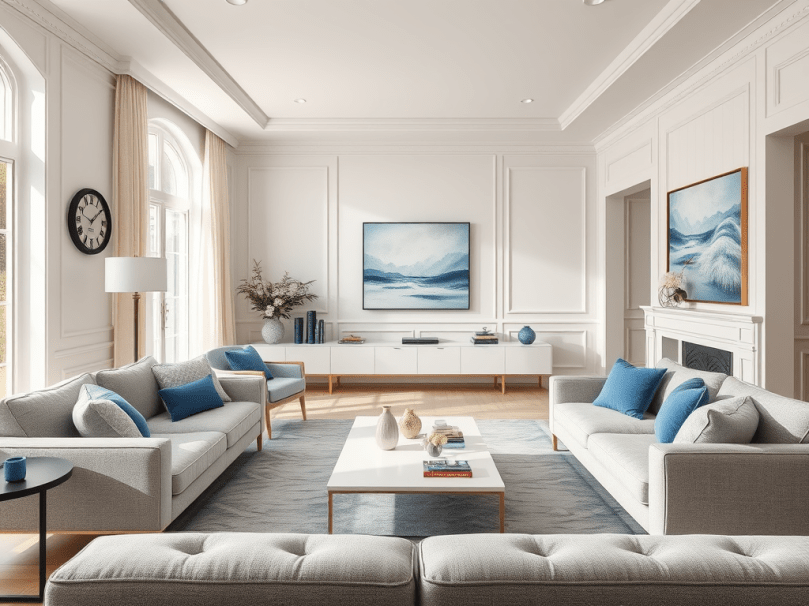
Do you love the color blue? You’re not alone! Blue is one of the most beloved colors in home decor—and for good reason. It’s calming, classic, and surprisingly versatile. Whether you’re dreaming of a serene spa-like bathroom, a cozy navy reading nook, or just want to sprinkle in some subtle sky blue touches, this color has something for everyone.

But if you’re wondering how to incorporate blue into your home without it taking over or clashing with your existing style, you’re in the right place. Let’s explore the many shades of blue and which colors pair beautifully with them to create balance, depth, and harmony in your home.


A Little Blue Love Story

Let me tell you a quick story.

Growing up, I had a favorite blue blanket. It was soft, worn in all the right places, and had tiny stars stitched across it—faded from too many washes but still perfect. No matter how many new throws came into the house, that blue one? It always found its way to the couch.

Years later, I moved into my first apartment and found myself drawn to a navy velvet pillow in a little home boutique. I didn’t realize it then, but the moment I brought that pillow home, something clicked. Blue wasn’t just a color. It was comfort. It was home. It was mine.

Since then, blue has made its way into every space I’ve lived in. Whether it’s a powder blue vase, a teal kitchen towel, or a deep ocean blue wall in my office, that color still wraps me in the same warmth as that old childhood blanket.


Popular Shades of Blue and Their Perfect Pairings

Blue isn’t just blue. It ranges from soft and subtle to bold and dramatic. Here’s a list of shades to consider and what they pair well with:

1. Sky Blue

Light, airy, and sweet—perfect for ceilings, nurseries, or bathrooms.

Pairs best with:

  • White (for a fresh, clean vibe)
  • Soft yellows (for a sunny feel)
  • Light grays or tans (for a relaxed, coastal style)

2. Navy Blue

Deep and moody—great for accent walls, cabinets, or upholstered furniture.

Pairs best with:

  • Crisp white (for a timeless nautical look)
  • Brass or gold accents (for a rich, luxurious feel)
  • Blush pink or coral (for a trendy, unexpected contrast)

3. Teal

A mix of blue and green—bold, energetic, and modern.

Pairs best with:

  • Warm wood tones (for balance and grounding)
  • Mustard yellow or burnt orange (for a retro flair)
  • Creamy neutrals (to soften the vibrancy)

4. Powder Blue

Subtle and peaceful—ideal for bedrooms, offices, or vintage-inspired spaces.

Pairs best with:

  • Ivory or white
  • Pale rose or lavender
  • Light wood finishes

5. Cobalt Blue

Vibrant and bold—perfect as a statement color in kitchens or bathrooms.

Pairs best with:

  • White and black (for high contrast and drama)
  • Lemon yellow (for a pop of playfulness)
  • Metallics like chrome or silver

6. Steel Blue

Muted with a gray undertone—great for a modern or masculine touch.

Pairs best with:

  • Charcoal gray or black
  • Olive green
  • Warm leather or natural textures

Tips to Use Blue Without Overpowering Your Space

  • Use blue as an accent color: Add blue throw pillows, artwork, or a rug to test the waters before committing to a big blue piece.
  • Balance it with neutrals: White, beige, and gray help keep the space feeling open and not too dark or heavy.
  • Layer different shades: Mixing light and dark blues can add dimension without being overwhelming. Think a navy chair with a sky-blue blanket or multiple blue-toned wall prints.
  • Bring in natural elements: Wood, greenery, and woven textures can soften and balance the coolness of blue tones.

Final Thoughts: Blue Your Way

Blue is more than just a color—it’s a feeling. It’s comfort. It’s peace. It’s depth and expression. Whether you’re choosing a bold navy velvet couch or just want to sprinkle in a few ocean-toned accents, you can bring the magic of blue into your home in a way that feels intentional and personal.

So, are you a navy night owl or a sky-blue dreamer? Let me know your favorite shade in the comments—or share a sweet blue memory from your home.


How Much Black is Too Much in Home Decor?

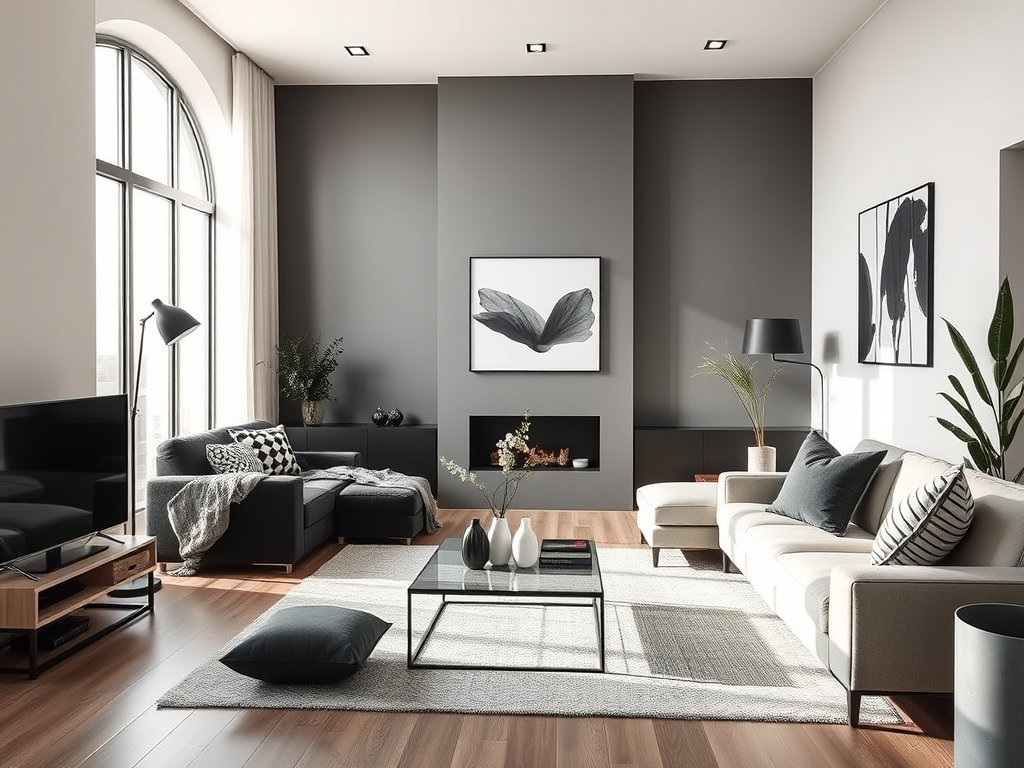
Black has long been a favorite color in home decor for its sophistication, versatility, and ability to make a bold statement. From sleek furniture pieces to dramatic accent walls, black can elevate your home’s aesthetic when used thoughtfully. But how much black is too much? Let’s explore the art of incorporating black into your home without overwhelming the space.

The Case for Black in Home Decor

Black is a timeless color that can:

  • Add Depth and Contrast: Black creates striking contrasts when paired with lighter hues, making rooms feel more dynamic.
  • Exude Elegance: A touch of black adds a sense of luxury and sophistication to any space.
  • Ground the Space: Black elements anchor a room and provide balance.

Striking the Right Balance

While black can work wonders, using it excessively can make your space feel smaller, darker, or even uninviting. Here are some guidelines to strike the perfect balance:

1. Start Small

If you’re new to black decor, begin with accents like pillows, picture frames, or vases. This allows you to test the waters without committing to large-scale changes.

2. Pair Black with Light Colors

Balance the boldness of black with lighter or neutral tones. White, beige, and soft grays work particularly well to keep the space feeling open and airy.

3. Use Black as an Accent

Limit black to one or two standout pieces per room. For example:

  • A black coffee table in the living room
  • Black pendant lights in the kitchen
  • A black-framed mirror in the bathroom

4. Consider the Room’s Size

In smaller spaces, too much black can feel claustrophobic. Focus on smaller accents or opt for black patterns on a lighter base.

5. Add Texture

Incorporate black through a variety of textures to add depth and interest. Think velvet cushions, matte black fixtures, or glossy lacquered furniture.

6. Play with Patterns

Patterns featuring black can be less intense than solid black surfaces. Consider rugs, wallpaper, or upholstery with black details to introduce the color subtly.

Examples of Black Decor Items

Here are some product recommendations for incorporating black into your decor without overwhelming the space:

  • Matte Black Table Lamp: A sleek black lamp with a modern silhouette can add style to your bedside or desk without dominating the room.
  • Black Picture Frames: Display your favorite memories in black frames to create a chic gallery wall.
  • Velvet Black Throw Pillows: These add a luxurious touch to your sofa or bed while maintaining a cozy feel.
  • Black Ceramic Vases: Perfect for showcasing flowers or greenery on a dining table or console.
  • Geometric Black Area Rug: A rug with a black pattern can anchor the room while keeping it visually interesting.
  • Black Pendant Lighting: Industrial-style pendant lights in matte black are great for kitchens or dining areas.
  • Black Accent Chair: A single black chair in a corner or as part of your seating arrangement can act as a statement piece.

When Black Becomes Too Much

Signs you’ve gone overboard with black include:

  • Overwhelming Darkness: The room feels smaller or overly shadowed.
  • Monotony: The space lacks contrast or visual interest.
  • Mood Shifts: Black’s association with seriousness can make the atmosphere overly somber.

To remedy this, incorporate lighter accents, mirrors to reflect light, or greenery to soften the look.

Conclusion

Black is a powerful tool in home decor that, when used strategically, can transform your space into one of elegance and charm. The key is moderation and balance. By combining black with complementary colors, textures, and patterns, you can create a space that feels both bold and inviting.

How have you incorporated black into your home? Share your tips and experiences in the comments below!

The Power of Orange: Adding a Bold Yet Balanced Touch to Your Home

Orange is a color often associated with energy, warmth, and creativity. It can invigorate a space, adding personality and vibrance. But is orange a good color to use in your home? Absolutely. When used thoughtfully, orange can transform a room from bland to bold without overpowering the senses. Let’s dive into how you can incorporate this lively color in your home decor.

Why Choose Orange?

Orange is unique because it blends the cheerfulness of yellow with the passion of red. It can make spaces feel cozier, brighter, and more inviting. Whether you prefer a subtle peach or a deep burnt orange, the shade you choose can evoke different emotions and atmospheres.

Benefits of Using Orange:
  • Mood Booster: Orange can uplift the spirit and inject positivity.
  • Warmth and Comfort: Soft oranges create a cozy environment.
  • Creative Spark: Bright orange can inspire creativity, making it ideal for studios or workspaces.

How to Use Orange Without Overwhelming Your Space

One concern with orange is its boldness. Here are a few ways to integrate it in moderation, ensuring balance and harmony:

  1. Accent Walls: A single orange accent wall can add warmth to a room without dominating the space. Pair it with neutral colors like white, beige, or gray for balance.
  2. Soft Furnishings: Throw pillows, blankets, or curtains in shades of orange can provide subtle pops of color.
  3. Artwork and Decor: Incorporate orange through artwork, vases, or decorative bowls. These small touches can break up monochromatic spaces.
  4. Rugs and Carpets: An orange area rug can ground a room, adding warmth underfoot while acting as a focal point.
  5. Furniture: Consider an orange armchair or ottoman to create a statement piece without overwhelming the room.

Unexpected Ways to Make Orange Pop

Want to surprise yourself with how versatile orange can be? Here are some unexpected ideas to make orange pop:

  • Front Door Appeal: An orange front door makes a bold first impression and adds curb appeal.
  • Kitchen Accents: Orange bar stools or small appliances can energize the kitchen.
  • Ceilings and Trim: For a creative twist, paint the ceiling a soft orange or use orange trim to frame a space.
  • Mixed Palettes: Pair orange with cool blues, deep greens, or soft pinks for an eclectic, refreshing contrast.

Room-by-Room Orange Inspiration

Looking for room-specific ideas? Here are creative ways to bring orange into different parts of your home:

Living Room:

  • Add an orange statement couch or sectional to serve as a lively centerpiece.
  • Use orange throw pillows, lampshades, or artwork to create small bursts of color without overwhelming the room.

Bedroom:

  • Consider burnt orange or terracotta bedding for a warm, cozy atmosphere.
  • Incorporate an orange accent wall behind the headboard for a bold yet relaxing touch.

Bathroom:

  • Brighten the space with orange towels, shower curtains, or bath mats.
  • Add small orange tiles in a backsplash or as decorative insets to contrast with neutral tones.

Dining Room:

  • Use orange dining chairs or an orange light fixture to create a welcoming, cheerful environment.
  • An orange centerpiece or table runner can add seasonal warmth, especially in autumn.

Home Office:

  • Orange office chairs or desk accessories can boost creativity and energy.
  • Paint one wall orange to inspire productivity and create a dynamic backdrop for virtual meetings.

Children’s Room or Playroom:

  • Bright orange shelves, rugs, or toy bins can create a fun and lively space.
  • Use orange wall decals or murals for a playful yet stylish design.

Final Thoughts

Orange is a dynamic color that can transform your home in exciting ways. The key is balance. Whether you go big with an accent wall or stay subtle with accessories, orange can breathe life into your space, creating an environment that feels both vibrant and welcoming. Don’t shy away from experimenting – sometimes, the boldest choices lead to the most stunning results.

Are Accent Rugs a Thing of the Past? The Timeless Appeal of Rugs in Modern Decor

Accent rugs have long been a staple in home decor, bringing warmth, color, and character to spaces of all styles. But with the rise of minimalist and modern aesthetics, some wonder: Are accent rugs becoming outdated? Let’s dive into why accent rugs are not only here to stay but also evolving to fit diverse, contemporary tastes.

This blog includes affiliate links we may earn paid commissions if you choose to make a purchase after clicking a link, at no additional cost to you.

The Role of Accent Rugs in Modern Decor

An accent rug does more than cover the floor; it transforms the entire atmosphere of a room. In today’s decor landscape, people still love accent rugs for several key reasons:

  1. Warmth and Comfort
    In a room full of hard surfaces and sleek finishes, an accent rug softens the look and adds warmth. Whether it’s the softness underfoot or the way it balances out a modern, industrial look, an accent rug offers unmatched coziness.
  2. Visual Zoning in Open-Concept Spaces
    With open-concept living spaces more popular than ever, accent rugs help visually define areas like the living room, dining area, or office nook. A rug anchors furniture arrangements and helps create natural boundaries within a larger space.
  3. Style and Personality
    Rugs are one of the easiest ways to inject personality into a room. From boho-inspired patterns to sleek monochrome styles, accent rugs allow homeowners to express their tastes without overwhelming the decor.
  4. Color and Texture
    Accent rugs are fantastic for adding layers of color and texture to a room without making permanent changes. For those who love to keep their decor updated, swapping out a rug with the seasons or trends can refresh a space affordably and easily.

Are Accent Rugs a Thing of the Past? Not Quite!

Contrary to the idea that accent rugs are “a thing of the past,” they’ve evolved with the times. Today, we see the rise of:

  • Eco-Friendly Materials: Sustainable materials like jute, hemp, and recycled fibers are making waves in the rug world, appealing to eco-conscious homeowners.
  • Custom and DIY Designs: Many people are choosing handmade or personalized rugs that make a statement. DIY and small-batch rugs add a unique and often artisanal touch to home decor.
  • Layered Rug Looks: A trend gaining popularity is layering rugs with different textures or patterns, creating a dynamic, multi-dimensional floor setup.

Choosing the Right Accent Rug for Your Space

When picking an accent rug, it’s essential to consider the room’s size, function, and style. Here are a few tips:

  • Choose the Right Size: For a small room, a rug that extends beyond the furniture can make it feel bigger. In larger spaces, smaller rugs can highlight a particular area, like under a coffee table.
  • Consider Material: High-traffic areas like entryways or kitchens benefit from durable, easy-to-clean rugs, while softer, plush rugs are perfect for creating cozy vibes in the bedroom or living room.
  • Stay True to Your Aesthetic: Whether you love bold colors or a minimalist look, choose a rug that reflects your style but complements the other decor elements in your space.

My Recommendations

Final Thoughts

Accent rugs are far from a fading trend; they’re as popular and functional as ever. They serve both practical and aesthetic purposes, making them versatile and timeless additions to any home. So if you’re wondering whether to add an accent rug to your space, go for it! It’s an investment in comfort, style, and personality that you can change as often as you like.