
How Much Black is Too Much in Home Decor?

Black has long been a favorite color in home decor for its sophistication, versatility, and ability to make a bold statement. From sleek furniture pieces to dramatic accent walls, black can elevate your home’s aesthetic when used thoughtfully. But how much black is too much? Let’s explore the art of incorporating black into your home without overwhelming the space.
The Case for Black in Home Decor

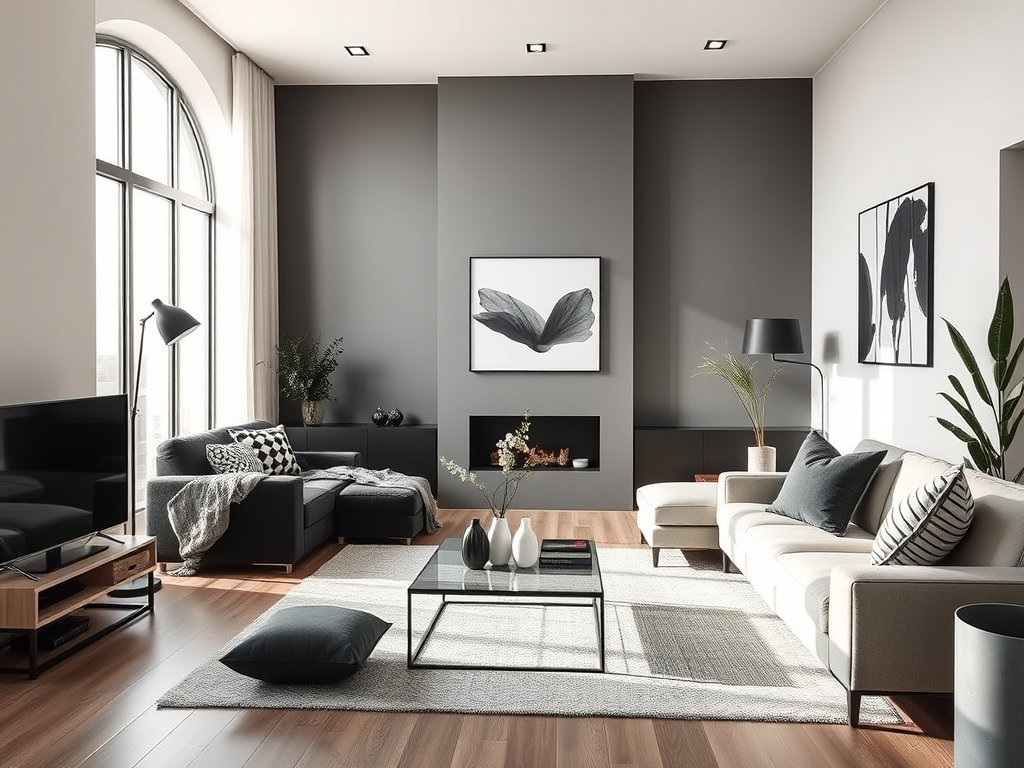
Black is a timeless color that can:

  • Add Depth and Contrast: Black creates striking contrasts when paired with lighter hues, making rooms feel more dynamic.
  • Exude Elegance: A touch of black adds a sense of luxury and sophistication to any space.
  • Ground the Space: Black elements anchor a room and provide balance.

Striking the Right Balance

While black can work wonders, using it excessively can make your space feel smaller, darker, or even uninviting. Here are some guidelines to strike the perfect balance:

1. Start Small

If you’re new to black decor, begin with accents like pillows, picture frames, or vases. This allows you to test the waters without committing to large-scale changes.

2. Pair Black with Light Colors

Balance the boldness of black with lighter or neutral tones. White, beige, and soft grays work particularly well to keep the space feeling open and airy.

3. Use Black as an Accent

Limit black to one or two standout pieces per room. For example:

  • A black coffee table in the living room
  • Black pendant lights in the kitchen
  • A black-framed mirror in the bathroom

4. Consider the Room’s Size

In smaller spaces, too much black can feel claustrophobic. Focus on smaller accents or opt for black patterns on a lighter base.

5. Add Texture

Incorporate black through a variety of textures to add depth and interest. Think velvet cushions, matte black fixtures, or glossy lacquered furniture.

6. Play with Patterns

Patterns featuring black can be less intense than solid black surfaces. Consider rugs, wallpaper, or upholstery with black details to introduce the color subtly.

Examples of Black Decor Items

Here are some product recommendations for incorporating black into your decor without overwhelming the space:

  • Matte Black Table Lamp: A sleek black lamp with a modern silhouette can add style to your bedside or desk without dominating the room.
  • Black Picture Frames: Display your favorite memories in black frames to create a chic gallery wall.
  • Velvet Black Throw Pillows: These add a luxurious touch to your sofa or bed while maintaining a cozy feel.
  • Black Ceramic Vases: Perfect for showcasing flowers or greenery on a dining table or console.
  • Geometric Black Area Rug: A rug with a black pattern can anchor the room while keeping it visually interesting.
  • Black Pendant Lighting: Industrial-style pendant lights in matte black are great for kitchens or dining areas.
  • Black Accent Chair: A single black chair in a corner or as part of your seating arrangement can act as a statement piece.

When Black Becomes Too Much

Signs you’ve gone overboard with black include:

  • Overwhelming Darkness: The room feels smaller or overly shadowed.
  • Monotony: The space lacks contrast or visual interest.
  • Mood Shifts: Black’s association with seriousness can make the atmosphere overly somber.

To remedy this, incorporate lighter accents, mirrors to reflect light, or greenery to soften the look.

Conclusion

Black is a powerful tool in home decor that, when used strategically, can transform your space into one of elegance and charm. The key is moderation and balance. By combining black with complementary colors, textures, and patterns, you can create a space that feels both bold and inviting.

How have you incorporated black into your home? Share your tips and experiences in the comments below!

The Power of Orange: Adding a Bold Yet Balanced Touch to Your Home

Orange is a color often associated with energy, warmth, and creativity. It can invigorate a space, adding personality and vibrance. But is orange a good color to use in your home? Absolutely. When used thoughtfully, orange can transform a room from bland to bold without overpowering the senses. Let’s dive into how you can incorporate this lively color in your home decor.

Why Choose Orange?

Orange is unique because it blends the cheerfulness of yellow with the passion of red. It can make spaces feel cozier, brighter, and more inviting. Whether you prefer a subtle peach or a deep burnt orange, the shade you choose can evoke different emotions and atmospheres.

Benefits of Using Orange:
  • Mood Booster: Orange can uplift the spirit and inject positivity.
  • Warmth and Comfort: Soft oranges create a cozy environment.
  • Creative Spark: Bright orange can inspire creativity, making it ideal for studios or workspaces.

How to Use Orange Without Overwhelming Your Space

One concern with orange is its boldness. Here are a few ways to integrate it in moderation, ensuring balance and harmony:

  1. Accent Walls: A single orange accent wall can add warmth to a room without dominating the space. Pair it with neutral colors like white, beige, or gray for balance.
  2. Soft Furnishings: Throw pillows, blankets, or curtains in shades of orange can provide subtle pops of color.
  3. Artwork and Decor: Incorporate orange through artwork, vases, or decorative bowls. These small touches can break up monochromatic spaces.
  4. Rugs and Carpets: An orange area rug can ground a room, adding warmth underfoot while acting as a focal point.
  5. Furniture: Consider an orange armchair or ottoman to create a statement piece without overwhelming the room.

Unexpected Ways to Make Orange Pop

Want to surprise yourself with how versatile orange can be? Here are some unexpected ideas to make orange pop:

  • Front Door Appeal: An orange front door makes a bold first impression and adds curb appeal.
  • Kitchen Accents: Orange bar stools or small appliances can energize the kitchen.
  • Ceilings and Trim: For a creative twist, paint the ceiling a soft orange or use orange trim to frame a space.
  • Mixed Palettes: Pair orange with cool blues, deep greens, or soft pinks for an eclectic, refreshing contrast.

Room-by-Room Orange Inspiration

Looking for room-specific ideas? Here are creative ways to bring orange into different parts of your home:

Living Room:

  • Add an orange statement couch or sectional to serve as a lively centerpiece.
  • Use orange throw pillows, lampshades, or artwork to create small bursts of color without overwhelming the room.

Bedroom:

  • Consider burnt orange or terracotta bedding for a warm, cozy atmosphere.
  • Incorporate an orange accent wall behind the headboard for a bold yet relaxing touch.

Bathroom:

  • Brighten the space with orange towels, shower curtains, or bath mats.
  • Add small orange tiles in a backsplash or as decorative insets to contrast with neutral tones.

Dining Room:

  • Use orange dining chairs or an orange light fixture to create a welcoming, cheerful environment.
  • An orange centerpiece or table runner can add seasonal warmth, especially in autumn.

Home Office:

  • Orange office chairs or desk accessories can boost creativity and energy.
  • Paint one wall orange to inspire productivity and create a dynamic backdrop for virtual meetings.

Children’s Room or Playroom:

  • Bright orange shelves, rugs, or toy bins can create a fun and lively space.
  • Use orange wall decals or murals for a playful yet stylish design.

Final Thoughts

Orange is a dynamic color that can transform your home in exciting ways. The key is balance. Whether you go big with an accent wall or stay subtle with accessories, orange can breathe life into your space, creating an environment that feels both vibrant and welcoming. Don’t shy away from experimenting – sometimes, the boldest choices lead to the most stunning results.

The Power of Accent Walls: How One Wall Can Transform Your Space

Accent walls are a simple yet powerful way to refresh and enhance your home’s interior. Whether you’re looking to add depth to a room, introduce a pop of color, or highlight a specific architectural feature, an accent wall can make a striking impact without the need for a full renovation. But how much can one wall really change the look of your home, and what are the best ways to approach this design feature?

How Much Can an Accent Wall Improve the Look of Your Home?

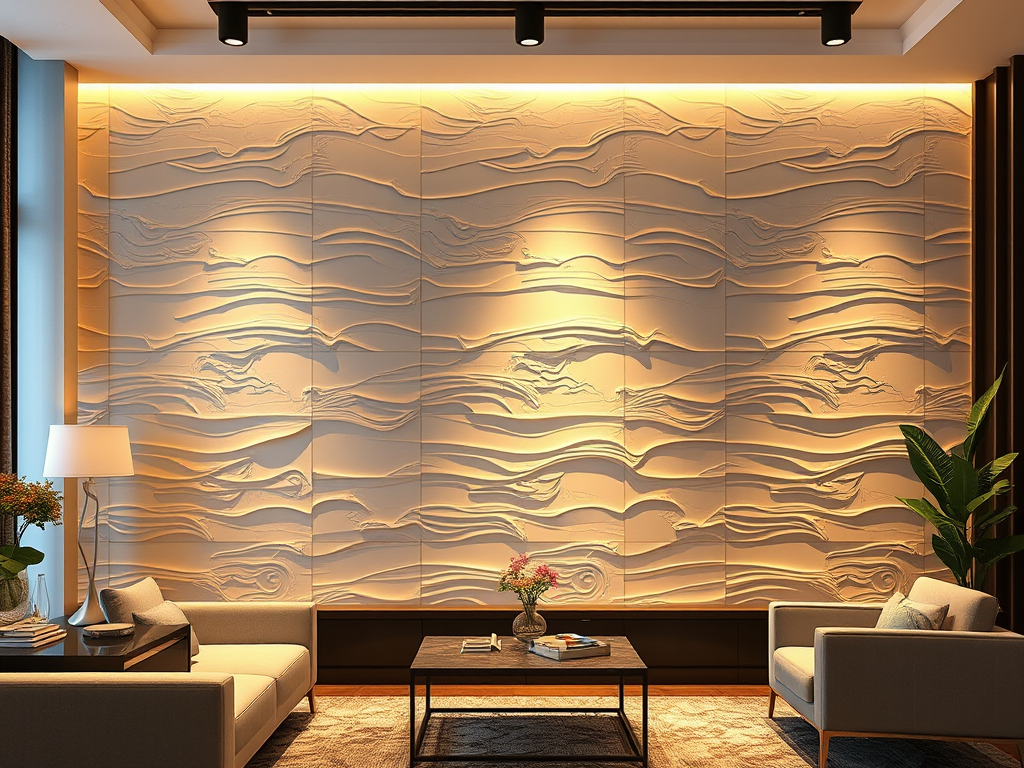
An accent wall can dramatically shift the perception of space and style in a room. By drawing the eye to a particular area, it creates a focal point that anchors the room. This can make smaller spaces feel larger, add warmth to expansive rooms, and give otherwise plain walls a sense of purpose and design flair. Accent walls can also help define different zones within an open-concept layout, providing visual separation without needing physical dividers.

Beyond aesthetics, accent walls can reflect your personality and style, making your home feel more custom and curated. A well-placed accent wall can breathe new life into tired decor, revamp a rental space, or subtly align a room’s design with current trends.

Best Color Options for Accent Walls

Choosing the right color for your accent wall depends on the mood you want to create and the existing color palette in the room. Here are a few popular options and the effects they bring:

  • Deep Blues and Navy – Creates a calming, sophisticated atmosphere. Pairs well with neutrals and metallic accents.
  • Emerald Green or Forest Green – Adds a natural, earthy feel to a room. Works beautifully with wood and brass tones.
  • Warm Terracotta or Rust – Invokes warmth and coziness. Perfect for bohemian, rustic, or southwestern interiors.
  • Charcoal or Black – Delivers drama and elegance. Best for modern or industrial designs.
  • Blush or Soft Pink – Brings softness and a touch of femininity without overwhelming the space.
  • Mustard Yellow – Brightens and energizes, adding a retro or eclectic vibe.
  • Neutral Tones (Beige, Taupe, or Gray) – Subtle yet impactful, allowing for a more understated accent that complements a variety of decor styles.

When selecting a color, consider how natural light interacts with the space and how the hue will look throughout the day.

Should You Have an Accent Wall in Every Room?

While accent walls are a fantastic design tool, using them in every room can diminish their impact. The goal is to create focal points, not overwhelm the eye with too many competing features. Instead, choose specific areas where an accent wall will enhance the space:

  • Living Room – Behind the sofa or TV to draw attention to the central gathering area.
  • Bedroom – The wall behind the bed serves as a natural accent point.
  • Dining Room – Highlight the wall that frames your dining table.
  • Home Office – Behind your desk to create a visually stimulating workspace.
  • Entryway – A bold first impression sets the tone for the rest of the home.

Consider the overall flow of your home when planning accent walls. Using them strategically in a few key rooms will create cohesion while allowing each space to shine individually.

Final Thoughts

Accent walls offer a creative, low-commitment way to enhance your home’s decor. By selecting the right color and placement, you can transform any room into a more inviting, dynamic, and personalized space. Whether you opt for bold hues or subtle neutrals, an accent wall can breathe new life into your home without the need for a full-scale renovation. Start small, experiment with different shades, and enjoy the transformative power of just one wall.