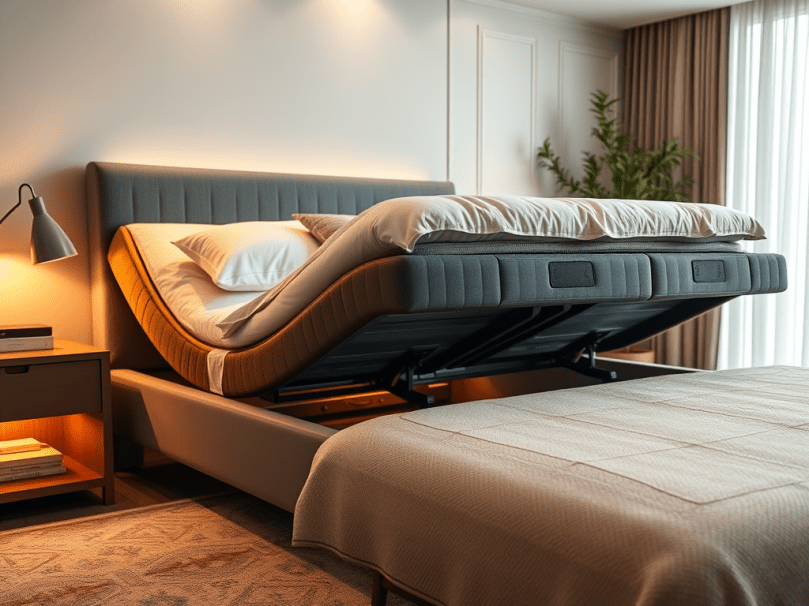


Are Regular Beds a Thing of the Past? The Rise of Adjustable Beds and What You Need to Know


If you’ve been furniture shopping lately, you’ve probably noticed a growing trend: adjustable beds. Once seen primarily in hospital settings or senior living facilities, these innovative bed bases have found their way into stylish bedrooms, luxury master suites, and even budget-conscious homes. But the big question remains — are regular beds a thing of the past?

Let’s dive into what makes adjustable beds so appealing, who they’re best for, and how you can find the right one for your space — whether you’re decorating on a dime or going all out.


Why Adjustable Beds Are Gaining Popularity

Adjustable bed bases offer customizable comfort. With a touch of a remote or an app on your phone, you can raise your head, lift your feet, or both. This flexibility has made them popular not just with older adults, but with:

  • Gamers and binge-watchers looking for a more ergonomic way to enjoy screen time
  • People with chronic pain or medical issues like acid reflux or sleep apnea
  • Couples with different sleep preferences
  • Anyone seeking more luxury and function in their sleeping setup

Are Regular Beds a Thing of the Past?

Not entirely — traditional beds still offer great design variety, simplicity, and lower price points. Many people still prefer the look and feel of a classic bed frame paired with a box spring or platform base.

However, as more people prioritize comfort, flexibility, and better sleep quality, adjustable bases are quickly becoming a modern favorite.


Is an Adjustable Bed for Everyone?

Not necessarily, but almost anyone can benefit from one:

  • For seniors or those with mobility issues, adjustable beds can make getting in and out of bed easier.
  • If you like reading or watching TV in bed, elevating your head and feet can reduce neck strain and swelling.
  • Light snorers or people with acid reflux often find symptom relief from a slightly elevated head position.

That said, adjustable beds may not be ideal if:

  • You’re on a super tight budget
  • You have a very specific design style in mind (some traditional bed frames don’t accommodate adjustable bases)
  • You prefer a super-firm sleep setup without movement

How to Find the Best Adjustable Bed for Your Space

Here are some key considerations:

  1. Check Mattress Compatibility: Most memory foam, latex, and hybrid mattresses work with adjustable bases. Innerspring mattresses usually don’t flex as well.
  2. Measure Your Bed Frame: If you want to keep your existing bed frame, make sure it’s slatless or adjustable-base-friendly.
  3. Think About Features: Do you want USB ports? Under-bed lighting? Massage options? Split functionality for couples?
  4. Check Clearance and Storage: Some bases sit low to the ground and may not leave room for under-bed storage.

Are There Affordable Options?

Yes! Adjustable beds used to be luxury-only items, but now there are plenty of budget-friendly bases that still offer quality and comfort. Some come without all the bells and whistles but offer the core features most people need.


Affordable Adjustable Bed Recommendations

1. Lucid L300 Adjustable Bed Base – Under $500 (Queen)

  • Head and foot incline
  • Wireless remote with memory position
  • USB ports on both sides
  • Works with most mattresses
  • Easy to assemble

2. Classic Brands Comfort Upholstered Adjustable Bed Base – Around $450 (Queen)

  • Adjustable head and foot positions
  • Remote with programmable memory
  • Zero-gravity position option
  • Simple design that works with most bed frames

High-End Adjustable Bed Recommendations

1. Tempur-Ergo® Smart Base with SleepTracker – Around $1,600+ (Queen)

  • Built-in sleep tracking and snore response
  • Head and foot massage zones
  • Smart home compatibility
  • Tempur-Pedic quality and durability

2. Saatva Adjustable Base Plus – Around $1,400–$1,700 (Queen)

  • Zero-gravity, anti-snore, and flat presets
  • Wall-hugging design
  • Quiet, high-performance motor
  • Optional massage feature
  • Compatible with most bed frames

Final Thoughts: Should You Make the Switch?

If you’re ready to invest in your sleep and comfort, adjustable beds are absolutely worth considering. They’re no longer just for medical use or luxury homes. Whether you want a no-fuss, affordable model or a high-tech smart base, there’s something out there for your style, budget, and lifestyle.

But if you’re happy with your classic frame and mattress, there’s no urgent need to switch. Adjustable beds are a modern upgrade, not a mandatory change. That said, once you try one… you might never go back.


Looking for more furniture advice or bedroom upgrades? Visit www.discoveringlifellc.com for budget-friendly ideas, product reviews, and style inspiration.


High Profile Beds: Are They a Good Thing (and Are Steps to Your Bed Trendy?)


When it comes to choosing the right bed for your bedroom, height is a detail that’s easy to overlook—but it can make a surprising difference in how your room feels and functions. Lately, high profile beds (those taller, more elevated beds) are having a moment. But are they a good thing? And what’s the deal with needing steps just to climb into bed? Let’s dive into it!

What Is a High-Profile Bed?

A high-profile bed typically sits higher off the ground than a standard bed—anywhere from 25 to 36 inches (or even more) from the floor to the top of the mattress. This can happen naturally if you have a thick mattress, a box spring, and a bed frame with added height.

You’ve probably seen them in luxury hotel suites, old-fashioned period dramas, or ultra-glam bedrooms on Pinterest. They immediately create a feeling of grandeur and elegance—almost like you’re climbing onto a throne every night.

Are High Profile Beds a Good Thing?

It depends on your needs and lifestyle. Here are a few pros and cons:

Pros:

  • Visual Impact: They can make a bedroom feel luxurious, important, and cozy all at once.
  • Easier for Tall People: If you’re tall, a higher bed can feel more natural and comfortable for getting in and out.
  • Underbed Storage: Higher beds often offer more room underneath for bins, baskets, or drawers.
  • Keeps You Off Cold Floors: In cooler climates, being higher off the ground can help you stay warmer.

Cons:

  • Harder for Some to Access: Kids, pets, or anyone with mobility issues might struggle to get into a high bed.
  • Steps Might Be Necessary: Yes, actual bed steps! Cute for decor… not so cute when you trip over them at 2 a.m.
  • Can Make Small Rooms Look Smaller: An oversized or very tall bed can overwhelm a compact room.

Is It Trendy to Have Steps to Get to Your Bed?

Believe it or not, yes! Bed steps have been popping up in high-end interior design, especially in more traditional or maximalist decor styles. They’re seen as a charming, whimsical touch—think Victorian elegance or fairytale cottage vibes.

Modern takes on bed steps include:

  • Minimalist, clean-lined steps that double as storage.
  • Upholstered or decorative stools placed at the foot of the bed.
  • Custom built-in steps for platform beds.

It’s a way to make a big design statement while solving a practical problem. If you love the idea of your bed feeling like a destination, adding steps can be a stylish and functional choice.

Should Your Bed Be Higher or Lower?

There’s no one-size-fits-all answer. Here’s a quick way to think about it:

  • Higher Bed: Great for tall people, traditional or grand decor styles, rooms where you want to maximize underbed storage, or when you want a “grand” feeling.
  • Lower Bed: Better for minimalistic spaces, modern homes, shorter individuals, kids, pets, or anyone who needs easier access for health reasons.

As a general rule:
When you sit on the edge of your bed, your feet should rest flat on the floor, and your knees should be at a 90-degree angle.
If you have to hop up or awkwardly crouch down, it might not be the best fit for everyday comfort.


Final Thoughts:
High profile beds are definitely trendy right now—and they can feel like a luxurious upgrade for the right space and lifestyle. If you dream of feeling like royalty each night, love classic decor, or just want extra storage, a tall bed (and maybe some cute steps!) could be exactly what you need. But if you prefer sleek, easy-access living, a lower bed might be more your style.

Either way: your bed should fit you, not the trend.


Are Adjustable Bed Bases the Best Alternative to Traditional Sleeping?

A good night’s sleep is essential for overall health, but for those who suffer from back problems, finding the right sleeping position can be a challenge. If you’re constantly tossing and turning, waking up with stiffness, or struggling with discomfort, an adjustable bed base may be the game-changer you need.

What is an Adjustable Bed Base?

An adjustable bed base allows you to modify the angle of your mattress, elevating either your head, feet, or both. This flexibility can provide a level of customization that traditional bed frames simply cannot offer. Originally designed for hospital use, adjustable bases have evolved into mainstream bedroom essentials, offering comfort, convenience, and most importantly, relief from chronic pain.

How an Adjustable Base Can Help with Back Pain

If you suffer from back pain, whether due to a medical condition, poor posture, or an old mattress, an adjustable base can be a saving grace. Here’s how:

1. Improved Spinal Alignment

Traditional flat beds don’t always support the natural curvature of the spine. With an adjustable base, you can slightly elevate your head and legs to distribute weight evenly, reducing pressure points and promoting better spinal alignment.

2. Reduced Pressure on Joints and Muscles

Sleeping on a flat surface can put excessive strain on certain areas of the body, leading to soreness and stiffness. Adjusting your bed to a zero-gravity position—a slight incline of both the upper and lower body—can help relieve tension on joints and muscles, reducing discomfort.

3. Alleviation of Lower Back Pain

People who experience lower back pain often benefit from elevating their legs slightly. This position can relieve pressure on the lumbar spine and reduce inflammation in the lower back area.

4. Better Circulation and Reduced Swelling

By adjusting the elevation of your legs, you can improve blood circulation, which is crucial for those who suffer from conditions like sciatica or leg swelling. This added circulation can help with healing and prevent numbness or tingling sensations in the extremities.

5. Less Tossing and Turning

Finding the right sleeping position is one of the biggest struggles for people with back pain. An adjustable base allows for quick and easy positioning, helping you settle into a comfortable spot faster and stay asleep longer.

Are Adjustable Bases the Best Alternative to Traditional Sleeping?

For individuals without chronic pain, a traditional bed may still suffice. However, for those who experience back issues, an adjustable base offers benefits that a flat mattress cannot match. While it may require an initial investment, the long-term health benefits, improved sleep quality, and pain relief make it a worthwhile choice.

Pros of Adjustable Bed Bases:

  • Customizable sleeping positions
  • Better spinal alignment
  • Relief from back pain and joint pressure
  • Improved circulation
  • Enhanced comfort for reading, watching TV, or working from bed

Cons of Adjustable Bed Bases:

  • Higher cost compared to traditional bed frames
  • Heavier and may require a compatible mattress
  • Potentially more maintenance due to electrical components

Affordable Adjustable Bed Base Recommendations

If you’re looking for an adjustable bed base that won’t break the bank, here are some budget-friendly options:

  1. Lucid L300 Adjustable Bed Base – This affordable and easy-to-assemble base comes with a wireless remote, head and foot incline, and a durable steel frame.
  2. Classic Brands Adjustable Comfort Upholstered Bed Base – Featuring customizable positions, a wireless remote, and USB ports, this base offers great value for its price.
  3. Best Choice Products Adjustable Bed Base – A budget-friendly option with head and foot adjustments, wireless remote, and easy setup.
  4. Blissful Nights Adjustable Bed Frame – A well-priced base with massage features, programmable settings, and a sturdy build.
  5. Zinus Jared Adjustable Bed Base – A minimalist and cost-effective option with a quiet motor, easy adjustability, and a sleek design.

Final Thoughts

If you suffer from back pain and struggle to find relief with a traditional mattress, an adjustable bed base could be your answer. It offers improved comfort, better spinal support, and an overall more restful sleep experience. While the investment may seem significant, the health benefits and quality of life improvements make it a worthwhile consideration.

Would you switch to an adjustable base for a better night’s sleep? Share your thoughts in the comments below!