
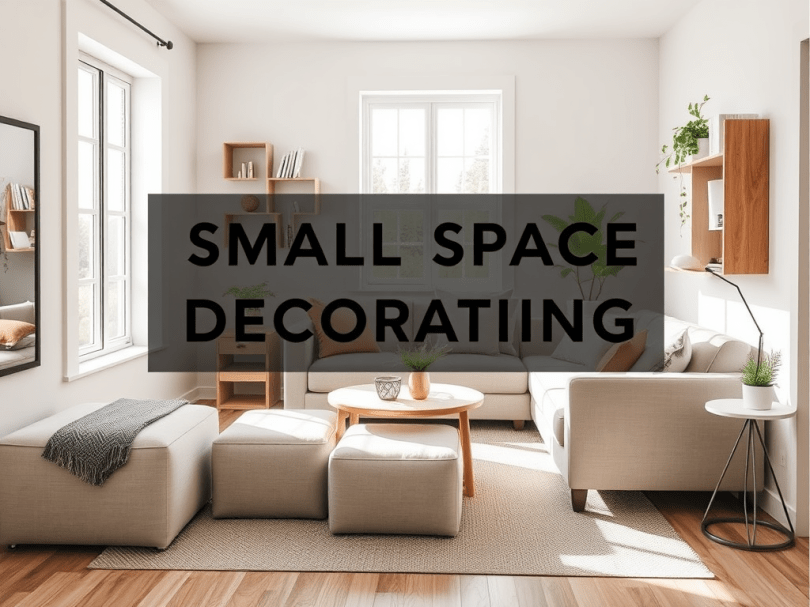
Small Space Decorating: How to Make Every Room Functional, Stylish, and Affordable


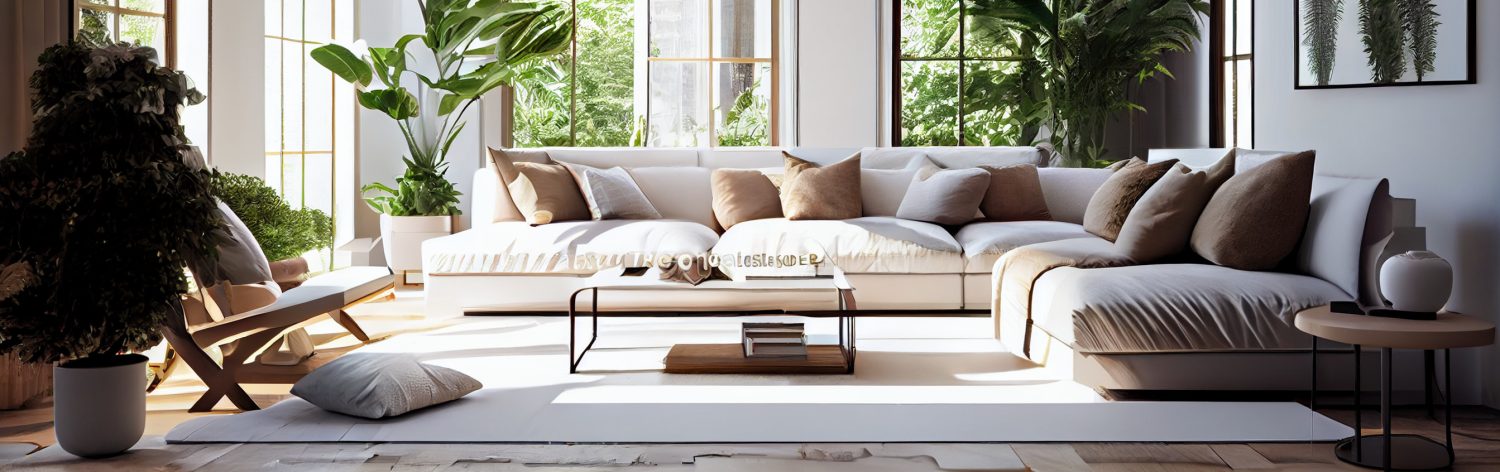
Decorating a small home doesn’t have to feel limiting. With the right strategy, even the tiniest spaces can feel open, organized, and beautifully intentional. Whether you’re decorating your first apartment, refreshing a studio, or making the most of a downsized home, thoughtfully chosen decor can completely transform how your space looks and functions.
Today, I’m walking you through a room-by-room guide on how to decorate a small space on a budget—and I’ll share a personal story at the end about how it all came together in one home that felt like a puzzle until the very last piece clicked into place.


Why Small Space Decorating Matters

Small spaces force you to be intentional—every piece, every color, and every square foot matters. But when you get the balance right, you create a home that’s:

  • Functional
  • Stylish
  • Clutter-free
  • Surprisingly spacious

And yes—affordable. You don’t need brand-new furniture or luxury decor to make a small space shine. You just need the right plan.


How to Decorate Each Room in a Small Space


1. Living Room: Small but Mighty

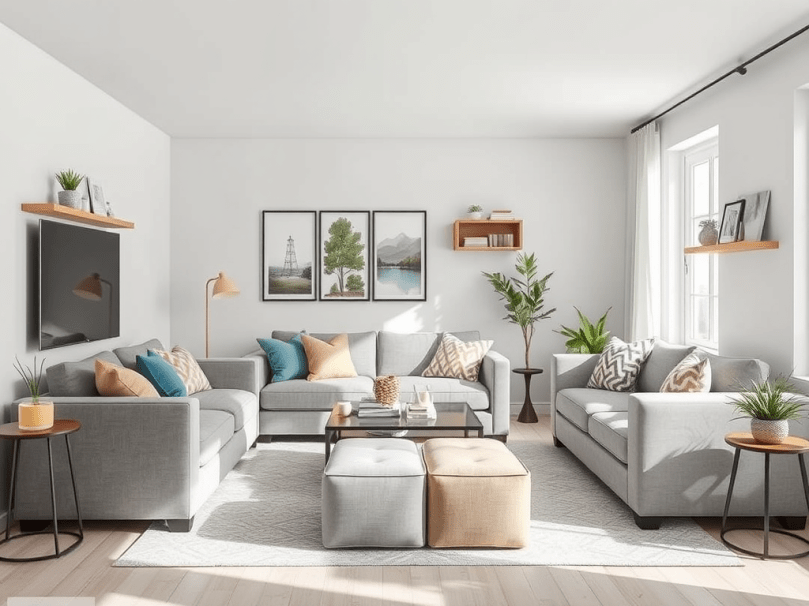
Your living room sets the tone for the entire home. In a small space, you need furniture that works with you.

Maximize Functionality

Consider:

  • Storage ottomans
  • Coffee tables with shelves
  • TV stands with drawers
  • Slim sofas with clean lines

These pieces add function without making the room feel heavy.

Use Vertical Space

Wall-mounted shelves, tall bookcases, and mounted lighting keep the floor clear—one of the best small living room decorating tricks.

Choose Light Colors

Light paint colors and neutral furniture reflect light and visually expand the room. You can still add personality with bold throw pillows or statement art.


2. Kitchen: Organized, Bright, and Clutter-Free

Small kitchens can shine with just a few strategic upgrades.

Add Budget-Friendly Storage Solutions

  • Adhesive hooks
  • Stackable shelf risers
  • Clear pantry bins
  • Magnetic spice racks

These inexpensive additions instantly increase storage.

Decorate Without Overcrowding

A patterned rug, a stylish utensil holder, or a few small plants bring warmth without sacrificing counter space.


3. Bedroom: Cozy + Functional

Your bedroom should feel like an escape—even if it’s small.

Use Under-Bed Storage

This is prime real estate in small bedrooms. Store:

  • Off-season clothes
  • Towels and bedding
  • Shoes

Keep the Color Palette Soft

Soft neutrals or calming tones help the space feel larger and more peaceful.

Try Floating Nightstands

Wall-mounted nightstands or small shelves keep essentials close without cluttering the floor.


4. Bathroom: Maximize Every Inch

Small bathrooms benefit from strategic organizing and light, airy decor.

Go Vertical (Again!)

Add:

  • Over-the-toilet shelves
  • Floating shelves
  • Tiered storage

Declutter the Counters

Use baskets, drawer dividers, and wall hooks to keep items off the vanity.

Reflect Light

Mirrors and light-colored decor brighten the room instantly and make it feel more open.


5. Small Office Nook: Create a Work Zone Anywhere

Even without a separate home office, you can carve out a productive workspace.

Wall-Mounted or Fold-Down Desks

These options save space and look sleek and modern.

Use Rolling Storage

A small cart can hold office supplies, planners, or tech accessories—and roll away when not in use.

Keep It Minimal

A cluttered workspace makes the entire home feel smaller. Stick to the essentials.


6. Entryway: A Functional Welcome

Small homes often lack a dedicated entryway—but you can create one.

Use Hooks and Peg Rails

They hold coats, bags, scarves, and more—no bulky furniture required.

Opt for a Slim Console

A floating shelf or narrow console gives you a spot for keys and mail.

Add Baskets for Shoes

Stylish, affordable, and keeps clutter at bay.


Affordable Small Space Decorating Tips for Any Room

These tips work in any part of a small home:

  • Use mirrors to reflect light and create the illusion of more space.
  • Choose furniture with legs to make rooms feel airy.
  • Stick with a cohesive color palette so the home flows naturally.
  • Declutter often to keep the home feeling open.
  • Change decor seasonally instead of buying new items. Small swaps can make a big impact.

A Small Space That Came Together: The Story Behind the Transformation

When my friend Maya moved into her 600-square-foot apartment, she felt overwhelmed. Every corner felt tight, every room felt crowded, and she wasn’t sure how to turn this tiny layout into a place she truly loved.

The living room had a bulky sofa from her previous home. The kitchen counters were always full because the cabinets were too small. Her bedroom felt cramped, and there was no obvious space for a home office—even though she worked remotely.

We started small.

In the living room, we swapped her oversized sofa for a streamlined loveseat with storage underneath. Suddenly, the room opened up. We added floating shelves for books and plants, freeing up an entire corner she didn’t know she had.

In the kitchen, a $12 set of stackable shelves doubled her storage. A magnetic strip mounted on the wall held her knives and spices—clearing her counters instantly.

Her bedroom became a cozy retreat once we incorporated under-bed bins and calming beige bedding. A simple wall shelf took the place of a nightstand that once blocked the walkway.

The final challenge? A workspace. We installed a wall-mounted fold-down desk next to her window and paired it with a compact chair. In seconds, she had a bright, tidy office nook that didn’t intrude on her living space.

When everything was finally in place, Maya walked from one room to the next and said, “It feels so much bigger… but also so much more me.”

And that’s exactly what small space decorating is all about.

It’s not just maximizing square footage—it’s creating a home that reflects your style, your life, and your needs… even when those needs have to fit into less than 700 square feet.


Final Thoughts

Small spaces can be beautiful, functional, and budget-friendly with the right approach. With multi-functional furniture, smart storage solutions, cohesive colors, and intentional styling, you can transform even the tiniest home into a place that feels polished and personal.

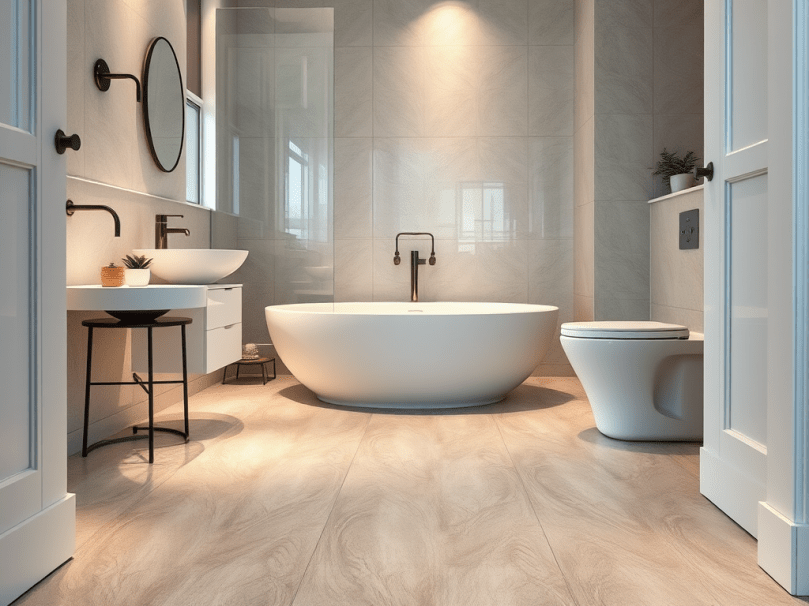
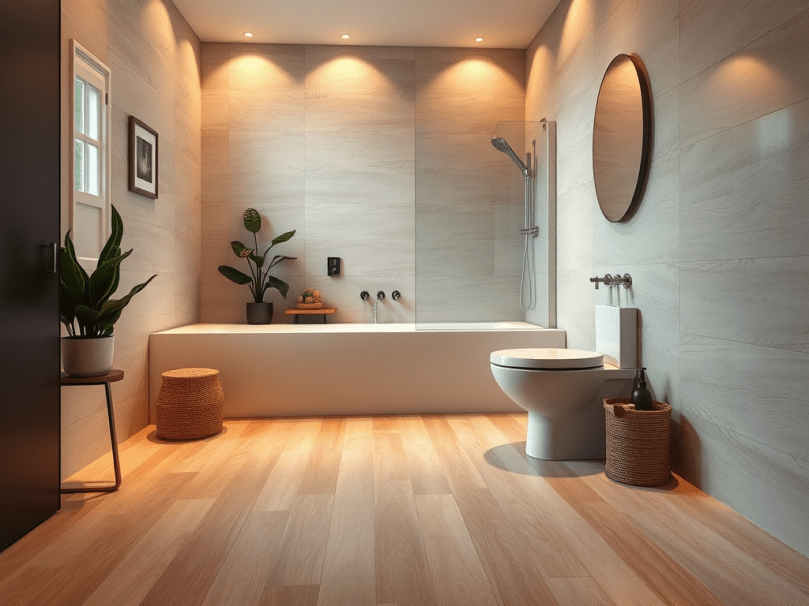
Why Invest in a Bathroom Floor Upgrade?


Bathrooms are high-moisture, high-traffic zones, so the flooring you choose really matters. The right material can:

  • Prevent water damage
  • Resist mold and mildew
  • Be comfortable underfoot
  • Elevate the style of a small space

But doing a full flooring makeover doesn’t have to mean hiring pros or blowing your budget.


Step 1: Pick the Right Material

Here are some of the best flooring options for a bathroom remodel — especially for DIYers — along with pros, cons, and when they make sense.

Luxury Vinyl (LVP / LVT)

One of the top picks for bathroom use. (GoFlooring)

  • Pros: 100% waterproof when you choose the right products. (byretreat.com)
  • Feel: Softer and warmer than tile. (Arko Flooring)
  • Installation: Click-lock or glue-down makes it very DIY-friendly. (DareKaou Floor)
  • Durability: With quality installation, can last a long time. (Some vinyl lasts 10–20 years.) (Better Homes & Gardens)

Peel-and-Stick Vinyl Tiles

  • Very DIY friendly; especially good for quick upgrades. (DexDecor)
  • Seamless, water-resistant designs. (byretreat.com)
  • Cost-effective and works over many subfloors.

Sheet Vinyl

  • Comes in large rolls, minimizing seams. (ClingTiles –)
  • Fewer joints = fewer places for water to seep in.
  • Comfortable underfoot and relatively inexpensive.

Ceramic or Porcelain Tile

  • Extremely water-resistant. (Coohom)
  • Very durable, but requires more skill for tile layout, grout, sealing, etc. (Coohom)
  • Grout lines must be sealed to prevent moisture intrusion. (America\’s Dream HomeWorks)

Other Options (if you’re feeling adventurous)


Step 2: Prep & Waterproofing — Don’t Skip This

Good prep is everything. Here’s a step-by-step for setting up your floor so it lasts.

  1. Remove Old Flooring (If Needed):
    If you’re ripping out old tile or vinyl, get down to a clean, stable subfloor.
  2. Level & Clean the Subfloor:
    Make sure it’s even — bumps or dips will cause problems later.
  3. Seal Seams & Joints:
    Use mesh tape at seams, especially where walls meet floors. (America\’s Dream HomeWorks)
  4. Apply a Liquid Waterproofing Membrane:
    Products like RedGard or other bathroom-rated membranes help protect your subfloor. (America\’s Dream HomeWorks)
  5. Edge Details:
    Once the flooring is in, caulk all the edges (floor-to-wall, around tub, etc.) with 100% silicone so water can’t sneak underneath. (America\’s Dream HomeWorks)
  6. Grout if Using Tile:
    After tile is down, seal the grout so it doesn’t absorb water. Re-seal annually. (America\’s Dream HomeWorks)

Step 3: Install the Flooring

How you install depends on your material:

  • Click-Lock LVP / LVT: These planks or tiles snap together. Great for DIY because you don’t need to mess with messy adhesives.
  • Glue-Down Vinyl: Needs a strong, even subfloor and adhesive, but gives a very solid, permanent feel.
  • Peel-and-Stick: Just peel off the backing and press into place! But make sure your floor is totally clean.
  • Sheet Vinyl: You’ll need to roll it out, trim to fit, and carefully secure it around edges.

As you finish, replace things like the toilet wax ring (if needed), and caulk around baseboards and plumbing fixtures. (Coohom)


Step 4: Care & Maintenance

  • Wipe up standing water quickly — don’t let puddles sit. (Coohom)
  • Use mild, non-abrasive cleaners so you don’t damage the flooring. (Coohom)
  • Check and re-caulk or re-seal grout lines as needed (especially in tile) to prevent water damage. (America\’s Dream HomeWorks)

Step 5: Stylish Product Picks (DIY-Friendly)

Here are some flooring products you can buy now, with different styles and budgets:

Lifeproof Marble LVP

Durable stone look

$58.13

Lifeproof Navarra Maple Plank

Classic wood plank

$66.12

Pergo Rome Marble LVT

Stone look luxury

$71.80

Shaw Rocklyn Tile Click‑Lock

Textured stone tile

$66.33

Mystic Marble Peel-and-Stick

Easy stick‑down marble

$1.38

Seashore Peel-and-Stick Tile

Budget tile stick

$29.00

Moroccan Tile Sheet Vinyl

Patterned vintage

$96.23

White Wood‑Effect Sheet Vinyl

Bright wood look

$137.63

Here are a few highlights and why you might pick them:


Design Tips for Your New Bathroom Floor

  • Go Large to Make the Space Feel Bigger: Bigger planks or large-format tiles help visually stretch a small bathroom.
  • Stick to a Cohesive Palette: If your walls or vanity are patterned or bold, pick a neutral, complementary floor.
  • Add Rugs or Mats: Use non-slip bath mats where needed — especially near tubs.
  • Mix Textures: Combine glossy tile-look flooring with matte wall finishes or painted walls for contrast.

Final Thoughts

Upgrading your bathroom floor yourself can be one of the most cost-effective and transformative DIY projects. With the right waterproof materials, solid prep, and a few smart design choices, you can get a floor that looks professional — without paying for pro labor.

If you’re ready to start: measure your bathroom, pick a water-safe product, and plan for at least one full weekend (or more) depending on the complexity. And don’t skip the waterproofing steps — they’ll pay off in longevity.


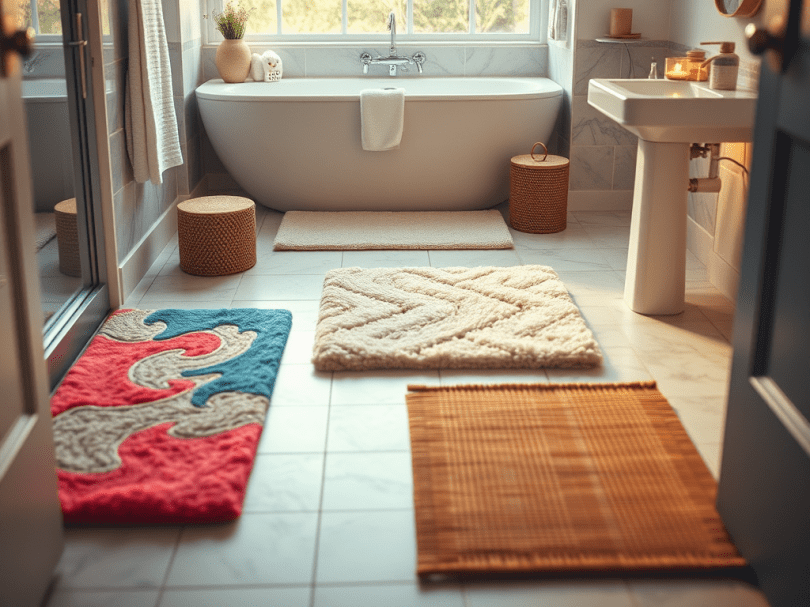
How to Choose the Right Rugs for Your Bathroom


When it comes to bathroom decor, rugs are often one of the most overlooked elements — yet they can make a huge difference in both comfort and style. The right bathroom rug not only adds warmth and texture but also provides safety, absorbs water, and ties your entire design together. Whether your bathroom has a spa-like aesthetic or a minimalist look, choosing the right rug requires a little thought about materials, function, and style.

Let’s break down how to choose the perfect bathroom rug, the different types available, why they’re worth adding to your space, and some of the best brands on the market.


Why People Choose Bathroom Rugs

Bathroom rugs serve several purposes beyond just looking pretty. Here’s why they’re so popular:

  1. Comfort: Stepping out of the shower or tub onto a soft, plush rug is a luxurious feeling — especially on cold mornings.
  2. Safety: Rugs help prevent slips on wet tile or vinyl floors.
  3. Absorbency: High-quality bathroom rugs soak up excess water, helping keep your floors dry and mold-free.
  4. Design & Warmth: Rugs add color, texture, and coziness to a space that can otherwise feel sterile.
  5. Noise Reduction: They help muffle sound, creating a quieter and more relaxing atmosphere.

The Different Types of Bathroom Rugs

Bathroom rugs come in a variety of materials and styles — each offering its own benefits. Here are the most common types:

1. Cotton Rugs

  • Pros: Soft, absorbent, and easy to wash.
  • Best For: Everyday use in family bathrooms.
  • Style Tip: Choose colorful cotton rugs to add a cheerful pop to your bathroom decor.

2. Microfiber Rugs

  • Pros: Extremely soft and quick-drying. Microfiber holds water well without feeling soggy.
  • Best For: High-traffic bathrooms or those without great ventilation.
  • Style Tip: Opt for a thick microfiber mat near the shower for maximum comfort and absorbency.

3. Memory Foam Rugs

  • Pros: Plush and cushioned, offering a spa-like experience underfoot.
  • Best For: Master bathrooms or anyone who loves extra comfort.
  • Style Tip: Pair with neutral tones and candles to enhance the “at-home spa” vibe.

4. Bamboo or Teak Bath Mats

  • Pros: Non-slip, eco-friendly, and resistant to moisture.
  • Best For: Modern, minimalist, or coastal-style bathrooms.
  • Style Tip: Use bamboo mats near the tub and pair with woven baskets or natural accessories.

5. Chenille Rugs

  • Pros: Super soft with a thick texture, excellent water absorption.
  • Best For: Busy households with frequent use.
  • Style Tip: Choose solid neutrals for a classic look or patterned options for a touch of fun.

6. Quick-Dry or Anti-Fatigue Mats

  • Pros: Great for those who prioritize functionality. Some models use diatomaceous earth or special foam that dries instantly.
  • Best For: Households that want clean, hygienic flooring with minimal maintenance.

How to Choose the Right Bathroom Rug

When selecting the best rug for your bathroom, keep these factors in mind:

  1. Size & Placement
    • Measure your space before buying. Common placements include in front of the sink, tub, or shower.
    • Consider sets if you want matching pieces for different zones.
  2. Material
    • Cotton and microfiber are best for absorbency.
    • Memory foam offers comfort.
    • Bamboo or teak are ideal for style and durability.
  3. Maintenance
    • Choose machine-washable rugs for easy care.
    • Look for non-slip backing to prevent accidents.
  4. Style & Color
    • Match your rug to your bathroom theme — whether it’s modern, boho, coastal, or minimalist.
    • Neutral colors keep things calm, while bold patterns make a statement.
  5. Durability & Drying Time
    • If your bathroom sees daily use, opt for quick-drying materials that can handle moisture without mildewing.

Top Bathroom Rug Brands on the Market

When it comes to quality and style, these brands consistently get high marks from homeowners:

  1. Utopia Towels – Affordable, plush, and easy to wash cotton sets.
  2. Gorilla Grip – Known for their durable, non-slip backing and wide color selection.
  3. H.VERSAILTEX – Offers stylish, machine-washable rugs in a variety of colors and textures.
  4. LuxUrux – Memory foam rugs with a soft, spa-like feel and quick-drying capability.
  5. Brooklinen – A luxury option that pairs minimalist style with high-quality materials.
  6. BambooMN – Perfect for natural-style bathrooms, offering eco-friendly bamboo and teak mats.
  7. MAYSHINE – Highly rated for their microfiber rugs that stay in place and dry quickly.

Final Thoughts

Bathroom rugs may seem like a small detail, but they can transform your bathroom from simple to sophisticated — or from cold to cozy. Whether you prefer the soft touch of cotton, the modern look of bamboo, or the comfort of memory foam, there’s a perfect rug to match your bathroom’s personality.

When chosen thoughtfully, a bathroom rug isn’t just a functional accessory — it’s a finishing touch that brings your space together.


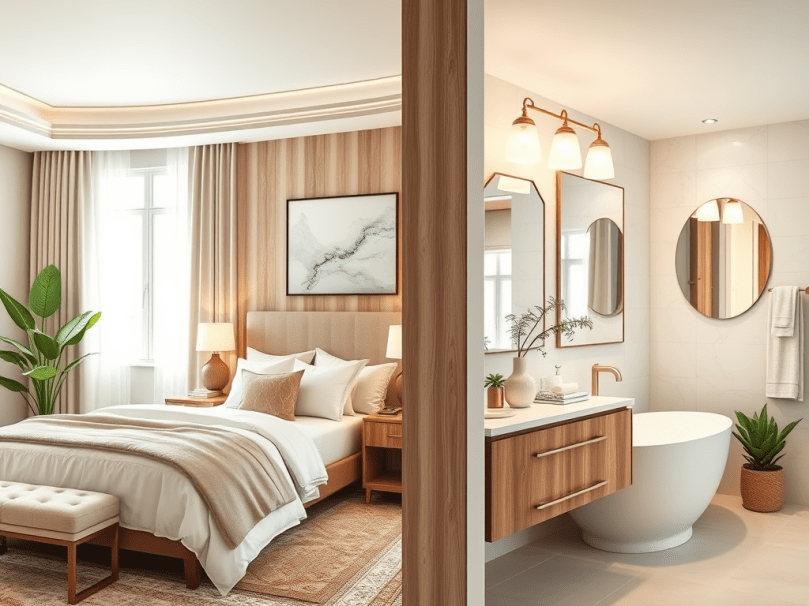
Matching Your Master Bedroom to Your Master Bathroom: Should You or Shouldn’t You?

When designing or refreshing your master suite, one question often comes up — should your bedroom and bathroom match? After all, these two spaces are connected, often flowing into one another both visually and functionally. Whether you prefer a seamless, coordinated look or distinct designs that showcase personality, there’s no one-size-fits-all answer — just great ways to make either choice work beautifully.


Do the Master Bedroom and Bathroom Have to Match?

No — your master bedroom and bathroom don’t have to match. What matters most is how you want the space to feel as a whole. Some homeowners prefer cohesion — a look that feels like one continuous sanctuary — while others like a touch of contrast to define each room’s purpose and mood.

If your bedroom feels warm, cozy, and personal, while your bathroom feels clean, bright, and spa-like, that’s perfectly okay. The key is finding balance — enough shared elements to make the transition feel natural without making everything identical.


If You Choose to Match Them, Here’s How to Do It

If you love the idea of harmony between your bedroom and bathroom, here are a few design strategies to achieve a cohesive look:

  1. Stick to a Consistent Color Palette
    Choose two or three main colors and use them in both spaces. For example, a soft beige and white palette in the bedroom can extend into the bathroom through towels, tile, and décor accents. If your bedroom is painted in a soothing gray, bring that into the bathroom with cabinetry, rugs, or shower curtains.
  2. Repeat Materials and Textures
    If your bedroom features natural wood tones, try incorporating similar finishes in your bathroom cabinetry or shelving. A rattan chair in the bedroom? Add a woven basket in the bathroom for a subtle tie-in.
  3. Coordinate Lighting Fixtures and Hardware
    Matching finishes — like brushed gold, matte black, or polished nickel — create instant flow between the two spaces. Think of your light fixtures, drawer pulls, and towel racks as jewelry that ties everything together.
  4. Use Similar Design Themes
    If your bedroom has a modern farmhouse feel, carry that same style into the bathroom with shiplap accents or black-and-white fixtures. Love boho style? Use earthy tones, plants, and natural textures in both areas.
  5. Match the Mood, Not Just the Look
    Sometimes matching isn’t about identical décor but about feeling. If your bedroom is calming and restful, your bathroom should feel like a spa-like retreat, echoing the same relaxing energy.

“Matchy-Matchy” Style Trends for Bedrooms and Bathrooms

If you want your bedroom and bathroom to feel like a curated suite, here are some current matching style trends worth exploring:

  • Modern Coastal – Light blues, sandy neutrals, and crisp whites make both spaces feel fresh and connected. Add driftwood tones or woven textures for a serene, beachy flow.
  • Minimalist Luxe – Clean lines, soft neutrals, and sleek finishes like marble and gold accents create a sophisticated and seamless transition between the bedroom and bath.
  • Rustic Retreat – Think reclaimed wood, matte black hardware, and earthy tones for a cozy cabin feel that unites both spaces.
  • Organic Modern – Soft whites, warm wood, greenery, and natural textures create a spa-inspired suite that feels both modern and relaxing.
  • Scandinavian Calm – A palette of whites, grays, and pale wood tones connects both spaces effortlessly, emphasizing simplicity and comfort.

If You Don’t Match Them: How to Individualize Each Space

Maybe you prefer the idea of each room having its own personality — that’s perfectly stylish, too! Here’s how to make your bedroom and bathroom feel distinct but still complementary:

  1. Use Different Color Palettes with Shared Undertones
    For instance, a deep navy bedroom paired with a crisp white bathroom can feel cohesive if both include touches of warm wood or gold.
  2. Play with Contrast
    If your bedroom is dark and moody, let your bathroom be bright and airy. This can actually enhance the experience of moving from one room to the other — like stepping from comfort into refreshment.
  3. Make the Bathroom a “Mini Escape”
    Treat your bathroom as a retreat that contrasts your bedroom’s energy. If your bedroom is cozy and romantic, make the bathroom a clean, spa-like getaway.
  4. Add Personal Touches
    Display art, accessories, or plants in each space that reflect your unique taste rather than repeating the same pieces. A vintage mirror in the bathroom and framed photos in the bedroom can help each room tell its own story.
  5. Use Lighting to Define Mood
    Soft, warm lighting in the bedroom and bright, clear lighting in the bathroom can separate the spaces naturally while maintaining harmony.

A Real-Life Example: The Elegant, Non-Matching Master Suite

When interior designer Lena Hughes renovated her 1920s home, she decided early on that her master bedroom and bathroom wouldn’t match — but they would belong together.

Her bedroom is warm and moody — deep emerald green walls, velvet curtains, a tufted cream headboard, and brass accents. The atmosphere feels indulgent, a perfect place to unwind at the end of the day.

Step through the arched doorway into her master bathroom, however, and the mood shifts completely. The bathroom is bright and serene — white marble floors, soft gray cabinetry, and brushed gold fixtures that subtly echo the brass in the bedroom. The air feels light and fresh, a morning retreat designed for rejuvenation.

Even though the spaces don’t “match” in color or style, they complement one another beautifully. The gold accents provide a thread of continuity, while the contrast between the rich, dark bedroom and the airy, elegant bathroom feels intentional — like two sides of the same coin.

This kind of thoughtful contrast can create a master suite that feels layered, sophisticated, and distinctly yours.


Final Thoughts

Whether your master bedroom and bathroom match perfectly or simply complement each other, the goal is to create a space that feels balanced, intentional, and you. Matching can make your suite feel unified and polished, while individualizing each space allows for creativity and personality.

At the end of the day, your home should feel cohesive — not cookie-cutter. Choose what feels most natural for your lifestyle and aesthetic, and your master suite will always feel like a true retreat.


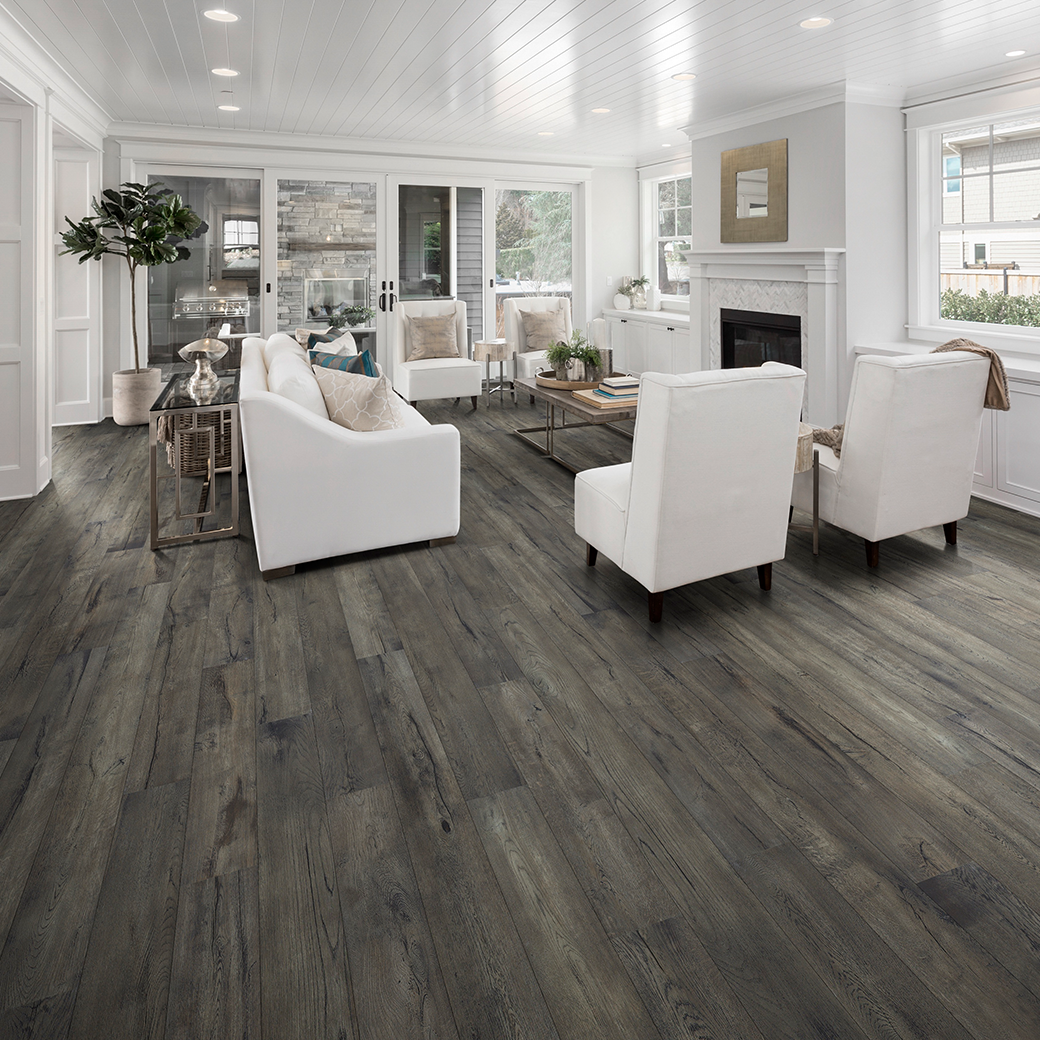
How to Choose the Right Flooring for Your Home

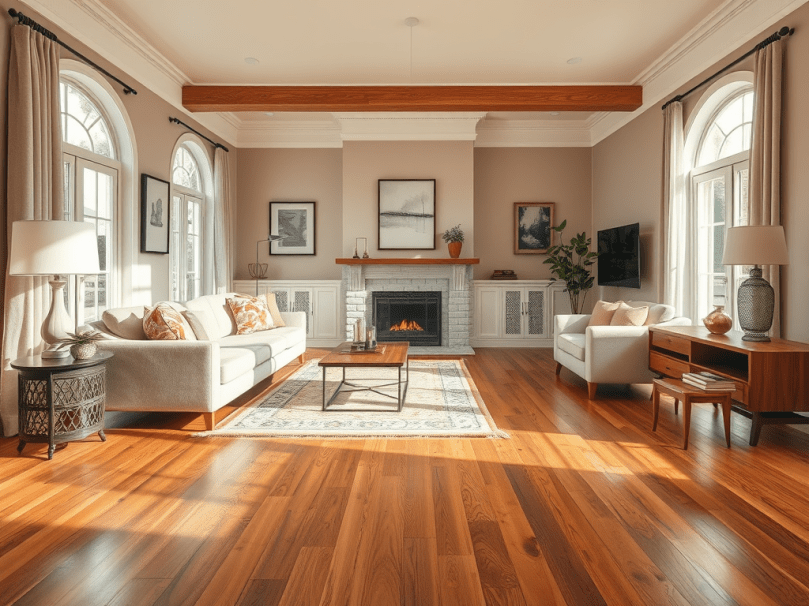
Choosing the right flooring is one of the biggest decisions you’ll make in a home-renovation or build. It sets the tone for the whole space: how it looks, how it feels underfoot, how it functions (especially with kids, pets, everyday life), and how it ages. Below we break down three major flooring types — hardwood, tile, carpet — comparing them head-to-head (hardwood vs. tile, tile vs. wood, wood vs. carpet) and then talk about what’s trending in 2025 and how to pick what’s right for you.


The Main Materials: Pros & Cons

Image

Why people choose hardwood

  • Timeless beauty: natural grain, warm tones, a premium look. For example, one source notes hardwood is “timeless beauty and elegance… home value” in bedrooms. (CSM Flooring)
  • Longevity: With proper care, hardwood floors can last decades and can often be refinished.
  • Healthy for indoor air: Solid floors don’t trap as much dust/allergens as carpet. (CSM Flooring)
  • Strong resale value: Many home-buyers value hardwood and associate it with quality. (Ideal Home)

Potential drawbacks

  • Cost: Higher up-front cost compared to many other materials.
  • Moisture sensitivity: In wet areas (bathrooms, basements) solid hardwood can be risky unless engineered or specially treated.
  • Hard underfoot, colder in winter unless paired with rugs.
  • Susceptibility to scratches/dents (especially in high-traffic or pet households).

Trends for hardwood in 2025

  • Wide planks (5″–10″) rather than skinny strips: they help the space feel more open. (Carpet Spectrum)
  • Light, natural wood tones or warm browns (moving away from cool greys). (Houzz)
  • Matte and textured finishes (wire-brushed, hand-scraped) rather than high gloss. (Real Simple)
  • Sustainability: eco-friendly sourcing, low-VOC finishes, engineered options. (Weles)

Bottom line for hardwood: If you want a premium, long-term flooring that elevates your space and are willing to invest (and maintain accordingly), hardwood is an excellent choice — especially for living rooms, dining, bedrooms (but less ideal for rooms with high moisture or heavy wear unless engineered versions are used).

Why people choose tile

  • Durability & moisture resistance: Especially in kitchens, bathrooms, entryways or high-traffic zones.
  • Style versatility: Many finishes, sizes, patterns; can look sleek, rustic, modern, etc.
  • Great for spills, wet zones, or if you want a hard, cool surface.
  • With large-format tiles and improvements in technology, tile is becoming more seamless and contemporary.

Potential drawbacks

  • Underfoot can feel cold/hard (unless radiant heating or rugs used).
  • Grout maintenance (unless using large formats with minimal grout).
  • Some tile can feel less cozy or “homey” compared to wood or carpet.
  • Installation cost can be high for premium tile/stone.

Trends for tile in 2025

  • Warm-toned tiles (e.g., sand, earth tones) rather than icy greys. (House Beautiful)
  • Large-format tiles, fewer grout lines, wood-look tile is still strong. (Decorilla)
  • Mixed material floors (tile + wood) to delineate space. (All Hardwood Floors)
  • But: some tile trends are falling out (e.g., very small mosaics, extremely glossy tiles) in favour of more natural/matte finishes. (Livingetc)

Bottom line for tile: If you have areas prone to moisture (bath, mudroom, kitchen), or want something ultra-durable and easy to clean, tile is a strong pick. To make it feel more “homey,” consider pairing with rugs or warm textures.


Why people choose carpet

  • Soft underfoot: Great for bedrooms, family/media rooms where comfort and warmth matter.
  • Sound absorption: Helps reduce echo/footstep noise, beneficial in multi-story homes or apartments.
  • Cost-effective: Typically lower cost compared to hardwood or high-end tile.
  • In 2025, carpet is making a comeback in specific usages (not full home maybe) thanks to texture and pattern innovations. (The Carpet Workroom)

Potential drawbacks

  • Harder to clean and maintain compared to hard surfaces (can trap allergens, stains).
  • May not have the same “durable premium” perception as hardwood/tile when it comes to resale.
  • Not ideal for areas with spills, heavy traffic, pets unless you select high-performance carpet.

Trends for carpet in 2025

  • Textured, pattern-rich carpets (rather than plain builder‐grade) especially in bedrooms/family rooms. (Floor Depot Plus)
  • Carpet layering: e.g., using area rugs over carpet in layered designs. (McCool’s Flooring)

Bottom line for carpet: For rooms where comfort is king (bedrooms, media rooms, cozy corners), carpet is still relevant. But in communal, high-traffic zones you might lean toward harder surfaces.


Head-To-Head Comparisons

Hardwood vs Tile

Choose hardwood if:

  • You want a warm, natural, premium look and are in a dry environment (or using engineered wood for more moisture control).
  • You anticipate staying in the home for many years and want a floor that ages well and can be refinished.
  • You are willing to invest a bit more and maintain (avoid excessive moisture, scratches).

Choose tile if:

  • You have wet zones (bathroom, kitchen, laundry), or want something ultra-durable and easy to clean.
  • You want a cooler surface (climate may affect this), or you prefer a sleek modern aesthetic.
  • You foresee high traffic, pets, or frequent spills and want minimal compromise.

Hybrid possibility: Many homes use hardwood in living/bed areas and tile in bathrooms/kitchens — which is totally valid. Just aim for a consistent design flow (e.g., consistent widths, transitions, complementary colors) to avoid a disjointed look. Also, trendwise, mixing materials to define zones is actually in. (All Hardwood Floors)

Tile vs Wood (Carpet basically aside)

If we think of “wood” as hardwood/wood-look floors:

  • Tile wins for durability, moisture resistance, easier cleaning.
  • Wood wins for warmth, comfort, perceived value, and resale.
  • If you want the look of wood but need tile-level performance you can opt for wood-look tile (tiles that mimic wood) — this is a big 2025 trend. (Decorilla)
  • From a design perspective: think about transitions, scale (wide planks), and tone (warm vs grey) to keep things current.

Wood vs Carpet

Wood wins for:

  • Resale value, long-term durability, allergen control.
  • Cleaner look, easier to maintain in high traffic or multi-pet homes.

Carpet wins for:

  • Comfort, warmth, cost in certain rooms, sound control.
  • For pure relaxation zones (bedrooms, media), you might prefer carpet or at least carpet in part.

Combination approach: Use wood in living/dining and major traffic areas; carpet in bedrooms and cozy spaces. Use area rugs to soften wood floors if you want some of the carpet feel without the downsides.


What People Are Choosing — & Why

Here are some of the underlying reasons why people pick one over another, beyond just the “looks”.

  • Lifestyle & traffic: Families with kids/pets often pick harder surfaces (tile, wood) because of durability and easy cleaning. Carpets are more common in calmer zones.
  • Allergies/health: People with allergies often avoid carpet because it traps dust/mites; hardwood helps here. (CSM Flooring)
  • Resale / value: Hardwood is still seen as a premium feature; tile in required zones is expected. Poor flooring choices or too many different types may hurt resale. (Ideal Home)
  • Moisture & room use: Bathrooms, basements, laundry rooms often require tile, engineered wood, or other moisture-resistant options.
  • Budget: Cost plays a big part — initial cost, installation, maintenance over time. Carpet and tile (in many cases) may cost less upfront than premium hardwood.
  • Aesthetic/trend: People want floors that look current but also timeless. They’re avoiding overly trendy “effects” that date quickly (e.g., cool greys, ultra-gloss). Warm woods, matte finishes, natural materials are more in vogue.
  • Maintenance: The less time/effort you want to spend cleaning/maintaining, the more likely you’ll pick durable, low-maintenance surfaces. According to a 2025 trend report: “low-maintenance flooring for everyday life” is a big focus. (Flooring America)

2025 Trends You Should Know

Here are key trends for 2025 that might influence what you pick and how you pick it:

  • Warm, natural tones over cool/grey: In wood and tile, warm browns, beiges and natural textures are dominant. Cool greys are losing favour. (Real Simple)
  • Wide plank, long boards for hardwood: Fewer seams, more visual continuity. (Carpet Spectrum)
  • Matte/low-sheen finishes vs gloss: For both wood and tile, because they hide wear and look more natural. (The Spruce)
  • Natural materials and sustainability: Engineered wood with eco-credentials, stone tile, reclaimed wood, low-VOC carpets. (Weles)
  • Mixed materials and layering: Combining different flooring types (e.g., wood + tile) to reflect zones, open-concept flows, or just design interest. (All Hardwood Floors)
  • Carpet revival — but in a more selective way: In 2025, carpet isn’t dying out — rather, it’s being used with more intention (texture, pattern) rather than as the default everywhere. (Floor Depot Plus)

How to Choose the Right Flooring for Your Home

Here’s a step-by-step guide to making the decision, tailored to your home and lifestyle:

  1. Define the room and use-case
    • Is it a high traffic zone (entry, living room, kitchen)?
    • Is there moisture risk (bathroom, laundry, basement)?
    • What level of comfort do you want (bedrooms vs. utility spaces)?
  2. Think about lifestyle & maintenance
    • Kids/pets? Then durability and ease of cleaning matter.
    • Allergies? Then consider hardwood or tile over carpet.
    • How much maintenance are you OK with (refinishing wood, grout cleaning etc.)?
  3. Consider budget (initial + long-term)
    • Materials + installation + upkeep.
    • For example: hardwood might cost more up front but can pay off in value; carpet might cost less but may wear faster.
  4. Look at aesthetic/tone & future-proofing
    • Do you want something trendy now? Or something that will age well?
    • Use the 2025 trends as guide (warm wood, wide planks, matte finishes).
    • Avoid overly specific trends you’ll tire of soon (very glossy finishes, extreme colors).
  5. Consider continuity across the home
    • If you’re replacing floors throughout the house, try for flow/consistency (not too many different flooring types). One expert rule: no more than three different floor types in a home to avoid a disjointed feel. (Ideal Home)
    • Transition solutions: use rugs, thresholds, or natural transitions between different floors.
  6. Evaluate resale / future buyer appeal
    • If you plan to sell in the future, lean toward materials that have broad appeal (hardwood, tile) and avoid flooring that might date quickly or appear low quality.
    • Use durable, timeless materials rather than very “now” aesthetics that might feel dated.
  7. Sample & test
    • Bring home sample boards/planks/tiles and view them in your space (lighting, adjacent furniture).
    • Walk on them, consider underfoot comfort, colors at different times of day.
    • Check for feel: hardness, texture, sound.

My Recommendation: General Guidelines

  • For living rooms, dining rooms, main areas: Go with engineered hardwood or good quality hardwood in wide planks, warm tones, matte finish. It offers value, aesthetics and durability.
  • For kitchens, bathrooms, laundry, mudrooms: Go with tile (perhaps large-format porcelain) or wood-look tile if you want the look of wood but need moisture resistance.
  • For bedrooms, media rooms, cozy spaces: Consider carpet (or hardwood with area rugs) if comfort is important. Choose a textured, quality carpet rather than builder-grade.
  • Mixing materials is totally fine — but keep tone/cohesion in mind. For example, the wood tones you use in the living room should complement the tile you choose in the kitchen.
  • Avoid overly trendy finishes that are likely to date quickly. Use the 2025 trends to guide you toward options that will remain relevant for years.

Conclusion

Choosing the right flooring is a mix of function (traffic, moisture, comfort), style (look, tone, finish), budget, and future-proofing. Hardwood, tile and carpet each have their strengths — the key is to match the material to the room-use and your lifestyle, and then pick a style that will age well rather than date fast. In 2025, the smart move is toward natural textures, warm tones, wide planks, matte finishes, and materials that can handle real life (pets, kids, busy households).