
Choosing the Right Size Bed for Your Room: Queen vs. King


When it comes to choosing a new bed, size matters—both for your comfort and for how your room functions. The bed is the centerpiece of any bedroom, setting the tone for your overall design and layout. But when you’re deciding between a queen and a king, it’s not always easy to know which one will truly fit your space and lifestyle.

Let’s break down the key differences between these two popular sizes and help you figure out which one is the perfect fit for your room.


The Basics: Queen vs. King Size Beds

Before diving into style and space, it’s important to know the exact dimensions:

  • Queen Bed: 60 inches wide x 80 inches long
  • King Bed: 76 inches wide x 80 inches long

That’s 16 inches of extra width with a king bed—about the width of a standard nightstand. While both beds are the same length, that extra width can make a big difference in comfort, room layout, and how much space you have to move around.


Queen Size Beds: The Versatile Favorite

A queen bed is often the go-to choice for many homeowners because it fits comfortably in most rooms without feeling overwhelming.

Best suited for:

  • Master bedrooms or guest rooms measuring 10’ x 10’ to 12’ x 12’
  • Couples who like to sleep close or single sleepers who love extra space
  • Apartments, condos, or homes with smaller bedrooms

Pros:

  • Offers plenty of sleeping space for one or two people
  • Easier to move and more affordable than a king
  • Leaves room for additional furniture (like a dresser, vanity, or reading chair)

Cons:

  • May feel cramped for couples who prefer extra space to stretch out

Design Tip:
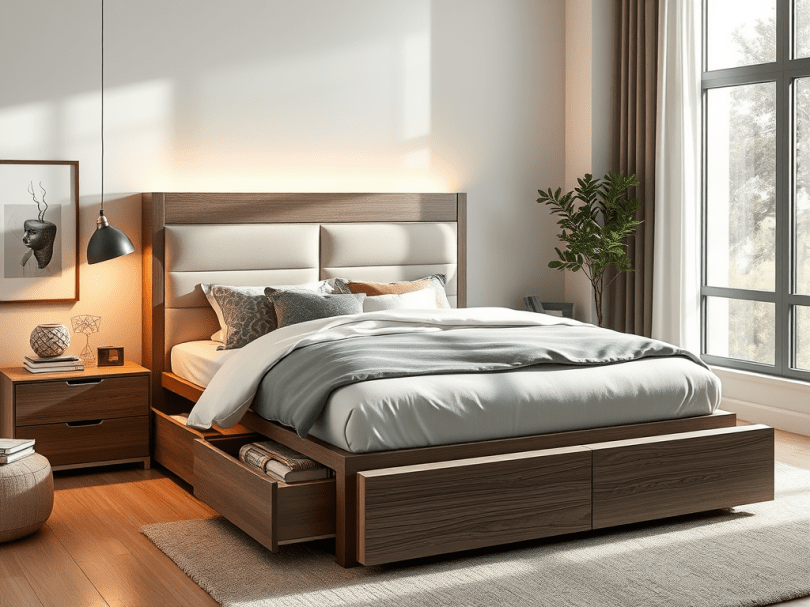
If you want your queen bed to make a statement without crowding your room, consider a platform or low-profile frame to create an open, airy feeling.


King Size Beds: The Luxury Option

A king bed brings hotel-style comfort home—it’s spacious, luxurious, and perfect for spreading out.

Best suited for:

  • Master bedrooms measuring at least 12’ x 12’ or larger
  • Couples who like personal space while sleeping
  • Families who co-sleep with children or pets

Pros:

  • Offers maximum comfort for two sleepers
  • Ideal for larger rooms or open-concept primary suites
  • Comes in many styles, including split kings for adjustable bases

Cons:

  • Requires more space and can dominate smaller rooms
  • Bedding and frames tend to cost more
  • Harder to move through tight hallways or up staircases

Design Tip:
Balance the scale of a king bed by placing it on a feature wall with nightstands and wall art that extend the width of the bed. This creates a cohesive look without overwhelming the space.


How to Decide Which One Fits Your Space

When choosing between a queen and a king, ask yourself these questions:

  1. What are your room’s dimensions?
    • If your room is under 12 feet wide, a king bed might feel too tight once you add other furniture.
    • You should have at least 2–3 feet of space around the bed on all sides for easy movement.
  2. Who’s using the bed?
    • If you sleep alone or prefer cozy spaces, a queen is more than enough.
    • For couples—or anyone who values extra room to stretch—a king is worth the upgrade.
  3. What’s your furniture layout?
    • Sketch or tape out your bed’s dimensions on the floor.
    • Consider where your dresser, side tables, and windows are positioned to ensure a balanced layout.
  4. What’s your comfort priority?
    • Do you want cozy or spacious?
    • The answer often decides it—queen for a snug fit, king for sprawling comfort.

Final Thoughts: It’s About Balance

Your bed should complement both your comfort level and your room’s design. A queen bed provides flexibility and balance in smaller spaces, while a king bed turns larger bedrooms into a true retreat.

The best choice ultimately depends on your lifestyle, room size, and design goals. So, measure carefully, visualize the layout, and choose the bed that lets you sleep—and style—comfortably.

Because at the end of the day, the right bed doesn’t just fit your room—it fits you.


Choosing the Right Bed Frame for Your Mattress: A Complete Guide


A bed frame does more than just hold your mattress — it supports your comfort, extends the life of your mattress, and plays a major role in the overall style of your bedroom. But if you’ve already chosen the perfect mattress and find yourself stuck on which frame to choose, don’t worry. We’ll walk through how to pick the right frame, explore different style options, and match them to the mattresses they suit best.

Step 1: Match the Frame to Your Mattress Size & Type

Before thinking about aesthetics, you’ll need to focus on compatibility.

  • Size matters: If your mattress is queen-size, your frame should be built for a queen — no exceptions. Even a small mismatch can cause poor support or mattress slippage.
  • Mattress type matters too:
    • Memory foam & latex: These require solid support, so choose a frame with either a solid platform base or slats spaced no more than 3 inches apart.
    • Hybrid mattresses: Typically heavier, hybrids do well on sturdy platform frames or adjustable bases.
    • Innerspring mattresses: These work well with most frames, especially those with box springs or slatted designs.

Step 2: Decide on the Functionality You Need

Ask yourself: Is storage important? Do you want a minimal look? Are you planning to move the bed often?

  • Need extra storage? Go for a storage bed frame with built-in drawers or lift-up under-bed compartments.
  • Want flexibility? A simple metal frame on wheels makes moving easier.
  • Prefer a minimal aesthetic? Platform beds or low-profile frames keep things sleek.

Step 3: Explore the Different Bed Frame Options

Here are the most common styles and why they might be right for you:

  1. Platform Bed
    • Best for: Memory foam, latex, hybrid mattresses
    • Why it works: Offers a sturdy, flat surface (slatted or solid) that doesn’t require a box spring. Perfect for a modern, minimal look.
  2. Panel Bed
    • Best for: Innerspring or hybrid mattresses (often with a box spring)
    • Why it works: Comes with both a headboard and footboard, offering a traditional, cozy style. Works well in classic or farmhouse interiors.
  3. Sleigh Bed
    • Best for: Innerspring or hybrid mattresses
    • Why it works: The curved headboard and footboard create a statement piece. Great if you want a more luxurious, traditional bedroom.
  4. Adjustable Base
    • Best for: Memory foam, latex, or hybrid mattresses
    • Why it works: Allows you to raise or lower the head and foot for comfort, reading, or health reasons (like easing acid reflux).
  5. Storage Bed (Ottoman or Drawer)
    • Best for: Small spaces, apartments
    • Why it works: Maximizes storage without sacrificing comfort. Ideal for keeping extra bedding or seasonal clothes out of sight.
  6. Metal Bed Frame
    • Best for: Any mattress type (with proper support)
    • Why it works: Lightweight, often more affordable, and works as a foundation for other styles if you want to add a headboard later.
  7. Canopy or Four-Poster Bed
    • Best for: Innerspring or hybrid mattresses
    • Why it works: Adds height and drama. Perfect for larger rooms or creating a romantic, luxurious atmosphere.

Step 4: Style Considerations

If you’re stuck on what style to choose:

  • Match your decor: Minimalist home? Go for a simple platform. Traditional or rustic? Choose a panel or sleigh bed.
  • Think about headboard height: Higher headboards make a statement but can overwhelm small rooms.
  • Consider materials: Wood for warmth, metal for modern industrial, upholstered for softness and luxury.

Step 5: Don’t Forget Practical Details

  • Check weight capacity: Heavier mattresses need stronger frames.
  • Measure your space: Some frames add bulk — be sure your room can handle it.
  • Assembly: If you’re not handy, choose a frame that’s easy to assemble or comes with professional setup.

Bottom line: Choosing the right bed frame isn’t just about looks — it’s about support, functionality, and matching your lifestyle. If you already have your mattress, start with the basics (size and support needs) and then choose a style that complements your space. The right frame will not only keep your mattress in top shape but also turn your bedroom into a place you truly love.


High Profile Beds: Are They a Good Thing (and Are Steps to Your Bed Trendy?)


When it comes to choosing the right bed for your bedroom, height is a detail that’s easy to overlook—but it can make a surprising difference in how your room feels and functions. Lately, high profile beds (those taller, more elevated beds) are having a moment. But are they a good thing? And what’s the deal with needing steps just to climb into bed? Let’s dive into it!

What Is a High-Profile Bed?

A high-profile bed typically sits higher off the ground than a standard bed—anywhere from 25 to 36 inches (or even more) from the floor to the top of the mattress. This can happen naturally if you have a thick mattress, a box spring, and a bed frame with added height.

You’ve probably seen them in luxury hotel suites, old-fashioned period dramas, or ultra-glam bedrooms on Pinterest. They immediately create a feeling of grandeur and elegance—almost like you’re climbing onto a throne every night.

Are High Profile Beds a Good Thing?

It depends on your needs and lifestyle. Here are a few pros and cons:

Pros:

  • Visual Impact: They can make a bedroom feel luxurious, important, and cozy all at once.
  • Easier for Tall People: If you’re tall, a higher bed can feel more natural and comfortable for getting in and out.
  • Underbed Storage: Higher beds often offer more room underneath for bins, baskets, or drawers.
  • Keeps You Off Cold Floors: In cooler climates, being higher off the ground can help you stay warmer.

Cons:

  • Harder for Some to Access: Kids, pets, or anyone with mobility issues might struggle to get into a high bed.
  • Steps Might Be Necessary: Yes, actual bed steps! Cute for decor… not so cute when you trip over them at 2 a.m.
  • Can Make Small Rooms Look Smaller: An oversized or very tall bed can overwhelm a compact room.

Is It Trendy to Have Steps to Get to Your Bed?

Believe it or not, yes! Bed steps have been popping up in high-end interior design, especially in more traditional or maximalist decor styles. They’re seen as a charming, whimsical touch—think Victorian elegance or fairytale cottage vibes.

Modern takes on bed steps include:

  • Minimalist, clean-lined steps that double as storage.
  • Upholstered or decorative stools placed at the foot of the bed.
  • Custom built-in steps for platform beds.

It’s a way to make a big design statement while solving a practical problem. If you love the idea of your bed feeling like a destination, adding steps can be a stylish and functional choice.

Should Your Bed Be Higher or Lower?

There’s no one-size-fits-all answer. Here’s a quick way to think about it:

  • Higher Bed: Great for tall people, traditional or grand decor styles, rooms where you want to maximize underbed storage, or when you want a “grand” feeling.
  • Lower Bed: Better for minimalistic spaces, modern homes, shorter individuals, kids, pets, or anyone who needs easier access for health reasons.

As a general rule:
When you sit on the edge of your bed, your feet should rest flat on the floor, and your knees should be at a 90-degree angle.
If you have to hop up or awkwardly crouch down, it might not be the best fit for everyday comfort.


Final Thoughts:
High profile beds are definitely trendy right now—and they can feel like a luxurious upgrade for the right space and lifestyle. If you dream of feeling like royalty each night, love classic decor, or just want extra storage, a tall bed (and maybe some cute steps!) could be exactly what you need. But if you prefer sleek, easy-access living, a lower bed might be more your style.

Either way: your bed should fit you, not the trend.


Storage Beds vs. Regular Beds: Which One is Right for You?

When it comes to choosing the perfect bed, functionality is just as important as comfort. Storage beds have gained popularity for their space-saving features, but how do they compare to traditional beds? Let’s explore the differences, perks, and whether a storage bed is the right choice for you.

What Is a Storage Bed?

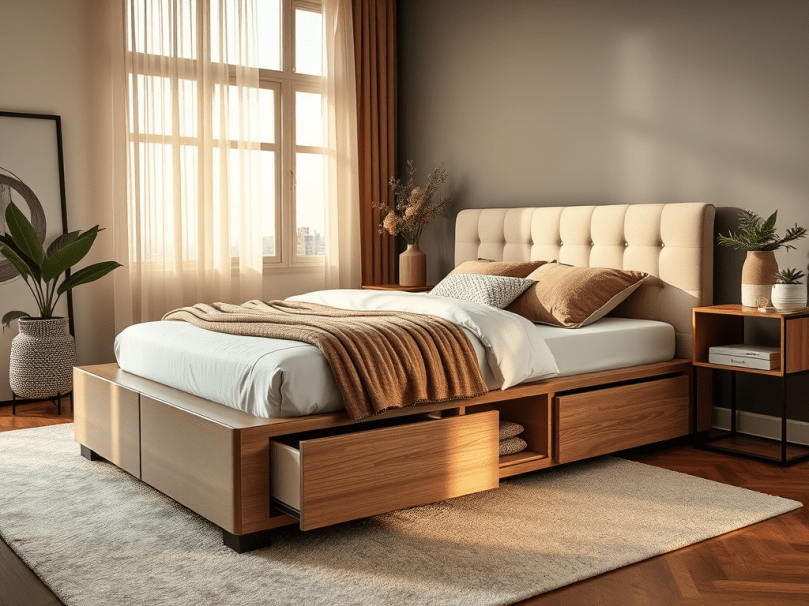
A storage bed is designed with built-in compartments—either drawers, lift-up platforms, or shelves—allowing you to utilize the space under your bed for extra storage. This type of bed is especially beneficial for smaller rooms, apartments, or anyone looking to maximize their space.

My Storage Bed Story

I never realized how much I needed a storage bed until I found myself drowning in blankets, books, and random clutter that somehow had no home. My small apartment didn’t have the luxury of a walk-in closet or massive dressers, and my under-bed space quickly became a black hole of lost socks and forgotten items. One day, after tripping over yet another pile of winter clothes, I decided it was time for a change.

Enter the storage bed—my ultimate lifesaver. Not only did it give my room a sleek, organized feel, but it also became the perfect hideaway for extra linens, seasonal clothing, and even my growing collection of home decor books. Now, every time I pull out a neatly tucked-away drawer, I feel like I’ve unlocked a secret weapon for organization. If you’ve ever struggled with limited space, trust me, a storage bed might just be your new best friend!

Storage Beds vs. Regular Beds

FeatureStorage BedsRegular Beds
Storage CapacityProvides built-in storageNo built-in storage, requires additional furniture
Space EfficiencyIdeal for small spacesMay require additional storage solutions
Aesthetic AppealSleek, modern, and multifunctionalClassic, versatile, but may need under-bed storage bins
AccessibilityEasy access to storage via drawers or lift-up mechanismsNo additional storage, must rely on external solutions
CostGenerally more expensive due to added functionalityUsually more affordable

Perks of Having a Storage Bed

  1. Maximizes Space: Perfect for small apartments, kids’ rooms, or guest rooms where space is limited.
  2. Reduces Clutter: Helps keep the room organized by offering hidden storage for linens, clothes, or miscellaneous items.
  3. Multifunctionality: Some storage beds come with headboards featuring shelves, built-in nightstands, or even charging ports.
  4. No Need for Additional Storage Furniture: Eliminates the need for dressers or bulky storage boxes, freeing up more floor space.
  5. Aesthetically Pleasing: Creates a cleaner, more streamlined look in a bedroom compared to visible under-bed storage bins.

Storage Bed Recommendations

If you’re considering switching to a storage bed, here are a few options to explore:

  • ZINUS Curtis Upholstered Platform Bed with Storage Drawers – A sleek, upholstered bed with ample drawer space.
  • Novogratz Kelly Bed with Storage – A stylish, modern option with built-in drawers for easy storage access.
  • DHP Dakota Upholstered Platform Bed with Storage – Ideal for contemporary spaces, featuring elegant tufted upholstery and deep drawers.
  • IKEA MALM Storage Bed – A minimalist, space-efficient design with a lift-up mechanism for maximum storage.

Advice on Choosing the Right Storage Bed

  1. Consider Your Storage Needs: If you have limited closet space, a bed with deep drawers might be the best fit.
  2. Think About Accessibility: If you plan to store frequently used items, opt for a bed with easy-to-slide drawers rather than a lift-up mechanism.
  3. Measure Your Space: Ensure there’s enough clearance to open drawers if you’re placing the bed near walls or furniture.
  4. Match Your Bedroom Aesthetic: Storage beds come in various styles—wooden, upholstered, or metal—so choose one that complements your decor.
  5. Check the Quality: A well-built storage bed with sturdy mechanisms will last longer and provide better functionality.

Final Thoughts

A storage bed can be a game-changer for anyone looking to optimize their bedroom space while maintaining an organized and stylish setup. While regular beds may offer more flexibility in terms of design and affordability, storage beds bring undeniable functionality, especially for those dealing with limited space.

Would you make the switch to a storage bed? Let us know your thoughts!

Are Adjustable Bed Bases the Best Alternative to Traditional Sleeping?

A good night’s sleep is essential for overall health, but for those who suffer from back problems, finding the right sleeping position can be a challenge. If you’re constantly tossing and turning, waking up with stiffness, or struggling with discomfort, an adjustable bed base may be the game-changer you need.

What is an Adjustable Bed Base?

An adjustable bed base allows you to modify the angle of your mattress, elevating either your head, feet, or both. This flexibility can provide a level of customization that traditional bed frames simply cannot offer. Originally designed for hospital use, adjustable bases have evolved into mainstream bedroom essentials, offering comfort, convenience, and most importantly, relief from chronic pain.

How an Adjustable Base Can Help with Back Pain

If you suffer from back pain, whether due to a medical condition, poor posture, or an old mattress, an adjustable base can be a saving grace. Here’s how:

1. Improved Spinal Alignment

Traditional flat beds don’t always support the natural curvature of the spine. With an adjustable base, you can slightly elevate your head and legs to distribute weight evenly, reducing pressure points and promoting better spinal alignment.

2. Reduced Pressure on Joints and Muscles

Sleeping on a flat surface can put excessive strain on certain areas of the body, leading to soreness and stiffness. Adjusting your bed to a zero-gravity position—a slight incline of both the upper and lower body—can help relieve tension on joints and muscles, reducing discomfort.

3. Alleviation of Lower Back Pain

People who experience lower back pain often benefit from elevating their legs slightly. This position can relieve pressure on the lumbar spine and reduce inflammation in the lower back area.

4. Better Circulation and Reduced Swelling

By adjusting the elevation of your legs, you can improve blood circulation, which is crucial for those who suffer from conditions like sciatica or leg swelling. This added circulation can help with healing and prevent numbness or tingling sensations in the extremities.

5. Less Tossing and Turning

Finding the right sleeping position is one of the biggest struggles for people with back pain. An adjustable base allows for quick and easy positioning, helping you settle into a comfortable spot faster and stay asleep longer.

Are Adjustable Bases the Best Alternative to Traditional Sleeping?

For individuals without chronic pain, a traditional bed may still suffice. However, for those who experience back issues, an adjustable base offers benefits that a flat mattress cannot match. While it may require an initial investment, the long-term health benefits, improved sleep quality, and pain relief make it a worthwhile choice.

Pros of Adjustable Bed Bases:

  • Customizable sleeping positions
  • Better spinal alignment
  • Relief from back pain and joint pressure
  • Improved circulation
  • Enhanced comfort for reading, watching TV, or working from bed

Cons of Adjustable Bed Bases:

  • Higher cost compared to traditional bed frames
  • Heavier and may require a compatible mattress
  • Potentially more maintenance due to electrical components

Affordable Adjustable Bed Base Recommendations

If you’re looking for an adjustable bed base that won’t break the bank, here are some budget-friendly options:

  1. Lucid L300 Adjustable Bed Base – This affordable and easy-to-assemble base comes with a wireless remote, head and foot incline, and a durable steel frame.
  2. Classic Brands Adjustable Comfort Upholstered Bed Base – Featuring customizable positions, a wireless remote, and USB ports, this base offers great value for its price.
  3. Best Choice Products Adjustable Bed Base – A budget-friendly option with head and foot adjustments, wireless remote, and easy setup.
  4. Blissful Nights Adjustable Bed Frame – A well-priced base with massage features, programmable settings, and a sturdy build.
  5. Zinus Jared Adjustable Bed Base – A minimalist and cost-effective option with a quiet motor, easy adjustability, and a sleek design.

Final Thoughts

If you suffer from back pain and struggle to find relief with a traditional mattress, an adjustable bed base could be your answer. It offers improved comfort, better spinal support, and an overall more restful sleep experience. While the investment may seem significant, the health benefits and quality of life improvements make it a worthwhile consideration.

Would you switch to an adjustable base for a better night’s sleep? Share your thoughts in the comments below!