Window coverings are a pivotal element in home design, providing privacy, controlling light, and contributing to the overall aesthetic. But with the plethora of options available, how do you choose the right one for your space? This guide will help you navigate the types of window coverings and their differences, so you can make an informed decision for your home.
Factors to Consider When Choosing Window Coverings
Functionality
Are you looking for privacy, light control, or insulation?
Do you need coverings that are easy to clean or child-safe?
Style
What is the overall theme of your home—modern, farmhouse, traditional?
Should the coverings stand out as a statement piece or blend seamlessly?
Budget
Window coverings come in a range of prices. Determine your budget to narrow your options.
Room Use
Living rooms might need sheer drapes for a soft glow, while bedrooms may benefit from blackout shades for better sleep.
Types of Window Coverings and Their Differences
1. Blinds
Material Options: Wood, faux wood, aluminum, vinyl Key Features:
Slats can be tilted to control light and privacy.
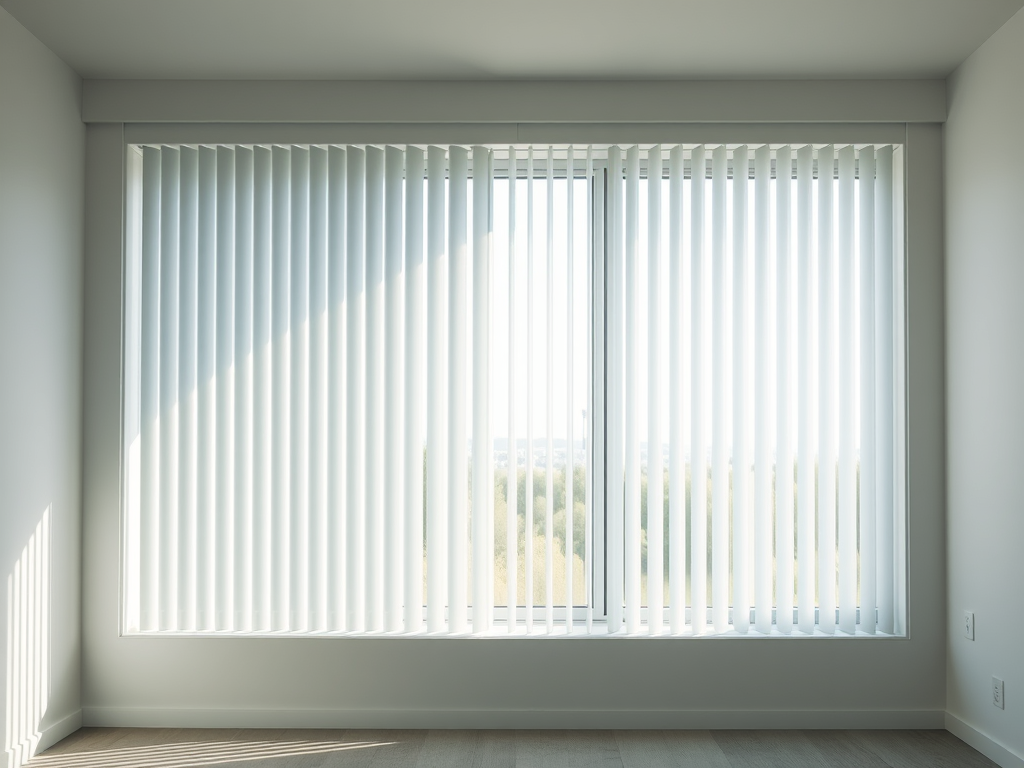
Available in horizontal and vertical designs. Best For: Kitchens, bathrooms, and offices due to their clean lines and functionality.
Lifted or lowered in one piece for varying levels of coverage.
Cellular shades are energy-efficient, trapping air to provide insulation. Best For: Bedrooms, living rooms, and spaces needing light diffusion.
3. Curtains
Material Options: Cotton, silk, linen, polyester Key Features:
Come in various lengths, patterns, and textures.
Can be paired with blinds or shades for added functionality. Best For: Formal living rooms, dining rooms, and spaces needing a soft, elegant touch.
4. Drapes
Material Options: Heavier fabrics like velvet or blackout materials Key Features:
Floor-length and often lined for added privacy or insulation.
Provide a more dramatic and luxurious appearance. Best For: Bedrooms and spaces requiring complete light blockage.
5. Shutters
Material Options: Wood, composite materials Key Features:
Permanently affixed to the window frame.
Offer excellent insulation and light control. Best For: Coastal or traditional home styles and areas with high sunlight exposure.
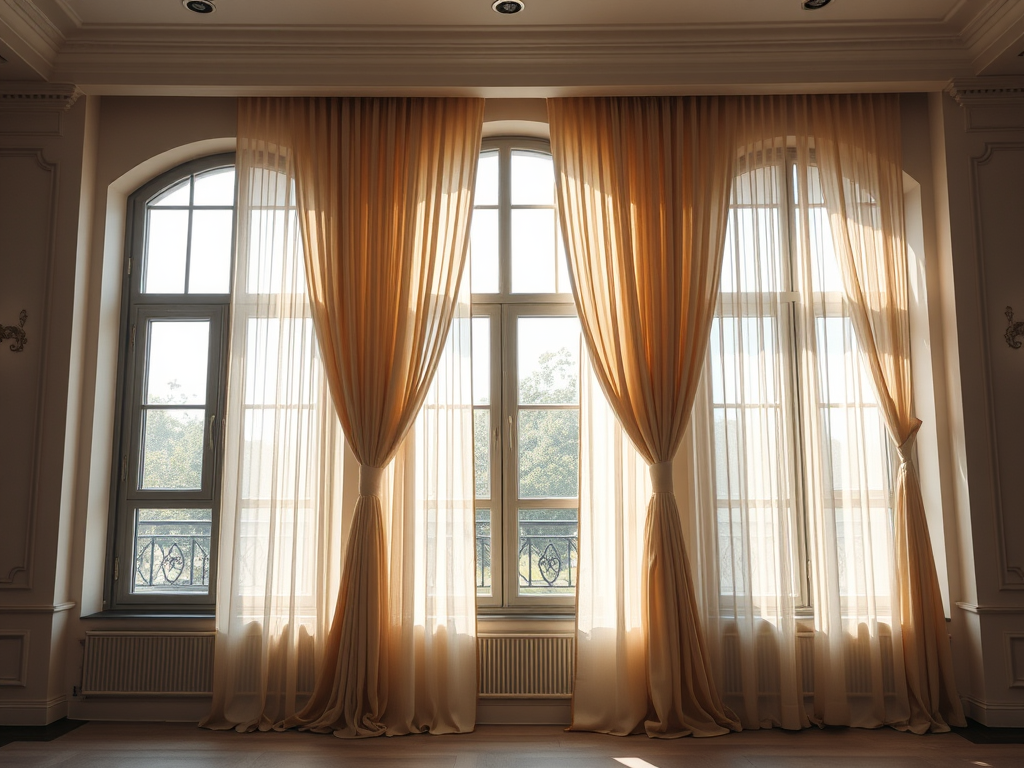
6. Sheers
Material Options: Lightweight fabrics like voile or chiffon Key Features:
Allow natural light while maintaining some privacy.
Often layered with heavier curtains or drapes. Best For: Living rooms, dining areas, or spaces with large windows.
Tips for Selecting the Perfect Window Covering
Measure Precisely: Ill-fitting coverings can diminish functionality and aesthetic appeal.
Layer for Versatility: Combine sheers with drapes or shades for flexible light control and privacy.
Match the Room’s Purpose: Consider blackout shades for bedrooms or moisture-resistant blinds for bathrooms.
Don’t Forget Maintenance: Opt for easy-to-clean materials in kitchens and high-traffic areas.
Window coverings are more than a practical necessity—they’re an opportunity to enhance your home’s decor. Whether you’re drawn to the clean functionality of blinds, the softness of curtains, or the elegance of shutters, there’s a perfect option for every room and style.
What’s your go-to window covering style? Share your thoughts in the comments below!
When it comes to home decor, window treatments are often the unsung heroes. They can dramatically enhance your room’s style, filter natural light, and even improve energy efficiency. With so many options available, choosing the right window treatment can feel overwhelming. In this guide, we’ll help you find the perfect window treatment for your space, taking into account your style preferences, privacy needs, and functional requirements.
This blog includes affiliate links we may earn paid commissions if you choose to make a purchase after clicking a link, at no additional cost to you.
1. Assess Your Needs
Before diving into the world of curtains, blinds, and shades, it’s crucial to assess your needs:
Privacy: Do you need complete privacy, such as for a bedroom or bathroom, or would you prefer to let in as much light as possible?
Light Control: Are you looking to block out the sun entirely in a media room, or do you want to create a soft, filtered light effect in your living room?
Style: Are you aiming for a modern, minimalist look, or do you want to add a touch of elegance to your traditional decor?
Understanding these key factors will help you make a well-informed choice.
2. Types of Window Treatments
Here’s a look at different types of window treatments and what makes them suitable for various needs:
a. Curtains and Drapes
Curtains: Light and versatile, curtains can be found in a variety of fabrics, colors, and patterns. They’re perfect for living rooms and bedrooms where you want some privacy but still want to let light in.
Drapes: Typically made of heavier fabric and lined for extra privacy, drapes are a great option for rooms that need more light control, like bedrooms.
Pro Tip: Layering curtains with sheers adds depth to your decor while allowing you to control light more effectively.
b. Blinds
Horizontal Blinds: These are great for windows with a wide width but a shorter height, like in living rooms. They offer excellent control over light and privacy.
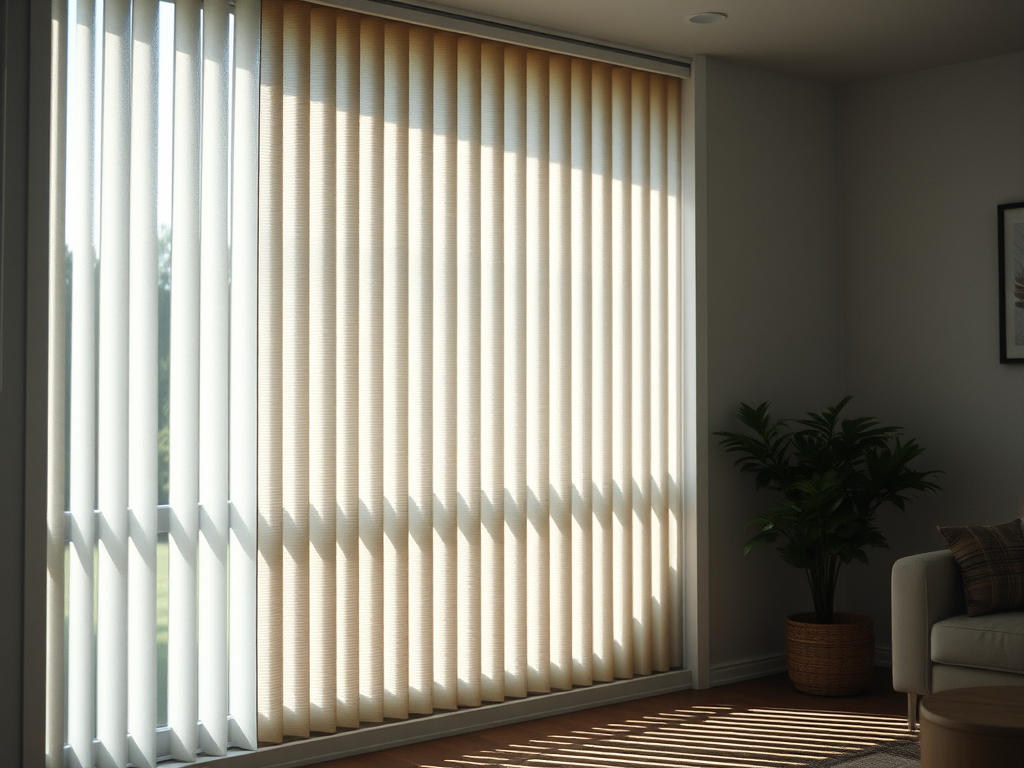
Vertical Blinds: Ideal for sliding glass doors and tall windows, vertical blinds are functional and give a more contemporary look.
Pro Tip: Faux wood blinds are an excellent choice for bathrooms and kitchens because they resist moisture and are easy to clean.
c. Shades
Roman Shades: Elegant and available in different fabrics, Roman shades add a sophisticated touch to any room. They work well in living rooms or dining areas where style is a priority.
Roller Shades: Clean and minimalist, roller shades are an ideal option for modern homes. They’re easy to operate and come in both light-filtering and blackout varieties.
Cellular Shades: Also known as honeycomb shades, these are perfect for improving energy efficiency. The cellular design traps air and insulates the room, which makes them a popular choice for bedrooms and living rooms.
Pro Tip: For maximum light control, consider layering shades under curtains. This adds dimension and allows you to adjust the level of privacy and sunlight throughout the day.
d. Shutters
Shutters are a classic window treatment that works in various rooms. They can give a farmhouse, coastal, or traditional look, depending on the design. Shutters are durable, easy to clean, and provide excellent light control.
Pro Tip: Plantation shutters are great for rooms with a view, as they can be tilted to control sunlight while still allowing you to enjoy the outside scenery.
3. Choosing the Right Style
Now that you have a better understanding of your options, it’s time to think about style. Here are some ideas to help you match window treatments with your home decor style:
Modern Minimalist: Opt for roller shades or sleek blinds in neutral tones. Stick with simple, clean lines that complement the room’s modern aesthetic.
Traditional Elegance: Layer drapes with Roman shades to create a luxurious and formal look. Rich fabrics like velvet or silk in deep hues work beautifully for this style.
Farmhouse Chic: Choose natural woven shades or classic white shutters. Pair them with soft linen curtains for a cozy and inviting feel.
Bohemian Vibes: Go for airy curtains with playful patterns or add a pop of color with Roman shades in warm tones.
4. Measuring and Installation Tips
Accurate measurements are essential for ensuring your window treatments fit perfectly:
Inside Mount: Measure the inside of the window frame for a sleek, built-in look. This is ideal for shades or blinds.
Outside Mount: Measure from the outer edges of the window for more coverage. This option can make your window look larger and is great for enhancing privacy.
Once you’ve chosen your treatment and taken measurements, installation is your final step. You can either hire a professional or, if you’re a DIY enthusiast, follow detailed guides and use the right tools for a secure installation.
5. Practical Considerations
Child Safety: If you have young children, choose cordless blinds or curtains to avoid potential hazards.
Maintenance: Some materials are easier to maintain than others. Blinds and shutters can be wiped clean, while curtains may require occasional washing or dry cleaning.
6. Trending Window Treatments
Motorized Shades: These are gaining popularity for their convenience and smart-home compatibility. They’re a great option for hard-to-reach windows or anyone looking to enhance the functionality of their home.
Layered Treatments: Combining different types of treatments (e.g., Roman shades and drapes) adds depth and versatility, allowing you to change the look and function as needed.
My Recommendation
Cordless Roman Shades Window Shades, Grey Brance Leaf Blackout Light Filtering Custom Window Roman Blinds, 10% Linen Fabric Roman Shades for Windows, French Doors, Doors, Kitchen Windows https://amzn.to/3Y07Fme
HOMEIDEAS Taupe Sheer Curtains 52 X 63 Inches Length 2 Panels Beige Embroidered Leaf Pattern Pocket Faux Linen Floral Semi Sheer Voile Window Curtains/Drapes for Bedroom Living Room https://amzn.to/3XSl6DE
NICETOWN 100% Blackout Window Curtain Panels, Cold and Full Light Blocking Drapes with Black Liner for Nursery, 84 inches Drop Thermal Insulated Draperies (White, 2 Pieces, 52 Wide Each Panel) https://amzn.to/4gNUjRx
Boolegon No Drill No Tools Cellular Shades Top Down Bottom Up Honeycomb Blinds Blackout Cordless Window Blinds Easy to Ins tall Cellular Shade for Windows, Blackout-White, Custom Size https://amzn.to/4enl1ie
Graywind Customized Vertical Blinds Light Filtering Vertical Blind Free Wand Control Privacy Track Slats Set for Patio Sliding Glass Doors Windows (Dimout White) https://amzn.to/3XIz8aB
Conclusion
Choosing the right window treatment for your home can significantly impact the look and feel of your space. From style and privacy to light control and energy efficiency, consider all the aspects that will suit your needs. With so many options available—curtains, shades, blinds, and shutters—it’s easy to find a window treatment that will enhance both the aesthetics and functionality of your home. Take your time, explore your options, and don’t be afraid to experiment until you find the perfect fit!
Did you find this guide helpful? Share your favorite window treatment choices or tips in the comments below. We’d love to hear from you!




 Discoveringlifellc