
Reorganizing Your Home When You Have Very Little Storage Space: Creative Ways to Make It Work


Living in a small home or apartment can be cozy and charming—but when storage space is limited, it can also feel cluttered and frustrating. Whether you’re working with a tiny bedroom closet, minimal kitchen cabinets, or barely-there bathroom shelves, it is possible to create order without adding bulky furniture or spending a fortune.

Here’s how to creatively reorganize your home and make every inch count.


1. Start by Decluttering — Ruthlessly

Before you try to “find more space,” take a hard look at what’s filling it. Go room by room and ask yourself:

  • Do I use this regularly?
  • Does it serve a purpose or bring me joy?
  • Would I buy this again today?

Be honest. If the answer is no, it’s time to donate, sell, or recycle it. You’ll be amazed at how much easier organizing becomes once the excess is gone.


2. Rethink Vertical Space

When floor and shelf space are limited, look up. Vertical organization can completely transform a small home.

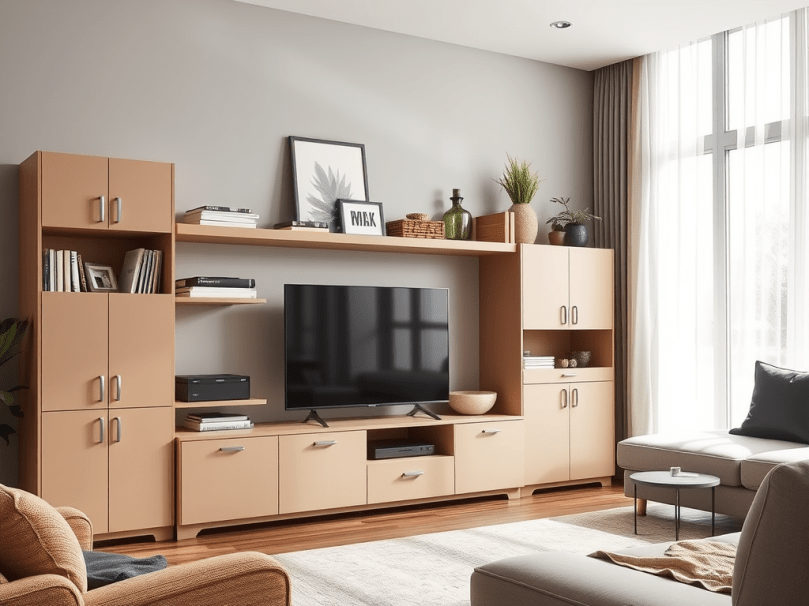
  • Add floating shelves above doorways or desks.
  • Install hooks or pegboards in kitchens, entryways, and bathrooms for bags, utensils, or towels.
  • Use tall bookcases that go nearly to the ceiling—just keep the upper shelves for items you don’t need daily.

Even a narrow wall can become valuable storage when used creatively.


3. Use Furniture That Works Double Duty

When you’re short on storage, your furniture should pull double duty. Look for pieces that offer both form and function, like:

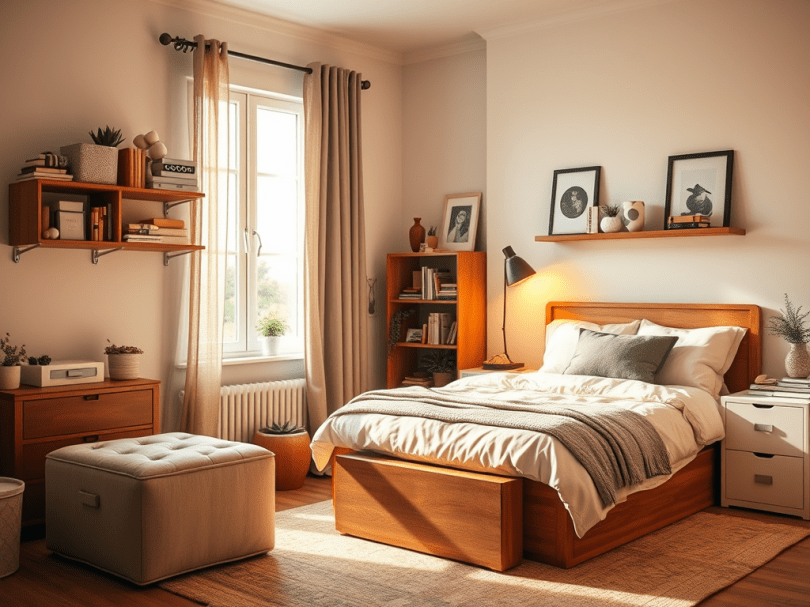
  • Storage ottomans that hide blankets or games.
  • Beds with built-in drawers or room underneath for slide-in bins.
  • Benches with lift-up seats in entryways.
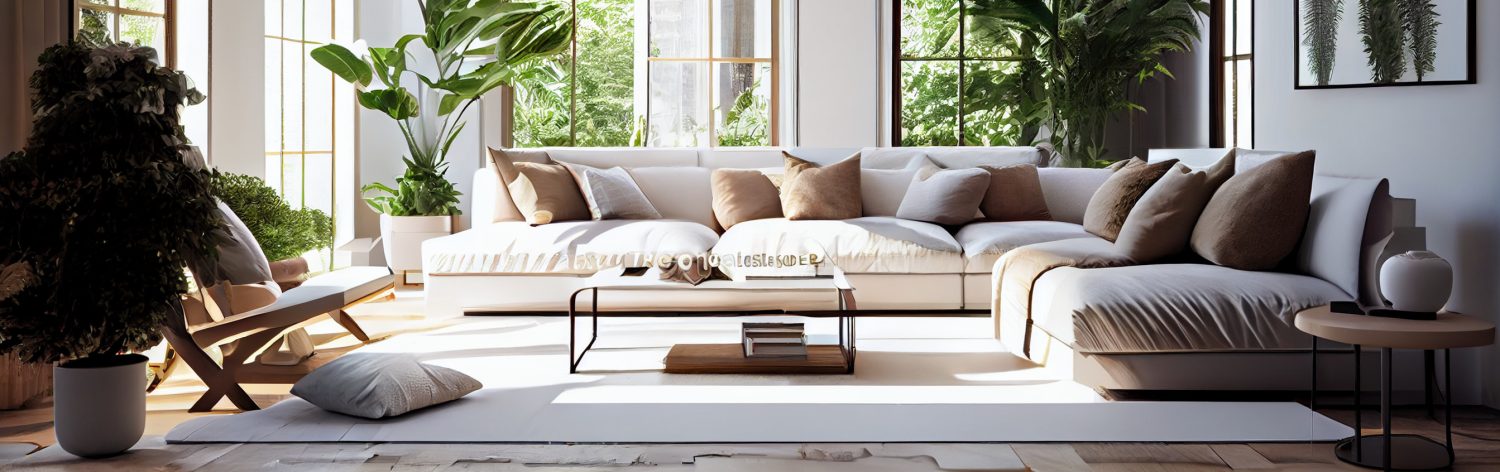
  • Coffee tables with hidden compartments for remotes, chargers, or magazines.

These clever designs make it easier to keep things looking neat without adding clutter.


4. Make Use of Hidden Spaces

Every home has unused nooks and crannies—often overlooked because they don’t seem “useful.” But with a little creativity, you can turn them into storage spots.

  • The space under the stairs can become a mini office, pantry, or shoe storage area.
  • Behind-the-door organizers are perfect for cleaning supplies or accessories.
  • The space under your bed or sofa can store seasonal clothes, extra bedding, or decor.

Think beyond the obvious—sometimes the best storage spots are the ones you don’t even see.


5. Get Smart with Containers and Labels

Invest in a few good-quality storage containers or baskets that fit your space. Clear bins are great for visibility, while woven baskets add texture and warmth to open shelving.
Label everything—especially in shared spaces. This makes it easy to keep track of where things belong and saves you time searching for small items.


6. Rethink What “Organized” Means

A perfectly organized home doesn’t mean a minimalist space with nothing on display. It means every item has a home and the system works for you.
If you love books, make them part of your decor. If you collect mugs, hang them on a wall rack. Organization should make your life easier and reflect your personality.


7. Keep It Simple and Sustainable

Once your home is reorganized, keep it that way by following one golden rule: One in, one out.
For every new item you bring home, something else should go. This keeps your space balanced and helps you maintain the sense of calm and order you’ve worked so hard to create.


Final Thoughts

Reorganizing your home when you have little storage space isn’t just about clever hacks—it’s about creating a system that supports your lifestyle. With a little imagination and a willingness to let go of what you don’t need, you can transform even the smallest home into a comfortable, organized sanctuary.

How to Organize Your Closet No Matter the Size

No matter the size of your closet, an organized space can transform your daily routine and make getting dressed a joy. From tiny reach-ins to sprawling walk-ins, the key to maximizing your closet’s potential lies in strategic planning, clever storage solutions, and regular upkeep. Here are tips, tricks, and examples to help you create an organized, functional, and aesthetically pleasing closet.

Step 1: Declutter Your Closet

Start by taking everything out of your closet. This might seem daunting, but it allows you to assess what you own and eliminate items you no longer need or wear.

  • Create Three Piles: Keep, Donate, and Toss. Be honest with yourself about what you wear and what simply takes up space.
  • Apply the “One-Year Rule”: If you haven’t worn it in a year, consider letting it go.
  • Seasonal Sorting: Store out-of-season clothing in labeled bins or vacuum-sealed bags to free up space.

Step 2: Assess Your Space

Once your closet is empty, take a good look at the available space. Measure your closet and identify areas that can be optimized for storage.

  • Small Closets: Focus on vertical space. Use over-the-door organizers, hanging shelves, and hooks to make the most of limited room.
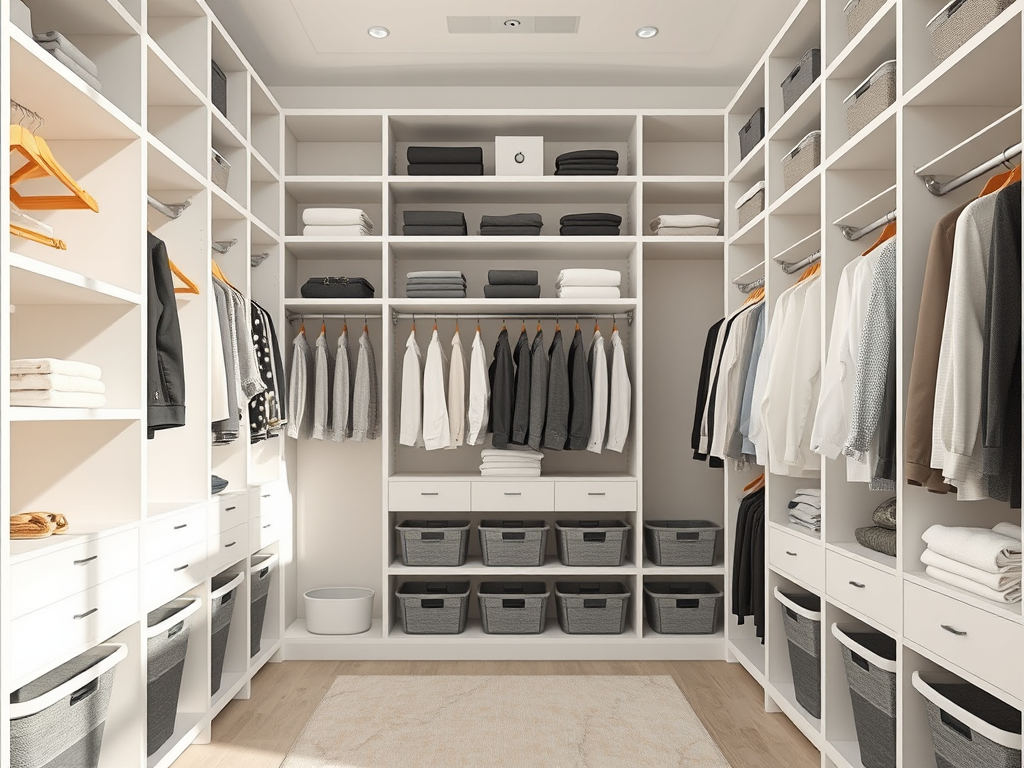
  • Walk-In Closets: Consider installing a modular closet system with adjustable shelves, rods, and drawers to create a tailored solution.
  • Reach-In Closets: Use double-hang rods to maximize hanging space and clear bins for visibility.

Step 3: Invest in the Right Storage Solutions

Selecting the right storage tools can make all the difference in maintaining a tidy closet.

  • Hangers: Use slim, non-slip hangers to save space and keep clothes in place. Opt for uniform hangers for a clean look.
  • Bins and Baskets: Use labeled bins for accessories like scarves, belts, and hats.
  • Drawer Dividers: Perfect for organizing socks, underwear, and smaller items.
  • Shelf Risers: Double the storage capacity of shelves by adding risers.
  • Clear Containers: Store shoes, purses, and other accessories in clear containers for easy visibility.

Step 4: Categorize and Arrange

Organizing by category and color can make your closet more functional and visually appealing.

  • Group by Type: Hang similar items together, such as shirts, pants, dresses, and jackets.
  • Color Code: Within each category, arrange items by color to make finding what you need easier.
  • Keep Everyday Items Accessible: Place frequently used items at eye level and less-used items on higher or lower shelves.

Step 5: Utilize Every Inch of Space

Closets of all sizes can benefit from creative use of space.

  • Behind the Door: Install hooks or a hanging organizer for bags, belts, or jewelry.
  • Under the Hanging Clothes: Use the lower space for a small dresser, shoe rack, or bins.
  • Corners: Add corner shelves to prevent wasted space.
  • High Ceilings: Store seldom-used items in decorative boxes on high shelves.

Step 6: Maintain Your Organized Closet

An organized closet requires consistent effort to stay that way.

  • One In, One Out: For every new item you bring in, remove one.
  • Seasonal Check-Ins: Review your closet every few months to keep it clutter-free.
  • Daily Habits: Spend a few minutes each day returning items to their designated spots.

Examples of Closet Transformations

  • Small Closet: One homeowner used hanging shoe organizers not just for shoes but also for rolled-up t-shirts and accessories. Adding an over-the-door hook system provided extra space for bags and scarves.
  • Medium Closet: A renter added a second hanging rod and used clear bins for sweaters and jeans. Installing LED strip lights made everything easier to see.
  • Walk-In Closet: A couple installed a modular system with pull-out trays for jewelry, cubbies for shoes, and designated sections for each type of clothing.

Final Thoughts

Organizing your closet is an investment in your daily happiness and productivity. With these tips and a little effort, you can turn even the most chaotic space into a neat and functional area. Remember, it’s not about the size of your closet—it’s about how you use it!

Maximize Your Space: Key Furniture Pieces That Offer Great Storage Options

Finding the right furniture that doubles as storage can make a huge difference in maintaining a tidy, organized home. Whether you’re living in a small apartment or just need more space to store your belongings, investing in multi-functional furniture can transform your space. Here are some of the best furniture pieces to help you stay organized while keeping your home stylish.

1. Storage Ottomans

A classic choice for living rooms and bedrooms, storage ottomans provide hidden compartments perfect for storing blankets, books, or even board games. They also serve as extra seating or a footrest, making them a versatile addition to any room.

Tip: Opt for a large, tufted ottoman to add a chic look while maximizing storage capacity.

2. Beds with Built-in Storage

Under-bed storage is a game-changer, especially in smaller bedrooms. Look for beds with built-in drawers or a lift-up mattress that reveals hidden compartments underneath.

Why It’s Great: It’s an excellent way to store seasonal clothing, bedding, or shoes without taking up additional closet space.

3. Coffee Tables with Storage

A coffee table with hidden storage or built-in shelves is a smart way to reduce clutter in the living room. You can use it to store magazines, remotes, and other items you want to keep within easy reach but out of sight.

Style Tip: Choose a coffee table with a lift-top for extra workspace or dining in front of the TV.

4. Storage Benches

Storage benches are perfect for entryways, bedrooms, and dining areas. They provide seating while also offering space to store shoes, bags, or blankets.

Bonus: In an entryway, a storage bench can serve as a spot to sit while putting on shoes and a place to keep outdoor essentials.

5. Bookshelves with Cabinets

Bookshelves that feature lower cabinets or baskets offer a mix of open and closed storage. This allows you to display books and decorative items while concealing less attractive belongings behind cabinet doors.

Pro Tip: Use woven baskets on open shelves for a tidy, cohesive look.

6. Console Tables with Drawers

A console table with multiple drawers or shelves is a stylish yet practical piece for hallways or living rooms. It can hold keys, mail, and other daily essentials, reducing clutter in high-traffic areas.

Idea: Pair the table with a mirror or artwork above to create an eye-catching entryway vignette.

7. Armoires and Wardrobes

Armoires and wardrobes provide ample vertical storage for clothing, linens, and more. They are especially useful in rooms without large closets.

Why It’s Essential: An armoire can keep everything organized while adding elegance to the room.

8. Sideboards and Buffets

These pieces are ideal for dining rooms but work well in living rooms or hallways, too. Sideboards typically have a mix of drawers and cabinets, perfect for storing tableware, linens, and miscellaneous household items.

Extra Use: A sideboard can double as a TV stand or bar cabinet.

Final Thoughts

When choosing furniture for storage, prioritize pieces that align with your overall decor style while offering practical solutions for your needs. Look for furniture that serves more than one purpose, and don’t be afraid to get creative with your space. With the right pieces, you can keep your home organized without sacrificing style.

Decorative Storage Options: Choosing Efficient and Multifunctional Furniture

Storage solutions are essential in every home, but that doesn’t mean they have to be purely functional. With a little planning, your storage furniture can double as beautiful decor, adding personality and style to your space while keeping your belongings organized. Here’s how to choose pieces that are efficient, multifunctional, and aesthetically pleasing.


1. Think Beyond Traditional Storage

Instead of a standard bookshelf or cabinet, opt for furniture that serves dual purposes. Examples include:

  • Ottomans with Hidden Storage: These versatile pieces work as seating, a footrest, or even a coffee table while concealing blankets, toys, or seasonal items.
  • Storage Beds: Maximize under-bed space with built-in drawers perfect for clothing, linens, or shoes.
  • Wall-Mounted Shelves with Hooks: Combine shelving for decor items with hooks for coats, bags, or keys.

2. Match Style with Function

Consider the overall style of your home when selecting storage furniture. Decorative storage options should blend seamlessly with your existing decor while enhancing its appeal. Examples include:

  • Mid-Century Modern Cabinets: Opt for sleek, wooden designs with hidden compartments.
  • Farmhouse-Style Storage Benches: Combine rustic charm with practicality by placing these at the entryway or end of the bed.
  • Art Deco Trunks: Metallic details and bold shapes can make a trunk double as a statement piece.

3. Maximize Vertical Space

Use tall bookcases, ladder shelves, or corner units to add height and storage without taking up too much floor space. Choose designs with mixed materials, such as wood and metal, for an industrial look, or stick with white finishes for a minimalist touch.


4. Multifunctionality in Small Spaces

For compact homes, furniture that serves more than one purpose is a game changer. Consider:

  • Expandable Dining Tables with Storage: Some models have built-in drawers for placemats, napkins, or tableware.
  • Convertible Sofas with Storage Chaise: Perfect for apartments, these provide hidden compartments for bedding or seasonal clothes.
  • Mirrored Storage Cabinets: Double as a full-length mirror while offering storage for accessories or cosmetics.

5. Creative Storage for Open Spaces

In open floor plans, storage pieces can act as room dividers or focal points:

  • Double-Sided Shelves: Display books, plants, or decor while subtly separating areas.
  • Rolling Carts: These can easily transition between rooms, providing storage and style for kitchens, living spaces, or offices.

6. Add Personal Touches

To elevate your storage furniture from functional to fabulous, incorporate decor elements such as:

  • Decorative Baskets: Perfect for corralling items on open shelves while adding texture.
  • Stylish Hardware: Upgrade cabinets and drawers with unique knobs or pulls.
  • Color Coordination: Choose furniture in colors that complement your home’s palette.

7. Prioritize Durability and Quality

Efficient furniture should stand the test of time. Look for sturdy construction, high-quality materials, and easy maintenance. Pieces made of solid wood, metal, or durable composite materials are excellent investments.


Final Thoughts Decorative storage furniture is an opportunity to merge style and organization in your home. By selecting multifunctional pieces, maximizing space, and aligning with your decor, you can achieve a clutter-free and visually appealing environment. Whether you’re furnishing a small apartment or a spacious house, efficient storage is the key to a harmonious and stylish home.

What are your favorite decorative storage solutions? Let us know in the comments!