
Dining Room Decor: Easy Ways to Upgrade Your Dining Space Without a Full Renovation


Your dining room is one of the most meaningful places in your home. It’s where you gather with family, host friends, celebrate milestones, and enjoy everyday meals that turn into memories. Because this room carries so much importance, giving it an upgrade—even a subtle one—can completely transform how your home feels.

The good news? You don’t need a full renovation to make your dining room feel elevated, stylish, and intentional. A few thoughtful changes can go a long way.


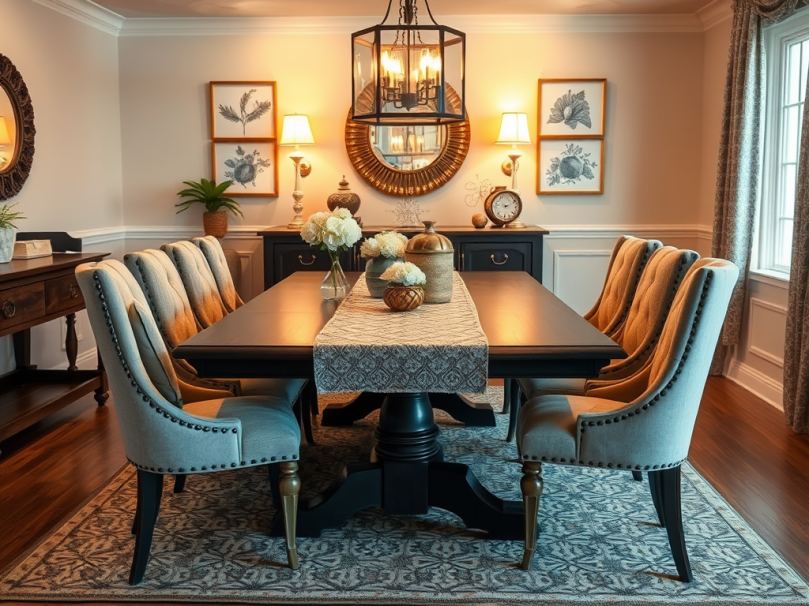
1. Start With a Statement Centerpiece

One of the simplest ways to refresh the room is by changing what sits at the center of your table. A beautiful centerpiece sets the tone instantly.

Try:

  • A tall ceramic or glass vase with branches
  • A long wooden tray with candles and greenery
  • A textured bowl filled with seasonal items like apples, pinecones, or faux moss balls

Your dining table is the star—let it shine with a focal point that feels curated.


2. Upgrade Your Dining Chairs

Your chairs are one of the biggest design elements in the room, so a change here creates major impact.

Some easy upgrades:

  • Switch to upholstered chairs for a cozy, elevated feel
  • Mix and match styles for a modern, collected look
  • Add statement chairs at the ends of the table
  • Use slipcovers to restyle what you already have

Even if your table stays the same, updated chairs can make the whole room feel new.


3. Refresh Your Lighting

Lighting is decor that changes the mood instantly. If you only update one thing, make it the lighting.

Consider:

  • A new chandelier that matches your style—modern, farmhouse, minimalist, or glam
  • Sconces or pendant lights for additional ambient lighting
  • A dimmer switch for flexible atmosphere

Warm, inviting lighting makes your dining room feel more intentional and welcoming.


4. Bring in an Area Rug

Yes, you can put a rug under your dining table!
A rug anchors the room and adds instant warmth.

Choose one that is:

  • Easy to clean
  • Low-pile
  • Large enough so chairs stay on the rug when pulled out

A rug also introduces new color, pattern, or texture without overwhelming the space.


5. Add a Wall Statement

Dining room walls offer a great opportunity for personality. Instead of leaving them blank, try:

  • Large-scale artwork
  • A set of framed prints or a gallery wall
  • A statement mirror
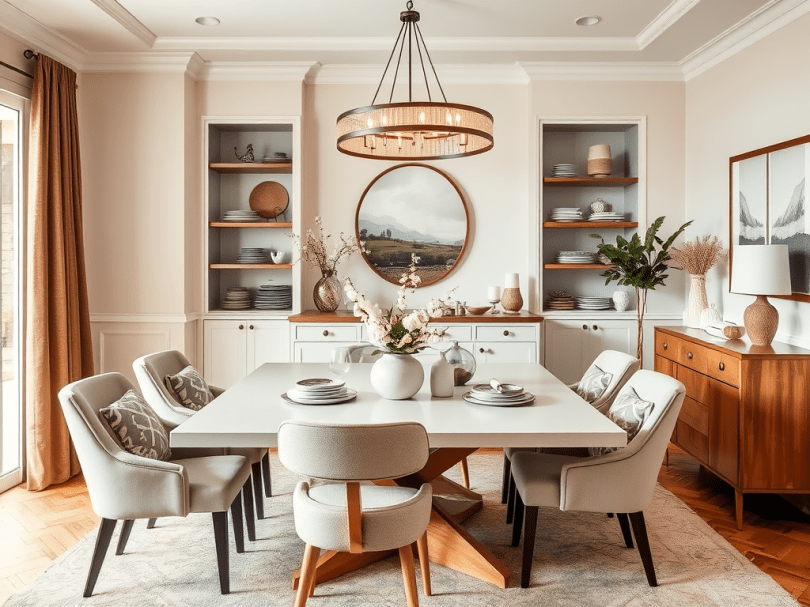
  • Floating shelves with decor

Art is one of the easiest ways to define your dining room’s style.


6. Incorporate Natural Decor

Nature-inspired accents breathe life into the space. Add:

  • A tall plant in the corner
  • Faux or preserved branches on the table
  • A woven basket filled with soft textures

Greenery softens the space and complements any design style.


7. Style Your Surfaces Thoughtfully

If you have a buffet, bar cart, or console table, give those surfaces attention too.

You might add:

  • A lamp for warm lighting
  • A decorative tray
  • A display of glasses or serving pieces
  • A stack of books with a vase or sculpture

These small touches make your dining room feel finished and refined.


8. Change Up Your Table Setting

You don’t need to set your table every day, but having a simple, styled setup adds polish.

Try:

  • Layered placemats
  • A runner instead of a tablecloth
  • Stylish napkins with rings
  • Two or three decorative place settings

A little styling goes a long way in making your dining room feel pulled together.


Final Thoughts

Upgrading your dining room isn’t about replacing everything—it’s about making intentional changes that enhance the atmosphere and reflect your style. With the right lighting, art, natural elements, and furniture details, you can create a space that feels warm, welcoming, and beautifully updated.

Repurposing Your Dining Room Table: How to Upgrade Your Dining Room Without Replacing Your Furniture


When it comes to refreshing your dining room, you don’t always have to start from scratch. Sometimes, the biggest transformation comes from reimagining what you already own. Your dining room table — the heart of so many family meals, celebrations, and conversations — can easily be repurposed or restyled to give your space a brand-new look without spending a fortune.

Here’s how you can upgrade your dining room without replacing your furniture.


1. Give Your Table a Makeover

Before you consider buying something new, take a close look at your dining table. Could a little DIY magic bring it back to life?

  • Refinish or paint it: Sand it down and stain it in a new color for a rustic farmhouse look, or paint it in a bold hue like navy, charcoal, or forest green for a modern upgrade.
  • Try a two-tone finish: Paint the base and legs while keeping the top wood-stained for a custom, designer-inspired contrast.
  • Add texture: Consider applying a peel-and-stick faux marble top or wood veneer to completely change the table’s appearance without replacing it.

2. Change the Chairs, Not the Table

Sometimes, the simplest way to upgrade your dining room is by mixing up the seating.

  • Swap out a few chairs: Replace the end chairs with upholstered ones for a more formal, mixed-material style.
  • Add a bench: A wooden or upholstered bench adds charm and functionality, especially for family-friendly spaces.
  • Reupholster your current chairs: New fabric or slipcovers can completely transform the room’s tone.

This approach keeps your existing table as the centerpiece while giving the whole space a modern refresh.


3. Switch Up Your Lighting

Lighting has a huge impact on how your dining table looks and feels.

  • Replace your chandelier or pendant light with something more in tune with your style — whether it’s industrial, minimalist, or glam.
  • Try dimmable bulbs or smart lighting to set the perfect mood for dinners or cozy evenings.
  • Add wall sconces or a nearby floor lamp for layered lighting that highlights your table beautifully.

4. Redecorate the Tabletop

Your dining table doesn’t have to stay bare or only serve meals — styling it is one of the easiest ways to upgrade your room.

  • Add a runner: A simple linen or patterned runner creates visual interest and texture.
  • Use statement centerpieces: Think ceramic vases, greenery, candles, or seasonal décor that can be swapped out through the year.
  • Play with height and layers: Stack trays, use decorative bowls, or layer placemats for a curated look that feels intentional and stylish.

5. Rearrange and Reimagine the Space

Sometimes, repurposing is all about perspective. Try rethinking how you use your dining area.

  • Reposition your table: Angle it differently or center it under your light fixture to change the room’s flow.
  • Add a rug: A new area rug can completely shift the visual tone — go bold with pattern or soft with a neutral woven texture.
  • Repurpose your table’s function: If you don’t use your dining area often, transform your table into a multi-use space — like a home office, craft station, or homework area during the day.

6. Upgrade the Surroundings

Don’t forget the environment around your dining table!

  • Refresh the walls: Add new art, wall shelves, or even a bold accent color behind your table.
  • Change your curtains or blinds: New window treatments can add warmth or brightness, depending on your style.
  • Decorate with greenery: A few plants can bring life and freshness to your dining area instantly.

Final Thoughts

You don’t need a brand-new dining set to make your dining room feel brand new. Repurposing your dining room table — whether through refinishing, restyling, or rethinking its use — is an affordable and creative way to upgrade your home. Sometimes, all it takes is a few design tweaks to make your old furniture feel like it belongs in a whole new space.


Tip: Take a “before and after” photo of your dining room. You’ll be amazed by how much difference small changes can make — and it might just inspire your next DIY project!


How to Decorate Your Dining Room: A Step-by-Step Guide to Creating a Space You Love

Your dining room is more than just a place to eat—it’s where you gather, celebrate, connect, and create lasting memories. Whether you’re starting with a blank slate or refreshing your current space, decorating your dining room can be a fun and rewarding project. But where do you begin? What do you really need to make it functional and beautiful? Let’s walk through the essential steps to decorating your dining room from the ground up.


Step 1: Define the Purpose of Your Dining Room

Before buying anything, think about how you’ll use the space. Will it be a formal dining area reserved for special occasions? A cozy family gathering spot? Or a multifunctional space that doubles as a workspace or homework zone?

Ask yourself:

  • How often will I use the dining room?
  • How many people do I need to seat?
  • Do I want a formal or casual feel?

This helps you set a tone, determine a layout, and prioritize your decor.


Step 2: Choose a Style and Color Palette

Once you know how you’ll use the room, it’s time to choose a style. Are you into modern minimalism? Farmhouse charm? Classic elegance? Boho eclectic?

From there, pick a color palette that matches your home and your personal taste. Neutral tones are always timeless, but don’t shy away from rich jewel tones, warm earth colors, or bold black-and-white contrasts if that’s your vibe.


Step 3: Start with the Dining Table

Your dining table is the centerpiece of the room—literally and visually. Choose a table that suits your needs and fits your space.

Tips for choosing the right table:

  • Measure first. You’ll want at least 36–48 inches between the table and walls or furniture for easy movement.
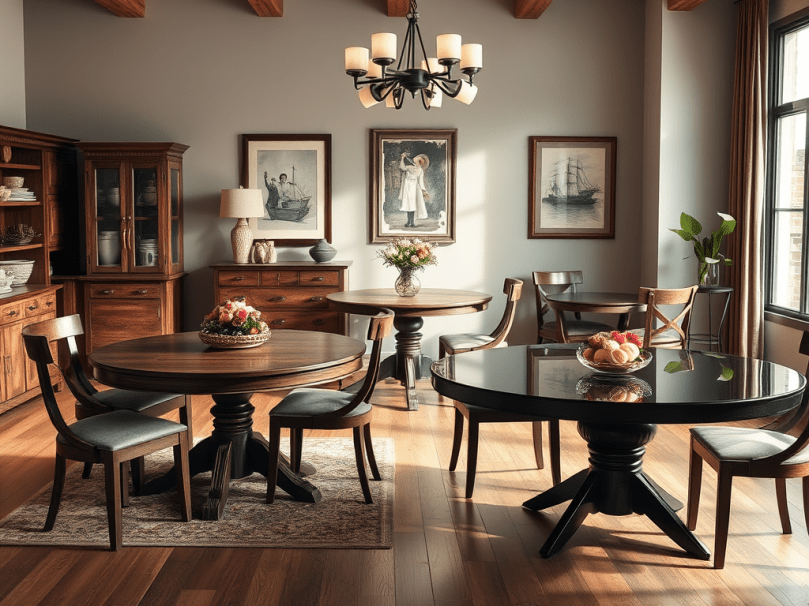
  • Pick the right shape. Rectangular tables are classic and space-efficient; round tables encourage conversation and are great for smaller spaces.
  • Consider extendable options if you entertain guests often.

Step 4: Add Comfortable Seating

Chairs should be both stylish and comfortable—no one wants to rush through a meal because their seat is awkward. Mix-and-match seating is on trend, but even traditional matching sets can be elevated with seat cushions or slipcovers.

Pro Tip: If space allows, consider adding a bench on one side of the table for a relaxed, modern look.


Step 5: Invest in Storage and Function

A sideboard, buffet, or storage cabinet can anchor your dining room and add functionality. Use it to store:

  • Dinnerware and serveware
  • Linens
  • Candles or seasonal decor

Open shelving or a china cabinet can also serve as display space for decorative items.


Step 6: Layer in Lighting

Lighting sets the mood in your dining room. A statement chandelier or pendant light above the table instantly elevates the room.

Add layers with:

  • Wall sconces
  • Table lamps on a sideboard
  • Candles for intimate dinners

Dimmer switches are also a great addition for controlling the ambiance.


Step 7: Add a Rug (Optional but Recommended)

A rug can ground your space and add warmth and texture. Be sure it’s large enough so that chairs remain on the rug when pulled out.

Material matters: Go for something durable and easy to clean—especially if you have kids or host often.


Step 8: Decorate the Walls

Blank walls can make your dining room feel unfinished. Consider:

  • A large mirror to reflect light
  • Art or gallery walls
  • Floating shelves with plants or ceramics
  • Statement wallpaper or an accent paint color

Step 9: Finish with Table Decor and Accessories

Small touches go a long way in bringing the room together.

Try these finishing pieces:

  • A simple centerpiece (vase with flowers, bowl with fruit, candles)
  • Cloth napkins and placemats
  • Seasonal decor (mini pumpkins, evergreens, or spring florals)

Keep your table styled, even when not in use—it keeps the room feeling lived-in and loved.


Must-Have Items for Every Dining Room

Here’s a checklist of essentials for a well-rounded dining space:
✅ Dining table
✅ Chairs or seating
✅ Overhead lighting
✅ Sideboard, buffet, or cabinet (for storage)
✅ Rug (if desired)
✅ Wall art or mirrors
✅ Tabletop decor (vase, candles, centerpiece)
✅ Dinnerware and linens


Final Thoughts

Decorating your dining room doesn’t have to be overwhelming. Start with a purpose, build around your dining table, and layer in function and personality. With the right mix of comfort, style, and storage, your dining room can become one of the most welcoming and beautiful spaces in your home.


How to Choose the Right Dining Room Table for Your Space


Choosing the right dining room table is about more than just picking a piece that looks nice. It’s a balance of size, shape, style, and function — all tailored to your space and lifestyle. Whether you’re furnishing a brand-new home or updating your current dining area, the right table can transform the way your space looks and feels.

1. Consider Your Space First

Start with measurements. Before you fall in love with a table, know exactly how much space you have to work with. A good rule of thumb: allow at least 36 inches of clearance around the table so guests can move comfortably.

Ask yourself:

  • Is your dining room enclosed or open-concept?
  • Do you use your dining space every day or only for special occasions?
  • Do you need extra room for guests during the holidays?

Smaller spaces benefit from round or square tables, which create a cozy vibe without wasting floor area. Larger rooms allow for rectangular or oval tables that seat more people and visually anchor the space.


2. Choosing the Right Shape

The shape of your table should work with both the size and layout of your room.

  • Round tables work well in small, square rooms and encourage conversation by keeping everyone at an equal distance.
  • Square tables are great for compact spaces and can double as a multipurpose area (think work-from-home or crafts).
  • Rectangular tables are ideal for long, narrow rooms and are the most common option for families or those who entertain often.
  • Oval tables soften the look of a rectangular room while offering similar functionality.

3. Picking the Right Size

Use this simple guide as a starting point:

Table SizeSeats
36-48″ round2-4 people
48-60″ round4-6 people
36×60″ rectangle4-6 people
36×72″ rectangle6-8 people
42×96″ rectangle8-10 people

Tip: If space is tight but you need flexibility, consider an extendable dining table.


4. Choosing the Right Color and Finish

Your dining table doesn’t have to match your kitchen cabinets or other furniture, but it should complement your overall design style. Here’s how to make it work:

  • Light woods (like oak, birch, or maple) create an airy, minimalist look and help small spaces feel more open.
  • Dark finishes (like espresso or walnut) add richness and drama, perfect for traditional or modern luxe spaces.
  • Painted or distressed finishes add a farmhouse or coastal feel — especially in white, gray, or navy.
  • Glass or marble tops can modernize your dining area and make it feel more sophisticated.

Neutral tones offer longevity, while bolder colors (like a deep green or matte black) can serve as a stylish statement if the rest of your space is more muted.


5. Where to Shop for the Perfect Dining Table

Whether you’re shopping in person or online, there are options for every style and budget.

Online favorites:

  • Wayfair – A wide variety of styles with user reviews.
  • Article – Sleek, mid-century modern options with clean lines.
  • West Elm – Trend-forward pieces in modern and organic styles.
  • Amazon – Affordable and fast, especially for small spaces or starter homes.
  • Etsy – Great for handmade or reclaimed wood tables.

In-store options:

  • IKEA – Affordable and functional, ideal for small apartments.
  • Crate & Barrel / CB2 – Stylish and durable, often with matching chairs.
  • Local furniture stores or vintage shops – Unique finds and the ability to see pieces in person before buying.

Final Thoughts: Find What Feels Like Home

Your dining room table is more than just a place to eat — it’s where conversations happen, homework gets done, and holidays are celebrated. Choose a table that reflects your lifestyle, fits your space, and feels like home.


Mixing & Matching Dining Room Decor: How to Create a Cohesive Style That’s Uniquely Yours


www.discoveringlifellc.com | Discover Your Style. Live Your Life.

Your dining room is more than a space for meals—it’s a gathering place for connection, celebration, and comfort. But what happens when you’re drawn to more than one design style? Can a modern table coexist with farmhouse chairs? Can you combine vintage accents with a minimalist color palette?

Absolutely. Mixing and matching styles is not only possible—it’s a great way to make your dining room reflect your personality and lifestyle. Here’s how to blend multiple decor styles while keeping your dining space cohesive and thoughtfully styled.


Step-by-Step: How I Helped My Neighbor Mix Dining Room Styles (and Loved the Results)

A few months ago, a neighbor reached out to me feeling completely overwhelmed. She loved boho textures, modern shapes, and had inherited a few traditional pieces from her family—but had no idea how to make it all work in one space.

Here’s the process we used to bring her eclectic style to life:


Step 1: Discover Her Core Style & Favorite Pieces

We started by walking through her dining area and gathering everything she already had:

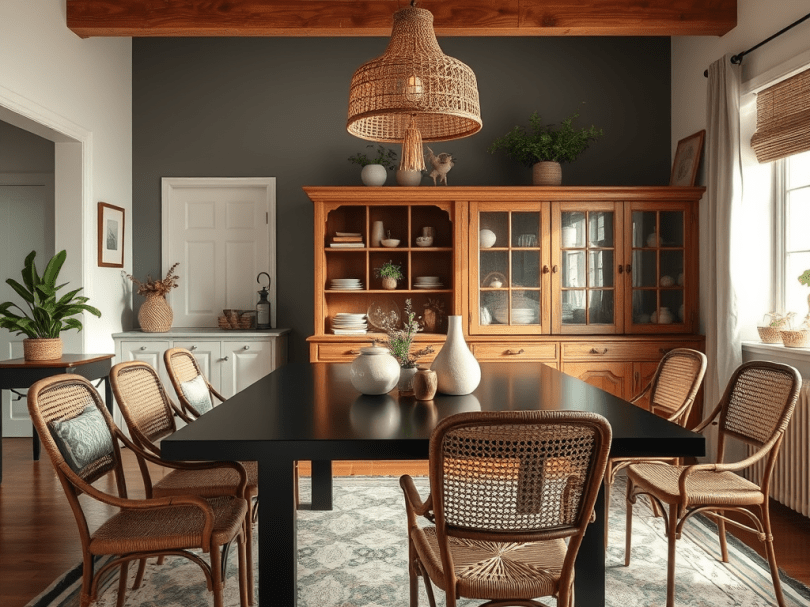
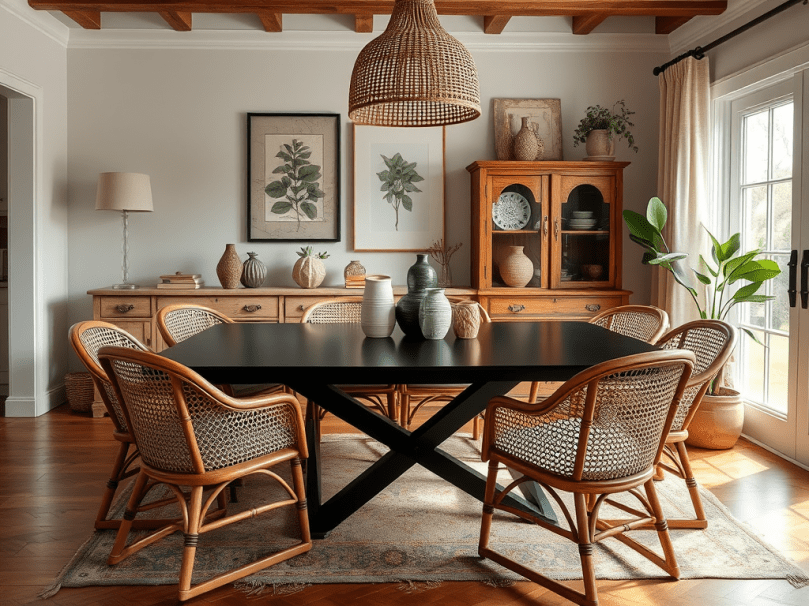
  • A sleek black modern dining table
  • Four cane-back boho chairs she scored at a thrift store
  • A large traditional wood hutch from her grandmother
  • A neutral area rug with subtle patterning
  • A few fun accessories: ceramic vases, vintage glassware, and woven placemats

We talked about how she wanted the room to feel: welcoming, a little artsy, but still clean and uncluttered.


Step 2: Choose a Color Palette

We pulled colors from her rug—warm creams, soft black, and muted greens—and made that our palette. To warm up the modern table and tie in the vintage hutch, we added accents in brass and natural wood tones.


Step 3: Rearrange for Balance

We centered the black table on the rug and flanked it with the boho chairs for contrast. The traditional hutch stayed in place but got a fresh coat of satin black paint to tie in with the table and give it a modern update without losing its charm.


Step 4: Layer in Mixed Materials

The table was modern, the chairs boho, and the hutch traditional—but it still needed unity. So we added:

  • A woven pendant light overhead to echo the chairs
  • Gold-toned cabinet pulls on the hutch to match a mirror frame
  • Linen curtains to soften the window area and bring in some lightness

Step 5: Accessorize Intentionally

We created a gallery wall using modern black frames and a mix of family photos and abstract art. On the hutch, we layered vintage glassware with a few minimal ceramics and greenery. For the dining table, we used a long runner in natural linen and added tapered candles in mixed-height holders—some vintage brass, some matte black.


The Final Look?

A warm, layered space that mixed modern structure, boho softness, and traditional warmth in a way that felt completely unique to her. She now calls it “the room that tells my story.”


Tips to Mix & Match Dining Room Styles in Your Own Home

Here’s how to apply the same ideas in your own space:


1. Start with a Foundation Piece

Whether it’s your dining table, a rug, or a buffet, choose one anchor piece that sets the tone. Use this as your visual guide for other elements.


2. Choose a Consistent Color Palette

Color is the glue that holds mixed styles together. Choose 2–3 main colors and 1–2 accent shades to repeat throughout the space.


3. Balance Proportions and Shapes

Make sure the sizes and shapes of your furniture and decor are in harmony. Contrast is good—just don’t let one element overpower the others.


4. Blend Materials Thoughtfully

Mix wood, metal, glass, linen—just do so with intention. Stick to 3–4 material types to keep the look cohesive.


5. Unify with Accessories

Use table runners, vases, lighting, and wall art to tie everything together. Repeating textures or finishes makes the space feel intentional.


6. Layer with Intention

Think in layers:

  • Base: Furniture and flooring
  • Middle: Curtains, lighting, chairs
  • Top: Art, plants, decor

7. Let Your Personality Lead

Your space should reflect you. The goal isn’t perfection—it’s connection. Use what you love, and design will follow.


Final Thoughts

Yes, you can mix styles in your dining room—and yes, it can look amazing. It’s all about creating a story through furniture, color, texture, and mood. Whether you lean modern, traditional, rustic, or boho, there’s a way to blend your favorite pieces into one beautiful, harmonious space.