
Mixing & Matching Dining Room Decor: How to Create a Cohesive Style That’s Uniquely Yours


www.discoveringlifellc.com | Discover Your Style. Live Your Life.

Your dining room is more than a space for meals—it’s a gathering place for connection, celebration, and comfort. But what happens when you’re drawn to more than one design style? Can a modern table coexist with farmhouse chairs? Can you combine vintage accents with a minimalist color palette?

Absolutely. Mixing and matching styles is not only possible—it’s a great way to make your dining room reflect your personality and lifestyle. Here’s how to blend multiple decor styles while keeping your dining space cohesive and thoughtfully styled.


Step-by-Step: How I Helped My Neighbor Mix Dining Room Styles (and Loved the Results)

A few months ago, a neighbor reached out to me feeling completely overwhelmed. She loved boho textures, modern shapes, and had inherited a few traditional pieces from her family—but had no idea how to make it all work in one space.

Here’s the process we used to bring her eclectic style to life:


Step 1: Discover Her Core Style & Favorite Pieces

We started by walking through her dining area and gathering everything she already had:

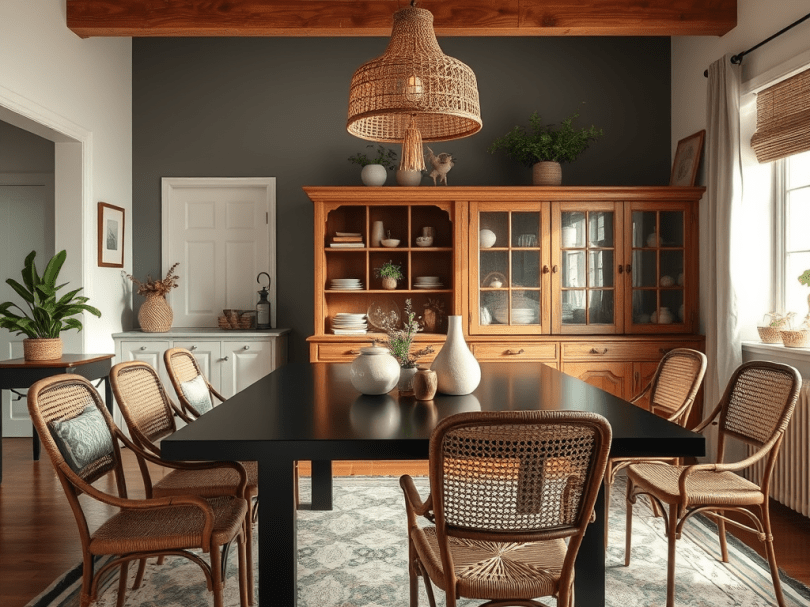
  • A sleek black modern dining table
  • Four cane-back boho chairs she scored at a thrift store
  • A large traditional wood hutch from her grandmother
  • A neutral area rug with subtle patterning
  • A few fun accessories: ceramic vases, vintage glassware, and woven placemats

We talked about how she wanted the room to feel: welcoming, a little artsy, but still clean and uncluttered.


Step 2: Choose a Color Palette

We pulled colors from her rug—warm creams, soft black, and muted greens—and made that our palette. To warm up the modern table and tie in the vintage hutch, we added accents in brass and natural wood tones.


Step 3: Rearrange for Balance

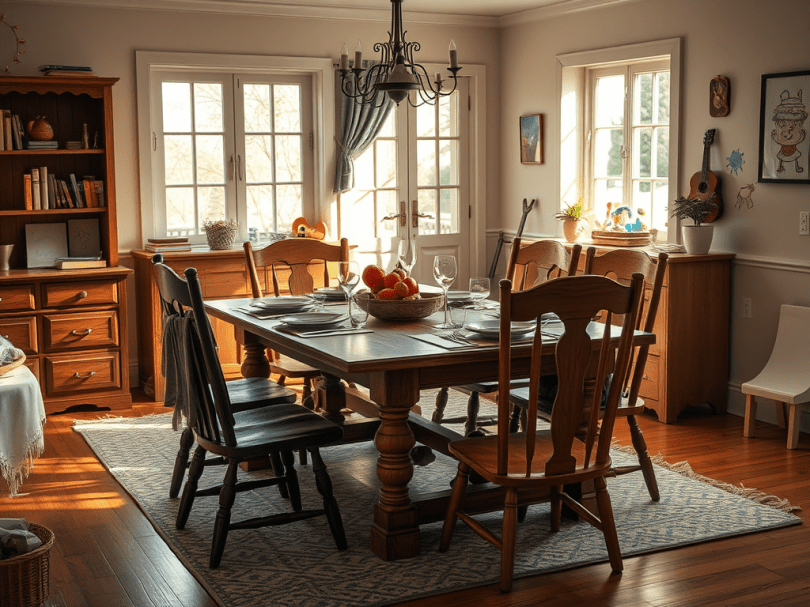
We centered the black table on the rug and flanked it with the boho chairs for contrast. The traditional hutch stayed in place but got a fresh coat of satin black paint to tie in with the table and give it a modern update without losing its charm.


Step 4: Layer in Mixed Materials

The table was modern, the chairs boho, and the hutch traditional—but it still needed unity. So we added:

  • A woven pendant light overhead to echo the chairs
  • Gold-toned cabinet pulls on the hutch to match a mirror frame
  • Linen curtains to soften the window area and bring in some lightness

Step 5: Accessorize Intentionally

We created a gallery wall using modern black frames and a mix of family photos and abstract art. On the hutch, we layered vintage glassware with a few minimal ceramics and greenery. For the dining table, we used a long runner in natural linen and added tapered candles in mixed-height holders—some vintage brass, some matte black.


The Final Look?

A warm, layered space that mixed modern structure, boho softness, and traditional warmth in a way that felt completely unique to her. She now calls it “the room that tells my story.”


Tips to Mix & Match Dining Room Styles in Your Own Home

Here’s how to apply the same ideas in your own space:


1. Start with a Foundation Piece

Whether it’s your dining table, a rug, or a buffet, choose one anchor piece that sets the tone. Use this as your visual guide for other elements.


2. Choose a Consistent Color Palette

Color is the glue that holds mixed styles together. Choose 2–3 main colors and 1–2 accent shades to repeat throughout the space.


3. Balance Proportions and Shapes

Make sure the sizes and shapes of your furniture and decor are in harmony. Contrast is good—just don’t let one element overpower the others.


4. Blend Materials Thoughtfully

Mix wood, metal, glass, linen—just do so with intention. Stick to 3–4 material types to keep the look cohesive.


5. Unify with Accessories

Use table runners, vases, lighting, and wall art to tie everything together. Repeating textures or finishes makes the space feel intentional.


6. Layer with Intention

Think in layers:

  • Base: Furniture and flooring
  • Middle: Curtains, lighting, chairs
  • Top: Art, plants, decor

7. Let Your Personality Lead

Your space should reflect you. The goal isn’t perfection—it’s connection. Use what you love, and design will follow.

Final Thoughts

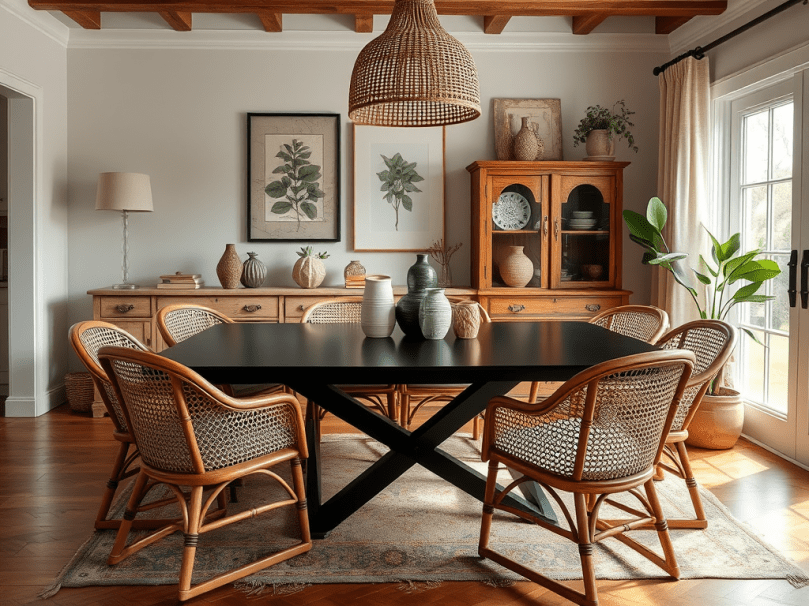
Yes, you can mix styles in your dining room—and yes, it can look amazing. It’s all about creating a story through furniture, color, texture, and mood. Whether you lean modern, traditional, rustic, or boho, there’s a way to blend your favorite pieces into one beautiful, harmonious space.

Is It Conventional to Use Your Dining Room as a Multifunctional Space? Here’s How to Do It Beautifully


In many modern homes, space is a luxury. With open-concept layouts and smaller square footage becoming the norm, the traditional purpose of rooms is evolving—especially the dining room. Once reserved strictly for formal dinners and holiday gatherings, the dining room is being reimagined.

But is it conventional to use your dining room for more than dining? Absolutely. And if you’re not doing it yet, you might be missing out on valuable potential.

Why It Makes Sense to Rethink the Dining Room

In today’s busy households, every inch of space needs to pull its weight. With families working from home, kids needing homework stations, and creative hobbies or side hustles on the rise, multifunctionality isn’t just a trend—it’s a smart way to live.

Gone are the days when the dining room sat empty 90% of the time. Now, it’s all about creating a space that feels elegant enough for dinner yet practical enough for everyday life.

6 Smart Ways to Make Your Dining Room Multifunctional

1. Create a Dining Room-Office Hybrid
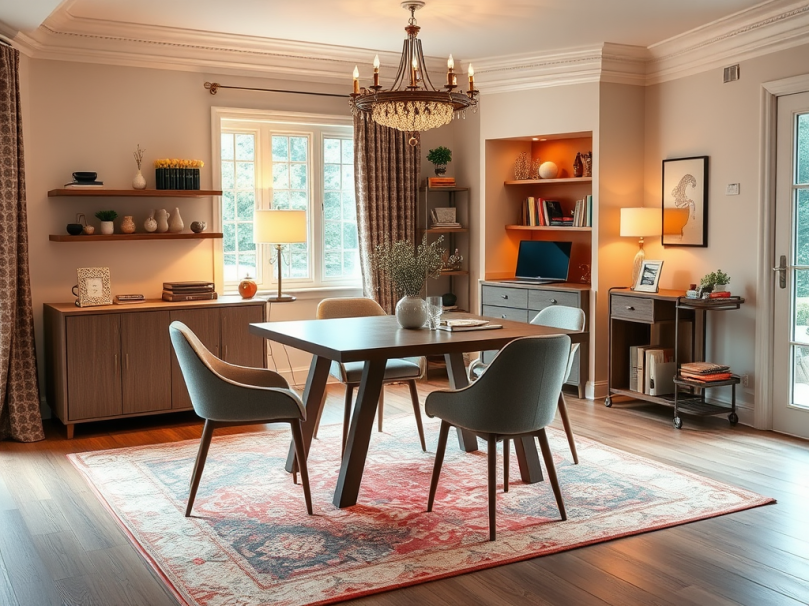
Add a sleek storage cabinet or console to hide away office supplies when not in use. Choose a dining table that doubles as a spacious desk, and use stylish organizers that blend into your decor. Bonus: You’ll never have to “clear the dining table” to take a Zoom call again.

2. Use Built-In or Modular Storage
Built-in shelves or modular bookcases can instantly transform your dining space into a mini library or display area. Use woven baskets, lidded bins, or labeled boxes to keep things organized. It’s functionality disguised as decor.

3. Add a Bar Cart or Coffee Station
If you have extra wall space, a bar cart or coffee station adds charm and utility. It turns your dining room into a morning coffee nook or evening entertainment zone—without taking up much room.

4. Make It a Homework or Craft Zone
Family dinners and creative sessions can coexist! Keep placemats or a protective tablecloth handy, and stash craft supplies in nearby drawers. Just like that, your dining room becomes a kid-friendly creativity station.

5. Choose Flexible Furniture
Go for extendable dining tables, foldable chairs, or benches with hidden storage. This gives you the flexibility to expand or minimize your setup depending on your needs for the day—dinner party or design project.

6. Use Lighting and Rugs to Zone the Space
Layer your lighting with a chandelier above the dining table and a floor lamp in the reading or working corner. A large area rug can define the dining zone, while another smaller one can set apart a reading nook or workspace. This visual separation helps the room feel intentional and organized.

Tips for Keeping It Stylish

  • Color Cohesion: Stick to a consistent color palette to make the room feel unified, no matter how it’s used.
  • Hide Clutter: Storage furniture with doors or curtains can help hide non-dining items when guests come over.
  • Keep It Flexible: Avoid overly permanent installations. The goal is adaptability!

Final Thoughts

So, is it conventional to use your dining room in multifunctional ways? Today, it’s not only conventional—it’s smart, stylish, and in some cases, essential. With a little creativity and thoughtful design, your dining room can be both the heart of family meals and the hub of daily life.


Is Setting the Table an Everyday Thing? How to Dress Your Table Casually for Daily Use


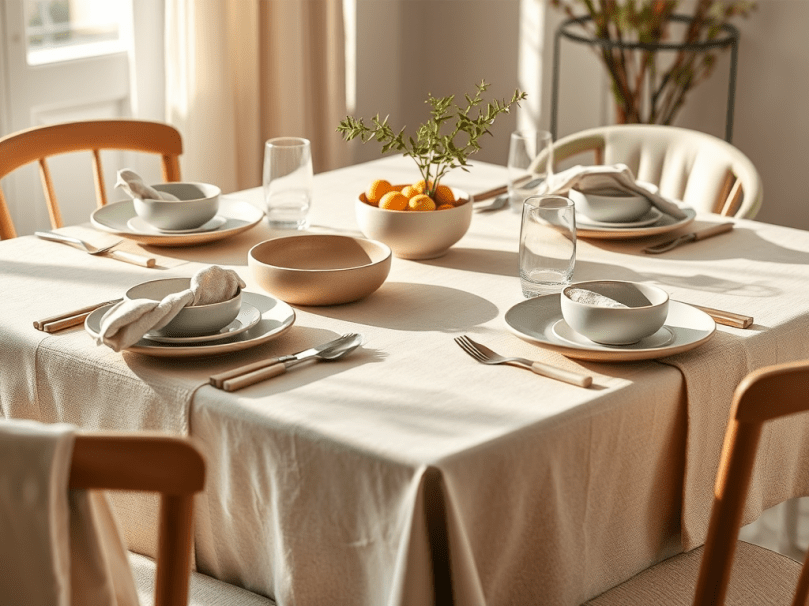
Setting the table isn’t just for holidays and special dinners anymore. In fact, creating a casually styled, everyday-ready table is one of the simplest ways to bring a sense of order, comfort, and beauty into your home. Whether you’re eating solo, feeding a busy family, or working from your kitchen table, a dressed table can make your daily routine feel more intentional—and even more enjoyable.

So, is setting your table an everyday thing? It absolutely can be! But it doesn’t have to mean fine china and polished silverware. With a few simple touches, your table can look inviting and stay functional every day of the week.


Why Set the Table Daily?

Think of it as part of your home’s rhythm—just like making your bed or lighting a candle in the evening. A clean and styled table can:

  • Create a visual anchor for your dining area
  • Encourage sit-down meals and conversation
  • Reduce clutter and discourage it from becoming a drop zone
  • Add a personal, cozy element to your kitchen or dining room

It’s not about perfection. It’s about creating a little beauty in the everyday.


How to Dress Your Table in a Casual Way for Daily Use

You don’t need layers of chargers and crystal glasses to make your table shine. A casual setup should be easy to maintain and quick to reset after each use. Here’s how to keep it simple and stylish:

1. Use a Neutral Base

Start with a table runner, placemats, or a washable tablecloth in a neutral tone. Linen or cotton options work well and are easy to clean. These add texture and set a cozy foundation.

2. Keep It Minimal

Stick to everyday dishes, flatware, and glasses. A set of stoneware plates, basic cutlery, and short tumblers can look beautifully styled when presented with care.

3. Add a Centerpiece (That You Can Leave Out)

Try a low-maintenance centerpiece like a small plant, a bowl of fruit, a simple tray with a candle, or even a stack of cookbooks. Keep it compact enough that it doesn’t interfere with meals.

4. Incorporate Soft Textiles

Cloth napkins in a solid color or subtle pattern add a soft, elevated touch to everyday meals. Keep a small basket of them nearby for easy swaps between washes.

5. Mix in Personality

Add something that reflects your style—like rustic salt and pepper shakers, hand-thrown pottery, or vintage glassware. Small details like these make your table feel personal and warm.


What Should Always Be on Your Table?

While your setup can rotate with seasons or moods, there are a few basics that help keep your table ready to go:

  • A centerpiece (plant, flowers, tray, or candle)
  • Napkins or napkin holder
  • Salt and pepper set or seasoning staples
  • Coasters or placemats
  • A table runner or cloth for easy cleanup

Bonus: Keep a small basket or drawer near the table with extra essentials like extra napkins, wet wipes, or kids’ silverware to make resets a breeze.


Final Thoughts

Setting your table daily doesn’t need to be a chore—it can be a mindful, joyful practice. By creating a casual yet cohesive setup, you’re turning your everyday meals into moments of comfort and connection. Whether you’re starting your morning with coffee or sitting down for a weeknight dinner, a thoughtfully dressed table makes it feel just a little more special.


How to Choose the Right Dining Room Chairs to Match Your Table: A Personal Journey


At first, I thought, No big deal—I’ll just grab a few chairs that sort of match and call it a day. But once that table arrived in my dining room, I realized this was no time for a “sort of” solution. The table set the tone for the whole space, and the chairs needed to be just as perfect.

The Chair Hunt Begins

So began my surprisingly emotional journey to find the right dining chairs. Here’s what I learned along the way, and how you can find the perfect chairs to match your dining room table, without losing your mind (or your style).


1. Consider the Table Style and Finish

My table had a warm, natural wood finish and a farmhouse feel, so I knew I wanted chairs that wouldn’t clash. If your table is sleek and modern, upholstered or metal chairs could be the way to go. If it’s more traditional, classic wooden chairs with curved backs might be ideal.

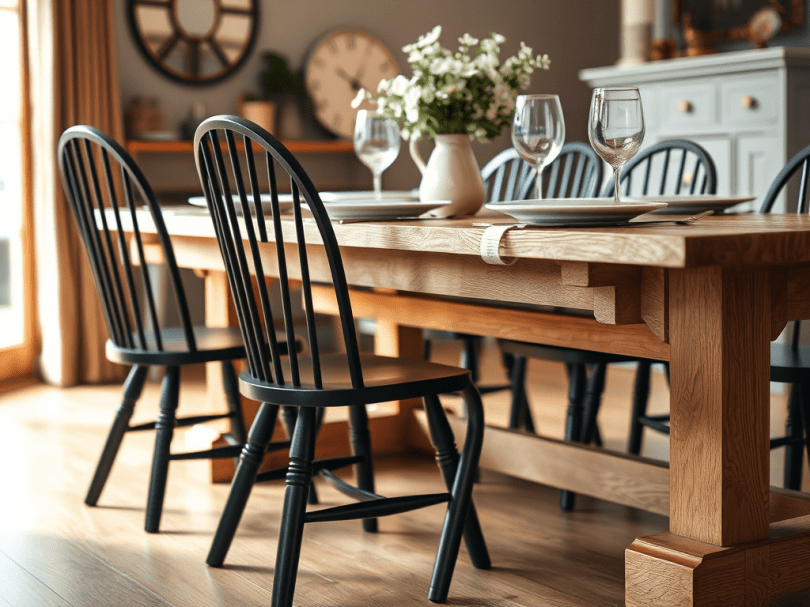
Tip: You don’t have to be matchy-matchy. Mixing styles can be beautiful—as long as the materials or colors complement each other. For example, I ended up choosing black spindle-back chairs with a matte finish. The contrast with the oak was subtle but made the whole setup feel fresh and intentional.


2. Check the Seat Height

Don’t assume all dining chairs will fit under your table. Measure your table height and make sure the seat height of the chairs allows for comfortable legroom—ideally 10–12 inches between the seat and the tabletop. I almost bought a set of gorgeous velvet chairs that turned out to be more “lounge” than “dine.” Lesson learned!


3. Comfort Matters—Always

Functionality can’t be overlooked. If you host dinners or work from your dining table like I do, the chairs need to be comfortable. I recommend testing them in-store if possible or checking reviews if ordering online. I sat in so many chairs before finding the ones that offered support and style.


4. Think About How Many You Need

How many people usually sit at your table? Do you need space for guests? My table seats six comfortably, but I only had space for four chairs most of the time. I chose four statement chairs and bought two folding, upholstered chairs that could be stored and pulled out when needed. It’s a great space-saving trick!


5. Blend or Pop?

Decide if you want the chairs to blend in or make a statement. Since my table was such a strong focal point, I wanted chairs that complemented without overpowering. But I’ve seen some stunning rooms where the chairs were the bold element—like teal velvet or sculptural black metal.


Final Thoughts: It’s About Your Style

In the end, choosing dining room chairs is like choosing shoes for a great outfit. They can dress it up, tone it down, or add personality. My dining area now feels cohesive, warm, and inviting—every time I sit down for a meal, I’m reminded of how worth it the search was.

So take your time. Trust your gut. Mix and match if you want. It’s your dining room, and the perfect chairs are out there, just waiting to join the table you love.


How to Choose the Right Dining Table for Your Family (And What Happens If You Don’t!)

Choosing the right dining table is like picking a family pet—you want one that fits your lifestyle, can handle a little chaos, and won’t cause unnecessary stress. The dining table is the heart of your home, where meals are shared, stories are told, and memories are made. But if you pick the wrong one, you might end up with some unexpected (and hilarious) consequences!

1. Size Matters (Seriously!)

Before you fall in love with a table, measure your dining space. You need enough room to pull chairs out comfortably and move around without bumping into walls, furniture, or each other. If you have a small space, consider an extendable table or a round one to maximize seating without cramping your style.

2. Shape Up: Round, Rectangular, or Square?

  • Rectangular: The most traditional and ideal for larger families or formal dining rooms.
  • Round: Perfect for smaller spaces and encourages conversation (no awkward seat assignments!).
  • Square: Great for cozy dinners and modern aesthetics but might not be ideal for larger gatherings.

3. Material Matters

  • Wood: Durable and classic, but can scratch or stain if not properly cared for.
  • Glass: Stylish and modern, but shows every fingerprint and requires frequent cleaning.
  • Metal: Industrial and sleek, but can feel cold without the right decor.
  • Marble: Stunning but heavy and high-maintenance (a single spill can cause heartbreak).

4. Think About the Kids (and the Mess!)

If you have young children, avoid high-maintenance materials like glass or marble unless you enjoy stress-cleaning after every meal. A solid wood or laminate table is a more forgiving option for spills, scratches, and unexpected crayon masterpieces.

5. The Seating Situation

Some tables come with matching chairs, while others require you to mix and match. Bench seating is a great space-saving option for kids, but not everyone enjoys scooting in and out every time they need to stand up. Make sure your chairs are comfortable because mealtime should be enjoyable, not a test of endurance.


A Cautionary Tale: The Great Dining Table Disaster

Meet Greg. Greg is a dad of three, and in an effort to impress his wife and show off his “interior design skills,” he impulsively bought a beautiful, ultra-modern glass dining table. It was sleek, stylish, and completely impractical for his family of five (which included a toddler known for throwing food like a medieval catapult).

The first meal at the new table? A disaster. Within minutes, little Tommy managed to leave a trail of spaghetti sauce and mashed peas that clashed horribly with the pristine glass. The clinking of plates sounded like an earthquake, and Greg’s wife nearly had a heart attack every time someone placed a glass down too hard. Not to mention, every single fingerprint was visible from across the room.

After just a week of constant cleaning, nervous eating, and one near-catastrophic sippy cup drop, Greg surrendered. They sold the table on an online marketplace and bought a sturdy, farmhouse-style wooden table that could handle their chaos. Lesson learned: never choose aesthetics over functionality when you have kids!


Final Thoughts

Your dining table is an investment, so choose wisely! Consider your family’s needs, daily habits, and long-term plans before making a decision. Whether it’s a cozy round table for intimate dinners or a sturdy rectangular one for big family feasts, make sure it’s a table that works for you—not against you. And if you ever find yourself regretting your choice, just remember Greg and his glass-table disaster. Happy dining!