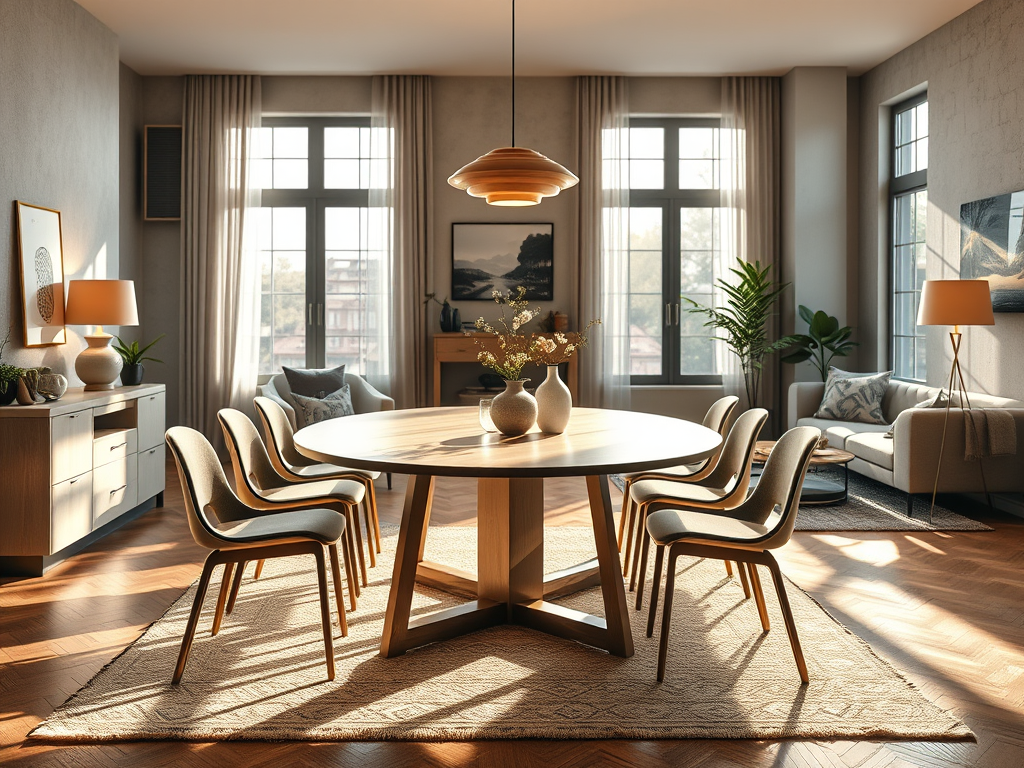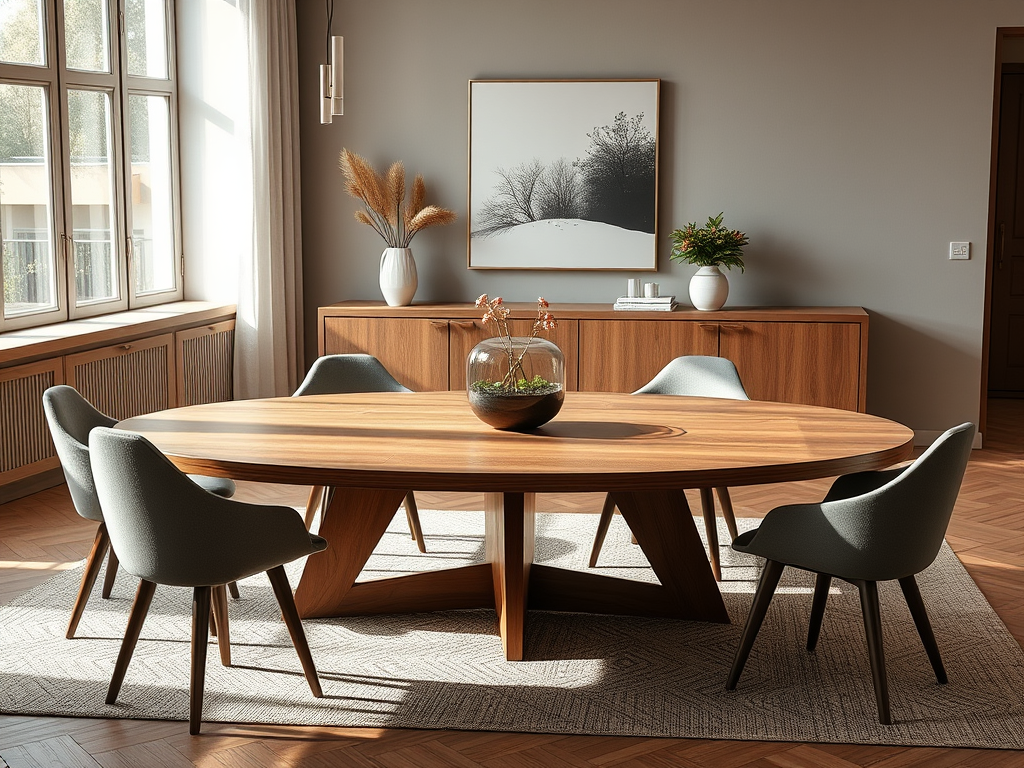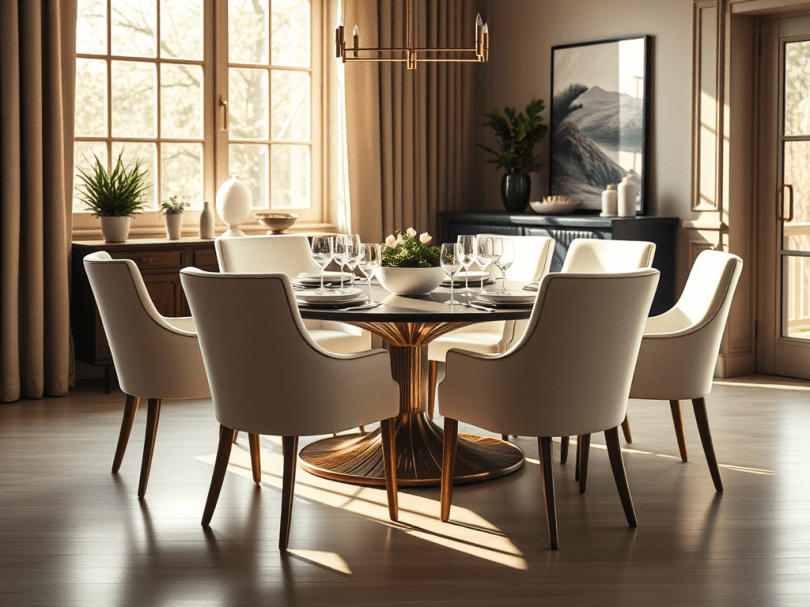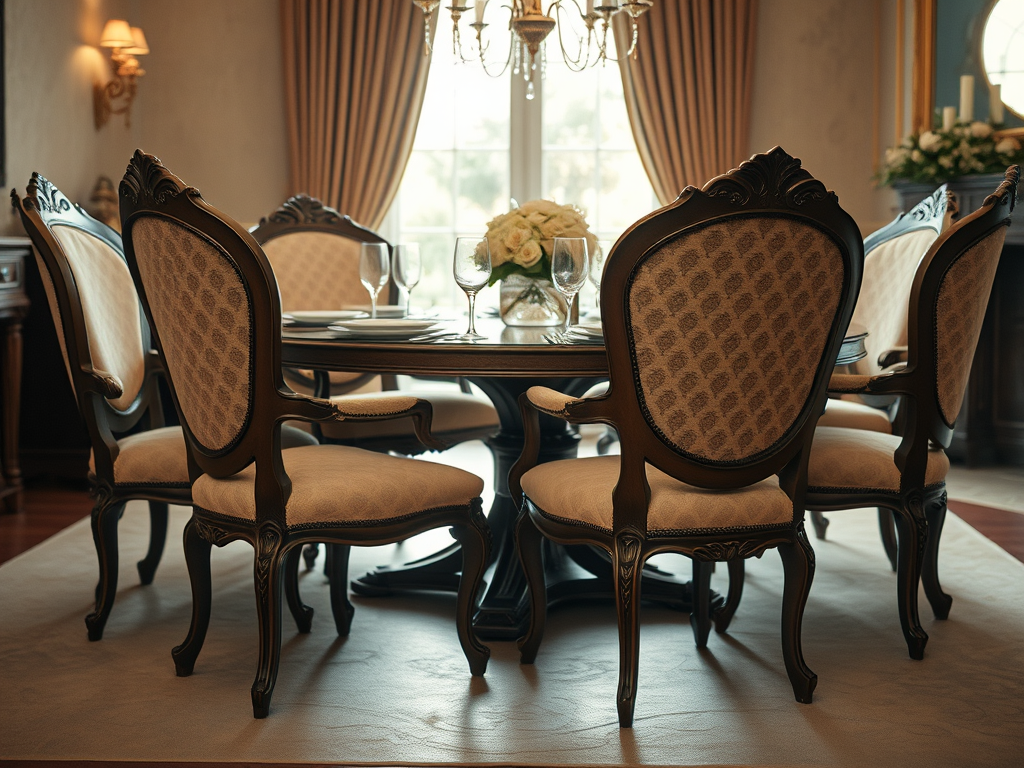

Finding the Perfect Dining Room Chairs to Complement Your Table

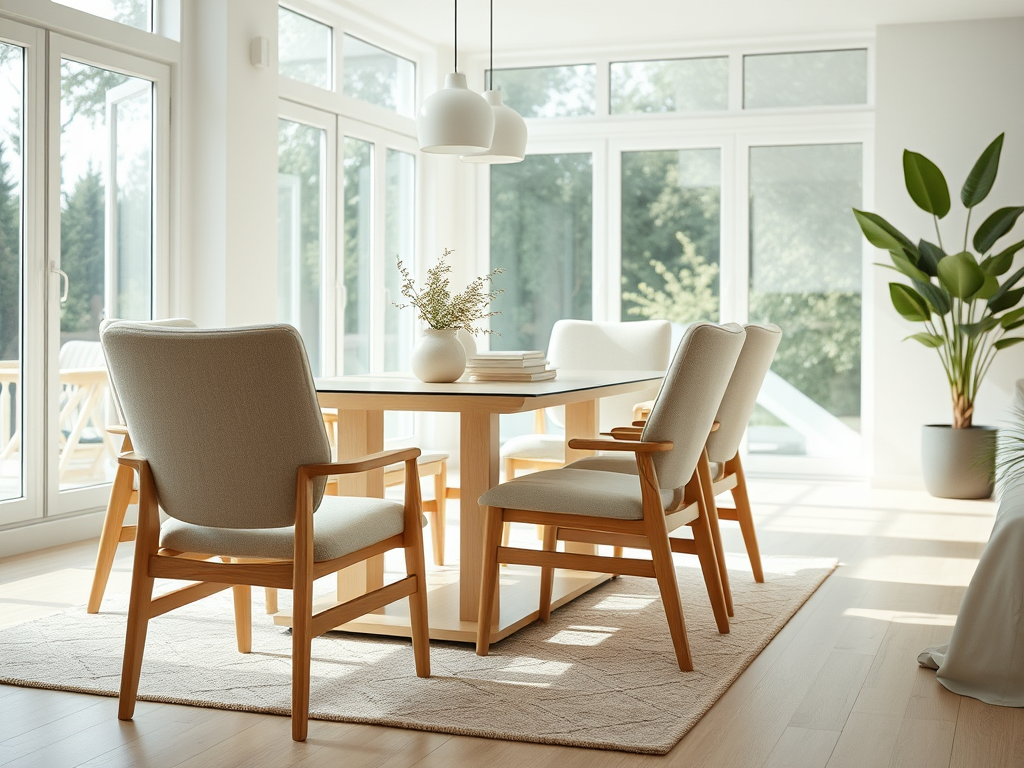
So, you’ve found the dining table of your dreams, but the chairs that came with it just aren’t your style. Maybe they’re uncomfortable, don’t match your vision, or just don’t fit the space. Whatever the reason, swapping out dining chairs is a fantastic way to personalize your dining area and enhance both comfort and aesthetics. But how do you choose the right ones? Here are some key factors to consider:
1. Consider Style and Aesthetic

Your dining chairs should complement your table without being an exact match. Here are a few ways to mix and match while maintaining cohesion:

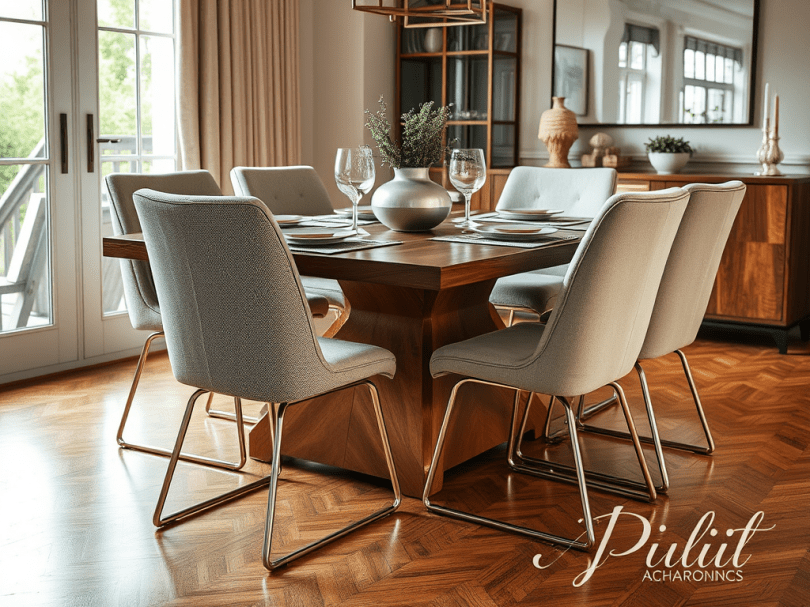
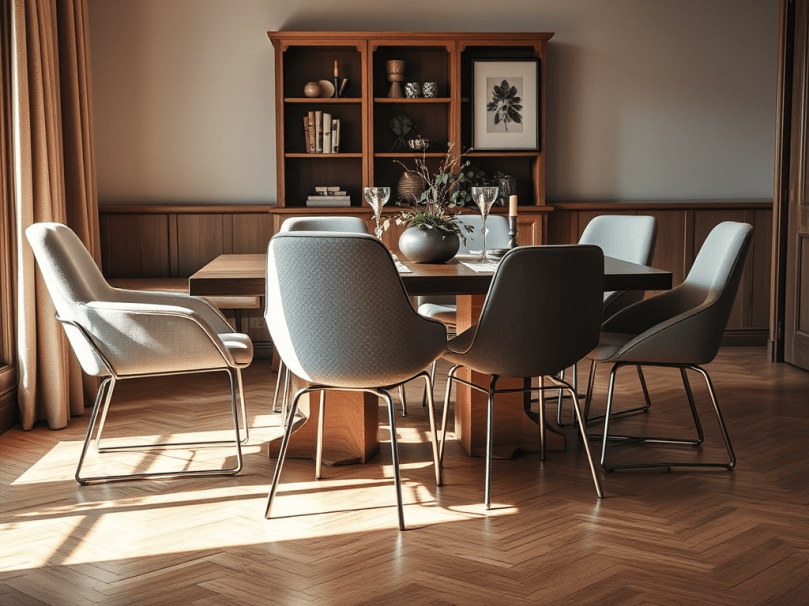
  • Contrast Materials: If your table is a solid wood piece, consider upholstered or metal chairs for a dynamic contrast.
  • Stay Within a Theme: If you love farmhouse style, opt for rustic wooden chairs. If your table is modern, sleek chairs with clean lines may work best.
  • Play with Color: Neutral chairs can tone down a bold table, while colorful or patterned chairs can add personality to a simple table.

2. Comfort Matters

Looks aren’t everything! Comfort is key for a dining chair, especially if you host dinner parties or have long meals. Consider:

  • Upholstered vs. Non-Upholstered: Upholstered chairs provide extra comfort but may require more maintenance.
  • Seat Depth and Height: Ensure the chairs fit well under your table and allow comfortable legroom.
  • Back Support: Higher backs offer more support, while lower backs can create a more casual look.

3. Mix and Match for a Custom Look

Don’t be afraid to mix different chairs for a curated, designer look. Some ideas:

  • Pair Different End Chairs: Use statement chairs at the head of the table and simpler ones for the sides.
  • Combine Materials: Wood, metal, and fabric chairs can work together if they share a common color or style.
  • Bench Seating: A long bench on one side can add variety and seating flexibility.

4. Proportion and Scale

Make sure your chairs are the right size for your table and room:

  • Width and Spacing: Leave at least 24 inches of space per chair so guests have enough elbow room.
  • Chair Height: The average seat height should be 18 inches, which pairs well with a standard 30-inch table.
  • Balance with Table Size: If you have a large, sturdy table, lightweight chairs may look out of place. Similarly, bulky chairs can overpower a delicate table.

5. Durability and Maintenance

Your chairs should be able to withstand daily use. Consider:

  • Material Choice: Wood and metal are durable options, while fabric and leather require extra care.
  • Easy-to-Clean Fabrics: If you have kids or pets, look for stain-resistant upholstery or wipeable surfaces.
  • Construction Quality: Solid wood or metal frames tend to last longer than particle board or plastic options.

6. Budget-Friendly Alternatives

If buying a full set of new chairs isn’t in your budget, consider:

  • Reupholstering Existing Chairs: A fresh fabric cover can completely transform a chair.
  • Painting or Staining Wooden Chairs: A coat of paint can make mismatched chairs feel cohesive.
  • Thrift Stores and Secondhand Finds: You can often find unique, high-quality chairs at a fraction of the price.
Final Thoughts

Dining chairs play a major role in both function and design. By focusing on style, comfort, proportion, and durability, you can create a dining space that truly reflects your taste. Whether you go for a coordinated look or an eclectic mix, choosing the right chairs will ensure your dining area feels inviting and stylish. So, start exploring and find the perfect chairs to complement your dream table!
How to Create a Dining Space Without a Designated Dining Room

Not every home comes with the luxury of a dedicated dining room. If you’re living in a smaller space or an open-concept layout, finding a spot to enjoy meals can feel tricky. But with a little creativity and strategic design, you can carve out a beautiful, functional dining area that fits seamlessly into your home. Here’s how to make it happen:

1. Utilize a Kitchen Nook

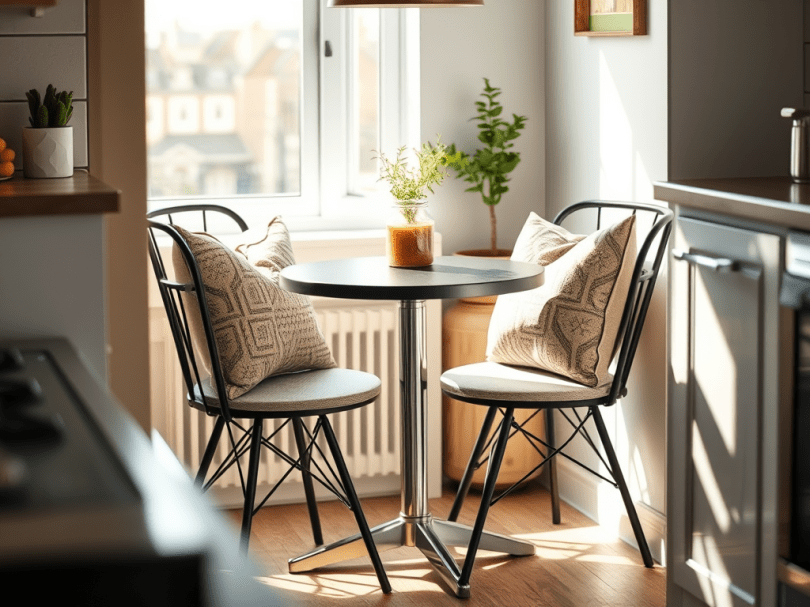
Look around your kitchen. Is there an empty corner or a small nook? Even the tiniest space can become a cozy dining spot. Consider a small bistro table and chairs, or a corner bench with a rectangular table. Adding cushions and decor will help define the area and make it inviting.

2. Multifunctional Furniture

Invest in a drop-leaf table or an extendable dining table that can double as extra counter space or a work area when not in use. Foldable chairs can be tucked away to save space and brought out when it’s time for a meal.

3. Maximize Your Living Room

If your living room is spacious enough, designate one corner for dining. A round table can soften the area, and a rug underneath will anchor the space, making it feel intentional rather than accidental. Use a pendant light or a floor lamp above the table to add further definition.

4. Breakfast Bar or Island Seating

If you have a kitchen island or counter, add bar stools to create a casual dining area. This option works well for quick meals or small gatherings. Choose stools that complement your kitchen design to create a cohesive look.

5. Transform a Wall or Alcove

A wall-mounted drop-leaf table can be folded down when needed and stored flat when not in use. Alternatively, turn a built-in alcove or unused wall space into a dining zone by adding a small table and a bench. Shelving above can serve as storage for dishes or decor.

6. Use Room Dividers

Create a subtle separation between your dining area and other parts of your home using a stylish room divider, bookshelf, or curtain. This can give the illusion of a designated dining space without requiring extra square footage.

7. Balcony or Outdoor Dining

If you have a balcony or patio, take advantage of the outdoor space. A small outdoor dining set can be a charming solution for meals, especially during warmer months. String lights or potted plants can enhance the ambiance.

8. Blend with Existing Furniture

Incorporate your dining area into your existing furniture layout. A coffee table that raises into a dining table or a console table that expands can serve multiple functions while saving space.

9. Floating Shelves and Compact Storage

Utilize vertical space by installing floating shelves for plates, glasses, and other dining essentials. This keeps your dining area functional and organized without taking up valuable floor space.

Final Thoughts

Creating a dining space without a dedicated dining room requires a blend of functionality and design. By repurposing existing spaces, investing in versatile furniture, and using creative layouts, you can enjoy meals comfortably and stylishly, no matter the size of your home.

How to Choose the Perfect Dining Room Table: Round, Square, Oval, or Rectangle?

The dining room table is the centerpiece of your dining space—a place where meals are shared, memories are created, and connections are deepened. But choosing the perfect table can be challenging with so many shapes, sizes, and styles to choose from. Should you go for a round table to foster conversation or a rectangular one for a large family? Let’s break it down to help you make the best choice for your home.


1. Consider the Size of Your Space

Before deciding on the shape of your dining table, evaluate the size of your dining room. Measure the dimensions of the space and consider:

  • Room flow: You need at least 3 feet of clearance around the table for chairs to be pulled out comfortably.
  • Number of seats: Will you need seating for 4, 6, or 10 people? A larger room naturally accommodates a larger table.

Once you’ve nailed down the size constraints, it’s time to consider shape!


2. Round Tables: Great for Small Spaces and Intimate Gatherings

A round table is a fantastic option for smaller dining rooms or kitchens because it takes up less visual space and eliminates sharp corners. This shape works especially well when you want to create a cozy and inviting atmosphere.

Pros:

  • Ideal for small to medium-sized rooms
  • Promotes conversation, as everyone is equally spaced
  • No sharp corners, making it family-friendly

Cons:

  • Doesn’t fit well in narrow or rectangular rooms
  • Limited seating capacity as the table grows larger

Best For: Apartments, breakfast nooks, or households that value intimate dining experiences.


3. Square Tables: Perfect for Square Rooms

Square tables provide symmetry and balance, making them a natural choice for square dining rooms. They create a modern and compact look while offering plenty of seating.

Pros:

  • Great for smaller, square-shaped rooms
  • Offers a clean and contemporary aesthetic
  • Works well for 2 to 4 people

Cons:

  • Can feel cramped for larger gatherings
  • Not ideal for long or narrow spaces

Best For: Compact dining rooms or spaces that double as multi-use areas.


4. Oval Tables: A Softer Take on Rectangle

Oval tables combine the benefits of round and rectangular tables. They offer a softer, more elegant look while still accommodating larger groups.

Pros:

  • Great for narrow dining rooms
  • No sharp corners, which is safer for kids
  • Seats more people than a round table of the same width

Cons:

  • Might not work well in very small rooms
  • Less formal than rectangular tables

Best For: Long, narrow spaces or homes that want a mix of elegance and functionality.


5. Rectangular Tables: The Classic Choice for Large Spaces

Rectangular tables are the most common and versatile option for dining rooms. They work especially well in larger or more formal spaces.

Pros:

  • Ideal for long dining rooms or open spaces
  • Perfect for accommodating large families or hosting dinner parties
  • Can pair easily with benches for added seating

Cons:

  • Not suitable for smaller or square rooms
  • Can feel less intimate for smaller groups

Best For: Large families, formal dining rooms, or homes with open-concept layouts.


6. Other Factors to Consider

Material:

  • Solid wood tables are durable and timeless.
  • Glass tables can make a space feel open and airy.
  • Metal or marble tables provide a modern, industrial look.

Seating Options:

Pairing your table with the right chairs (or benches) can optimize space and style. For example:

  • Benches work well with rectangular tables for a relaxed, rustic vibe.
  • Upholstered chairs add comfort and elegance to any table shape.

Functionality:

Consider an extendable table if you often host guests but don’t need a large table daily.


Final Thoughts

Choosing the right dining table shape comes down to the size of your room, your seating needs, and the overall vibe you want for your dining area. Whether you opt for a cozy round table, a sleek square design, an elegant oval table, or a classic rectangular one, your dining table should reflect your style and fit seamlessly into your home.

Take your time to measure, consider your lifestyle, and visualize how each shape will work in your space—you’ll be enjoying meals and making memories around your perfect table in no time!

Breakfast Bar Chairs: Trends, Styles, and Color Choices for a Perfect Kitchen Seating Setup

Breakfast bars have become an essential feature in modern kitchens, providing a casual spot for meals, gatherings, or even a cozy coffee corner. The right breakfast bar chairs can enhance the functionality and style of your kitchen, so if you’re looking to update your seating, here’s a guide to the latest trends, popular styles, and color choices that make a real statement.

This blog includes affiliate links we may earn paid commissions if you choose to make a purchase after clicking a link, at no additional cost to you.

Trends in Breakfast Bar Chairs

  1. Minimalist Metal and Wood Combinations
    Sleek, minimalist designs are in, with a focus on mixed materials, especially wood and metal. Metal frames add an industrial touch, while natural wood seats bring warmth, creating a look that’s both modern and timeless.
  2. Upholstered Comfort
    Upholstered breakfast bar chairs are making a splash for those who want a little extra comfort. Options range from leather and velvet to faux fur, adding plushness to kitchens that feel more like an extension of the living space.
  3. Sustainable Materials
    Sustainability is increasingly important, with eco-friendly materials such as reclaimed wood and bamboo being popular for breakfast bar seating. Many designers are opting for chairs crafted with low-impact materials, offering both style and environmental consciousness.
  4. Backless Designs
    For kitchens with a sleek, contemporary vibe, backless bar stools provide a streamlined, space-saving solution. They’re especially practical in smaller spaces since they can be easily tucked under the breakfast bar when not in use.
  5. Bold Color Choices
    Neutral is still popular, but bold colors are on the rise, especially in monochrome or two-tone designs. From bright blues to mustard yellows, color adds a playful yet sophisticated feel to the kitchen.

Popular Styles for Breakfast Bar Chairs

  1. Industrial Style
    Featuring metal frames, exposed hardware, and sometimes distressed finishes, industrial-style bar chairs have become a go-to for kitchens aiming for an edgy yet warm aesthetic. Metal or leather seats enhance the look while offering durability.
  2. Scandinavian Simplicity
    Scandinavian-style breakfast bar chairs are known for their simplicity, often crafted from light wood with clean, functional lines. Soft, pastel upholstery or leather seats add a subtle warmth to kitchens that favor a lighter, more open ambiance.
  3. Farmhouse or Rustic
    For those who love a bit of vintage charm, farmhouse-style breakfast bar chairs bring that cozy, rustic feel. Typically crafted from reclaimed wood and sometimes with metal or iron details, these chairs add a homey, welcoming touch to any kitchen.
  4. Mid-Century Modern
    This style brings in classic, angular lines with rounded edges and tapered legs, often paired with leather or fabric upholstery. Mid-century modern chairs work well in various kitchen designs, offering a subtle retro vibe that’s undeniably chic.
  5. Modern Luxe
    Velvet upholstery, gold accents, and refined silhouettes characterize the modern luxe trend. These chairs make a statement, adding an air of sophistication with plush textures and elegant finishes, perfect for kitchens that are as much about style as functionality.

Color Choices and Their Impact

  1. Classic Black and White
    Black and white bar chairs are timeless and versatile, fitting seamlessly into nearly any kitchen design. Black brings a sleek, bold touch, while white offers a fresh, airy feel.
  2. Neutral Shades
    Neutral colors like beige, grey, and taupe are popular choices for a subtle, minimalist look. They add warmth without overwhelming the space, allowing other elements of the kitchen, like countertops and cabinetry, to shine.
  3. Bold, Pop Colors
    Adding a pop of color like teal, mustard, or red creates a focal point in the kitchen and brings an energetic feel to the room. These colors work particularly well with minimalist designs, where the chairs can take center stage.
  4. Earthy Tones
    Earthy greens, browns, and terracotta shades are gaining popularity, as they connect well with natural materials and create a grounded, organic look. These colors add warmth and blend well with wooden accents, bringing an earthy elegance to the kitchen.
  5. Metallics and Jewel Tones
    If you’re looking for a luxe upgrade, consider chairs with metallic finishes (like brass or chrome) or jewel tones such as emerald green or sapphire blue. These colors work beautifully in kitchens that aim to merge classic elegance with contemporary trends.

Choosing the Right Breakfast Bar Chairs for Your Kitchen

Consider your kitchen’s existing design and color palette before choosing the chairs. Here are a few additional tips to help:

  • Height Matters: Ensure that your bar chair height complements your counter height. Standard breakfast bar chairs are typically 28–30 inches high, but it’s always best to measure.
  • Swivel or Stationary: Swivel chairs can be more functional for moving around but may not suit everyone’s design preference.
  • Materials: Consider the maintenance of each material. For example, leather and upholstered seats are more comfortable but may need extra cleaning compared to wooden or metal options.
  • Footrests and Back Support: For comfort during longer seating periods, opt for chairs with backrests and footrests.

My Recommendations

Final Thoughts

Breakfast bar chairs are no longer just functional; they’re an extension of your kitchen’s style and personality. From industrial to farmhouse, the styles and color options are endless, giving you the flexibility to create a kitchen seating area that feels uniquely yours. So, whether you prefer sleek and minimalist, cozy and rustic, or bold and luxurious, there’s a bar chair trend out there ready to elevate your space.

Stylish Dining Chairs: Comfort Meets Design

The dining room is the heart of your home—a place where meals are shared, stories are told, and memories are created. To create a space that is not only functional but also inviting, it’s important to choose the right dining room chairs. Whether you’re looking for a classic, modern, or eclectic style, the right chairs can make all the difference. Here’s a guide to help you choose the best dining room chairs for your space.

This blog includes affiliate links we may earn paid commissions if you choose to make a purchase after clicking a link, at no additional cost to you.

1. Determine Your Style

The first step in choosing dining room chairs is identifying the style of your dining space. Your chairs should complement your table and the overall aesthetic of your dining room. Here are a few popular styles to consider:

  • Traditional: Look for chairs with ornate details, rich wood finishes, and plush upholstery for a classic feel. These chairs work well in formal dining rooms and can add an air of elegance to your space.
  • Modern: Clean lines, minimalistic shapes, and materials like metal and molded plastic characterize modern chairs. They work great in contemporary dining rooms and pair well with glass or sleek wooden tables.
  • Rustic/Farmhouse: If you prefer a cozy, lived-in look, consider farmhouse-style chairs. These chairs are often made from distressed wood and can include features like cross backs or upholstered seats to enhance comfort.
  • Eclectic: For a more creative, personalized touch, consider mixing different styles and colors of chairs. This approach works well in bohemian or transitional spaces, giving your dining area a unique character.

2. Comfort is Key

Your dining chairs should be as comfortable as they are stylish, especially if you enjoy lingering at the table for long meals or hosting guests. Here are some factors to consider for comfort:

  • Seat Height: The ideal seat height is about 18 inches from the ground, allowing enough legroom between the chair and the dining table. Make sure there’s a gap of about 10-12 inches between the seat and the tabletop.
  • Seat Width and Depth: The seat should be wide enough to accommodate different body types comfortably. A width of 18-20 inches and a depth of 16-18 inches is usually sufficient.
  • Upholstery and Padding: Upholstered seats can add extra comfort, especially for long dinners. Choose materials like velvet, linen, or faux leather for a luxurious touch. Make sure the padding is firm enough to provide support without feeling too rigid.

3. Materials Matter

The material of your dining chairs will impact both their appearance and durability. Here are some options:

  • Wood: Wooden chairs are a classic choice that brings warmth to your dining space. Consider solid wood for durability or veneers for a more affordable option. Look for protective finishes to ensure the chairs are easy to clean.
  • Metal: Metal chairs can give a modern or industrial look to your dining room. They’re often lightweight and easy to move but make sure they’re sturdy and well-constructed to prevent wobbling.
  • Upholstered: Upholstered dining chairs provide comfort and style, but they may require more maintenance. Opt for stain-resistant fabrics if you have kids or frequently host guests.
  • Rattan or Wicker: For a relaxed, casual vibe, consider rattan or wicker chairs. These materials are great for adding texture to your dining area, especially if you’re aiming for a coastal or bohemian look.

4. Consider the Size of Your Space

Your dining room’s size will influence the type of chairs you choose. If you have a smaller space, look for chairs with a slim profile that won’t overpower the room. Clear acrylic or open-back chairs can make the room feel more spacious.

For larger dining areas, consider chairs with more visual weight, such as fully upholstered armchairs or chairs with intricate detailing. These types of chairs can make a statement and create a more intimate atmosphere around a large table.

5. Mix and Match or Uniform?

Another decision to make is whether to have all matching chairs or to mix things up. Here are some ideas:

  • Matching Set: A matching set of chairs gives your dining room a cohesive, symmetrical look. This works well for formal dining rooms or if you want to highlight other elements in the room, like a statement chandelier.
  • Mix and Match: Mixing different styles, materials, or colors of chairs can add a playful and eclectic feel to your dining area. To keep things cohesive, consider having a unifying element, such as using the same color palette or chair height.

6. Don’t Forget About Maintenance

Dining room chairs can be subjected to spills, especially if you have kids or frequently entertain. When choosing chairs, consider how easy they are to clean:

  • Wood and Metal: Both are relatively easy to wipe down and maintain. However, metal chairs may require special cleaners to avoid tarnishing.
  • Upholstered Chairs: Look for chairs with removable seat covers or stain-resistant fabric. Alternatively, consider using slipcovers that can be taken off and washed as needed.

7. Test Before You Buy

If possible, it’s always a good idea to test dining chairs before purchasing them. Sit in the chair to see if it feels comfortable and supportive. Check for stability and ensure the chair doesn’t wobble. If you’re buying online, read customer reviews for insights on comfort, quality, and ease of assembly.

Product Recommendations

Here are a few recommended dining chair options for different styles:

  • For a Modern Look: The Eames Molded Plastic Chairs is a classic choice with clean lines, perfect for modern dining rooms. It’s lightweight, easy to clean, and available in a variety of colors. https://amzn.to/4eUXNji
  • For a Farmhouse Feel: The Cross Back Wooden Dining Chairs is ideal for a rustic or farmhouse setting. The distressed wood finish adds warmth and charm to your dining area. https://amzn.to/3YgQaOx
  • For Comfort and Luxury: The Velvet Upholstered Dining Chairs with tufted detailing provides both comfort and a touch of luxury, perfect for those long family dinners. https://amzn.to/3XUcMDc
  • For Space-Saving: If space is an issue, the Acrylic Ghost Chairs is a great choice. It’s visually lightweight, which helps to create the illusion of more space while adding a chic, modern touch. https://amzn.to/3U2j96r

Conclusion

Choosing the best dining room chairs can transform your dining space from merely functional to fabulously stylish. By focusing on your personal style, comfort, materials, space, and maintenance, you can find the perfect chairs that make every meal a special occasion. Whether you opt for a uniform set or decide to mix and match, the right dining chairs will help create a welcoming environment where everyone wants to gather.