
How to Choose the Right Dining Room Table for Your Space


Choosing the right dining room table is about more than just picking a piece that looks nice. It’s a balance of size, shape, style, and function — all tailored to your space and lifestyle. Whether you’re furnishing a brand-new home or updating your current dining area, the right table can transform the way your space looks and feels.

1. Consider Your Space First

Start with measurements. Before you fall in love with a table, know exactly how much space you have to work with. A good rule of thumb: allow at least 36 inches of clearance around the table so guests can move comfortably.

Ask yourself:

  • Is your dining room enclosed or open-concept?
  • Do you use your dining space every day or only for special occasions?
  • Do you need extra room for guests during the holidays?

Smaller spaces benefit from round or square tables, which create a cozy vibe without wasting floor area. Larger rooms allow for rectangular or oval tables that seat more people and visually anchor the space.


2. Choosing the Right Shape

The shape of your table should work with both the size and layout of your room.

  • Round tables work well in small, square rooms and encourage conversation by keeping everyone at an equal distance.
  • Square tables are great for compact spaces and can double as a multipurpose area (think work-from-home or crafts).
  • Rectangular tables are ideal for long, narrow rooms and are the most common option for families or those who entertain often.
  • Oval tables soften the look of a rectangular room while offering similar functionality.

3. Picking the Right Size

Use this simple guide as a starting point:

Table SizeSeats
36-48″ round2-4 people
48-60″ round4-6 people
36×60″ rectangle4-6 people
36×72″ rectangle6-8 people
42×96″ rectangle8-10 people

Tip: If space is tight but you need flexibility, consider an extendable dining table.


4. Choosing the Right Color and Finish

Your dining table doesn’t have to match your kitchen cabinets or other furniture, but it should complement your overall design style. Here’s how to make it work:

  • Light woods (like oak, birch, or maple) create an airy, minimalist look and help small spaces feel more open.
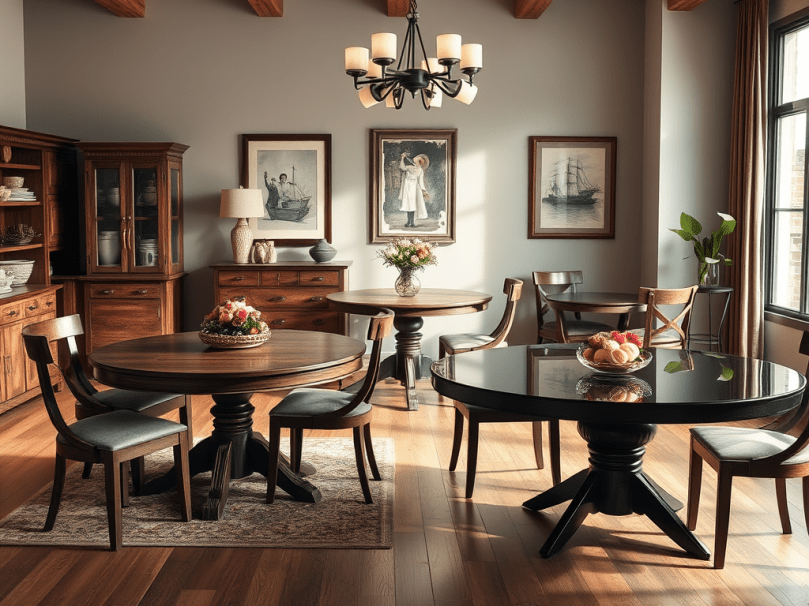
  • Dark finishes (like espresso or walnut) add richness and drama, perfect for traditional or modern luxe spaces.
  • Painted or distressed finishes add a farmhouse or coastal feel — especially in white, gray, or navy.
  • Glass or marble tops can modernize your dining area and make it feel more sophisticated.

Neutral tones offer longevity, while bolder colors (like a deep green or matte black) can serve as a stylish statement if the rest of your space is more muted.


5. Where to Shop for the Perfect Dining Table

Whether you’re shopping in person or online, there are options for every style and budget.

Online favorites:

  • Wayfair – A wide variety of styles with user reviews.
  • Article – Sleek, mid-century modern options with clean lines.
  • West Elm – Trend-forward pieces in modern and organic styles.
  • Amazon – Affordable and fast, especially for small spaces or starter homes.
  • Etsy – Great for handmade or reclaimed wood tables.

In-store options:

  • IKEA – Affordable and functional, ideal for small apartments.
  • Crate & Barrel / CB2 – Stylish and durable, often with matching chairs.
  • Local furniture stores or vintage shops – Unique finds and the ability to see pieces in person before buying.
Final Thoughts: Find What Feels Like Home

Your dining room table is more than just a place to eat — it’s where conversations happen, homework gets done, and holidays are celebrated. Choose a table that reflects your lifestyle, fits your space, and feels like home.

Mixing & Matching Dining Room Decor: How to Create a Cohesive Style That’s Uniquely Yours


www.discoveringlifellc.com | Discover Your Style. Live Your Life.

Your dining room is more than a space for meals—it’s a gathering place for connection, celebration, and comfort. But what happens when you’re drawn to more than one design style? Can a modern table coexist with farmhouse chairs? Can you combine vintage accents with a minimalist color palette?

Absolutely. Mixing and matching styles is not only possible—it’s a great way to make your dining room reflect your personality and lifestyle. Here’s how to blend multiple decor styles while keeping your dining space cohesive and thoughtfully styled.


Step-by-Step: How I Helped My Neighbor Mix Dining Room Styles (and Loved the Results)

A few months ago, a neighbor reached out to me feeling completely overwhelmed. She loved boho textures, modern shapes, and had inherited a few traditional pieces from her family—but had no idea how to make it all work in one space.

Here’s the process we used to bring her eclectic style to life:


Step 1: Discover Her Core Style & Favorite Pieces

We started by walking through her dining area and gathering everything she already had:

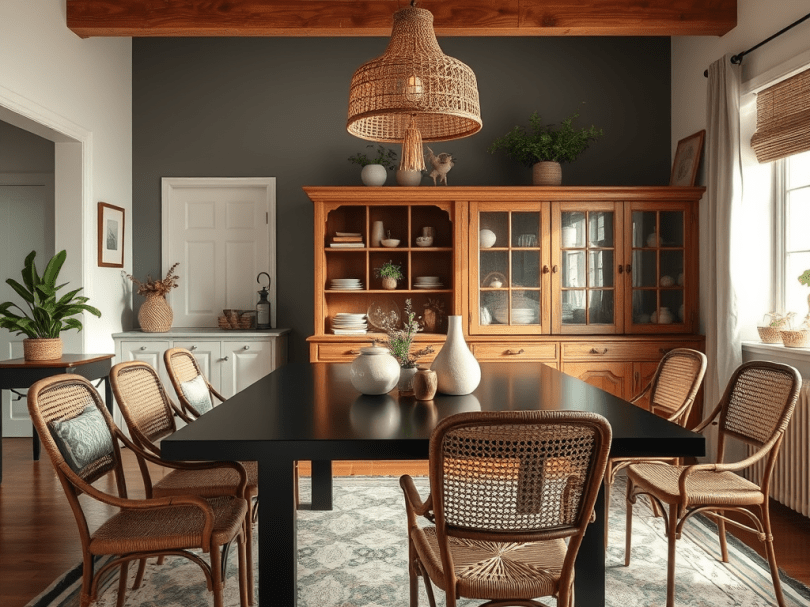
  • A sleek black modern dining table
  • Four cane-back boho chairs she scored at a thrift store
  • A large traditional wood hutch from her grandmother
  • A neutral area rug with subtle patterning
  • A few fun accessories: ceramic vases, vintage glassware, and woven placemats

We talked about how she wanted the room to feel: welcoming, a little artsy, but still clean and uncluttered.


Step 2: Choose a Color Palette

We pulled colors from her rug—warm creams, soft black, and muted greens—and made that our palette. To warm up the modern table and tie in the vintage hutch, we added accents in brass and natural wood tones.


Step 3: Rearrange for Balance

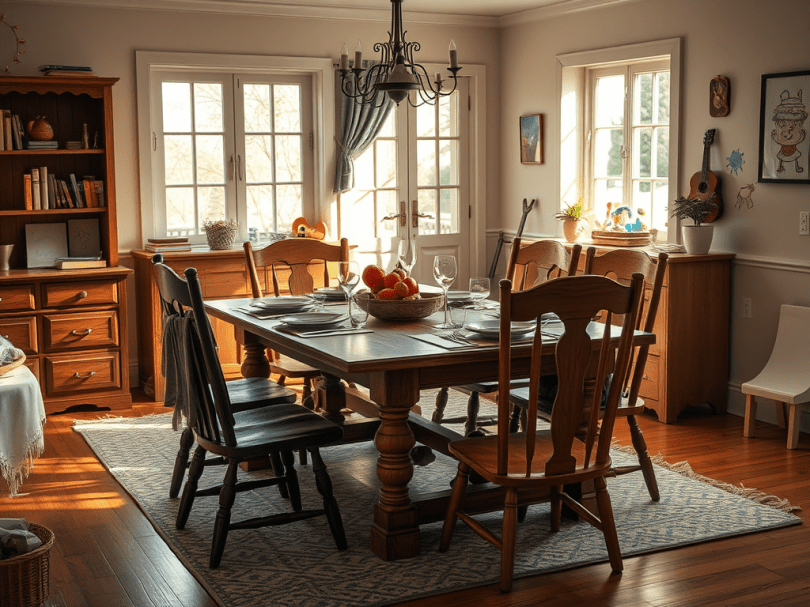
We centered the black table on the rug and flanked it with the boho chairs for contrast. The traditional hutch stayed in place but got a fresh coat of satin black paint to tie in with the table and give it a modern update without losing its charm.


Step 4: Layer in Mixed Materials

The table was modern, the chairs boho, and the hutch traditional—but it still needed unity. So we added:

  • A woven pendant light overhead to echo the chairs
  • Gold-toned cabinet pulls on the hutch to match a mirror frame
  • Linen curtains to soften the window area and bring in some lightness

Step 5: Accessorize Intentionally

We created a gallery wall using modern black frames and a mix of family photos and abstract art. On the hutch, we layered vintage glassware with a few minimal ceramics and greenery. For the dining table, we used a long runner in natural linen and added tapered candles in mixed-height holders—some vintage brass, some matte black.


The Final Look?

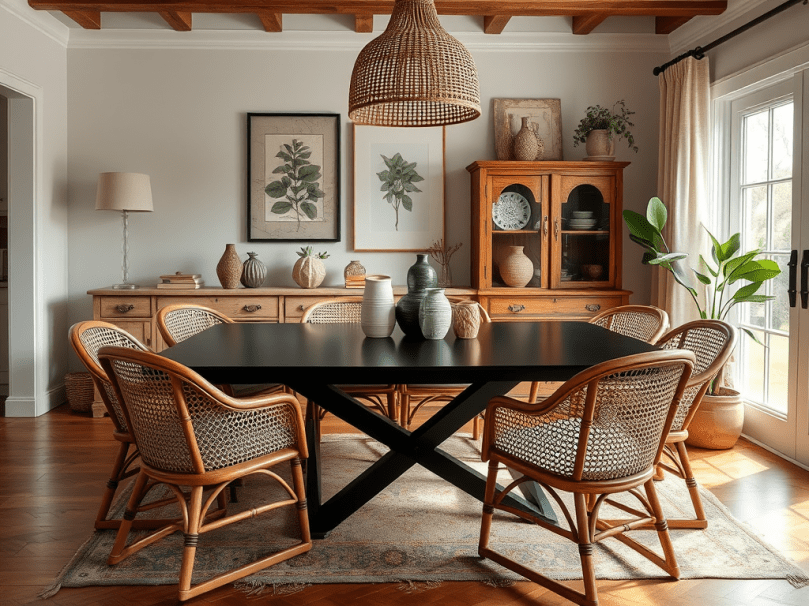
A warm, layered space that mixed modern structure, boho softness, and traditional warmth in a way that felt completely unique to her. She now calls it “the room that tells my story.”


Tips to Mix & Match Dining Room Styles in Your Own Home

Here’s how to apply the same ideas in your own space:


1. Start with a Foundation Piece

Whether it’s your dining table, a rug, or a buffet, choose one anchor piece that sets the tone. Use this as your visual guide for other elements.


2. Choose a Consistent Color Palette

Color is the glue that holds mixed styles together. Choose 2–3 main colors and 1–2 accent shades to repeat throughout the space.


3. Balance Proportions and Shapes

Make sure the sizes and shapes of your furniture and decor are in harmony. Contrast is good—just don’t let one element overpower the others.


4. Blend Materials Thoughtfully

Mix wood, metal, glass, linen—just do so with intention. Stick to 3–4 material types to keep the look cohesive.


5. Unify with Accessories

Use table runners, vases, lighting, and wall art to tie everything together. Repeating textures or finishes makes the space feel intentional.


6. Layer with Intention

Think in layers:

  • Base: Furniture and flooring
  • Middle: Curtains, lighting, chairs
  • Top: Art, plants, decor

7. Let Your Personality Lead

Your space should reflect you. The goal isn’t perfection—it’s connection. Use what you love, and design will follow.


Final Thoughts

Yes, you can mix styles in your dining room—and yes, it can look amazing. It’s all about creating a story through furniture, color, texture, and mood. Whether you lean modern, traditional, rustic, or boho, there’s a way to blend your favorite pieces into one beautiful, harmonious space.


Is Setting the Table an Everyday Thing? How to Dress Your Table Casually for Daily Use


Setting the table isn’t just for holidays and special dinners anymore. In fact, creating a casually styled, everyday-ready table is one of the simplest ways to bring a sense of order, comfort, and beauty into your home. Whether you’re eating solo, feeding a busy family, or working from your kitchen table, a dressed table can make your daily routine feel more intentional—and even more enjoyable.

So, is setting your table an everyday thing? It absolutely can be! But it doesn’t have to mean fine china and polished silverware. With a few simple touches, your table can look inviting and stay functional every day of the week.


Why Set the Table Daily?

Think of it as part of your home’s rhythm—just like making your bed or lighting a candle in the evening. A clean and styled table can:

  • Create a visual anchor for your dining area
  • Encourage sit-down meals and conversation
  • Reduce clutter and discourage it from becoming a drop zone
  • Add a personal, cozy element to your kitchen or dining room

It’s not about perfection. It’s about creating a little beauty in the everyday.


How to Dress Your Table in a Casual Way for Daily Use

You don’t need layers of chargers and crystal glasses to make your table shine. A casual setup should be easy to maintain and quick to reset after each use. Here’s how to keep it simple and stylish:

1. Use a Neutral Base

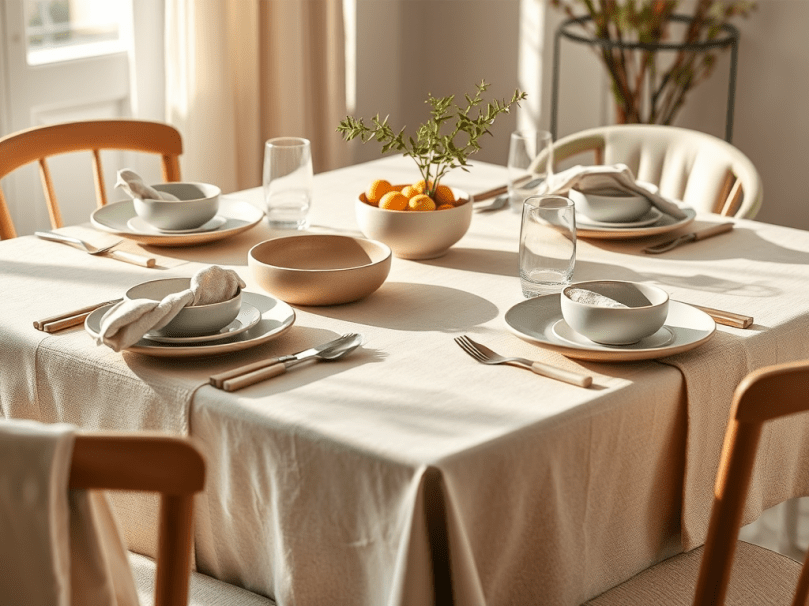
Start with a table runner, placemats, or a washable tablecloth in a neutral tone. Linen or cotton options work well and are easy to clean. These add texture and set a cozy foundation.

2. Keep It Minimal

Stick to everyday dishes, flatware, and glasses. A set of stoneware plates, basic cutlery, and short tumblers can look beautifully styled when presented with care.

3. Add a Centerpiece (That You Can Leave Out)

Try a low-maintenance centerpiece like a small plant, a bowl of fruit, a simple tray with a candle, or even a stack of cookbooks. Keep it compact enough that it doesn’t interfere with meals.

4. Incorporate Soft Textiles

Cloth napkins in a solid color or subtle pattern add a soft, elevated touch to everyday meals. Keep a small basket of them nearby for easy swaps between washes.

5. Mix in Personality

Add something that reflects your style—like rustic salt and pepper shakers, hand-thrown pottery, or vintage glassware. Small details like these make your table feel personal and warm.


What Should Always Be on Your Table?

While your setup can rotate with seasons or moods, there are a few basics that help keep your table ready to go:

  • A centerpiece (plant, flowers, tray, or candle)
  • Napkins or napkin holder
  • Salt and pepper set or seasoning staples
  • Coasters or placemats
  • A table runner or cloth for easy cleanup

Bonus: Keep a small basket or drawer near the table with extra essentials like extra napkins, wet wipes, or kids’ silverware to make resets a breeze.


Final Thoughts

Setting your table daily doesn’t need to be a chore—it can be a mindful, joyful practice. By creating a casual yet cohesive setup, you’re turning your everyday meals into moments of comfort and connection. Whether you’re starting your morning with coffee or sitting down for a weeknight dinner, a thoughtfully dressed table makes it feel just a little more special.


How to Choose the Right Dining Table for Your Family (And What Happens If You Don’t!)

Choosing the right dining table is like picking a family pet—you want one that fits your lifestyle, can handle a little chaos, and won’t cause unnecessary stress. The dining table is the heart of your home, where meals are shared, stories are told, and memories are made. But if you pick the wrong one, you might end up with some unexpected (and hilarious) consequences!

1. Size Matters (Seriously!)

Before you fall in love with a table, measure your dining space. You need enough room to pull chairs out comfortably and move around without bumping into walls, furniture, or each other. If you have a small space, consider an extendable table or a round one to maximize seating without cramping your style.

2. Shape Up: Round, Rectangular, or Square?

  • Rectangular: The most traditional and ideal for larger families or formal dining rooms.
  • Round: Perfect for smaller spaces and encourages conversation (no awkward seat assignments!).
  • Square: Great for cozy dinners and modern aesthetics but might not be ideal for larger gatherings.

3. Material Matters

  • Wood: Durable and classic, but can scratch or stain if not properly cared for.
  • Glass: Stylish and modern, but shows every fingerprint and requires frequent cleaning.
  • Metal: Industrial and sleek, but can feel cold without the right decor.
  • Marble: Stunning but heavy and high-maintenance (a single spill can cause heartbreak).

4. Think About the Kids (and the Mess!)

If you have young children, avoid high-maintenance materials like glass or marble unless you enjoy stress-cleaning after every meal. A solid wood or laminate table is a more forgiving option for spills, scratches, and unexpected crayon masterpieces.

5. The Seating Situation

Some tables come with matching chairs, while others require you to mix and match. Bench seating is a great space-saving option for kids, but not everyone enjoys scooting in and out every time they need to stand up. Make sure your chairs are comfortable because mealtime should be enjoyable, not a test of endurance.


A Cautionary Tale: The Great Dining Table Disaster

Meet Greg. Greg is a dad of three, and in an effort to impress his wife and show off his “interior design skills,” he impulsively bought a beautiful, ultra-modern glass dining table. It was sleek, stylish, and completely impractical for his family of five (which included a toddler known for throwing food like a medieval catapult).

The first meal at the new table? A disaster. Within minutes, little Tommy managed to leave a trail of spaghetti sauce and mashed peas that clashed horribly with the pristine glass. The clinking of plates sounded like an earthquake, and Greg’s wife nearly had a heart attack every time someone placed a glass down too hard. Not to mention, every single fingerprint was visible from across the room.

After just a week of constant cleaning, nervous eating, and one near-catastrophic sippy cup drop, Greg surrendered. They sold the table on an online marketplace and bought a sturdy, farmhouse-style wooden table that could handle their chaos. Lesson learned: never choose aesthetics over functionality when you have kids!


Final Thoughts

Your dining table is an investment, so choose wisely! Consider your family’s needs, daily habits, and long-term plans before making a decision. Whether it’s a cozy round table for intimate dinners or a sturdy rectangular one for big family feasts, make sure it’s a table that works for you—not against you. And if you ever find yourself regretting your choice, just remember Greg and his glass-table disaster. Happy dining!

How to Find a Coffee Table That’s Both Functional and Stylish

A coffee table is more than just a place to set your morning cup of coffee or stack your favorite books. It’s a centerpiece that anchors your living room, serving both functional and aesthetic purposes. Whether you’re designing your space from scratch or giving it a refresh, finding a coffee table that’s both stylish and practical can transform your living room into a harmonious and inviting retreat.

Here’s how to choose the perfect coffee table for your home, along with some top recommendations and insights from customer experiences.


1. Consider the Functionality You Need

Before diving into aesthetics, think about how you plan to use your coffee table. Ask yourself:

  • Do you need storage for books, remote controls, or blankets?
  • Will the coffee table double as a workspace or dining surface?
  • Do you have young children or pets that may require rounded edges or durable materials?

Functional Recommendations:

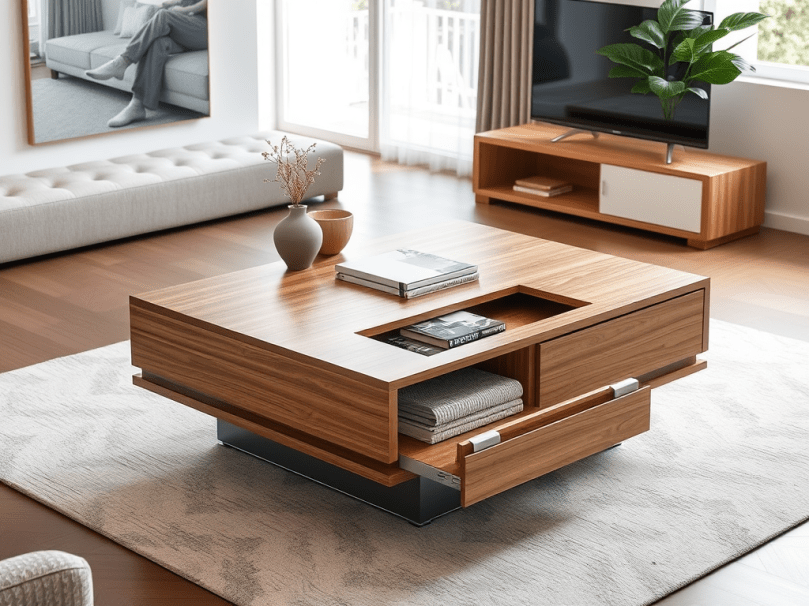
  • Lift-Top Coffee Tables: These are great for those who work from their living room or need extra storage. For example, the Yaheetech Lift-Top Coffee Table offers hidden compartments and a smooth lift-top mechanism. Customers rave about its sturdiness and how it keeps clutter at bay.
  • Ottoman-Style Coffee Tables: If comfort and multi-functionality are your priorities, ottoman coffee tables can act as seating, a footrest, or even hidden storage. The HomePop Round Ottoman Coffee Table is a favorite among families for its soft edges and versatility.

2. Match the Style to Your Space

Your coffee table should complement your room’s overall style while adding a touch of its own flair.

  • For Modern Spaces: Opt for sleek lines and minimal designs. Glass-top tables with metal frames, like the Walker Edison Glass Coffee Table, are perfect for adding an airy, contemporary vibe.
  • For Rustic or Farmhouse Designs: Choose wooden tables with distressed finishes. The Ashley Furniture Bolanburg Coffee Table features a two-tone design and storage options, blending charm and practicality.
  • For Eclectic or Bohemian Looks: Consider bold materials like rattan or unique shapes. The Safavieh Grayson Drum Coffee Table made from mango wood adds character to any space.

3. Think About the Size and Shape

Proportions matter when it comes to coffee tables. A table that’s too big can overwhelm the room, while one that’s too small might feel out of place.

Tips for Choosing the Right Size:

  • The table should be about two-thirds the length of your sofa.
  • The height should be roughly the same as the sofa cushions or slightly lower.

Shape Recommendations:

  • Rectangular Tables: Ideal for longer sofas or sectional arrangements.
  • Round or Oval Tables: Perfect for smaller spaces or rooms with heavy foot traffic. Many parents appreciate the lack of sharp corners, like those on the West Elm Anton Oval Coffee Table.
  • Nesting Tables: These offer flexibility for compact spaces, as they can be spread out or tucked away as needed. Check out the Nathan James Oraa Nesting Tables for a chic and functional option.

4. Explore Materials That Fit Your Lifestyle

The material of your coffee table influences both its durability and visual appeal.

  • Glass: Creates an open feel and is easy to clean but may show fingerprints and scratches.
  • Wood: Offers warmth and sturdiness; ideal for traditional or rustic homes.
  • Metal: Provides a sleek, industrial edge and pairs well with modern decor.
  • Marble or Stone: Adds luxury but can be heavy and prone to staining.

Customer Tip: “We chose a reclaimed wood coffee table to match our rustic living room, and it’s been perfect. The surface hides minor scratches, and it’s incredibly durable,” says one happy reviewer of the Pottery Barn Livingston Coffee Table.


5. Don’t Forget Maintenance

A stylish coffee table should be easy to maintain. Consider your lifestyle when choosing materials and finishes.

  • Families with kids might prefer spill-resistant options.
  • Homes with pets may benefit from scratch-resistant surfaces.

Final Thoughts

The perfect coffee table balances form and function, enhancing your living space while catering to your needs. By considering your lifestyle, room dimensions, and decor style, you can find a table that’s both practical and beautiful.

What’s Your Coffee Table Story?
Have you found the coffee table of your dreams? Share your experiences and recommendations in the comments below—we’d love to hear how your coffee table has transformed your living space!