
How to Create a Dining Space Without a Designated Dining Room

Not every home comes with the luxury of a dedicated dining room. If you’re living in a smaller space or an open-concept layout, finding a spot to enjoy meals can feel tricky. But with a little creativity and strategic design, you can carve out a beautiful, functional dining area that fits seamlessly into your home. Here’s how to make it happen:

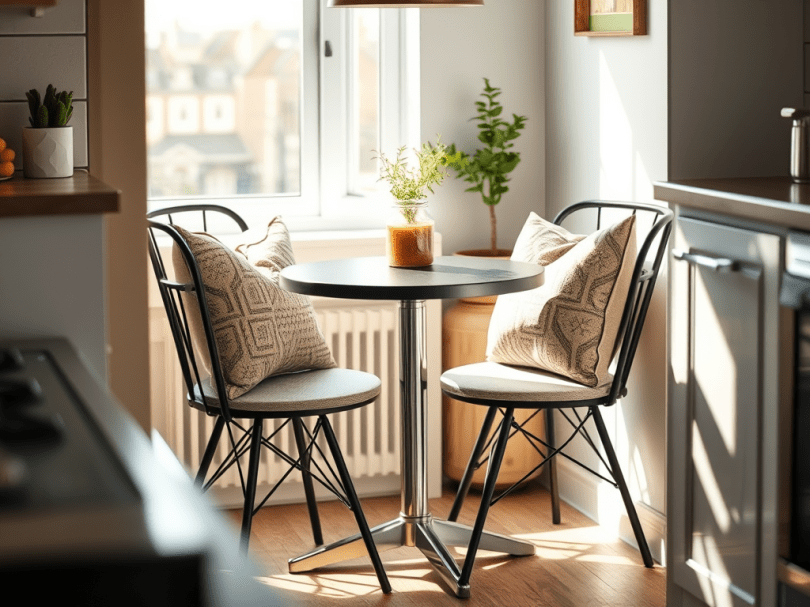
1. Utilize a Kitchen Nook

Look around your kitchen. Is there an empty corner or a small nook? Even the tiniest space can become a cozy dining spot. Consider a small bistro table and chairs, or a corner bench with a rectangular table. Adding cushions and decor will help define the area and make it inviting.

2. Multifunctional Furniture

Invest in a drop-leaf table or an extendable dining table that can double as extra counter space or a work area when not in use. Foldable chairs can be tucked away to save space and brought out when it’s time for a meal.

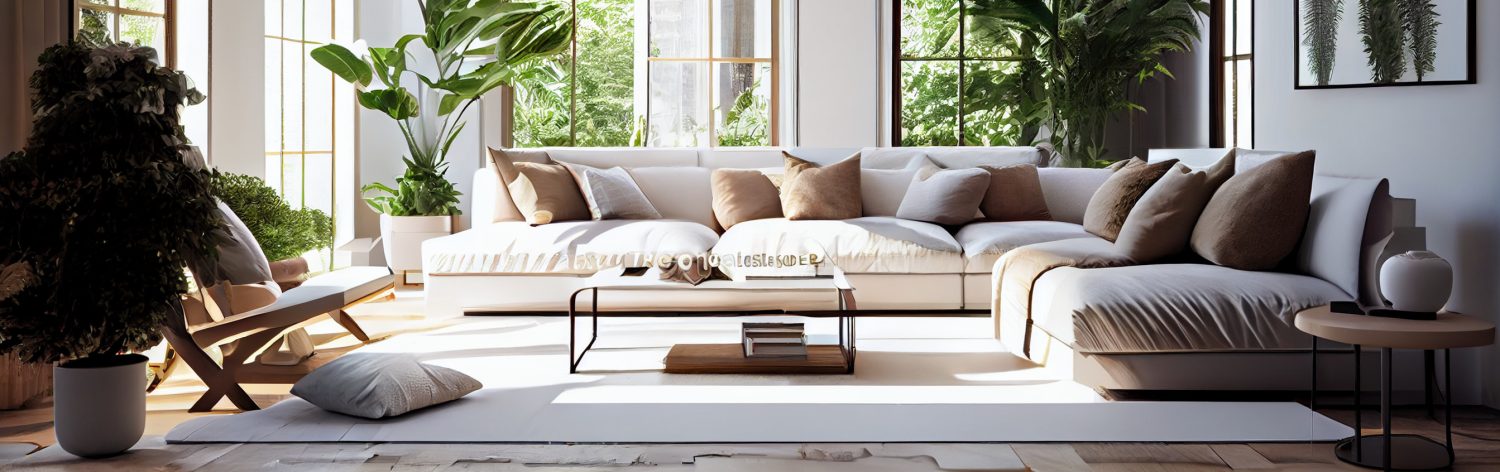
3. Maximize Your Living Room

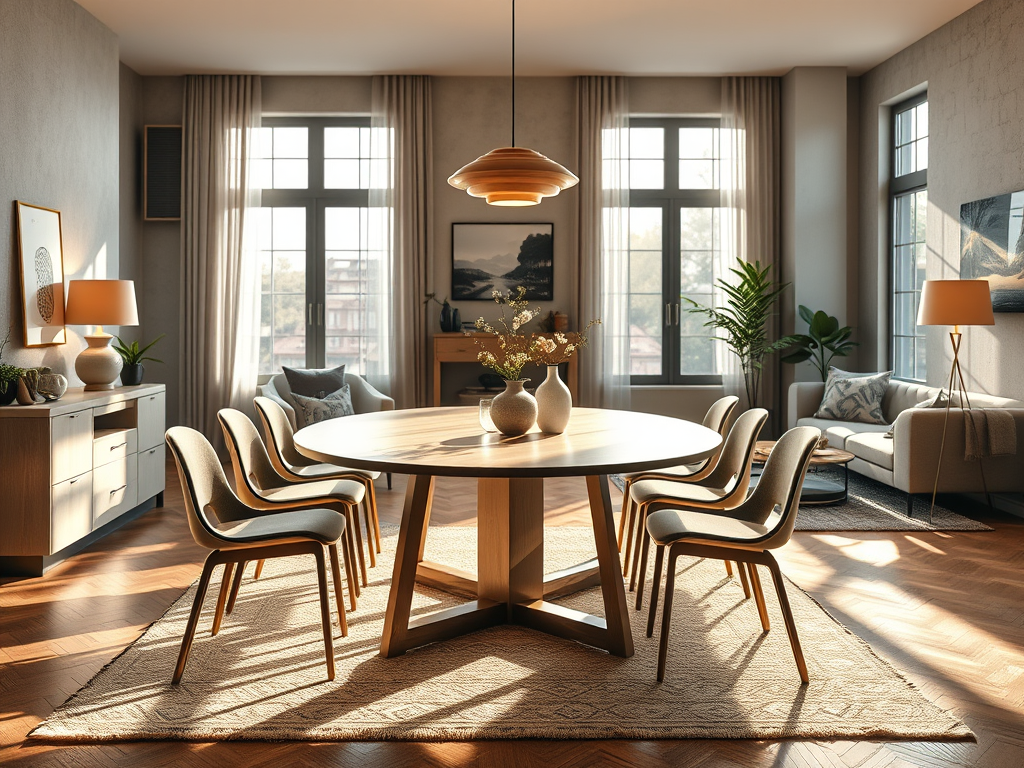
If your living room is spacious enough, designate one corner for dining. A round table can soften the area, and a rug underneath will anchor the space, making it feel intentional rather than accidental. Use a pendant light or a floor lamp above the table to add further definition.

4. Breakfast Bar or Island Seating

If you have a kitchen island or counter, add bar stools to create a casual dining area. This option works well for quick meals or small gatherings. Choose stools that complement your kitchen design to create a cohesive look.

5. Transform a Wall or Alcove

A wall-mounted drop-leaf table can be folded down when needed and stored flat when not in use. Alternatively, turn a built-in alcove or unused wall space into a dining zone by adding a small table and a bench. Shelving above can serve as storage for dishes or decor.

6. Use Room Dividers

Create a subtle separation between your dining area and other parts of your home using a stylish room divider, bookshelf, or curtain. This can give the illusion of a designated dining space without requiring extra square footage.

7. Balcony or Outdoor Dining

If you have a balcony or patio, take advantage of the outdoor space. A small outdoor dining set can be a charming solution for meals, especially during warmer months. String lights or potted plants can enhance the ambiance.

8. Blend with Existing Furniture

Incorporate your dining area into your existing furniture layout. A coffee table that raises into a dining table or a console table that expands can serve multiple functions while saving space.

9. Floating Shelves and Compact Storage

Utilize vertical space by installing floating shelves for plates, glasses, and other dining essentials. This keeps your dining area functional and organized without taking up valuable floor space.
Final Thoughts

Creating a dining space without a dedicated dining room requires a blend of functionality and design. By repurposing existing spaces, investing in versatile furniture, and using creative layouts, you can enjoy meals comfortably and stylishly, no matter the size of your home.

How to Choose the Perfect Dining Room Table: Round, Square, Oval, or Rectangle?

The dining room table is the centerpiece of your dining space—a place where meals are shared, memories are created, and connections are deepened. But choosing the perfect table can be challenging with so many shapes, sizes, and styles to choose from. Should you go for a round table to foster conversation or a rectangular one for a large family? Let’s break it down to help you make the best choice for your home.


1. Consider the Size of Your Space

Before deciding on the shape of your dining table, evaluate the size of your dining room. Measure the dimensions of the space and consider:

  • Room flow: You need at least 3 feet of clearance around the table for chairs to be pulled out comfortably.
  • Number of seats: Will you need seating for 4, 6, or 10 people? A larger room naturally accommodates a larger table.

Once you’ve nailed down the size constraints, it’s time to consider shape!


2. Round Tables: Great for Small Spaces and Intimate Gatherings

A round table is a fantastic option for smaller dining rooms or kitchens because it takes up less visual space and eliminates sharp corners. This shape works especially well when you want to create a cozy and inviting atmosphere.

Pros:

  • Ideal for small to medium-sized rooms
  • Promotes conversation, as everyone is equally spaced
  • No sharp corners, making it family-friendly

Cons:

  • Doesn’t fit well in narrow or rectangular rooms
  • Limited seating capacity as the table grows larger

Best For: Apartments, breakfast nooks, or households that value intimate dining experiences.


3. Square Tables: Perfect for Square Rooms

Square tables provide symmetry and balance, making them a natural choice for square dining rooms. They create a modern and compact look while offering plenty of seating.

Pros:

  • Great for smaller, square-shaped rooms
  • Offers a clean and contemporary aesthetic
  • Works well for 2 to 4 people

Cons:

  • Can feel cramped for larger gatherings
  • Not ideal for long or narrow spaces

Best For: Compact dining rooms or spaces that double as multi-use areas.


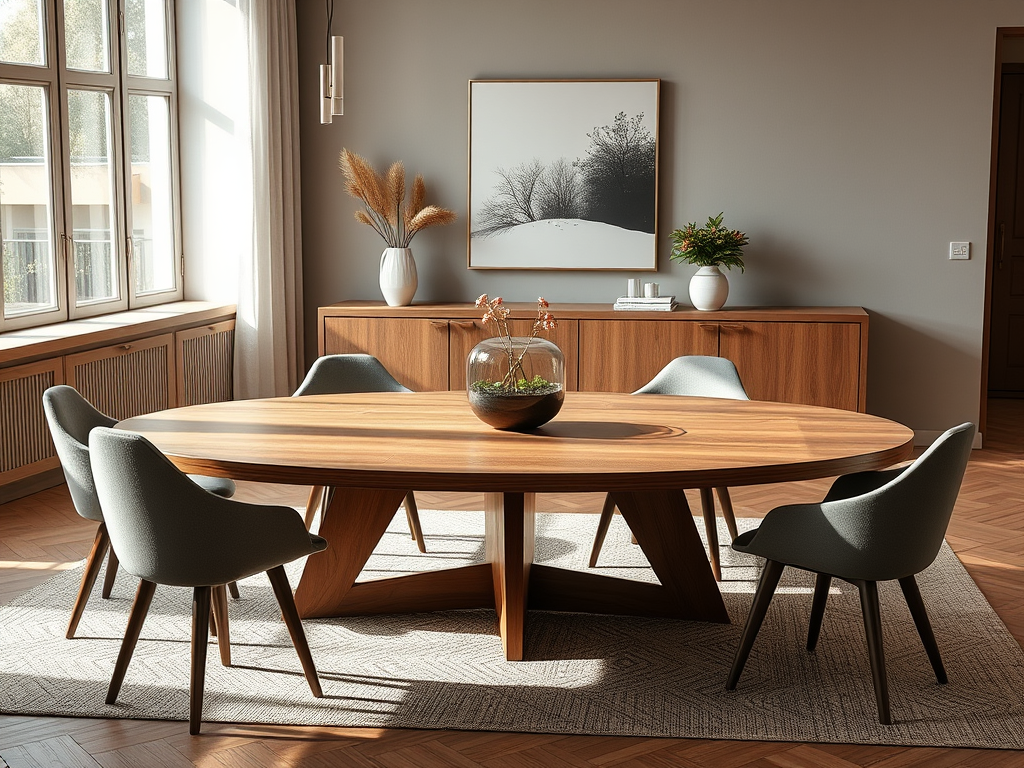
4. Oval Tables: A Softer Take on Rectangle

Oval tables combine the benefits of round and rectangular tables. They offer a softer, more elegant look while still accommodating larger groups.

Pros:

  • Great for narrow dining rooms
  • No sharp corners, which is safer for kids
  • Seats more people than a round table of the same width

Cons:

  • Might not work well in very small rooms
  • Less formal than rectangular tables

Best For: Long, narrow spaces or homes that want a mix of elegance and functionality.


5. Rectangular Tables: The Classic Choice for Large Spaces

Rectangular tables are the most common and versatile option for dining rooms. They work especially well in larger or more formal spaces.

Pros:

  • Ideal for long dining rooms or open spaces
  • Perfect for accommodating large families or hosting dinner parties
  • Can pair easily with benches for added seating

Cons:

  • Not suitable for smaller or square rooms
  • Can feel less intimate for smaller groups

Best For: Large families, formal dining rooms, or homes with open-concept layouts.


6. Other Factors to Consider

Material:

  • Solid wood tables are durable and timeless.
  • Glass tables can make a space feel open and airy.
  • Metal or marble tables provide a modern, industrial look.

Seating Options:

Pairing your table with the right chairs (or benches) can optimize space and style. For example:

  • Benches work well with rectangular tables for a relaxed, rustic vibe.
  • Upholstered chairs add comfort and elegance to any table shape.

Functionality:

Consider an extendable table if you often host guests but don’t need a large table daily.


Final Thoughts

Choosing the right dining table shape comes down to the size of your room, your seating needs, and the overall vibe you want for your dining area. Whether you opt for a cozy round table, a sleek square design, an elegant oval table, or a classic rectangular one, your dining table should reflect your style and fit seamlessly into your home.

Take your time to measure, consider your lifestyle, and visualize how each shape will work in your space—you’ll be enjoying meals and making memories around your perfect table in no time!