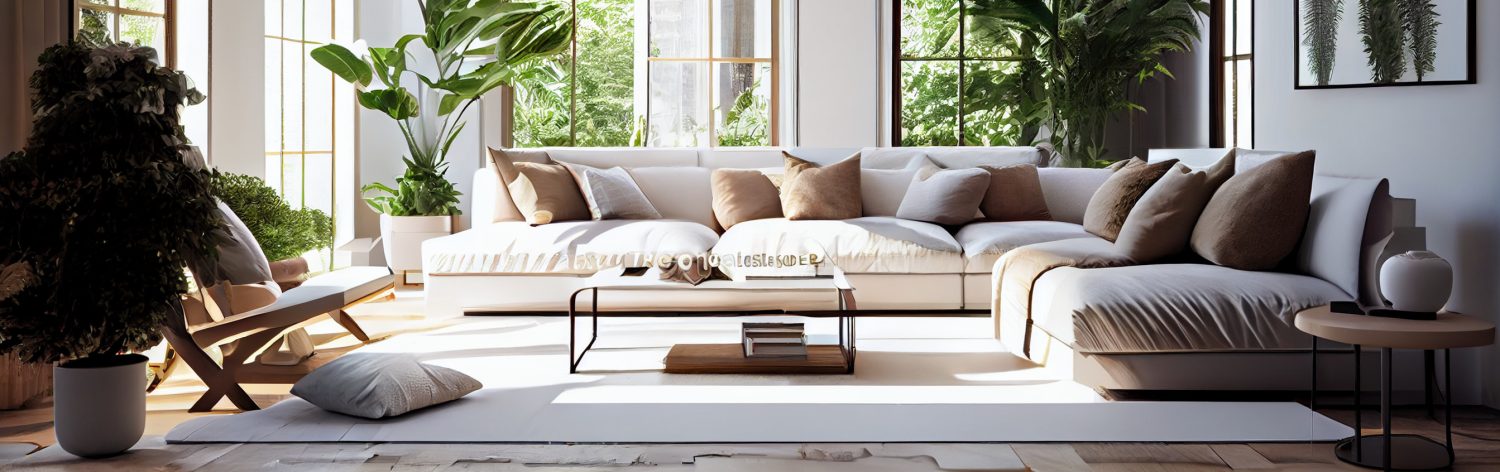


When decorating a home, most people focus on the big-picture elements—wall colors, furniture, lighting, and flooring. But what about the small details that quietly impact a home’s overall aesthetic? Door knobs, for example, are often overlooked, yet they can be a subtle but powerful statement in interior design. Do people care about door knobs? Should they? And is there a current trend for these functional accessories? Let’s dive in.
Are Door Knobs a Forgotten Decor Detail?
The short answer? Yes. Door knobs are essential for function, but they rarely get the attention they deserve as a design element. Many homeowners stick with the standard knobs that come with their doors, rarely considering an upgrade unless a knob breaks or wears out. However, door knobs can contribute to the overall ambiance of a space—whether through their material, shape, finish, or style.
Imagine an elegant Art Deco-inspired home with brass and crystal accents but plain, builder-grade silver doorknobs. That small inconsistency can subtly disrupt the design flow. On the flip side, well-chosen door knobs can elevate a space effortlessly, adding a touch of luxury or character.
Do People Care About Door Knobs?
Some do, but many don’t—at least, not consciously. However, for those with an eye for detail, door knobs are an easy way to refine and enhance their home’s style. Interior designers and home decor enthusiasts know that the right hardware can make a difference, just like cabinet pulls or light switch plates.
That being said, with more people investing in home improvement and DIY projects, the awareness of door knobs as a decorative feature is growing. They are an inexpensive way to refresh a space without a major renovation.
Current Trends in Door Knobs
Like most home decor elements, door knob trends evolve over time. Here are some of the biggest trends in door hardware right now:
1. Matte Black Finishes
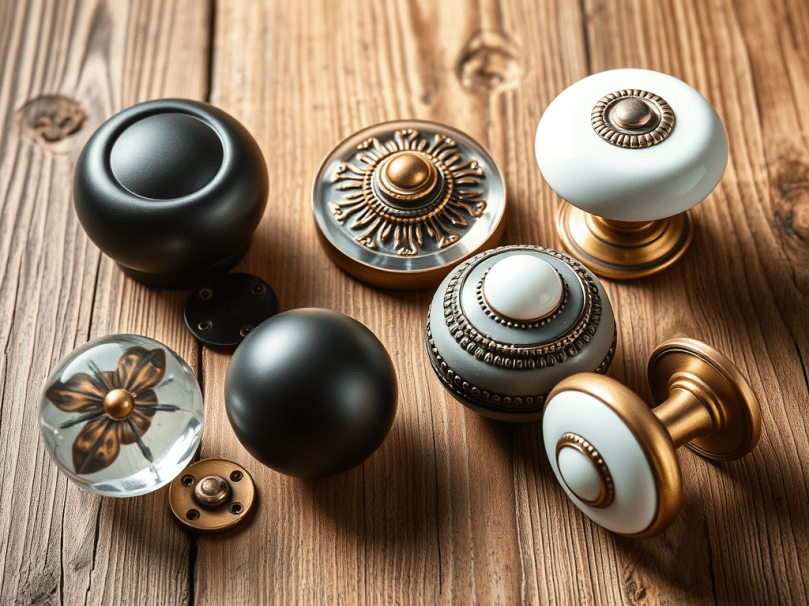
Matte black hardware, including door knobs, has become a favorite in modern and minimalist interiors. It offers a sleek, contemporary look and pairs well with almost any color palette.
2. Antique Brass & Vintage Styles
Brass is making a huge comeback, especially in warm, aged finishes. Vintage-style door knobs, such as glass or porcelain knobs with intricate detailing, are particularly popular in historic homes and cottagecore-inspired spaces.
3. Smart Locks & Digital Door Knobs
With the rise of smart home technology, keyless entry and digital door knobs are becoming more common. These offer both convenience and security, though they may not appeal to those who love traditional aesthetics.
4. Mixed Metal Designs
Mixing metals in home decor is a major trend, and door knobs are following suit. Combinations like black and gold or chrome and brass create a unique, custom look.
5. Minimalist & Concealed Knobs
For ultra-modern spaces, sleek, barely-there door handles or flush-mounted knobs create a seamless, minimalist look. This is especially popular in high-end contemporary homes.

Should You Upgrade Your Door Knobs?
If you’re looking for a simple yet effective way to elevate your home’s design, door knobs are a great place to start. Whether you opt for vintage glass knobs, bold matte black styles, or high-tech smart locks, the right choice can subtly enhance your space.
Next time you walk through your home, take a closer look at your door knobs. Are they adding to your decor—or blending into the background? Maybe it’s time to give them the attention they deserve.
Would you consider upgrading your door knobs as a design element? Let me know in the comments!


 Discoveringlifellc