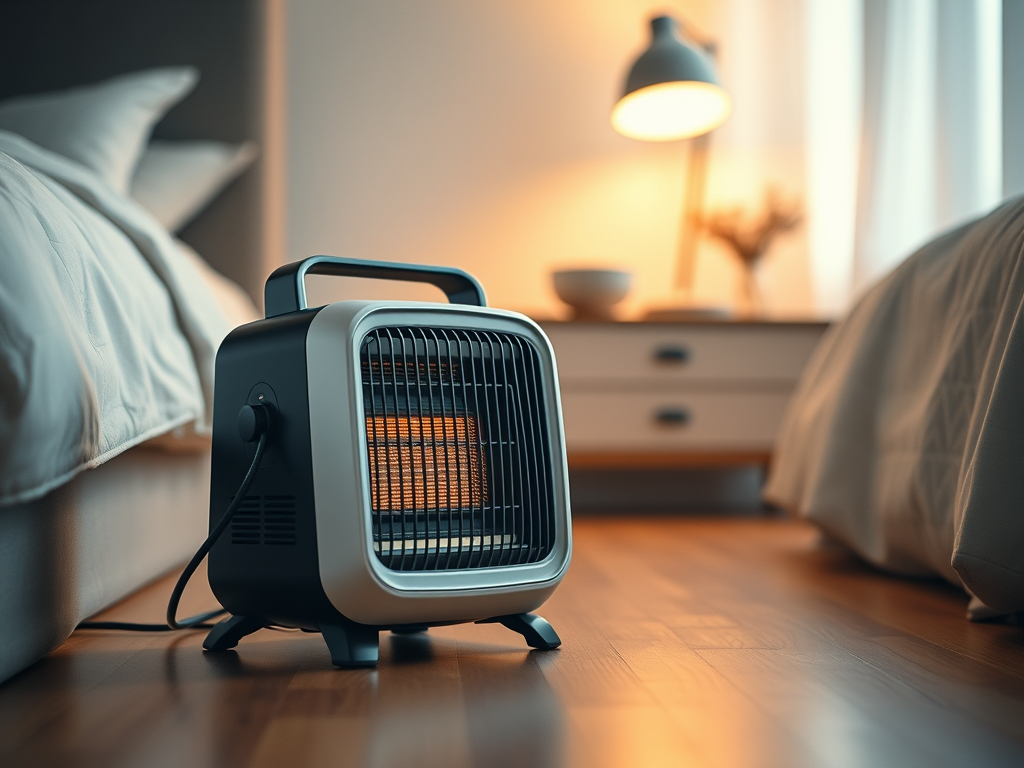


Finding the Perfect Fireplace for Your Home Without a Traditional Hearth

Fireplaces evoke a sense of warmth and comfort, becoming the centerpiece of a cozy living space. However, many modern homes are built without traditional fireplaces. Whether due to architectural trends, environmental considerations, or practicalities, the absence of a built-in hearth doesn’t mean you have to give up on the dream of curling up by a fire. With a variety of options available, finding the right fireplace for your home is easier than ever.

Why Choose a Non-Traditional Fireplace?

Non-traditional fireplaces offer several advantages:

  1. Flexibility: You can install them in any room, from the living area to the bedroom.
  2. Cost-Effectiveness: Modern alternatives are often more affordable than constructing a traditional fireplace and chimney.
  3. Eco-Friendliness: Many options, like electric and ethanol fireplaces, are cleaner and more energy-efficient.
  4. Style Options: They come in various designs to match your home decor, from sleek and modern to rustic and traditional.

Types of Fireplaces for Modern Homes

1. Electric Fireplaces

  • Features: Easy to install, requiring only a power outlet.
  • Benefits: Low maintenance, no venting needed, and energy-efficient.
  • Styles: Wall-mounted, freestanding, or built into media consoles.
  • Ideal For: Apartments, condos, or spaces where structural changes aren’t feasible.

2. Ethanol Fireplaces

  • Features: Fueled by bioethanol, producing real flames without smoke.
  • Benefits: Ventless, portable, and environmentally friendly.
  • Styles: Tabletop designs, wall-mounted units, or freestanding pieces.
  • Ideal For: Modern spaces seeking a minimalist, elegant touch.

3. Gas Fireplaces

  • Features: Powered by natural gas or propane, mimicking traditional fireplaces.
  • Benefits: Instant flames, low maintenance, and high heating efficiency.
  • Styles: Built-in, freestanding stoves, or inserts for existing spaces.
  • Ideal For: Homes with access to gas lines or those looking for reliable heating.

4. Infrared Quartz Fireplaces

  • Features: Combines infrared heating with the visual appeal of a fire.
  • Benefits: Efficient, adds humidity to the air, and safe for kids and pets.
  • Styles: Mantel units, stoves, or media consoles.
  • Ideal For: Families wanting safe and effective supplemental heating.

How to Choose the Right Fireplace

  1. Assess Your Space:
    Consider the size of your room and the location where you’d like the fireplace. Compact options are available for small spaces, while larger units can become statement pieces.
  2. Match Your Style:
    Look for a design that complements your home decor. Ethanol fireplaces suit modern aesthetics, while electric mantels work well in traditional or transitional settings.
  3. Determine Your Heating Needs:
    If supplemental heating is a priority, choose options with adjustable heat settings like gas or infrared quartz fireplaces.
  4. Set a Budget:
    Fireplace prices vary widely. Electric models are typically the most affordable, while gas fireplaces may require a higher investment due to installation costs.
  5. Check for Safety Features:
    Opt for models with safety glass, automatic shutoff, and cool-touch surfaces if you have children or pets.

Making It a Focal Point

Once you’ve chosen the perfect fireplace, style the area around it to maximize its impact. Consider adding a mantel for decorative pieces, a cozy rug for texture, or ambient lighting to enhance the warmth of the fire.

Final Thoughts

A fireplace can transform any space, creating a warm, inviting ambiance. Whether you prefer the convenience of an electric fireplace, the sophistication of ethanol, or the efficiency of gas, there’s a perfect option for your home. Say goodbye to the limitations of traditional fireplaces and embrace a modern solution tailored to your style and needs.

Which fireplace style sparks your interest? Let us know in the comments!

Keeping Your Home Warm in Winter: Tips, Tricks, and Temporary Hacks to Beat the Cold

When winter arrives, there’s nothing like stepping into a warm, cozy home to escape the chill. But keeping your space comfortable can become challenging (and costly) as temperatures drop. Whether you’re looking for budget-friendly hacks or temporary solutions that don’t involve a full-scale heating system overhaul, there are plenty of ways to make your home feel warmer this winter. Here’s a collection of easy tips, tricks, and hacks to keep the warmth in and the cold out!


1. Use Heavy, Insulating Curtains

Windows are one of the primary places where heat escapes. In winter, switch out lightweight curtains for thick, thermal-insulating ones. These curtains have an extra layer of fabric designed to trap heat inside while blocking cold drafts. Keep them open during the day to let in sunlight, and then close them as soon as it gets dark to retain the warmth.

2. Try Window Film and Draft Blockers

If you’re looking for a quick and affordable solution to reduce drafts, thermal window film is your friend. You can apply this film directly to your windows; it creates an invisible layer that helps insulate glass. Draft blockers are also essential for doors and windows, especially if you feel cold air sneaking in. These handy products fit snugly along the bottom of doors or window sills, preventing drafts from coming in and trapping heat inside.

3. Place Rugs and Carpets on Bare Floors

Hardwood or tile floors can make your space feel colder than it actually is. Adding area rugs or carpets to your floors not only improves insulation but also gives your feet a cozy, soft surface. For maximum warmth, choose thick, wool rugs, or layer multiple rugs on top of each other for an even greater barrier against the cold.

4. Reverse Ceiling Fans

Did you know that ceiling fans can actually help keep your home warm in winter? Many ceiling fans have a reverse switch to spin the blades clockwise, creating an updraft that pushes warm air, which naturally rises, back down toward the floor. This recirculates the heat throughout the room and can be especially useful in rooms with high ceilings.

5. Install a Temporary Door Seal

Doors that lead outside often allow cold air to seep into your home. Temporary door seals, like weatherstripping or self-adhesive foam strips, can create a quick fix to block cold air. Even a rolled-up towel at the base of a door can make a noticeable difference if you’re in a pinch.

6. Use a Portable Heater in High-Traffic Rooms

For areas where you spend the most time, consider investing in a portable heater. The Dreo Smart Wall Heater, for instance, provides fast warmth, oscillates to distribute heat evenly, and is controllable via remote or Alexa. It’s an efficient way to keep rooms warm without cranking up the central heat throughout your entire home, and it’s compact enough to fit in any room.

7. Layer with Throws and Blankets

Layering cozy blankets or throws in your living spaces provides an instant warming effect. Faux fur, fleece, and chunky knits are ideal materials for trapping warmth and creating a snug, inviting atmosphere. Place blankets strategically on couches, chairs, and at the foot of your bed for easy access whenever you need extra warmth.

8. Close Off Unused Rooms

If there are rooms in your home that you rarely use, close the doors to these spaces during the winter. By sectioning off unused rooms, you limit the amount of area that needs heating, which can reduce energy costs and help retain warmth where you need it most.

9. Try Radiator Reflectors

Radiators can sometimes send heat into the wall instead of into the room. Adding a radiator reflector behind the unit redirects warmth back into the space. Reflectors are easy to install and inexpensive, making them an ideal temporary fix for conserving warmth.

10. Experiment with a Humidifier

Dry winter air can make your home feel colder than it actually is. A humidifier adds moisture to the air, which retains heat better, creating a warmer atmosphere. Not only can a humidifier help you feel warmer, but it’s also great for your skin and respiratory health during the dry winter months.

11. Bake Something Delicious

This tip might be more fun than practical, but baking can actually add some extra warmth to your home. Whether you’re baking cookies, bread, or a hearty winter casserole, using your oven naturally heats the kitchen area. When you’re done baking, leave the oven door open (once it’s off!) to let the warmth drift out into the room.

12. Apply Bubble Wrap to Windows

For a quick, low-cost solution to prevent heat from escaping, try covering your windows with bubble wrap. Simply spray a mist of water on your windows, press the bubble wrap against it, and let it stick. While it’s not the most attractive option, it’s a surprisingly effective way to insulate your windows, especially in rooms you don’t frequently use.


Wrapping Up

Winter doesn’t have to mean enduring a freezing home. By implementing some or all of these tips and tricks, you can create a warm and inviting space without breaking the bank on heating bills. From layering up with thick curtains and rugs to using hacks like radiator reflectors and portable heaters, each tip is designed to keep the warmth in and the chill out. Try these ideas to see what works best for your home this winter and enjoy a season filled with comfort and warmth!