
A First-Time Home Buyer’s Guide: How to Start the Process and Find the Perfect Home

Buying your first home is an exciting milestone, but it can also feel overwhelming. With so many steps involved, from understanding finances to choosing the right home, it’s essential to start with a clear plan. This guide will walk you through the process of buying your first home, what to look for in a property, and how to determine your priorities.

Step 1: Assess Your Financial Situation

Before you start browsing listings, it’s crucial to evaluate your financial readiness. Here are the key financial steps to take:

  • Check Your Credit Score: A higher credit score can help you secure a better mortgage rate.
  • Save for a Down Payment: While some loans allow for a low down payment, having 10-20% saved will help reduce costs.
  • Get Pre-Approved for a Mortgage: A pre-approval from a lender gives you an idea of how much home you can afford and strengthens your offer when you find the right property.
  • Budget for Additional Costs: Homeownership comes with expenses beyond the mortgage, including property taxes, insurance, maintenance, and closing costs.

Step 2: Determine Your Home Must-Haves

Every buyer has different needs, so it’s important to outline what matters most to you. Consider the following:

  • Location: Do you want to be close to work, schools, or public transportation? Is the neighborhood safe and welcoming?
  • Size and Layout: How many bedrooms and bathrooms do you need? Do you want an open floor plan or separate spaces?
  • Home Type: Would you prefer a single-family home, townhouse, or condo? Each has its pros and cons.
  • Future Considerations: Will you need space to grow, such as extra bedrooms or a home office?

Step 3: House Hunting and Making an Offer

Once you know what you’re looking for, it’s time to start searching.

  • Work with a Real Estate Agent: A knowledgeable agent can guide you through the process and negotiate on your behalf.
  • Visit Multiple Homes: Keep an open mind and compare different properties to find the best fit.
  • Look Beyond the Surface: Consider the condition of major components like the roof, plumbing, and electrical systems.
  • Make a Competitive Offer: Once you find the right home, your agent will help you craft a strong offer based on market conditions.

Step 4: The Closing Process

After your offer is accepted, there are a few final steps before you get the keys:

  • Home Inspection: This ensures there are no hidden issues that could become costly repairs.
  • Secure Financing: Finalize your mortgage details with your lender.
  • Close the Deal: Review all documents carefully, pay closing costs, and officially take ownership of your new home.

Final Thoughts

Buying your first home is a big step, but with the right preparation and guidance, it can be a smooth and rewarding experience. Start by understanding your finances, defining your must-haves, and working with experienced professionals to find the perfect home. With patience and research, you’ll soon be settling into a place you can truly call your own.

Are you currently looking for your first home? Share your thoughts and experiences in the comments below!

How to Choose the Right Home for You and Your Family: Key Factors to Consider

Choosing the perfect home is an exciting journey filled with big decisions, especially if you’re planning for you and your family’s future. Whether you’re a first-time homebuyer or upgrading to accommodate a growing family, here are essential factors to keep in mind as you search for the place you’ll soon call “home.”

Photo by Binyamin Mellish on Pexels.com

1. Consider Your Family’s Needs and Lifestyle

Start by making a list of what you and your family truly need. Think about:

  • Space Requirements: How many bedrooms and bathrooms do you need? Do you need extra space for a home office, playroom, or a guest bedroom?
  • Layout: Do you prefer an open floor plan, or are more defined rooms important? Families with young children might prefer a home where the kitchen flows into the living space for easy supervision.
  • Lifestyle Preferences: If your family enjoys outdoor activities, you might want a spacious yard or easy access to parks. If entertaining is a priority, a spacious dining area or backyard may be essential.

2. Location, Location, Location

Location will shape your daily life, from commute times to school options. Some key points to evaluate:

  • Proximity to Work and School: Consider how much time you and your family are willing to spend commuting to work or school. A long commute can take away valuable time from family activities.
  • Neighborhood Safety: Safety is paramount. Research local crime statistics and speak with neighbors to get a feel for the community.
  • Access to Amenities: Think about your family’s needs, from grocery stores and healthcare facilities to parks and recreational areas. A neighborhood with plenty of nearby amenities can add convenience and enhance your lifestyle.

3. Evaluate School Districts and Educational Opportunities

For families with school-age children, the quality of local schools can be a top priority. Even if you don’t have children, a home in a good school district can impact the future resale value.

  • Research School Ratings: Review ratings and feedback about nearby schools, as well as extracurricular opportunities like music, sports, and STEM programs.
  • Proximity to Schools: Living close to a good school can cut down on commute time and provide easy access to events or after-school programs.

4. Assess the Home’s Long-Term Value

Your home is both a personal haven and a long-term investment. Take into account:

  • Potential for Appreciation: Look into the neighborhood’s real estate trends. Are home values steadily rising?
  • Home Condition and Age: Consider the home’s age and its major systems (roof, plumbing, HVAC). Older homes may have charm but can require costly repairs. A newer home may cost more upfront but could save on repairs in the coming years.
  • Room to Grow: Consider whether the home allows for future expansions. If you’re planning on growing your family or simply want the option to add value, look for a home with an unfinished basement, attic, or yard space that could accommodate additions.

5. Finances and Affordability

Budget plays a key role in finding the right home. Don’t just focus on the purchase price; factor in the ongoing costs of homeownership.

  • Total Monthly Cost: Factor in mortgage payments, property taxes, homeowner’s insurance, and maintenance costs. A good rule of thumb is to keep your total housing costs below 30% of your monthly income.
  • Future Expenses: If you’re buying an older home, consider the potential costs of renovations. Also, remember that larger homes may require more upkeep and higher utility costs.

6. Visit Multiple Homes and Take Your Time

It can be tempting to settle on the first home that “feels right,” but take the time to explore your options.

  • List Pros and Cons: For each home you view, make a list of its advantages and disadvantages. Taking notes will help you compare your options when making a final decision.
  • Take a Second Look: A second tour can help you spot details you missed the first time, giving you a clearer perspective on the home’s condition and layout.

7. Trust Your Instincts – and Keep an Eye on the Future

Finally, while you can weigh the pros and cons, it’s essential to listen to your gut feeling. If a home feels right, chances are you’re on the right track.

Equally important, think about the future. Will this home still fit your family’s needs in five, ten, or even twenty years? Finding a balance between current wants and future needs is key to choosing a home that truly grows with you and your family.

Final Thoughts

Finding the right home is a journey that involves balancing emotions, practical needs, and financial considerations. By following these tips and taking the time to make an informed decision, you’ll be well on your way to finding a home where you and your family can create beautiful memories for years to come. Happy house hunting!

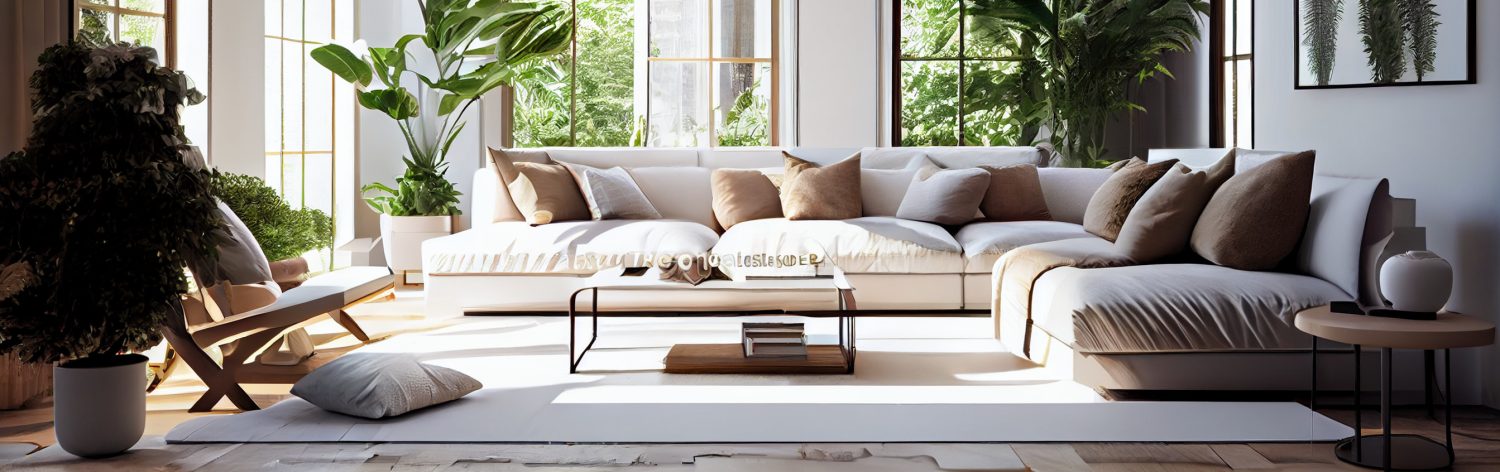
Creating the Perfect Living Room for a New Couple Living Together for the First Time

Moving in together for the first time is a big step, filled with excitement, anticipation, and of course, the task of creating a shared living space. The living room is often the heart of the home, where you’ll spend time together, entertain friends, and unwind after long days. Here’s how to make it a comfortable, stylish, and practical space for both of you.


1. Discuss Your Style Preferences First

Before you dive into decorating, sit down and talk about your individual tastes. Maybe one of you leans toward modern minimalism, while the other loves cozy, rustic touches. Finding common ground is key, so discuss colors, materials, and styles you both love. Think of ways to mix elements from both aesthetics—for example, blending minimalist lines with warm, natural textures for a modern-meets-cozy vibe.

2. Choose a Color Palette You Both Love

The color palette you choose will set the mood for the whole room, so take your time selecting colors that make you both feel at ease. Soft neutrals with a few pops of color are often a safe choice, as they provide a calm, inviting environment without overwhelming the space. Add accents in each of your favorite colors through pillows, throws, or wall art to personalize the room.

3. Prioritize Comfort with a Cozy Couch

The couch is where you’ll likely spend a lot of time together—watching movies, chatting, or even eating the occasional meal. Opt for a sectional or sofa that’s big enough for both of you to stretch out comfortably. Look for durable fabrics and a style that suits your combined taste. A deep-seated sectional can offer space to relax, and you can add texture with plush cushions or a soft throw blanket.

Bonus Tip: If you have differing preferences for firmness, look for couches that allow customization on each side, or add pillows for adjustable comfort.

4. Consider Multi-Functional Furniture

Living rooms in apartments or smaller homes often serve multiple purposes. A coffee table that doubles as storage, an ottoman that can act as extra seating, or even a fold-out couch for guests are all great ways to make the most of your space. Multi-functional pieces are especially useful for new couples who may need to maximize storage and practicality while still maintaining style.

5. Add Personal Touches with Wall Art and Decor

Display pieces that have meaning to both of you, such as photos from trips, artwork you’ve created, or framed memories that bring you joy. For a personal touch, create a gallery wall with a blend of personal photos, quotes, and art that reflects your journey together. This approach makes your space feel more unique and brings a sense of history to your new home.

6. Layer Lighting for Warmth and Flexibility

Lighting can transform the feel of your living room. Invest in a mix of lighting sources, including an overhead light, floor lamps, and table lamps, to adjust the mood easily. Soft, warm lighting is best for creating an intimate ambiance. Consider smart bulbs if you’d like to have dimming and color options, which let you switch up the vibe easily depending on the occasion.

7. Create a Relaxing Entertainment Space

If you enjoy watching TV or streaming movies, make sure your living room setup is conducive to entertainment. Invest in a TV stand or wall mount that’s functional and aligns with your style. For couples who prefer projector setups, choose a portable option so it doesn’t dominate the room’s aesthetic when not in use. Add a small basket or tray to store remotes, chargers, or other electronics to keep clutter at bay.

8. Embrace Practical Storage Solutions

No matter the size of your living room, keeping it organized will make it feel more spacious and inviting. Look for furniture with built-in storage, such as a coffee table with a shelf or a storage ottoman. For added organization, invest in attractive baskets or storage boxes for blankets, magazines, or books. This way, your shared items are easily accessible but neatly stored.

9. Add Greenery for a Fresh, Natural Touch

Plants can bring life to a room and make it feel more homely. Consider low-maintenance houseplants like snake plants, pothos, or peace lilies if you’re both new to plant care. A few strategically placed plants can bring color, improve air quality, and make the space feel alive without overwhelming it.

10. Set Up a Small “Me Time” Spot

As exciting as it is to share a space, a little personal corner can help each of you maintain individuality. This could be a small reading nook with a comfy chair, a spot by the window for journaling, or a corner with a soft blanket and headphones. A place to unwind solo for a few minutes each day can make a world of difference.


Final Thoughts

Building a living room as a couple for the first time is all about balance. By incorporating elements that reflect both your personalities, needs, and tastes, you’ll create a space that feels like home to both of you. Take your time with each step, enjoy the process, and remember that this is a chance to create new memories in a space you both love. Here’s to many cozy nights, laughter-filled gatherings, and lazy weekends together in your new shared space!