
How to Choose the Right Flooring for Your Home

Choosing the right flooring is one of the biggest decisions you’ll make in a home-renovation or build. It sets the tone for the whole space: how it looks, how it feels underfoot, how it functions (especially with kids, pets, everyday life), and how it ages. Below we break down three major flooring types — hardwood, tile, carpet — comparing them head-to-head (hardwood vs. tile, tile vs. wood, wood vs. carpet) and then talk about what’s trending in 2025 and how to pick what’s right for you.


The Main Materials: Pros & Cons
Image

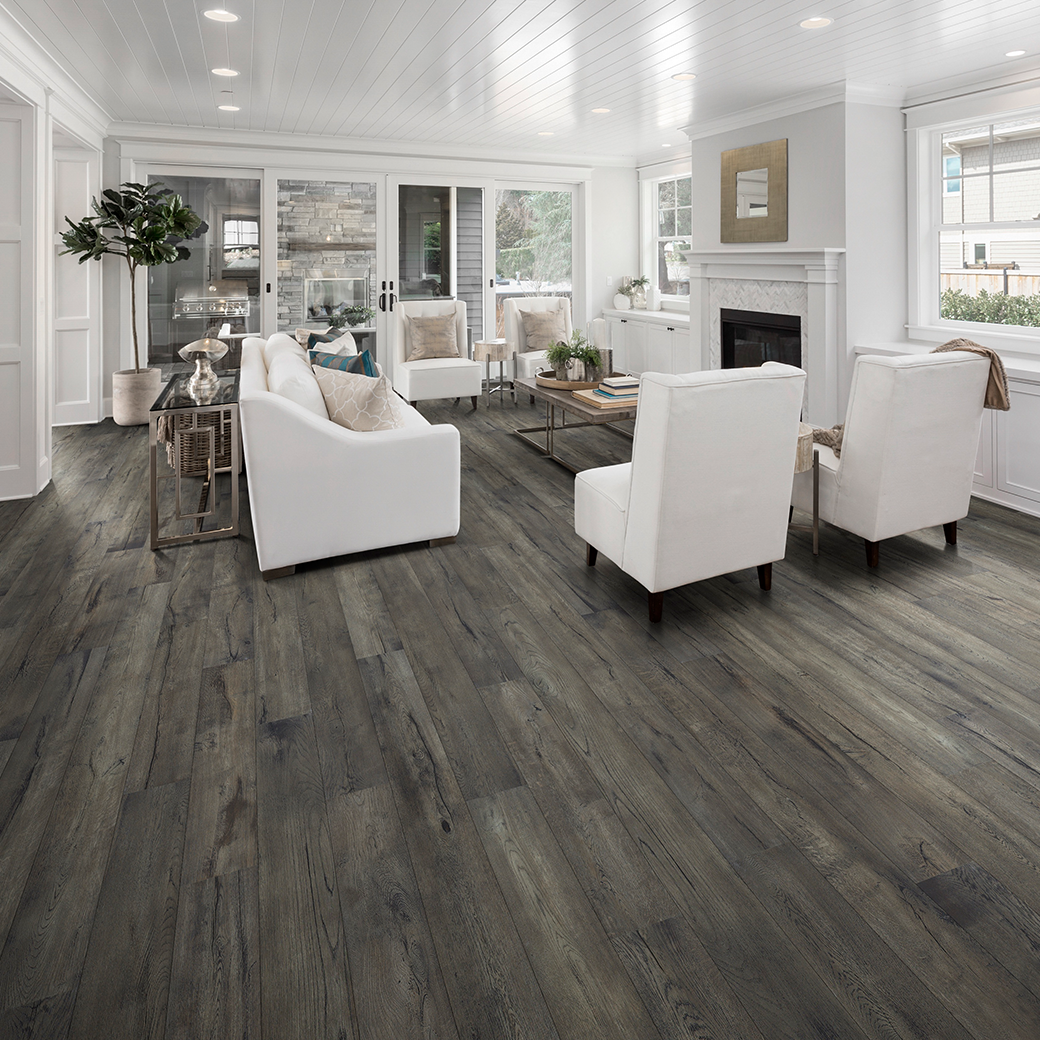
Why people choose hardwood

  • Timeless beauty: natural grain, warm tones, a premium look. For example, one source notes hardwood is “timeless beauty and elegance… home value” in bedrooms. (CSM Flooring)
  • Longevity: With proper care, hardwood floors can last decades and can often be refinished.
  • Healthy for indoor air: Solid floors don’t trap as much dust/allergens as carpet. (CSM Flooring)
  • Strong resale value: Many home-buyers value hardwood and associate it with quality. (Ideal Home)

Potential drawbacks

  • Cost: Higher up-front cost compared to many other materials.
  • Moisture sensitivity: In wet areas (bathrooms, basements) solid hardwood can be risky unless engineered or specially treated.
  • Hard underfoot, colder in winter unless paired with rugs.
  • Susceptibility to scratches/dents (especially in high-traffic or pet households).

Trends for hardwood in 2025

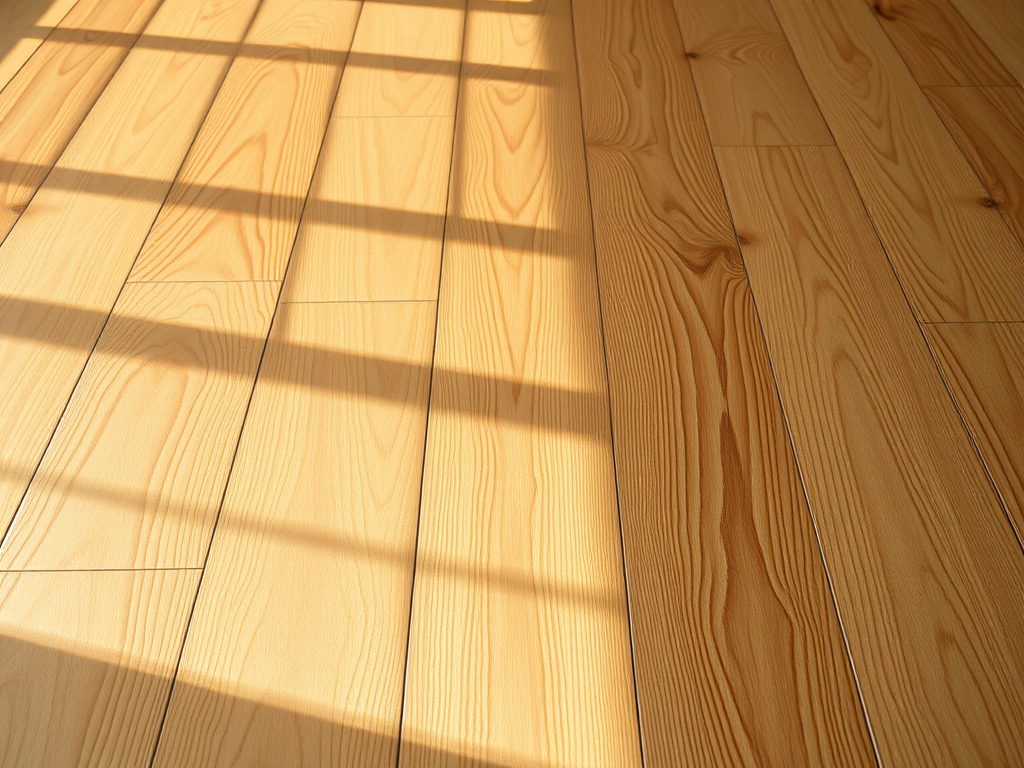
  • Wide planks (5″–10″) rather than skinny strips: they help the space feel more open. (Carpet Spectrum)
  • Light, natural wood tones or warm browns (moving away from cool greys). (Houzz)
  • Matte and textured finishes (wire-brushed, hand-scraped) rather than high gloss. (Real Simple)
  • Sustainability: eco-friendly sourcing, low-VOC finishes, engineered options. (Weles)

Bottom line for hardwood: If you want a premium, long-term flooring that elevates your space and are willing to invest (and maintain accordingly), hardwood is an excellent choice — especially for living rooms, dining, bedrooms (but less ideal for rooms with high moisture or heavy wear unless engineered versions are used).

Why people choose tile

  • Durability & moisture resistance: Especially in kitchens, bathrooms, entryways or high-traffic zones.
  • Style versatility: Many finishes, sizes, patterns; can look sleek, rustic, modern, etc.
  • Great for spills, wet zones, or if you want a hard, cool surface.
  • With large-format tiles and improvements in technology, tile is becoming more seamless and contemporary.

Potential drawbacks

  • Underfoot can feel cold/hard (unless radiant heating or rugs used).
  • Grout maintenance (unless using large formats with minimal grout).
  • Some tile can feel less cozy or “homey” compared to wood or carpet.
  • Installation cost can be high for premium tile/stone.

Trends for tile in 2025

  • Warm-toned tiles (e.g., sand, earth tones) rather than icy greys. (House Beautiful)
  • Large-format tiles, fewer grout lines, wood-look tile is still strong. (Decorilla)
  • Mixed material floors (tile + wood) to delineate space. (All Hardwood Floors)
  • But: some tile trends are falling out (e.g., very small mosaics, extremely glossy tiles) in favour of more natural/matte finishes. (Livingetc)

Bottom line for tile: If you have areas prone to moisture (bath, mudroom, kitchen), or want something ultra-durable and easy to clean, tile is a strong pick. To make it feel more “homey,” consider pairing with rugs or warm textures.


Why people choose carpet

  • Soft underfoot: Great for bedrooms, family/media rooms where comfort and warmth matter.
  • Sound absorption: Helps reduce echo/footstep noise, beneficial in multi-story homes or apartments.
  • Cost-effective: Typically lower cost compared to hardwood or high-end tile.
  • In 2025, carpet is making a comeback in specific usages (not full home maybe) thanks to texture and pattern innovations. (The Carpet Workroom)

Potential drawbacks

  • Harder to clean and maintain compared to hard surfaces (can trap allergens, stains).
  • May not have the same “durable premium” perception as hardwood/tile when it comes to resale.
  • Not ideal for areas with spills, heavy traffic, pets unless you select high-performance carpet.

Trends for carpet in 2025

  • Textured, pattern-rich carpets (rather than plain builder‐grade) especially in bedrooms/family rooms. (Floor Depot Plus)
  • Carpet layering: e.g., using area rugs over carpet in layered designs. (McCool’s Flooring)

Bottom line for carpet: For rooms where comfort is king (bedrooms, media rooms, cozy corners), carpet is still relevant. But in communal, high-traffic zones you might lean toward harder surfaces.


Head-To-Head Comparisons

Hardwood vs Tile

Choose hardwood if:

  • You want a warm, natural, premium look and are in a dry environment (or using engineered wood for more moisture control).
  • You anticipate staying in the home for many years and want a floor that ages well and can be refinished.
  • You are willing to invest a bit more and maintain (avoid excessive moisture, scratches).

Choose tile if:

  • You have wet zones (bathroom, kitchen, laundry), or want something ultra-durable and easy to clean.
  • You want a cooler surface (climate may affect this), or you prefer a sleek modern aesthetic.
  • You foresee high traffic, pets, or frequent spills and want minimal compromise.

Hybrid possibility: Many homes use hardwood in living/bed areas and tile in bathrooms/kitchens — which is totally valid. Just aim for a consistent design flow (e.g., consistent widths, transitions, complementary colors) to avoid a disjointed look. Also, trendwise, mixing materials to define zones is actually in. (All Hardwood Floors)

Tile vs Wood (Carpet basically aside)

If we think of “wood” as hardwood/wood-look floors:

  • Tile wins for durability, moisture resistance, easier cleaning.
  • Wood wins for warmth, comfort, perceived value, and resale.
  • If you want the look of wood but need tile-level performance you can opt for wood-look tile (tiles that mimic wood) — this is a big 2025 trend. (Decorilla)
  • From a design perspective: think about transitions, scale (wide planks), and tone (warm vs grey) to keep things current.

Wood vs Carpet

Wood wins for:

  • Resale value, long-term durability, allergen control.
  • Cleaner look, easier to maintain in high traffic or multi-pet homes.

Carpet wins for:

  • Comfort, warmth, cost in certain rooms, sound control.
  • For pure relaxation zones (bedrooms, media), you might prefer carpet or at least carpet in part.

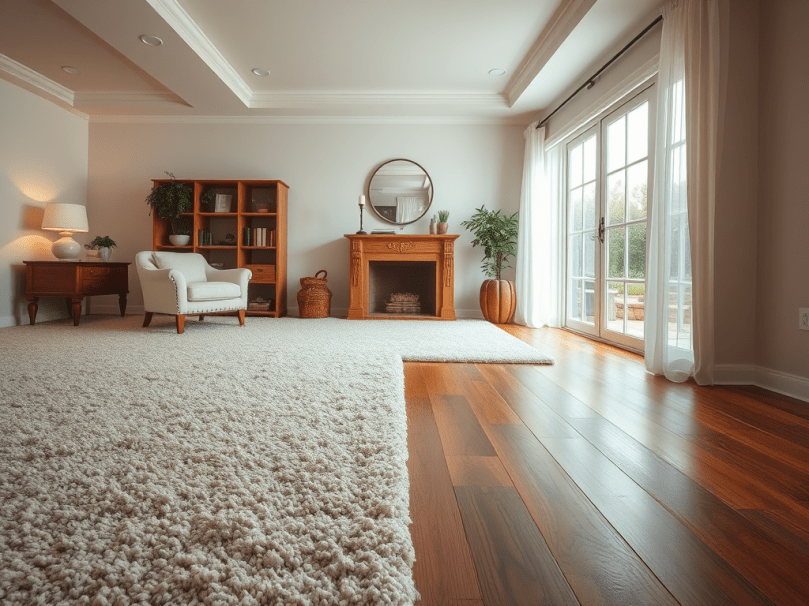
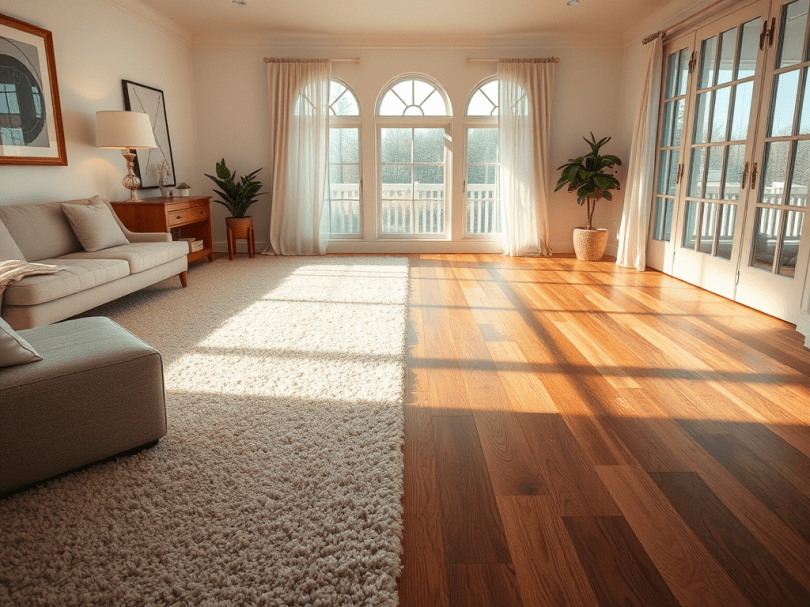
Combination approach: Use wood in living/dining and major traffic areas; carpet in bedrooms and cozy spaces. Use area rugs to soften wood floors if you want some of the carpet feel without the downsides.


What People Are Choosing — & Why

Here are some of the underlying reasons why people pick one over another, beyond just the “looks”.

  • Lifestyle & traffic: Families with kids/pets often pick harder surfaces (tile, wood) because of durability and easy cleaning. Carpets are more common in calmer zones.
  • Allergies/health: People with allergies often avoid carpet because it traps dust/mites; hardwood helps here. (CSM Flooring)
  • Resale / value: Hardwood is still seen as a premium feature; tile in required zones is expected. Poor flooring choices or too many different types may hurt resale. (Ideal Home)
  • Moisture & room use: Bathrooms, basements, laundry rooms often require tile, engineered wood, or other moisture-resistant options.
  • Budget: Cost plays a big part — initial cost, installation, maintenance over time. Carpet and tile (in many cases) may cost less upfront than premium hardwood.
  • Aesthetic/trend: People want floors that look current but also timeless. They’re avoiding overly trendy “effects” that date quickly (e.g., cool greys, ultra-gloss). Warm woods, matte finishes, natural materials are more in vogue.
  • Maintenance: The less time/effort you want to spend cleaning/maintaining, the more likely you’ll pick durable, low-maintenance surfaces. According to a 2025 trend report: “low-maintenance flooring for everyday life” is a big focus. (Flooring America)

2025 Trends You Should Know

Here are key trends for 2025 that might influence what you pick and how you pick it:

  • Warm, natural tones over cool/grey: In wood and tile, warm browns, beiges and natural textures are dominant. Cool greys are losing favour. (Real Simple)
  • Wide plank, long boards for hardwood: Fewer seams, more visual continuity. (Carpet Spectrum)
  • Matte/low-sheen finishes vs gloss: For both wood and tile, because they hide wear and look more natural. (The Spruce)
  • Natural materials and sustainability: Engineered wood with eco-credentials, stone tile, reclaimed wood, low-VOC carpets. (Weles)
  • Mixed materials and layering: Combining different flooring types (e.g., wood + tile) to reflect zones, open-concept flows, or just design interest. (All Hardwood Floors)
  • Carpet revival — but in a more selective way: In 2025, carpet isn’t dying out — rather, it’s being used with more intention (texture, pattern) rather than as the default everywhere. (Floor Depot Plus)

How to Choose the Right Flooring for Your Home

Here’s a step-by-step guide to making the decision, tailored to your home and lifestyle:

  1. Define the room and use-case
    • Is it a high traffic zone (entry, living room, kitchen)?
    • Is there moisture risk (bathroom, laundry, basement)?
    • What level of comfort do you want (bedrooms vs. utility spaces)?
  2. Think about lifestyle & maintenance
    • Kids/pets? Then durability and ease of cleaning matter.
    • Allergies? Then consider hardwood or tile over carpet.
    • How much maintenance are you OK with (refinishing wood, grout cleaning etc.)?
  3. Consider budget (initial + long-term)
    • Materials + installation + upkeep.
    • For example: hardwood might cost more up front but can pay off in value; carpet might cost less but may wear faster.
  4. Look at aesthetic/tone & future-proofing
    • Do you want something trendy now? Or something that will age well?
    • Use the 2025 trends as guide (warm wood, wide planks, matte finishes).
    • Avoid overly specific trends you’ll tire of soon (very glossy finishes, extreme colors).
  5. Consider continuity across the home
    • If you’re replacing floors throughout the house, try for flow/consistency (not too many different flooring types). One expert rule: no more than three different floor types in a home to avoid a disjointed feel. (Ideal Home)
    • Transition solutions: use rugs, thresholds, or natural transitions between different floors.
  6. Evaluate resale / future buyer appeal
    • If you plan to sell in the future, lean toward materials that have broad appeal (hardwood, tile) and avoid flooring that might date quickly or appear low quality.
    • Use durable, timeless materials rather than very “now” aesthetics that might feel dated.
  7. Sample & test
    • Bring home sample boards/planks/tiles and view them in your space (lighting, adjacent furniture).
    • Walk on them, consider underfoot comfort, colors at different times of day.
    • Check for feel: hardness, texture, sound.

My Recommendation: General Guidelines

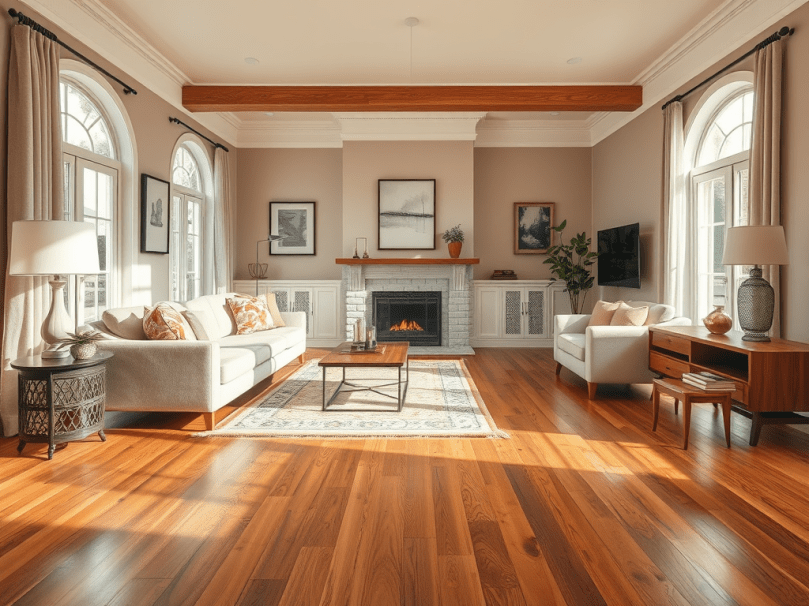
  • For living rooms, dining rooms, main areas: Go with engineered hardwood or good quality hardwood in wide planks, warm tones, matte finish. It offers value, aesthetics and durability.
  • For kitchens, bathrooms, laundry, mudrooms: Go with tile (perhaps large-format porcelain) or wood-look tile if you want the look of wood but need moisture resistance.
  • For bedrooms, media rooms, cozy spaces: Consider carpet (or hardwood with area rugs) if comfort is important. Choose a textured, quality carpet rather than builder-grade.
  • Mixing materials is totally fine — but keep tone/cohesion in mind. For example, the wood tones you use in the living room should complement the tile you choose in the kitchen.
  • Avoid overly trendy finishes that are likely to date quickly. Use the 2025 trends to guide you toward options that will remain relevant for years.
Conclusion

Choosing the right flooring is a mix of function (traffic, moisture, comfort), style (look, tone, finish), budget, and future-proofing. Hardwood, tile and carpet each have their strengths — the key is to match the material to the room-use and your lifestyle, and then pick a style that will age well rather than date fast. In 2025, the smart move is toward natural textures, warm tones, wide planks, matte finishes, and materials that can handle real life (pets, kids, busy households).
Carpet vs. Hardwood Flooring: Which One Is Right for Your Home?

When it comes to choosing flooring, the decision between carpet and hardwood can feel like picking sides in a timeless home design debate. Both options offer unique benefits—and both have their loyal fans. So, how do you decide which one belongs in your space? Is hardwood still the “it” flooring, or is cozy, plush carpeting making a fashionable comeback?

Let’s explore the pros, cons, trends, and personal lifestyle considerations that go into choosing between carpet and hardwood flooring.


The Classic Appeal of Hardwood Flooring

Why people love it:
Hardwood flooring has long been considered the gold standard for timeless elegance. Whether you’re into farmhouse chic, modern minimalism, or a transitional blend, hardwood fits almost every aesthetic.

Pros:

  • Long-lasting and durable
  • Adds value to your home
  • Easy to clean
  • Pairs well with area rugs for warmth and style
  • Available in many shades, wood types, and plank widths

Cons:

  • Can be noisy underfoot
  • Feels cold in cooler climates
  • Prone to scratches and dents
  • More expensive to install

Is it still trendy?
Absolutely. Hardwood is not going out of style anytime soon. Trends within hardwood flooring—such as wide planks, lighter stains, and matte finishes—are evolving, but the material itself remains a staple. In fact, it’s often the first thing buyers look for when touring a home.


The Comfort and Style of Carpet

Why people love it:
Carpet brings instant warmth and softness to a room. It’s especially loved in bedrooms and family rooms where coziness is key.

Pros:

  • Soft and quiet underfoot
  • Great insulation and warmth
  • More affordable than hardwood
  • Safer for children or older adults (less risk of slipping)

Cons:

  • Can stain or wear over time
  • Requires more frequent deep cleaning
  • May hold allergens like dust and pet dander
  • Styles can look outdated if not chosen carefully

Is carpeting making a comeback?
Yes! Carpet has had a glow-up in recent years. Today’s options include low-pile modern carpets, patterned styles, and eco-friendly materials that are far from the shag carpets of decades past. While it may not be trending in every room, it’s definitely a stylish and functional choice for bedrooms, home offices, and even stairs.


How to Decide: Carpet or Hardwood?

  1. Consider the room’s function.
    • Hardwood works well in high-traffic areas like kitchens, living rooms, and hallways.
    • Carpet is ideal for bedrooms, basements, or any space where comfort and quiet are priorities.
  2. Think about your lifestyle.
    • Do you have pets or kids? Hardwood is easier to clean, but carpet may be more forgiving for falls and rough play.
    • Allergy concerns? Hardwood is better for reducing dust and allergens.
  3. Evaluate your climate.
    • If you live in a colder area, carpet can help keep rooms warm and cozy.
    • In humid climates, hardwood may expand and contract—engineered wood might be a better alternative.
  4. Weigh your budget.
    • Carpeting generally costs less upfront.
    • Hardwood has a higher resale value and can be a long-term investment.
  5. Blend both.
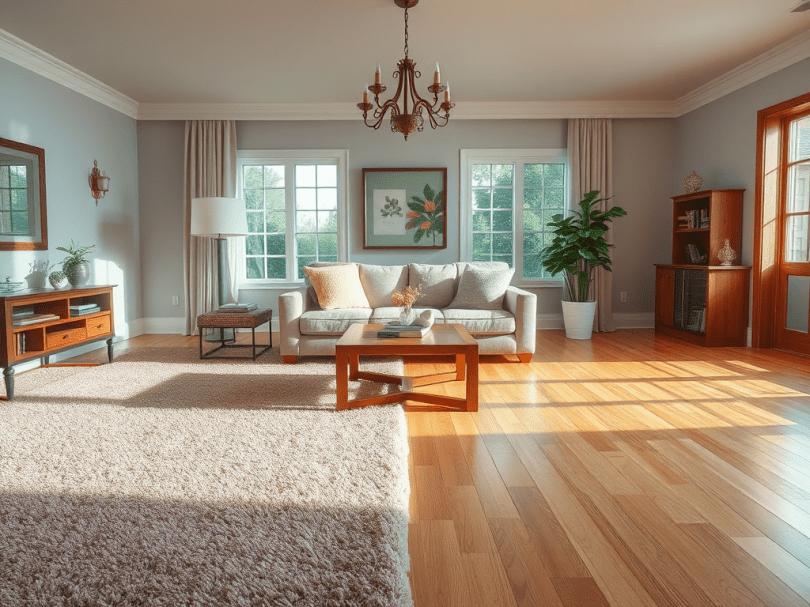
    • Many homeowners opt for hardwood throughout the main areas and use carpeting in the bedrooms. This creates a stylish, practical, and comfortable balance.

Final Thoughts

There’s no right or wrong answer in the carpet vs. hardwood debate—it all depends on your needs, taste, and lifestyle. Hardwood flooring continues to be a timeless and high-demand choice, but carpet isn’t going anywhere. In fact, it’s evolving with modern trends and bringing comfort and style to spaces that call for it.

Whether you’re leaning toward sleek planks or plush piles, make your choice based on the way you live—not just the latest trends.


Stay stylish. Stay comfortable. Stay you. Visit www.discoveringlifellc.com for more tips on transforming your home with confidence and comfort.

Which Type of Flooring Is Best for Your Home? A Breakdown of Pros and Cons

Choosing the right flooring for your home is an important decision that affects both aesthetics and functionality. With so many options available, including hardwood, vinyl, carpet, tile, and laminate, it can be overwhelming to determine which is best suited for your space. Let’s explore the pros and cons of each flooring type to help you make an informed choice.

1. Hardwood Flooring

Pros:

  • Timeless and elegant appearance
  • Increases home value
  • Durable and long-lasting with proper care
  • Can be refinished multiple times

Cons:

  • Expensive upfront cost
  • Susceptible to water damage
  • Requires regular maintenance, including refinishing over time
  • Can be noisy and hard underfoot

Best for: Living rooms, dining rooms, and bedrooms where warmth and aesthetics are a priority.

2. Vinyl Flooring

Pros:

  • Affordable and cost-effective
  • Water-resistant and ideal for moisture-prone areas
  • Easy to clean and maintain
  • Available in a wide range of styles, including wood and stone look-alikes

Cons:

  • May not add significant value to a home
  • Can fade over time with prolonged exposure to sunlight
  • Less durable than hardwood and tile

Best for: Kitchens, bathrooms, basements, and high-traffic areas.

3. Carpet Flooring

Pros:

  • Soft, warm, and comfortable underfoot
  • Provides excellent sound insulation
  • Affordable and available in various styles and colors
  • Ideal for children’s rooms and bedrooms for added coziness

Cons:

  • Prone to stains and difficult to clean
  • Can trap allergens, dust, and pet dander
  • May wear out faster in high-traffic areas
  • Requires frequent vacuuming and deep cleaning

Best for: Bedrooms, family rooms, and areas where comfort is a priority.

4. Tile Flooring (Ceramic or Porcelain)

Pros:

  • Highly durable and long-lasting
  • Water-resistant, making it ideal for bathrooms and kitchens
  • Available in a wide variety of designs and colors
  • Easy to clean and maintain

Cons:

  • Can feel cold and hard underfoot
  • Expensive installation cost
  • Grout lines may require regular maintenance

Best for: Bathrooms, kitchens, entryways, and areas prone to moisture.

5. Laminate Flooring

Pros:

  • Affordable alternative to hardwood
  • Scratch-resistant and durable
  • Easy to install with a click-and-lock system
  • Low maintenance and easy to clean

Cons:

  • Cannot be refinished if damaged
  • Susceptible to water damage
  • Can feel less authentic than real wood or tile

Best for: Living rooms, hallways, and budget-conscious homeowners seeking a wood-like appearance.

Which Flooring Type Is Best for You?

The best flooring for your home depends on several factors, including budget, lifestyle, and the specific room’s function. If you want timeless elegance, hardwood is a great investment. For moisture-prone areas, tile or vinyl is a practical choice. If comfort is your priority, carpet is a cozy option. For affordability and durability, laminate can be a great alternative.

Ultimately, the best flooring for your home is one that meets your needs while complementing your overall decor. Consider how each type of flooring fits your lifestyle, and choose the one that best suits your home’s functionality and style.

Carpet vs Hardwood Flooring

When it comes to choosing flooring for your home, the debate between carpet and hardwood flooring often takes center stage. Both options have their unique benefits, and the right choice depends on your lifestyle, design preferences, and budget. Let’s dive into the key factors to consider when deciding between these two popular flooring types.

The Benefits of Carpet Flooring

Carpet flooring is a timeless choice that offers comfort and warmth, making it a favorite for bedrooms and living rooms. Here are some of its main advantages:

  1. Comfort and Softness:
    Carpet provides a soft underfoot feel, which is particularly appreciated in areas where you might walk barefoot. It’s also gentle for families with young children or elderly members who might be prone to falls.
  2. Noise Reduction:
    Carpet absorbs sound, making it an excellent choice for multi-story homes or spaces where quiet is essential, such as bedrooms or home offices.
  3. Affordability:
    In many cases, carpet can be a more budget-friendly option compared to hardwood. It’s also less expensive to install.
  4. Variety of Styles and Colors:
    With a wide range of patterns, textures, and colors, carpet can easily match your home’s decor and style.
  5. Insulation:
    Carpet retains heat well, making it a great option for colder climates.

The Benefits of Hardwood Flooring

Hardwood flooring is celebrated for its elegance, durability, and timeless appeal. It’s a versatile option that fits well with various interior styles, from rustic to modern. Here are its key benefits:

  1. Durability and Longevity:
    Hardwood floors can last for decades with proper care. They can also be refinished multiple times, allowing you to refresh their look without replacing them.
  2. Easy Maintenance:
    Hardwood is easier to clean than carpet. A simple sweep or mop can keep it looking pristine, making it ideal for households with pets or allergy sufferers.
  3. Aesthetic Appeal:
    The natural beauty of hardwood adds a touch of sophistication to any room. It’s also a selling point that can increase your home’s resale value.
  4. Versatility:
    Hardwood complements almost any decor style and can adapt to changes in your design preferences over time.
  5. Hypoallergenic Properties:
    Unlike carpet, hardwood doesn’t trap dust, pollen, or pet dander, making it a healthier choice for allergy sufferers.

Factors to Consider When Choosing Between Carpet and Hardwood

To make the right decision, you’ll need to weigh several factors:

  1. Room Functionality:
  • Carpet is ideal for spaces where comfort is a priority, such as bedrooms, family rooms, or basements.
  • Hardwood works well in high-traffic areas like hallways, kitchens, and living rooms due to its durability.
  1. Climate:
  • Carpet provides warmth in colder climates.
  • Hardwood is better for warmer, humid climates where carpet might trap moisture.
  1. Maintenance:
  • Carpet requires regular vacuuming and deep cleaning to maintain its appearance and hygiene.
  • Hardwood is low-maintenance but requires refinishing periodically to keep its shine.
  1. Lifestyle:
  • If you have pets or young children, consider the wear and tear your flooring will endure. Hardwood may show scratches, while carpet may stain.
  • Carpet offers a cozy feel but can be harder to clean after spills.
  1. Budget:
  • Consider not just the upfront cost but also the long-term maintenance expenses. Carpet may be cheaper initially, but hardwood adds value to your home over time.

Making the Final Choice

The decision between carpet and hardwood ultimately comes down to your personal needs and priorities. If you value comfort and affordability, carpet may be the way to go. If durability, elegance, and resale value are higher on your list, hardwood is likely the better option.

For a harmonious approach, you can also consider combining the two. For instance, install hardwood in communal areas and use carpet in bedrooms for added coziness. Area rugs can also bring warmth to hardwood floors while maintaining their sleek appearance.

By carefully evaluating your lifestyle, budget, and design goals, you can choose the flooring that’s perfect for your home. Both carpet and hardwood have their merits—the key is finding the balance that works best for you.

The Benefits of Carpet Flooring

Carpet flooring is a timeless choice that offers comfort and warmth, making it a favorite for bedrooms and living rooms. Here are some of its main advantages:

  1. Comfort and Softness:
    Carpet provides a soft underfoot feel, which is particularly appreciated in areas where you might walk barefoot. It’s also gentle for families with young children or elderly members who might be prone to falls.
  2. Noise Reduction:
    Carpet absorbs sound, making it an excellent choice for multi-story homes or spaces where quiet is essential, such as bedrooms or home offices.
  3. Affordability:
    In many cases, carpet can be a more budget-friendly option compared to hardwood. It’s also less expensive to install.
  4. Variety of Styles and Colors:
    With a wide range of patterns, textures, and colors, carpet can easily match your home’s decor and style.
  5. Insulation:
    Carpet retains heat well, making it a great option for colder climates.

The Benefits of Hardwood Flooring

Hardwood flooring is celebrated for its elegance, durability, and timeless appeal. It’s a versatile option that fits well with various interior styles, from rustic to modern. Here are its key benefits:

  1. Durability and Longevity:
    Hardwood floors can last for decades with proper care. They can also be refinished multiple times, allowing you to refresh their look without replacing them.
  2. Easy Maintenance:
    Hardwood is easier to clean than carpet. A simple sweep or mop can keep it looking pristine, making it ideal for households with pets or allergy sufferers.
  3. Aesthetic Appeal:
    The natural beauty of hardwood adds a touch of sophistication to any room. It’s also a selling point that can increase your home’s resale value.
  4. Versatility:
    Hardwood complements almost any decor style and can adapt to changes in your design preferences over time.
  5. Hypoallergenic Properties:
    Unlike carpet, hardwood doesn’t trap dust, pollen, or pet dander, making it a healthier choice for allergy sufferers.

Factors to Consider When Choosing Between Carpet and Hardwood

To make the right decision, you’ll need to weigh several factors:

  1. Room Functionality:
  • Carpet is ideal for spaces where comfort is a priority, such as bedrooms, family rooms, or basements.
  • Hardwood works well in high-traffic areas like hallways, kitchens, and living rooms due to its durability.
  1. Climate:
  • Carpet provides warmth in colder climates.
  • Hardwood is better for warmer, humid climates where carpet might trap moisture.
  1. Maintenance:
  • Carpet requires regular vacuuming and deep cleaning to maintain its appearance and hygiene.
  • Hardwood is low-maintenance but requires refinishing periodically to keep its shine.
  1. Lifestyle:
  • If you have pets or young children, consider the wear and tear your flooring will endure. Hardwood may show scratches, while carpet may stain.
  • Carpet offers a cozy feel but can be harder to clean after spills.
  1. Budget:
  • Consider not just the upfront cost but also the long-term maintenance expenses. Carpet may be cheaper initially, but hardwood adds value to your home over time.

Making the Final Choice

The decision between carpet and hardwood ultimately comes down to your personal needs and priorities. If you value comfort and affordability, carpet may be the way to go. If durability, elegance, and resale value are higher on your list, hardwood is likely the better option.

For a harmonious approach, you can also consider combining the two. For instance, install hardwood in communal areas and use carpet in bedrooms for added coziness. Area rugs can also bring warmth to hardwood floors while maintaining their sleek appearance.

By carefully evaluating your lifestyle, budget, and design goals, you can choose the flooring that’s perfect for your home. Both carpet and hardwood have their merits—the key is finding the balance that works best for you.