
How to Decorate Your Guest Room to Match Your Home Style (and Still Leave Room for Your Guests’ Personal Touch)


When decorating your guest room, you want it to feel like an extension of your home—stylish, cohesive, and intentional—but it should also be flexible enough to welcome anyone who walks through the door. After all, the best guest rooms are both beautiful and accommodating, offering comfort and warmth while allowing your guests to feel at home in their own way.

In this post, we’ll explore how to design a guest room that complements your home’s overall style while giving your visitors space to make it their own. Plus, we’ll share budget-friendly tips to personalize the room for each guest without breaking the bank.


1. Start with a Neutral Base That Reflects Your Home

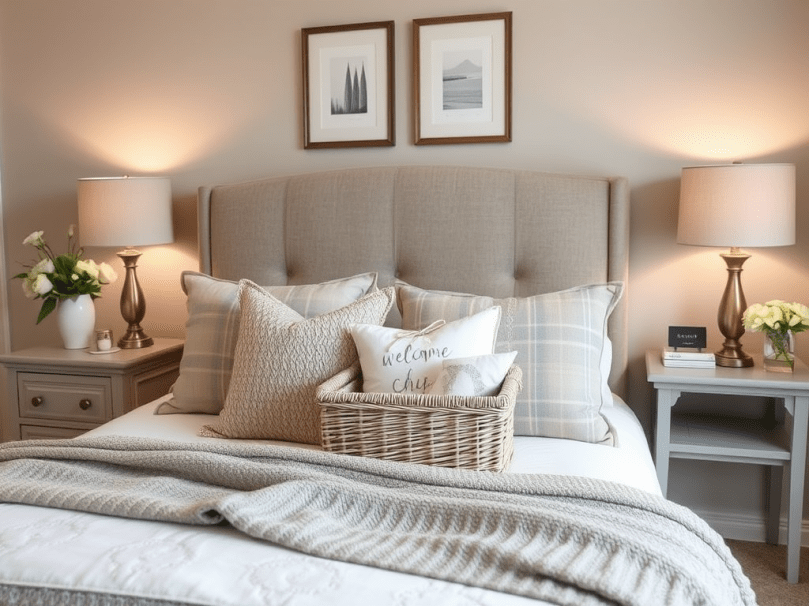
If your home leans modern farmhouse, mid-century modern, or coastal chic, bring that same energy into the guest room through color palettes, furniture choices, and finishes. But to keep things flexible, opt for a neutral base—think whites, soft grays, warm beiges, or muted tones that serve as a canvas for layering.

Tips:

  • Choose a comforter or duvet cover in a solid color or subtle pattern.
  • Stick to timeless furniture pieces that echo the rest of your home’s vibe.
  • Use matching wall colors or trim to tie in the guest room with the rest of your space.

2. Incorporate Your Style Through Accents

Use pillows, throws, rugs, art, and decorative accessories to represent your style. These are easy to swap out and don’t overpower the room, which means your guests can still make the space feel like their own.

Ideas:

  • Add a throw blanket in your home’s signature color.
  • Include small artwork or wall decor that matches your overall aesthetic.
  • Use decorative trays, vases, or lamps that carry over themes from your living areas.

3. Leave Room for Guest Personalization

Your guest room should feel curated but not overly styled. Create areas where guests can place their personal items or where you can add temporary, personalized touches just for their stay.

Tips:

  • Leave open space on the nightstand or dresser.
  • Include an empty picture frame or two that you can quickly fill with a photo of you and your guest using printable inserts.
  • Provide a few empty hangers and drawer space for clothing.

4. Create a Welcome Basket or Tray (Customizable Per Guest)

This is a thoughtful and low-cost way to make your guest feel seen. Keep a reusable basket or tray that you can restock and personalize before each visit.

What to include:

  • A handwritten note or welcome card
  • A water bottle or small snack
  • Travel-size toiletries
  • A local guide or small map
  • A little something personal (like their favorite candy or magazine)

5. Use Interchangeable Textiles

One of the easiest and most affordable ways to change up the feel of a room is through textiles. Keep a small collection of pillow covers, throw blankets, and small rugs that can be rotated for different guests or seasons.

Pro tip: Use pillow inserts and simply swap the covers. It takes minutes and stores easily!


6. Add a Digital or Physical Guestboard

Place a small message board, chalkboard, or even a digital picture frame that can be programmed with a message for your guest. Use it to display their name, a warm message, or a fun quote that matches their personality.


7. Make the Room Functional for Any Guest

While you want it to look good, don’t forget function! Include small things that make a big difference for different types of guests.

Suggestions:

  • A USB charging hub or charging station
  • A foldable luggage rack
  • Extra towels in a basket or on hooks
  • A notepad and pen
  • A small desk or table if space allows

Final Thoughts

Decorating your guest room doesn’t mean compromising your home’s style. With a little planning, you can create a space that’s both beautifully integrated with your decor and welcoming to all kinds of guests. By sticking with a neutral foundation, using flexible decor, and adding small personalized touches, your guest room can evolve with every visitor—at little to no extra cost.


Bonus Tip: Keep a small “Guest Room Kit” stored in the closet. It could include interchangeable pillow covers, travel-size toiletries, mini welcome cards, and other low-cost goodies ready to refresh the room in minutes.


Choosing the Right Size Bed for Your Space: A Comprehensive Guide

Your bed is the focal point of your bedroom—the place where you relax, recharge, and unwind. But choosing the right size bed isn’t just about comfort; it’s also about ensuring the bed fits seamlessly into your space without overwhelming the room. So, how do you determine which bed size is right for you? This guide will walk you through everything you need to consider to find the perfect fit for your space and lifestyle.

1. Understand Standard Bed Sizes

Before diving into specifics, it’s important to understand the standard bed sizes available:

  • Twin (39” x 75”): Ideal for kids, single sleepers, or small guest rooms.
  • Twin XL (39” x 80”): A bit longer than a twin, perfect for taller individuals.
  • Full (54” x 75”): Great for single adults who want more space or couples who don’t mind snug sleeping quarters.
  • Queen (60” x 80”): The most popular size, fitting for couples or those who enjoy extra room.
  • King (76” x 80”): A luxurious choice for couples, allowing plenty of personal space.
  • California King (72” x 84”): Longer but narrower than a standard king, perfect for taller individuals.

2. Measure Your Space

Accurate measurements are key to finding the right bed size. Follow these steps:

  • Measure the room dimensions: Ensure you have the room’s width and length measured.
  • Consider furniture placement: Factor in bedside tables, dressers, and other furniture.
  • Allow for walking space: Leave at least 2 to 3 feet around the bed for ease of movement.

Pro Tip: Use painter’s tape to outline the bed size on the floor to visualize how it will fit in your space.

3. Assess Your Lifestyle and Sleeping Needs

Your lifestyle plays a crucial role in bed size selection:

  • Do you sleep with a partner? Opt for a queen or larger to ensure both of you have enough space.
  • Do you have pets or children? A king or California king may provide the extra room you need.
  • Do you move around a lot in your sleep? A larger bed can prevent disturbances during the night.

4. Factor in Room Style and Aesthetics

A large bed can dominate a small room, making it feel cramped. Conversely, a small bed in a large room can seem disproportionate. Balance is key:

  • Small bedrooms: Consider a full or queen bed to maintain open space.
  • Spacious master suites: A king or California king can anchor the room beautifully.

5. Storage Considerations

If storage is an issue, consider these options:

  • Platform beds with built-in drawers
  • Beds with under-bed storage bins
  • Lofted beds to maximize floor space

6. Budget Considerations

Larger beds and mattresses generally cost more, not just for the bed itself but for bedding and accessories. Be sure to factor this into your decision.

7. Final Tips

  • Think long-term: If you’re planning on moving, consider how the bed will fit in future spaces.
  • Comfort first: While size is essential, mattress comfort should also be a priority.
  • Test it out: Visit a showroom to try different sizes and get a feel for what suits you best.

Choosing the right size bed doesn’t have to be complicated. By considering room size, lifestyle, and aesthetics, you can find a bed that perfectly fits both your space and your needs. Happy bed hunting!

How to Decorate Your Guest Bedroom: Neutral and Inviting Touches for Every Guest

Creating a welcoming and neutral guest bedroom can feel like a delicate balancing act. You want the space to be inviting and stylish, yet adaptable enough to accommodate various tastes. A well-decorated guest bedroom offers comfort, practicality, and a touch of elegance. Here’s how you can achieve this with a thoughtful selection of decor items.

1. The Foundation: Neutral Color Palette

Start with a neutral color palette to create a serene atmosphere. Shades of beige, gray, white, or light pastels work wonderfully as they appeal to a wide audience and make the room feel open. Add texture and depth through throw pillows, rugs, and blankets in complementary tones.

2. Comfortable Bedding

Invest in high-quality bedding that ensures a restful night. A layered approach works best—use crisp white sheets, a cozy duvet, and a soft blanket for versatility. Choose accent pillows in subtle patterns to add a decorative touch without overpowering the room.

3. Functional Furniture

While the bed is the focal point, other furniture is equally important:

  • Nightstands: Provide bedside tables with drawers or shelves for storage.
  • Seating: A small chair or bench at the foot of the bed adds functionality.
  • Storage: A dresser or an empty drawer in the closet gives guests space for their belongings.

4. Lighting Layers

Offer multiple lighting options to suit different needs. A combination of a bedside lamp, overhead lighting, and perhaps a floor lamp or sconce creates a cozy ambiance. Use warm light bulbs to enhance the room’s inviting feel.

5. Decorative Accents

Keep decorations simple and understated to maintain neutrality:

  • Wall Art: Choose abstract prints or scenic photography in muted tones.
  • Mirror: A stylish mirror not only brightens the room but is also practical for guests.
  • Plants: Add life to the room with a small indoor plant or a vase of fresh flowers.

6. Practical Touches

Think about the small details that make a big difference:

  • Bedside Essentials: Include a tray with water glasses, tissues, and a small notepad with a pen.
  • Wi-Fi Password: Frame or display the Wi-Fi password on the nightstand for convenience.
  • Charging Station: Provide a power strip or charging dock for devices.

7. Rugs and Curtains

Place a soft area rug under the bed to make the room cozier and more visually appealing. Opt for curtains or blinds that block out light while complementing the room’s color scheme.

8. Neutral yet Inviting

To maintain a balance between neutral and warm, use materials like linen, wood, and ceramic. These natural elements add a timeless elegance to the decor.

9. Guest-Friendly Amenities

Set out fresh towels, a set of toiletries, and a cozy robe. If space allows, consider adding a small luggage rack for convenience.

By combining these thoughtful decor elements, you’ll create a guest bedroom that’s neutral, inviting, and memorable for every visitor. Your guests will appreciate the attention to detail and the care you’ve put into their comfort.