
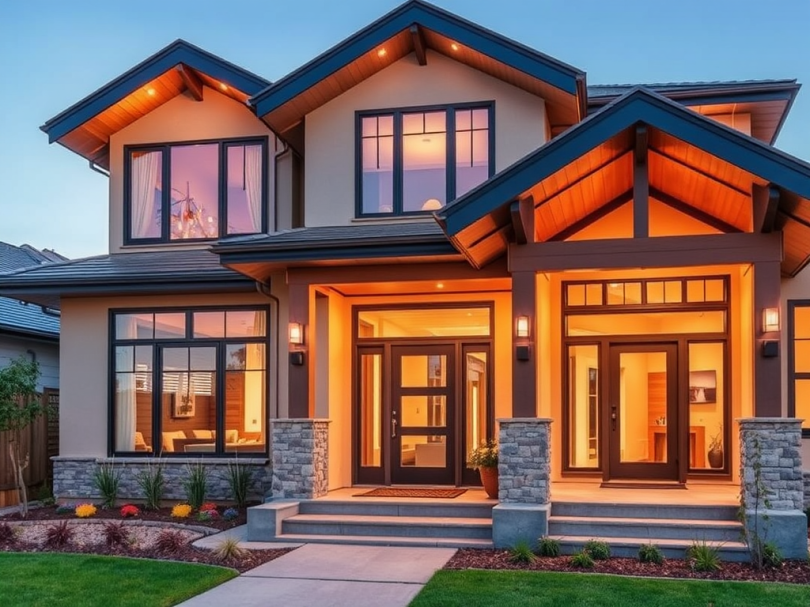
Do You Think About Architecture When You Choose Your Home? Here’s Why You Should


When most of us think about choosing a home, our minds go straight to the essentials: location, number of bedrooms, school districts, maybe even the paint colors or the size of the backyard. But there’s something far deeper that shapes how a home feels long before you ever place your first piece of furniture—and that’s architecture.

Architecture isn’t just the exterior look of a home. It’s the structure, the intention, the flow, and the soul behind the walls. And whether you notice it or not, it impacts your daily life in more ways than you may realize.


What Exactly Is Architecture?

Architecture is the art and science of designing buildings and spaces. It shapes not only how a structure looks, but how it functions. It determines:

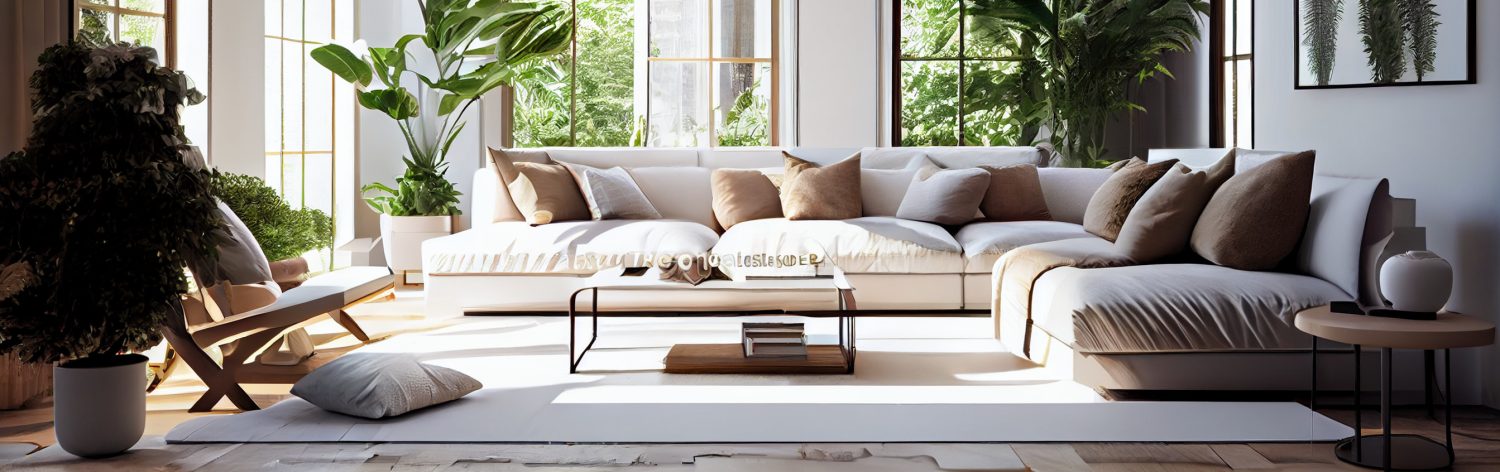
  • How sunlight reaches your living room
  • Whether your kitchen feels cramped or inviting
  • How air flows through your home
  • The mood of a space before you ever decorate it
  • How well a home supports your lifestyle

Good architecture blends beauty, practicality, and human experience. It creates spaces that feel natural, intuitive, and comforting.


Why Architecture Matters in Everyday Living

Even if you don’t consider yourself someone who “thinks about architecture,” you experience the effects of good (or bad!) design daily.

1. It shapes how you use your home

An open floor plan encourages social connection; a closed-off one creates privacy and separation. Tall ceilings can make you feel free and energized, while low ceilings feel cozy—or sometimes constricting.

2. It impacts your mood

Natural light, room proportions, and spatial flow all affect emotional well-being. A well-lit, thoughtfully designed space just feels good to walk into.

3. It affects your comfort

Everything from window placement to insulation to the orientation of the building affects how warm, cool, loud, or peaceful your home is.

4. It influences how you decorate

Your style may be boho, minimalist, or farmhouse—but architecture sets the stage. Certain styles shine brightest in certain structures.


Do You Think About Architecture When Choosing a Home?

Many people choose a home based on what’s visible on the surface—paint colors, flooring, countertops. Yet these are the easiest things to change.

Architecture, on the other hand, is foundational.

When I think about choosing a home, architecture is one of the first things that comes to mind. I look at:

  • The flow of the layout
  • The natural light
  • The ceiling height
  • The structure of each room
  • The style of the home and how it complements my aesthetic

Why? Because architecture determines the long-term comfort and personality of the home. Paint can be changed, but structural limitations—like awkward room shapes or poor layout—often cannot.


How Important Is It to Choose a Home Based on Architectural Style?

Very important—especially if you value cohesiveness in your decor and lifestyle.

Your architectural style influences:

  • How you’ll furnish the home
  • Whether your decor style feels natural or forced
  • The sense of identity your home carries
  • How guests experience the space
  • Your long-term satisfaction

A modern home with sleek lines won’t pair naturally with ornate Victorian furniture. A rustic farmhouse may feel odd with ultramodern décor unless you intentionally blend styles. When your architectural style aligns with your design preferences, creating a cohesive, beautiful home becomes effortless.


Why Architecture Should Matter to You

Architecture is more than aesthetics—it’s a reflection of how you live.

It tells a story.
It creates an atmosphere.
It shapes your daily rituals without you even realizing it.

When you choose a home aligned with the architectural qualities you love, everything else—from decorating to daily living—feels more natural and enjoyable.


Final Thoughts

So, do you think about architecture when choosing a home?

If you haven’t before, now is the perfect time to start. Architecture gives your home its identity long before you bring in the décor. It affects how you feel, how you function, and how you express your personal style.

And in a world where we spend more time at home than ever before, choosing a home with architecture that speaks to you is not just important—it’s essential.


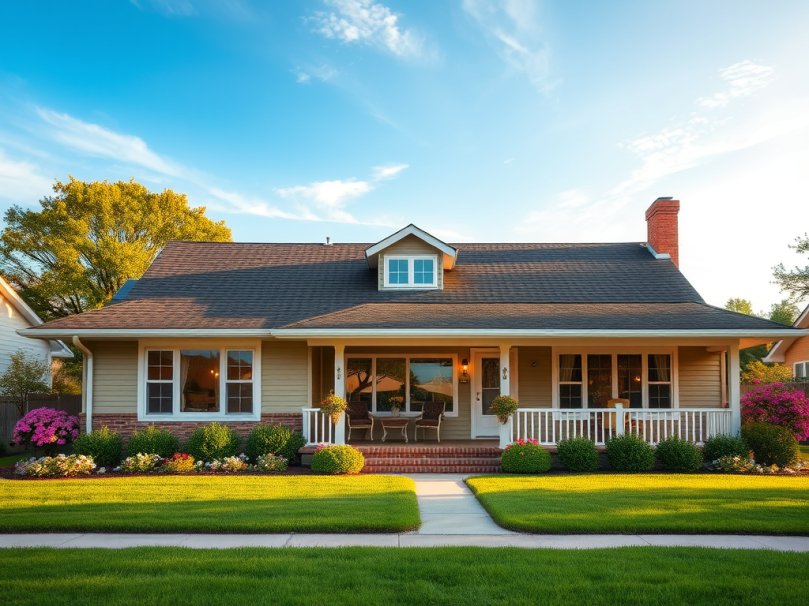
Why We Love Ranch-Style Homes: America’s Favorite Home Design


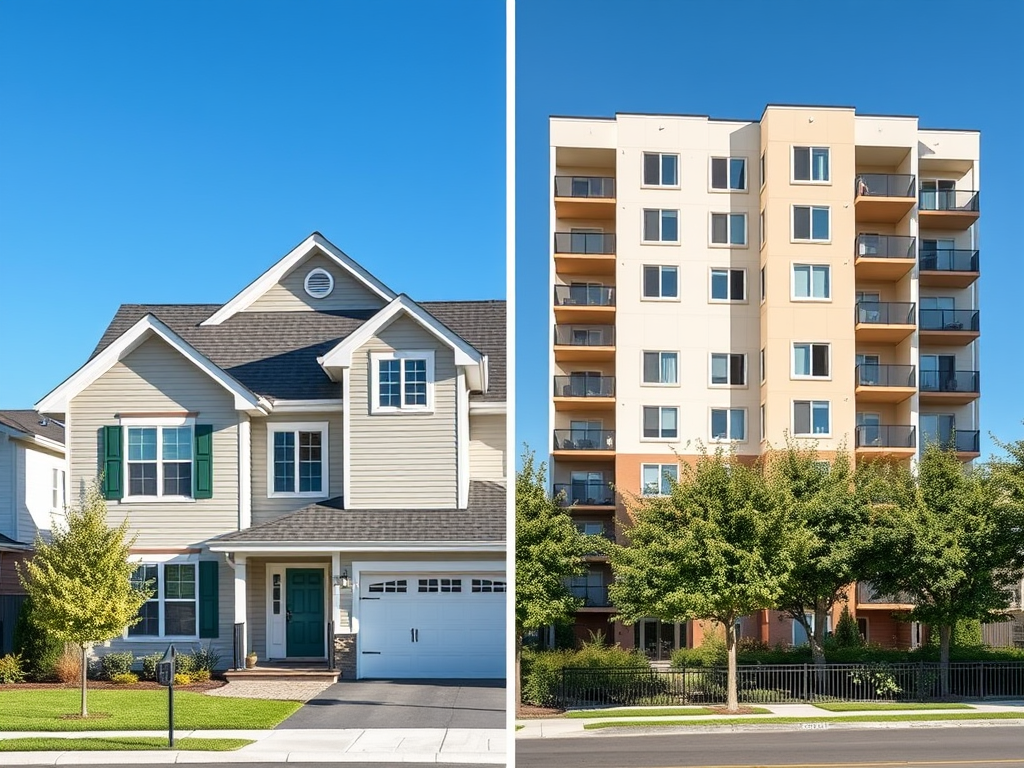
If there’s one home style that defines American living, it’s the ranch-style home. Spread across suburbs, small towns, and even the countryside, ranch homes have become an unmistakable symbol of comfort, practicality, and timeless design. But where did this beloved style come from, and why do so many of us still choose it today?

Let’s take a look at what makes the ranch-style home the most common—and most cherished—style in America.


Where the Ranch Style Came From

Ranch-style homes first gained popularity in the 1920s and 1930s, inspired by the simple, sprawling houses built on Western ranches. Their design drew from Spanish colonial architecture, with long, low layouts and open floor plans suited to the wide-open spaces of the American West.

But it was after World War II that the style truly took off. As soldiers returned home and the suburbs expanded, families wanted affordable, single-story homes that offered both practicality and freedom of movement. The ranch home—open, casual, and family-friendly—was the perfect fit.

By the 1950s and 1960s, the ranch-style home became the defining architecture of suburban America.


Why We Still Choose Ranch-Style Homes Today

Even with the rise of modern and contemporary designs, ranch homes continue to hold a special place in American hearts. Here’s why:

  1. Single-Level Living – Everything is on one floor, making it ideal for families, retirees, and anyone who values easy mobility.
  2. Open Concept Layout – The natural flow between kitchen, dining, and living spaces creates a warm, social atmosphere perfect for gatherings.
  3. Indoor-Outdoor Connection – Large windows, sliding glass doors, and patios make ranch homes feel airy and connected to nature.
  4. Flexibility for Updates – Their simple structure makes renovations and additions easy, whether you’re adding a sunroom, expanding the kitchen, or opening up more space.
  5. Timeless Appeal – Ranch homes are classic without feeling dated, blending comfortably with both modern and traditional decor.

In essence, a ranch-style home offers simplicity, accessibility, and comfort—three things that never go out of style.


How to Dress Up a Ranch-Style Home

The beauty of a ranch home is that it can evolve with your personal style. Whether you prefer modern farmhouse, mid-century, or cozy cottage vibes, a ranch layout provides the perfect canvas.

Here are a few ways to make it your own:

  • Play Up the Curb Appeal – Add a welcoming front porch, bold shutters, or updated lighting to create personality from the outside in.
  • Open Up the Space – If your ranch still has walls dividing the kitchen and living areas, consider opening them up to highlight that airy flow the style is known for.
  • Bring Nature In – Use large plants, natural wood finishes, and light curtains to enhance the home’s connection to the outdoors.
  • Highlight the Horizontal Lines – Embrace the long, low architecture with wide furniture, low-profile sofas, or horizontal artwork.
  • Add Modern Touches – Update hardware, fixtures, and color palettes for a more contemporary feel while keeping the home’s original charm.

Why We Love It

At its heart, the ranch home represents the American dream of comfort and space. It’s relaxed, unpretentious, and incredibly adaptable—just like the people who call it home. It welcomes guests easily, allows families to spread out, and creates a sense of connection that’s hard to find elsewhere.

We love it because it feels familiar. It feels like home.


In the end, a ranch-style home isn’t just about design—it’s about lifestyle. It’s the perfect mix of tradition and versatility, offering a foundation for families, dreamers, and anyone who wants a space that grows with them.

So whether you’re restoring an old ranch or designing one with a modern twist, remember: its charm lies in its simplicity—and in the freedom to make it uniquely yours.


Geometric Style in Your Home: What It Is, How to Incorporate It & What’s Trending


When it comes to home décor, trends come and go, but some styles stand out because they’re timeless and versatile. One of those is geometric style—a design approach that blends clean lines, bold patterns, and modern elegance. If you’ve been curious about how to introduce geometric style into your home, you’ll be happy to know it’s one of the easiest and most playful ways to refresh your space.

What Is Geometric Style?

At its core, geometric style is all about shapes, symmetry, and repetition. Think of circles, triangles, hexagons, chevrons, and bold straight lines used in patterns and structures. The trend is rooted in art deco and mid-century modern design, but it has evolved to fit today’s contemporary homes. Geometric décor can be loud and vibrant, or subtle and sophisticated, depending on the colors, patterns, and textures you choose.

It’s a style that works well because it can adapt—whether you want to create a striking statement wall, introduce patterned furniture, or add small accents that tie everything together.

How to Incorporate Geometric Style in Your Home

The beauty of geometric design is its versatility. You can go big and bold or small and understated:

  • Accent Walls & Wallpaper: A geometric wallpaper or painted accent wall instantly transforms a room. Chevron, hexagon, or diamond patterns can add movement and dimension.
  • Textiles & Rugs: Rugs, throw pillows, and blankets are some of the easiest ways to bring in geometric prints. Mixing patterns in complementary colors can give your space a stylish layered look.
  • Furniture: Look for coffee tables, shelving units, or side tables with geometric frames. Metal bases in hexagons or triangles are especially popular in modern homes.
  • Lighting Fixtures: Pendant lights and chandeliers with geometric designs (like globe clusters, starbursts, or angular shapes) double as functional art pieces.
  • Wall Art: Bold geometric prints, either in black and white or with pops of color, are a perfect way to experiment without committing to larger furniture pieces.
  • Tiles & Flooring: Geometric tiles in the bathroom or kitchen backsplash bring texture and character to these spaces.

What’s Popular with the Trend Right Now?

Like most styles, geometric décor has its own trending moments. Here’s what’s hot right now:

  • Muted Neutrals with Bold Shapes: Instead of bright neon, many people are pairing soft beige, gray, and cream with strong geometric lines to create a more sophisticated look.
  • Mixed Materials: Geometric frames in gold, brass, or matte black paired with wood or glass are a huge trend in furniture and lighting.
  • Oversized Wall Murals: Large geometric murals, often in earthy tones, are becoming a statement choice for living rooms and bedrooms.
  • 3D Textures: Beyond flat prints, 3D wall panels, sculptural vases, and textured art bring depth and intrigue.
  • Minimalist Geometrics: Clean, simple designs—like thin black grid lines or monochrome hexagon tiles—offer a modern yet timeless appeal.

Final Thoughts

Geometric style is a trend that continues to evolve, but it never truly goes out of fashion. Whether you love bold statements or prefer subtle accents, there’s a way to bring geometry into your home that fits your personality. Start small with pillows or art, or go bold with a statement wall—you’ll be surprised at how quickly these shapes can transform a space into something fresh, modern, and uniquely yours.


Stripes: Do You Love Them? Here’s How to Make Them Work in Your Home Without Overwhelming the Space


There’s something undeniably charming and bold about stripes. Whether you gravitate toward the crisp contrast of black and white or the subtle rhythm of tone-on-tone neutrals, stripes have a way of catching the eye without trying too hard. But let’s be honest—stripes can go from tasteful to too much in the blink of an eye. So how do you bring that timeless, tailored look into your home without overwhelming your space?

Let’s talk about it.

Why We Love Stripes

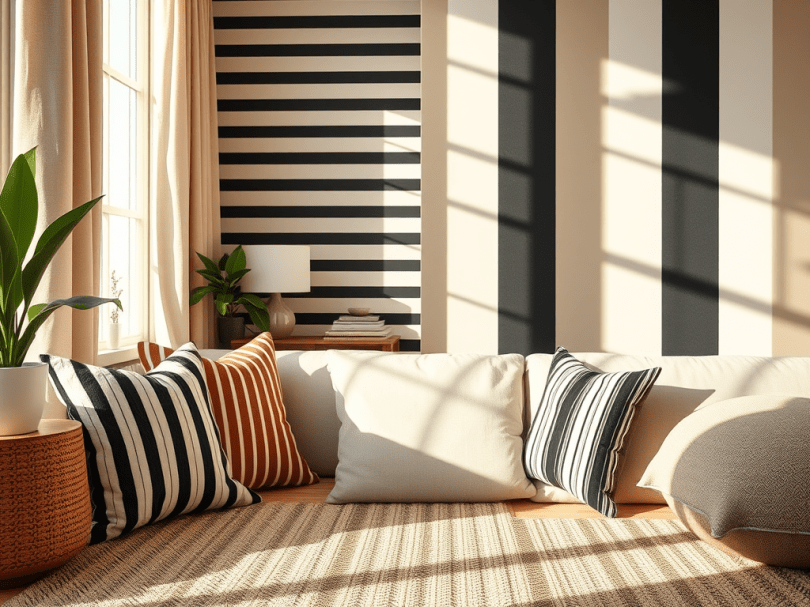
Stripes bring structure and personality. They can be playful or sophisticated, modern or traditional, and they work well in just about every room. You’ll often see them in coastal, Scandinavian, and even minimalist styles because they have the power to create movement without adding clutter.

I personally love stripes because they feel both fresh and classic. They can wake up a room with energy or quietly elevate it with elegance. They’re dependable but never boring.

How to Incorporate Stripes in a Balanced Way

Here are a few design-savvy ways to weave stripes into your home without making it feel too busy:

1. Start Small

If you’re unsure about committing to a large striped piece, start with accents:

  • Throw pillows with ticking or bold stripes
  • A striped area rug to anchor a neutral room
  • Striped kitchen towels or bathroom linens

These low-risk options allow you to experiment without dominating the space.

2. Use Stripes to Create Visual Interest

Stripes can help direct the eye and even change the perception of space:

  • Vertical stripes can make ceilings feel higher—great for small rooms or spaces that feel a little closed in.
  • Horizontal stripes can widen a space, perfect for narrow hallways or long, empty walls.

A single striped accent wall can be a total game-changer if the rest of the room is kept simple.

3. Stick to a Cohesive Color Palette

To keep stripes from becoming overwhelming, choose patterns that complement your existing color scheme. Neutral or tone-on-tone stripes can add dimension without visual chaos.

Try soft beige and white in a living room or muted blues in a bedroom for a calming effect. If you’re a bold personality, go for navy and white or black and cream for contrast without clutter.

4. Mix, But Don’t Clash

If you love mixing patterns, stripes can definitely play nice with others. The key is contrast in scale and unity in color. Think:

  • Thin stripes with oversized florals
  • Wide stripes with small geometrics
  • Soft colors across all patterns to keep harmony

5. Stripes on Unexpected Surfaces

Think beyond fabric:

  • Painted striped floors (especially in mudrooms or playrooms)
  • Striped wallpaper in powder rooms or closets
  • Painted stripes on planters or bookshelves for a fun DIY twist

These surprising uses can bring just the right amount of “wow” without shouting for attention.

Final Thoughts

Stripes can absolutely have a place in your home—whether you’re decorating a whole room or just adding a little flair. The trick is in the balance. A striped statement piece or a series of smaller accents can add rhythm and style without overpowering your personal aesthetic.

So, do you love stripes? If you’ve been hesitant to try them, this might be the sign you’ve been waiting for. Play around. Be bold. Or keep it subtle. Just remember: when it comes to stripes, a little goes a long way—but when used well, they go exactly where you want them to.


Want more decor inspiration like this?
Join the Discovering Life newsletter for weekly tips, and design ideas to help you create a home that truly feels like you.


Love Your Home: A Celebration of the Space That Holds Your Life


Home isn’t just a place—it’s a feeling. It’s where your favorite mug lives, where the sun hits just right on Saturday mornings, and where life unfolds in all its beautiful, messy, chaotic glory. In a world that’s always moving fast, it’s important to take a moment to simply love your home for all that it is—and all that it holds.

Why It’s Important to Appreciate Your Home

We often get caught up in comparing our homes to perfectly staged social media photos or magazine-worthy interiors. But the truth is, your home tells your unique story. Whether you rent or own, live in a studio apartment or a house in the suburbs, your space reflects your personality, your comfort, and your values. And that’s something worth celebrating.

Taking a moment to appreciate your home reminds you of how far you’ve come and helps you recognize the warmth and peace it provides every single day.


Tips & Tricks to Make Your Home More Lovable

If your home could use a little more TLC, here are a few simple suggestions to fall in love with it all over again:

1. Declutter with Heart

Sometimes, loving your home starts with letting go. Clear out items that no longer serve you, and create space for the things that truly bring joy. Donate what you can and keep only what feels purposeful.

2. Add Personal Touches

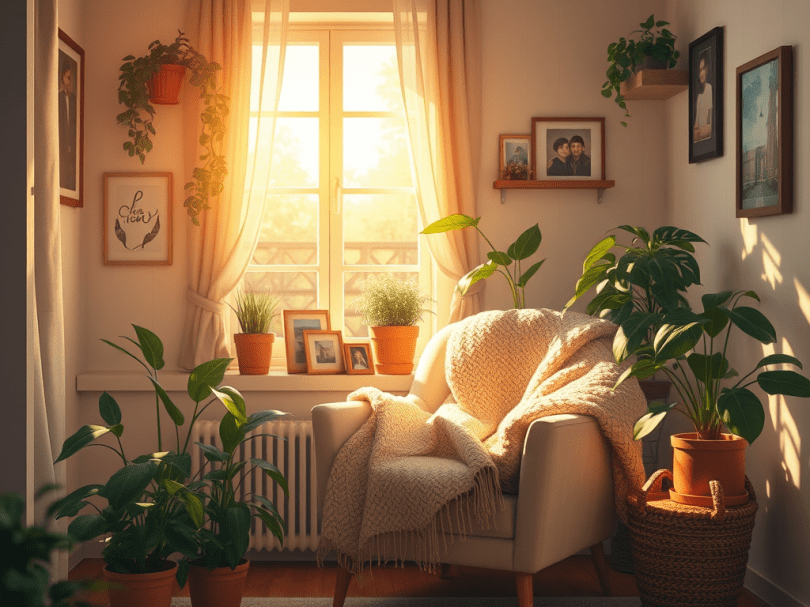
Display meaningful photos, frame your favorite quote, or hang up art that speaks to you. Incorporating pieces that reflect your life will make your space feel more like you.

3. Create a Cozy Corner

Designate a space just for unwinding—whether it’s a reading nook with a soft blanket or a sunny spot with a comfy chair. Make it your little retreat.

4. Incorporate Nature

Bring life into your home with houseplants, fresh flowers, or even a small herb garden in the kitchen. Nature has a way of softening a space and making it feel warm and alive.

5. Invest in Scent & Lighting

A cozy candle, essential oil diffuser, or soft lamp lighting can completely change the mood of a room. Make your home smell and feel like the sanctuary it is.

6. Keep It Functional & Flexible

Sometimes loving your home means making it work better for you. Rearrange furniture to improve flow, add storage where needed, or repurpose rooms based on your current lifestyle.


Little Things That Make a Big Difference

  • Play your favorite playlist while cleaning.
  • Change up your throw pillows or curtains seasonally.
  • Keep a basket by the door with things that make you smile—like your favorite scarf or a handwritten note.
  • Start a small weekend project, like painting an accent wall or organizing your entryway.

What Do You Love About Your Home?

Maybe it’s your morning coffee spot by the window. Maybe it’s the laughter that fills your kitchen. Maybe it’s the sense of peace that wraps around you after a long day.

Whatever it is—what do you love about your home and why?
I’d love to hear your thoughts in the comments or in your journal. Sometimes, just naming what we love brings it into sharper focus.

Remember, your home doesn’t have to be perfect to be perfectly yours.