
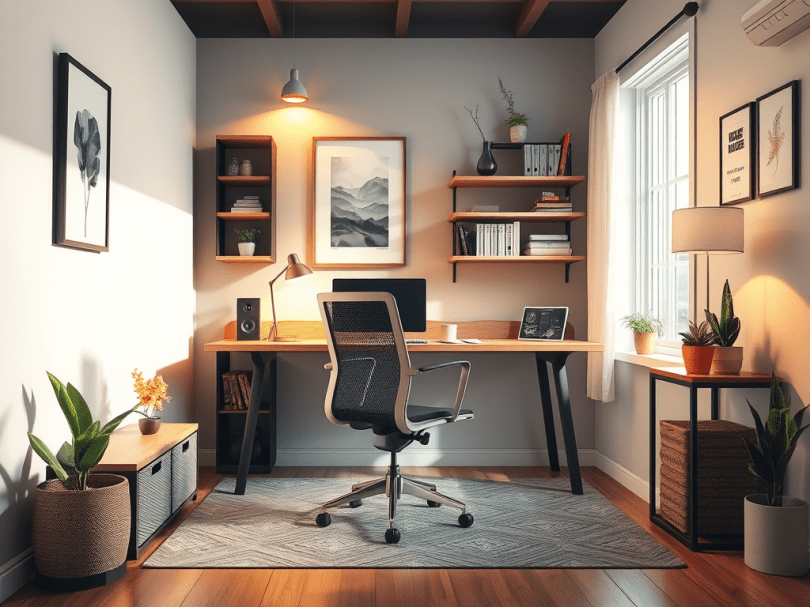
How to Update Your Home Office: How to Make Your Home Office Functional and Stylish


Working from home has become more than a trend—it’s a lifestyle. Whether you’re running a business, managing household tasks, or balancing a hybrid work schedule, your home office should support productivity without sacrificing style. The good news? You don’t need a full renovation to transform your space. With a few intentional updates, you can create a home office that works hard and looks great.
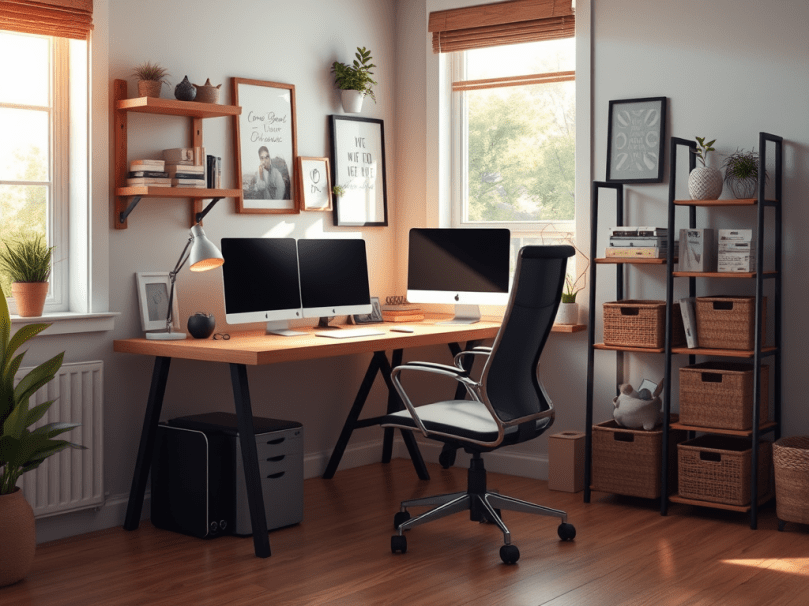
1. Start With How You Actually Use the Space

Before buying anything new, take a moment to evaluate your daily routine.

Ask yourself:

  • Do I need more desk space or better storage?
  • Am I on video calls often?
  • Do I work long hours and need ergonomic support?
  • Is this space shared with another purpose (guest room, dining area, living room)?

Understanding how you use your home office helps you make smart, functional upgrades instead of decorative ones that don’t serve you.


2. Choose the Right Desk for Function and Flow

Your desk is the foundation of your home office.

Functional tips:

  • Choose a desk that fits the room—oversized desks can overwhelm small spaces.
  • Look for built-in drawers or shelves if storage is limited.
  • Floating or wall-mounted desks work well in compact homes or apartments.

Style tips:

  • Wood desks add warmth and texture.
  • White or light-colored desks keep the space feeling open and airy.
  • Metal or glass desks lean modern and minimalist.

A desk should support your workflow while blending seamlessly with your home’s overall decor.


3. Invest in a Comfortable, Stylish Chair

Comfort is non-negotiable, but that doesn’t mean your chair has to look like it belongs in a corporate office.

Look for:

  • Adjustable height and lumbar support
  • Cushioned seating for long work sessions
  • A design that complements your decor style

There are many chairs today that balance ergonomics and aesthetics, making them perfect for visible home offices.


4. Maximize Storage Without Adding Clutter

A functional office is an organized one.

Smart storage ideas:

  • Vertical shelving to free up floor space
  • Decorative baskets or bins for paperwork and supplies
  • Filing cabinets that double as accent furniture
  • Drawer organizers to keep small items tidy

The goal is to keep everything you need within reach—without letting clutter take over the room.


5. Improve Lighting for Productivity and Mood

Lighting can make or break a home office.

Layer your lighting:

  • Natural light whenever possible—place your desk near a window
  • Task lighting like desk lamps for focused work
  • Ambient lighting such as floor lamps or wall sconces for warmth

Choose warm-neutral bulbs to reduce eye strain while keeping the space inviting.


6. Add Personality With Decor That Inspires You

Your home office should feel motivating, not sterile.

Style-enhancing ideas:

  • Wall art or framed quotes that reflect your goals
  • A small gallery wall or statement piece behind your desk
  • Plants to add life and improve air quality
  • Decorative trays or bookends for a polished look

Decor doesn’t just make the space pretty—it makes it yours.


7. Keep Technology Organized and Minimal

Visible cords and bulky tech can disrupt an otherwise stylish office.

Try:

  • Cord management boxes or clips
  • Wireless keyboards, mice, and chargers
  • Monitor risers that double as storage
  • Cable trays mounted under the desk

A clean tech setup keeps your office looking intentional and professional.


8. Make It Work With the Rest of Your Home

If your home office is part of a shared space, cohesion matters.

  • Match finishes and colors to nearby furniture
  • Use rugs or room dividers to visually define the workspace
  • Choose decor that complements—not competes with—the rest of the room

This ensures your office feels like a natural extension of your home rather than an afterthought.


Final Thoughts

Updating your home office is about finding the balance between functionality and style. When your space supports how you work and reflects your personal taste, productivity comes more naturally—and work feels a little less like work.

Small changes can make a big difference. Start with what matters most to you, build intentionally, and create a home office you’re excited to sit down in every day.

Your workspace should work for you—beautifully.

How to Style Your Home Office for AI Remote Work Culture


The way we work has changed dramatically in just a few short years. By 2025, remote jobs aren’t just about flexible schedules and Zoom calls—they’re increasingly AI-collaborative. That means your home office isn’t just a place for you to focus, but also a digital hub where you and AI tools work side by side.

So, what does a workspace look like when it’s designed for this new AI-driven remote culture? Let’s break it down.


1. Smart Layout for Focus and Collaboration

Gone are the days of cluttered desks and makeshift setups at the dining room table. Today’s AI-powered remote work thrives in organized, intentional spaces.

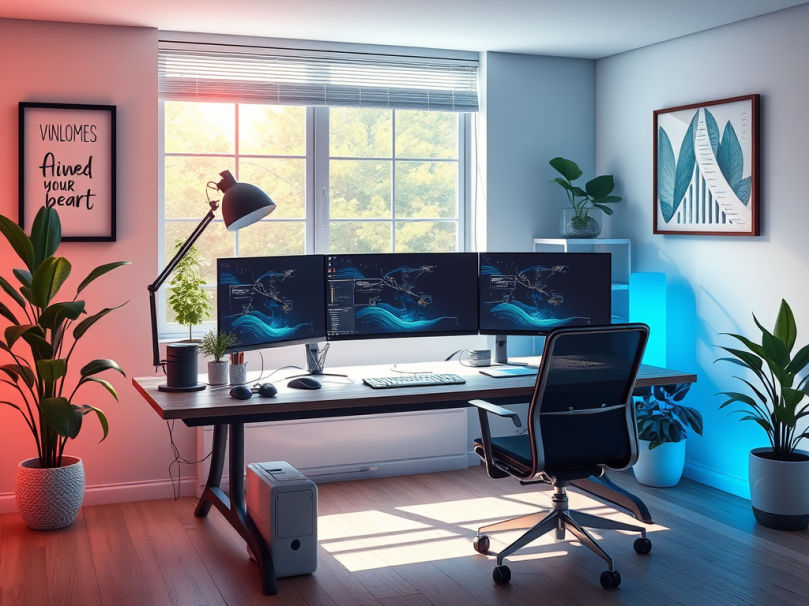
  • Dual-purpose desk: Choose a desk that allows room for both personal tasks and multiple screens or docking stations. Many workers now keep one monitor dedicated to AI dashboards or workflow assistants.
  • Ergonomic setup: Long hours of AI-assisted productivity still require comfort. Adjustable chairs, sit-stand desks, and ergonomic accessories help maintain focus without burnout.

2. Tech-Integrated Workstations

AI culture is about seamless integration. Your workspace should support this flow.

  • Multiple screens or ultra-wide monitors: Perfect for running AI prompts, live analytics, or creative brainstorming with an AI co-pilot.
  • Voice-activated hubs: Smart speakers or AI assistants can schedule tasks, summarize meetings, and manage focus breaks.
  • Cable management systems: Keep wires hidden with sleek organizers so the space stays clean and distraction-free.

3. Lighting for Productivity and Creativity

AI-driven jobs often demand both deep focus and creative thinking. The right lighting can shift the tone of your workspace.

  • Smart lighting systems: Programmable bulbs let you adjust brightness and color temperatures. For example, cool white light for productivity, warm light for creative tasks.
  • Natural light maximization: Position your desk near a window when possible. Natural daylight boosts energy and keeps the space feeling alive.

4. Decor that Balances Tech with Human Touch

With AI everywhere, it’s easy for a workspace to feel overly mechanical. Balance your home office by styling it with personal and humanizing elements.

  • Greenery: Plants improve air quality and bring calm to tech-heavy spaces.
  • Wall art with inspiration: Choose motivational posters, abstract prints, or calming landscapes to keep creativity flowing.
  • Textures: Add warmth with rugs, wooden furniture, or fabric accents. These touches prevent your office from feeling too sterile.

5. Sound and Privacy Considerations

AI-driven meetings and tools often include real-time audio features. A sound-friendly space matters more than ever.

  • Noise-canceling headphones: Essential for concentration in AI-powered collaborative meetings.
  • Acoustic panels or rugs: Reduce echo in small spaces while adding a stylish touch.
  • Private corners: Create a nook where you can step away from screens and recharge.

6. Multi-Functional Flex Spaces

AI work culture thrives on flexibility. Your home office should be able to adapt to your daily needs.

  • Convertible furniture: Desks that fold, chairs that swivel into lounge mode, or side tables that double as writing surfaces.
  • Whiteboards or digital boards: Great for brainstorming ideas that blend your thoughts with AI-generated suggestions.
  • Break space integration: A cozy reading chair, small coffee station, or meditation mat makes it easy to reset during the day.

The Future of Home Workspaces

As AI continues to reshape the way we work, our home offices will no longer just be about productivity—they’ll be about collaboration, creativity, and balance. The best styled spaces in 2025 and beyond are the ones that support both the efficiency of AI tools and the comfort of the humans using them.

Your home office should feel like a place where you and your AI partner work in harmony: sleek, functional, and inspiring.


Takeaway: Style your home office for AI remote culture by blending smart tech setups with personal touches. Think dual monitors and ergonomic chairs, but also plants, cozy textures, and lighting that adapts to your mood.


How to Create a Motivational Gallery Wall for Your Home Office


Working From Home? Let Your Walls Speak Life into Your Day

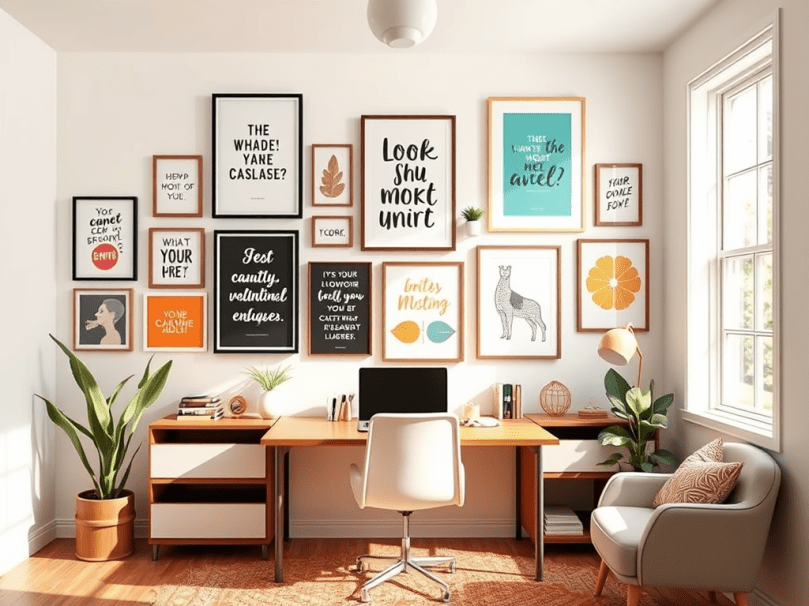
When you’re spending hours in your home office—whether building a business, journaling, studying, or chasing dreams—you want that space to energize you. A motivational gallery wall does just that. It’s not just decor—it’s personal fuel for the days you feel unstoppable and the days you need a little push.

Today, I’m sharing exactly how to create a gallery wall that not only looks beautiful but speaks to your soul.


Step 1: Choose Your Message First, Not Just Your Frames

Before picking frames or prints, ask yourself:

  • What do I need to hear daily?
  • What keeps me going when I’m tired?
  • What are my personal or business goals?

Write down 3–5 affirmations, mantras, or quotes that speak to your journey. These will be the heart of your gallery wall.

Examples:

  • “Progress, not perfection.”
  • “You didn’t come this far just to come this far.”
  • “Create boldly. Rest intentionally.”

Step 2: Decide on a Visual Theme

Your home office style should flow with your motivational wall. Choose a theme that matches your decor vibe:

  • Minimalist – Black-and-white prints with clean typography.
  • Boho-chic – Earth tones, natural wood frames, hand-lettered quotes.
  • Modern glam – Gold frames, metallic text, marble accents.
  • Eclectic – Mix of colors, shapes, and quote styles.

This is your space. Let it reflect you.


Step 3: Pick the Right Prints

You can:

  • Design your own (with Canva or similar tools).
  • Download printable quotes from Etsy or blogs.
  • Frame affirmations you’ve written yourself for a personal touch.

Mix it up with:

  • One large anchor quote.
  • Smaller quotes or affirmations.
  • Art that symbolizes your values (like a compass, sunrise, staircase, etc.)

Step 4: Map Out the Layout

Lay your frames on the floor first or use painter’s tape to mark sizes on the wall.

Popular layouts:

  • Grid – Neat and tidy for a clean look.
  • Organic cluster – Casual and creative, perfect for a cozy space.
  • Anchor + accents – One bold centerpiece surrounded by smaller elements.

Tip: Use different frame sizes for dimension, but keep the color palette cohesive.


Step 5: Add Texture and Personality

To make your gallery wall truly inspiring:

  • Add a vision board or pin board in the mix.
  • Hang a small hanging plant or dried eucalyptus.
  • Include a framed photo that reminds you of a proud moment.
  • Add a clock, mirror, or mini shelf with a candle or crystal.

Step 6: Make It Interactive (Optional but Powerful)

Add a small dry-erase frame or chalkboard where you can write:

  • Your word of the week
  • A daily win
  • A rotating quote that fits your current season

It keeps your wall fresh and aligned with your growth.


Final Thoughts: Let Your Walls Reflect Your Inner Strength

Your home office is more than a workspace—it’s where your dreams are nurtured. A motivational gallery wall reminds you why you’re doing what you’re doing. Every quote, every frame, every detail should point you back to your purpose.

So go ahead—create a wall that doesn’t just inspire you, but one that believes in you.


Home Gaming Chic: How to Incorporate Your Spouse’s Video Game System into Your Home Design

Blending Styles and Consoles

When couples move in together, merging two lives also means merging two very different design aesthetics—and that can be tricky. Especially when one half of the couple loves a modern, curated, clutter-free space… and the other has a beloved video game console (or three) complete with glowing LED lights, oversized controllers, and a collection of games that aren’t exactly color-coded or hidden in woven baskets.

If this sounds familiar, don’t worry—you’re not alone. The key isn’t to banish the gaming system to a corner or begrudgingly “deal with it.” It’s about discovering how to make home gaming chic—where form meets function, and both personalities get to shine.


A Story of Two Styles: Meet Jake and Monica

When Jake and Monica moved into their first home together, it didn’t take long for their clashing decor styles to show. Monica adored a neutral-toned, minimalistic boho look—think earth tones, pampas grass, and linen drapes. Jake, on the other hand, had a setup that screamed gamer: RGB lights, a surround sound system, and a collector’s edition Master Chief helmet proudly on display.

Monica hated how Jake’s gaming gear disrupted her vision of a serene and balanced living room. Jake didn’t want to shove everything into a dark basement just because it didn’t “match.” Tensions rose every time the subject of decorating came up, and for a while, they avoided the topic altogether.

Then came the compromise—and the solution that changed everything.


How They Figured It Out

Jake and Monica decided to treat the video game system as part of the home—not something to hide, but something to integrate. Here’s what they did:

  1. Created a Dedicated Gaming Nook
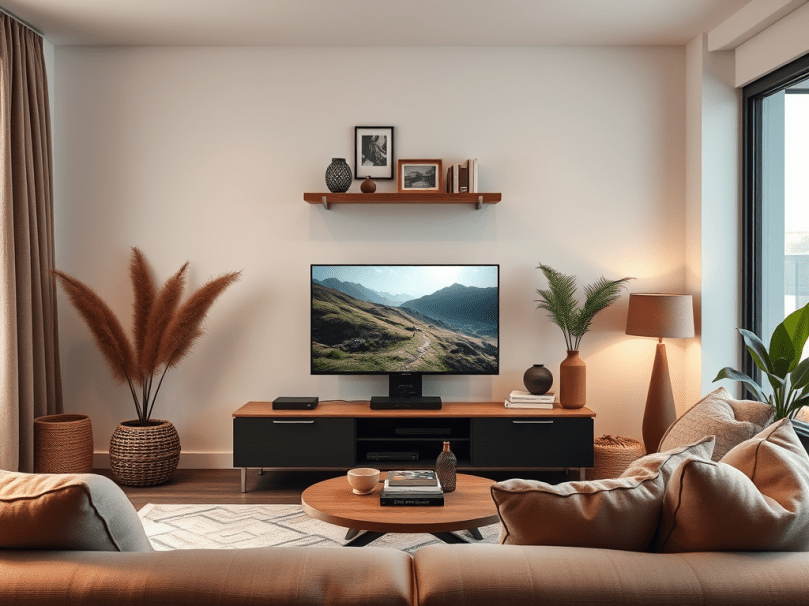
    Instead of letting the console and accessories float around the living room, they carved out a gaming zone within their shared space. A sleek, modern TV console with hidden storage housed the games, controllers, and cables. They even mounted the console behind the TV using a low-profile bracket to keep things tidy.
  2. Matched the Aesthetic with Smart Accessories
    Jake swapped out his neon green controller charging dock for a matte black one. Monica found a floating shelf in reclaimed wood that matched their coffee table to display Jake’s favorite (and surprisingly stylish) collector’s items. Together, they chose a framed print of a retro game world that blended into their decor theme while giving a nod to Jake’s passion.
  3. Mood Lighting for All
    Monica agreed to keep some of Jake’s LED lights—but they toned them down to a soft warm glow, which actually enhanced their cozy evening vibes. They installed smart bulbs they could change the color of depending on the mood—game night got a cool blue, while movie night got a golden hue.
  4. Set Boundaries for Visual Harmony
    No, not rules—just shared design boundaries. Controllers had to go in a basket when not in use. No posters taped to walls. And Monica promised not to replace Jake’s speakers with decorative vases.

Design Tips for a Home That Levels Up (Together)

Whether you’re like Jake and Monica or you just want to make the gaming system a natural part of your space, here are a few design-forward ideas:

  • Upgrade the Storage: Think media cabinets with doors, baskets, or bins that match your room’s aesthetic. No more plastic crates or wire racks.
  • Mount and Hide Cables: Wall-mounted TVs and cable management kits are your best friend. No one wants to see tangled cords.
  • Choose Stylish Seating: Gaming chairs don’t have to look like race car seats. Look for ergonomic chairs in neutral fabrics or sleek black leather to fit your style.
  • Use Art to Blend Worlds: Framed gaming artwork, pixel-style wall art, or minimalist posters can bridge the gap between personal passion and elevated design.
  • Think Function + Form: Choose pieces that serve a purpose but also look good. A low-profile media console can double as a design statement. A bar cart can secretly hold controllers and cords.

Final Thoughts: Game On, Together

Incorporating a video game system into your home design isn’t about giving up style—it’s about finding ways to support each other’s interests while creating a space that feels unified and lived-in. Jake and Monica didn’t lose their individuality—they built something better, together.

When you approach your home with a mindset of collaboration rather than compromise, even the most unexpected elements—like a glowing gaming PC or an entire stack of Nintendo Switch cartridges—can find a stylish home.

After all, love is the ultimate co-op mode.


How to Style Your Home Office for Function and Inspiration


Working from home is no longer a luxury—it’s a lifestyle. Whether you’re running your own business, clocking in remotely, or managing your side hustle, a well-designed home office can make all the difference. It’s not just about function; it’s about creating a space that motivates, energizes, and feels uniquely yours.

Here’s how to style your home office so it’s not only productive but also a place you love to spend time in.


1. Start with the Right Desk and Chair

Your desk is the centerpiece of your home office. Choose one that fits your workflow. Do you need space for dual monitors? Do you prefer drawers for extra storage or a minimalist surface?

Pair it with an ergonomic chair that supports long hours of work without compromising on style. Look for upholstered office chairs in colors or textures that blend with your home’s overall aesthetic.

My Experience: When I styled my first home office, I made the mistake of choosing a desk based solely on looks. It was beautiful—white with gold accents—but had no storage and barely enough space for my laptop and planner. I quickly realized that style and function had to go hand in hand. I swapped it for a sleek wooden desk with two drawers, and it completely changed how I worked.


2. Use Color to Set the Tone

Color has a psychological impact. Soft neutrals can calm your mind, while bold hues like navy, emerald, or even burnt orange can spark creativity.

You don’t need to repaint the walls—introduce color with accessories, art, or even a feature wall with peel-and-stick wallpaper.


3. Incorporate Storage That Works

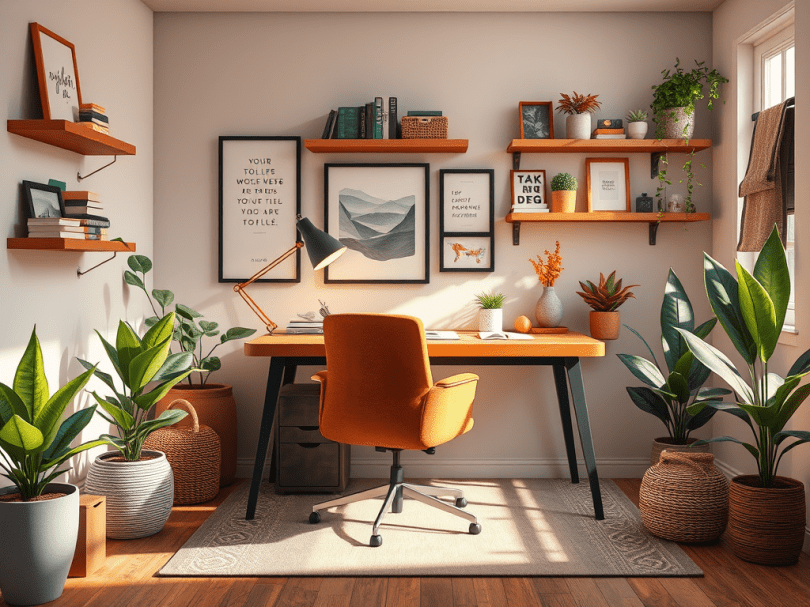
Clutter is the enemy of productivity. Style your space with functional and attractive storage solutions. Floating shelves, bookcases, filing cabinets with modern finishes, or woven baskets can keep things organized while adding personality.

Think vertically if you’re short on space. A tall bookshelf or wall-mounted storage system can double as decor.

My Tip: I added a rattan storage basket under my desk for cords and supplies. It keeps things hidden but easy to grab when needed.


4. Personalize with Art and Decor

Bring your personality into the space with wall art, motivational prints, plants, or meaningful objects. A stylish corkboard or wire grid panel can hold inspiring quotes, to-do lists, or family photos.

Adding greenery with potted plants or a small indoor tree adds life and improves air quality.

What I Did: I framed a quote that says “Progress, not perfection” and hung it above my monitor. It reminds me to keep moving forward, even on tough days.


5. Focus on Lighting

Good lighting is essential, especially if your home office doesn’t get much natural light. Invest in a stylish desk lamp and consider layering light with a floor lamp or wall sconce.

Choose warm, white bulbs to avoid a harsh or sterile vibe. Natural light is a bonus, so position your desk near a window if possible.


6. Define the Space

If your home office shares a room with another area—like your living room or bedroom—define it with a rug or divider. This helps your brain shift into “work mode” and can make the space feel more intentional.

Choose a rug that complements your color scheme and adds texture or softness underfoot.

In My Space: My office corner sits in the corner of my dining room. I placed a low bookshelf behind the desk and added a cream and black area rug beneath my chair to define the space.


7. Keep Tech Stylish and Tidy

Your computer, printer, and cords don’t have to disrupt your vibe. Choose accessories in colors that match your office decor, and use cord management tools or cable boxes to keep wires hidden.

Invest in a charging station or tech organizer to reduce clutter.


8. Add a Touch of Comfort

A cozy throw blanket on your chair, a scented candle on your shelf, or a soft footrest under your desk can make your home office feel like a true extension of your home—comfortable yet professional.


Final Thoughts

Your home office should reflect your personality and support your goals. When you style it with intention—balancing function and inspiration—you create a space where you want to be productive. Start with the essentials, layer in style, and don’t forget to add a few personal touches.