
Choosing the Right Sound System in a Digital Age: Is It Still Necessary?

In today’s world, where smart devices dominate our homes, is a dedicated sound system still a necessity? With smartphones, smart speakers, and streaming services making it easier than ever to access music and audio content, many homeowners wonder whether investing in a sound system is worth it. The answer depends on how you experience sound and the level of quality you seek in your home audio setup.
Why Consider a Sound System?

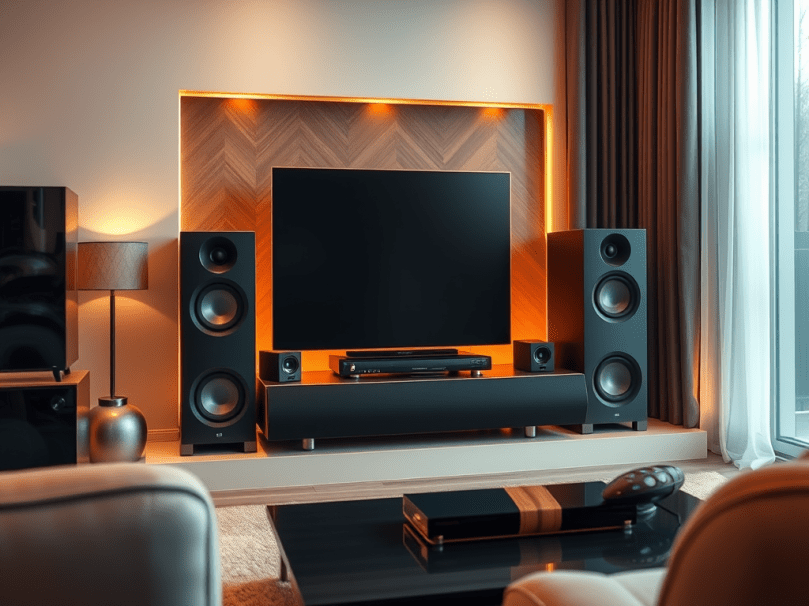
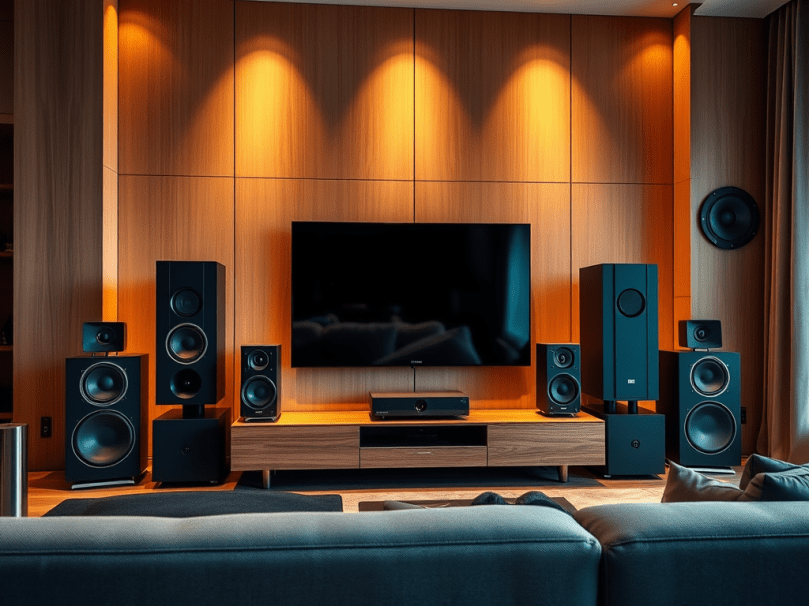
While smart speakers and wireless earbuds offer convenience, they often lack the depth, clarity, and immersive experience that a dedicated sound system provides. A high-quality sound system enhances movies, music, and gaming, bringing a richer experience that standalone smart devices may struggle to match.

Here are a few reasons why a sound system is still relevant:

  • Superior Audio Quality: Dedicated sound systems provide clearer highs, richer mids, and deeper bass than most smart speakers.
  • Immersive Experience: Whether you’re watching movies, gaming, or listening to music, a good sound system creates a fuller, room-filling audio experience.
  • Customization & Control: Sound systems allow for adjustments in treble, bass, and surround sound settings, offering a more personalized experience.
  • Longevity & Investment: Unlike many smart devices that may need frequent updates, a good sound system can last for years with minimal upgrades.

Types of Sound Systems to Consider

If you’ve decided that a sound system is the right choice for you, the next step is choosing the right type. There are several options available, each catering to different needs and preferences:

1. Home Theater Systems

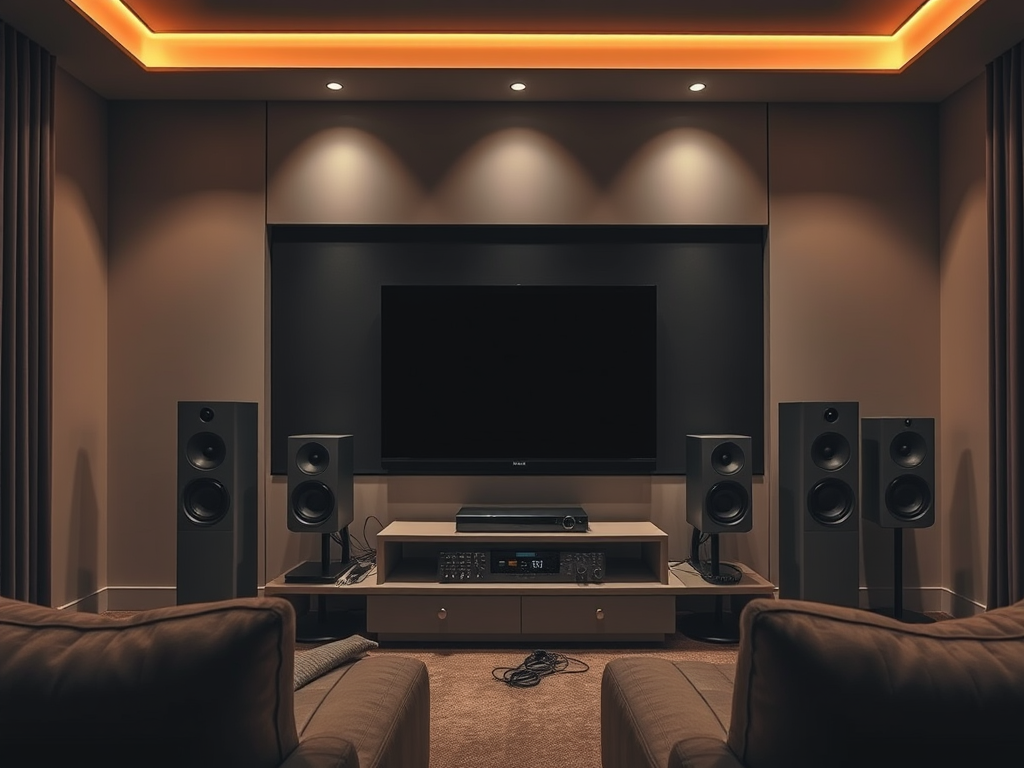
Perfect for movie enthusiasts, home theater systems provide an immersive cinematic experience. They typically include a receiver, multiple speakers (including surround sound), and a subwoofer for deep bass.

  • Best for: Movie lovers and those who want an authentic theater experience at home.
  • Recommended brands: Sonos, Bose, Yamaha, Denon.

2. Soundbars

If you want to enhance your TV’s audio without dealing with multiple speakers, a soundbar is a great option. It’s a sleek, space-saving device that offers better sound quality than built-in TV speakers.

  • Best for: Small to medium-sized rooms, minimalists, and casual listeners.
  • Recommended brands: Sonos, Samsung, Bose, Vizio.

3. Wireless & Smart Speaker Systems

These systems, such as Sonos or Bose Smart Sound Systems, connect via Wi-Fi or Bluetooth, offering easy integration with smart home setups. Many support voice assistants like Alexa and Google Assistant.

  • Best for: Multi-room audio setups and smart home integration.
  • Recommended brands: Sonos, Bose, Apple HomePod, Amazon Echo Studio.

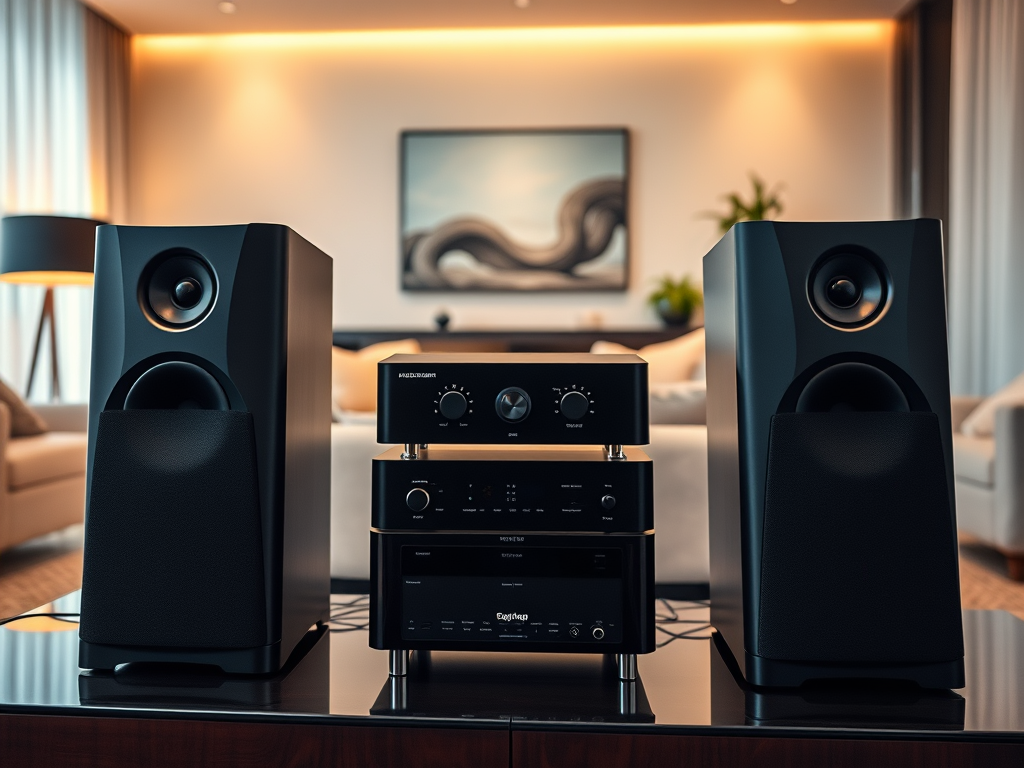
4. Hi-Fi Stereo Systems

For true audiophiles, Hi-Fi (high fidelity) systems provide the purest sound quality. These setups often include amplifiers, high-end speakers, and turntables for vinyl lovers.

  • Best for: Music enthusiasts who prioritize high-quality audio.
  • Recommended brands: Klipsch, Marantz, Bowers & Wilkins, Denon.

Factors to Consider When Choosing a Sound System

Before making a purchase, keep the following factors in mind:

  1. Room Size & Layout – Larger spaces may benefit from a full home theater system, while smaller rooms may only need a soundbar or wireless speakers.
  2. Purpose & Usage – Are you buying for movies, music, gaming, or all of the above? Different setups cater to different needs.
  3. Budget – Sound systems range from affordable soundbars to high-end Hi-Fi setups. Set a budget that aligns with your needs.
  4. Connectivity Options – Ensure compatibility with your devices (Bluetooth, Wi-Fi, HDMI, optical inputs, etc.).
  5. Expandability – Some systems allow for future upgrades, like adding more speakers for a surround sound experience.
Final Thoughts: Are Sound Systems Still Necessary?

While smart devices offer convenience, they can’t fully replace the immersive, high-quality experience of a dedicated sound system. If you value deep, rich sound for movies, music, or gaming, investing in a quality system is a decision you won’t regret. Choose a setup that matches your space, budget, and lifestyle, and enjoy an audio experience that smart devices alone just can’t deliver.

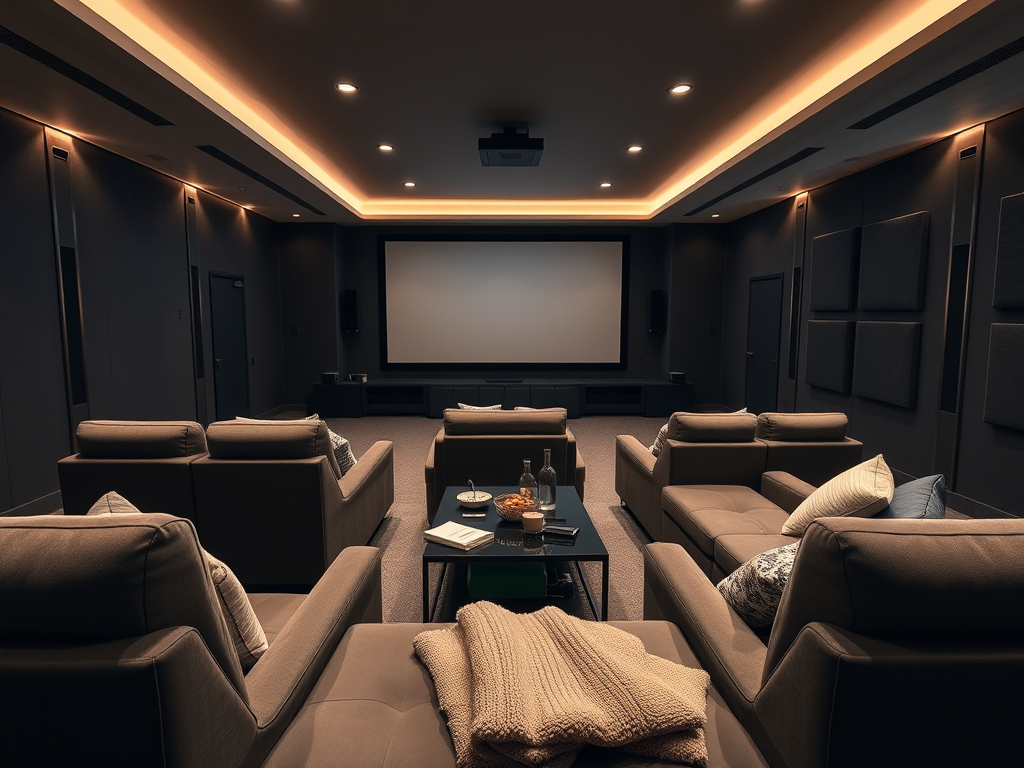
Designing the Perfect Theater Room: TV or Projector, Screen Size, and Stylish Functionality

Creating a home theater room is an exciting project that blends entertainment with interior design. Whether you’re a movie buff, sports fan, or gamer, having a dedicated theater space can transform your home experience. However, one of the most important decisions you’ll face is whether to install a TV or a projector. Additionally, choosing the right screen size and designing a stylish yet functional space are crucial for maximizing comfort and enjoyment.

TV vs. Projector: Which is Right for Your Theater Room?

TV Advantages:

  • Brightness: TVs generally offer better brightness, making them ideal for rooms with ambient light.
  • Ease of Use: TVs are simple to set up and require less maintenance.
  • Resolution: Modern TVs can provide 4K and even 8K resolutions with incredible clarity.
  • Sound: TVs often come with built-in sound systems, reducing the need for additional speakers (though external speakers can enhance the experience).

Projector Advantages:

  • Screen Size: Projectors can display much larger images, which is perfect for creating a true cinematic experience.
  • Cost Efficiency (for Size): Projectors offer more screen real estate for the price compared to larger TVs.
  • Flexibility: Projectors can be ceiling-mounted or placed on shelves, allowing for versatile placement.
  • Immersion: The large image size immerses viewers, replicating the theater experience.

Considerations:

  • Room Size and Lighting: TVs work better in smaller rooms or those with lots of ambient light. Projectors shine in larger, darker rooms.
  • Budget: High-end TVs can get expensive, especially for larger screens. Projectors, combined with retractable screens, might be more cost-effective for large viewing areas.
  • Content Use: If you primarily watch movies, a projector might be your best bet. For casual viewing and gaming, a TV might serve better.

Finding the Right Screen Size

TVs:

  • For TVs, a general rule of thumb is that the screen size (in inches) should be approximately half the distance (in inches) from where you’ll sit. For example, if your seating area is 10 feet (120 inches) away, a 60-inch TV is recommended.

Projectors:

  • With projectors, the sky is the limit. However, a screen size between 100-150 inches is often ideal for a balance between immersion and practicality.
  • Calculate viewing distance using this formula: Viewing Distance (in inches) / 1.5 = Ideal Screen Size. For instance, if you’re sitting 150 inches away, a 100-inch screen is optimal.

Stylish and Functional Design Tips

  1. Comfortable Seating: Choose plush recliners or sectional sofas with cupholders and armrests to create a luxurious feel. Arrange seating in tiers if space allows for a true theater vibe.
  2. Sound System: Install a surround sound system for immersive audio. Wall-mounted or in-ceiling speakers save space and enhance aesthetics.
  3. Lighting Control: Use blackout curtains, dimmable sconces, and LED strip lights for customizable ambiance. Consider smart lighting systems for remote control convenience.
  4. Acoustics: Add acoustic panels or heavy curtains to minimize sound reflection and improve audio quality. Carpeting also helps with sound absorption.
  5. Storage and Decor: Use stylish media consoles or floating shelves to house streaming devices, gaming consoles, and decor. Incorporate movie posters, framed art, or vintage film reels to personalize the space.
  6. Multifunctional Features: Include a minibar or snack station for convenience. Consider a hidden projector screen or retractable TV to maximize space versatility.

A home theater room is more than just a place to watch movies—it’s an experience. By choosing the right screen, designing for comfort, and adding stylish touches, you can create a space that impresses guests and offers endless entertainment.

Finding the Right Sound System for Your Home: Recommendations and Real Customer Experiences

Selecting the right sound system for your home can transform your entertainment experience. Whether you’re a music lover, movie enthusiast, or gaming fanatic, there’s a perfect setup for your needs. In this guide, we’ll discuss key factors to consider, explore trusted brands, and share real customer experiences to help you make an informed decision.


Key Considerations When Choosing a Sound System

  1. Room Size and Layout
    • Smaller rooms may benefit from soundbars or compact speakers.
    • Larger spaces often require a surround sound system with multiple speakers and subwoofers.
  2. Purpose of Use
    • Movies: Surround sound systems like Dolby Atmos enhance cinematic experiences.
    • Music: Hi-fi stereo or multi-room speakers offer superior clarity.
    • Gaming: Systems with low latency and immersive soundscapes work best.
  3. Budget and Features
    • From affordable soundbars to premium setups, there’s an option for every price range.
    • Look for features like Bluetooth, Wi-Fi, voice control, and smart home compatibility.

Top Sound System Brands with Customer Experiences

Sonos

Why It’s Popular: Known for sleek designs and multi-room capabilities, Sonos offers exceptional sound quality and user-friendly systems.

  • Customer Experience:
    “I’ve been using the Sonos Arc in my living room, and it’s flawless. The dialogue clarity is excellent, and setting it up was a breeze. The Trueplay tuning feature adjusted perfectly to my room’s acoustics!” – Sarah P.
  • Best Picks: Sonos Arc (soundbar), Sonos One (smart speaker).

Bose

Why It’s Popular: With a reputation for rich, immersive sound and elegant aesthetics, Bose delivers a premium experience for home audio.

  • Customer Experience:
    “I bought the Bose Smart Soundbar 900, and the sound is phenomenal. Movies feel immersive, and music has a depth I didn’t know I was missing. Alexa integration is a plus!” – John D.
  • Best Picks: Bose Smart Soundbar 900, Bose Home Speaker 500.

Sony

Why It’s Popular: Sony offers versatile options, from compact soundbars to powerful home theater systems with Dolby Atmos technology.

  • Customer Experience:
    “The Sony HT-A7000 soundbar with a subwoofer and rear speakers has turned my living room into a mini-theater. It’s pricey, but the immersive experience is worth every cent!” – Emma L.
  • Best Picks: Sony HT-A7000, Sony STR-DH790 receiver.

Yamaha

Why It’s Popular: Yamaha is celebrated for its performance and versatility, making it a favorite among audiophiles and casual users alike.

  • Customer Experience:
    “I paired a Yamaha RX-V6A receiver with my speakers, and the results are fantastic. The system is easy to configure, and the sound quality is perfect for music and movies.” – Brian T.
  • Best Picks: Yamaha RX-V6A receiver, Yamaha YAS-209 soundbar.

JBL

Why It’s Popular: JBL is known for its durable, budget-friendly systems with excellent bass and clarity, ideal for music and parties.

  • Customer Experience:
    “The JBL Bar 5.1 Surround was a great buy! The bass is punchy, and the detachable speakers make it perfect for movie nights or parties.” – Lisa H.
  • Best Picks: JBL Bar 5.1 Surround, JBL Charge 5 portable speaker.

Where to Shop for Your Ideal Sound System

  1. Big-Box Retailers
    • Visit stores like Best Buy, Costco, or Target for hands-on testing and expert advice.
    • Many retailers offer package deals and financing options.
  2. Online Retailers
    • Amazon, Crutchfield, and B&H Photo provide extensive selections, detailed customer reviews, and fast shipping.
    • Look for discounts during sales events like Black Friday or Prime Day.
  3. Specialty Audio Stores
    • For high-end systems, local audio stores often provide tailored advice and installation services.
    • Brands like Sonos and Bose also have dedicated retail locations.
  4. Direct from Manufacturers
    • Shopping directly from companies like Sonos, Bose, or Sony ensures access to the latest models, warranties, and exclusive deals.

Tips for Choosing the Best Sound System

  • Test Before You Commit: Whenever possible, listen to systems in person to evaluate their sound quality.
  • Read Reviews: Customer testimonials on websites and forums provide invaluable insights into real-world performance.
  • Plan for Expansion: If your budget allows, opt for systems that support add-ons like extra speakers or upgraded components.

Investing in a quality sound system is an investment in your home’s entertainment experience. Whether you choose the elegance of Bose, the versatility of Sony, or the powerful performance of JBL, there’s a perfect fit for every need and budget.

Have you recently upgraded your home audio setup? Share your experiences in the comments!