
Breakfast Bar Seating: How to Choose Options That Are Functional and Stylish


Breakfast bars have become more than just a quick spot to sip coffee—they’re gathering spaces, homework hubs, meal prep stations, and casual dining areas all in one. With such a multifunctional role, choosing the right breakfast bar seating can completely elevate how your kitchen not only looks, but lives. If you’ve ever struggled to find that perfect mix of comfort, function, and style, this guide will walk you through how to get it right.


1. Start With Height: Counter-Height vs. Bar-Height

Before falling in love with a stool, make sure it fits your counter.

  • Counter-height seating: Ideal for surfaces around 36 inches high. Stools typically measure 24–26 inches.
  • Bar-height seating: Best for surfaces around 42 inches high, with stools that stand 28–30 inches tall.

Getting this right ensures your stools feel comfortable, not awkward—allowing just the right amount of legroom.


2. Comfort Matters: Think About Daily Use

Even stylish stools fall short if no one wants to sit in them.

Consider:

  • Back vs. Backless: Backed stools offer better support for longer sitting. Backless stools look cleaner and tuck fully under the counter—a great option for small spaces.
  • Cushioned vs. Uncushioned Seats: Cushioned stools add comfort but may require spot cleaning. Wood, metal, or plastic seats are low-maintenance but may benefit from a seat pad if you host often.
  • Swivel or Stationary: Swivel stools make moving around easy, especially in busy households. Stationary stools provide a tidier, more streamlined look.

3. Choose a Style That Complements Your Kitchen

This is where the fun begins—your stools can subtly blend in or boldly stand out.

  • Modern & Minimalist: Think slim metal frames, molded seats, or neutral upholstery.
  • Farmhouse & Rustic: Wood finishes, cross-back designs, or warm neutral fabrics.
  • Industrial: Metal details, distressed wood, rivets, or darker color palettes.
  • Coastal: Rattan, wicker, soft blues, or natural wood.
  • Classic Traditional: Upholstered seats, tufting, or nailhead trim.

Your stools don’t have to perfectly match your cabinetry or island. Instead, choose seating that complements the overall vibe while adding visual interest.


4. Consider Materials for Style and Durability

Breakfast bars take a lot of traffic—spills, elbows, snacks, and kids.

  • Wood: Warm, classic, and versatile. Great for farmhouse or traditional kitchens.
  • Metal: Durable and modern—fit for industrial and contemporary designs.
  • Upholstery: Adds softness and sophistication, ideal for elevating your kitchen’s look.
  • Faux Leather/Vinyl: Stylish and incredibly easy to wipe clean.
  • Rattan or Woven Seats: Add texture and a natural feel perfect for boho, coastal, or organic-modern styles.

Pick a material that matches your lifestyle just as much as your décor.


5. Decide If You Want Your Seating to Blend or Pop

Breakfast bar seating can act as a subtle extension of your kitchen—or the star of the show.

  • Blend In: Choose colors that match your cabinets, floors, or countertops for a seamless, airy look.
  • Stand Out: Pick bold colors, unique shapes, or textured materials to create a focal point in the room.

If your kitchen is neutral, seating is the perfect opportunity to introduce color or pattern without overwhelming the space.


6. Don’t Forget Scale and Spacing

The rule of thumb: allow 26–30 inches per stool so everyone has elbow room.

Also consider:

  • The width of each stool
  • Whether arms or backs add extra bulk
  • How many stools you realistically need vs. what fits comfortably

Good spacing keeps your kitchen feeling open—not crowded.


7. Add Function Through Thoughtful Features

Little details make a big difference in daily use.

  • Footrests: Essential for comfortable sitting
  • Easy-to-clean surfaces: Especially important for busy families
  • Lightweight designs: Ideal if you frequently move stools around
  • Stackable or tuckable seating: Perfect for small kitchens or multipurpose spaces

Final Thoughts

Breakfast bar seating is one of those home purchases that marries fashion and function—when chosen well, it can completely transform the flow and personality of your kitchen. Whether you lean modern, rustic, bold, or minimalist, the right stools not only elevate your décor but enhance everyday living.

If you’re updating your breakfast nook or designing one from scratch, your seating is the perfect place to showcase your style while keeping comfort at the forefront.
Small Space Decorating: How to Make Every Room Functional, Stylish, and Affordable


Decorating a small home doesn’t have to feel limiting. With the right strategy, even the tiniest spaces can feel open, organized, and beautifully intentional. Whether you’re decorating your first apartment, refreshing a studio, or making the most of a downsized home, thoughtfully chosen decor can completely transform how your space looks and functions.

Today, I’m walking you through a room-by-room guide on how to decorate a small space on a budget—and I’ll share a personal story at the end about how it all came together in one home that felt like a puzzle until the very last piece clicked into place.


Why Small Space Decorating Matters

Small spaces force you to be intentional—every piece, every color, and every square foot matters. But when you get the balance right, you create a home that’s:

  • Functional
  • Stylish
  • Clutter-free
  • Surprisingly spacious

And yes—affordable. You don’t need brand-new furniture or luxury decor to make a small space shine. You just need the right plan.


How to Decorate Each Room in a Small Space


1. Living Room: Small but Mighty

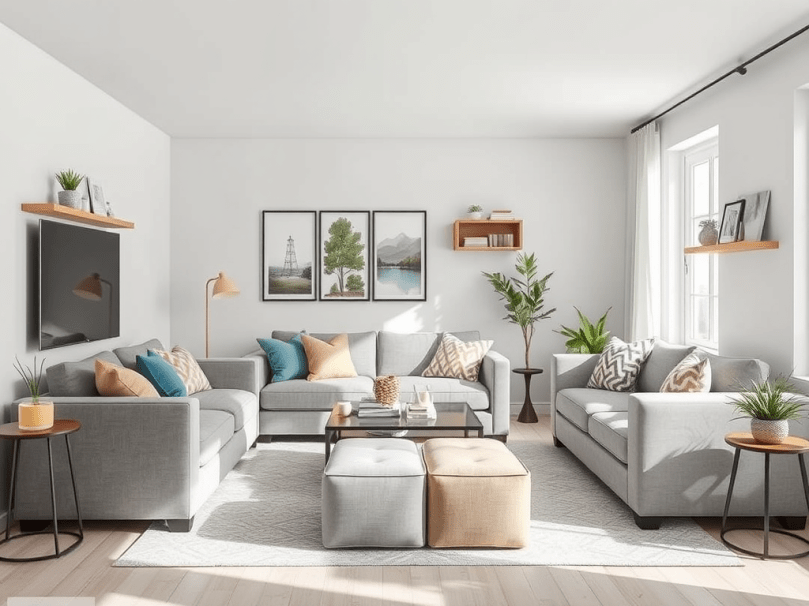
Your living room sets the tone for the entire home. In a small space, you need furniture that works with you.

Maximize Functionality

Consider:

  • Storage ottomans
  • Coffee tables with shelves
  • TV stands with drawers
  • Slim sofas with clean lines

These pieces add function without making the room feel heavy.

Use Vertical Space

Wall-mounted shelves, tall bookcases, and mounted lighting keep the floor clear—one of the best small living room decorating tricks.

Choose Light Colors

Light paint colors and neutral furniture reflect light and visually expand the room. You can still add personality with bold throw pillows or statement art.


2. Kitchen: Organized, Bright, and Clutter-Free

Small kitchens can shine with just a few strategic upgrades.

Add Budget-Friendly Storage Solutions

  • Adhesive hooks
  • Stackable shelf risers
  • Clear pantry bins
  • Magnetic spice racks

These inexpensive additions instantly increase storage.

Decorate Without Overcrowding

A patterned rug, a stylish utensil holder, or a few small plants bring warmth without sacrificing counter space.


3. Bedroom: Cozy + Functional

Your bedroom should feel like an escape—even if it’s small.

Use Under-Bed Storage

This is prime real estate in small bedrooms. Store:

  • Off-season clothes
  • Towels and bedding
  • Shoes

Keep the Color Palette Soft

Soft neutrals or calming tones help the space feel larger and more peaceful.

Try Floating Nightstands

Wall-mounted nightstands or small shelves keep essentials close without cluttering the floor.


4. Bathroom: Maximize Every Inch

Small bathrooms benefit from strategic organizing and light, airy decor.

Go Vertical (Again!)

Add:

  • Over-the-toilet shelves
  • Floating shelves
  • Tiered storage

Declutter the Counters

Use baskets, drawer dividers, and wall hooks to keep items off the vanity.

Reflect Light

Mirrors and light-colored decor brighten the room instantly and make it feel more open.


5. Small Office Nook: Create a Work Zone Anywhere

Even without a separate home office, you can carve out a productive workspace.

Wall-Mounted or Fold-Down Desks

These options save space and look sleek and modern.

Use Rolling Storage

A small cart can hold office supplies, planners, or tech accessories—and roll away when not in use.

Keep It Minimal

A cluttered workspace makes the entire home feel smaller. Stick to the essentials.


6. Entryway: A Functional Welcome

Small homes often lack a dedicated entryway—but you can create one.

Use Hooks and Peg Rails

They hold coats, bags, scarves, and more—no bulky furniture required.

Opt for a Slim Console

A floating shelf or narrow console gives you a spot for keys and mail.

Add Baskets for Shoes

Stylish, affordable, and keeps clutter at bay.


Affordable Small Space Decorating Tips for Any Room

These tips work in any part of a small home:

  • Use mirrors to reflect light and create the illusion of more space.
  • Choose furniture with legs to make rooms feel airy.
  • Stick with a cohesive color palette so the home flows naturally.
  • Declutter often to keep the home feeling open.
  • Change decor seasonally instead of buying new items. Small swaps can make a big impact.

A Small Space That Came Together: The Story Behind the Transformation

When my friend Maya moved into her 600-square-foot apartment, she felt overwhelmed. Every corner felt tight, every room felt crowded, and she wasn’t sure how to turn this tiny layout into a place she truly loved.

The living room had a bulky sofa from her previous home. The kitchen counters were always full because the cabinets were too small. Her bedroom felt cramped, and there was no obvious space for a home office—even though she worked remotely.

We started small.

In the living room, we swapped her oversized sofa for a streamlined loveseat with storage underneath. Suddenly, the room opened up. We added floating shelves for books and plants, freeing up an entire corner she didn’t know she had.

In the kitchen, a $12 set of stackable shelves doubled her storage. A magnetic strip mounted on the wall held her knives and spices—clearing her counters instantly.

Her bedroom became a cozy retreat once we incorporated under-bed bins and calming beige bedding. A simple wall shelf took the place of a nightstand that once blocked the walkway.

The final challenge? A workspace. We installed a wall-mounted fold-down desk next to her window and paired it with a compact chair. In seconds, she had a bright, tidy office nook that didn’t intrude on her living space.

When everything was finally in place, Maya walked from one room to the next and said, “It feels so much bigger… but also so much more me.”

And that’s exactly what small space decorating is all about.

It’s not just maximizing square footage—it’s creating a home that reflects your style, your life, and your needs… even when those needs have to fit into less than 700 square feet.


Final Thoughts

Small spaces can be beautiful, functional, and budget-friendly with the right approach. With multi-functional furniture, smart storage solutions, cohesive colors, and intentional styling, you can transform even the tiniest home into a place that feels polished and personal.

How to Choose the Best Sink for Your Kitchen?


Why picking the right kitchen sink matters

When you plan a kitchen upgrade — after selecting appliances, countertops, fixtures — the sink is more than a functional necessity. It sits at the center of daily kitchen life: from washing dishes and prep work to meal-clean up. The wrong sink can make everyday tasks annoying, limit your counter space, or clash with your overall design. The right sink, however, can improve workflow, enhance aesthetics, and become a subtle but important component of the style and feel of your kitchen.

Because sinks come in many types, styles, materials, and sizes — what works for one kitchen might not work for another. That’s why it’s worth spending time choosing wisely.


Types of Kitchen Sinks & Materials

Here’s a breakdown of the most common sink types and materials — plus what they offer (and what to watch out for).

🔸 Mount style: how the sink sits in/on your countertop

  • Undermount sinks — These are installed under the countertop, so the rim is hidden. The result is a clean, seamless surface, making it easy to wipe crumbs or spills directly into the sink. They’re especially great with solid countertops like granite, quartz, or solid surface. (Engineers and Architects of America)
  • Top-mount (drop-in) sinks — With this style, the sink’s rim sits on top of the counter. These are easier to install (often cheaper), and good if you’re replacing a sink without changing countertops. (Modernize)
  • Apron-front / Farmhouse sinks — Also sometimes undermount (though not always), these sinks have a front panel (the “apron”), often extending slightly beyond the counter’s edge or cabinet line. They make a bold design statement and usually offer a deep, wide basin. (Engineers and Architects of America)
  • Workstation sinks — A more multipurpose option: these combine the basin with built-in ledges or features that hold cutting boards, drying racks, colanders, prep bowls — turning the sink into a mini-prep / cleanup station. Great for busy cooks or smaller kitchens to maximize function. (Engineers and Architects of America)

🔸 Sink materials — what the sink is made of

Your sink’s material affects durability, maintenance, appearance, and how it matches with your countertops / kitchen style. Some common materials:

  • Stainless steel — Probably the most popular because it’s durable, easy to clean, bacteria-resistant, and works with many design styles. Works particularly well with stone countertops. Heavier-gauge stainless (like 16–18 gauge) is more dent-resistant and durable. (Modernize)
  • Granite / Quartz (composite) — Composite sinks (made from stone dust + resin) offer the look of natural stone, resist scratches, heat, and stains, and often hide wear well. They give a more substantial, earthy, or high-end look. (The Dedicated House)
  • Fireclay / Porcelain / Ceramic — These materials give a classic, timeless feel. Fireclay sinks are durable and resistant to stains, while porcelain or ceramic sinks offer a glossy, clean look. They pair beautifully with farmhouse or traditional kitchen styles. (The Dedicated House)
  • Cast iron (enameled) — Offers vintage or classic appeal, with a glossy finish and sturdy feel. However, because of their weight, they often require reinforced cabinetry and care to avoid chipping. (The Dedicated House)
  • Natural stone (granite, marble, soapstone) — Luxurious, unique, and often considered a statement piece. They provide a high-end, one-of-a-kind look. But they tend to be expensive, heavy, and may require sealing or special maintenance. (Leading Indicators)

How to Choose the Right Sink for Your Space

When you pick a sink, think about:

✅ 1. Your lifestyle & kitchen usage

  • If you cook often, use large pots, or do big meal prep — a single-basin sink (especially deeper or wider) may be ideal. It’s easier to clean big items. (Modernize)
  • If you multitask (e.g. wash dishes + rinse produce separately), a double-basin sink or a workstation sink can make sense. (Granite Depot)
  • If space is limited — a more compact sink or a sink with integrated prep features helps. Workstation sinks especially maximize utility.

✅ 2. The style of your kitchen & overall aesthetic

  • For modern, sleek kitchens — stainless steel undermount sinks or composite stone-look sinks can keep clean lines and simplicity.
  • For traditional, farmhouse, rustic or cozy kitchens — fireclay, porcelain, or even cast iron apron-front sinks can add warmth and charm.
  • For a statement centerpiece — apron-front (farmhouse) or natural stone sinks can draw the eye.

✅ 3. Countertop material & cabinetry

  • Undermount sinks pair best with solid countertops like granite, quartz, or solid surface — they require the counter to be cut precisely and supported properly. (Engineers and Architects of America)
  • If you want to avoid cutting new countertops (or easy DIY), a drop-in / top-mount sink might be more practical.

✅ 4. Maintenance & durability

  • If you want low maintenance: stainless steel or composite sinks are easy to clean and quite durable. (Modernize)
  • If you prefer classic looks but don’t mind some care: fireclay or porcelain give timeless charm but can chip or stain if heavy items are dropped. (The Dedicated House)
  • If you like luxury and uniqueness and are okay with upkeep: natural stone can be a beautiful choice but often needs regular sealing / special care. (Leading Indicators)

What’s Trending in 2025: Top Sink Styles Homeowners & Designers Love

According to recent design-industry sources, the following sink styles & materials are especially popular in 2025:

  • Stainless steel undermount sinks remain a top pick: durable, versatile, and blending easily with quartz, granite or solid surface countertops. Many new models also include improvements like sound-dampening and scratch-resistance. (SurfaceIQ)
  • Farmhouse / Apron-front sinks — combining classic charm and practicality, they remain deeply popular in 2025, especially for kitchens aiming for cozy, rustic, or transitional vibes. (RTA Kitchen & Bath)
  • Composite granite/quartz sinks — offering stone-like look with modern durability, these continue to grow in popularity as they deliver both performance and aesthetic flexibility. (The Dedicated House)
  • Workstation sinks — sinks with built-in accessories (cutting boards, drying racks, colanders) that turn the sink into a multifunctional workspace. Great for efficiency, especially in smaller kitchens or for people who cook a lot. (Engineers and Architects of America)
  • Natural / textured / earthy finishes — matte, stone-like, or warm finishes (not just shiny stainless). These complement modern farmhouse, Scandinavian, or transitional kitchens. (SurfaceIQ)
  • Custom colors and bold statement sinks — darker composite sinks, fireclay farmhouse sinks, or stone-look sinks that stand out against lighter countertops, adding contrast and character. (Flavor365)

Examples: Great Sink Picks for Different Needs (2025)

Here are some sink options — from functional and budget-friendly to high-end and design-forward — that reflect current trends and different kitchen needs:

KRAUS Standart PRO 30 in. Undermount Single Bowl Stainless Steel Kitchen Sink

Modern Undermount

$523.19

KRAUS Kore Workstation Undermount Stainless Steel Kitchen Sink

Workstation / Functional

$604.88

SINKOLOGY Jackson 33 in. Drop-in Single Bowl Fireclay Kitchen Sink

Farmhouse Fireclay

$299.00

Allen + Roth Kaiden Double Equal Bowl Granite Composite Kitchen Sink

Composite Durable

$289.00

Glacier Bay 33 in. Drop-In Double Bowl Stainless Steel Kitchen Sink

Budget Stainless

$149.00

Signature Hardware Rowena 33″ Fireclay Farmhouse Kitchen Sink

Farmhouse Classic

$699.00

KOHLER Cursiva 33 in. Single Bowl Drop-In/Undermount Stainless Steel Kitchen Sink

Versatile Stainless

$399.00

ChokranBrass Unlacquered Copper Hammered Kitchen Sink

Unique Copper Statement

$386.05

Why these stand out


My Advice — How You, as a Homeowner or Decor Designer, Should Approach This Choice

Since you already think a lot about home style, budget, and how decor evolves — here’s how I’d suggest you choose:

  • Start with your kitchen’s overall style & vibe. Are you going for modern-minimalist, cozy farmhouse, transitional, or something eclectic? Let that guide sink shape, material, and finish.
  • Think about function and daily use. Do you cook a lot? Use big pots? Entertain? Then a deep single-bowl or a workstation sink might be worth investing in. If you seldom cook and use a dishwasher, simpler options may suffice.
  • Match sink and countertop / cabinet materials. Undermount sinks work best with solid countertops — so consider your countertop choice first (or vice versa). Cabinets may need reinforcement if you choose heavy sink materials (cast iron, fireclay, stone).
  • Balance budget and longevity. Stainless and composite sinks tend to be cost-effective and low-maintenance. If you love luxury finishes (fireclay, stone, copper), be ready for higher upfront cost and possibly more maintenance.
  • Think of the sink as decor. The trend in 2025 sees sinks not just as functional — but as part of the overall kitchen aesthetic. So treat it like another design element: an accent, a statement, part of the story your kitchen tells.

Final Thoughts

Your kitchen sink is more than a basin for dishes — it’s part of the foundation of your daily home life. Choosing the right sink means balancing your cooking habits, cleaning needs, kitchen style, and the kind of maintenance you’re willing to commit to.

I encourage you to treat the sink decision as a design decision, not just a functional one. Analyze what the kitchen needs and what you want it to say. With 2025’s trending shift toward durability, workstations, and statement pieces, the ideal sink is likely one that blends function with personal style.

Finding the Right Cabinets for Your Kitchen: What to Know Before You Buy

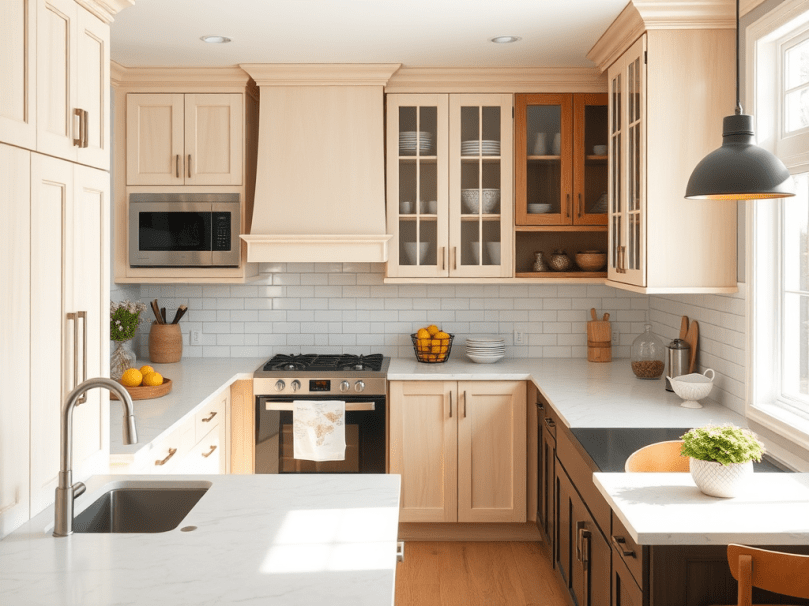
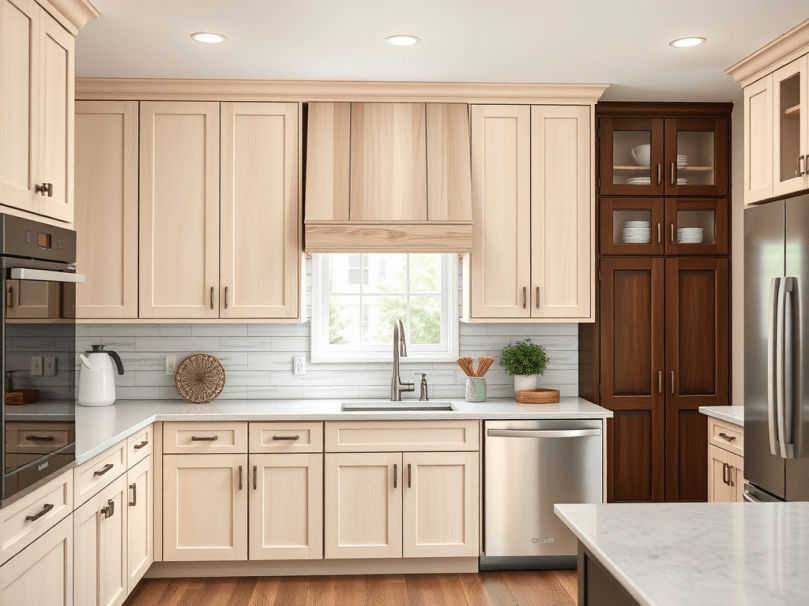
So, you’ve finally decided to demo your kitchen — exciting, right? Nothing says “fresh start” quite like the sound of old cabinets coming off the wall. But once the dust settles, one big question remains: what kind of cabinets should you buy?

Choosing the right cabinets isn’t just about style; it’s about creating a kitchen that fits your lifestyle, storage needs, and overall design vision. Whether you’re going for modern minimalism, cozy farmhouse, or timeless traditional, your cabinets set the tone for your entire space. Let’s walk through how to choose the right ones — from type to color — and why it all matters.


1. Start with the Type of Cabinets You Need

Before you fall in love with a color or door style, think about function. Ask yourself:

  • Do I want stock, semi-custom, or custom cabinets?
    • Stock cabinets are budget-friendly and available in standard sizes — perfect for quick remodels.
    • Semi-custom cabinets offer more flexibility in sizing, finishes, and storage options.
    • Custom cabinets are built specifically for your kitchen, ideal if you have a unique layout or specific vision.
  • How much storage do I need?
    • If you cook often, prioritize deep drawers, pull-out shelving, and hidden organizers.
    • For smaller kitchens, consider upper cabinets that go to the ceiling — maximizing every inch of space.

Your cabinet choice should make your kitchen work for you — not the other way around.


2. Choose the Right Cabinet Style

The cabinet door style is where your personal taste really shines. A few popular options include:

  • Shaker style: Clean, simple, and timeless — great for almost any design.
  • Flat-panel (slab) doors: Sleek and modern, ideal for contemporary kitchens.
  • Raised-panel doors: Classic and elegant, often found in traditional homes.
  • Glass-front doors: Perfect for showcasing dishware or adding an airy feel.

Think about how your cabinet style will complement other elements in your kitchen — like your backsplash, countertops, and flooring.


3. Picking the Perfect Cabinet Color

Color can completely transform your kitchen. It’s what creates mood and flow in the space. Here’s how to choose wisely:

  • Go light if your kitchen is small or lacks natural light. White, cream, or soft gray cabinets can make the room feel more open.
  • Go dark if you want drama or contrast. Navy, charcoal, or black cabinets pair beautifully with lighter countertops.
  • Mix it up with a two-tone look — white uppers and wood or colored lowers are a big trend that adds dimension and personality.

Before you commit, bring home samples and see how they look in your kitchen’s lighting. What seems perfect in the showroom may look completely different under your own lights.


4. Why It Matters Which Cabinets You Buy

Your cabinets are more than just storage — they’re a long-term investment in your home’s value and your daily happiness. High-quality cabinets hold up better over time, resist wear, and give your kitchen a polished, finished look.

Poorly made cabinets can warp, chip, and cause frustration every time you open a door or drawer. On the other hand, well-chosen cabinets make your kitchen both functional and beautiful — a space you actually enjoy spending time in.


Cabinet Brand Suggestions by Price Range

Here’s a breakdown of typical cabinet quality / budget tiers, and some brand suggestions for each. (Note: exact pricing will vary wildly based on size of the kitchen, finishes, installation, etc.)

1. Budget / Entry Level

  • What this means: Basic materials, ready-to-assemble or stock sizes, fewer finish/customization options. Good for smaller remodels or if budget is tight.
  • Brand examples:
    • IKEA KNOXHULT Base Cabinet — IKEA is commonly listed as a budget option. Coohom+1
    • Hampton Bay Base Cabinet — The brand Hampton Bay shows up as a budget friendly stock option. Lifestory Research+1
  • What to watch: Make sure materials (plywood vs particle board), hardware (soft-close, drawers) and durability are acceptable. Even on a budget you don’t want something that will fall apart.

2. Mid-Range / Semi-Custom

  • What this means: Better materials and construction (plywood boxes, better finishes), more color/door style options, possibly modifications to sizing.
  • Brand examples:
    • KraftMaid Fox Ridge Kitchen Cabinet — KraftMaid often listed in the mid-range / semi-custom space. BFP+1
    • Brands like Thomasville and Wellborn are also featured in “best mid-range” lists. Coohom+1
  • What to watch: Confirm what is included vs what is “upgrade” (for example, premium finish, built-in organizers). The mid-range often gives more flexibility for your style without fully custom costs.

3. High-End / Custom / Luxury

  • What this means: Fully custom builds, premium woods, artisan finishes, unique configurations, possibly luxury/imported lines.
  • Brand examples:
    • Brands such as Wood‑Mode, Poggenpohl, SieMatic are cited as luxury cabinet brands. Today’s Homeowner+1
  • What to watch: At this level you’re paying for craftsmanship, customization and long-term value. Make sure the investment aligns with your goals (resale, lifetime, “forever home”).

Final Thoughts

When you’re remodeling your kitchen, it’s easy to get caught up in the big picture — new floors, countertops, appliances. But your cabinets are truly the backbone of the space. Take your time, do your research, and invest in something that fits your lifestyle, taste, and budget.

The right cabinets don’t just store your dishes — they define your kitchen’s personality. So, before the next phase of your remodel begins, take a moment to envision how you want your kitchen to feel every time you walk in. That’s where your cabinet story begins.

Why choosing the right microwave is important


Many folks think “a microwave is a microwave” — you plug it in, press start, and it reheats your food. But there are important differences that can affect performance, convenience, space, and how well your kitchen runs.

Here are key reasons it matters:

  • Cooking speed and consistency: Higher wattage models heat faster and more evenly; low-power models can leave cold spots or take longer. (Good Housekeeping)
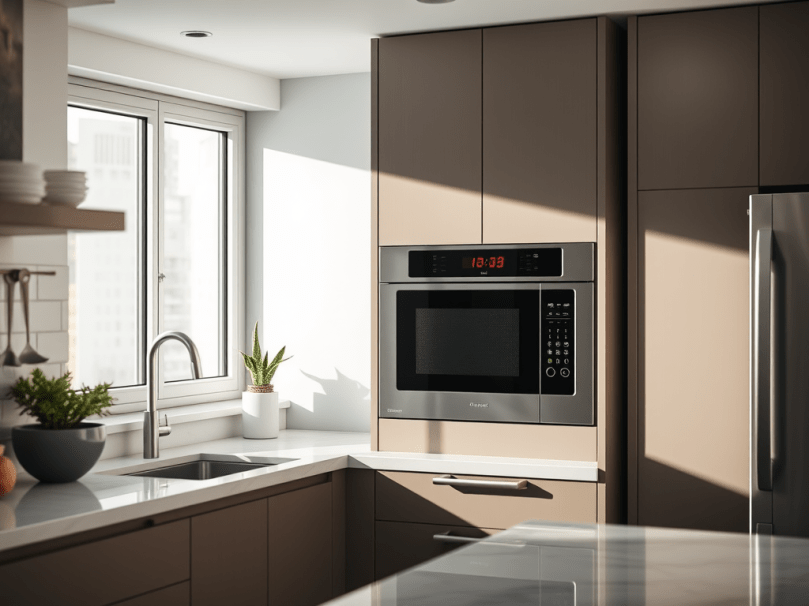
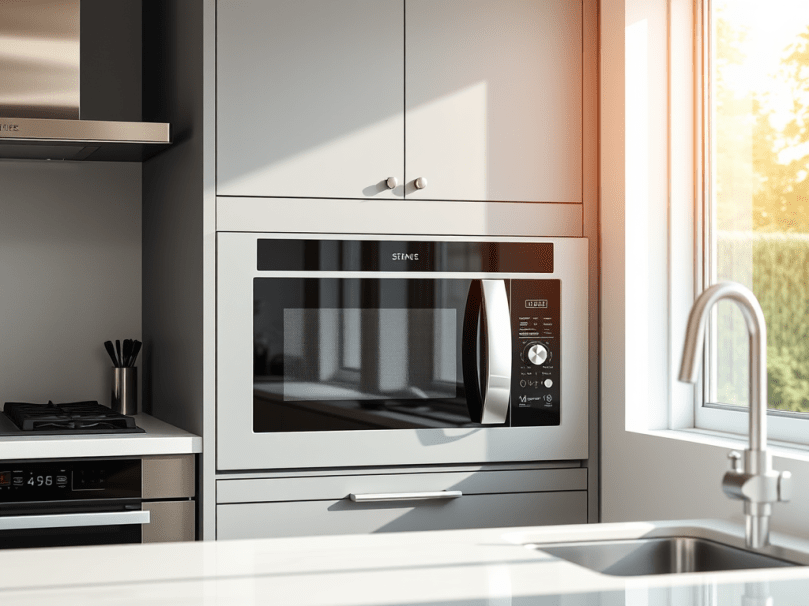
  • Fit & layout: Size, capacity, and installation (countertop vs over-the-range vs built-in) all affect how the microwave integrates into your kitchen and how much room it takes. (aeno.com)
  • Features & usefulness: Some microwaves have advanced cooking modes (convection, air-fry, sensor cook), smart controls, or better ventilation (for over-the-range units). If you pick a basic model but expect deluxe performance, you’ll be disappointed. (Whirlpool)
  • Value & lifespan: Buying thoughtfully ensures you don’t pay extra for unused features, or buy cheap and end up with something that fails sooner or underperforms.
  • Style & aesthetics: If you’re decorating or balancing an aesthetic in the kitchen (which you often are if you write about décor!), you’ll want a microwave that looks right and fits your design vision.

So yes — they are not all the same. It’s worth spending a little time picking the right one so it works well for you.


What to look for: How to choose the right one

Here are the main factors to keep in mind when selecting a microwave:

1. Type & size

  • Countertop vs Over-the-range vs Built-in. For example, an over-the-range model doubles as a vent hood in many kitchens but requires proper installation. (kitchenaid.com)
  • Check capacity (internal volume) and external size so it fits your space and your cookware. (aeno.com)
  • Clearance & ventilation matter. If it’s cramped or blocked, performance and lifespan might suffer. (aeno.com)

2. Power & performance

  • Wattage is a big deal. Many guides say aim for 1,000 watts or more for good performance. (Good Housekeeping)
  • How the microwave distributes heat (turntable vs flatbed) and whether it uses inverter or smarter technology. (aeno.com)

3. Features & extras

  • Sensor cooking: detects steam/food state and adjusts time/power. (kitchenaid.com)
  • Convection or air-fry capabilities: These allow the microwave to do more than just reheat (bake, crisp, roast). (Whirlpool)
  • Ventilation & lighting (for over-the-range). (kitchenaid.com)
  • User­friendly controls, cleaning convenience (easy-clean interior), child locks, design finishes. (lg.com)

4. Budget & how much you’ll use it

  • If you mostly reheat leftovers, you don’t need every advanced feature. A good, basic model may suffice. (This Old House)
  • If you cook more heavily, entertain, or want a “multi-purpose” microwave (bake, air-fry, etc), you may invest more.

5. Aesthetic & integration

Since you’re involved with home décor, how the microwave looks and fits your kitchen aesthetic (match finishes, handle style, layout) matters. Don’t just pick what’s cheapest; pick what fits the space.


Top microwave models on the market

Here are eight solid picks across different needs/budgets—each with something commendable.

Breville Combi Wave 3‑in‑1 Microwave

premium multi‑function

$499.95

Whirlpool 1.7 Cu Ft Over‑the‑Range Microwave

mid‑range OTR

$259.00

LG 1.7 Cu Ft Over‑the‑Range Microwave (EasyClean)

easy‑clean OTR premium

$299.00

Samsung 1.6 Cu Ft Over‑the‑Range Microwave

value OTR

$219.00

LG NeoChef 0.9 Cu Ft Countertop Microwave

compact countertop premium

$159.00

Hamilton Beach 1.1 Cu Ft Countertop Microwave

budget countertop full size

$80.00

Insignia 1.1 Cu Ft Countertop Microwave

budget countertop mid

$99.99

BLACK+DECKER 0.9 Cu Ft Countertop Microwave

entry countertop small

$99.99

Here’s a breakdown:


Why these are “top” models

  • They cover a range of types and budgets, so you can pick based on your kitchen layout and how much you’ll use it.
  • They meet important performance criteria such as decent wattage, good capacity, and useful features (sensor cook, good venting, etc).
  • They come from trusted brands with support and solid reviews.
  • They align with the buying-guides: looking for size, power, features, layout integration.

Are they all the same? No. The differences matter

Yes, they all microwave food. But because microwaves vary in size, power, installation type, and feature set, they do not behave the same in practice. For example:

  • A 700-watt compact model will take longer and may heat less evenly compared to a 1,100-watt model.
  • Over-the-range models must fit above your stove and often include venting & lighting — which you won’t get with a countertop model.
  • Models with convection/air-fry capabilities are more expensive but add cooking versatility.
  • A countertop microwave has different vent/clearance requirements than built-in or over-the-range.
  • Basic models may lack sensor cooking, child locks, or top finishes — which may not matter if you only reheat, but matter if you cook more.

Thus, choosing “just any microwave” is fine if your usage is minimal and your budget is tight — but if space, usage, aesthetics, or performance matter, you should choose carefully.


My practical suggestions for you

  • Think kitchen layout & look: If your kitchen is styled (farmhouse, minimalist, boho etc) pick a microwave finish (stainless, black-stainless, white) that blends or accents your style.
  • Consider visibility: If it’s in a main living space or open-plan, the microwave will show — so styling matters.
  • Define usage: Ask yourself: “Will I use this mainly to reheat and defrost? Or will I cook meals and need more features?”
  • Match size to space: If it’s a small apartment or first place a smaller countertop model may serve perfectly and allow budget for styling accessories.
  • Feature vs budget trade-off: If you’re on a budget, a good 1.1 cu-ft, ~1000-watt model may get you 90% of what you need. Don’t pay extra for big bells & whistles if you’ll rarely use them.
  • Integration & décor: If you change seasons or redesign furniture/layout, pick a microwave that doesn’t fight your style changes (neutral finish, streamlined design).

Conclusion

In short: Yes — you should pick your microwave with intention. It’s more than a “plug-in box” in the kitchen — it affects how well your kitchen flows, how quickly you prep meals, how the space looks, and whether your appliance will serve you well for many years. By focusing on the right size, power, features, style, and fit for your usage and space, you’ll land a microwave that works hard yet recedes into the background of good design.